
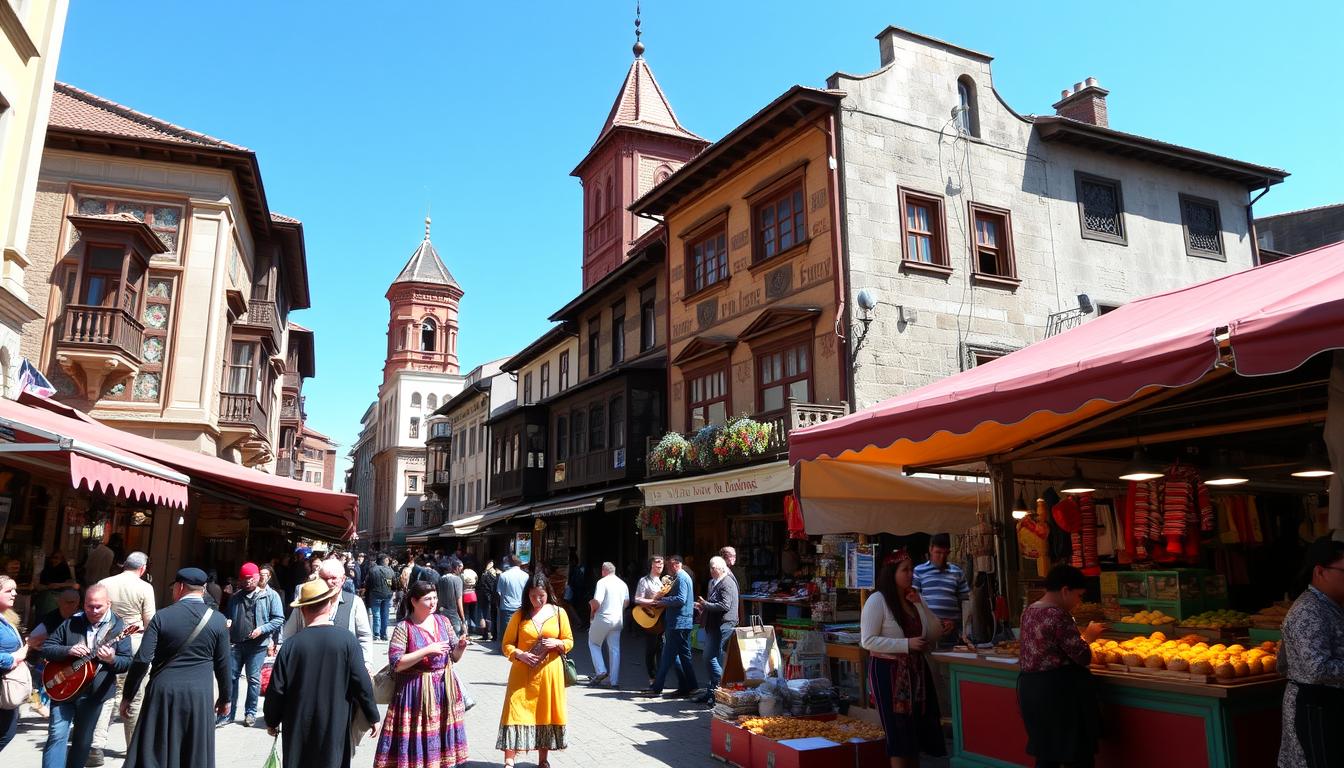
Explore Tbilisi Cultural Customs & Traditions
What makes Tbilisi’s culture so fascinating to travelers worldwide? As Georgia’s capital, Tbilisi mixes old customs with new traditions. Founded in the 5th century, it’s a city where cultures meet, enriching its heritage.
Discovering Tbilisi’s customs shows the city’s rich history and traditions. It’s a place where old and new blend, inviting you to dive into its culture.
Introduction to Tbilisi’s Cultural Landscape
The Tbilisi cultural landscape is a mix of old and new. It has a population of 1,258,526 in 2024. The city is alive with culture, thanks to its diverse people.
Georgians, Armenians, Azerbaijanis, and others make up the city’s ethnic mix. This diversity enriches the city’s identity.
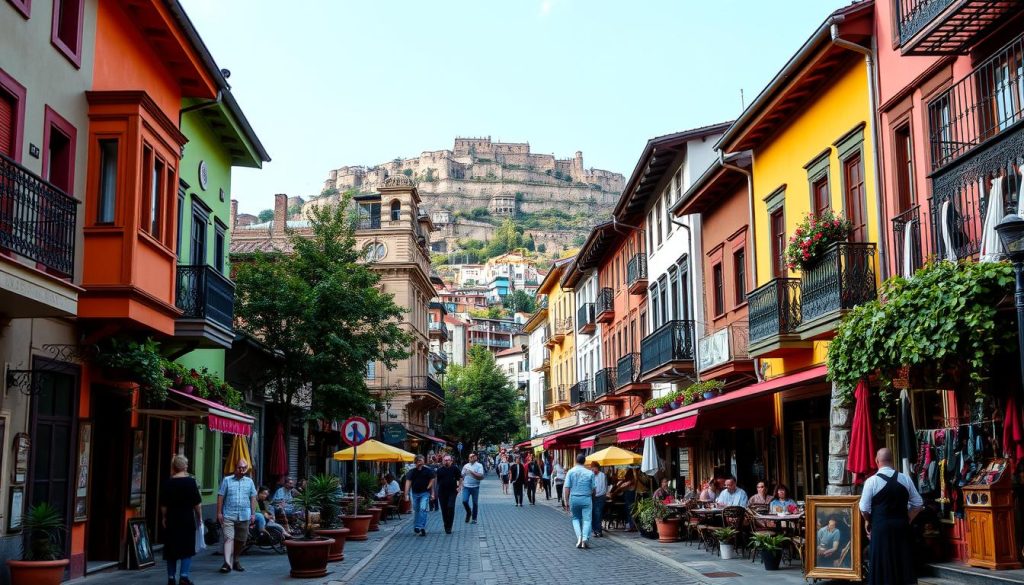
The Old Town of Tbilisi is a sight to see. It has cobblestone streets, charming balconies, and ancient churches. This area has been rebuilt 29 times since the 5th century AD.
Landmarks like the Holy Trinity Cathedral and Metekhi Church show the city’s resilience. They stand as symbols of its enduring spirit.
Modern Tbilisi is a different story. It has a mix of new architecture and art. Galleries and theaters show how old and new coexist.
You can explore the city’s lively neighborhoods. Places near the Mtkvari River show local traditions and community life.
Getting around Tbilisi is easy. The Metro, marshrutkas, and ride-hailing services make it simple. As a traveler, you’ll see how culture shapes daily life in Tbilisi.
The Historical Roots of Tbilisi Cultural Customs
Tbilisi’s cultural customs come from a rich history. Founded in the 5th century AD, it became a key city for Georgia. The city’s name, “warm place,” comes from its famous *sulfur baths*. These baths are important for health and social life.
Throughout history, Tbilisi has seen many empires rise and fall. Under Russia from 1801 to 1917, it was a major center. Its architecture shows the mix of cultures over time.
“Tbilisi is a melting pot of cultures, reflecting the diverse threads of its tumultuous past.”
Settlements in Tbilisi date back to the 4th millennium BC. It was a key spot for trade and travel between Europe and Asia. The city was fought over by many empires, including the Persians and Byzantines.
In 1122, King David the Builder made Tbilisi his capital. This started the Georgian Golden Age. The city’s rich history and literature have shaped its culture today.
| Time Period | Event | Significance |
|---|---|---|
| 5th Century AD | Foundation of Tbilisi | Established as a cultural and political center |
| 8th Century | Arab Rule Begins | Influenced cultural development and regional order |
| 12th Century | David the Builder’s Reign | Triggering the Georgian Golden Age |
| 19th Century | Russian Control | Integrated new administrative influences and cultural shifts |
| 21st Century | Independence | Recent developments in cultural expression and identity |
Tbilisi Cultural Customs Influenced by Diverse Cultures
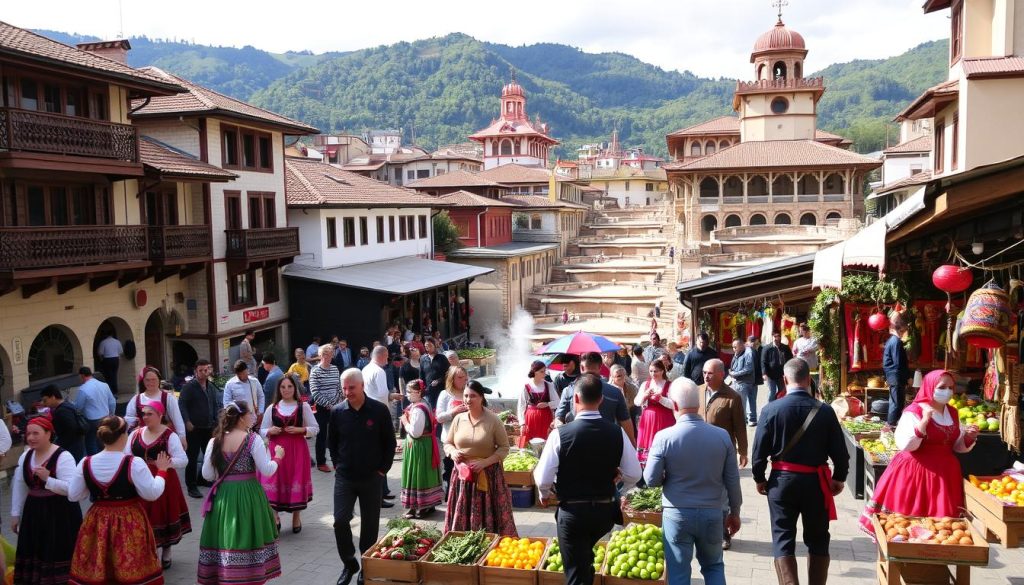
Tbilisi is a vibrant crossroads where many cultures blend. This mix has shaped its Tbilisi cultural practices over centuries. Eastern and Western traditions merge here, seen in the city’s architecture and lifestyle.
The city’s population, now 3.9 million, is very diverse. Georgians make up 83.8%, with others like Azeris, Armenians, and Russians. Each group adds its own flavor to the city’s culture and food.
Georgian food is a big part of Tbilisi’s culture. Dishes like khachapuri and khinkali show the city’s culinary diversity. Meals are often shared, fostering community and hospitality.
Art in Tbilisi also reflects its diverse roots. Traditional music and dance blend different styles, appealing to all. These art forms are both local and universal, bridging cultural gaps.
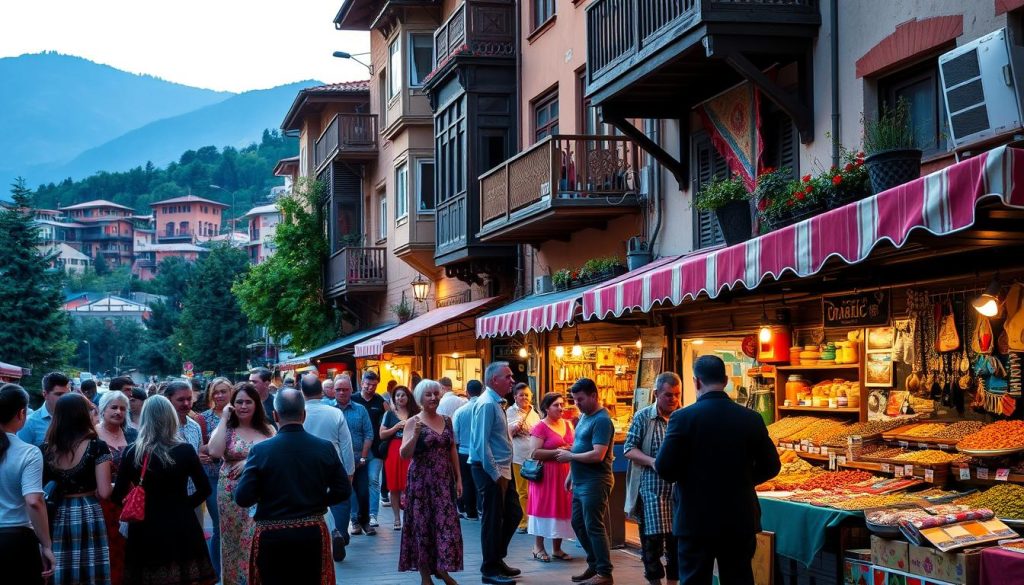
Tbilisi’s culture shows a city that values its rich heritage. It harmoniously combines many influences. This blend enriches both Tbilisi cultural practices and Georgian social customs.
Georgian Traditions: Celebrations and Festivals
Celebrations and festivals in Tbilisi show off Georgian traditions and the city’s rich culture. Life in the capital city bursts with energy during these events. Here, community spirit and cultural pride are on full display.
The New Wine Festival is a big deal, celebrated for eight years now. It’s a chance for locals and visitors to taste unique wines and share experiences. It’s a big part of Georgian wine culture.
Georgian Christmas is on January 7th, following the Orthodox calendar. It’s a time to see the spiritual side of Tbilisi’s culture. The festive parade, “Alilo,” and baking kvertsi, a special Christmas cake, add to the fun.
St. George’s Day on November 23rd is also important. It mixes religious and social customs, showing the mix of faith and folklore in Georgian traditions.

Festivals like Rtveli celebrate the grape harvest. They feature fun and traditional foods like khachapuri and churchkhela. These events bring people together, showing unity and hospitality.
Traditions like the Supra, where toasting is key, and the ceremonial parts of Georgian weddings, show the cultural depth. These gatherings help Tbilisi’s residents celebrate their identity and strengthen community bonds.
Tbilisi Cultural Customs in Daily Life
Daily life in Tbilisi is all about strong social bonds. These bonds are rooted in the cultural norms of the city. Hospitality is a big part of Georgian culture, as seen in the saying, “a guest is a gift from God.”
This welcoming spirit shows up in many ways. It’s most visible during meals and social events.
Social Interactions and Hospitality
In Tbilisi, sharing meals is a key part of social life. Dining in groups is common and celebrated. Tables are filled with traditional foods like khinkali dumplings, known as the best in Georgia.
Meals are more than just food. They help build relationships and create lasting memories.
Gatherings often happen in cozy, unique places. Think of pastel boulevards leading to speakeasy-style cafes or the Rooms Hotel in a former Soviet publishing house. The atmosphere is enhanced by live music, adding to the city’s rich cultural tapestry.
Knowing these customs is key for anyone wanting to dive into Tbilisi’s daily life. Embracing local customs will make your experience richer. It lets you connect deeply with the place and its people.
Understanding Tbilisi Cultural Etiquette
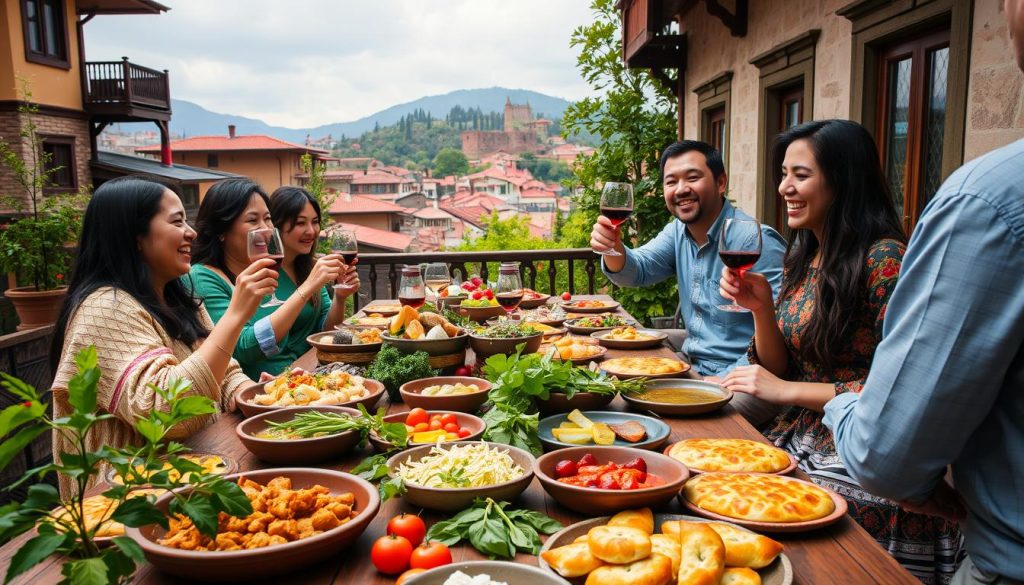
Tbilisi’s cultural etiquette shows the country’s warm hospitality and deep traditions, mainly during meals. When eating with Georgians, getting ready for a supra, a big feast, is key. This feast highlights Georgia’s food variety and the joy of sharing meals together. It’s filled with memorable toasts, led by the tamada, the toastmaster.
Dining Etiquette and the Supra Tradition
In Georgia, dining etiquette is all about being part of the group and showing respect. Guests should wait for the host or tamada to start the first toast before drinking. This shows the meal’s communal spirit, with the supra at its heart. It’s important to try every dish and finish your food, as leaving it behind is seen as rude.
When you visit someone’s home, it’s nice to bring gifts like flowers, chocolates, or wine. Don’t forget, odd numbers of flowers are for celebrations, not funerals. Tipping is also welcome, usually around 10-15%. Knowing these customs makes your visit more enjoyable and shows you respect Georgia’s etiquette.
Traditional Georgian Toasts
Toasting is a big part of Tbilisi’s cultural etiquette. Each toast expresses good wishes, thanks, and shared moments. The tamada is crucial, often telling stories and history in the toasts. This strengthens friendships and shows the unity in Georgian culture.
With 83% of Georgians being Orthodox Christians, toasts often include blessings and faith references. This adds a special layer to the dining experience.
Tbilisi Cultural Practices in Art and Music
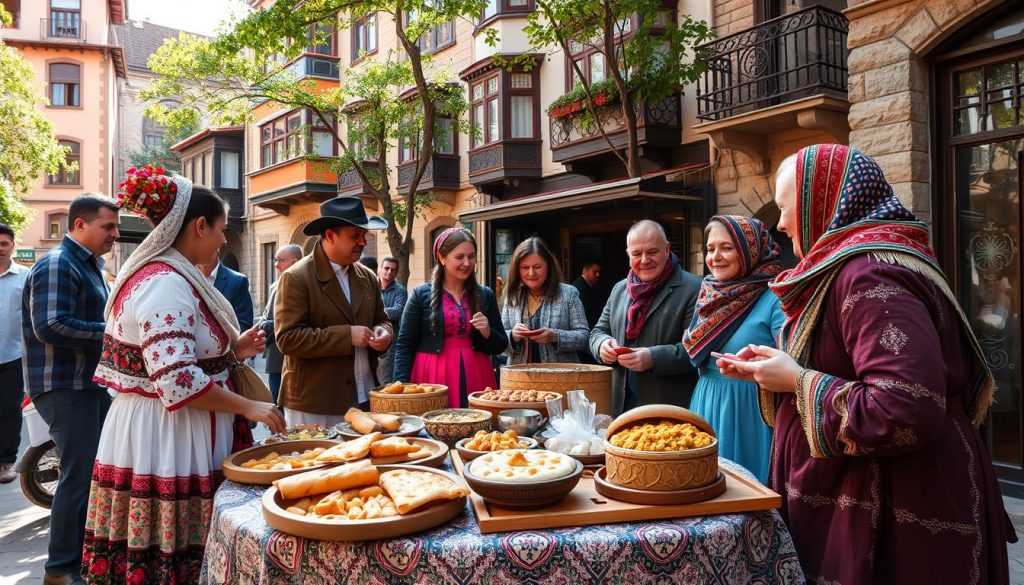
Tbilisi is a vibrant city where old and new art meet. It shows the rich cultural practices of the region. Music and art deeply shape the community’s identity.
Unique traditions like polyphonic singing and traditional dances keep the culture alive. These practices are key to preserving heritage.
The Role of Polyphonic Singing
Polyphonic singing is a special part of Georgian heritage. It’s known for its complex harmonies. UNESCO has recognized it as part of the world’s cultural heritage.
Georgia is famous for this musical tradition. It has enriched both traditional and modern music.
In Tbilisi, you can see Georgian customs come to life. Places like the Georgian National Opera and Ballet Theater offer performances. The Gabriadze puppet theater tells stories through art since 1981.
The Rustaveli Cinema shows a variety of films. It brings art to the people of Tbilisi.
Today, Tbilisi is also a hub for contemporary art. The Tbilisi Photography & Multimedia Museum showcases modern photography. Artists like David Meskhi explore themes of movement and expression.
Galleries like the Window Project support both new and established artists. They highlight Tbilisi’s role in fostering artistic talent.
Tbilisi’s culture blends old traditions with new influences. Cafés like Art Café HOME and Art Café Pur Pur host live music. They mix community gatherings with the beauty of Georgian art and music.
Tbilisi Cultural Heritage Sites: Preserving Traditions
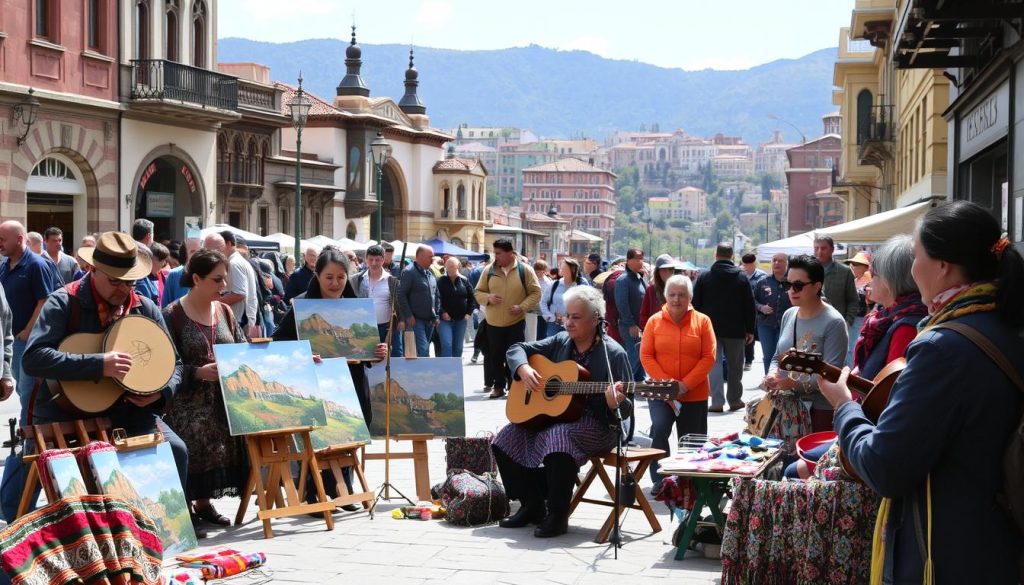
Tbilisi is rich in cultural heritage, with sites that show its history and spirit. Places like Narikala Fortress and the Holy Trinity Cathedral tell the city’s story. They give us a peek into the traditions that make up Georgian identity.
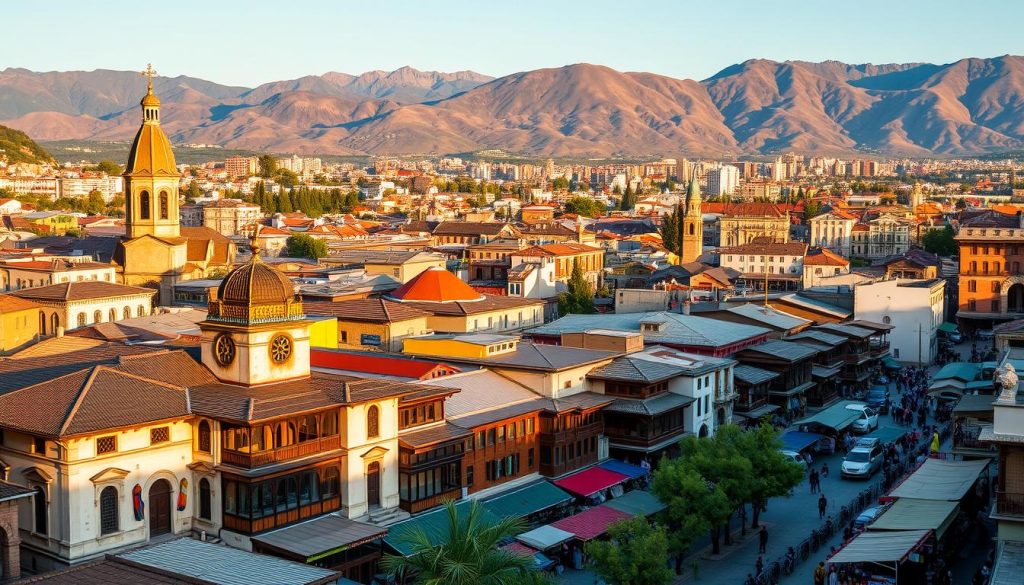
The sulfur baths in the Old Town mix health with social life, a tradition for centuries. These baths were not just for relaxation but also for socializing and building community. They are a key part of Tbilisi’s cultural heritage.
Exploring these sites helps us appreciate Tbilisi’s diverse culture. The city’s layout and buildings show its history, influenced by many cultures and times. This is seen in its old and Stalin-era structures.
| Heritage Site | Significance | Year Established |
|---|---|---|
| Narikala Fortress | Strategic historical landmark | 4th Century |
| Holy Trinity Cathedral | Symbol of the Georgian Orthodox Church | 2004 |
| Sulfur Baths | Social and therapeutic center | 12th Century |
| Mtskheta | UNESCO World Heritage Site | 4th Century |
| Dmanisi | Fossils illustrating human evolution | 1.8 Million Years Ago |
Tbilisi’s effort to keep these sites shows its love for heritage. It connects old traditions with today’s life. By exploring these cultural treasures, you gain insight into the Georgian story.
Conclusion
Tbilisi’s cultural customs are a colorful mix of history, traditions, and social beliefs. Exploring Georgian traditions in this city is an adventure. You’ll discover amazing food and the warm welcome of the locals.
Try khinkali and khachapuri, and watch the lively polyphonic singing. These experiences connect you with Tbilisi and its people.
Tbilisi is a city that shows both old and new, from the Trinity Church to art galleries. The Tbilisi Day celebrations are a chance to dive into the city’s rich culture. With easy public transport, you can explore parks, markets, and historic sites without trouble.
By embracing Tbilisi’s culture, you connect with Georgia’s spirit. Walk its historic streets, enjoy the art, and join unforgettable feasts. Each moment adds to the story of Tbilisi’s unique identity.





