Experience the Heart of Manila with Quiapo Cultural Exploration
Ever thought a single district could show a rich mix of history, culture, and modern life? Welcome to Quiapo, the heart of Manila. This area, alive for over 400 years, offers a cultural journey. It reveals stories of important places and historical sites in Quiapo.
The famous San Sebastian Church, built in 1891, and Casa Consulado’s traditional architecture stand out. On Bilibid Viejo Street, old houses mix with new buildings. This shows how the district has changed over time. Walking down Hidalgo Street, you’ll see buildings that tell stories from the past.
Are you ready to explore Quiapo’s vibrant community? Want to celebrate its diversity? Join us as we discover the stories of its busy streets.
Introduction to Quiapo
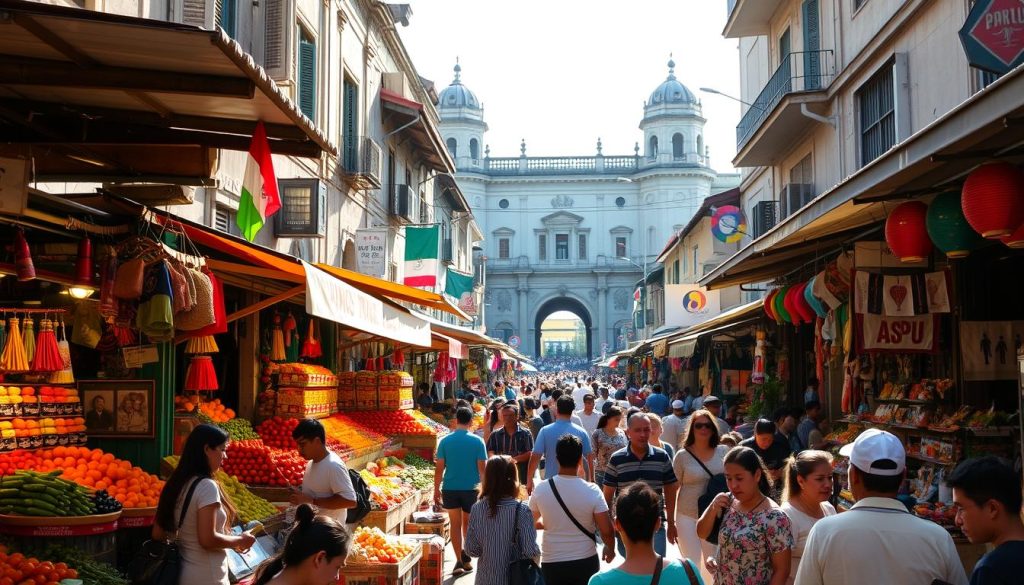
Quiapo is at the center of Manila, showcasing the city’s rich culture. It has a history spanning over 400 years, growing beside districts like Binondo and Sta Cruz. The area’s colorful markets, historic churches, and lively streets create a unique vibe.
This place has a dynamic mix of people, including shopkeepers, worshippers, and locals. Its markets burst with everything from fresh food to handcrafted items. Exploring Quiapo lets you dive into its vibrant life and traditions.
Its history includes the tragic Plaza Miranda bombing in 1971, a dark memory for many. Despite this, Quiapo keeps its cultural richness alive. It’s a must-visit for anyone wanting to see Manila’s soul.
Historical Significance of Quiapo
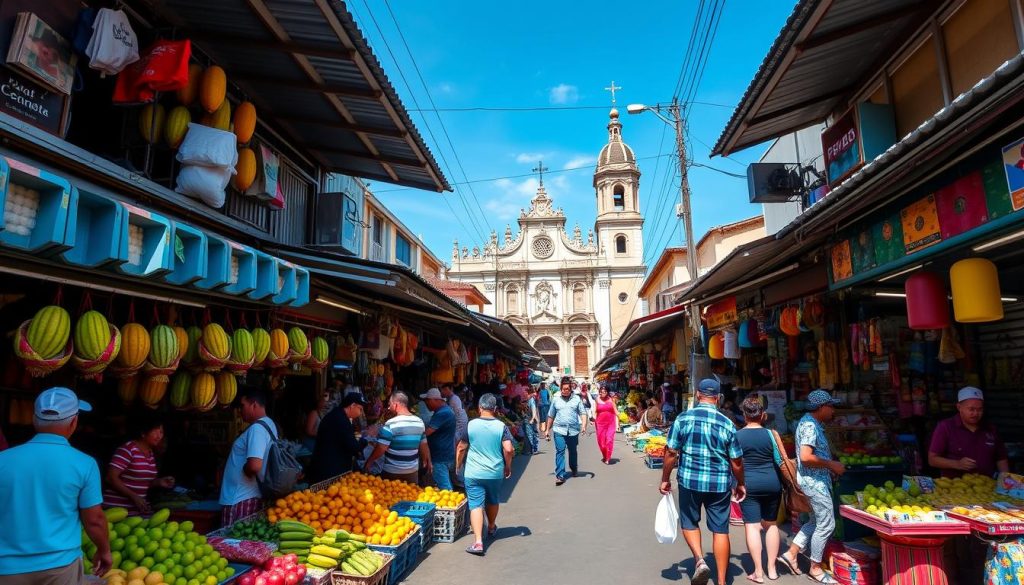
Quiapo is a place with deep historical roots, showing off its culture through landmarks and traditions. It has been key in the Philippines‘ history, being central for trade, religion, and arts. One of its gems, Quiapo Church, was set up in 1586. It’s known as the Minor Basilica of the Black Nazarene. This church is one of the oldest spots for worship in the area.
Every year on January 9, millions come to this church. They come for the Annual Feast of the Black Nazarene. This event shows how much people cherish this statue religiously.
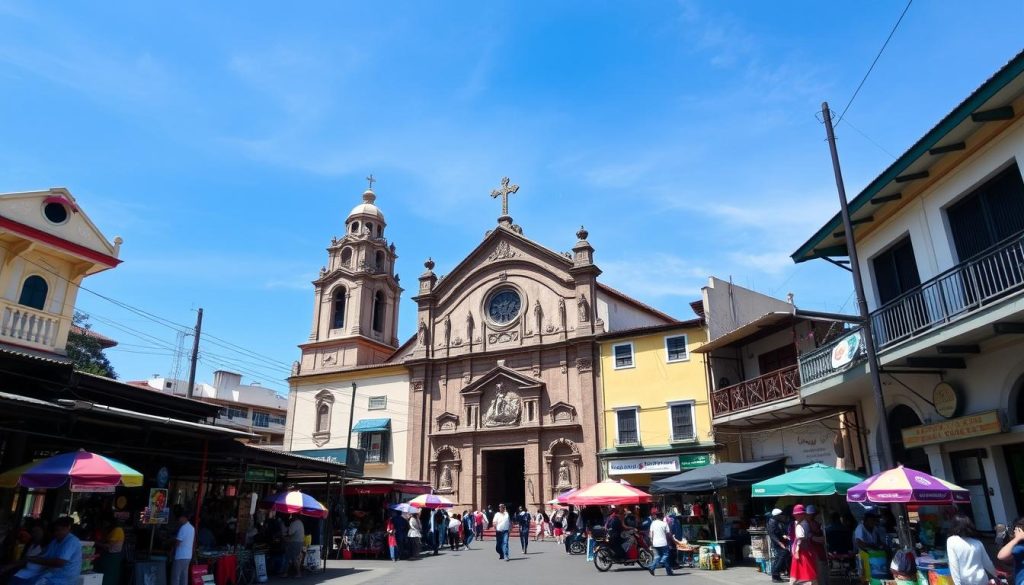
Then there’s the pulse of Quiapo Market. It offers a mix of things, from street food to tech gadgets. Its buzz captures Manila’s dynamic essence, attracting people to explore. Nearby, Plaza Miranda stands out for its history. It has seen many political and social events.
Back in the 1800s, Quiapo began its journey from swampland to a bustling suburb by 1900. Settlers from different places, like China, Japan, and India, came here. They added to Quiapo’s unique culture. The American era brought schools and places for entertainment, enriching its cultural scene.
Quiapo’s history comes alive during its annual fiesta. This event honors the district’s patron saint with colorful parades and shows. It’s a time when you can feel the area’s past and present merge. This vibrant community invites everyone to experience its richness through festivals, foods, and historic sites.
| Event | Description | Significance |
|---|---|---|
| Quiapo Church Establishment | Founded in 1586 | One of the oldest religious sites in Manila |
| Annual Feast of the Black Nazarene | Held on January 9 | Attracts millions of pilgrims, showcasing devotion |
| Quiapo Market | Vibrant hub for diverse products | Reflects the cultural offerings of Manila |
| Plaza Miranda | Historical site for gatherings | Significant in national history and politics |
| Quiapo Fiesta | Celebration in August | Includes parades and cultural performances |
Cultural Landmarks in Quiapo
Exploring Quiapo’s cultural landmarks is like taking a trip through Manila’s vibrant past. Quiapo Church stands out, drawing thousands every year. It’s famous for the Feast of the Black Nazarene on January 9th. This event has millions of devotees walking barefoot in a huge procession, showing their strong faith.
San Sebastian Church showcases Quiapo’s architectural marvels as Asia’s only all-steel church. Finished in 1891, it’s a symbol of technological progress and cultural heritage. The Quiapo Pagoda, built in 1941, also tells a story of survival, having withstood the bombings of World War II.
Walking down Hidalgo Street is another way to dive into the area’s history. There, the Bahay Nakpil-Bautista catches the eye. It was a home for leaders of the Philippine Revolution. The buildings display the bahay na bato at kahoy architecture, revealing Quiapo’s diverse cultural influences.
The Quiapo market is a must-visit. It offers everything from electronics to herbal remedies. This marketplace reflects the community’s vibrant life and cultural diversity. It’s a center for celebrations, such as the Chinese New Year and the ongoing Feast of the Black Nazarene.
Quiapo is more than its landmarks; it’s about the people and their enduring spirit of faith, tradition, and pride. This mix of qualities makes Quiapo a crucial part of Manila’s essence.
Quiapo Cultural Exploration
Exploring Quiapo opens your eyes to historic sites that show the Filipino heritage wealth. The area is full of different architectural styles. They tell of Quiapo’s history and traditions. Each place has a story of the past, inviting you to discover and connect with its community.
Must-Visit Historical Sites
The Minor Basilica of the Black Nazarene is a key faith and resilience site. It draws thousands yearly to the Feast of the Black Nazarene. Here, millions march in a big procession, showing their strong faith. The San Sebastian Basilica with its all-metal structure is engineering marvel from the 1800s.
Heritage Houses of Quiapo
In Quiapo, heritage houses like the Bahay Nakpil-Bautista and the Boix house show Filipino architectural art. These homes mix Spanish and local styles, letting us see how past generations lived. Visiting these houses, you learn about traditional bahay na bato designs and their role in Quiapo’s culture.
Exploring San Sebastian Church
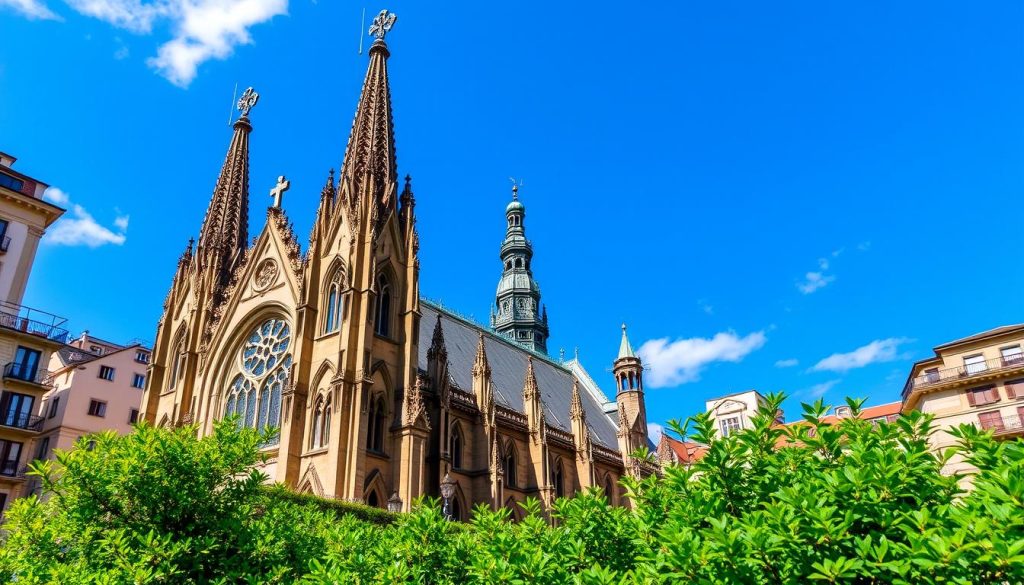
The San Sebastian Church stands out in Quiapo as a prime example of Gothic architecture. It is Asia’s only all-steel church, known for its unique build. Finished in 1891, it is not just a place for worship but also a symbol of the advanced engineering of its era.
Architectural Marvels of San Sebastian
This basilica boasts beautiful stained glass windows from Germany, adding to its mystical aura. It has 34 painted glass windows, each reflecting the church’s historical importance. The mix of Belgian steel components and meticulous artisanship display the innovation used in its building process.
The church has seen various efforts to keep its Gothic Revival looks. These efforts ensure it remains intact for coming generations. Named a National Historical Landmark and a National Treasure in 2011, it is filled with history.
The church’s interior remains mostly unchanged, preserving its impressive design. It provides a calm retreat within the busy surroundings. Events like the Feast of Our Lady of Mount Carmel bring people together here. The bustling area around the church makes your visit even more memorable, offering a mix of spirituality and city life.
The Allure of Bilibid Viejo Street
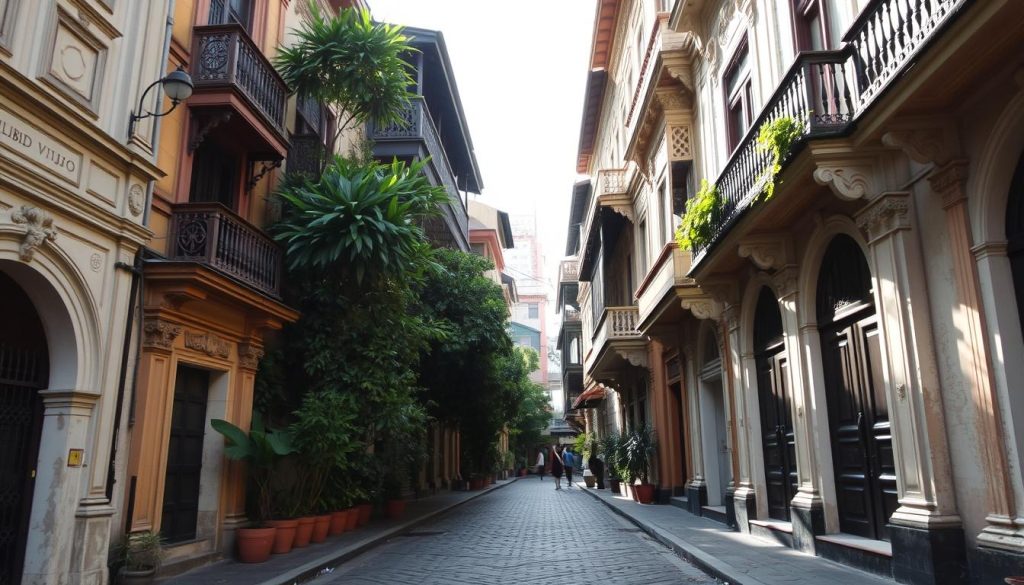
Bilibid Viejo Street is a key spot for exploring Quiapo’s culture. It bridges the old and the new, showing off historical architecture alongside modern life. As you walk down the street, you’ll pass by heritage houses that still tell tales from the past.
This street’s magic also comes from its lively vibe. You’ll meet local vendors and see bustling markets beside ancient buildings. It’s a place where history and today’s world mix perfectly, offering a rare experience.
The design of Bilibid Viejo Street showcases Manila’s rich cultural past. It shows how the city values its history, even as it grows. For those who love taking pictures or exploring new places, this area is perfect. It highlights the importance of preserving our heritage in today’s fast-moving world.
| Features | Description |
|---|---|
| Cultural Significance | Represents a blend of old and new, capturing the essence of Quiapo’s history. |
| Heritage Houses | Displays various heritage homes that tell the stories of Quiapo’s past. |
| Modern Amenities | Includes contemporary businesses that contribute to the local economy. |
| Atmosphere | A lively environment with local vendors, enhancing the cultural experience. |
| Photography Opportunities | Offers picturesque scenes for capturing the intersection of history and modernity. |
A visit to Bilibid Viejo Street is a step back in time. It shows how cultural heritage stays strong, even as the world changes around it.
Quiapo Heritage Tour: A Walk Down Memory Lane
A Quiapo heritage tour lets you explore history in an exciting way. You’ll discover the heart of this lively area. Walking here, you might meet local guides. They share stories of important people like Gregoria de Jesus from Philippine history.
Getting involved in Quiapo’s cultural activities gives you more insight. You’ll hear fascinating tales that mix personal stories with historical facts. Tours often stop at key landmarks. They show off Quiapo’s stunning architecture and its importance through time.
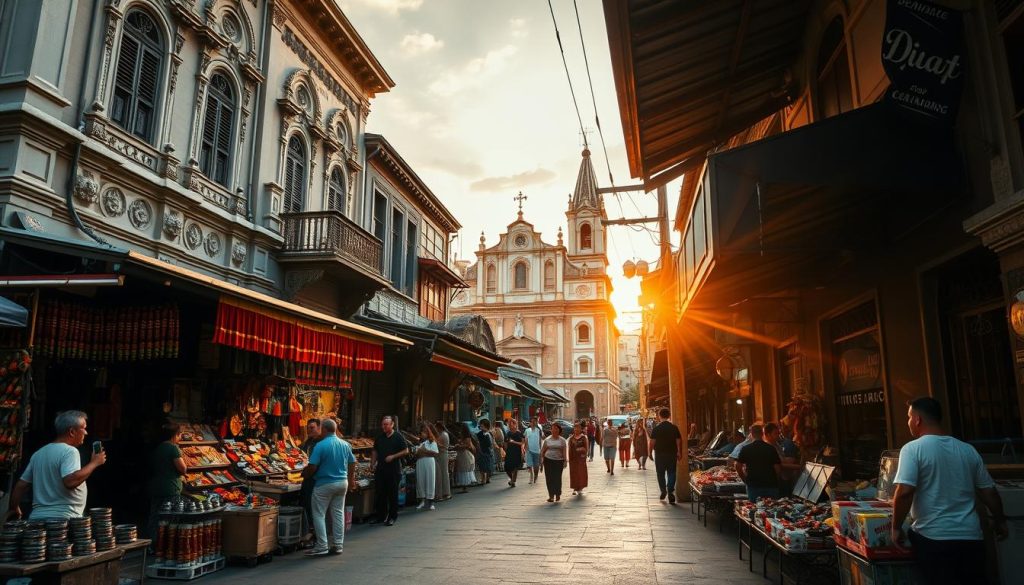
Exploring Quiapo through this tour reveals its rich stories. These stories make the district what it is today. The tour makes the past come alive. It also makes you see Quiapo’s culture in a new light, making your trip memorable.
Life in Quiapo: A Cultural Immersion
Experiencing Quiapo gives you a unique peek into its culture. This busy area is known for its colorful markets. These markets have fresh food, clothes, and religious items. Here, vendors share their passion, welcoming both tourists and residents.
Vibrant Local Markets
Walking in Quiapo, you come across many markets. Each shows something special about the place. They are central to community life, offering food and local treats.
- Try mangoes and bananas from friendly local stalls.
- Find unique handcrafted things to remember your visit.
- Meet vendors who tell tales of their culture.
Unique Culinary Experiences
Food in Quiapo is a blend of many cultures. Local spots offer tasty meals that everyone loves, especially street food fans. A must-try is the affordable Paratha, showing the area’s rich food history. Filipino and Muslim food traditions mix here.
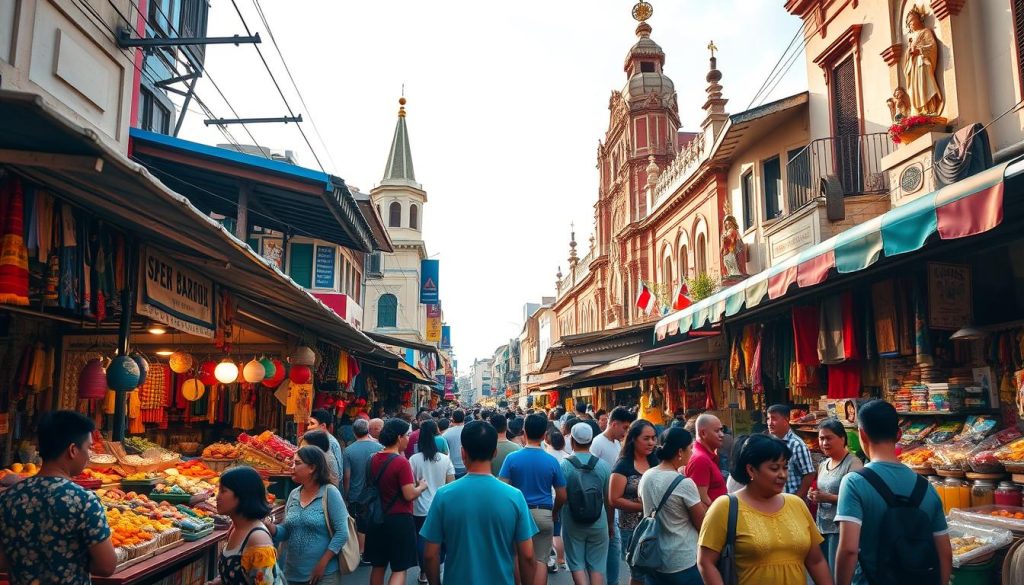
In Quiapo, food ranges from simple treats to new mixes. Visitors will enjoy:
- Filipino dishes with a taste of Muslim influence.
- Meeting food creators who are proud of their craft.
- Seeing how food brings different cultures together.
Exploring Quiapo’s markets and food lets you dive into its culture. This adventure gives you lasting memories. And it shows you the deep heritage of the community.
Quiapo’s Vibrant Community and Festivals
The Quiapo community is alive with its colorful cultural heritage. This is shown in many vibrant festivals each year. One key event is the Feast of the Black Nazarene. It attracts thousands from different backgrounds.
This festival highlights the strong religious traditions in the area. It brings everyone together, locals and visitors alike.
The Batang Quiapo festival is another major highlight, celebrated on April 21st. It features the skills of Quiapo’s kids, mixing old Filipino culture with modern performances. It started during the Spanish colonial times, showing the rich cultural history of the Filipinos.
You’ll see traditional dances and modern pop acts. Together, they create a fun and open atmosphere.
Being part of the celebrations lets you dive deep into Quiapo’s culture. There’s a big procession for the Black Nazarene. Joining in helps you connect with the community. There are also chances to volunteer. This helps with organizing the festivals, bringing you closer to the local traditions.
Besides these festivals, you can explore Quiapo through food with Quiapo A La Carte. Quiapo’s festivals are a celebration of its heritage and current identity. By experiencing these events yourself, you might gain a new respect for Quiapo’s culture.

| Festival | Date | Highlights |
|---|---|---|
| Feast of the Black Nazarene | January 9 | Grand procession and spiritual gatherings |
| Batang Quiapo | April 21 | Children’s talent showcases and cultural performances |
| Mga Kuentong Pagkain Competition | Annually in November | Celebration of local cuisine and storytelling |
Top Things to Do in Quiapo
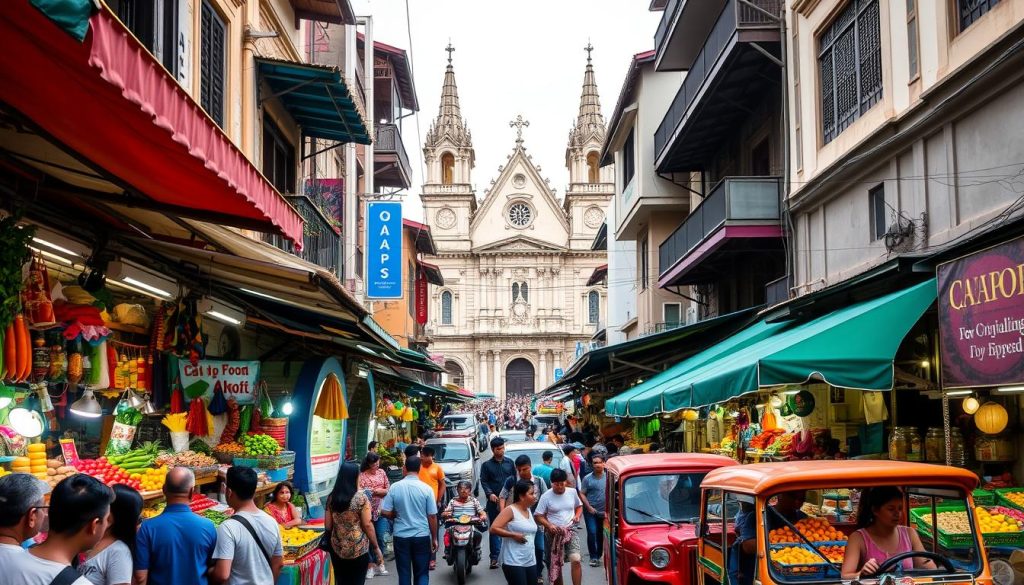
Visiting Quiapo is a treat filled with exciting activities for all. From historical sights to food adventures, there’s plenty to do. Begin with a stop at the San Sebastian Church, a masterpiece of Gothic architecture from 1891. Its detailed design is a hit among both locals and visitors.
Then, take a stroll through the lively streets. The Quiapo market is famous for its unique finds and local treats, perfect for food lovers. It’s always bustling, making it a top spot to explore while you’re in the area.
For history buffs, joining a cultural tour is a great idea. The tours average $167.8 per adult, but they’re worth every penny. Plus, they all offer free cancellation, so you can book worry-free.
Don’t skip the Bahay Nakpil-Bautista museum for a peek into the Philippine revolution. And the restored Padilla House, now an art space, shows off Quiapo’s cultural comeback.
There’s a tour for every schedule, with 31 options from half a day to full days. The Manila Chinatown and Intramuros Tour, rated a perfect 10/10, is especially recommended for an unmatched experience.
| Tour Type | Duration | Average Price | Rating |
|---|---|---|---|
| Manila Chinatown and Intramuros Tour | 5 hours | $167.8 | 10/10 |
| Private Full-Day Tour of Villa Escudero | 8 hours | $250 | 4/10 |
| 12-Day Philippines Honeymoon Private Tour | 12 days | $3,589 | N/A |
When planning your trip, think about attending local festivals too. Taking part in Quiapo’s cultural events will make your visit unforgettable. It’s a chance to dive deep into the historic heart of Manila.
Conclusion
In summation, Quiapo is truly the heart of Manila. It showcases the rich Filipino culture and history. First established in August 1586, this lively area has changed a lot, especially from the 1950s to 1980s.
However, it has kept its unique identity. This is thanks to the community’s efforts and keeping traditions alive. People come to Quiapo to see the beautiful Quiapo Church. They also come to enjoy the famous street food of Batang Quiapo.
Exploring Quiapo means discovering the stories of its streets and buildings. The grand Black Nazarene procession attracts millions. Local music bars let artists showcase their talents. Every part of Quiapo shows Manila’s strong and diverse heritage.
There are special days, like April 17, 2024. These days show the unbreakable spirit of its young people and community.
Quiapo offers an adventure you won’t forget. It’s perfect for anyone who loves history, enjoys exploring food, or seeks genuine local culture. Quiapo is more than its past; it actively shapes Manila’s story. When you visit, you grow to love the Filipino way of life even more.