Top Tourist Attractions in Multan: Must-See Sights
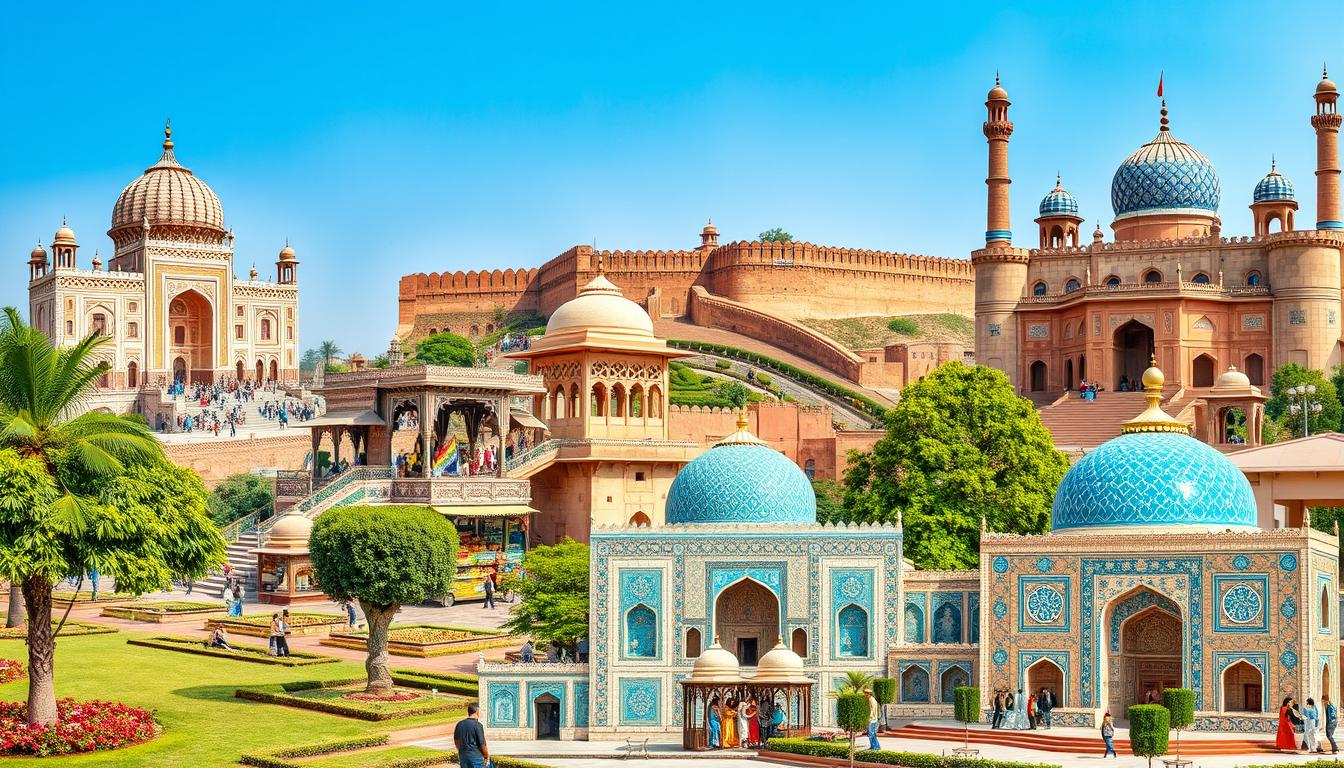
Multan, the “City of Saints,” is a vibrant destination in Pakistan. It offers a unique mix of spiritual heritage and architectural wonders. Visitors can explore towering shrines, impressive fortresses, and rich cultural delights.
Multan’s history spans over 5,000 years, making it one of Asia’s oldest cities. Its spiritual importance shines through its many shrines and tombs. These sites honor revered Sufi saints.
The Shrine of Shah Rukn-e-Alam and the Shrine of Bahauddin Zakariya are iconic landmarks. They feature intricate tile work and stunning architecture. Visitors can feel a deep sense of reverence at these sacred places.
Introduction
Multan’s history is steeped in legend and spirituality. This ancient city in southern Punjab, Pakistan, has a rich heritage spanning 5,000 years. Multan has attracted conquerors and seekers, with Sufism shaping its unique character.
The city is home to shrines of revered Sufi saints. Bahauddin Zakariya and Shah Rukn-e-Alam draw pilgrims from around the world. These spiritual sites give Multan a charm that captivates travelers.
Multan’s history showcases its resilience and adaptability. The city has seen many civilizations come and go. It offers a blend of ancient traditions and modern appeal.
Visitors can explore Multan history, Multan spirituality, and Sufi saints in Multan. The city’s rich tapestry invites immersion in its unique culture.
“Multan is a city that seamlessly blends the old and the new, where the echoes of the past reverberate alongside the rhythms of the present.”
Multan’s cultural heritage is evident throughout the city. The towering Multan Fort and vibrant Lohari Gate Bazaar are prime examples. The city’s history, spirituality, and cuisine make it unforgettable.
Explore Multan and discover its rich past and vibrant present. This destination will leave a lasting impression on your heart and mind.
Shrine of Bahauddin Zakariya
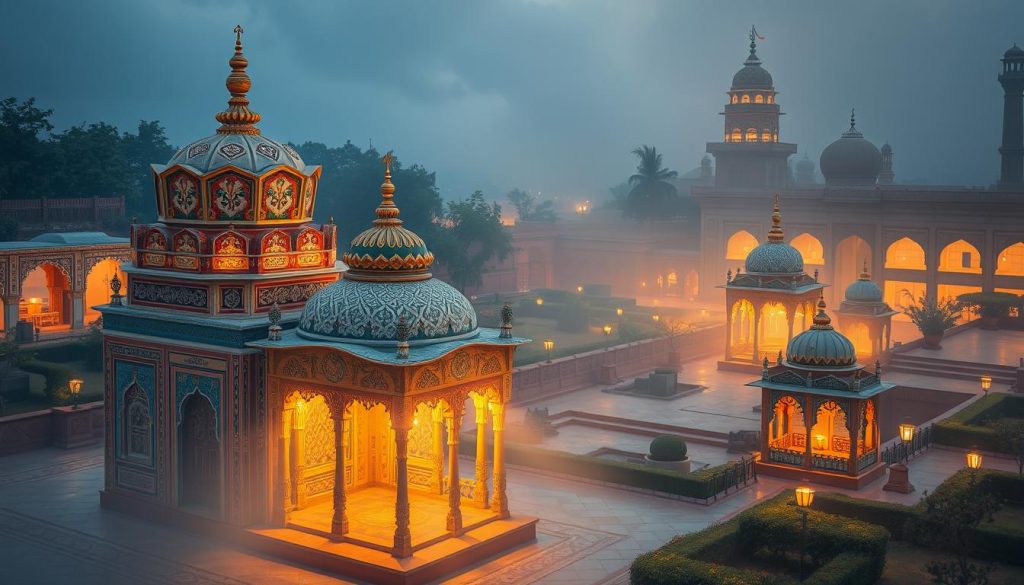
The Shrine of Bahauddin Zakariya is a spiritual gem in Multan. This sacred site honors the renowned Sufi saint Bahauddin Zakariya. For centuries, it has drawn thousands seeking divine connection and blessings.
The shrine’s architecture showcases Multan’s Sufi legacy. Its intricate carvings, delicate features, and majestic dome are breathtaking. Visitors are drawn to the serene atmosphere and the saint’s revered wisdom.
This site is both religiously significant and culturally vibrant. The nearby Qasim Bagh market offers traditional crafts and local delicacies. It attracts those eager to explore Multan’s rich heritage.
The shrine highlights Multan’s deep Sufi roots. It shapes the city’s identity as the “City of Saints.” This landmark draws pilgrims and tourists alike.
Here, visitors experience Multan’s profound spirituality and cultural richness. The shrine stands as a timeless beacon of Sufi wisdom and tradition.
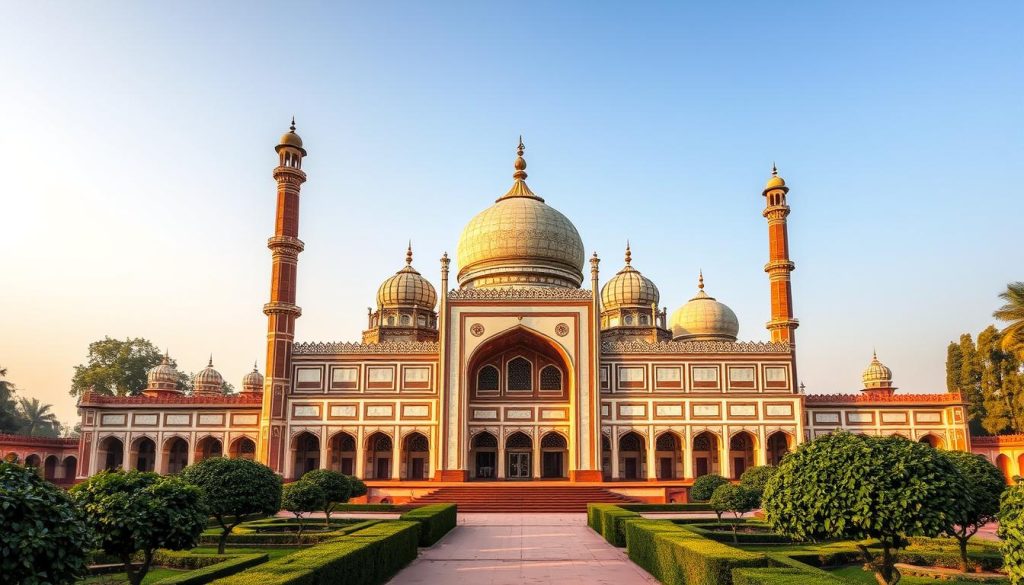
“The Shrine of Bahauddin Zakariya is a sacred space that transcends time, connecting us to the profound spiritual legacy of Multan and the enduring wisdom of the Sufi tradition.”
Multan Fort
The majestic Multan Fort towers over the city, showcasing its rich heritage. Built in the 12th century, this ancient structure has witnessed centuries of history. Its strategic location has been crucial in defending Multan.
The fort’s impressive architecture features imposing gates and massive walls. Intricate details highlight the craftsmanship of bygone eras. In 1981, UNESCO declared it a World Heritage Site.
Multan Fort has become a hub for cultural events and celebrations. It attracts visitors from around the world. The fort’s grounds come alive with vibrant festivals and captivating performances.
“The Multan Fort stands as a testament to the city’s endurance, its walls whispering the stories of a thousand years.”
Exploring Multan Fort takes you back in time. You’ll marvel at the intricate details that have survived ages. This iconic landmark is a must-visit for history and culture enthusiasts.
Shah Rukn-e-Alam Tomb
The Shah Rukn-e-Alam Tomb in Multan is a stunning tribute to Sufi heritage. Built over 700 years ago, it honors the revered Sufi saint, Shah Rukn-e-Alam. The tomb’s legacy continues to inspire devotees worldwide.
Its octagonal design features tapering walls and intricate brickwork with turquoise and blue tiles. Built between 1320 and 1324, the tomb showcases Tughlaq era’s architectural grandeur. Its size reflects the saint’s profound impact on Multan’s spiritual landscape.
Perched atop the old fort mound, the tomb draws worshippers seeking spiritual solace. Inside, the central tomb is surrounded by graves of descendants and disciples. The annual Urs festival attracts devotees from across the country.
During Urs, the tomb is adorned with rose petals and filled with devotional music. This celebration highlights Multan’s enduring spiritual significance. The Pakistan Auqaf Department has played a crucial role in preserving this architectural gem.
From 1971 to 1977, the tomb underwent extensive renovation. These efforts ensure its preservation for future generations. The Shah Rukn-e-Alam Tomb is a must-see for history buffs and architecture enthusiasts.
This remarkable monument embodies Multan’s rich cultural tapestry. It stands as a testament to the enduring legacy of the Sufi saint.
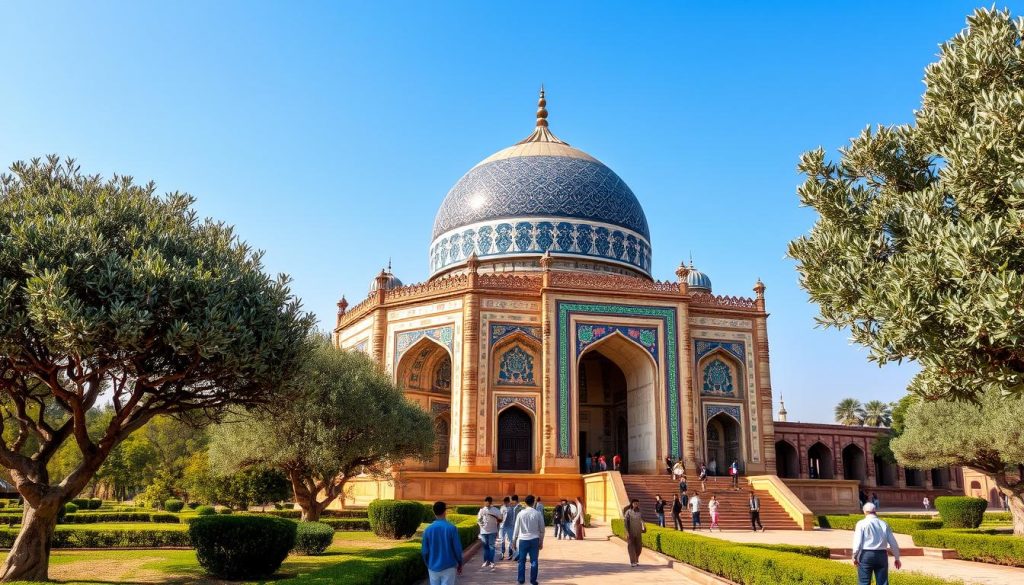
“The tomb of Shah Rukn-e Alam is an unmatched pre-Mughal masterpiece, a testament to the architectural brilliance of the Tughlaq era.”
Multan Museum
The Multan Museum showcases the city’s rich history and cultural heritage. It offers a unique glimpse into Multan’s multilayered past. Visitors can explore a remarkable collection of artifacts spanning millennia.
The museum houses ancient pottery, intricate jewelry, and other historical relics. These items reveal the daily lives of Multan’s ancient inhabitants. They highlight the city’s role in the region’s cultural evolution.
This living archive brings the past to life for history buffs and curious visitors. Artifacts dating back thousands of years tell Multan’s story. The exhibits cover the city’s earliest settlements to its recent history.
Traditional Multani glazed tiles adorn the museum’s facade. Blue tiles feature intricate geometrical designs honoring local cultural heritage. This detail enhances the building’s appeal and showcases Multan’s artistic traditions.
A Rs 80 million expansion project is underway for the Multan Museum. It will add four galleries, a library, and a laboratory. The plan also includes a cafeteria and ample parking space.
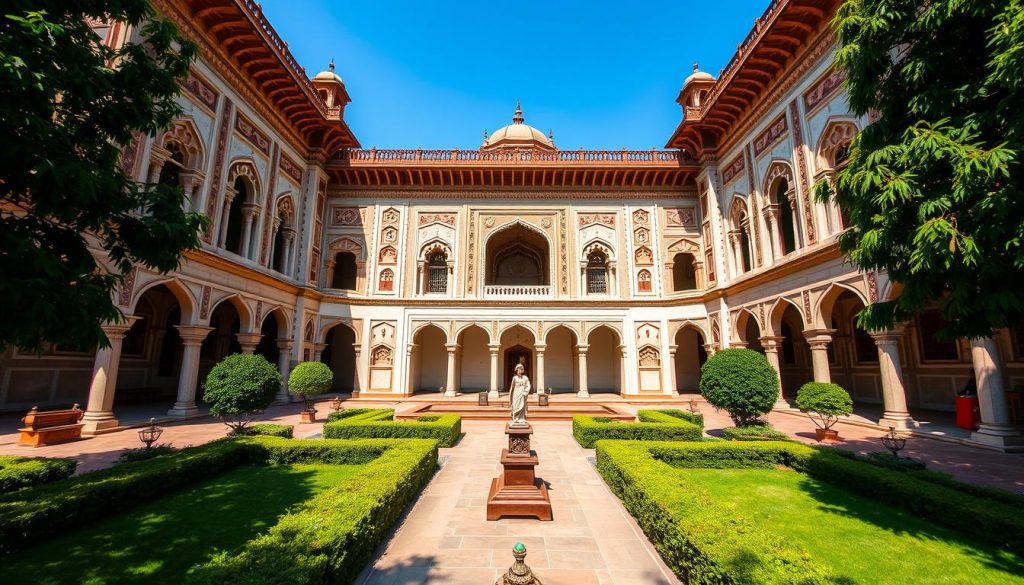
“The Multan Museum is a true treasure trove, offering a window into the captivating history and cultural evolution of this remarkable city.” – Visitor Review
The Multan Museum continues to evolve as a must-visit destination. It inspires a deeper appreciation for Multan’s enduring legacy. History enthusiasts and curious visitors alike will find it fascinating.
Ghanta Ghar (Clock Tower)
The iconic Ghanta Ghar, or Clock Tower, stands tall in Multan. Built in 1884, this majestic structure has witnessed the city’s transformation. It embodies Multan’s resilience and endurance over the past century.
The Ghanta Ghar’s design captivates with its intricate details. Its red-brick façade and decorative elements reflect Multan’s cultural traditions. The four-faced clock guides daily life, visible from afar.
The Clock Tower has become a popular gathering place. It’s now a hub for various cultural events. Surrounding bazaars offer a blend of tradition and modernity.
The Ghanta Ghar is a must-visit attraction in Multan. You can marvel at its architectural beauty or browse nearby shops. It captures the essence of the city’s past and present.
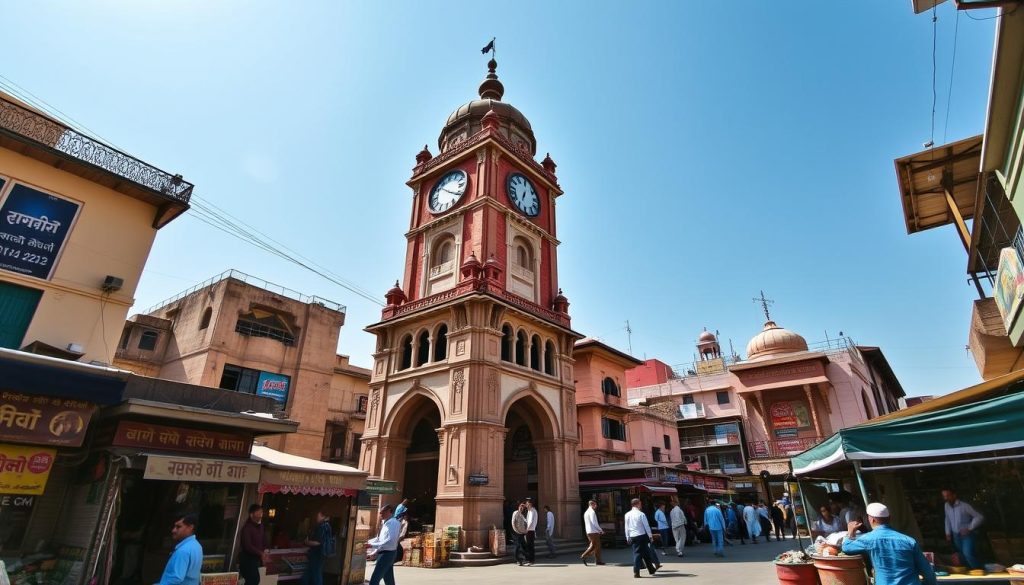
“The Ghanta Ghar stands as a timeless symbol of Multan’s resilience, preserving the city’s rich heritage and captivating all who witness its grandeur.”
The Clock Tower continues to enchant visitors with its enduring presence. It serves as a reminder of Multan’s legacy. The Ghanta Ghar showcases the city’s commitment to its historical roots.
What are the top tourist attractions in Multan?
Multan, an ancient Pakistani city, brims with history, culture, and spiritual wonders. It offers diverse top attractions in Multan that captivate worldwide visitors. The city’s landmarks and historical sites promise an unforgettable sightseeing experience.
The Shrine of Bahauddin Zakariya is a must-visit Multan attraction. This 13th-century structure showcases the city’s deep spiritual roots. The Multan Fort stands as a testament to the city’s historical importance.
The Shah Rukn-e-Alam Tomb, built in the 1320s, highlights Multan’s architectural skill. The Multan Museum houses artifacts from the Mauryan Dynasty to British Raj. It offers insights into the city’s rich past.
Ghanta Ghar (Clock Tower) is an iconic symbol of Multan’s vibrant culture. Damdama Hazrat Muhammad Zakariya Lake is popular among locals and tourists. Qasim Bagh Stadium blends sports and culture, attracting many visitors.
Multan’s top attractions cater to history buffs, nature lovers, and sports fans. The city’s historical sites and architectural marvels leave a lasting impression. Multan truly offers an unforgettable travel experience for all.
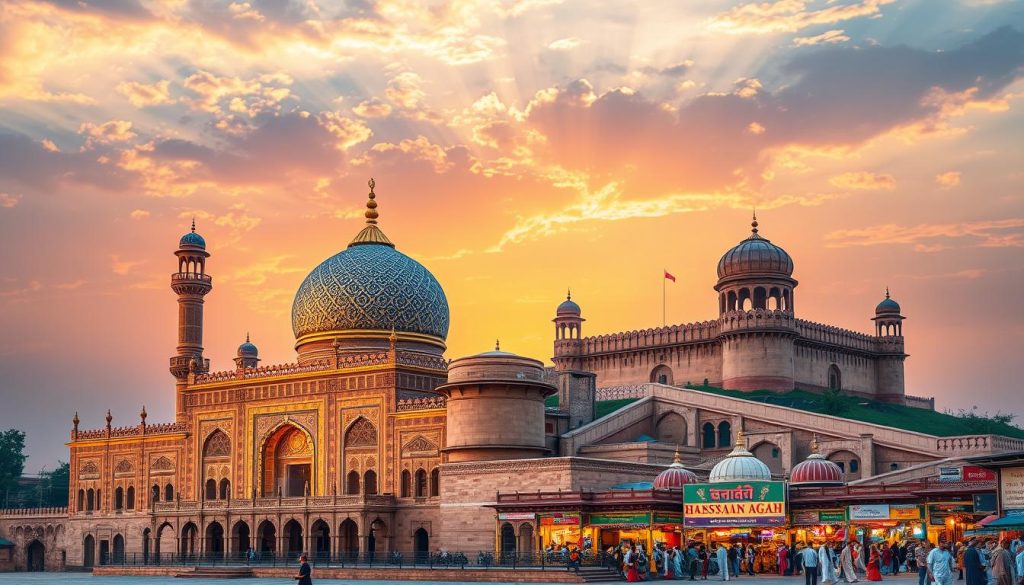
“Multan is a city that captivates the senses, where the past and present coexist in a harmonious tapestry of culture, spirituality, and innovation.”
Damdama Hazrat Muhammad Zakariya (Bosan) Lake
Multan’s Damdama Hazrat Muhammad Zakariya (Bosan) Lake is a peaceful getaway for nature lovers. This beautiful lake, named after Hazrat Muhammad Zakariya, helps conserve water for nearby communities. It’s a perfect spot for eco-tourists to enjoy nature’s beauty.
The lake’s calm waters are home to many plants and animals. Birdwatchers can spot both local and migratory birds here. This diverse ecosystem shows how important water conservation is in Multan.
Visitors can enjoy boating, fishing, or relaxing by the lake. It’s a great escape from the busy city life. The lake offers a peaceful setting for day trips or weekend getaways.
This lake is more than just a pretty sight. It’s a key part of Multan’s water conservation efforts. As a vital reservoir, it helps provide water to nearby areas.
The lake showcases Multan’s dedication to eco-tourism. Visitors can enjoy nature’s beauty while learning about water conservation. It’s a unique way to experience the region’s natural charm.
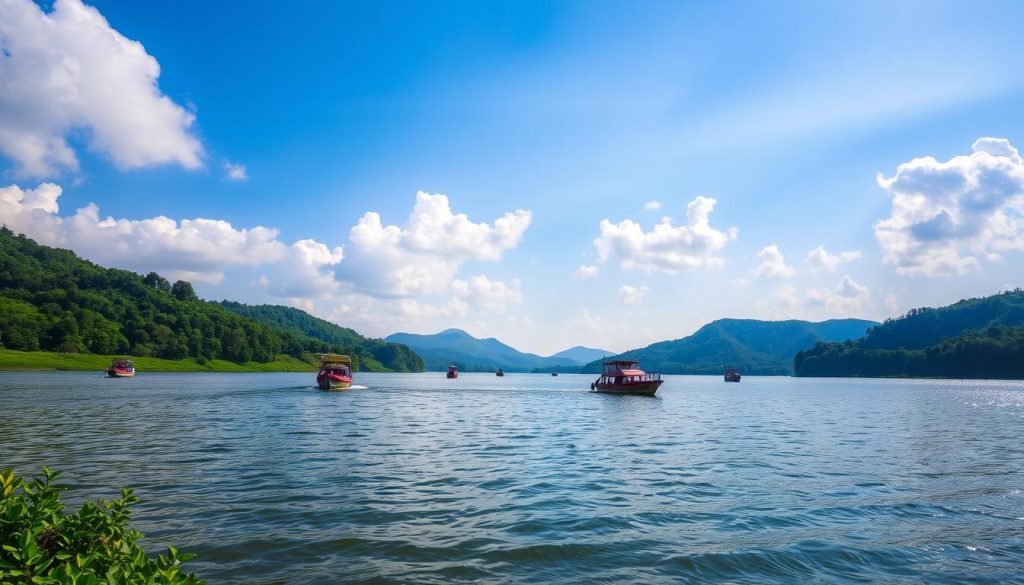
Damdama Hazrat Muhammad Zakariya (Bosan) Lake is a must-see in Multan. It shows the city’s commitment to sustainable water management. Nature lovers and peace-seekers will find this lake truly unforgettable.
Qasim Bagh Stadium
Qasim Bagh Stadium is a sports gem in Multan’s heart. It hosts national and international cricket matches, thrilling fans across the region. The stadium showcases Multan’s vibrant sporting spirit.
The venue also celebrates Multan’s rich cultural heritage. Its beautiful park, with flowerbeds and tall trees, provides a peaceful setting for various events. This creates a perfect blend of sports and culture.
A Multipurpose Sanctuary
Qasim Bagh Stadium can seat thousands of passionate fans. It hosts exciting cricket matches and lively cultural festivals. The stadium brings the local community together, building pride and unity.
Sports lovers flock to the stadium for its top-notch facilities. The well-kept pitch and lush green outfield are major draws. Beyond cricket, the venue caters to various interests of Multan’s residents and visitors.
| Venue | Capacity | Events Hosted |
|---|---|---|
| Qasim Bagh Stadium | Thousands | Cricket matches, cultural festivals, recreational activities |
Qasim Bagh Stadium blends sports excellence with cultural richness. It showcases Multan’s lasting legacy of athletics and tradition. Visitors seeking Multan’s essence should not miss this iconic venue.
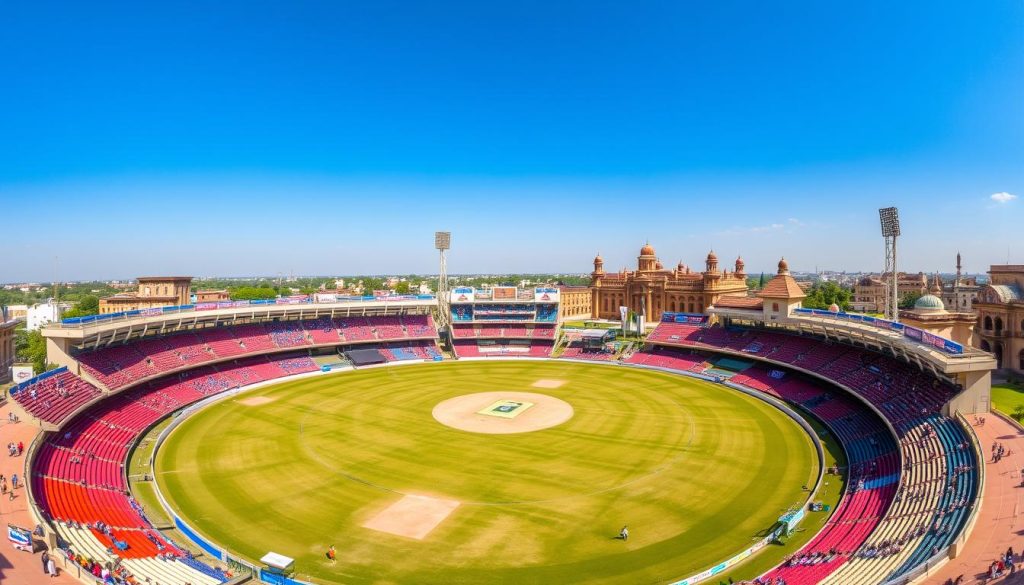
“Qasim Bagh Stadium is not just a sporting arena; it’s a canvas where Multan’s rich heritage and boundless energy converge, creating an unforgettable experience for all who visit.”
Culinary Delights of Multan
Multan’s food scene reflects its rich history. The city offers flavors as complex as its past. From tangy Multani Sohan Halwa to spicy traditional Punjabi BBQ, every dish is an adventure.
Multan’s people welcome visitors warmly, often inviting them to share meals. This genuine Multan’s hospitality and vibrant Multan’s food culture create unforgettable experiences. Visitors are sure to be charmed by the city’s welcoming atmosphere.
Multan’s culinary delights range in price. Sweet dishes cost $2-$20 USD or €1.5-€16 EUR. Savory dishes range from $2-$30 USD or €1.5-€25 EUR. The top 30 foods include sweets, savory dishes, meats, drinks, and bread.
| Dish | Price Range (USD) | Price Range (EUR) | Description |
|---|---|---|---|
| Sohan Halwa | $3 – $20 | €2 – €16 | A traditional Multani sweet made of milk, sugar, and ghee |
| Sutar Murgh | $8 – $30 | €6 – €25 | A popular Multani chicken dish with a rich, creamy sauce |
| Rabri Falooda | $2 – $12 | €1.5 – €10 | A refreshing beverage made of vermicelli, rose syrup, and milk |
| Multani Chaat | $2 – $10 | €1.5 – €8 | A savory street food snack featuring a mix of flavors and textures |
Multan is known as the “City of Mangoes” for its vast orchards. The city hosts an annual Mango Festival to celebrate this sweet fruit. The Sufi Festival features music, poetry, and traditional Multani dishes.
Multan’s food offers both sweet and spicy options. Its dishes will leave a lasting impression on your taste buds. Dive into the city’s warmth and savor the unique flavors of Multan cuisine.

Conclusion
Multan, the “City of Saints,” blends ancient history, vibrant culture, and spiritual significance. It offers top attractions like the Shrine of Bahauddin Zakariya and Multan Fort. These sites captivate visitors and leave lasting impressions.
Multan’s rich heritage shines through its museums, shrines, and architectural marvels. These provide a glimpse into the region’s past. Travelers can immerse themselves in the city’s captivating story.
Multan offers spiritual solace, historical exploration, and culinary adventures. The city celebrates its enduring legacy and warm, welcoming spirit. Its layers of history, culture, and hospitality make it a must-visit Pakistani destination.