Discover Historic Walks in Lahore: Cultural Journey
Imagine stepping back in time to explore Lahore’s rich history and captivating culture. This Pakistani city boasts centuries-old architecture, bustling markets, and enchanting heritage. Let’s embark on a remarkable historic walk through Lahore’s timeless wonders.
Lahore, Pakistan’s second-largest city, has been a civilization hub for over two millennia. It has witnessed the rise and fall of various dynasties.
From the grand Mughal era to the fascinating Sikh period, each left its mark on Lahore. These influences shaped the city’s architecture, culture, and identity.
A Lahore heritage trail unveils the city’s storied past. It offers a deeper appreciation for Lahore’s vibrant present and cultural richness.
Introduction to Lahore’s Historic Walks
Lahore, Pakistan’s cultural gem, boasts a rich heritage spanning two millennia. The city has seen many empires rise and fall. Lahore reached its peak during the Mughal Empire’s reign in the 16th and 18th centuries.
Lahore’s Rich Cultural Heritage
Lahore’s architectural wonders reflect its storied past. The UNESCO-listed Lahore Fort and Wazir Khan Mosque showcase Mughal grandeur. The Tomb of Allama Iqbal and Hazuri Bagh Garden highlight Lahore’s role as a cultural hub.
Benefits of Walking Tours
Walking tours offer a unique way to explore Lahore’s rich history. They let you discover hidden gems and interact with locals. You’ll gain insights into the Lahore way of life.
These tours provide exercise and fresh air. They allow you to appreciate the city’s sights and sounds at a leisurely pace.
Whether you’re interested in historic walks in Lahore, Lahore heritage trails, or Mughal architecture walks, the city’s Walled City of Lahore tours offer a unique and unforgettable cultural experience.
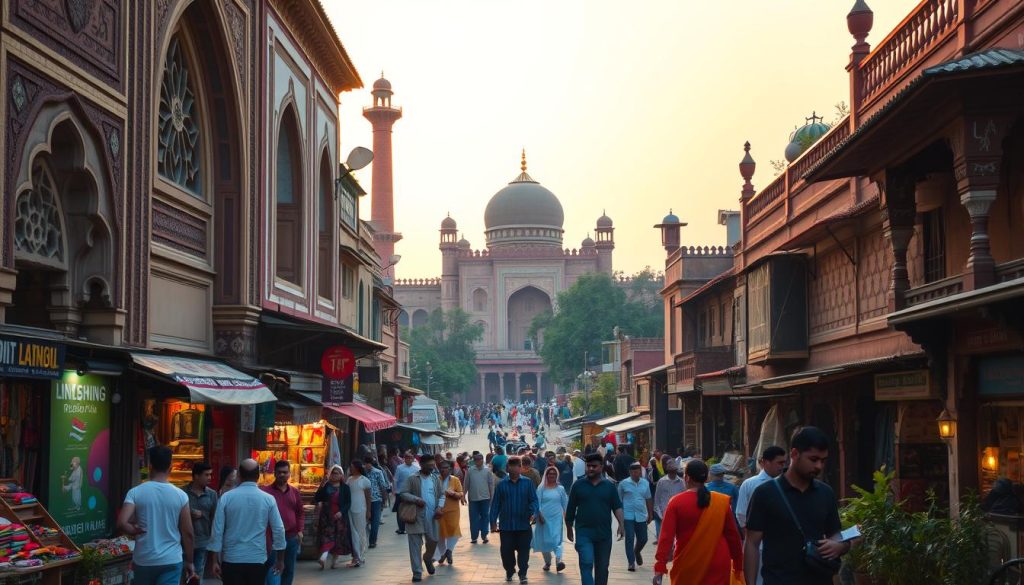
Delhi Gate: The Starting Point
The Delhi Gate is a remarkable entrance to Lahore’s Walled City. Built in the 16th century, it showcases the city’s Mughal heritage. This gateway invites visitors to explore the historic city center.
It’s one of thirteen gates that once protected the Walled City. The gate’s design blends Mughal and Persian styles beautifully. Restoration efforts have preserved its elegance through colonial and post-independence eras.
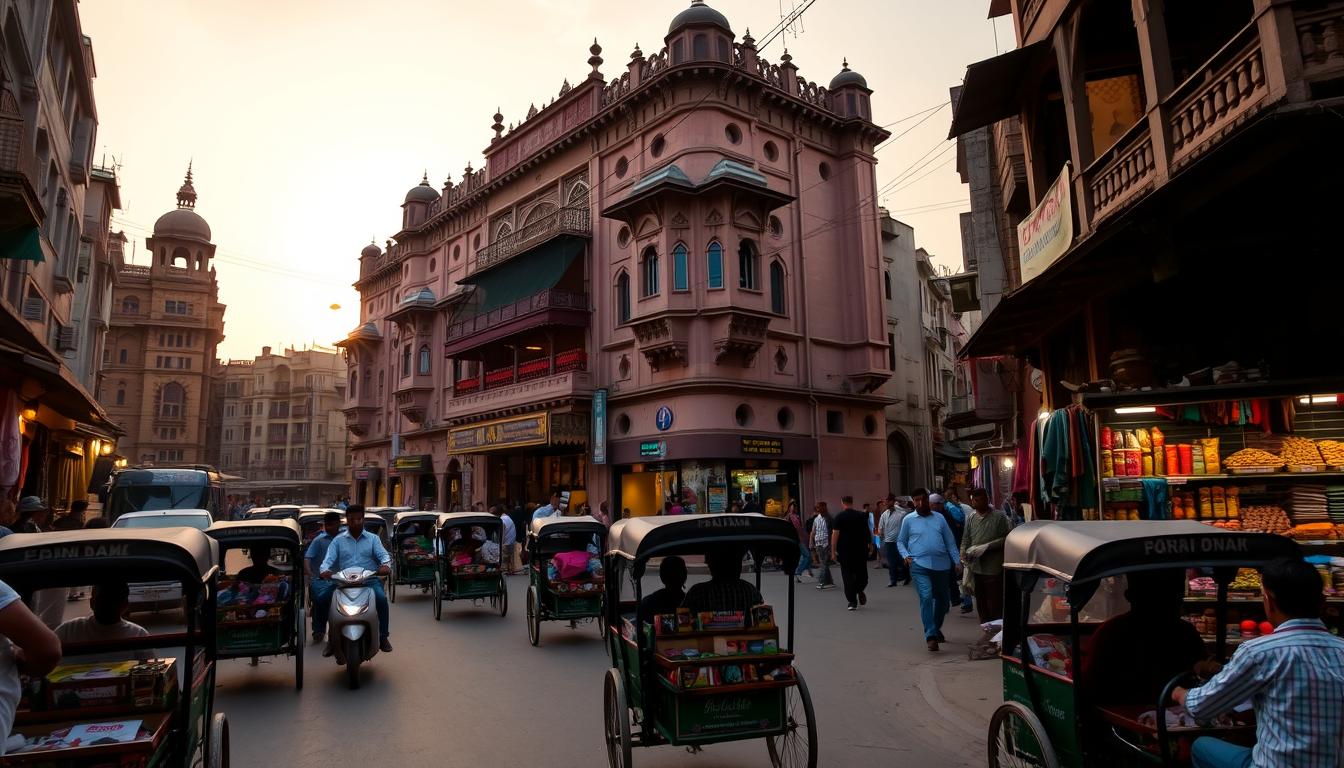
Visitors can explore the Delhi Gate for free. Its intricate carvings and frescoes offer a glimpse into Lahore’s past. The surrounding markets and streets buzz with energy, perfect for city exploration.
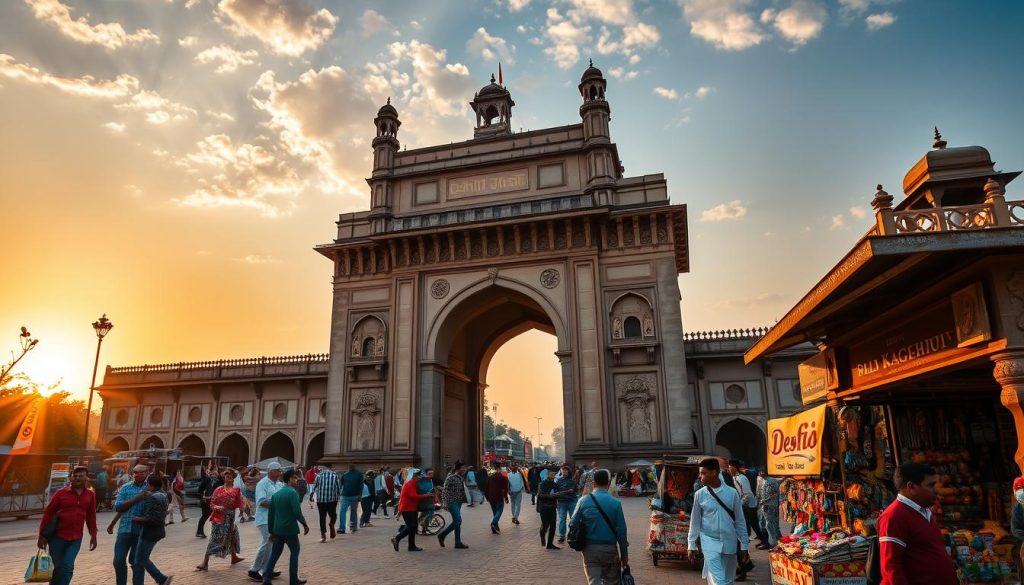
Beyond the gate, hidden treasures await discovery. The enchanting Shahi Hammam and Wazir Khan Mosque showcase architectural splendor. The Dina Naath Well stands as an engineering marvel in the area.
The surrounding area is rich with cultural experiences. Bustling markets and local culinary delights await curious visitors. Lahore’s heritage unfolds at every turn in this historic district.
Shahi Hammam: Royal Bathhouse
The Shahi Hammam is a stunning example of Mughal architecture near Lahore’s Delhi Gate. This 17th-century bathhouse was built by Ilam-ud-din Ansari during Emperor Shah Jahan’s reign. It’s also known as the “Royal Baths”.
History and Architecture
Built in 1635 C.E., the Shahi Hammam was a public bathhouse. Its earnings funded the nearby Wazir Khan Mosque, also built by Ansari. The bathhouse blends Islamic and Persian styles with intricate tiles and ornate fountains.
It has a smart heating system that spreads warmth evenly. The Shahi Hammam has three main chambers: cold, warm, and hot. These connected spaces let visitors adjust to rising temperatures gradually.
Visiting Information
The Shahi Hammam is now a popular tourist spot in Lahore. It’s open from 9 am to 5 pm daily. Entry costs 50 PKR for locals and 500 PKR for foreigners.
Visitors can explore the well-kept architecture and learn about its history. Guided tours offer deeper insights into this Mughal-era wonder. The Aga Khan Trust and Punjab Government helped restore this architectural gem.
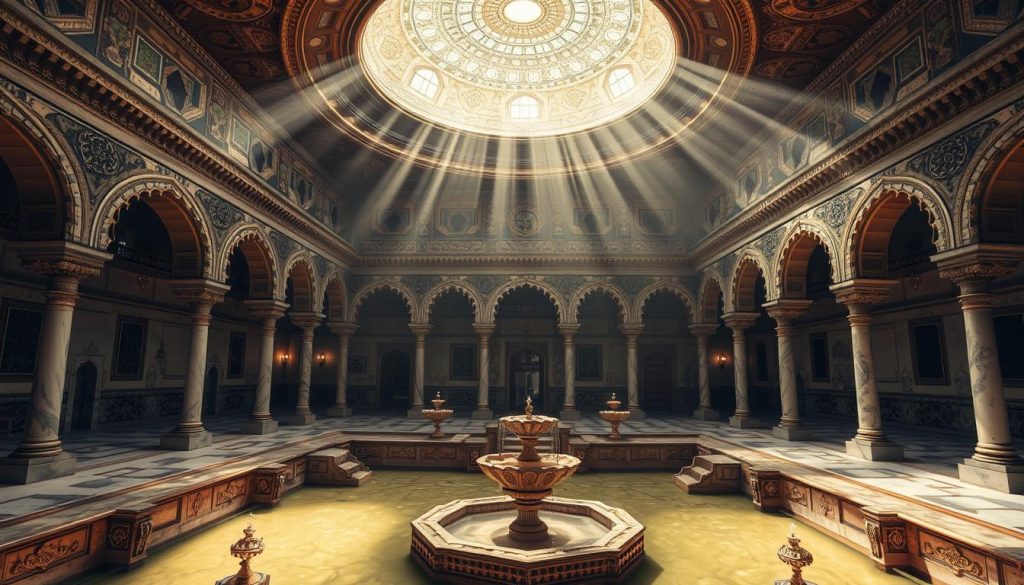
“The Shahi Hammam shows the Mughal era’s architectural and engineering skills. Its restoration ensures this historic site will inspire visitors for years to come.”
Dina Naath Well: Engineering Marvel
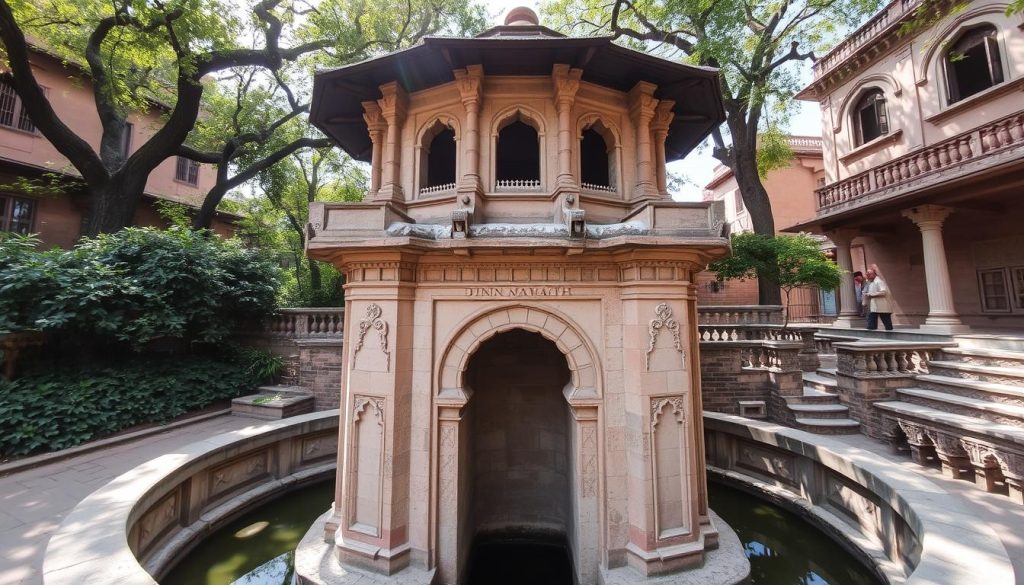
The Dina Naath Well is a stunning example of Mughal architecture. Located in Lahore’s Shahi Guzargah, it has provided water for centuries. This marvel showcases the era’s engineering skills and artistic flair.
You’ll find the well 200 meters northeast of the famous Shahi Hammam. Its design blends beauty and function seamlessly. The well’s intricate details highlight Mughal engineers’ creativity and skill.
- The well’s striking architecture features ornate tile work and intricate carvings, adding an air of grandeur to its surroundings.
- The well’s strategic placement along the Shahi Guzargah, a historic pathway, underscores its importance as a vital water source for the bustling community.
- Visitors can marvel at the engineering prowess displayed in the well’s construction, which has allowed it to stand the test of time and continue serving the community.
The Dina Naath Well is a must-see for history buffs and architecture lovers. It’s open 24/7, offering a window into Lahore’s past. Here, you can appreciate the lasting impact of Mughal craftsmanship.
“The Dina Naath Well is a true testament to the engineering brilliance of the Mughal era, showcasing the intricate craftsmanship and practical functionality that defined their architectural legacy.”
Historic walks in Lahore
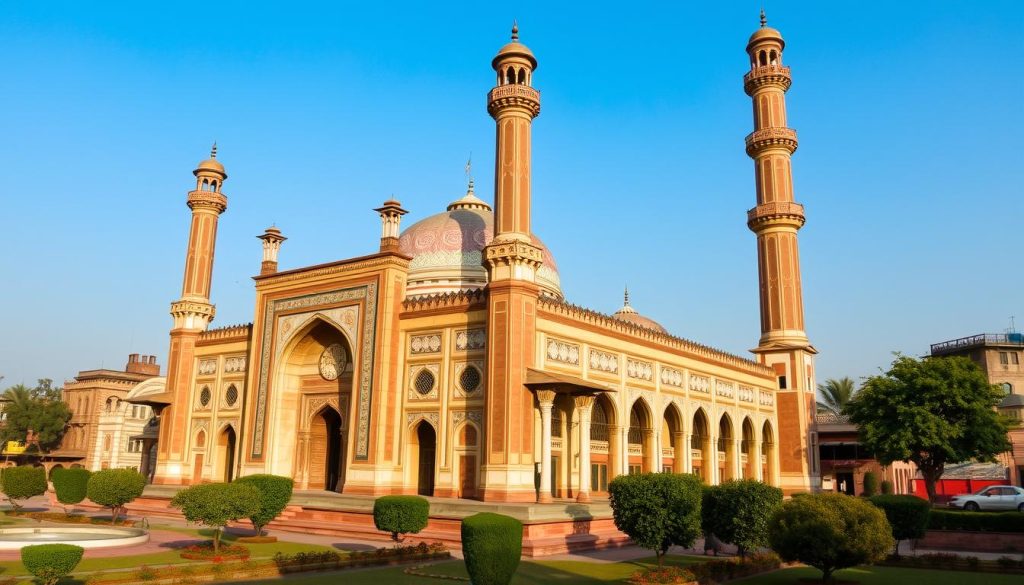
Explore Lahore’s historic landscape through the magnificent Wazir Khan Mosque. This Mughal-era masterpiece, built in the mid-17th century, showcases the city’s rich architectural heritage. Emperor Shah Jahan’s reign saw the creation of this stunning monument.
Wazir Khan Mosque: A Masterpiece of Mughal Architecture
Masjid Wasir Khan is a breathtaking example of Mughal-era craftsmanship. Its intricate tile work and frescoes feature stunning floral motifs and calligraphy. Four imposing minarets define the corners of the main courtyard.
The mosque was part of a larger complex with bazaars for calligraphers and bookbinders. They repaired holy books and painted Quran verses. Today, visitors can explore the serene and beautifully preserved interiors.
Architectural Highlights
- Intricate tile work and frescoes with floral motifs and calligraphy
- Four imposing minarets defining the corners of the main courtyard
- Serene and beautifully preserved interiors
- Part of a larger historical complex that included bazaars and bookbinders
The Wazir Khan Mosque is open from 5 am to 8 pm. Entry is free, making it accessible to all. Discover this Mughal-era masterpiece and immerse yourself in Lahore’s captivating history and architecture.
Sunehri Masjid: The Golden Mosque
The Sunehri Masjid, or Golden Mosque, shines in Lahore’s Kashmiri Bazaar. Built in 1753 by Nawab Syed Bhikari Khan, it boasts three golden domes and minarets. This stunning mosque reflects Lahore’s rich cultural heritage.
Located 400 meters from the Wazid Khan Mosque, it’s a must-see in the Shahi Guzargah area. Visitors can explore for free until 9 pm most days, except Sundays.
“The Sunehri Masjid is a true gem of Lahore, its golden domes and minarets shimmering like a beacon in the heart of the city’s vibrant Kashmiri Bazaar.”
Inside, intricate calligraphy and tile work adorn the walls and ceilings. The mosque blends Mughal and Persian styles, showcasing the region’s artistic legacy.
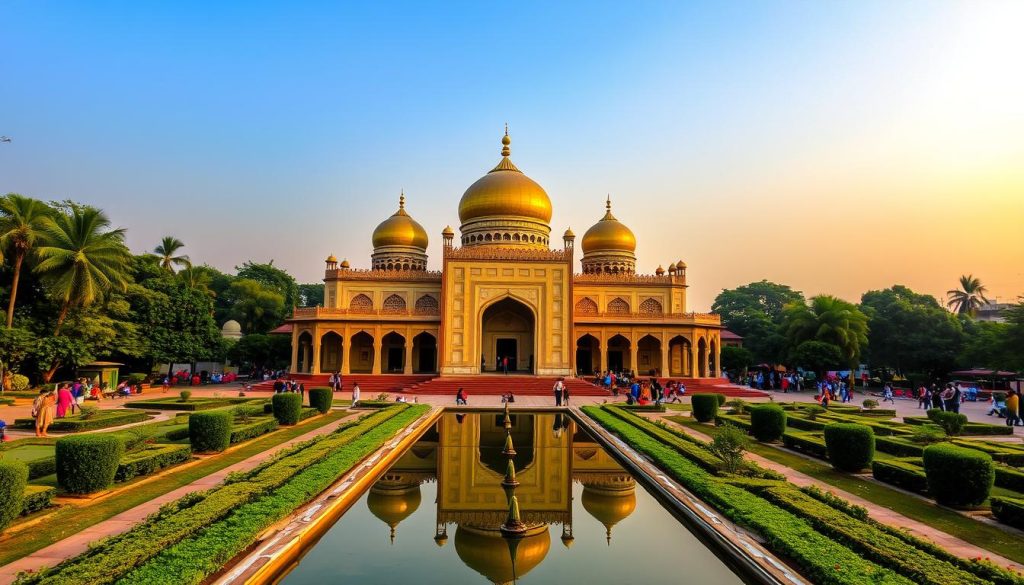
History buffs and architecture fans will love the Sunehri Masjid. Its beauty takes visitors back to the Mughal Empire era. Experience the mosque’s captivating atmosphere and connect with Lahore’s cultural past.
Rang Mahal Bazaar and Christian School
Lahore’s Rang Mahal Bazaar is a lively hub. It’s famous for wedding attire, shoes, and jewelry. The “Palace of Colors” attracts shoppers from everywhere.
Wedding Clothes and Jewelry Market
Rang Mahal Bazaar is a treasure trove for brides and fashion lovers. It offers exquisite embroidered lehengas and ornate bridal jewelry. Visitors can explore traditional Pakistani wedding wear and modern fashion trends.
The jewelry section is equally captivating. It showcases stunning pieces from delicate gold filigree to diamond-encrusted sets. Shoppers can find necklaces, earrings, bangles, and maang tikkas for special occasions.
Historic Christian School Building
Rang Mahal Christian High School sits within the bazaar. It was once home to Nawab Saadullah Khan, a Mughal-era figure. The British took over in 1849, making it Lahore’s first English-medium school.
The school continues to inspire students today. It blends academic excellence with Lahore’s cultural heritage. Its architecture combines Mughal and colonial influences, reflecting the city’s rich history.
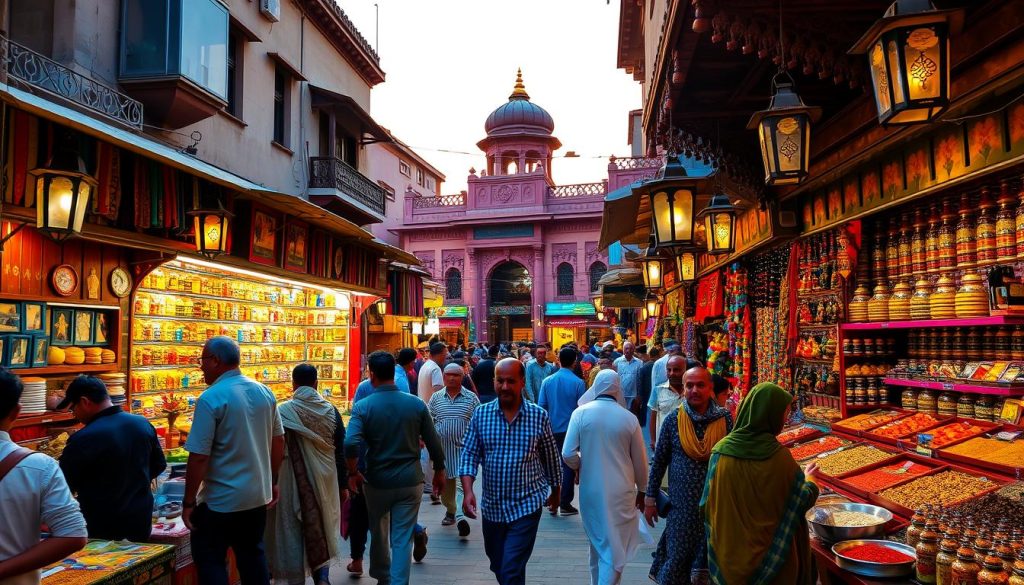
“The Rang Mahal Bazaar is not just a marketplace; it’s a living museum, where the past and present converge, and the traditions of Lahore are celebrated with every vibrant stitch and dazzling gemstone.”
Fakir Khana Museum: Preserving Lahore’s History
The Fakir Khana Museum near Rang Mahal Bazaar showcases Lahore’s rich cultural heritage. This private museum houses over 20,000 artifacts. It offers a captivating glimpse into the city’s storied past.
Museum Collection
The museum’s collection is a treasure trove of Lahore’s artistic and historical treasures. Visitors can explore rare manuscripts, miniature paintings, and Persian carpets. Chinese porcelain and Sikh Empire accessories are also on display.
The museum features porcelain dolls and historical documents. These items provide a multifaceted view of Lahore’s enduring legacy. A standout piece is a painting of Nawab Mumtaz Ali.
This stunning artwork took 15 years to complete using a single human hair. It showcases the exceptional skill of Lahore’s artists. The museum serves as a hub for cultural preservation and education.
Guided tours offer visitors an in-depth understanding of the collection’s significance. These tours foster appreciation for Lahore’s vibrant past. The museum is a must-visit for history enthusiasts and art lovers alike.
With its well-maintained artifacts and captivating exhibitions, the museum preserves Lahore’s legacy. It demonstrates the city’s commitment to safeguarding its cultural treasures. A visit here is an enriching experience for all.
Food Street: Culinary Delights
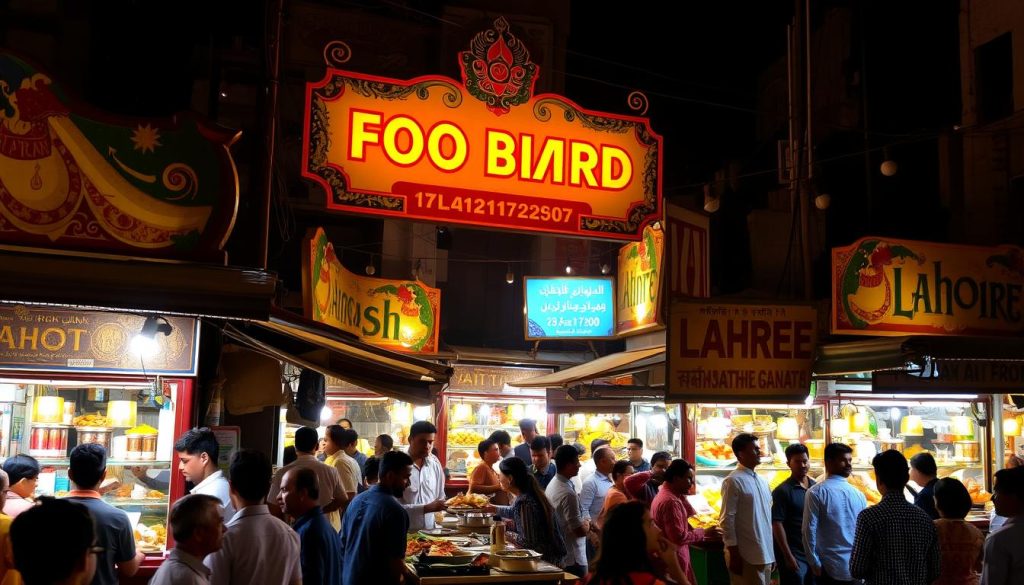
North of the Fakir Khana Museum lies the vibrant Food Street. It’s next to the iconic Badshahi Mosque in Lahore. This lively street boasts beautifully restored Haveli restaurants, offering delectable local cuisine.
Haveli Restaurants
The Haveli restaurants on Food Street are true gems. They transport diners back in time with stunning architectural features. Establishments like Cooco’s Den and Haveli preserve traditional grandeur, offering a captivating dining experience.
Local Cuisine Experience
- Savor the rich, flavorful curries and kebabs that have made Lahore a renowned food destination.
- Explore the diverse array of vegetarian options, showcasing the versatility of Lahore’s culinary traditions.
- Discover the bold and tantalizing tastes of street food, best experienced during the lively evenings and nights along Food Street.
Food Street is the perfect end to your Lahore walking tour. Here, you can dive into the city’s vibrant culinary culture. Enjoy mouth-watering delights at Haveli restaurants and taste authentic Lahore flavors.
Recommended Route and Tips
Explore Lahore’s cultural heritage on a guided walking tour. The route begins at Delhi Gate and includes Shahi Hammam, Dina Naath Well, and Wazir Khan Mosque. You’ll also visit Sunehri Masjid, Rang Mahal Bazaar, Fakir Khana Museum, and Food Street.
This tour takes about 4-5 hours, depending on your pace. Wear comfy shoes and bring water to stay hydrated. Start early to avoid heat and crowds.
Take time to appreciate each stop’s historical significance. Consider local guides or audio tours to learn more about Lahore’s rich history and architecture.
- Wear comfortable shoes to ensure a pleasant and effortless walking experience.
- Carry a water bottle to stay hydrated throughout the tour.
- Start your tour early in the day to avoid the midday heat and crowds.
- Take your time to fully appreciate the historical and cultural significance of each stop on the tour.
- Engage with local guides or audio tours to learn more about the rich history and architecture of Lahore.
Following this route and tips will help you dive into Lahore’s sights and sounds. You’ll gain a deeper understanding of this remarkable city.
| Lahore Walking Tour Highlights | Key Attractions |
|---|---|
| Delhi Gate | One of the historic City Gates of Lahore’s Walled City |
| Shahi Hammam | A well-preserved 17th-century royal bathhouse |
| Dina Naath Well | An engineering marvel from the Mughal era |
| Wazir Khan Mosque | A stunning 17th-century mosque known for its architectural beauty |
| Sunehri Masjid | The “Golden Mosque” of Lahore, a 18th-century architectural gem |
| Rang Mahal Bazaar | A vibrant market for traditional wedding attire and jewelry |
| Fakir Khana Museum | A museum dedicated to preserving Lahore’s rich historical legacy |
| Food Street | A culinary haven offering a taste of Lahore’s local cuisine |
This Lahore walking tour offers a journey through captivating history and architectural wonders. You’ll admire stunning sights and savor local culinary delights. Get ready for an unforgettable cultural adventure in this remarkable city.
Conclusion
Lahore’s historic walking tour unveils the city’s rich cultural heritage. Each stop offers a unique glimpse into Lahore’s captivating past. You’ll discover iconic sites like Delhi Gate and Wazir Khan Mosque.
The tour includes visits to Badshahi Mosque, Lahore Fort, and Shalimar Gardens. These landmarks showcase Lahore’s diverse cultural legacy. You’ll gain a deep appreciation for the city’s enduring history.
This journey immerses you in Lahore’s ancient treasures and architectural marvels. The tour’s pricing remains consistent throughout the seasons. There are no mandatory single supplements, making it accessible for solo travelers.
History buffs and culture enthusiasts will find this tour captivating. It’s a must-do activity for anyone visiting Lahore. You’ll explore well-preserved landmarks and engage with vibrant local culture.