Explore Eco-Friendly Travel – Sustainable Tourism Plain of Jars
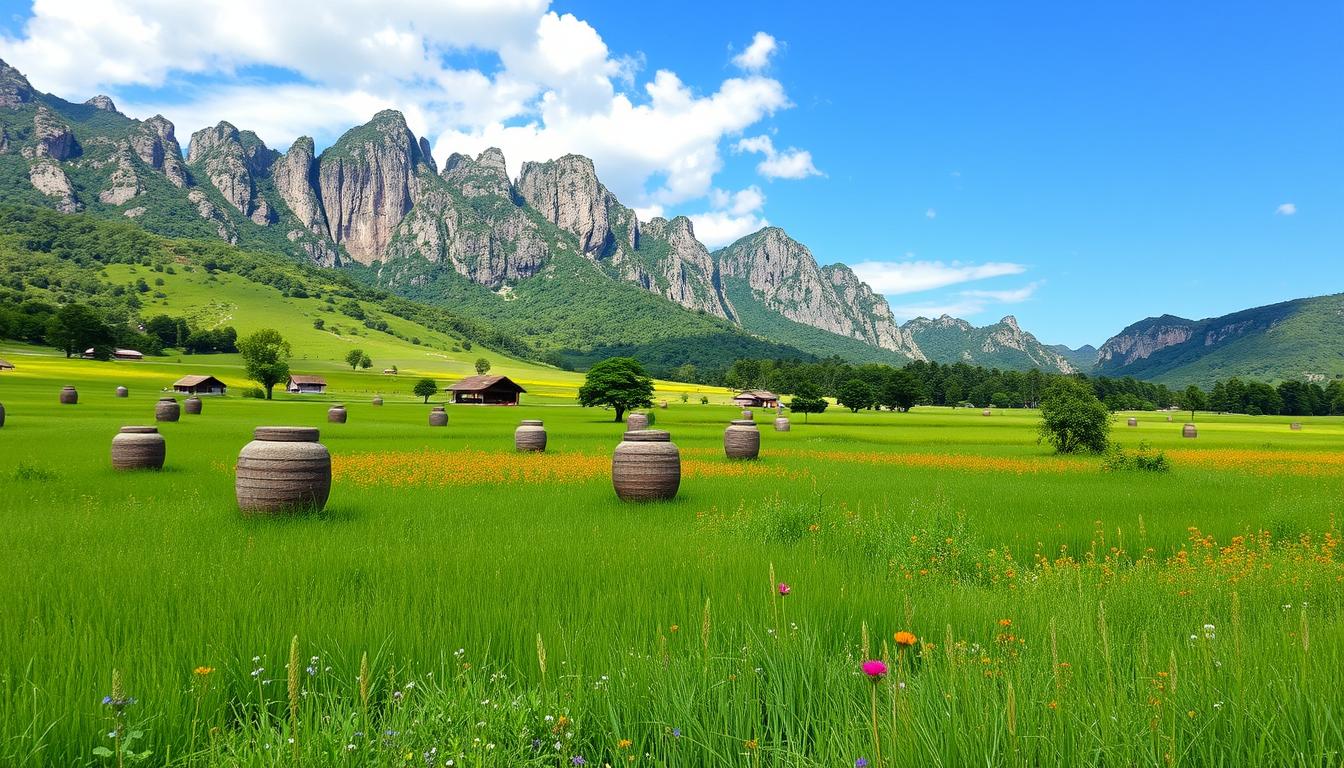
Have you ever thought about how ancient secrets and today’s eco-awareness can meet in one place? The Plain of Jars in Laos is a special spot for this. Here, you can enjoy sustainable tourism while exploring over 2,000 ancient jars on the Xiangkhoang Plateau. It’s a mix of stunning views and deep cultural history, perfect for those who love eco-friendly travel.
Visiting the Plain of Jars lets you learn about its history and help the local area and environment. You’ll support Laos’s unique culture and face the issue of unexploded ordnance risks. The ticket to see this UNESCO World Heritage site costs just 15,000 kip. It’s a great and affordable adventure for travelers.
Introduction to the Plain of Jars
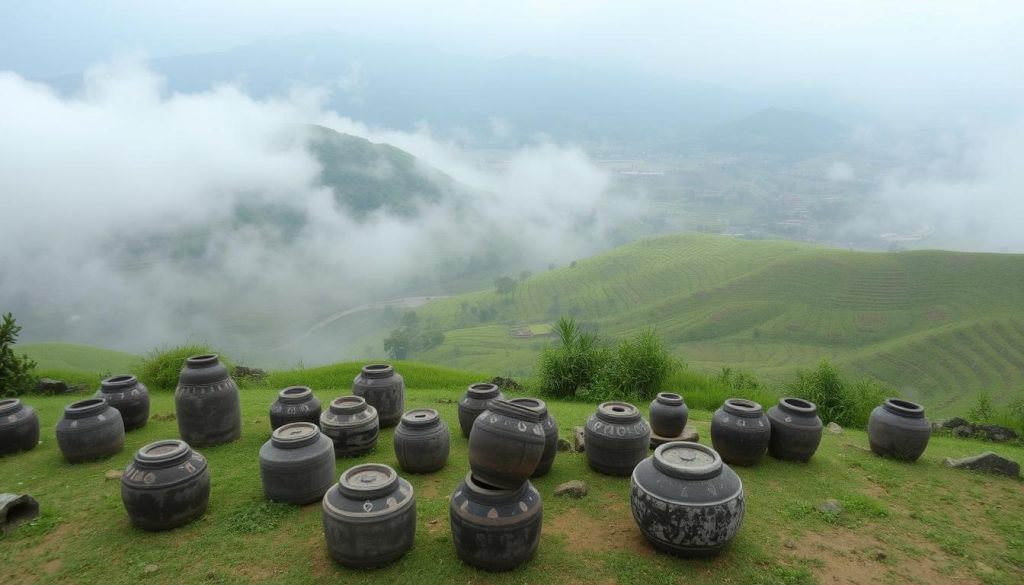
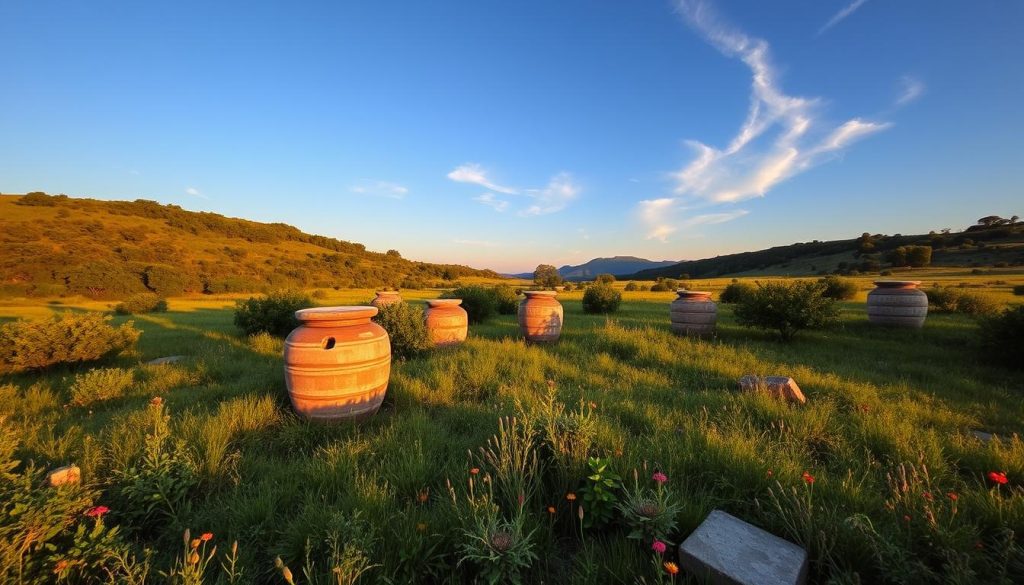
The Plain of Jars is a fascinating site in Laos’s Xieng Khouang province. It’s filled with ancient stone jars, creating a mystery that draws visitors. These jars are from the Iron Age, giving us a peek into Southeast Asia’s past.
The archaeological significance of the Plain of Jars is huge. It could reveal secrets of ancient cultures. But, the jars’ origins and purpose are still a mystery, sparking curiosity among experts and travelers. Exploring this site is a unique adventure, with its stunning views.
Visitors can join guided tours, hike through beautiful landscapes, and see jar sites like Site 3 and Site 52. The nearby town of Phonsavan is great for learning about local culture and history.
Travelers should visit during the dry season, from November to April. Entrance fees help keep the site preserved. Wear comfortable shoes, dress modestly, and protect yourself from the sun for a great visit.
| Activity | Description |
|---|---|
| Guided Tours | Local guides provide insights into the history and culture of the site. |
| Hiking | Trails offer panoramic views and showcase the natural beauty of the region. |
| Site Visits | Exploration of key locations such as Site 3 and Site 52. |
| Cultural Exploration | Opportunities to interact with the local community in Phonsavan. |
The Mystery of the Ancient Jars
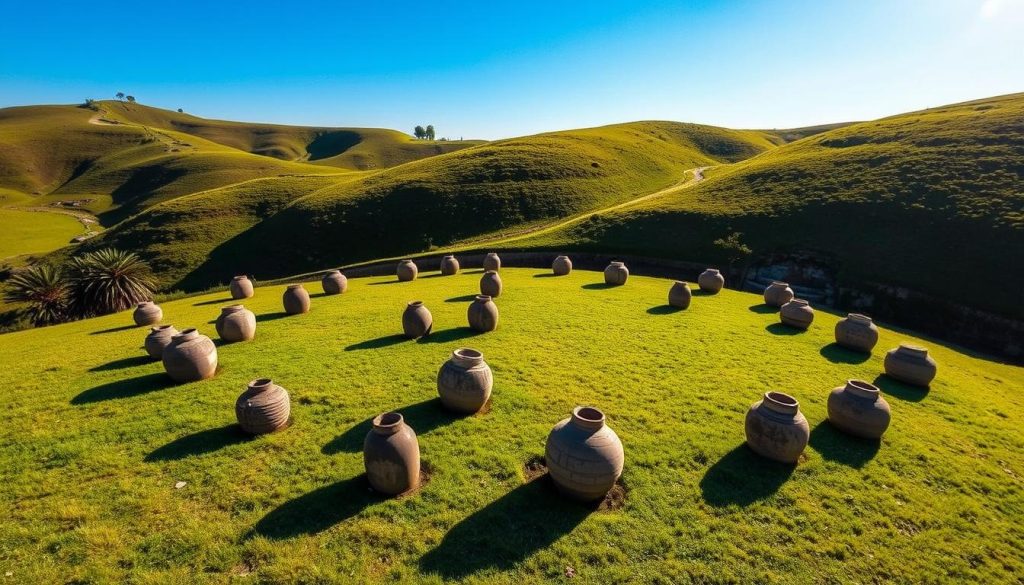
The ancient jars of the Plain of Jars are a major archaeological find in Southeast Asia. Their age and mystery make them very important. These large stone jars, some up to 10 feet tall and 14 tons heavy, have sparked a lot of research.
Incredible Historical Significance
Scholars think the jars were used between 1,500 and 2,000 years ago. They believe these jars were for burials. Nearby, archaeologists found human remains and items linked to cremation.
This has sparked interest in the societies of that time. It helps us understand ancient cultures better.
The Theories Surrounding Their Origin
Many theories exist about the jars’ purpose. Some say they were just for burials. Others believe local legends that giants made them for rice wine.
With no clear proof, many theories keep coming up. Each one adds to the mystery of the Plain of Jars.
Sustainable Tourism Plain of Jars
The Plain of Jars is a unique site that shows ancient practices and cultural heritage. Sustainable tourism helps us respect this place while protecting the environment. By choosing eco-friendly travel, you help keep the area’s culture and history alive.
Promoting Eco-Friendly Travel
Visiting the Plain of Jars in a sustainable way means choosing tours that care for the environment. Eco-friendly travel options help reduce harm to nature. Guided tours teach you about the jars’ history, deepening your connection to the area.
By picking these tours, you help protect the ancient artifacts and the environment around them.
Community-Based Tourism Initiatives
Community-based tourism lets you connect with locals and enrich your visit to the Plain of Jars. It helps villagers share their culture and stories with you. This way, you support the local economy and help the community grow.
It’s a chance to see Laotian life up close and support sustainable development.
| Type of Initiative | Description | Benefits |
|---|---|---|
| Eco-Friendly Tours | Guided tours focusing on local heritage and responsible practices. | Minimized environmental impact and enhanced cultural understanding. |
| Workshops with Locals | Hands-on experiences facilitated by villagers. | Directly supports local artisans and fosters cultural exchange. |
| Cultural Festivals | Participation in local festivals that highlight traditions. | Encourages cultural preservation and community pride. |
| Revenue Sharing Models | Tourism revenue reinvested into local communities. | Enhances community infrastructure and conservation projects. |
Environmental Conservation in Laos
In Laos, protecting the environment around the Plain of Jars is key. The area is filled with UXO, posing dangers to locals and travelers. Teaching people about UXO risks helps make tourism safer and lets visitors enjoy the area without risk.
Understanding UXO (Unexploded Ordnance) Risks
The Plain of Jars is still filled with unexploded ordnance. Every month, reports show the danger UXO poses to locals. About 300 people face serious danger each year from these war leftovers.
Knowing about UXO risks is important. It helps keep the land safe and improves life for everyone living there.
Efforts to Clear and Preserve the Land
Groups like the Mines Advisory Group (MAG) work hard to clear UXO. Since 2004, they’ve made it safer for people to visit and live in these areas. This work also helps show off the area’s rich history and culture.
The UXO Survivor Information Center is a key spot for visitors. It welcomes about 10,000 tourists each year. These visitors help local families by supporting their work.
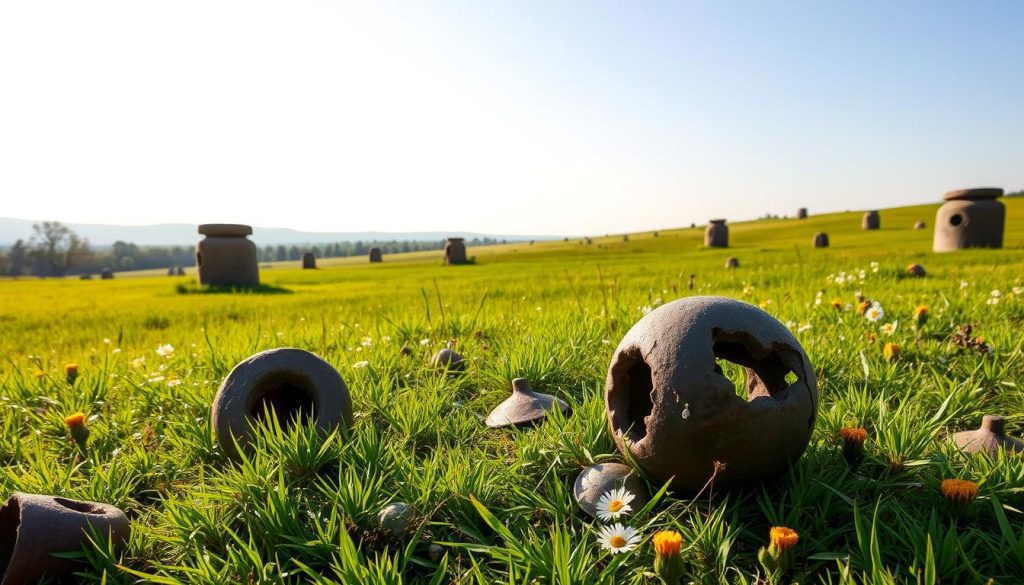
Clearing UXO does more than just make the land safe. It also helps the environment and supports eco-friendly travel. This work saves lives and brings back the beauty of the Plain of Jars.
Responsible Tourism Practices at the Plain of Jars
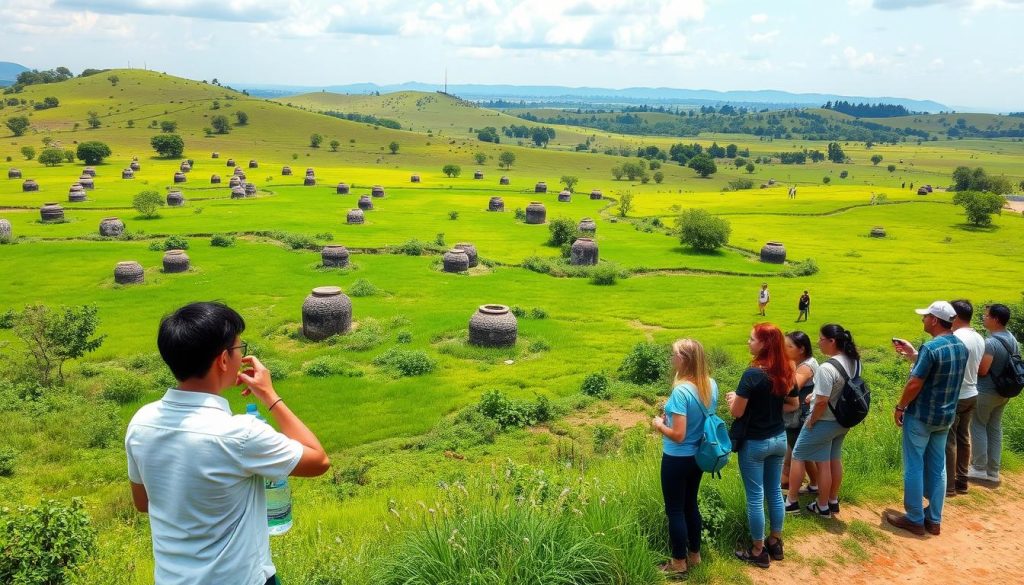
Visiting the Plain of Jars is a great chance to practice responsible tourism. Choosing guided tours lets you learn from local guides. They share the area’s history and cultural importance.
These guides keep you safe, which is important in areas with UXO. They also help the local economy grow. By joining guided tours, you help the community and learn more.
Guided Tours and Their Impact
Guided tours at the Plain of Jars are very impactful. They teach visitors while supporting local guides. You get to see the archaeological wonders and cultural heritage.
This way of traveling is sustainable. The money from tours stays in the community. It helps the local economy.
Interaction with Local Communities
Meeting local communities makes your trip even better. You get to see traditional practices, crafts, and food. This is a chance for cultural exchanges.
Working with community members helps keep their culture alive. It also teaches you about ethical tourism. This exchange benefits both sides, creating a deeper understanding.
Exploring Cultural Preservation through Travel
Traveling to the Plain of Jars is a special chance to connect with local heritage. It also helps in preserving culture. Your visit helps raise awareness of this area’s rich history.
The Role of Archaeologists in the Region
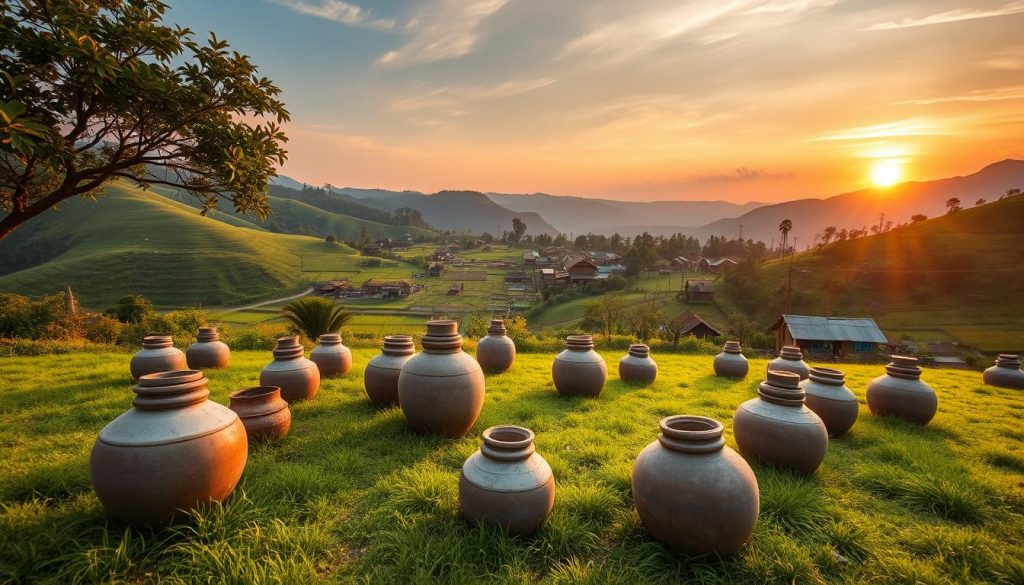
Archaeologists do important archaeological research here. They study over 2,100 ancient stone jars in Xieng Khouang Province. These jars, up to nine feet tall and weighing 14 tons, were used for burials from 500 BCE to 800 CE.
This work is key to recognizing the Plain of Jars. It’s a site UNESCO wants to protect for cultural heritage.
Connecting Tourists with Local Heritage
Visiting the Plain of Jars lets tourists dive into cultural tourism. You can learn crafts, try local food, and join festivals. These activities promote local traditions and make your visit richer.
Getting involved in these activities makes your trip better. It also supports sustainable tourism that helps the community. As tourism grows in Phonsavan, supporting local heritage is more important than ever.
| Aspect | Details |
|---|---|
| Number of Jars | Over 2,100 |
| Height of Jars | Up to 9 feet |
| Weight of Jars | Up to 14 tons |
| Era of Usage | 500 BCE – 800 CE |
| UNESCO Designation | Designated in July 2019 |
| Local Initiatives | Community-based tourism and workshops |
How to Travel Responsibly in Laos
Traveling responsibly in Laos can make your trip more meaningful. It also helps the local community. By following eco-friendly tips, you can enjoy your vacation while doing good. Learn about the local culture, respect their customs, and reduce your environmental impact.
Travel Tips for Eco-Conscious Visitors
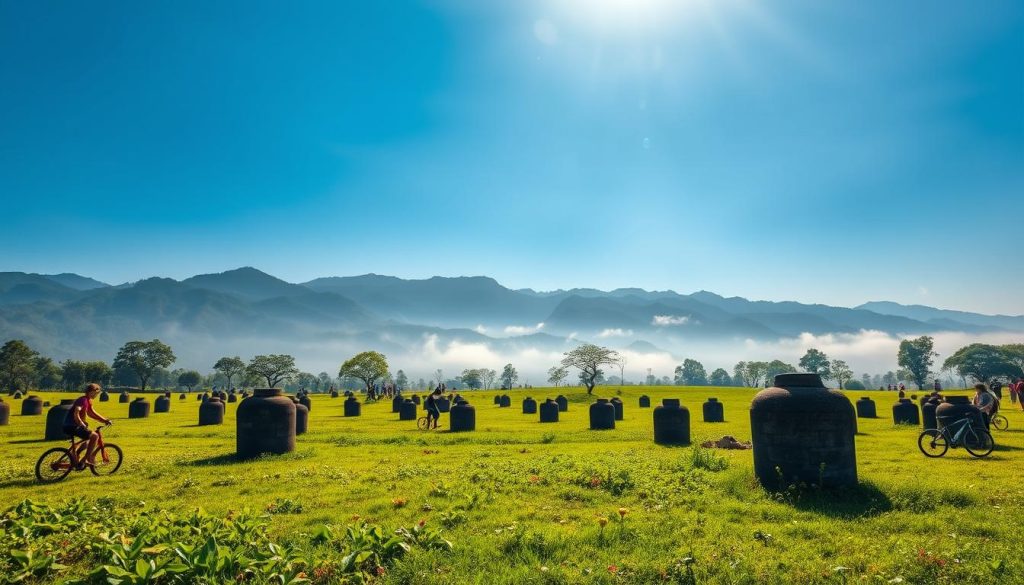
- Use eco-friendly transportation options, such as bicycles or tuk-tuks, to get around.
- Minimize plastic waste by bringing reusable bags and bottles.
- Choose accommodations that prioritize sustainability and respect for the local environment.
- Participate in community-based tourism activities that promote local culture.
- Educate yourself on the local history, including the impact of unexploded ordnance (UXO) in the area.
Support Local Businesses
Supporting local businesses makes your trip better and helps the community. Choose hotels, restaurants, and shops owned by locals. This supports the local economy and promotes ethical tourism.
Buying from local artisans and eating at local places helps preserve Laos’ culture. Try dishes like Larb and Sticky Rice to connect with the locals. Your actions help protect the local heritage and support sustainable practices.
| Eco-Conscious Travel Practices | Benefits |
|---|---|
| Using eco-friendly transport | Reduces carbon footprint |
| Supporting local businesses | Enhances community resilience |
| Minimizing plastic waste | Protects the natural environment |
| Engaging in cultural experiences | Promotes ethical tourism |
| Educating yourself about local customs | Boosts cultural exchange and understanding |
Traveling responsibly in Laos is a chance to enrich your journey and help the community. Your trip can make a big difference in the lives of those you meet.
Unique Sustainable Travel Experiences in Laos
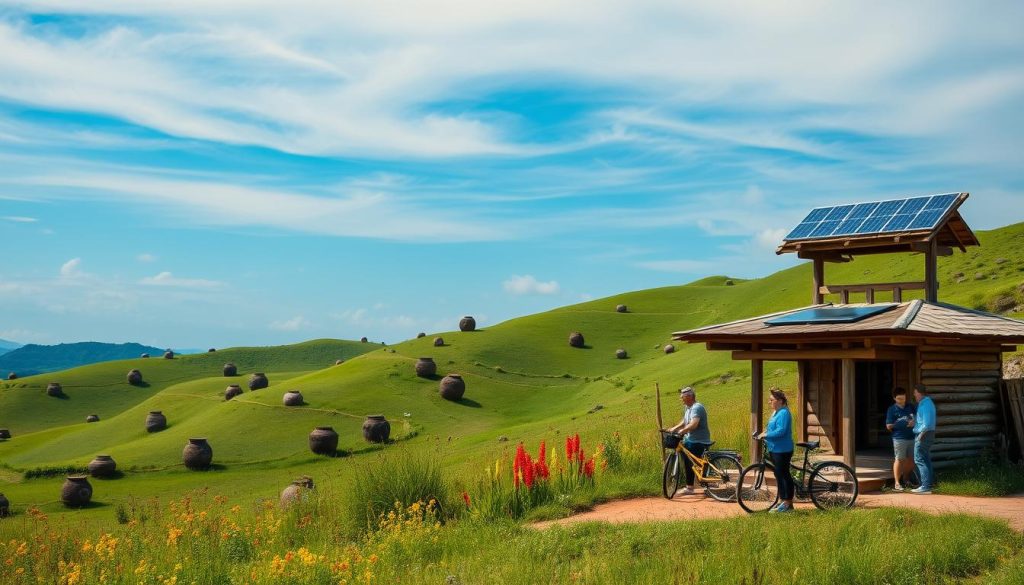
The Plain of Jars and its surroundings offer special travel experiences. They mix adventure with a love for nature. Activities like hiking and cycling boost your health and connect you with the local culture.
Adventure Activities and Eco-Tours
Eco-tours let you see Laos’ stunning natural beauty. These tours take you to places like the Kong Lor Caves, one of the longest cave systems. Trekking or cycling shows the beauty of travel in a way that cares for the environment.
Staying in Eco-Lodges and Guesthouses
Staying in eco-lodges shows you care about the planet. These places use green practices, like no single-use plastics. For example, Mandala Ou Resort has cut out plastic bottles and straws.
These lodgings share Laotian culture through traditional hospitality and food. They make your trip richer and reduce your impact on the environment.
Best Time to Visit the Plain of Jars
Planning your trip to the Plain of Jars? Knowing the best time to go is key. The dry season, from November to April, is the best time. It’s dry and cool, perfect for exploring.
The wet season, from May to October, is rainy and hot. It can ruin your plans and make outdoor activities tough.
Seasonal Weather and its Impact on Travel
Laos has two main weather seasons: dry and wet. The dry season, from November to January, is the peak tourist time. It’s cool, with temperatures between 57°F and 79°F (14°C to 26°C).
Visitors enjoy clear skies and green landscapes in October and November. But, March to June is very hot, over 35°C. It’s not great for being outside.
The rainy season peaks in August, with lots of rain and humidity. Traveling then can be hard because of road closures and floods. But, November and December are great for river activities, with the Mekong River at its highest.
Local Festivals and Events
Visiting during local festivals can make your trip to Laos even better. Pi Mai, the Laos New Year, happens in mid-April. It’s a time of vibrant culture and traditions.
Traveling at different times of the year can offer unique experiences. You can see traditional practices and join in the celebrations. It makes your visit to the Plain of Jars unforgettable.
Resources for Eco-Friendly Traveling in Southeast Asia
Traveling in Southeast Asia, like Laos, gets better with the right resources. Using local groups and tech can really help. It makes your trip greener and your visits more meaningful.
Local Guides and Organizations to Follow
Local guides give you a deeper look at the culture and area. They also support eco-friendly travel. Groups like the Mines Advisory Group (MAG) share important info on safety and tourism.
Working with these groups helps keep tourism sustainable. It also protects the area’s rich culture.
Useful Traveling Technologies and Apps
For a greener trip, check out travel apps and tech. They help in many ways, like:
- Finding places to stay that are good for the planet
- Learning about local customs and traditions
- Finding places that support ethical tourism
- Using translation tools to talk with locals
These tools help you travel responsibly. They also help you connect with the people you meet. Your choices make a positive difference in the places you visit.

Conclusion
Visiting the Plain of Jars through sustainable tourism is a unique adventure. It combines excitement with learning about history. With about 90 jar sites, you get to see the Iron Age’s amazing leftovers.
Choosing to travel responsibly makes your trip better. It also helps protect this cultural treasure. This way, you learn more and help preserve history.
Meeting local people makes your trip even more special. Their stories and traditions connect you to the area. By supporting good causes and caring for the environment, you play a big role.
Your visit to the Plain of Jars is more than just looking around. It’s a chance to think about the past and help create a better future. Whether you see the jars at Site 1 or enjoy the views at Site 2, make sure you travel responsibly.
This way, you honor the rich culture and history around you. It’s a commitment to making a positive difference.