
Explore Local Villages Near Plain of Jars
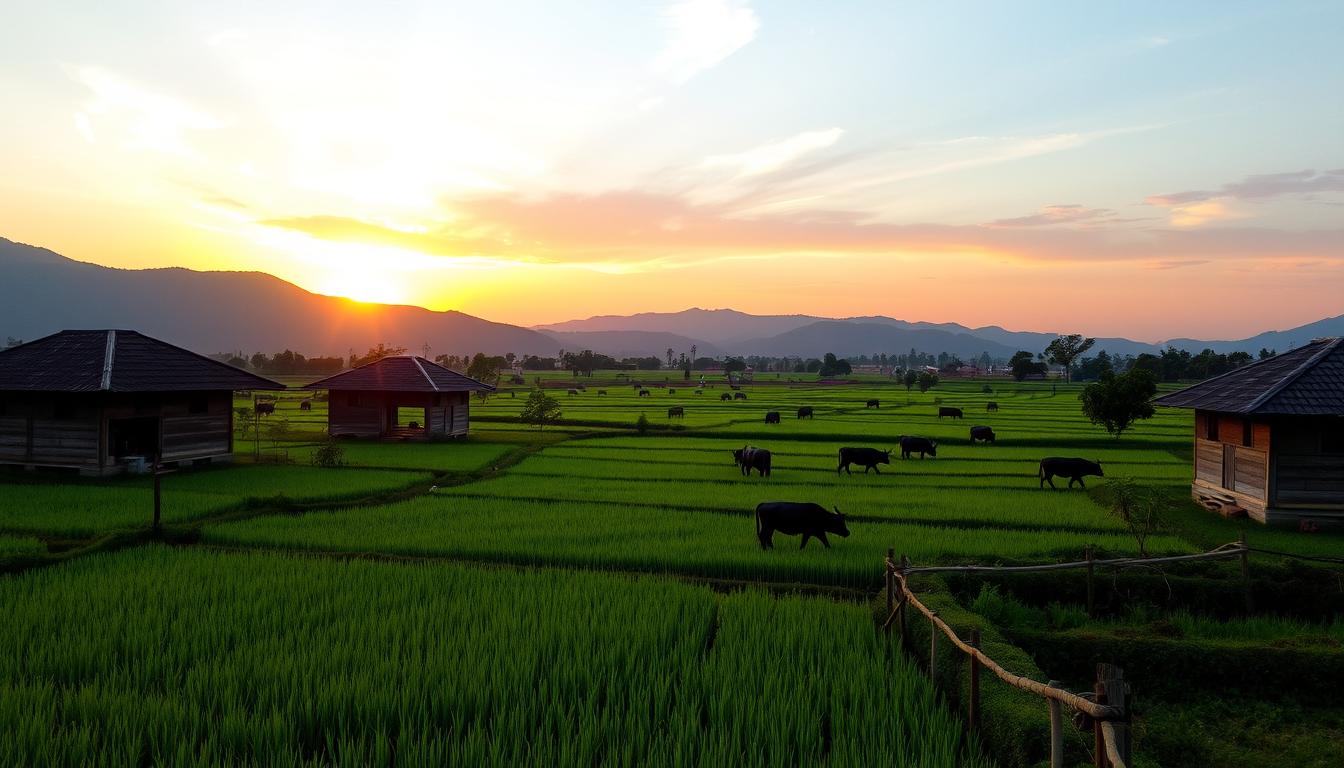
Have you ever wondered about the hidden treasures near the Plain of Jars? The iconic megalithic jars attract many visitors. But, the villages around the Plain of Jars hold a wealth of culture, history, and stunning views.
These villages are in the heart of Xieng Khouang province. They tell stories and offer experiences that add to your adventure in this mysterious area.
Exploring nearby villages to the Plain of Jars reveals more than just ancient artifacts. It shows the strength and creativity of the people who live there. With unique accommodations and unforgettable local interactions, this guide will help you dive into the hidden charms of Laos.
Introduction to the Plain of Jars
The Plain of Jars is a site of great archaeological significance. It features a collection of stone jars across Xieng Khouang province in Laos. This site is home to about 2,000 megalithic jars, with a history spanning over 2,000 years.
The jars vary in size and weight, with some reaching nearly 3 meters tall and weighing over 10 tons. This UNESCO World Heritage site was designated on July 6, 2019. It includes around 90 jar sites, with only seven open to visitors.
The largest site, “Thong Hai Hin,” has over 300 jars. It includes the largest jar, standing out with its size. Visitor centers at these sites offer historical context, enriching your visit.
Exploring the Muong Phuon Plateau, you enter one of Southeast Asia’s key prehistoric sites. Each jar site offers a unique experience. You’ll see the jars, the natural beauty, and artifacts that give a peek into ancient life.

History of the Plain of Jars
The Plain of Jars has a fascinating history. It’s filled with stories of ancient cultures and their practices. Over 2,100 stone jars, mainly used for funerals, stand here. They date back to the Iron Age, from 500 BCE to 500 CE, and possibly up to 800 CE.
These jars are key to understanding the area’s history. Each one is shaped like a tube, adding to the site’s beauty.
Archaeologists have found 15 parts of the site. There are 1,325 large stone jars, stone discs, and graves. These structures show the importance of the Plain of Jars in Iron Age Southeast Asia.

Researchers like Madeleine Colani have studied the site. Her work, “The Megaliths of Upper Laos,” helps us understand the jars. They might have stored water or held the remains of the dead.
Despite challenges, like old bombs, research keeps uncovering new things. This work helps us see the jars in a new light.
Now, it’s easier to visit the site thanks to efforts to remove old bombs. More people can explore the history and mystery of the jars. As you wander through, you’ll find yourself drawn into the ancient stories of the Plain of Jars.
Significance of the Local Villages Near Plain of Jars
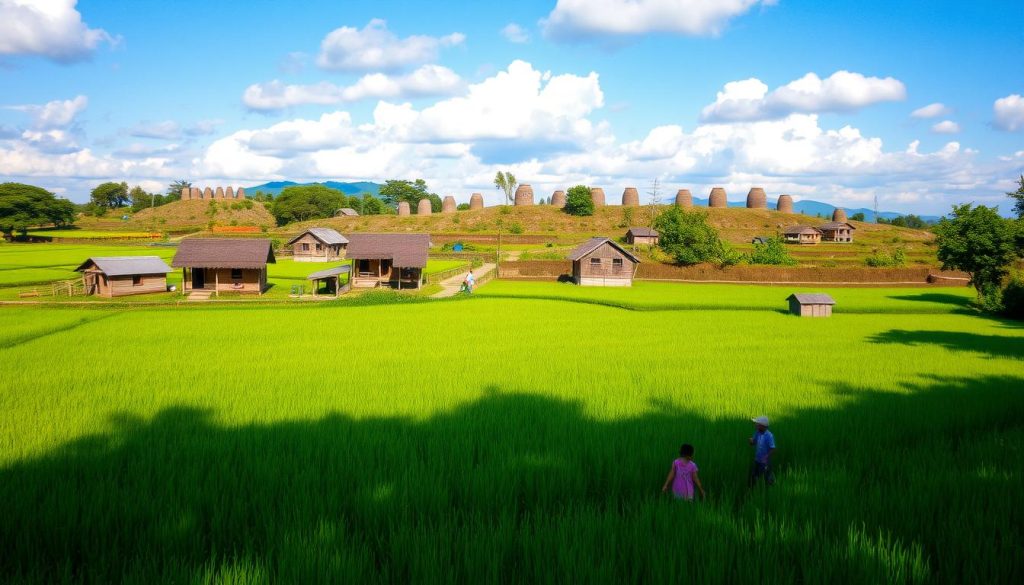
The local villages near the Plain of Jars are key to keeping Laotian culture alive. They hold onto traditions that have been passed down for ages. By visiting these villages, you get to see the significance of local villages in keeping cultural identity strong and history alive.
When tourists visit, they help with cultural exchange in local villages. Villagers share their stories, customs, and crafts. This not only enriches the visitors’ experiences but also helps the community by boosting their economy through tourism.
The artisans in these villages are very important. They make unique handicrafts that show the region’s creative side. You can also try local foods, which are made with traditional ingredients and cooking methods. By trying these foods, you support the community and get to taste the true flavors of Laos.
In summary, the villages around the Plain of Jars are the heart of Laotian life. They show the beauty of culture, tradition, and strength. Their role in keeping customs alive and supporting tourism shows how vital local villages are in preserving this special region’s heritage.
| Significance Factors | Description |
|---|---|
| Cultural Preservation | Maintaining traditional practices and customs passed down through generations. |
| Economic Empowerment | Tourism provides a source of income through handicrafts and local cuisine. |
| Community Connectivity | Foster relationships between visitors and locals, enhancing cultural understanding. |
| Artistic Expression | Artisans showcase their craftsmanship, reflecting local identity and creativity. |
| Tourism Development | Sustainable tourism supports local economies and encourages heritage conservation. |
Ban Napia: A Gem Among Villages Around Plain of Jars
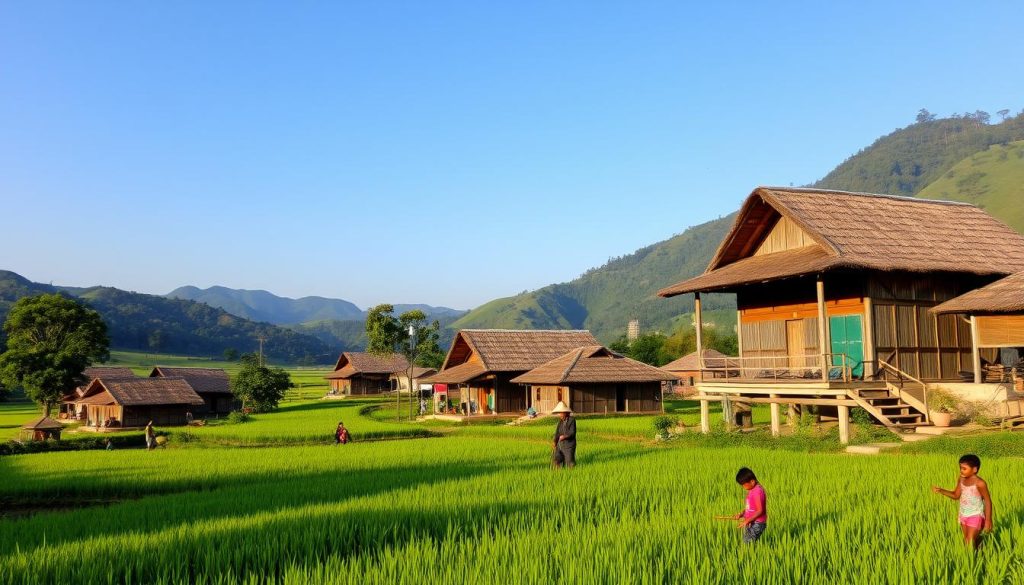
Ban Napia village, known as the Spoon Village, is a magical place. It’s a mix of old traditions and rich culture. Located near the Plain of Jars, it offers a special experience for those who want to see the local community and its art.
Here, you can see how locals turn old war items into useful tools. It shows their strength and creativity.
Exploring Local Culture and Traditions
The culture in Ban Napia is key to its identity. You can meet skilled artisans who show off their traditional crafts, like weaving and woodcarving. Festivals add to this cultural richness, giving a glimpse into the traditions and beliefs of the past.
Visitors are invited to join in these celebrations. It makes the experience both deep and memorable.
Available Accommodations
It’s easy to find a place to stay near the Plain of Jars in Ban Napia. There are homestays for those who want to dive into village life, and guesthouses for those who prefer modern comforts. Whether you like the old-fashioned or the new, Ban Napia has something for everyone.
| Type of Accommodation | Description | Price Range (per night) |
|---|---|---|
| Homestay | Experience local life with meals included and direct interaction with villagers. | $15 – $30 |
| Guesthouse | Modern amenities with private rooms and communal areas for relaxation. | $25 – $50 |
| Boutique Hotel | Luxurious accommodations with unique design and personalized services. | $60 – $120 |
Ban Tajok: Nearby Villages to Plain of Jars
Visiting Ban Tajok village lets you dive into the rich traditions of the Laotian people. It’s close to the Plain of Jars and offers a glimpse into their daily life. You can see their farming methods and enjoy authentic cultural experiences.
Locals are eager to share their traditions with you. They’ll show you how to cook traditional dishes and welcome you warmly. It’s an experience you won’t forget.
The village is known for its vibrant crafts. You can learn how to make local crafts and join in on cultural celebrations. These events showcase the village’s rich heritage and history.
Exploring Ban Tajok also means discovering its natural beauty. The area offers a range of activities, including:
- Historical sites reflecting the village’s past
- Relaxing in beautifully maintained gardens
- Adventuring through scenic trekking paths
Visiting Ban Tajok is a chance to experience the warmth of local hospitality and unique crafts. It’s a journey through the beauty and resilience of Laos.
| Attractions | Description |
|---|---|
| Religious Places | 5 sacred sites showcasing Laotian spiritual practices. |
| Historical Places | 25 landmarks that give insight into the region’s storied past. |
| Museums | 10 venues highlighting the culture and history of Laos. |
| Wildlife Sanctuaries | Explore nature in the region’s only sanctuary. |
| Mountains | 2 stunning mountainous landscapes perfect for hiking. |
| Waterfalls | 3 breathtaking waterfalls attracting nature lovers. |
| Trekking Places | 1 scenic route ideal for outdoor enthusiasts. |
Transportation Options to Visit Nearby Villages to Plain of Jars
Getting to the Plain of Jars and nearby villages is mostly by road. You can use public transport from big cities like Vientiane, Luang Prabang, and Vang Vieng. This makes traveling in Laos easy for tourists. The trip takes 7 to 12 hours, depending on where you start.
For a better ride, think about renting a car or booking a guided tour. This can make your journey more comfortable.
Getting There by Road
The drive to the Plain of Jars offers stunning mountain views. Public buses and minibuses link major cities to Phonsavanh, the main town near the Plain of Jars. The bus from Vientiane to Phonsavanh takes about 10-12 hours.
From Luang Prabang, an 11-hour minibus ride via Road 13 and Road 7 is available. This lets you see Laos’s beautiful landscapes.
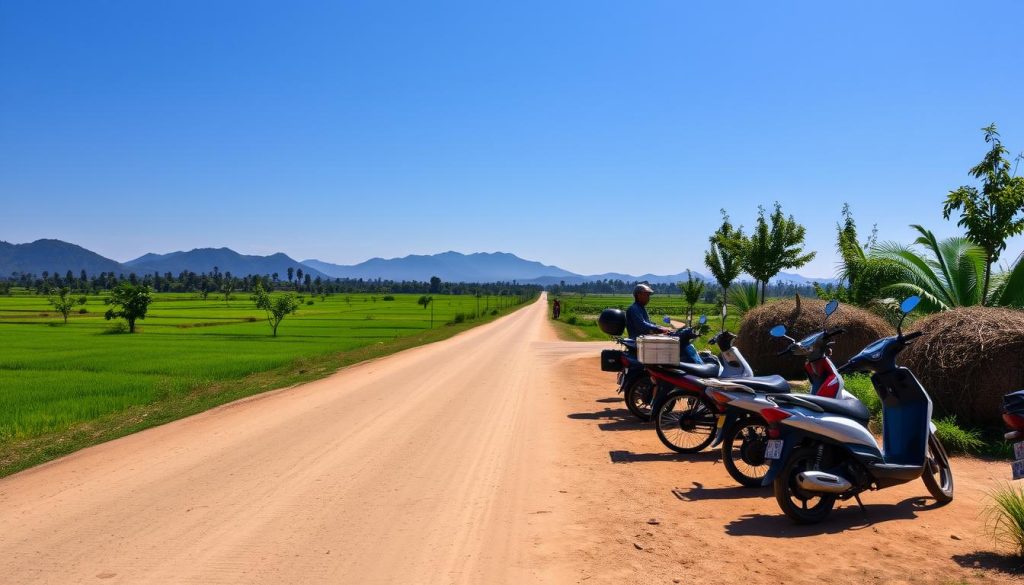
In Phonsavanh, renting a vehicle lets you explore at your own speed. Bike rentals start at 20,000 kip per day, and scooters are about 100,000 kip. These options allow you to visit Jar Site 1, 10 kilometers from town, or go further to Sites 2 and 3, 24 and 30 kilometers away.
| Departure City | Destination | Transportation Type | Approximate Travel Time |
|---|---|---|---|
| Vientiane | Phonsavanh | Bus | 10-12 hours |
| Luang Prabang | Phonsavanh | Minibus | 11 hours |
| Phonsavanh | Nearby Villages | Rental Vehicle | Varies |
Visiting these areas safely is important. The Mines Advisory Group (MAG) has cleared landmines since 1994. This makes it safer for everyone.
Exploring beyond the Plain of Jars lets you learn about local culture. You’ll see different attractions and visit nearby villages. This approach makes your trip to the Plain of Jars rewarding.
Activities in the Villages Close to Plain of Jars
Exploring villages near the Plain of Jars reveals a world of activities. These experiences let you dive into local culture and traditions. Your visit will be unforgettable.
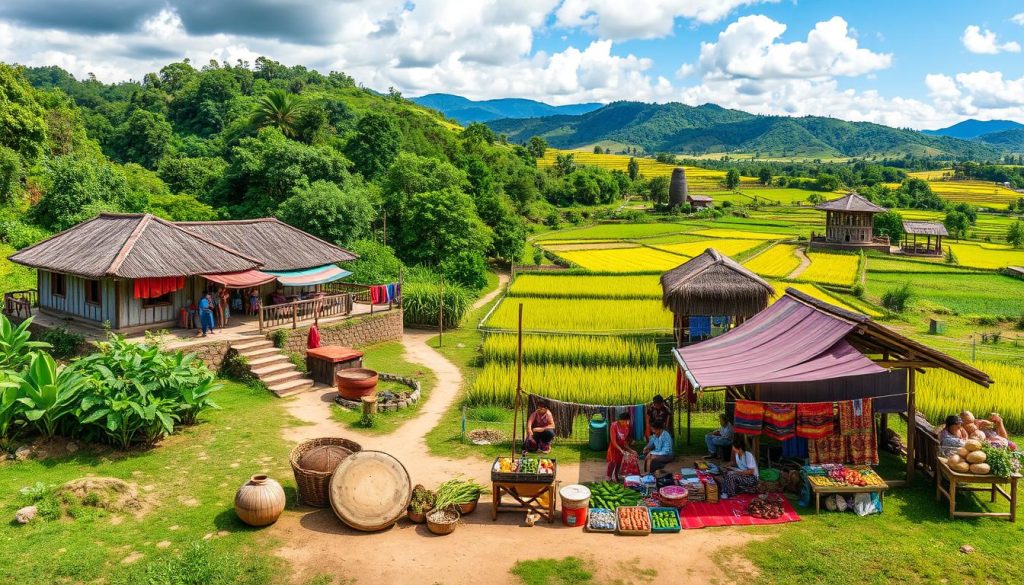
Cultural activities showcase the area’s rich heritage. Traditional weaving workshops are a hit, where you learn to make beautiful textiles. Skilled artisans guide you, connecting you with the community.
Guided hikes through stunning landscapes are another highlight. Each trail offers a new view, from lush valleys to rugged hills. Every hike is an adventure.
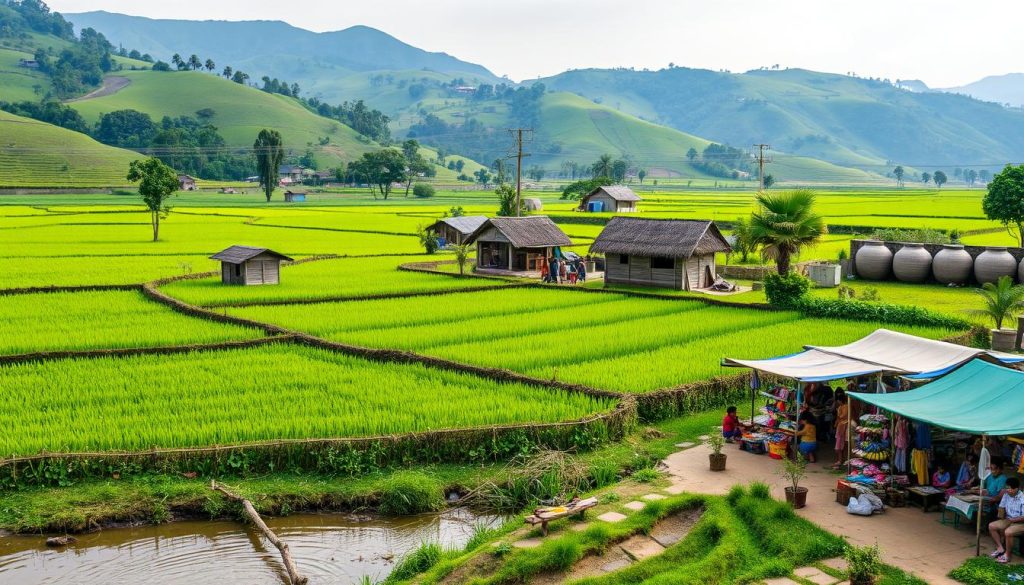
Culinary classes let you dive into local flavors. You’ll learn to make traditional dishes, understanding how they’re made. It’s a great way to experience the area’s cuisine.
Don’t miss cultural events and festivals. They give a peek into local life. Talking to villagers during these times lets you learn about their customs and stories.
| Activity | Description | Duration |
|---|---|---|
| Weaving Workshop | Learn traditional weaving techniques from local artisans. | 2-3 hours |
| Guided Hikes | Explore scenic landscapes with knowledgeable guides. | Half-day or full-day tour |
| Culinary Class | Prepare and enjoy local dishes using traditional methods. | 3 hours |
| Cultural Festivals | Participate in local events featuring traditional customs. | Varies |
Whether you want hands-on experiences or to watch cultural expressions, there’s something for everyone. Engage with the community and make memories that last a lifetime.
Local Cuisine to Try in Villages Around Plain of Jars
Exploring the villages near the Plain of Jars lets you dive into authentic local food. The area is rich in traditional Laotian food that showcases Laos’ unique tastes. You must try Khao Niaw (sticky rice) and Laap (meat salad), which reflect the local culture.
Tam Mak Hoong (papaya salad) is another favorite, known for its spicy flavor. Trying these dishes not only pleases your taste buds but also helps the local economy.
Local restaurants often serve meals made with fresh ingredients from nearby farms. Places like Craters Restaurant are famous for their Laap. Bamboozle! Restaurant & Bar is known for Khao Poon, and Simmaly Restaurant offers Or Lam, a hearty stew.
In Ban Tajok village, the food scene is vibrant, offering a wide range of dishes. You can enjoy:
- Khao Niaw (Sticky Rice)
- Jeow Mak Keua (Eggplant Dip)
- Laap (Meat Salad)
- Tam Mak Hoong (Papaya Salad)
- Or Lam (Stew)
- Kaipen (Fried Seaweed) with Jeow Bong
- Mok Pa (Fish Steamed in Banana Leaves)
- Ping Gai (Grilled Chicken)
- Sin Savanh (Lao Sausage)
- Lao Green Curry
This menu caters to all, with options for meat lovers, vegetarians, and vegans. Restaurants like Bamboo Cafe and Sabaidee Odisha Restaurant highlight these dishes in a cozy setting. The Phonsavan Market Stalls also offer vegetarian versions of classics, like Tam Mak Hoong.
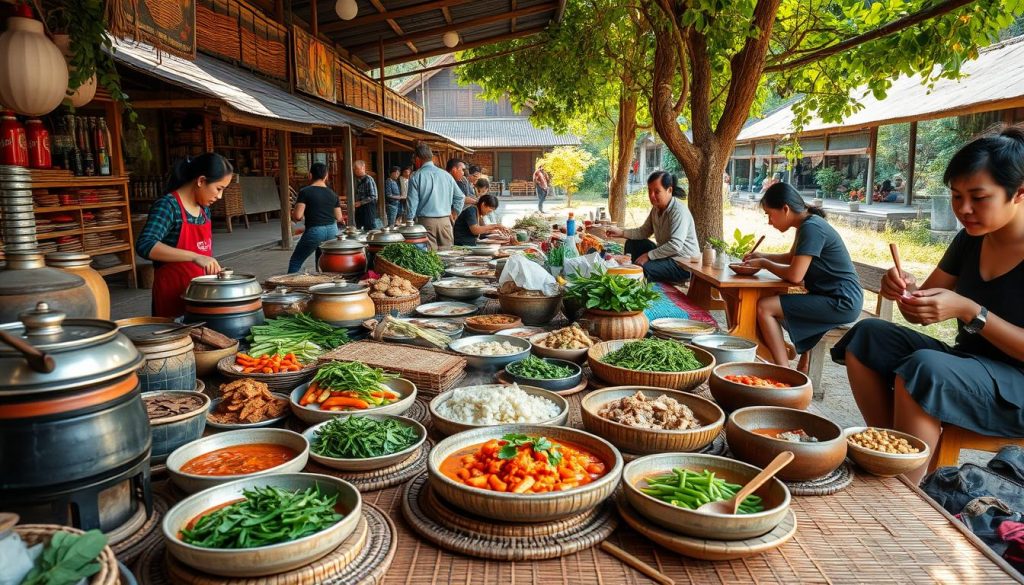
Enjoying local food in villages is a way to experience Laos’ rich flavors and culture. Each meal is a window into village life, making your food journey unforgettable.
Conclusion
Exploring local villages near the Plain of Jars lets you dive into Laos’s rich culture. Walking through places like Ban Napia and Ban Tajok, you see how ancient history meets everyday life. This makes your visit to this area even more special.
As you explore, you’ll learn about the Plain of Jars’ history. It’s home to around 3,000 jars used for funerals. This journey is not just about seeing old sites; it’s about understanding their stories.
Visiting these sites, you’ll see over 250 jars up close. You’ll also get to try local foods and join in on traditional activities. The Plain of Jars was named a UNESCO World Heritage site in 2019. This means future visitors will also get to see these wonders.
The history of the jars is both fascinating and sad. It includes the danger of unexploded ordnance in the area. This adds depth to your travel experience.
In short, visiting the Plain of Jars is more than seeing old ruins. It’s a chance to connect with a lively culture and community. Every moment, from trying local food to participating in traditions, deepens your appreciation for Laos’s culture. Don’t miss this opportunity to make unforgettable memories in Southeast Asia.





