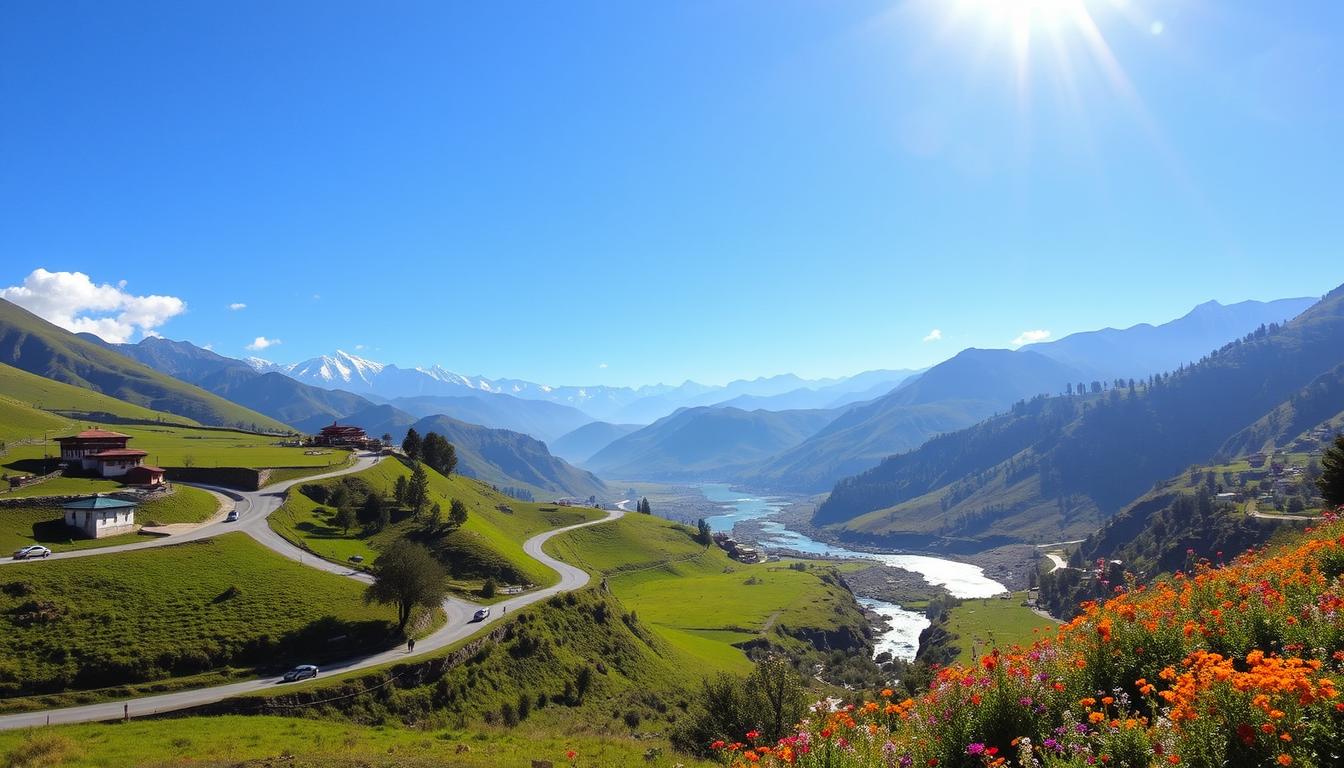
Travel Guide: Paro to Haa Valley Journey
Ever wondered what it’s like to travel through Bhutan’s magical landscapes? From Paro’s lively streets to Haa Valley’s peaceful beauty, this trip is more than just a ride. It’s a journey into a world where culture and nature blend perfectly. In this guide, we’ll show you how to get from Paro to Haa Valley. You’ll learn about different ways to travel, the distance, and must-see sights along the way.
Since 2002, Haa Valley has drawn in travelers, becoming Bhutan’s second least crowded area. Your trip here will reveal its stunning views. The 67 kilometers from Paro make it easy to reach by bus or car. Get ready to explore this enchanting place in detail.
Introduction to the Paro to Haa Valley Journey
The Paro to Haa Valley journey is an unforgettable adventure. It takes you through some of Bhutan’s most stunning landscapes. This route is loved by travelers for its rich culture and natural beauty.
As you travel, you’ll see towering mountains and vibrant communities. You’ll also feel a deep sense of peace.
Haa Valley was once off-limits to tourists until 2002. Now, it invites visitors to discover its secrets. You’ll be amazed by the Lhakhang Karpo temple and the area’s lush views.
The Chele La Pass, at 3,988 meters, is a highlight. Here, you might see a winter wonderland in the snow.
Traveling here lets you dive into Bhutan’s unique culture. It’s not just about reaching Haa Valley. It’s about exploring the stories and traditions of this special country.
See local farming, try the local food, and learn about the lives of the people. They are the heart of Haa Valley.
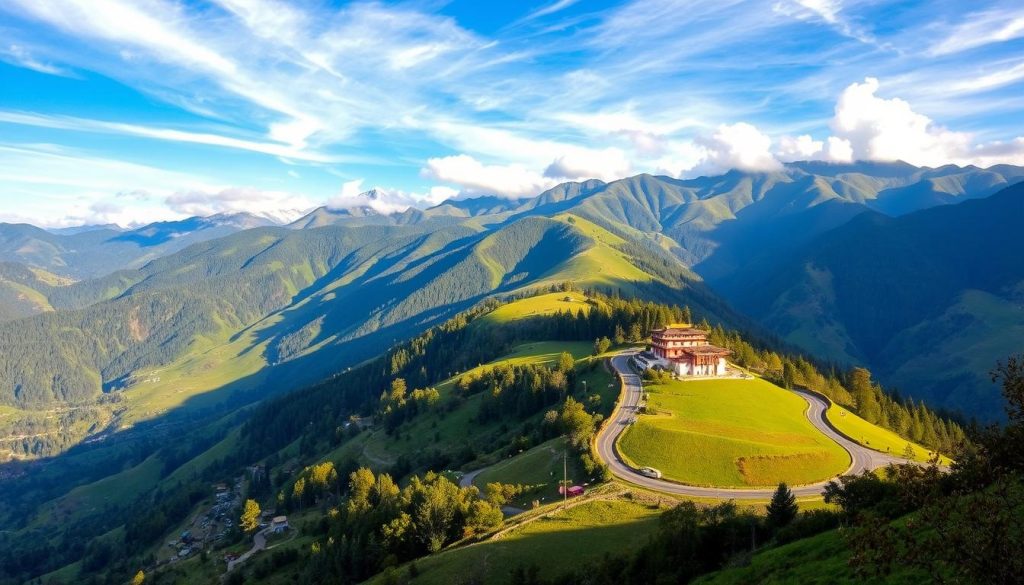
Whether hiking or exploring local art, this journey is a glimpse into Bhutan. Every view and corner invites you to learn more about this kingdom’s heritage.
Understanding Bhutan: A Brief Overview
Bhutan is known as the Land of the Thunder Dragon. It has a unique culture and geography. The country is in the eastern Himalayas, with mountains, valleys, and lakes. It’s a place of stunning beauty.
Planning a trip to Bhutan means diving into tradition and sustainability. The country values Gross National Happiness (GNH) above economic growth. This idea affects daily life, from saving the environment to helping communities.
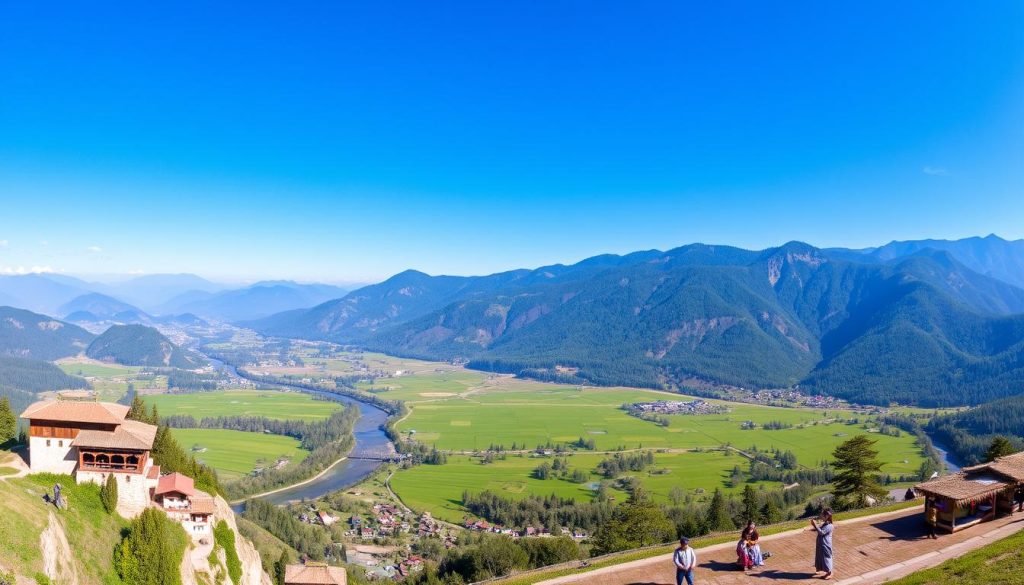
When you travel, remember the local currency is the Ngultrum. You’ll need a visa before you arrive. A new rule charges a Sustainable Development Fee (SDF) of US$200 per day. But, families get discounts for kids, making it easier to visit.
| Travel Costs | Amount (USD) |
|---|---|
| Sustainable Development Fee (per person per day) | 200 |
| Entry Fees for Main Attractions | 12.50 – 25 |
| Indian Tourist SDF | 15 |
| Cost of Fully Inclusive Tours (per person per day) | 350 – 450 |
| Snowman Trek (additional cost) | 3,500+ |
Knowing these details will make your trip to Bhutan better. You’ll enjoy its heritage and landscapes more, and deal with the travel plans easily.
Why Visit Haa Valley?
Haa Valley is a peaceful retreat that offers a true look into Bhutan’s culture. With only 14,000 people, it’s a break from the busy places in Bhutan. It’s perfect for those looking for a quiet getaway.
The scenery along the Bondey-Haa Highway is stunning. You’ll see Mount Jomolhari, which is 7,340 meters high. The Chele La Pass, at 3,988 meters, is the highest driveable pass in Bhutan. These views are a beautiful setting for the hidden gems of Haa Valley.
Don’t miss Lhakhang Karpo and Lhakhang Nagpo, the White and Black Temples. Built in the 7th century, they show off traditional Bhutanese architecture. You can also join in on local festivals to learn more about the culture.
Try the local dish, hoentay, to taste the unique flavors of the area. The Risum Resort offers cozy rooms with king-sized beds and modern comforts like hot water.
Even though there are few restaurants and taxis, Haa Valley’s calm is its main attraction. The natural beauty and friendly locals make your visit special. Remember, you’ll need a special permit to explore this hidden treasure in Bhutan.
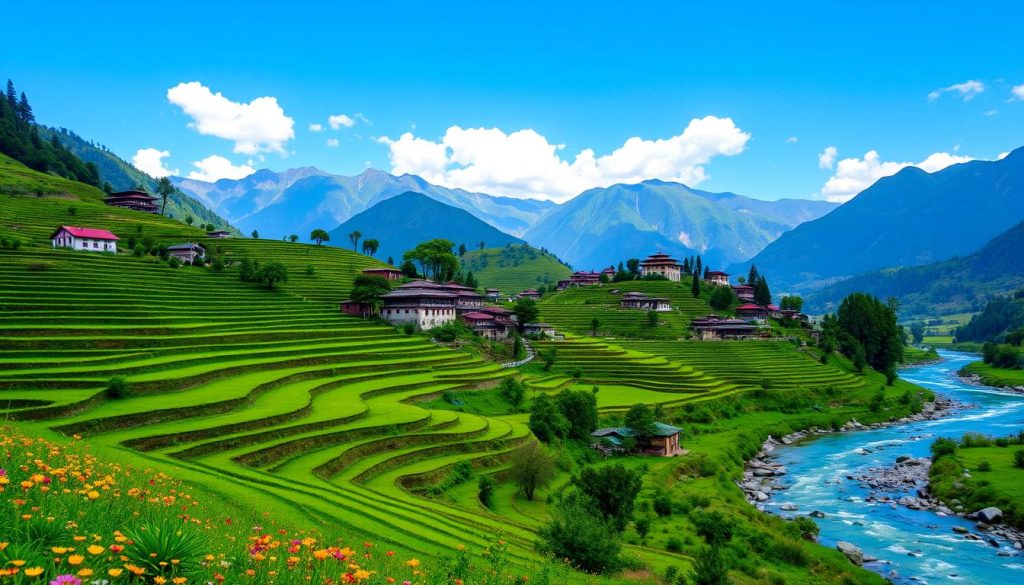
How do I travel from Paro to Haa Valley?
Traveling from Paro to Haa Valley is exciting for those who love adventure and nature. Knowing your options makes your trip better. You can choose from taxis, rented cars, or public transport. Each has its own benefits.
Transportation Options
There are several ways to get from Paro to Haa Valley:
- Taxi Services: Taxis offer comfort and ease. They take you directly to your destination.
- Car Rentals: Renting a car lets you explore at your own pace. You can stop at beautiful spots along the way.
- Local Buses: For those on a budget, buses are a good choice. They connect towns and let you see local life.
Road and Air Travel Considerations
Air travel to Haa Valley is rare, but road travel is the main choice. The drive from Paro to Haa Valley is about 65 km and takes about 1 hour and 50 minutes. When planning, consider a few things:
- Weather Conditions: Weather can change road conditions, so check forecasts.
- Road Maintenance: The hilly terrain means road conditions can change. Keep up with maintenance updates to avoid delays.
- Safety Measures: Always wear seatbelts and drive carefully, as roads can be winding. Staying alert ensures a safe trip.
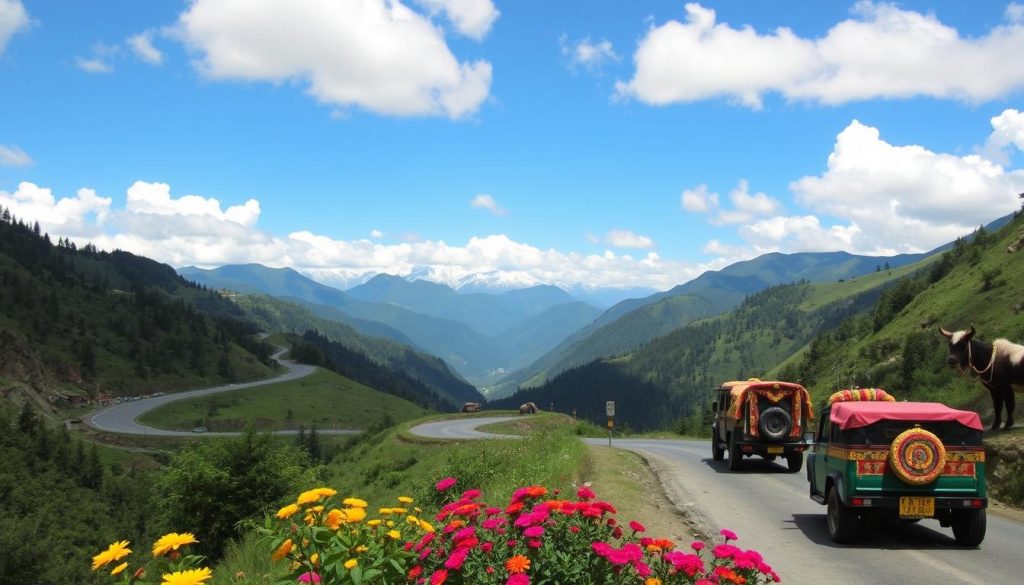
Knowing about these options and considerations will make your trip from Paro to Haa Valley better. You’ll get to see amazing landscapes and experience the local culture.
Paro to Haa Valley Distance and Route
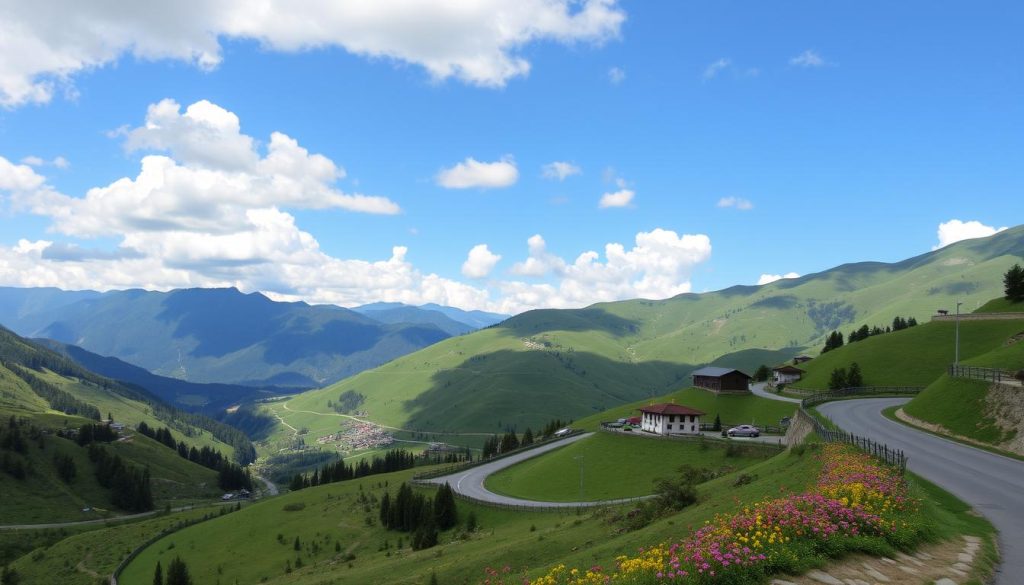
The drive from Paro to Haa Valley is about 65 kilometers long. It takes around three hours, depending on the day’s conditions. You’ll see amazing landmarks in Bhutan, making your trip unforgettable. Along the way, enjoy stunning views and visit traditional villages and sacred temples.
Key Landmarks Along the Route
Make sure to stop at key landmarks that show Bhutan’s rich culture and nature. Highlights include:
- Chele La Pass: At 3,988 meters, this pass offers views of Mount Jomolhari and the landscapes.
- Traditional Villages: See local life in Bhutanese communities by visiting small villages.
- Temples and Monasteries: Visit ancient temples to learn about the spiritual side of your journey.
Navigating the Road Conditions
The roads in Bhutan vary a lot. Some are smooth, but others can be tricky due to weather and terrain. Be ready for:
- Seasonal Weather Variations: Rain can cause mudslides or washed-out roads during monsoon season.
- Unpaved Sections: Be careful on unpaved areas, as they can be challenging for mountain driving.
- Traffic Considerations: Delays might happen due to local traffic or road work.
Here are some tips for a smooth trip:
- Check the weather before you go.
- Drive during the day for better navigation.
- Choose a reliable vehicle with good clearance for off-road adventures.
Best Time to Visit Haa Valley
Planning your trip to Haa Valley? Knowing the best time to go is key for a great experience. The best seasons are from January to June and September to December. These months offer good weather, letting you enjoy the beautiful landscapes and lively culture.
These seasons let you see the valley’s natural beauty at its best. Spring brings flowers, and autumn offers amazing fall colors. Each season has its own special charm.
Visiting during these times also means you can join in local festivals. These festivals happen in late summer and autumn. They offer a chance to see traditional dances and try local foods.
The drive to Haa Valley goes over the 3,988m Chele-la pass. So, be ready for weather changes. Days can be warm, but nights can get cold. So, wear layers.
For your trip, pack clothes that are light but warm. Bring long skirts, long sleeves, and high necklines. This shows respect for local customs, like when visiting monasteries. Even in warm months, a sweater or light jacket is good for cooler evenings.
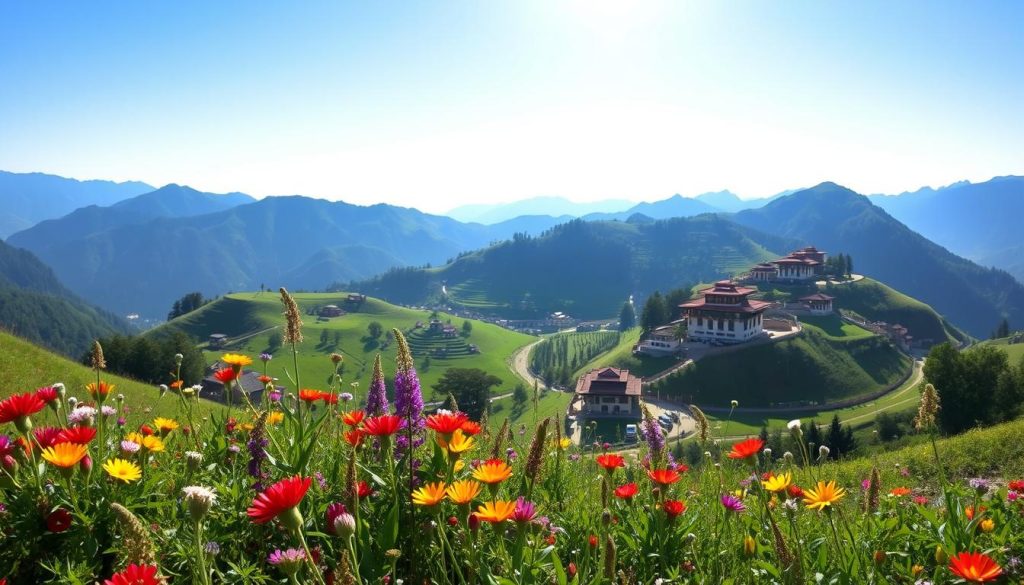
Keeping in mind the best time to visit Haa Valley makes your trip better. Planning around these seasons means unforgettable memories, beautiful hikes, and a deeper understanding of the culture and environment.
Must-See Attractions in Haa Valley
Exploring Haa Valley is more than just seeing its beautiful views. You’ll discover a rich mix of cultural attractions and hidden gems that tell the valley’s story. There are two main types of attractions: cultural sites and natural landscapes. Both offer a unique look into the region’s life, great for history buffs and nature fans.
Cultural Heritage Sites
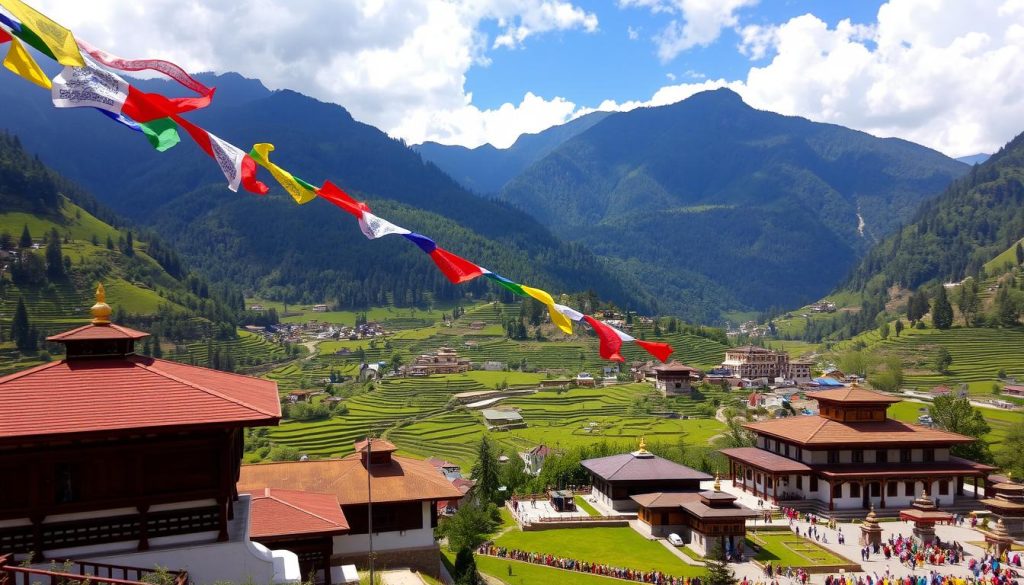
The Haa Valley boasts landmarks that show its unique culture and history. Visiting these sites lets you connect with local traditions and admire the architecture that has shaped the area for centuries. Key spots include:
- Haa Dzong: A historic fortress that symbolizes Haa’s rich heritage.
- Dobzi Dzong: Built in 1531, this ancient dzong is a beloved landmark.
- Yangthang Gonpa: This large monastery is key to the community’s spiritual life.
- Haa Gompa: Located higher up, this gompa offers peaceful views and spiritual lessons.
Visiting these Bhutan heritage sites helps you understand Haa’s cultural importance. It makes your journey through Bhutan even more meaningful.
Natural Landscapes and Treks
Haa Valley is also famous for its stunning natural beauty. The valley’s landscapes are perfect for nature tours. Popular activities include:
- Hiking and Trekking: Find trails for all skill levels that let you explore the local ecosystem.
- Bird Watching: See many bird species in different habitats.
- Mountain Biking: Ride through wooded hillsides to see the valley’s beauty.
The Torsa Strict Nature Reserve is a must-see for nature lovers. It’s a place where untouched biodiversity thrives. Whether hiking or just enjoying the views, there’s always something new to discover in this hidden treasure.
Paro to Haa Valley Travel Options
When planning your journey, think about the different ways to travel from Paro to Haa Valley. This path is filled with stunning views and cultural experiences. The right transportation can make your trip even better.
Public transport in Haa Valley is a bit limited. It includes shared jeeps between Haa town and villages. Renting a private vehicle might be better for flexibility. This way, you can see places like Chele La Pass and monasteries at your own pace.
For a more organized trip, many tours offer transport from Paro to Haa Valley. They help you explore the area’s culture deeply. No matter your choice, booking in advance is wise, mainly in spring and autumn.
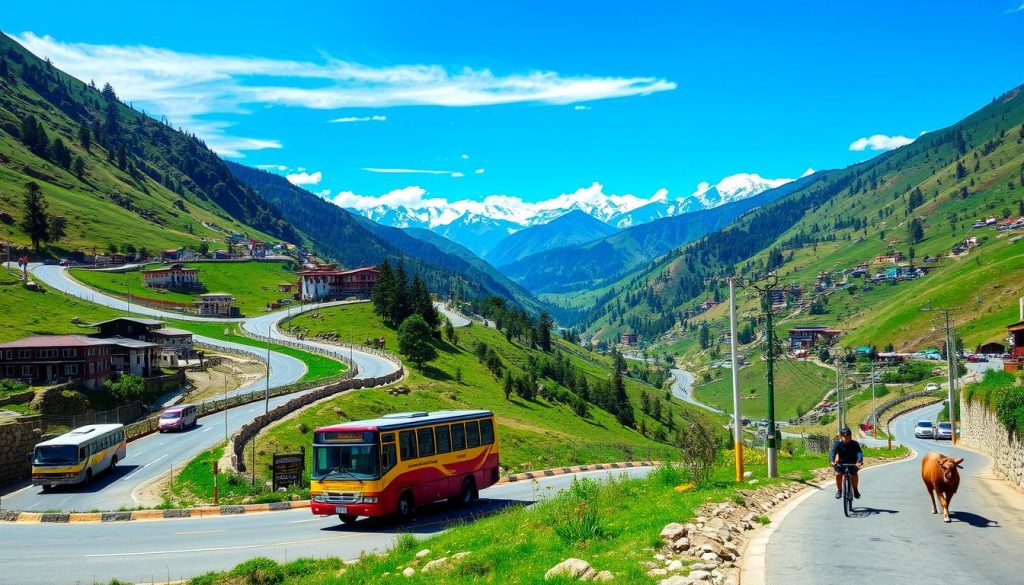
Travel options vary to fit your preferences, whether you want ease or adventure. Make sure to plan the best travel times to fully enjoy Bhutan’s beauty.
Exploring Local Cuisine in Haa Valley
When you visit Haa Valley, get ready to taste the amazing Haa Valley cuisine. This area is famous for its traditional Bhutanese dishes. You’ll love Ema Datshi, a spicy chili and cheese mix that shows off Bhutan’s flavors.
In Haa Valley, you can eat at cozy homestays or local restaurants. They use fresh, local ingredients to make dishes like Jasha Maru, a spicy chicken dish. Suja, a traditional butter tea, is also a must-try. Meals here are affordable, with prices around Nu 300 for tourists and Nu 200 for locals.

While you’re there, learn about local food traditions and join in on festivals. Try Hoentey dumplings, made from buckwheat, during the lomba new year festival. Phillu cheese, a local favorite, costs about Nu 1000.
Spending at least four days in Haa Valley lets you fully enjoy its cuisine. You’ll have time to try different dishes, learn about the food culture, and connect with the Bhutanese people. Meals here are filled with culture and tradition.
| Dish | Description | Price (Nu) |
|---|---|---|
| Ema Datshi | Chili cheese stew, a signature dish of Bhutan | Varies |
| Jasha Maru | Spicy chicken curry seasoned with local herbs | Varies |
| Suja | Traditional butter tea, a comforting beverage | Varies |
| Hoentey | Buckwheat dumplings served during festivals | Varies |
| Phillu Cheese | Local cheese with a distinct flavor | 1000 |
Accommodation Choices in Haa Valley
Exploring Haa Valley means finding the right place to stay. It’s a beautiful area with many options, from cozy homestays to modern resorts. You can choose something that suits your taste and budget, making your stay unforgettable.
Resorts and Homestays
Choosing where to stay in Haa Valley can make your trip better. Resorts have lots of amenities, while homestays offer a real taste of local culture. Here are some top picks:
| Accommodation Type | Name | Amenities | Proximity to Attractions |
|---|---|---|---|
| Resort | Heritage Resort | Wi-Fi, Restaurant, Spa | Near Lhakhang Karpo |
| Resort | Risum Resort | Mountain Views, Guided Tours | Close to hiking trails |
| Homestay | Local Farmhouse | Authentic Bhutanese Meals, Garden | Within walking distance to cultural sites |
Spending 2 to 3 nights in Haa Valley lets you fully enjoy local activities and festivals. Remember, the area has mostly three-star hotels and resorts. Plan your trip well, as Haa Valley is about a three-hour drive from Paro. It’s perfect for both a visit and a day trip.
Tips for a Stress-Free Journey
Traveling in Bhutan is a unique adventure. Planning ahead can make your trip better, like visiting Haa Valley. Here are some tips to help you avoid travel stress.
- Obtain Necessary Permits: Make sure you have the right permits to enter Haa Valley. You’ll need a tourist visa for USD 40 and the Sustainable Development Fee (SDF) of USD 100 per night.
- Plan for High Altitude: Bhutan’s average height is between 3000-3250m. Give your body 1-2 days to adjust to the altitude.
- Book Flights Early: With only two airlines for international flights, seats are hard to find during busy times. Book your flights well in advance.
- Pack Essential Items: Pack clothes for different temperatures and remember sunscreen. The high elevation and clear skies can be harsh.
- Know the Currency: Learn about the main currencies accepted. US Dollars and Euros are easy to exchange, helping you manage your money well.
Getting ready this way helps you enjoy Bhutan’s culture and beautiful landscapes without stress.
| Travel Tip | Description |
|---|---|
| Permits | Ensure all necessary permits and visas are secured before arrival. |
| Altitude | Allow time to acclimatize to the high altitude to prevent sickness. |
| Flight Planning | Book flights early due to limited seat availability. |
| Pack Wisely | Bring suitable clothing and essentials to adapt to changing weather. |
| Currency Familiarization | Learn about the currencies that can be exchanged to facilitate transactions. |
By following these tips, you’ll have a smooth and fun trip in Bhutan. You’ll have plenty of time for exploring and adventure.
Getting from Paro to Haa Valley: A Comparison of Commute Methods
Choosing the right way to travel from Paro to Haa Valley can make a big difference. Different options have their own costs, times, and levels of comfort. We’ll look at the most popular choices to help you decide.
1. Private Vehicle
Traveling by car gives you the most freedom. You can set your own pace and stop to see amazing views. The trip usually takes 1.5 to 2 hours, depending on the road.
2. Taxi Services
Taxis are a convenient choice for the trip from Paro to Haa Valley. They cost a bit more than driving yourself but offer a personal touch. The trip takes about 2 hours, with prices based on how long and far you go.
3. Shared Minivans
For those on a tight budget, shared minivans are a good option. They run on a schedule, so travel times can vary. But, they’re a great way to meet new people.
4. Bus Services
Buses are the cheapest way to go. They take longer because they stop more often. But, they’re comfy and let you see the beautiful views. The trip can take 2.5 to 3 hours.
| Commute Method | Travel Time | Cost | Flexibility |
|---|---|---|---|
| Private Vehicle | 1.5 – 2 hours | Higher | High |
| Taxi | Approximately 2 hours | Medium | Medium |
| Shared Minivan | Variable | Low | Low |
| Bus | 2.5 – 3 hours | Lowest | Low |
In summary, think about your budget, how much time you have, and what you like when choosing how to travel from Paro to Haa Valley. Each option offers a unique experience, so you’re sure to find one that fits your style.
Conclusion
Your Paro to Haa Valley travel summary shows a journey with amazing views, rich culture, and adventure. Haa Valley is about 65 kilometers from Paro International Airport. It offers unique experiences like bird watching and the Haa Summer Festival in July.
When planning your trip, think about the drive from Thimphu to Haa Valley, which takes about four hours. Also, remember the Sustainable Development Fee of USD 100 per night for tourists. Travel insurance is wise, even if it’s not required, for trekking in the beautiful landscapes.
Traveling in spring and autumn can be busy, so book early. Hotel prices and flights might be higher then.
A Bhutan travel conclusion highlights the beauty and culture of Haa Valley. It also stresses the need for sustainable tourism to protect the area. Make sure to follow local rules like no smoking and proper dress for religious sites. This way, you can fully enjoy your visit to this incredible part of Bhutan.