Discover Paro’s Charm: Culture, Nature & History
Imagine a place where culture, nature, and history come together. Paro, a hidden gem in Bhutan, is that place. It’s not just a travel spot but a gateway to the Himalayas’ secrets.
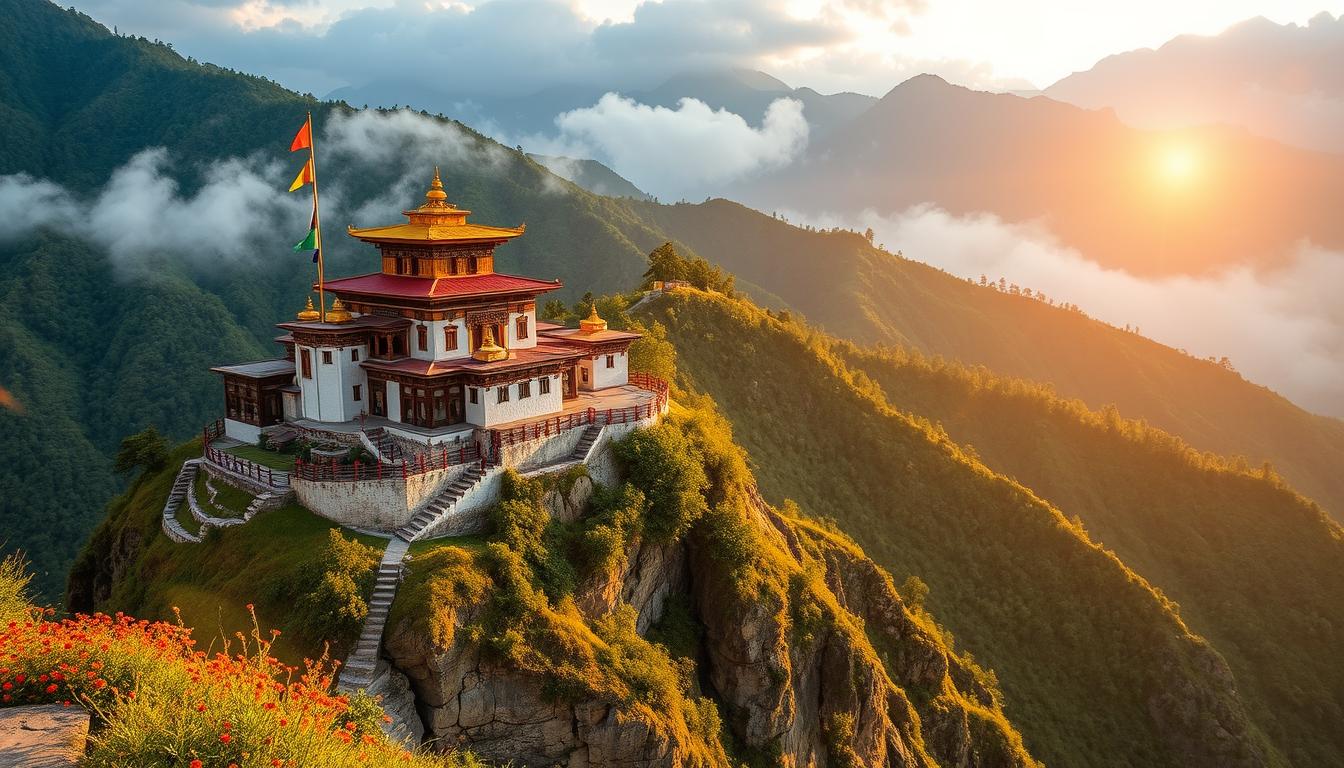
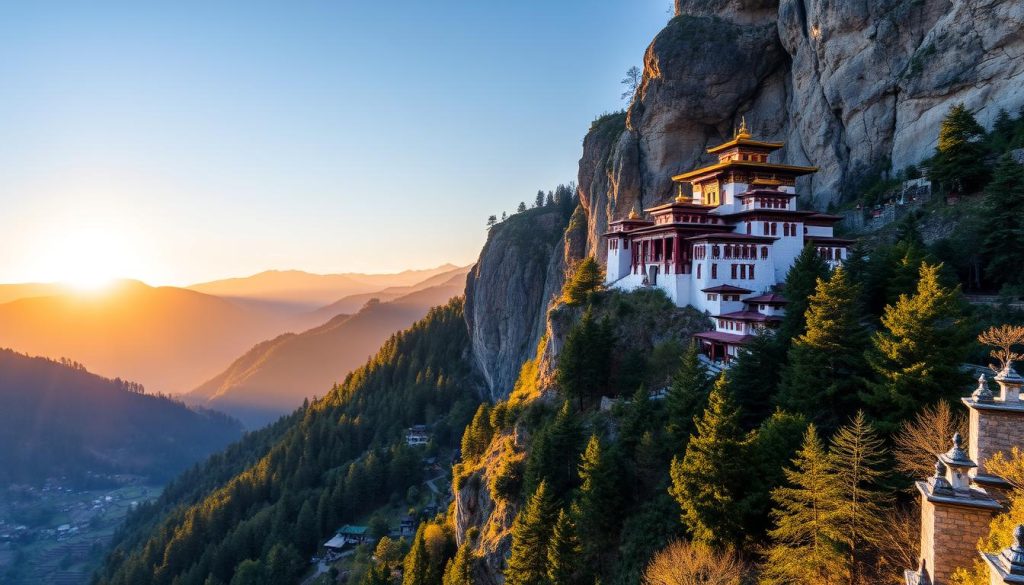
Paro is known for its Paro cultural heritage. It boasts famous Paro landmarks like the Paro Taktsang, or Tiger’s Nest. This monastery, perched on cliffs, offers spiritual peace and breathtaking views.
Traditional festivals like the Paro Tsechu add to the excitement. With vibrant performances and many Paro tourist attractions, adventure and culture are everywhere.
Let’s explore the Paro Bhutan points of interest. From its green landscapes to tasty local food, Paro is a must-see place in Bhutan.
Introduction to Paro
Planning a trip to Bhutan? A travel guide to Paro is key. This lively town is where many start their journey. It’s famous for its stunning landscapes and rich culture.
Paro sits at 2,250 meters above sea level. It has a cool climate, with summers around 20°C and winters near 0°C.
So, what makes Paro special? It’s where nature meets tradition. Paro International Airport makes it easy to get there from places like Kathmandu and Bangkok. A Paro Bhutan overview shows it’s more than just a stop. It’s a gateway to adventures like the Tiger’s Nest Monastery.
Getting to Paro is easy. It’s only 65 km from Thimphu. The drive from Phuentsholing takes about 6 hours, passing through beautiful landscapes.
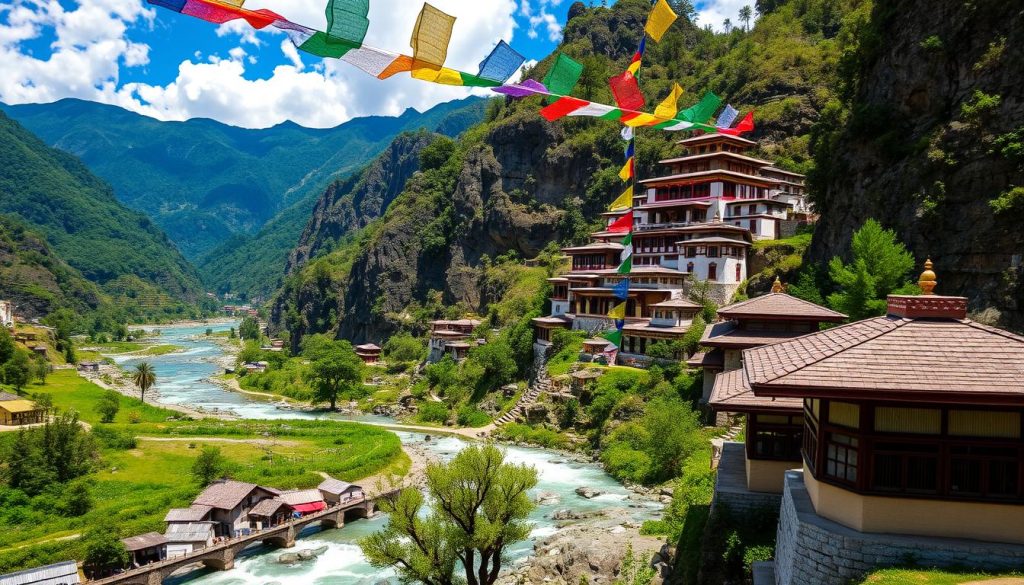
Paro is also known for its cultural events. The Paro Tshechu festival and the Saturday Market are must-sees. They show off Bhutanese art and local life.
Exploring Paro is a journey into nature and culture. It invites you to discover its unique charm.
What is Paro known for?
Paro is a unique place known for its rich culture and natural beauty. It has a population of 11,448 as of 2017. Famous for its attractions, it welcomes around 30,000 visitors each year through Paro Airport.
The Taktsang Monastery, or Tiger’s Nest, is a breathtaking sight. It sits on cliffs at 3,120 meters. This site is a spiritual heart of Bhutan and a top Paro Bhutan point of interest.
The Paro Dzong is another highlight. It shows off traditional Bhutanese design. This fortress is one of the finest in Bhutan, connecting visitors to the country’s history.
Paro’s climate is perfect for exploring its landscapes. Temperatures range from 12.8°C in January to 24.5°C in June. Trekking and cultural festivals like Paro Tsechu are popular activities.
The National Museum is a must-see. It has pottery, armor, and thangkas. It showcases Bhutan’s artistic heritage. Visitors can dive into the culture and scenery, making Paro a top destination.
Exploring Paro’s Cultural Heritage
Paro’s cultural heritage is a mix of history and lively celebrations. It’s filled with landmarks that show the heart of Bhutan’s past. You’ll see ancient temples and fortresses that tell stories of the past.
Significant Historical Landmarks
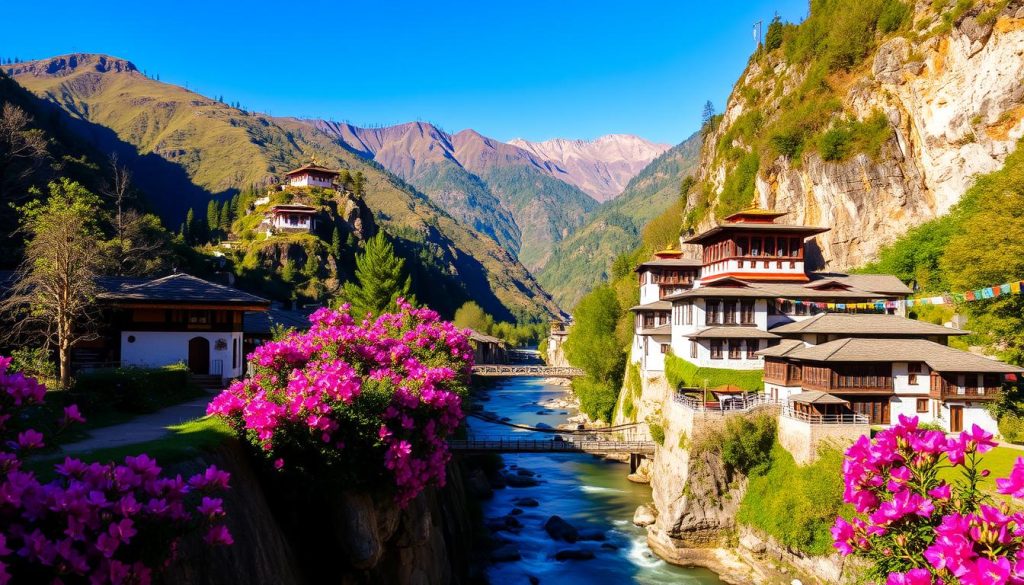
In Paro, you’ll find landmarks that tell Bhutan’s story. The Rinpung Dzong, by the Paro River, is a marvel of Bhutanese design. It has beautiful woodwork and strong walls, showing its importance.
Close by, the National Museum of Bhutan is in a 17th-century watchtower. It has galleries filled with artifacts, giving a deep look into Bhutan’s culture.
Traditional Festivals and Events
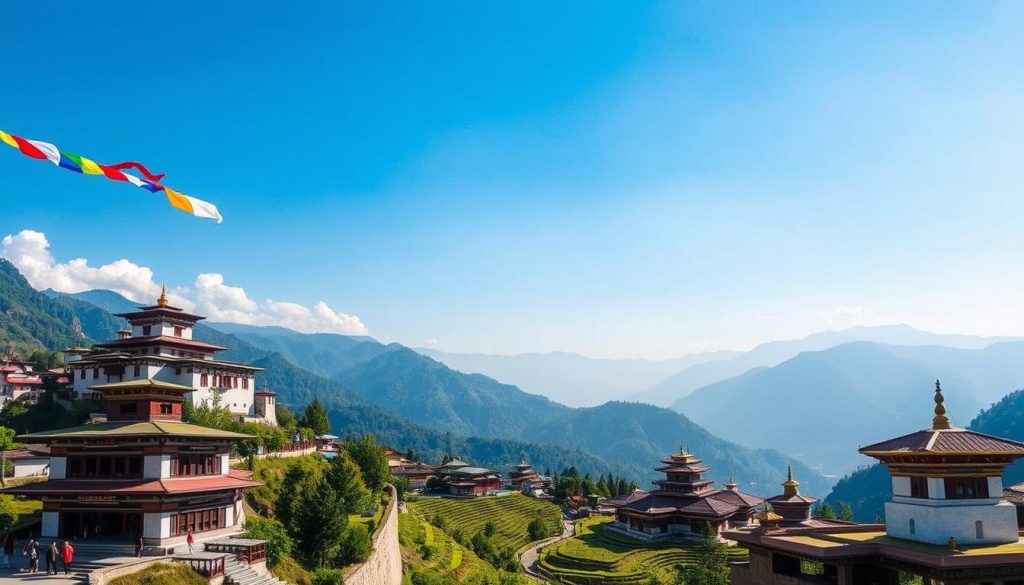
Traditional festivals in Paro show the local culture’s vibrancy. The Paro Tsechu festival features mask dances that celebrate Buddhism. It’s a sight to see.
The Bhutanese New Year, Losar, is another event to experience. It’s filled with songs, dances, and food, showing Paro’s lively traditions. Joining these celebrations lets you feel Paro’s spirit and helps keep its heritage alive.
Paro’s Natural Beauty
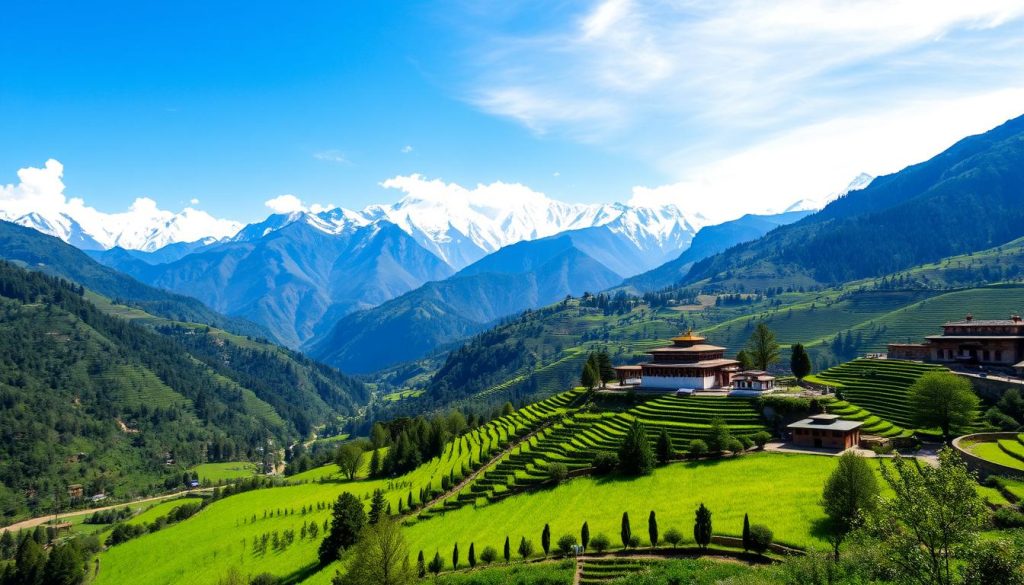
Paro is a place of stunning landscapes that show off its natural beauty. You’ll see everything from bright rice fields to towering mountains. Each view is like a postcard, perfect for photos and exploring.
Lush Landscapes and Scenic Views
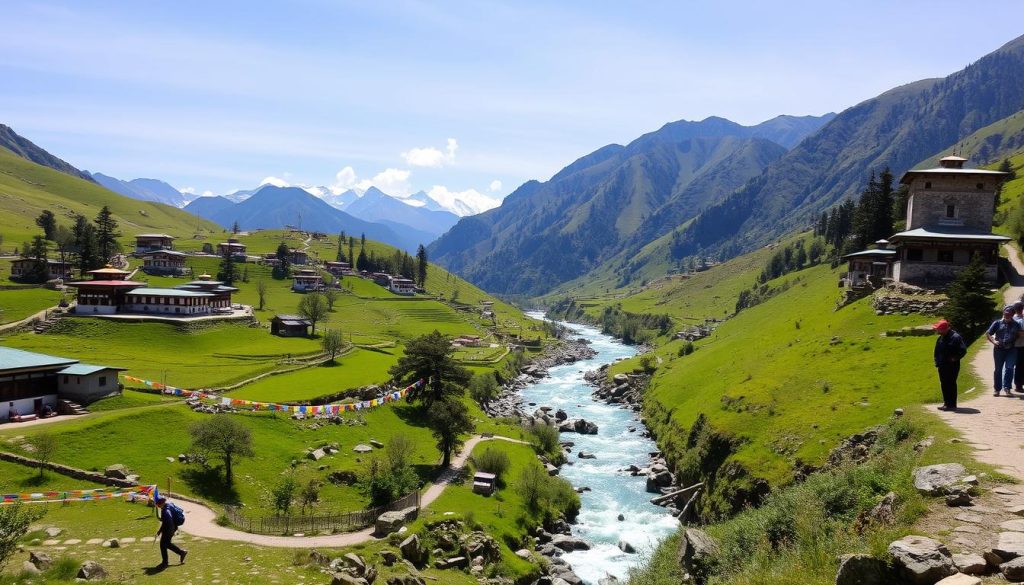
The area’s beauty is enhanced by lush valleys and the Paro Chhu river. It’s a favorite spot for walkers, hikers, and bikers. They love the peaceful trails.
The famous Taktsang Monastery sits on a cliff 3,000 feet up. It’s a sight to see. Hiking there is an adventure that takes three to five hours.
Wildlife and Natural Reserves
Paro is full of wildlife, including rare snow leopards in Jigme Dorji National Park. Birdwatching tours let you see unique Himalayan birds. Nature walks offer a chance to connect with nature.
Must-See Tourist Attractions in Paro
Paro’s cultural landscape is a journey through iconic attractions. These sites show the heart of Bhutan, mixing history, spirituality, and stunning views. Three landmarks in Paro are key for their cultural and historical value.
Taktsang Monastery (Tiger’s Nest)
The Taktsang Monastery sits on a cliff at 2,950 meters. It’s a two-hour trek to get there, offering views of the valley. This sacred place is a must-see for its beauty and cultural importance.
Paro Dzong and its History
Paro Dzong is a masterpiece of architecture and history. Dating back to the 15th century, it’s known for its wall paintings and craftsmanship. Walking through its gardens and walls gives insight into its role in Bhutan’s culture.
National Museum of Bhutan
The National Museum of Bhutan is in a traditional watchtower. It’s a key place for preserving Bhutan’s heritage. With exhibits on Bhutanese culture, it’s a must-see. The entry fee is Rs 150 for non-SAARC countries.
Outdoor Activities and Adventure Sports
Paro is a paradise for outdoor lovers and adventure seekers. Its beautiful landscapes are perfect for many activities. You can go trekking, river rafting, and more, all while enjoying nature.
Trekking and Hiking Trails
Trekking in Paro takes you on a journey through nature’s wonders. The Druk Path Trek and Jomolhari Trek are must-tries. They offer stunning views of mountains and valleys, showing off Bhutan’s beauty.
The Bumdra Trek is great for a quick adventure. It’s a one-night camping trip with amazing views of the Tiger’s Nest monastery. These treks are not just physical challenges but also spiritual journeys.
River Rafting and Water Sports
River rafting in Paro is a fun way to see the area’s beauty. The Mo Chhu river has gentle rapids perfect for beginners. Rafting ends where it meets the Pho Chhu, offering an exciting finish.
Kayaking is also popular here. You can kayak on the Wang Chhu, Sunkosh, and Puna Tsang Chhu rivers. The best time for rafting is from October to May, when the water is clear.
Culinary Delights of Paro
The vibrant culinary scene of Paro invites you to savor the rich flavors found in local cuisine in Paro. From traditional dishes to modern interpretations, the food here reflects Bhutan’s diverse cultural heritage and agricultural bounty.
Local Bhutanese Cuisine
Exploring Paro’s local cuisine, you’ll find familiar ingredients used in unique ways. Red rice, grown in the Paro Valley, is known for its nutritional value. Fiddlehead greens add a healthy dose of antioxidants and essential fatty acids.
The combination of spices and fresh produce amplifies the flavors. It embodies Bhutanese culinary traditions.
Must-Try Dishes and Dining Spots
Your culinary adventure in Paro should start with must-try dishes like ema datshi. It’s a spicy chili and cheese delight, considered the national dish. Pair it with zhoe, a traditional preparation made with buckwheat or millet, to experience authentic Bhutanese flavors.
- Mountain Café: Nestled in Paro Valley, this spot offers breathtaking views and delicious local dishes, including fresh ingredients sourced from nearby farms.
- Café Zomlingthang: Located in Thimphu, this café serves traditional Bhuttanese cuisine, showcasing various local favorites like ema datshi.
- Your Cafe: Situated at the Neyphug Heritage Complex, this vegetarian establishment focuses on sustainability, with all proceeds supporting local monasteries.
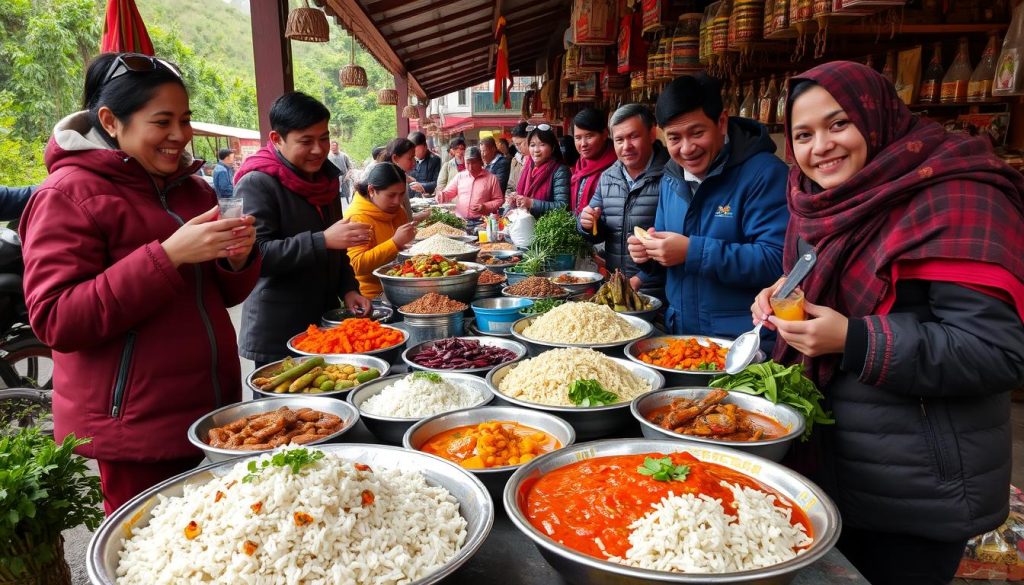
With charming eateries and bustling markets throughout the region, every meal becomes an opportunity to connect with the culture of Bhutan. Visit local markets, such as the Paro Sunday market, to explore fresh produce, chillies, and unique cheese options. Each dish reflects Paro’s rich heritage and welcoming spirit, ensuring a satisfying experience for your taste buds.
How to Experience Paro’s Nightlife
Paro’s nightlife is quieter than big cities, but it’s full of charm. Local bars and lounges show off Bhutanese hospitality. You can enjoy traditional drinks like ara and Druk beer, and listen to live music.
Singing karaoke is a big hit here. You can sing both Bhutanese and English songs with the locals.
Local Bars and Lounges
Places like Club K and Millennium Club offer a taste of Paro’s nightlife. They have everything from chill spots to dance floors. Club K is popular with young people, offering free entry for ladies on Wednesdays and a free drink.
Millennium Club is great for those on a budget, getting lively on weekends. For a calm evening, try the Postcard Dewa. It’s perfect for sipping cocktails as the sun sets over Paro.
Cultural Performances and Music Scene
Paro also has a vibrant cultural scene. Community centers host traditional music and dance shows. It’s a chance to dive into Bhutanese art.
Places like Tashi Tagay Drayang showcase local talents. These performances make your trip richer and connect you with the community. You’ll appreciate Bhutan’s heritage as you enjoy a laid-back night out.