Safe & Enjoyable Guide to Hike Tiger’s Nest
Ever wondered what it’s like to walk paths filled with stunning views and deep spirituality? Your journey to Tiger’s Nest Monastery is about to begin. It’s a chance to connect deeply with nature and culture. This guide will help you hike to Tiger’s Nest safely and enjoyably, making your trip to Bhutan unforgettable.
The Tiger’s Nest Monastery, or Paro Taktsang, is more than a place to visit. It’s a symbol of Bhutan’s rich history, sitting dramatically on a cliff. In this guide, you’ll learn about the monastery’s history and plan your trip. You’ll get tips on travel documents and choosing the right tour operator. Your adventure includes a 4 km hike each way and all the necessary preparations. Let’s explore what makes this hike special and how to make the most of it.
Introduction to Tiger’s Nest Monastery
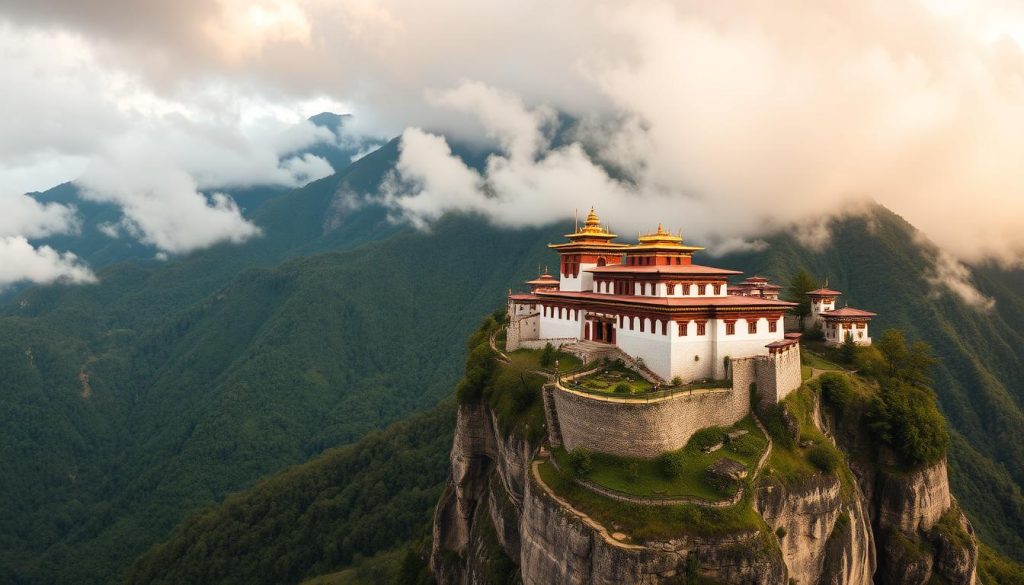
The Tiger’s Nest Monastery is located high in the Paro Valley. It sits at about 3,120 meters (10,232 feet) above sea level. Founded in 1692, it’s a key Buddhist site known for its stunning cliffside view.
Many visitors come to see this monastery, making it a top spot in Bhutan. It has four main temples and several smaller buildings.
The journey to Tiger’s Nest Monastery takes about five to eight hours round trip. The path goes mostly uphill, with steep parts. You can stop at a cafeteria for a break and enjoy the views.
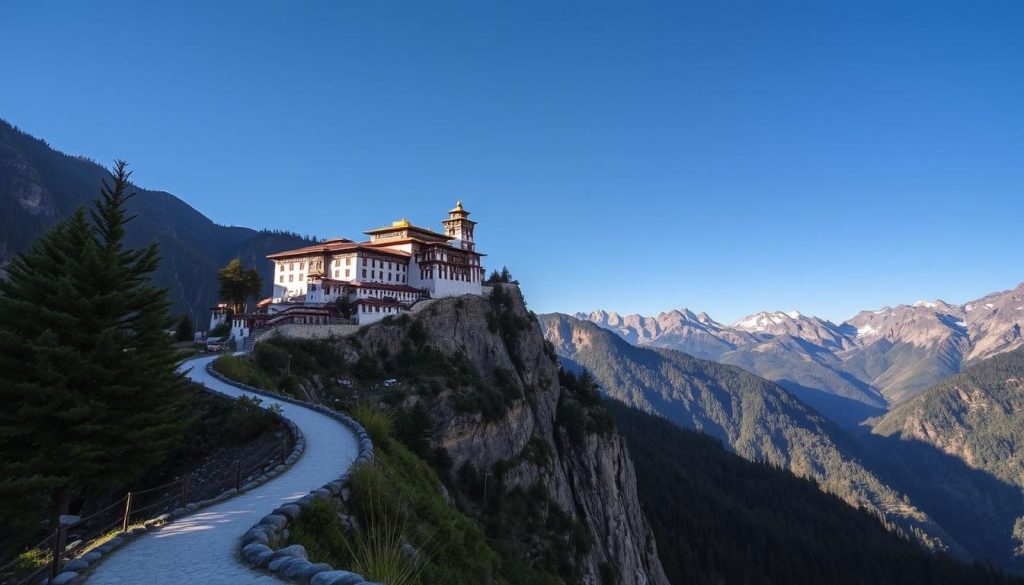
Visiting Tiger’s Nest Monastery is an exciting adventure. It also lets you learn about Bhutan’s Buddhist culture. The trek connects you to the monastery’s history, tied to Guru Rinpoche.
Exploring this sacred place shows why it’s a favorite for both pilgrims and tourists. It’s a must-see for anyone interested in Bhutan’s culture and history.
Understanding the Significance of Tiger’s Nest
The Tiger’s Nest Monastery, also known as Paro Takstang, is very important to Bhutanese people and visitors. It sits on the cliffs of the Paro Valley, offering stunning views. It also has a rich history tied to Guru Rinpoche, a key figure in many stories about this place.
Historical Background of Paro Takstang
Paro Takstang was built in 1692 by Zhabdrung Ngawang Namgyal. It was made around a cave where Guru Rinpoche meditated. This makes it a key place for Bhutanese Buddhism.
The monastery is about 3,120 meters high and draws thousands of people every year. In 1998, a fire damaged it, but it was rebuilt. This shows its importance in Bhutan’s culture.
Guru Rinpoche and the Legend of the Tigress
Guru Rinpoche, or Padmasambhava, is a key figure in Himalayan Buddhism. He helped start Buddhism in Tibet and Bhutan. He is said to have come to Paro Takstang on a tigress’s back.
This story shows how the monastery connects nature and spirituality. It inspires many to explore Bhutan’s spiritual and cultural heritage.
Planning Your Trip to Bhutan
Planning a trip to Bhutan is a big step. You’ll get to see amazing landscapes and learn about a unique culture. But, you need to know the basics to make the most of your trip.
Obtaining Necessary Travel Documents
To visit Bhutan, you need the right documents. US citizens must get a visa, which can only be arranged by a registered tour operator. This means you should plan your trip early.
The government wants tourism to be high-value but low-impact. So, all travel must be booked in advance. Having the right documents makes your trip smoother and lets you enjoy the views fully.
Choosing a Tour Operator
Choosing a tour operator is key. Look for ones with good reputations and lots of positive reviews. They should offer packages that include transport, places to stay, and guides.
Also, pick operators who care about the environment. This supports Bhutan’s efforts to protect nature. Local guides can teach you a lot about Bhutan’s culture and history. A good tour operator makes your trip unforgettable.

How to Hike to Tiger’s Nest Safely and Enjoyably?
Hiking to Tiger’s Nest is an amazing adventure that needs preparation. Here are key safety tips for a great trek.
First, hike at a steady pace. You’ll climb about 800 meters to the monastery, reaching 3,100 meters. This pace helps your body adjust to the high altitude. Altitude sickness can hit anyone, so listen to your body.
Take regular breaks. The hike takes 4 to 7 hours, including time at the monastery. Drink water often to avoid getting tired or dehydrated.
Begin your hike early, around 7:30 AM. This time helps you avoid big crowds and enjoy a peaceful journey. The trail has about 700 steps to the monastery. There’s a café halfway up where you can rest and get refreshments.
For families, a 15-month-old can join the trek. But, make sure you have the right support and supplies. Hiking with toddlers needs extra planning and care.
Also, a well-planned itinerary can make your trip better. With good cell coverage, you can stay connected and enjoy the views.
By following these safety tips, you can hike to Tiger’s Nest safely and enjoyably. You’ll make memories that will last forever.
| Tip | Description |
|---|---|
| Steady Pace | Maintain a consistent speed to help acclimatize to altitude. |
| Regular Breaks | Take time to rest as the hike may last 4-7 hours. |
| Hydration | Drink water frequently to avoid dehydration. |
| Start Early | Begin your hike around 7:30 AM to avoid crowds. |
| Child Adaptation | Ensure proper support and carry ample supplies for toddlers. |
Getting to the Trailhead
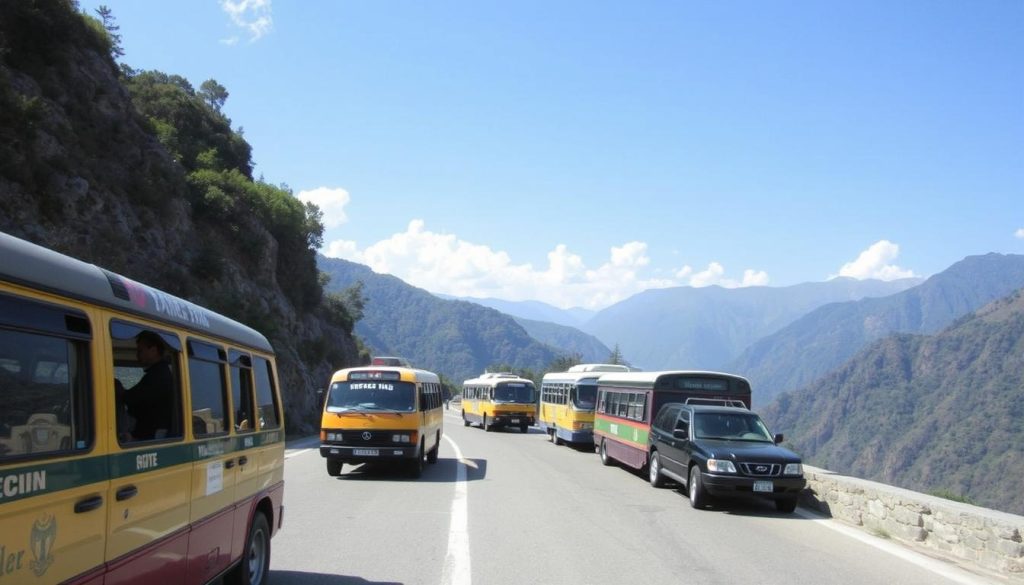
Getting to Tiger’s Nest Monastery is a scenic journey with exciting transport options. It’s just 10 miles north of Paro, making it easy to start your adventure. Knowing your transport options from Paro can make your trip better and smoother.
Transport Options from Paro
Many people choose arranged transfers from their tour operators. This makes getting to the trailhead easy. Here are some common ways to get there:
- Private vehicles: Cars or vans are popular for comfort during the trip.
- Taxis: Taxis in Paro are quick and easy to use.
- Bikes: Renting a bike adds excitement to your journey.
Understanding the Starting Point of the Hike
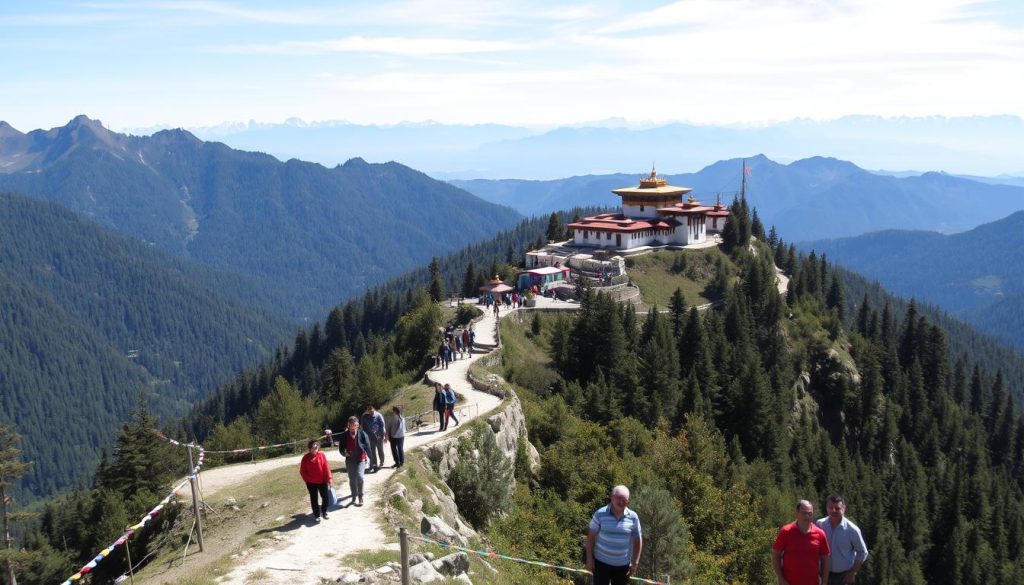
The hike starts with a gentle climb through forests. This sets the stage for your adventure. As you get closer to the monastery, you’ll face steep paths and steps. Enjoy the views along the way for a richer experience.
Hiking Details: Trail Overview
The trek to Tiger’s Nest Monastery is unforgettable. It offers stunning views and a spiritual ambiance. Here are key details to help you understand the hike, including distance, elevation gain, and trail conditions.
Distance and Elevation Gain
The Tiger’s Nest trail is about 10-11 km (6.4 miles) round trip. You’ll gain about 520 meters (1,700 feet) in elevation. It usually takes 4 to 6 hours, depending on your fitness and how often you take breaks.
It’s important to take your time and enjoy the views as you climb.
Trail Conditions and Terrain
The trail to Tiger’s Nest can change with the weather. You’ll find both well-maintained paths and steeper sections. Wear sturdy shoes and be ready for changing weather, as altitude affects climate.
Hiking sticks are available for rent at the entrance for 50 Nu. They can help on the trek.
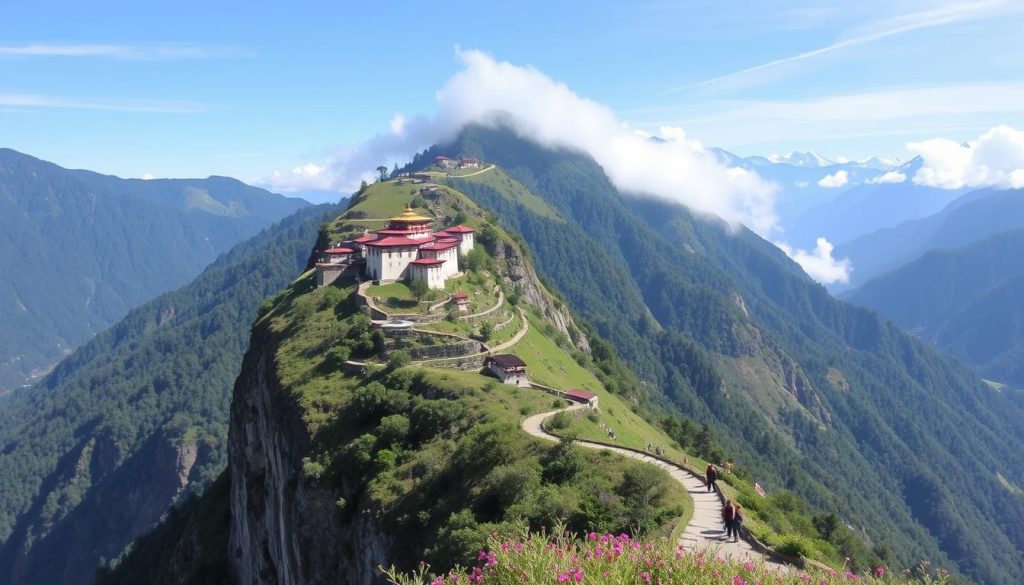
Remember, the trek is from 8 am to 5 pm. Bring water and light snacks to keep your energy up. Always respect the environment and the spiritual significance of the area.
Establishing a Hiking Itinerary
Creating a hiking itinerary for Tiger’s Nest is key for a great experience. Knowing when to go and how to plan your hike is crucial. It helps you make the most of your trip to this famous monastery.
Best Time to Visit Tiger’s Nest
The spring and autumn months are the best times to visit Tiger’s Nest. Trekking between March to May or September to November offers great weather. You’ll enjoy clear skies and mild temperatures, making the hike even better.
The scenery changes beautifully during these times. Spring brings blooming rhododendrons, while autumn offers vibrant foliage.
Sample Hiking Itinerary
A good hiking plan for Tiger’s Nest lasts a full day. Here’s a suggested itinerary:
- 6:30 AM: Start from your Paro accommodation.
- 7:00 AM: Arrive at the trailhead and have a quick breakfast.
- 7:30 AM: Start hiking and enjoy the views as you climb.
- 9:30 AM: Reach Tiger’s Nest Monastery and explore its spiritual beauty.
- 11:00 AM: Have a packed lunch with a stunning view.
- 12:00 PM: Begin your descent back to the start.
- 2:00 PM: Arrive back at the trailhead, feeling proud of your achievement.
- 2:30 PM: Return to your accommodation.
This plan gives you enough time to enjoy the views and respect the altitude and terrain. With good planning, your visit to this sacred site will be memorable.

Necessary Hiking Equipment
Getting ready for Tiger’s Nest trek means knowing what gear and clothes you need. The right equipment makes your trip better and keeps you safe. The hike to this famous monastery, at 10,240 feet, faces many challenges. So, it’s key to pack smart.
Hiking Essentials for a Safe Trek
For Tiger’s Nest, you’ll need strong hiking shoes for the rocky paths. Carry enough water and snacks to keep your energy up. A first-aid kit, trekking poles, and altitude sickness meds are also important. And remember your camera for the stunning views.
Clothing Recommendations for Varying Weather
Choosing the right clothes is crucial for comfort and safety. Temperatures can drop to -10 degrees in winter. Wear layers to handle different weather conditions.
Wool is great for staying warm and managing moisture. Don’t forget a waterproof jacket and sun protection. The weather can shift quickly at high altitudes.