Uncover the Rich History of Simtokha Dzong
Ever wondered how a fortress from over 390 years ago still shapes a nation’s culture? Simtokha Dzong, known as Bhutan’s oldest fortress, is a blend of history, spirituality, and architecture. Built in 1629 by Zhabdrung Ngawang Namgyal, it was more than just a defense. It was a key place for governance and monastic life.
Simtokha Dzong is a key part of Bhutan’s cultural heritage. It helped fight off Tibetan invasions and brought people together. As you learn about its history, you’ll see how its design shows the balance between spiritual and political life in Bhutan.
Discover the past of Simtokha Dzong and let it inspire you to explore its ancient legacy.
Introduction to Simtokha Dzong
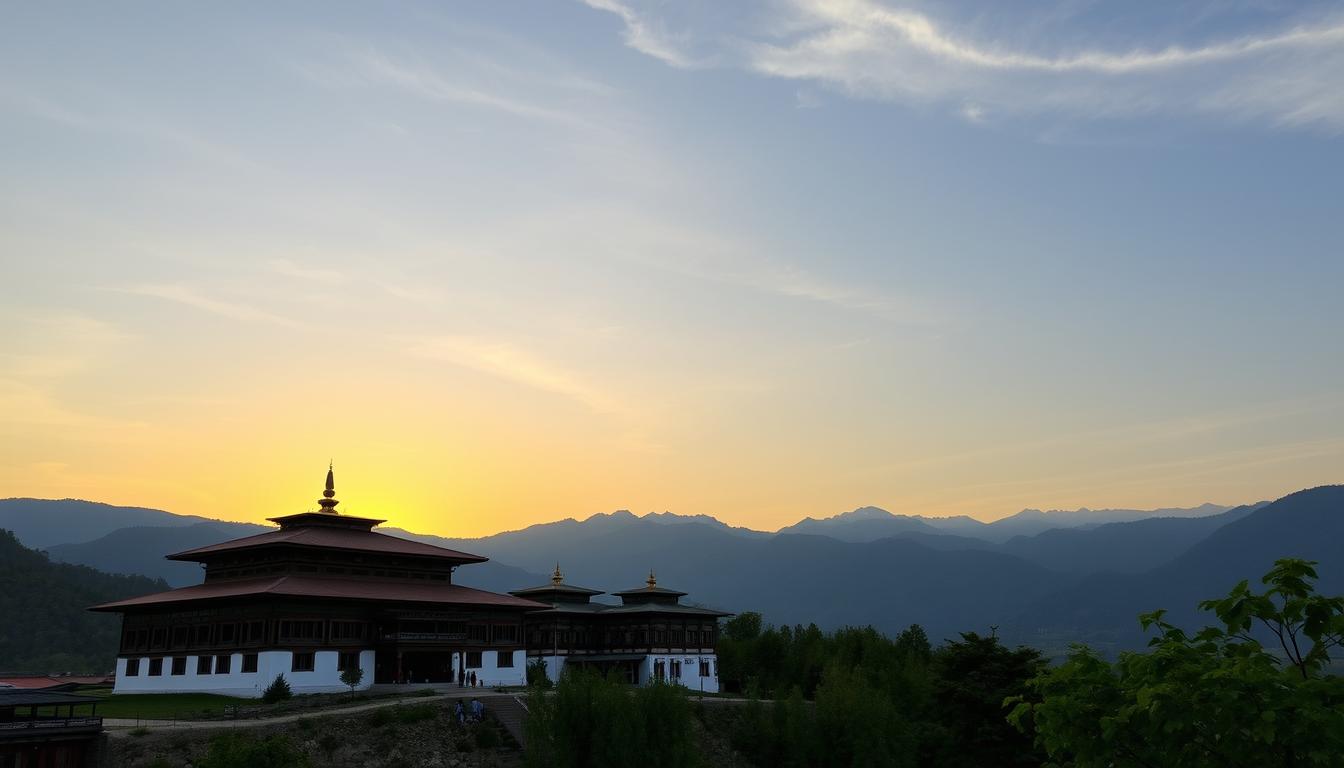
Simtokha Dzong is just 5 kilometers south of Thimphu. It shows the deep fortress history of Bhutan. Built in 1629 by Zhabdrung Ngawang Namgyal, it’s one of the oldest historic landmarks in Bhutan.
This magnificent structure was built for both military and administrative use. It blends history with governance beautifully.
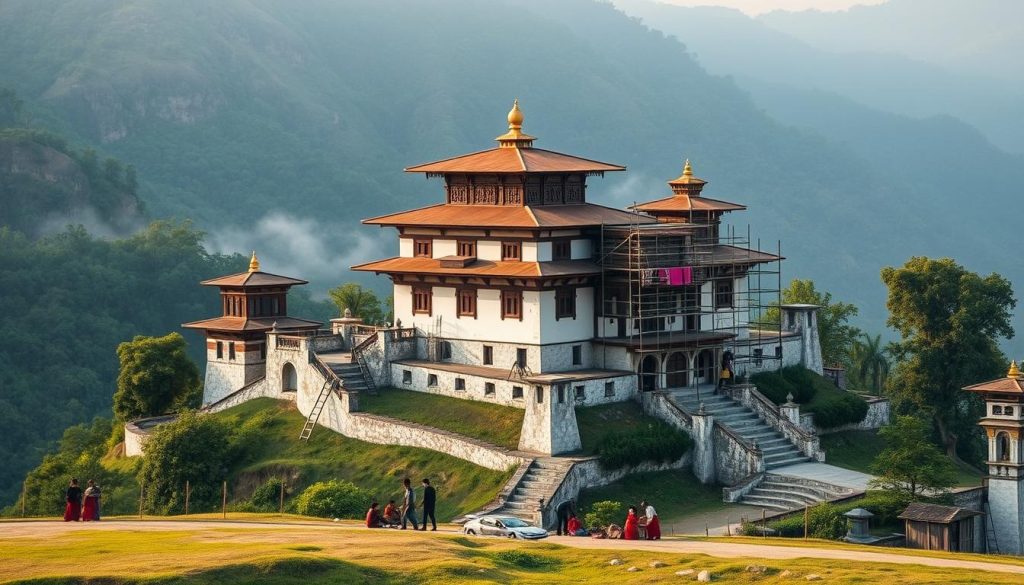
The Simtokha Dzong spans about 650 square feet. It has a unique design with three stories connected by stone steps. Its single entry gate from the south makes it a place for exploration and reflection.
The façade is adorned with over 300 intricate slate carvings. These carvings show various religious themes. The murals inside tell the story of Bhutanese spirituality.
Inside, the primary chapel houses the largest image of Sakyamuni Buddha. The cosmic mandala painted on the ceiling in the assembly hall adds to its spiritual allure.

Simtokha Dzong History
The history of Simtokha Dzong began in the early 17th century. It was a key moment in Bhutan’s history. Founded by Zhabdrung Ngawang Namgyal in 1629, it shows Bhutan’s push for unity and control.
Building it was tough, with many Lamas opposing it. But by 1631, the Dzong was finished. This showed Bhutan’s strength and willpower.
The Founding of Simtokha Dzong
In 1629, Simtokha Dzong was built. It was the first fortified monastery in Bhutan. In just two years, it became a hub for monks and government.
The Dzong’s design was both military and monastic. It showed Zhabdrung Ngawang Namgyal’s vision.
Historical Significance of Its Location
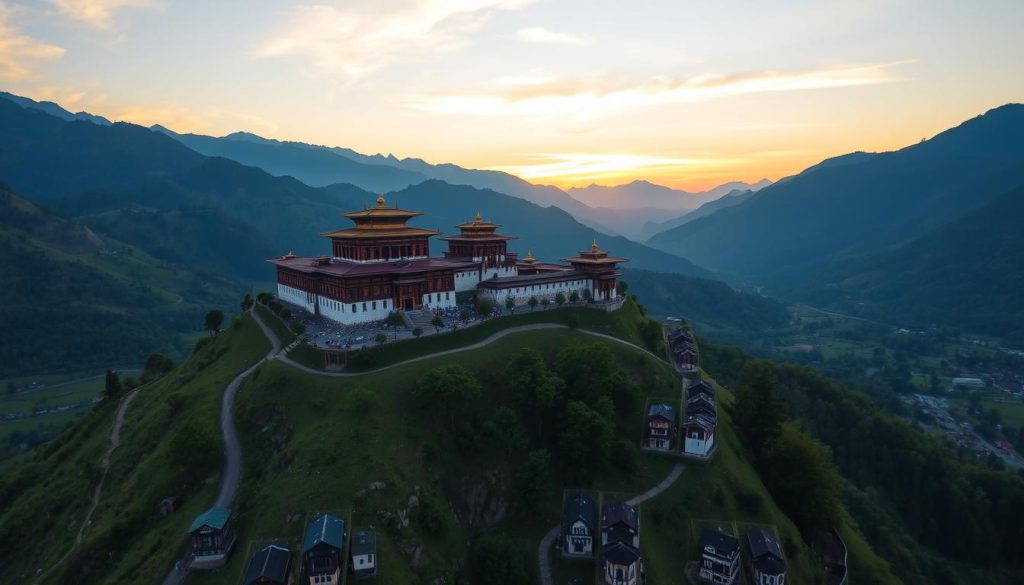
Simtokha is at a strategic spot. It offers a great view of important valleys and paths. This made it a key place during threats from Tibet.
It was a safe place for the growing Bhutanese state. The Dzong’s military and spiritual roles highlight its importance in Bhutan’s history.
Architectural Marvels of Simtokha Dzong
Simtokha Dzong is a stunning example of ancient architecture in Bhutan. It’s not just a fortress but also a window into Bhutan’s culture and beliefs. Its design is both beautiful and practical, making it a standout architectural marvel in Bhutan.
Design Elements and Features
To truly appreciate Simtokha Dzong, look at its key features:
- Massive Stone Walls: Made from local stones, these walls show off the area’s natural beauty.
- Central Tower (Utse): This tower stands tall, symbolizing strength and spirituality.
- Vibrant Murals: The walls are covered in detailed murals, telling stories from Buddhist mythology.
- Traditional Bhutanese Architecture: The design blends Bhutanese, Tibetan, and Nepalese styles, showcasing Bhutan’s cultural identity.
Use of Local Materials in Construction
Simtokha Dzong showcases the skill of local artisans. They’ve used materials found locally:
- Stone and Wood: These materials make the dzong strong and beautiful.
- Whitewashed Walls: These walls look good and are built to last against the weather.
- Craftsmanship: Every part of the construction shows careful attention to detail and knowledge of the local environment.
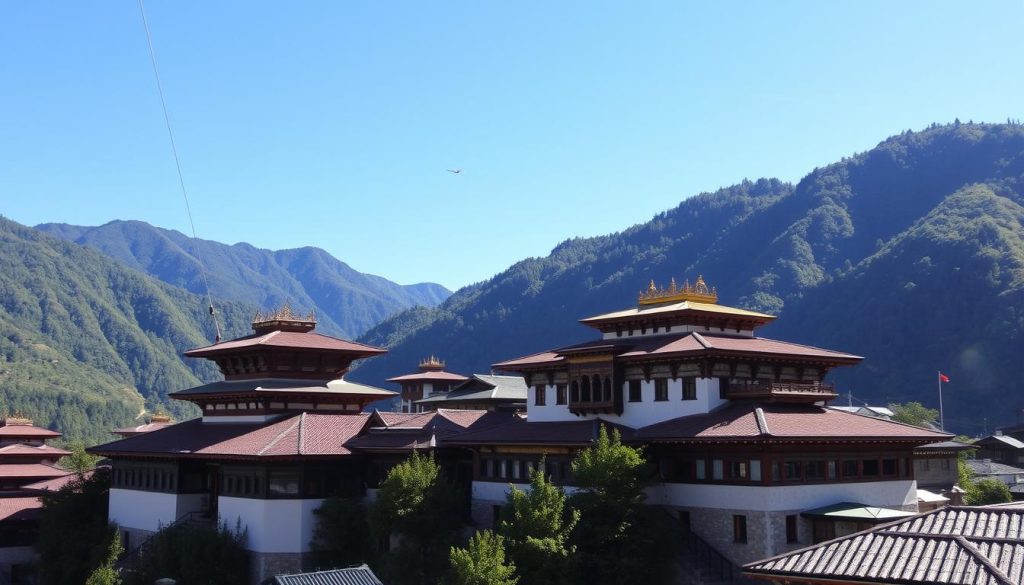
Visitors to Simtokha Dzong will see its architectural wonders. These are a tribute to the builders’ legacy. This place is more than a fortress; it’s a symbol of Bhutan’s rich cultural heritage.
The Spiritual Role of Simtokha Dzong
Simtokha Dzong is at the heart of Bhutan’s spirituality. It shines as a symbol of monastic life in Bhutan. The site buzzes with daily prayers, rituals, and teachings by dedicated monks. This reinforces the spiritual importance of Simtokha Dzong.
Practicing Bhutanese spirituality here helps individuals grow spiritually. It also brings the community together in harmony.
Monastic Activities and Spiritual Practices
Inside Simtokha Dzong, many rituals and ceremonies take place. Monks live to keep sacred traditions alive. They engage in:
- Morning and evening prayer sessions
- Festivals celebrating various deities
- Religious debates to deepen their spiritual understanding
- Teaching and learning with the community
These activities show the true essence of monastic life in Bhutan. Visitors often find inspiration in seeing these practices up close.
The Role of Monks in Preserving Bhutanese Culture
Monks are crucial in keeping Bhutan’s culture alive. They act as guardians of traditions in a changing world. They contribute through:
| Aspect | Description |
|---|---|
| Education | Teaching young monks and laypeople about Buddhist texts and practices |
| Cultural Festivals | Organizing and performing in various religious and cultural events, like Simtokha Tshechu |
| Community Engagement | Interacting with visitors and teaching them about Bhutanese spiritual practices |
| Art Preservation | Maintaining the ancient murals and statues that represent Bhutan’s artistic heritage |
Monks at Simtokha Dzong play a key role. They ensure Bhutanese culture thrives, even with global changes.
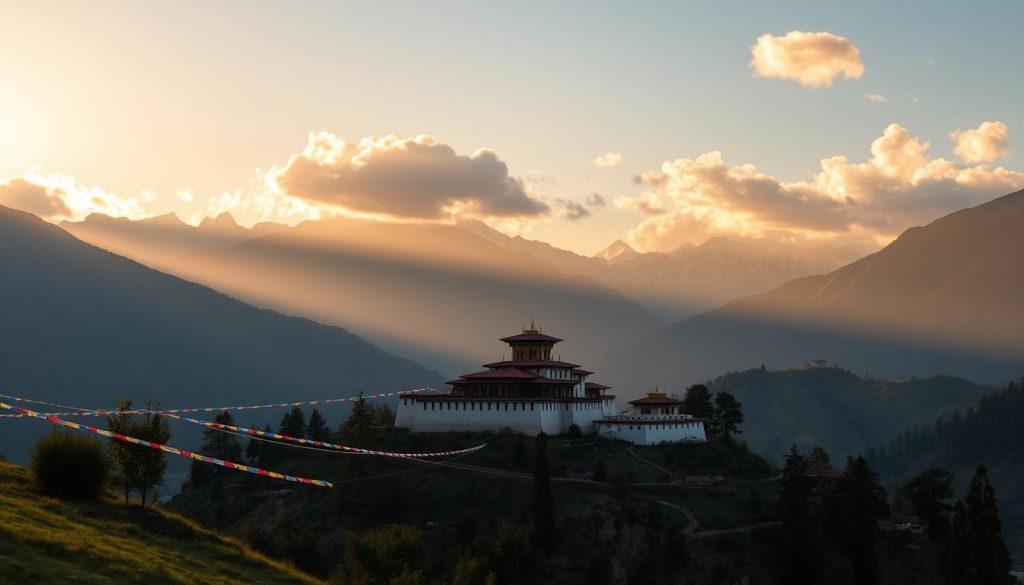
Defensive Strategies and Historical Battles
Simtokha Dzong has a rich history as a strong defense against invaders. Its location makes it a key spot in Bhutan’s battles. This fortress has been vital in many fights.
Resistance Against Tibetan Forces
In the 17th century, Simtokha Dzong stood strong against the Tsangpa dynasty. A big battle in 1634 saw Ngawang Namgyal’s forces face five Tibetan divisions. The Tsangpa tried to take back land but lost, winning Bhutan a key victory.
This win helped Ngawang Namgyal grow his power. It also showed how important Simtokha Dzong’s defenses were. These defenses helped Bhutan unite under one leader, the Zhabdrung.
Importance of Strategic Location
Simtokha Dzong sits high, watching over key paths. This spot was crucial for Bhutan’s defense. King Ngawang Namgyal used it well, readying for battles, mainly against Tibet.
Choosing this spot was smart. It helped Bhutan stay free from other countries’ control. It was a key moment in Bhutan’s fight for independence.
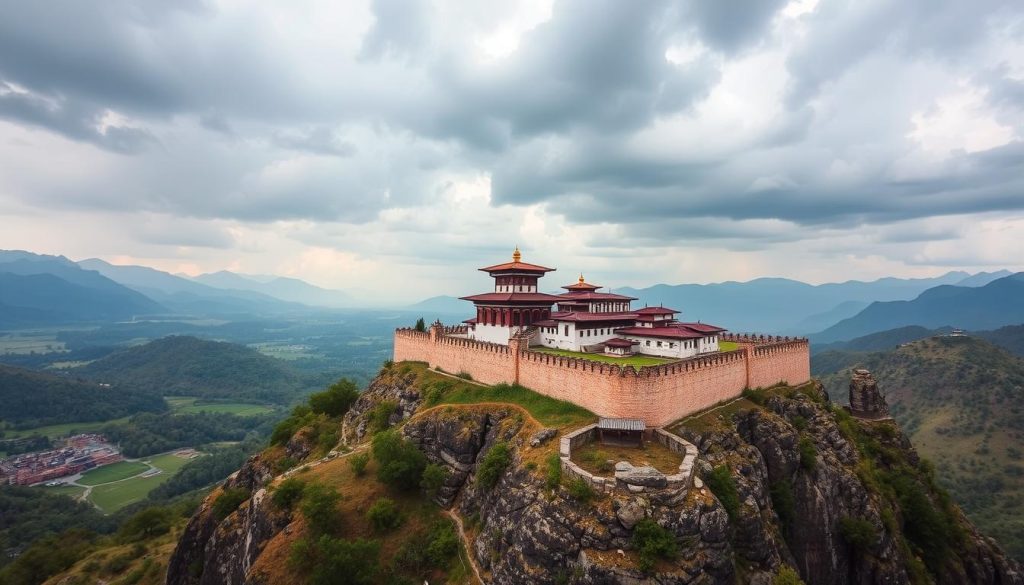
Artistic Treasures within Simtokha Dzong
Simtokha Dzong is home to many artistic treasures of Bhutan. These treasures are full of color and carry deep cultural meaning. Inside, you’ll see stunning Bhutanese murals and religious artifacts. They give a glimpse into Bhutan’s spiritual past.
Murals and Frescoes
The Dzong is famous for its ancient murals and frescoes. These are some of the oldest pieces of Bhutanese art. They show Buddhist deities, sacred stories, and important events.
These paintings are not just beautiful. They also teach us about Bhutan’s culture. They make your visit even more special.
Religious Artifacts and Statues
Simtokha Dzong has many sacred religious artifacts. There are statues of Buddha and bodhisattvas. These statues add to the spiritual feel of the place.
They show the amazing skill of Bhutanese artists. These artifacts help keep the culture and faith of the area alive.
Visiting Simtokha Dzong is more than just seeing history. It’s a chance to see the beautiful art that shows Bhutan’s unique culture and faith.
Cultural Heritage of Bhutan Enshrined in Simtokha Dzong
The cultural heritage of Bhutan is deeply rooted in Simtokha Dzong. It is a symbol of national identity. This dzong shows Bhutan’s history, its unity efforts, and cultural preservation over centuries.
Its importance goes beyond architecture. It represents the Bhutanese people’s spirit and their bond with their ancestors.
Importance of Dzong in Bhutanese Identity
Simtokha Dzong is key to Bhutan’s cultural identity. It tells the story of Bhutan’s fight against invasions and the peace that followed. The Dzong’s founding by Zhabdrung Ngawang Namgyal united the country.
This unity is celebrated as a core part of Bhutan’s heritage.
Festivals and Celebrations Held at Simtokha Dzong
Festivals in Bhutan often take place at Simtokha Dzong. The Simtokha Tshechu is a highlight, drawing locals and tourists. It features traditional dances, music, and rituals.
These events strengthen community ties and pride. They highlight the importance of Dzongs in Bhutanese lives.
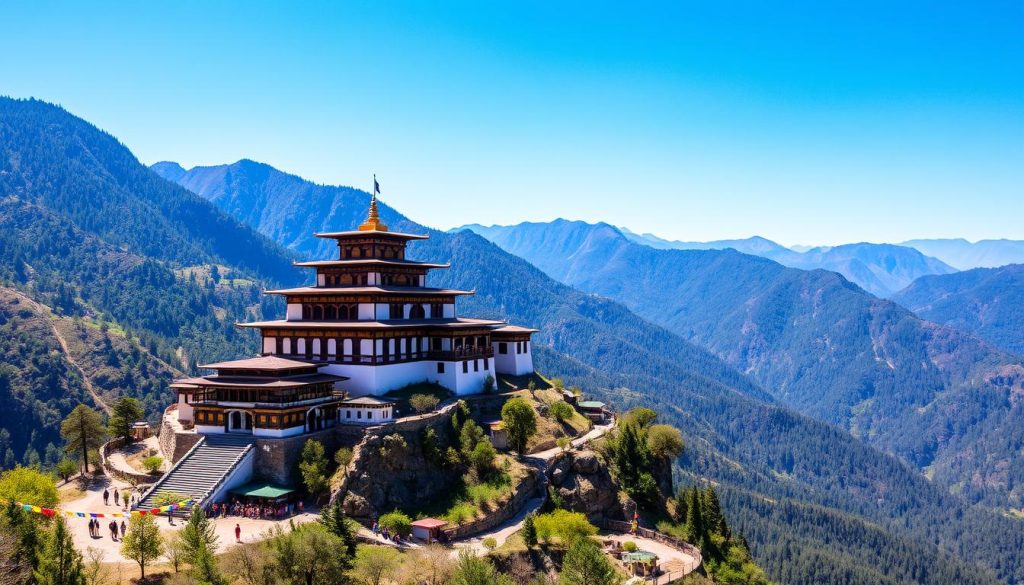
A Visitors’ Experience at Simtokha Dzong
Visiting Simtokha Dzong is a special chance to explore Bhutan’s history and spirituality. You’ll see amazing architecture, feel a calm atmosphere, and learn about its culture. This visit lets you see Bhutan’s past and present up close.
What to Expect When Visiting
Your trip will be full of interesting moments. You’ll see the beautiful Thimphu Valley and the dzong’s detailed design. Here’s what to do:
- Dress modestly to respect the spiritual practices within.
- Maintain a calm demeanor, acknowledging the monks and their studies.
- Explore the 300 slate carvings depicting Buddhist masters around the courtyard.
- Learn about the murals showcasing the four guardian kings.
- Pay attention to the numerous religious artifacts including the preserved tiger’s tail and gun.
Spring and autumn are the best times to visit. The weather is nice, making your tour better. A small fee helps keep the dzong in good shape, preserving Bhutan’s history.
Guided Tours and Local Insights
For a better experience, take a guided tour of Bhutan at Simtokha Dzong. Local guides share important information about:
- The historical context of the dzong and its role in regional defense.
- Architectural details that showcase Bhutanese design philosophies.
- The spiritual practices observed within the monastery.
Guided tours offer a deeper understanding of the site. They also connect you with Bhutan’s culture. These tours are a great choice, perfect for those wanting to learn more about this ancient fortress.

Nearby Attractions to Explore
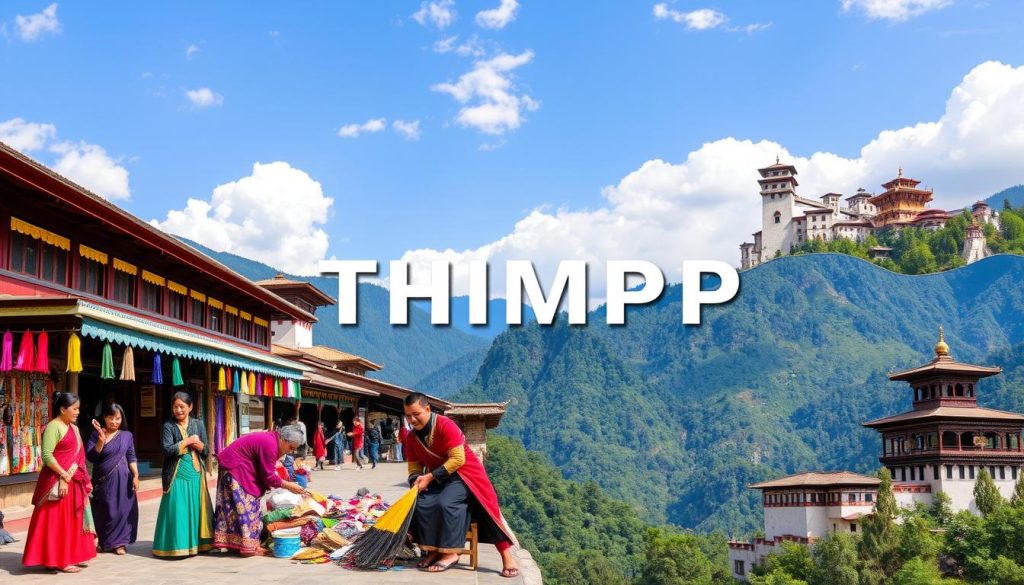
When you visit Simtokha Dzong, don’t miss out on nearby historical sites and cultural experiences in Thimphu. These places offer a deeper look into Bhutan’s rich heritage. You’ll find the local attractions warm and inviting, making your visit complete.
Other Historical Sites in Thimphu
Thimphu boasts several historical sites worth seeing:
- Tashichho Dzong: Built in 1641, it’s the government’s seat and a monastery.
- National Memorial Chorten: A stupa honoring the Third King, symbolizing Buddhist teachings.
- Bhutan National Museum: A former watchtower, now a museum showcasing Bhutan’s culture and history.
- Buddha Dordenma: A massive statue of Buddha, offering stunning views of Thimphu.
Cultural Experiences in the Surrounding Area
Thimphu offers many local attractions for cultural experiences:
- Handicraft Workshops: Join workshops to learn about traditional arts and crafts.
- Local Culinary Experiences: Try authentic Bhutanese food and learn about its ingredients and cooking methods.
- Textile Weaving: Watch artisans weave traditional Bhutanese textiles.
- Folk Performance Nights: Enjoy cultural shows that tell stories of Bhutan’s traditions.
| Attraction | Description | Location |
|---|---|---|
| Tashichho Dzong | Seat of government and a key monastic institution. | Thimphu |
| National Memorial Chorten | A stupa dedicated to peace and as a tribute to the Third King. | Thimphu |
| Buddha Dordenma | A 51-meter statue symbolizing peace, providing expansive views. | Thimphu |
| Bhutan National Museum | Showcases art, culture, and history of Bhutan, once a watchtower. | Paro |
Visiting these historical sites and cultural experiences in Thimphu will make your trip unforgettable. It will deepen your connection to Bhutan’s vibrant heritage.
Preservation Efforts for Simtokha Dzong
Keeping Simtokha Dzong safe has been a big deal for Bhutan. This old building, made in 1629 by Zhabdrung Ngawang Namgyal, needs constant care. It’s all about keeping its history and design alive. Many efforts have been made to save this treasure and keep it part of Bhutan’s story.
Restoration Initiatives Over the Years
For years, Simtokha Dzong has seen many restoration projects. These projects have focused on keeping its looks and details safe. The 1970s and 1990s were key times for saving Bhutan’s culture. These efforts show off the Dzong’s beauty and its role in Buddhist learning.
Future Plans and Community Involvement
Now, getting the community involved in saving Simtokha Dzong is more important than ever. People in the area are proud of their history and help keep it alive. The government supports this by helping people feel connected to their heritage. Together, they work to make sure future generations can enjoy its history and spiritual importance.
| Year | Restoration Efforts | Significance |
|---|---|---|
| 1970s | Initial restoration to address structural integrity | Protects architectural heritage |
| 1990s | Further conservation focused on artwork | Maintains cultural significance |
| Ongoing | Community-led initiatives | Enhances local engagement in heritage |
Conclusion
Simtokha Dzong stands as a symbol of Bhutan’s rich culture and history. Built in 1629, it united western Bhutan. Its stunning architecture, like the celestial mandala ceiling, tells stories of devotion and art.
This dzong is more than an old fortress. It’s a spiritual haven, attracting those who want to learn about its deep history.
The importance of Simtokha Dzong goes beyond its walls. It reflects Bhutan’s cultural identity and efforts to preserve it. It’s a place where spirituality, art, and defense come together.
Thanks to restoration work, it continues to attract locals and tourists. They come to experience Bhutan’s captivating heritage.
Simtokha Dzong shows the true spirit of Bhutan’s cultural heritage. It’s a window into a nation with a long history of traditions. Whether you love history or just enjoy exploring, this site offers a special look into Bhutan’s heart.