Authentic Local Bedouin Tours in Petra Experience
Ever wondered what Petra looks like through the eyes of its Bedouin people? Local Bedouin tours in Petra give you a unique view of this ancient city. You get to see the cultural richness and heritage that have shaped Petra for centuries.
By taking authentic Bedouin tours in Petra, you explore more than just the stunning landscapes. You also learn about the traditions and customs of the Bedouin communities. They call this area home.
Your trip to Petra becomes more than just visiting a UNESCO World Heritage Site. It turns into an immersive experience that connects you with the local culture. This enriches your understanding of one of the New 7 Wonders of the World.
Understanding the Bedouin Culture in Jordan
The Bedouin culture in Jordan is a vibrant tapestry woven from a rich history and a deep connection to the land. This way of life reflects centuries of tradition, resilience, and adaptability. With an estimated population of around 1,000 Bedouins residing in Petra, their presence is a significant part of Jordan’s cultural identity.
The Significance of Bedouin Heritage
Bedouin heritage embodies the enduring spirit of a nomadic lifestyle. It is characterized by goat pastoralism and rain-fed farming of wheat and barley. For many years, Bedouins relied on traditional methods of agriculture, using ards for tilling fields as late as the 1980s.
The shift towards tourism in recent decades has transformed how these communities engage with the world. They now move from traditional activities to souvenir sales and guiding services. Despite these changes, the Bedouins’ commitment to preserving their identity remains steadfast.
Traditions and Customs
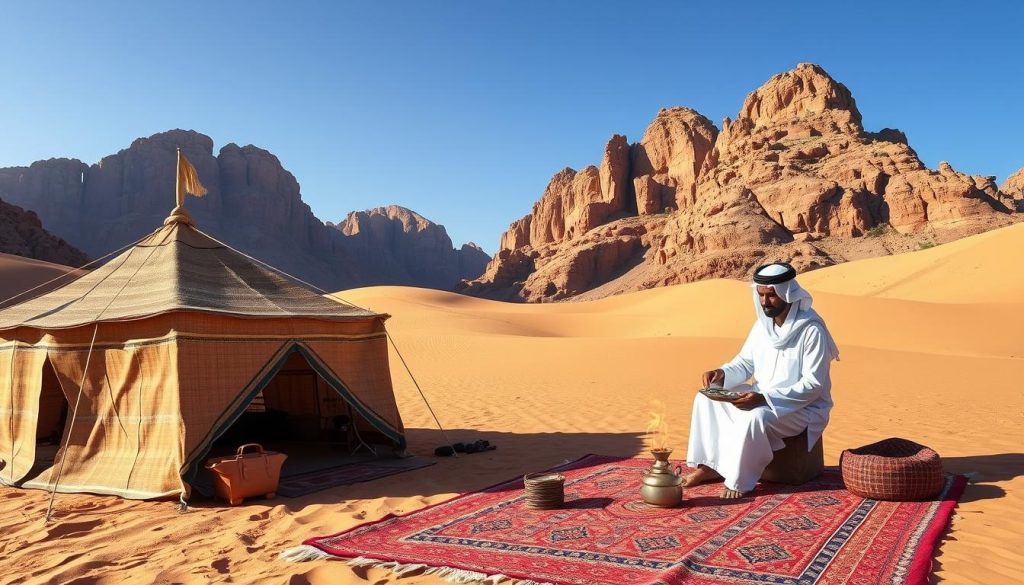
Bedouin traditions continue to shape daily life, with a strong emphasis on hospitality. Guests can expect a warm welcome, often staying up to three days before being asked about their visit’s purpose. The preparation of traditional Bedouin coffee is a ceremonial act, highlighting the importance of this beverage in both social and cultural contexts.
Culinary customs showcase diversity, with dishes like zarb and za’atar featuring prominently in Bedouin cuisine. Their living arrangements also reflect traditional practices, with tents designed to accommodate communal interactions. Bedouins in Jordan often live a hybrid lifestyle, combining elements of modern housing with traditional tent living during pasture seasons.
Exploring Petra: A UNESCO World Heritage Site
Petra is a stunning example of the Nabataeans’ creativity. It’s located between the Red Sea and the Dead Sea. This ancient city was a key spot for trade between Arabia, Egypt, and Syria-Phoenicia.
When you go on Petra historical and cultural tours, you’ll see the impact of many civilizations. This UNESCO World Heritage Site is truly remarkable.
The Rich History of Petra
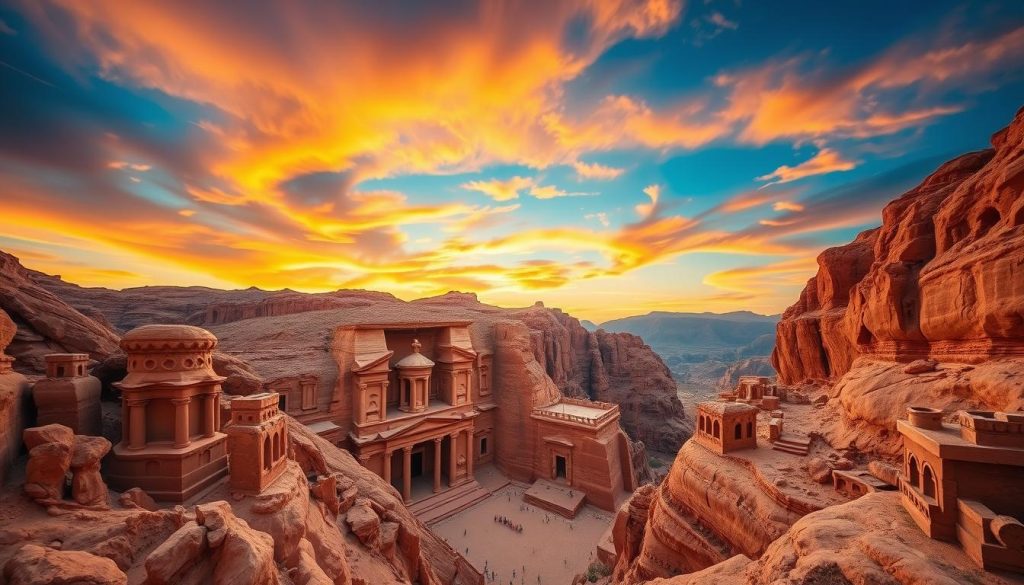
Petra has been home to people since ancient times. It became a thriving center for caravans in the Hellenistic and Roman eras. The city is half-built and half-carved into the rock, offering a unique look at old architecture.
This site is a mix of ancient Eastern traditions and Hellenistic styles. It’s a must-see for history buffs.
Architectural Marvels of Petra
Petra is famous for its detailed tombs and temples made from sandstone. Its water system helped people live in the desert. Key sights include:
- The Treasury (Al-Khazneh), known for its grand façade and carvings.
- The Monastery (Ad-Deir), a high point with a steep climb.
- Rock-cut tombs like the Urn Tomb and the Royal Tombs, with intricate designs.
Despite erosion and tourism, Petra is well-kept. Efforts to protect places like the Qasr al-Bint temple show a commitment to preserving this magical site.
| Key Feature | Description |
|---|---|
| Location | Between Red Sea and Dead Sea |
| Historical Significance | Major caravan center in Hellenistic and Roman eras |
| Architecture | Half-built, half-carved into rock; blending cultural styles |
| Water Management | Innovative systems for controlling seasonal rainfall |
| Tourism | Primary attraction for visitors to Jordan |
Local Bedouin Tours in Petra
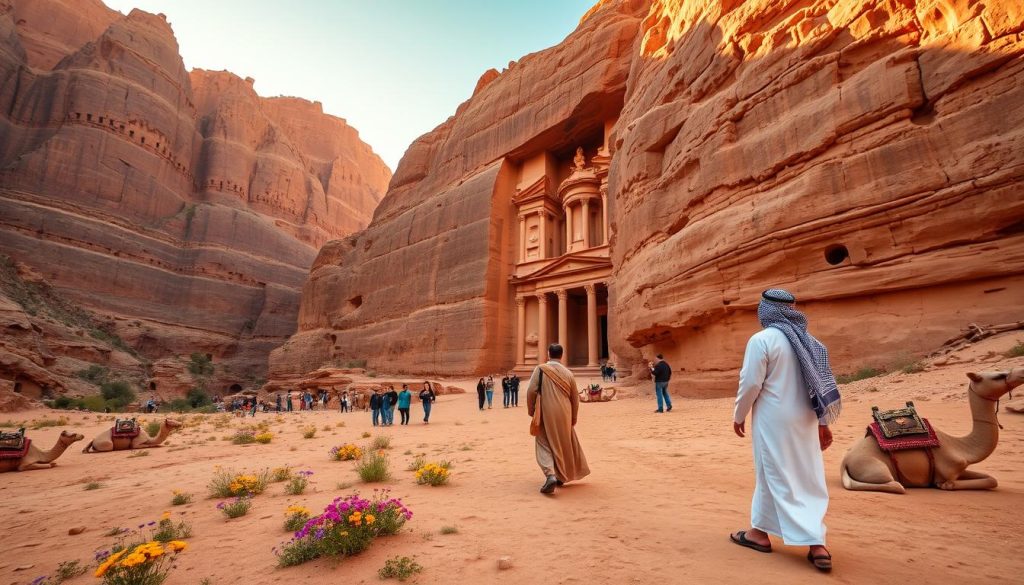
Exploring Petra with local Bedouin tours is a unique experience. You’ll see amazing sights and learn about the Bedouin culture. These tours offer guided experiences that let you dive into the area’s history and beauty.
What to Expect on Your Tour
Local Bedouin tours in Petra include exciting activities. You might hike famous trails like the Al Madras trail. This trail has many stairs but offers stunning views.
Expect to see ancient structures like the 2nd-century Monastery. You’ll also have chances to learn about Petra’s culture. Tours like the Three-day Cultural Heritage Eco Experience by A Piece of Jordan are highly rated.
Connecting with Local Bedouin Communities
Meeting local Bedouin communities is a key part of these tours. You’ll hear stories, learn traditions, and experience their famous hospitality. Guides like Abdullah are often praised for their knowledge and help.
These tours also offer cultural exchanges, like sharing tea with Jordanian women. The warmth of the Bedouin culture is unforgettable. Don’t forget to bring warm clothes for the desert nights, as many suggest.
| Tour Experience | Highlights | Average Rating (out of 5) | Traveler Insights |
|---|---|---|---|
| Local Bedouin Tours | Connecting with communities, Guided hikes | 4.5 | Wadi Rum trek, Knowledgeable guides |
| Camping in Wadi Rum | Stargazing, Cultural exchange | 4.7 | Memorable night under the stars |
| Three-day Eco Experience | Heritage immersion, Authentic meals | 4.6 | Rich cultural interactions |
Highlighting Iconic Sites in Petra
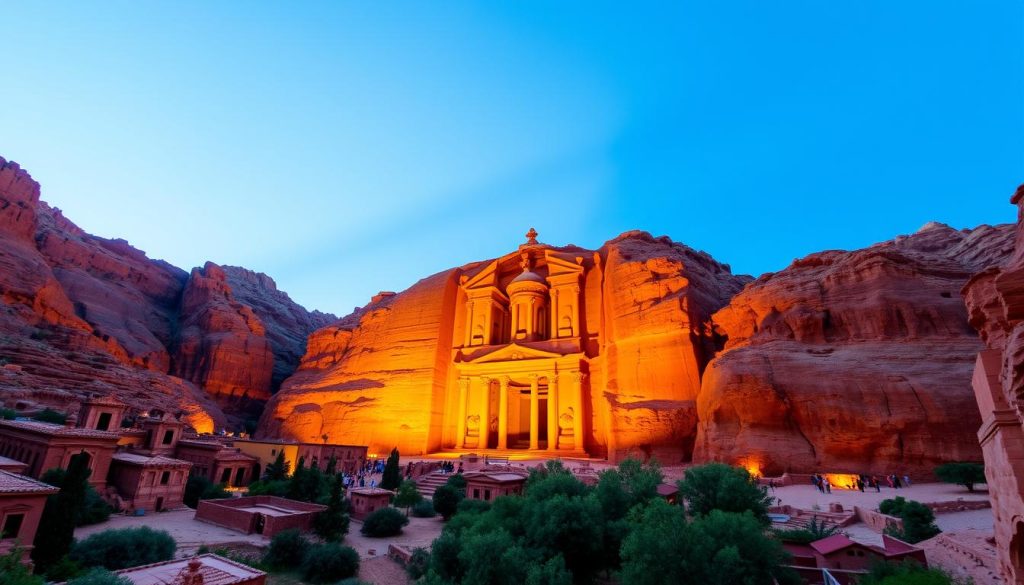
Petra is a top tourist spot in Jordan, filled with historical treasures. On Petra guided tours, you’ll see the city’s magical sites. These places, with their stunning architecture and rich history, are key to exploring ancient Petra.
The Monastery: A Must-See Attraction
The Monastery, or Al-Deir, is a standout in Petra. Its massive facade, carved into sandstone cliffs, reaches over 45 meters high. This marvel shows the Nabataeans’ skill in building and tells of Petra’s ancient tales. From the Monastery, you can see the mountains and valleys stretching out.
The Royal Tombs and Their Historical Significance
Don’t miss the Royal Tombs on your Petra tour. These grand tombs show off Nabataean wealth and artistry. Each tomb has its own style, with detailed carvings that tell stories of the past. The Urn Tomb, the biggest, invites you to dive deeper into Petra’s royal history.
Discovering the Byzantine Church
The Byzantine Church adds to Petra’s rich history. Its preserved mosaics show the city’s cultural changes over time. This church highlights Petra’s growth and adaptation, making it a unique place to explore.
Petra Desert Adventures: An Unforgettable Experience
Exploring the landscapes around Petra makes your visit special. Petra desert adventures let you see untouched areas. These tours show the site’s raw beauty.
Off-the-beaten-path tours in Petra offer a unique look. They take you off the usual paths. This way, you get a closer look at the area’s wonders.
Off-the-Beaten-Path Trails
Many trails in Petra are not often visited. They invite adventurers to try new hiking paths. These paths show amazing views of mountains and hidden sites.
There are many off-the-beaten-path tours in Petra. They let you discover secrets known only to locals.
Wadi Farasa: A Hidden Gem
Wadi Farasa is a must-see spot. It’s hidden in Petra and offers a peaceful escape. Here, nature and history blend perfectly.
Hiking through Wadi Farasa, you’ll see ancient tombs and water channels. Each turn offers stunning views. It’s a key part of your Petra desert adventures.

Immerse Yourself in Bedouin Cultural Experiences
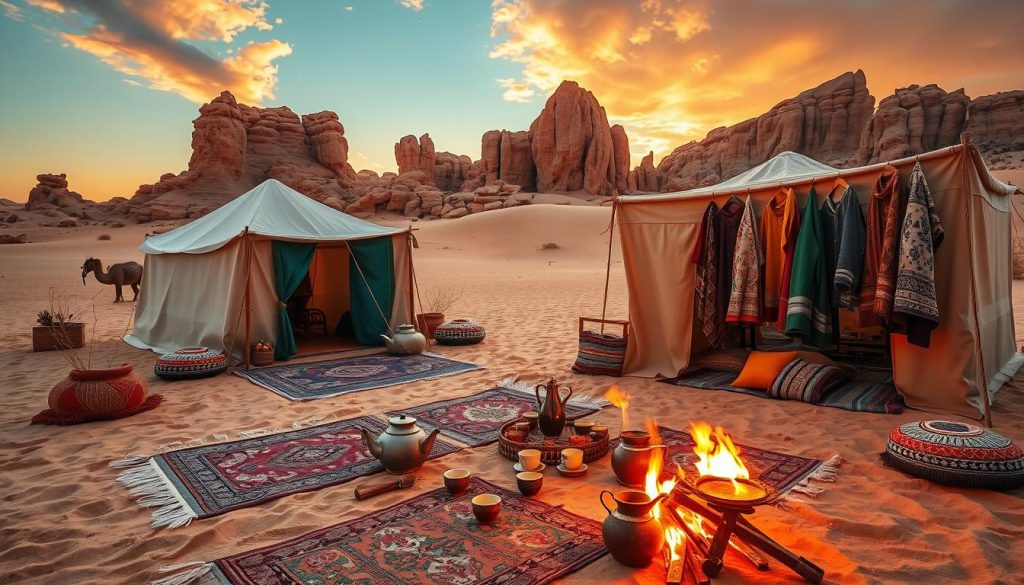
Exploring Bedouin culture in Petra is a unique chance to connect with the area’s rich heritage. You’ll get to try traditional Bedouin food, which shows the flavors and cooking methods of past generations. Your taste buds will be amazed by the variety of aromatic dishes you’ll try.
Traditional Bedouin Cuisine
Visiting the Bedouin community means trying dishes like zarb, a meal cooked underground. It offers a unique taste of local ingredients. People love Jordanian food, like Mansaf and Maqluba. Your stay includes meals, ensuring you taste authentic Bedouin hospitality.
Lively Folk Dances and Storytelling
Bedouin culture also shines through folk dances and storytelling. These performances entertain and share the Bedouin’s history and values. Joining in or watching these events helps you understand Bedouin life and their community spirit.
| Experience | Description |
|---|---|
| Meals | Enjoy traditional delicacies, including Mansaf and Maqluba, prepared with local ingredients. |
| Folk Dances | Experience lively dances that celebrate Bedouin heritage and communal joy. |
| Storytelling | Listen to captivating tales that reveal the history and traditions of the Bedouin people. |
This rich tapestry of Bedouin cultural experiences will satisfy your hunger and warm your heart. You’ll make memories that mix food, dance, and stories from Petra’s heart.
The Role of Petra Local Tour Guides
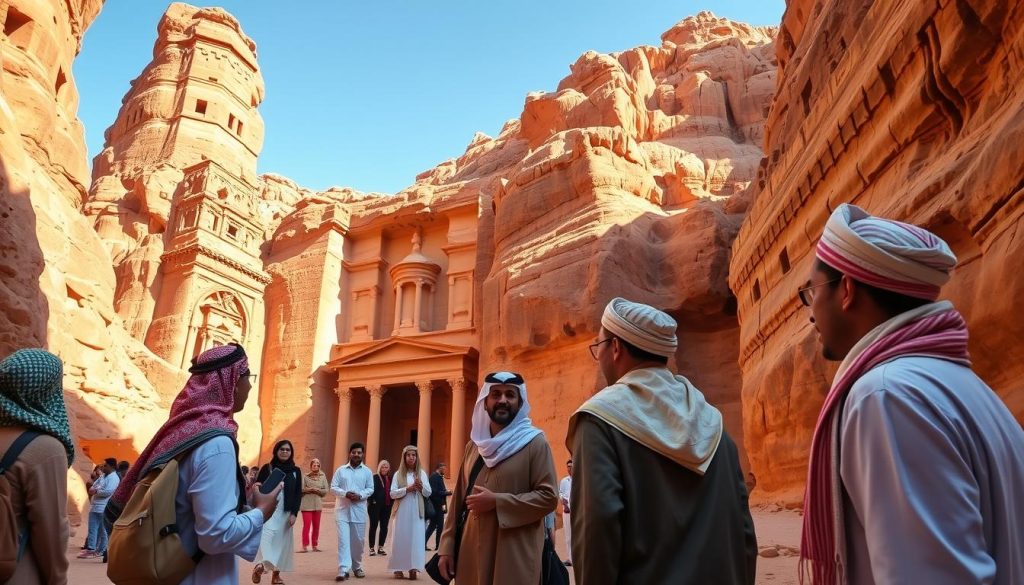
Visiting Petra is a must, and having a local tour guide is key. They share deep insights into the area’s history and culture. This makes your visit more than just seeing sights—it’s a journey of discovery.
Expert Insights and Guidance
Local guides offer unique views of Petra. Musa, a 61-year-old guide, brings ancient stories to life. His knowledge makes your trip more meaningful, revealing Petra’s past and its role in ancient trade.
Cultural Context and Historical Knowledge
Guides share stories that connect you to Petra’s culture. They talk about Bedouin traditions and the importance of sites like the Monastery and the Treasury. This deepens your appreciation and makes your visit unforgettable.
Understanding Bedouin Hospitality
Bedouin hospitality is a big part of Jordan’s culture. It’s all about warmth and giving. When you travel through the valleys and deserts, you’ll see their welcoming ways.
Bedouin families often host guests for three days without asking why they came. This shows how important hospitality is to them. It lets you really connect with the Bedouins during your stay.
Welcoming Traditions
The Bedouin society is based on clans. Each tent is like a family unit, part of a bigger family network. The tents are made from black goat hair, making them cozy for talking and sharing stories.
When you visit, you’ll get warm greetings and hear lots of stories. You’ll also see the traditional clothes they wear. This makes your experience even more special.
Traditional Arabic Coffee and Tea Culture
When you arrive in Wadi Rum or a Bedouin home, you’ll try Traditional Arabic coffee. They roast and grind the coffee beans themselves. It’s served in small cups called feenghal.
They give you three cups. The first is for hospitality, the second for fun, and the third for protection. This shows how coffee is more than just a drink to them. It’s about building a connection between the host and guest.
Tea is also a big part of their culture. They share meals together, showing their community spirit. You’ll try foods like arbood bread, cooked over an open fire. These moments let you see the true heart of Bedouin hospitality.
| Aspect | Description |
|---|---|
| Welcoming Tradition | Hosts greet guests for three days before asking about their visit, embodying genuine hospitality. |
| Social Structure | Families live in tents (Bayt al-shar), forming clans with strong community ties. |
| Traditional Arabic Coffee | Prepared with roasted and ground beans, served in feenghal cups. |
| Cups Served | Three cups represent hospitality, fun, and protection. |
| Culinary Staples | Arbood bread and other traditional dishes are shared during meals. |
Petra Wilderness Excursions: Nature and Adventure
Explore Petra’s stunning beauty through unforgettable wilderness excursions. These trips are perfect for nature lovers and adventure seekers. You’ll see amazing landscapes, learn about history, and experience Bedouin culture.
These tours offer enriching activities. They make sure your Petra adventure is both exciting and memorable.
Options for Exploration
Petra wilderness excursions offer thrilling activities over 9 days. Prices start at $1,595 USD. You’ll explore this UNESCO World Heritage site in incredible ways.
Expect to hike on rugged terrain. Daily hikes range from 13.8 km to 17.1 km. You’ll also face elevation changes, from 260m to 920m, all while enjoying Petra’s natural beauty.
Services are available to make your journey even better. You can personalize your experience with options like:
| Service | Price (USD) |
|---|---|
| Single Supplement | 200 |
| Airport Pick Up | 50 |
| Airport Drop Off | 50 |
| Extra Night Before Tour | 100 |
| Extra Night After Tour | 100 |
| Tour Extension to Red Sea & Dead Sea | 600 |
| Deluxe Tent Upgrade in Little Petra | 50 |
Experience unique adventures, like floating in the Dead Sea and exploring Wadi Rum. You’ll also spend nights in traditional Bedouin camps. Enter Petra through the “Back Door” for a unique adventure.
Relax at the Dead Sea resort and explore Aqaba. This journey is perfect for those who love nature and adventure. About 70% of travelers go solo, and the excursions are designed for all fitness levels.
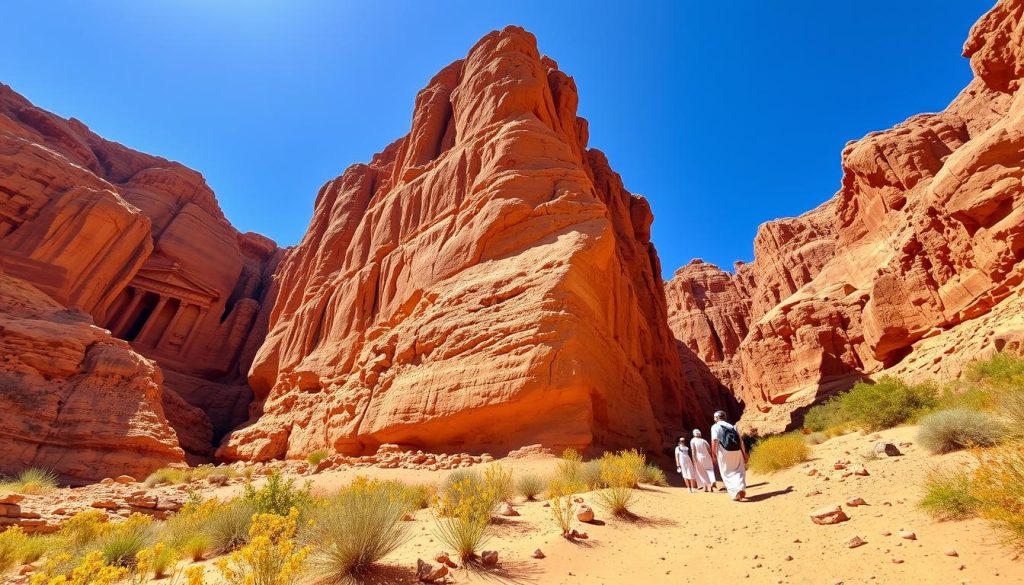
Planning Your Authentic Bedouin Tour in Petra
Planning your trip to Petra is key to a great experience. Exploring Bedouin tours in Petra lets you dive into the area’s rich culture and stunning views. Here are some tips to make your visit unforgettable.
Tips for Choosing the Right Tour Company
Finding a good tour company is essential for your Petra trip. Keep these tips in mind:
- Read reviews to see what others thought of the tour.
- Make sure guides know a lot about Bedouin culture.
- Choose tours that include meals and transport.
- Look for itineraries that give you almost two days in Petra.
- Check if you can add extras like horseback riding or camel rides.
Best Times to Visit Petra
When you visit Petra can make a big difference. For the best experience:
- Try to get to the park early, around 6:00 AM.
- It’s a 20-minute walk from the entrance to the Treasury.
- Hiking to the High Place of Sacrifice takes about two hours round trip.
- Visit in spring or fall for better weather and fewer people.
- Remember, food and water inside Petra can be expensive.
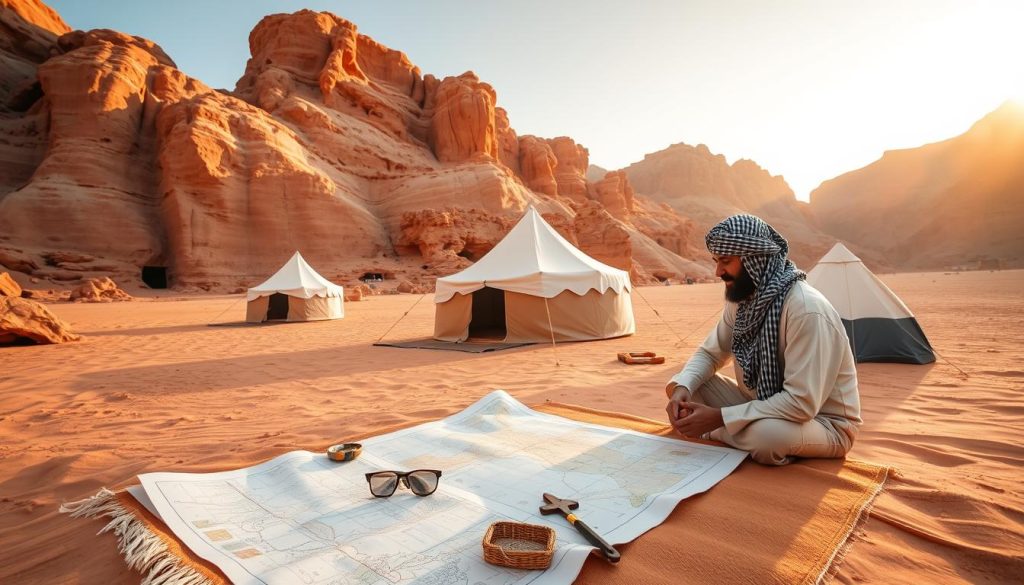
Knowing about scams, like the Bedouin romance scam, is important. Aim to have a rich experience by exploring local culture, landscapes, and Petra’s history.
Responsible Tourism and Sustainable Practices
Visiting Petra responsibly makes your trip better and helps Bedouin communities. Choosing eco-friendly tours supports the area’s culture and future. This way, you help keep Petra’s beauty alive for others to see.
Supporting Local Bedouin Communities
Helping local communities is key to good tourism in Petra. Many tour groups use green practices. They work with Bedouin families for real experiences.
They also fund projects to keep Petra’s history safe. And they run desert tours that are good for the planet. These tours teach travelers and locals about each other.
When you join these efforts, you help keep traditions alive. You also support Bedouin families. This kind of tourism respects local ways and helps everyone.
Conclusion
Choosing an Authentic Local Bedouin tours in Petra experience lets you deeply connect with Petra’s culture and landscapes. Petra, a UNESCO World Heritage Site, is a visual wonder and a symbol of Jordan’s heritage. By connecting with local Bedouin communities, you make your visit unforgettable.
Planning your trip is easy with all the important details like entrance fees and guide costs covered. You can hike to the Monastery or take a camel ride. Each adventure brings you closer to Jordanian culture. The Bedouin people’s warm hospitality and stories make your trip even more special.
An Authentic Local Bedouin tours in Petra experience is more than just sightseeing. It’s about diving into a timeless way of life. Get ready for stunning views, rich history, and meaningful connections. Your trip will leave a positive mark on local communities and give you memories to treasure forever.