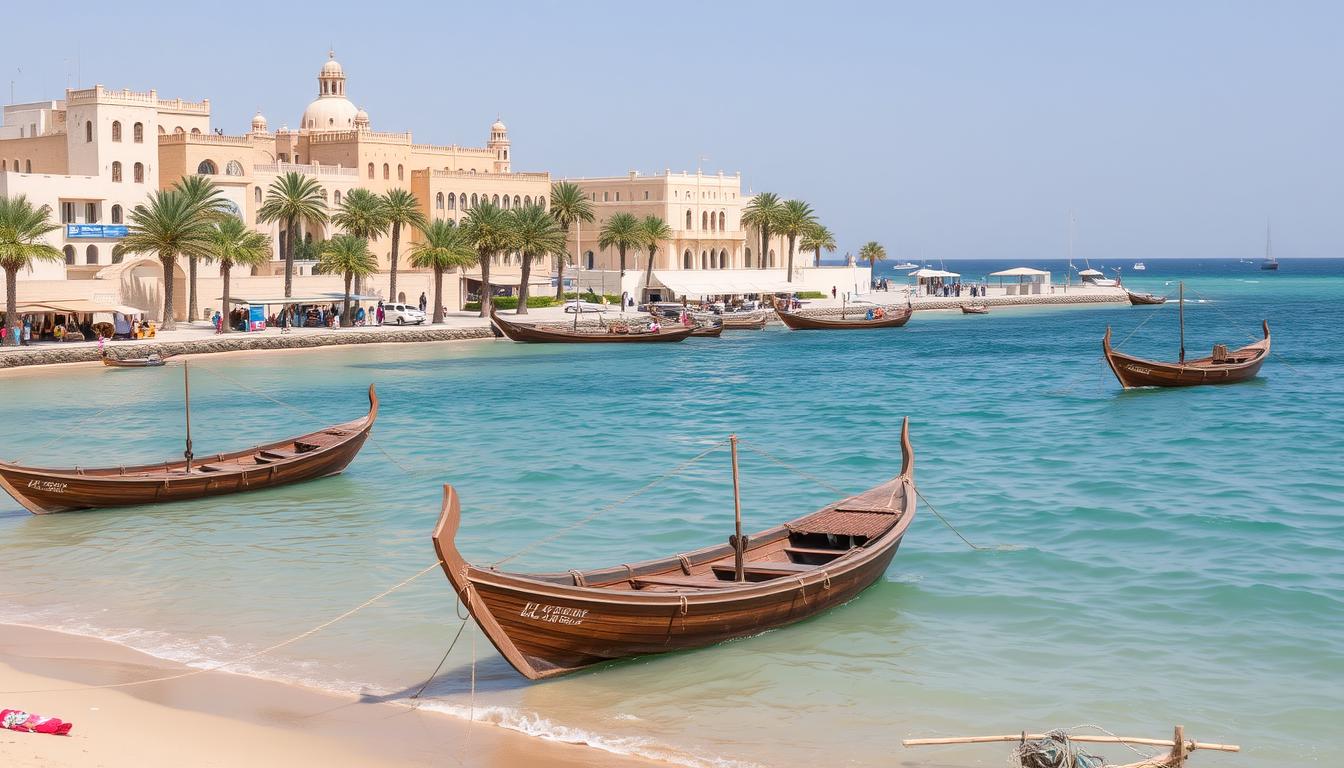
Discover Al Wakrah’s Maritime History: Learn Here
Al Wakrah, a vibrant coastal town in Qatar, boasts a rich maritime heritage. Once a small fishing village, it has grown into a modern hub. Yet, it still preserves its deep connection to the sea.
Al Wakrah’s captivating legacy offers a glimpse into Qatar’s coastal traditions. You can explore the city’s seafaring past and experience its heritage firsthand. The stories of traditional dhow boats and pearl diving await you.
Ready to uncover Al Wakrah’s maritime history? Let’s explore this coastal gem and its fascinating seafaring traditions. The evolution of its fishing industry has shaped this remarkable city.
Al Wakrah: A Historic Fishing and Pearling Village
Al Wakrah sits on Qatar’s eastern edge along the Persian Gulf. This coastal city boasts a rich history rooted in maritime traditions. Its thriving pearling industry and fishing practices have supported residents for generations.
Al Wakrah’s Origins as a Coastal Settlement
The Ajman tribe founded Al Wakrah in the early 19th century. They had previously lived in Al Bidda, now known as Doha. Al Wakrah soon became a major center for Qatar’s pearling industry.
Records show that between 1920 and 1925, the town had 250 to 300 pearl diving boats. This highlights its importance in the region’s maritime economy.
The Importance of Pearling and Fishing to Al Wakrah’s Economy
Fishing and pearling formed the backbone of Al Wakrah’s coastal economy. These industries shaped the city’s unique maritime identity. Al Wakrah’s location and abundant resources made it ideal for these activities.
| Industry | Significance |
|---|---|
| Pearling | Al Wakrah was a major center for Qatar’s pearling industry, with records indicating the town harbored between 250 and 300 pearl diving boats in the early 20th century. |
| Fishing | Fishing was a vital economic activity that provided a livelihood for many of Al Wakrah’s residents, contributing to the city’s maritime-focused identity. |
Al Wakrah’s maritime heritage showcases its people’s resilience and adaptability. They have long relied on the sea’s bounty for survival. This legacy continues to shape the city’s culture and economy today.
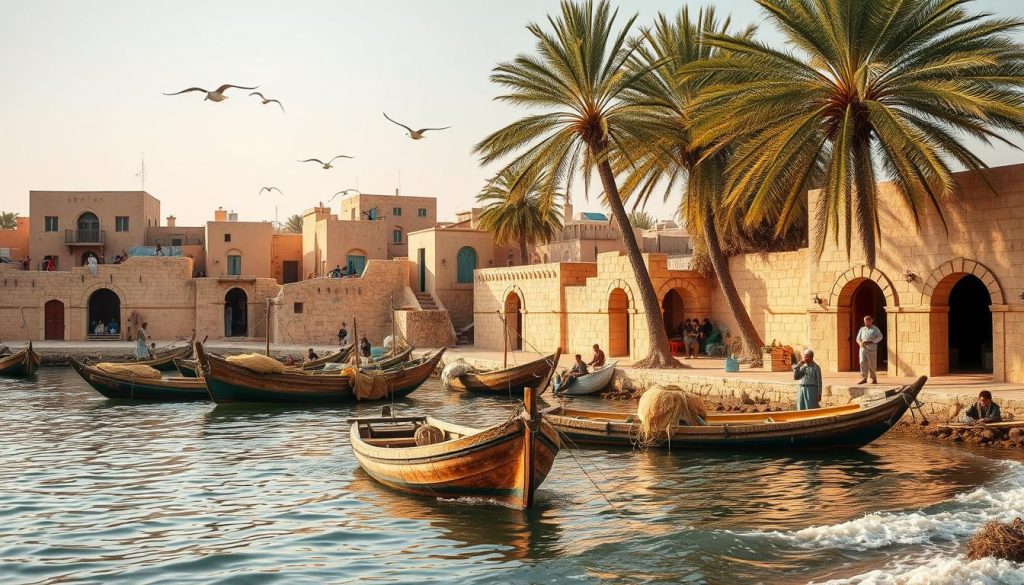
Exploring Al Wakrah Heritage Village
Al Wakrah Heritage Village showcases the city’s rich cultural and maritime heritage. This preserved enclave offers a glimpse into traditional Qatari architecture. Visitors can experience the maritime-inspired lifestyle that shaped Al Wakrah’s residents for generations.
Traditional Architecture and Lifestyle
The village’s winding streets transport you back in time. Striking mud-brick houses, historic mosques, and a restored fort typify the region’s architectural style.
These structures showcase the ingenuity of Qatari builders. They reflect the deep connection between the local community and the sea.
Insights into the City’s Maritime Traditions
- Explore the fishing and pearling traditions that were once the backbone of Al Wakrah’s economy.
- Witness artisans and craftspeople practicing time-honored skills, such as weaving, pottery, and metalwork, that were essential to the maritime lifestyle.
- Immerse yourself in the sights, sounds, and aromas of the traditional markets, where the city’s seafaring heritage is palpable.
Al Wakrah Heritage Village offers a journey through time. Experience the essence of this maritime-inspired city firsthand.
Discover the preserved cultural heritage of Al Wakrah. Learn about the enduring legacy of its seafaring past.
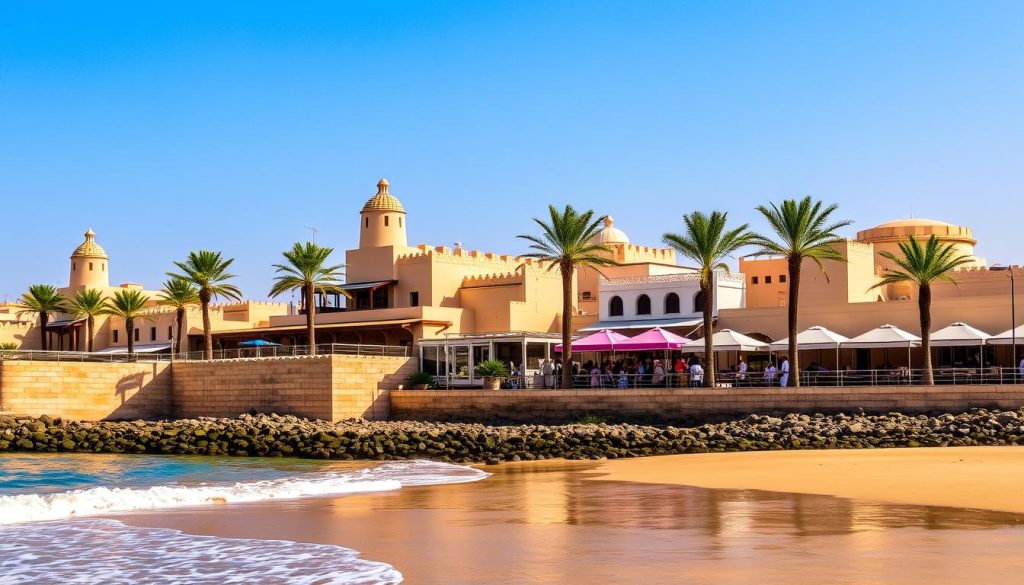
“The Al Wakrah Heritage Village is a true gem, offering visitors a rare opportunity to immerse themselves in the city’s rich cultural tapestry and maritime traditions.”
The Maritime Legacy of Dhow Boats
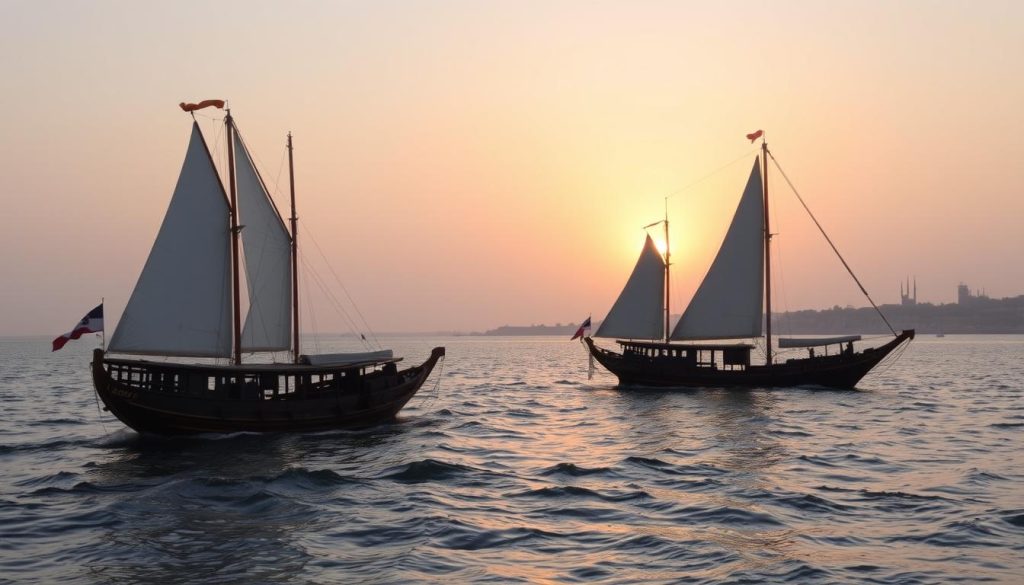
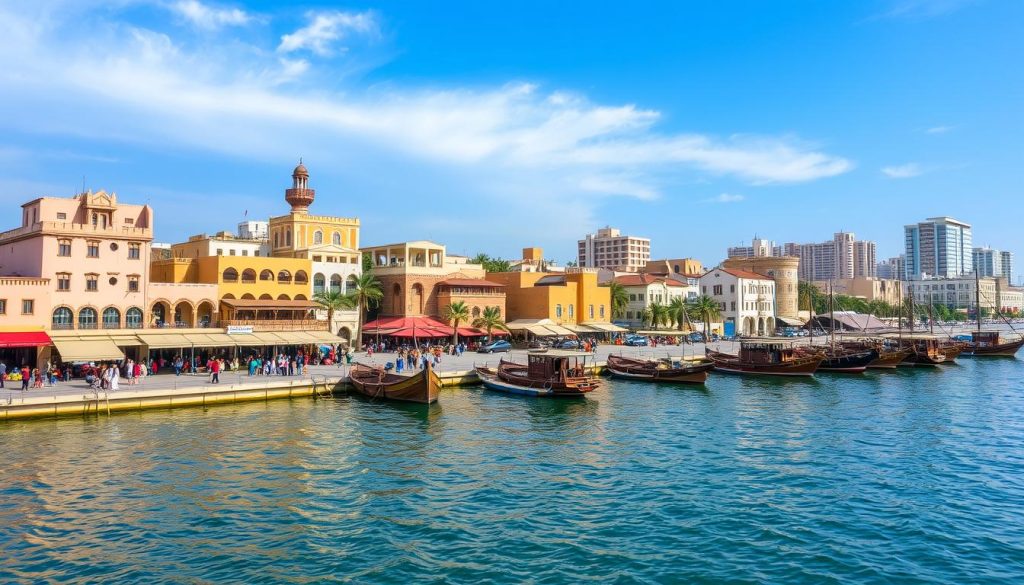
Dhow boats are an iconic symbol of Al Wakrah’s rich maritime heritage. These wooden sailing vessels have been vital for centuries. They served as transportation and livelihood for fishermen and pearl divers.
Dhows feature distinctive wooden planks stitched together. They were once crucial to the local economy. Many are now motorized, but traditional designs are still celebrated.
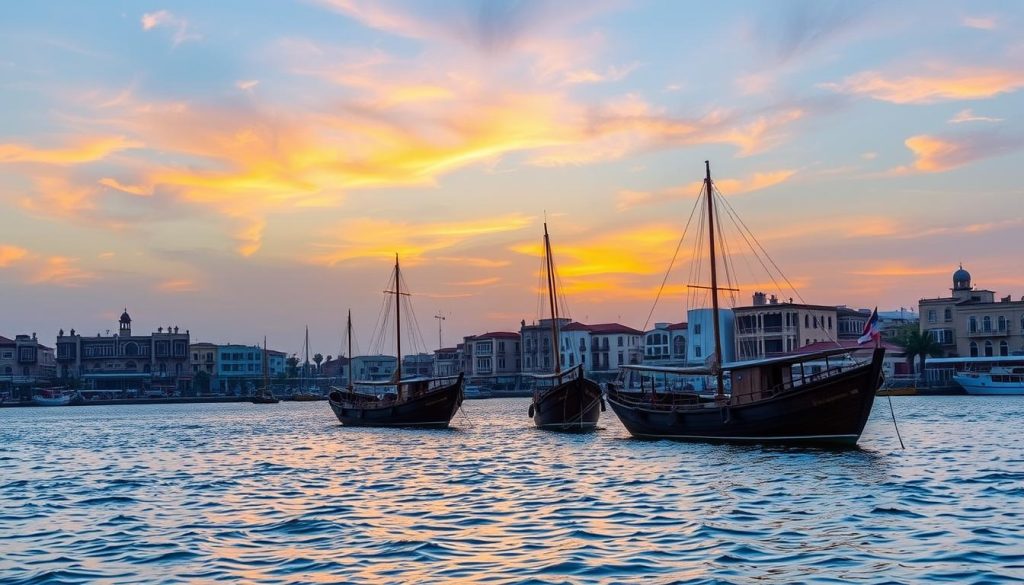
Visit Al Wakrah Dhow Harbor to see these majestic boats at sunset. Cultural tours offer insights into dhow history and the pearl diving industry. Learn about the town’s growth from a fishing village to a vibrant city.
Dhows in Al Wakrah now offer modern recreational activities. You can go fishing or try water sports like jet skiing. Kayaking and paddleboarding are also available for all ages and skill levels.
Dhows come in various sizes, from large vessels with thirty crew to smaller ones. Traditional dhow building requires specialized skills passed down through generations. These techniques are preserved by Al Wakrah’s maritime artisans.
“The dhow is not just a boat, but a symbol of Qatar’s rich seafaring heritage, connecting the past to the present.”
Al Wakrah’s dhow boats showcase the city’s enduring maritime legacy. They invite you to explore fascinating stories hidden within these wooden vessels. Immerse yourself in the vibrant culture surrounding these historic boats.
Where can I learn about Al Wakrah’s maritime history?
The Al Wakrah Museum is a must-visit for those interested in the city’s maritime heritage. This flagship museum showcases artifacts and exhibits that highlight Al Wakrah’s seafaring traditions and cultural identity.
Al Wakrah Museum: A Treasure Trove of Maritime Artifacts
The museum immerses visitors in Al Wakrah’s rich maritime past. Its collection features traditional fishing and pearling equipment, offering insights into the city’s maritime-focused population.
Guests can explore the history of dhow boat construction. This showcases the ingenuity of Al Wakrah’s seafaring ancestors.
Guided Tours and Exhibits Showcasing the City’s Seafaring Past
The Al Wakrah Museum offers guided tours that explore the city’s historic role. These tours focus on Al Wakrah as a fishing and pearling center along the Persian Gulf coast.
Visitors gain a deep understanding of Al Wakrah’s maritime heritage. They learn how this heritage continues to influence local culture today.
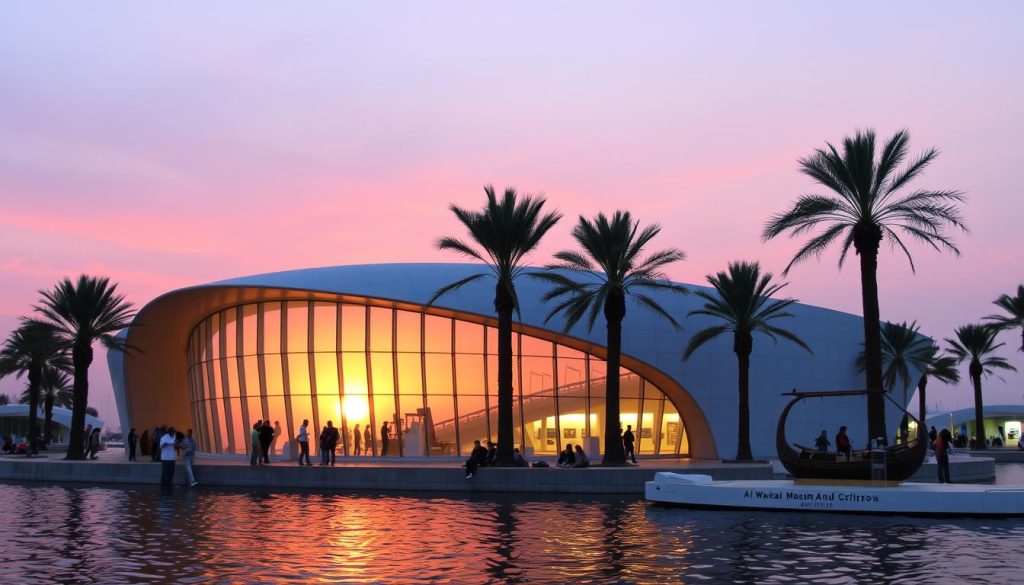
“Exploring the Al Wakrah Museum was like stepping back in time, surrounded by the tangible remnants of the city’s seafaring past. It’s a must-visit destination for anyone seeking to uncover the heart of Al Wakrah’s maritime legacy.”
Al Wakrah Harbor: A Living Testimony to Maritime Traditions
Al Wakrah Harbor stands as a testament to the city’s maritime heritage. This bustling port showcases daily activities that have sustained the local community for generations. Visitors can witness the vibrant maritime culture firsthand.
The harbor is home to traditional dhow boats, the backbone of fishing and pearling industries. Local fishermen and sailors maintain these iconic crafts with great skill. Their dedication keeps the maritime traditions alive.
The harbor buzzes with various maritime activities. Fresh catches are unloaded while preparations for new expeditions take place. Recent renovations have made the harbor more accessible and engaging.
Visitors can immerse themselves in Al Wakrah’s coastal heritage preservation. The harbor offers a unique blend of past and present maritime practices. It’s a perfect spot to experience the city’s deep connection to the sea.
“The Al Wakrah Harbor is a living, breathing museum, where the traditions of the past seamlessly blend with the vibrant present. It’s a place where you can truly feel the pulse of the city’s maritime legacy.”
Al Wakrah Harbor offers a glimpse into the city’s enduring maritime traditions. It showcases how the sea shapes the culture, economy, and identity of this Qatari city. Visitors can appreciate the ongoing importance of maritime heritage in Al Wakrah.
Pearling and Fishing: Enduring Legacies
Al Wakrah’s maritime history is steeped in pearl diving and sustainable fishing. These industries have shaped the city’s economy and cultural identity for centuries.
The Art of Pearl Diving in Al Wakrah
Al Wakrah was once a thriving hub for the region’s pearling industry. Skilled divers ventured into the Persian Gulf in search of coveted gems.
The art of pearl diving remains crucial to Al Wakrah’s cultural heritage. Visitors can explore the intricate techniques passed down through generations of Qatari families.
Sustainable Fishing Practices in the Persian Gulf
Fishing continues to play a vital role in Al Wakrah’s local economy. Fishermen employ sustainable fishing methods to protect the region’s marine resources.
These traditional maritime practices showcase the community’s respect for the Persian Gulf ecosystem. They reflect a commitment to preserving the delicate balance of local marine life.
| Fishing Artifacts Discovered | Significance |
|---|---|
| Triangular Stone Anchors (Sinn) | Used in the former Persian Gulf pearl fishery, indicating pearls have been fished in the Gulf for at least 7,000 years. |
| Net Weights, Anchors, and Hooks | Evidence of the late Islamic fishing industry in the Gulf, highlighting the abundance of fish-related artifacts. |
| Over 12,000 Marine Fish Bones | Excavation findings from the Late Islamic period in Failaka Island, Kuwait, revealing the importance of fishing in the region. |
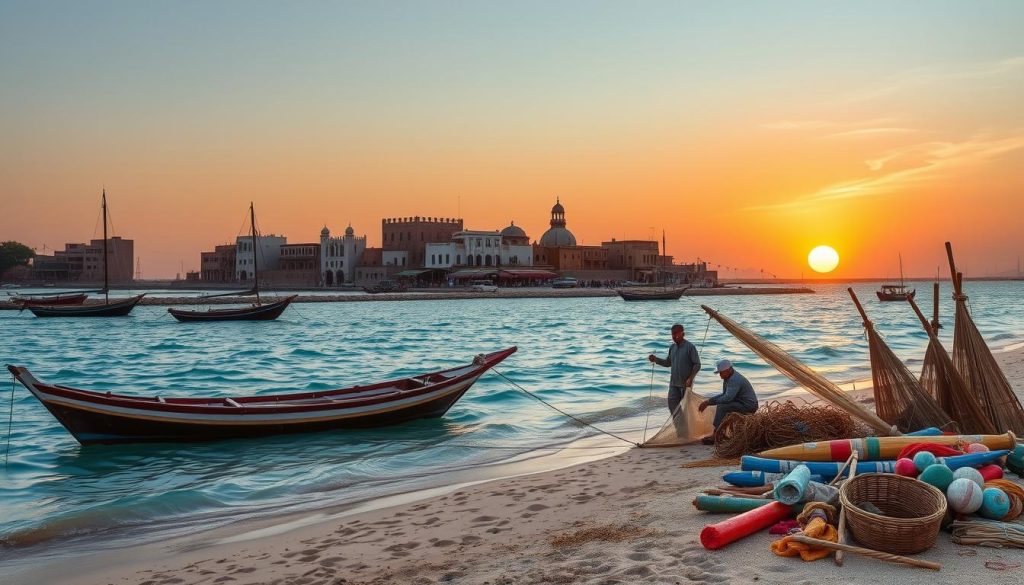
Pearl diving in Al Wakrah and sustainable fishing practices highlight the community’s bond with the Persian Gulf. These age-old traditions continue to shape Al Wakrah’s cultural identity and economy.
The Geographical Significance of Al Wakrah
Al Wakrah sits on Qatar’s eastern coast, 17 kilometers south of Doha. This vibrant city thrives as a maritime hub on the Persian Gulf. It’s known for trade, fishing, and pearl diving.
Al Wakrah’s Strategic Location on the Persian Gulf
The Al Wakrah Municipality spans 2,577.7 km2 with 299,037 residents as of 2015. It’s divided into 7 zones and 1,410 blocks. The city’s coastal position drives its economic and geopolitical importance.
The Mesaieed Industrial Area highlights Al Wakrah’s industrial significance. Hamad Port in the Umm Al Houl area cements its role as a key maritime center.
Al Wakrah’s Gulf location shapes Qatar’s regional influence and maritime affairs. Its position is crucial for trade and geopolitical engagement.
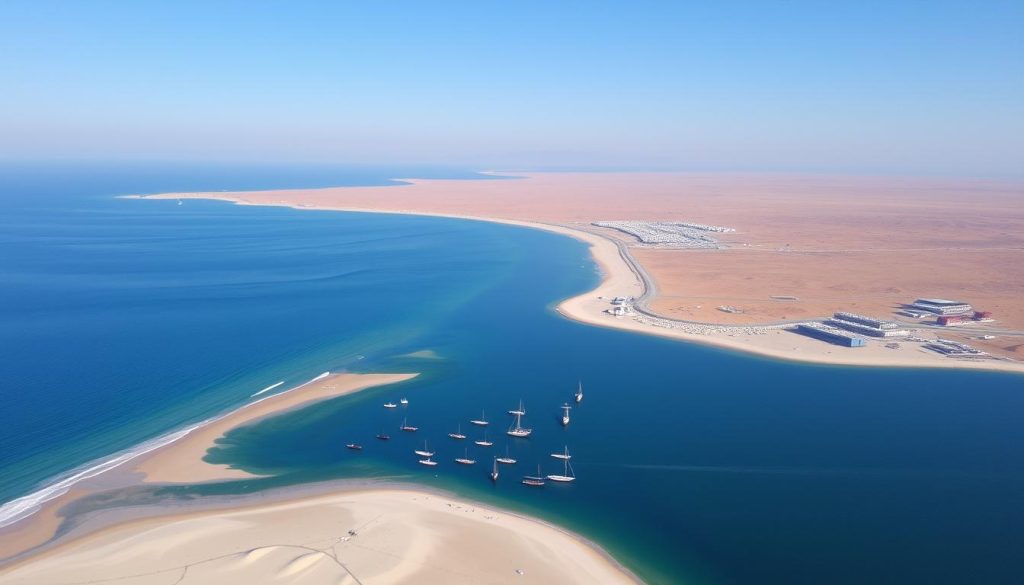
The UNESCO-recognized Khor Al Adaid, or Inland Sea, lies within Al Wakrah Municipality. This natural wonder showcases the region’s unique coastal landscapes. It underscores Al Wakrah’s deep connection to the sea.
Cultural Landmarks and Maritime Heritage
Al Wakrah, on the Persian Gulf, blends rich maritime history with vibrant culture. The iconic Al Wakrah Mosque showcases Islamic architecture. The Al Wakrah Museum houses the city’s seafaring past.
The Al Zubarah Fort is an 18th-century marvel and UNESCO World Heritage Site. It highlights the region’s pearling trade history. The Barzan Towers, built in the late 19th century, once guarded the coastline.
Modern cultural institutions celebrate Al Wakrah’s artistic traditions. The National Museum of Qatar offers immersive exhibits about the country’s past and future. The Sheikh Faisal Bin Qassim Al Thani Museum focuses on Qatar’s maritime-inspired heritage.
The Souq Waqif and Souq Al Wakrah preserve local heritage. These bustling markets showcase traditional Qatari architecture. They offer spices, perfumes, textiles, and costumes.
The Katara Cultural Village captivates visitors with its charm. The ancient Al Jassasiya Rock Carvings offer a glimpse into the past. Al Wakrah’s streets blend maritime legacy with cultural identity.
Recreation and Maritime-Inspired Activities
Al Wakrah’s vibrant maritime heritage offers exciting recreational activities. Explore the city’s coastal roots through boat tours and beachfront adventures. Immerse yourself in the traditions of this historic fishing and pearling village.
Boat Tours and Coastal Cruises
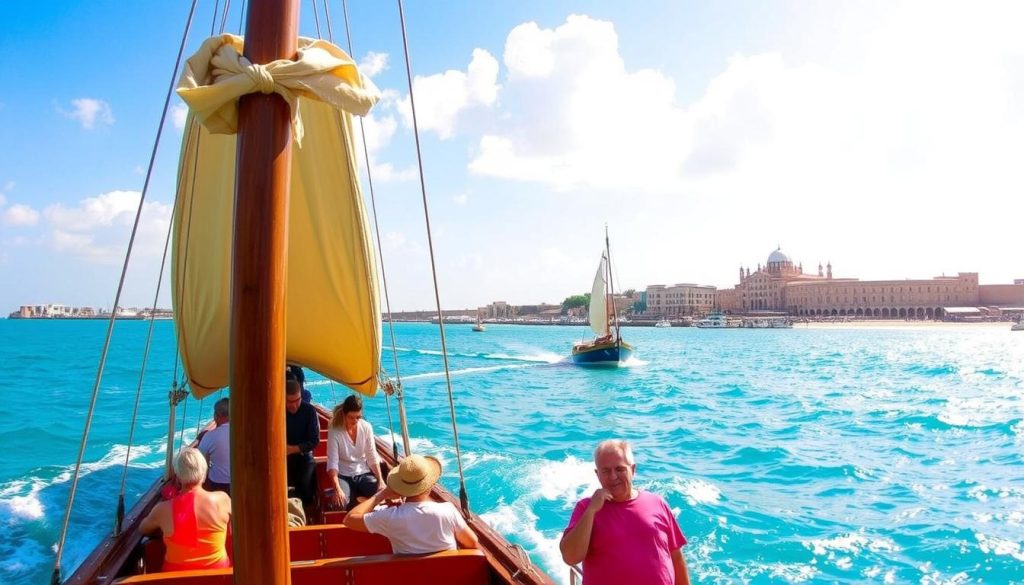
Experience Al Wakrah’s maritime identity through captivating boat tours and coastal cruises. Get up close to dhow boats and other seafaring vessels. These excursions provide a unique view of the city’s rich seafaring traditions.
Witness the important role of the sea in shaping local life. Gain a deeper appreciation for Al Wakrah’s maritime heritage on these exciting tours.
Beachfront Adventures and Water Sports
Al Wakrah’s beaches are perfect for water sports and beachfront activities. Try thrilling adventures like stand-up paddleboarding, kayaking, and desert safaris. Enjoy the maritime-inspired atmosphere that surrounds this vibrant coastal community.
| Activity | Price (2021) |
|---|---|
| Boat Tours | $50 – $100 per person |
| Stand-Up Paddleboarding | $25 – $40 per hour |
| Kayaking | $30 – $50 per hour |
| Desert Safaris | $75 – $150 per person |
Discover Al Wakrah’s rich maritime heritage through exciting recreational activities. Dive into the city’s coastal traditions and create unforgettable memories. Experience the sea’s enduring importance to local life in this charming coastal city.
Conclusion
Al Wakrah’s maritime history reflects the sea’s influence on this Qatari city’s identity. Once a small fishing village, it’s now a thriving urban center. The city maintains strong ties to its coastal roots.
Visitors can explore cultural landmarks showcasing Al Wakrah’s seafaring traditions. They can also enjoy maritime-inspired activities along the coast. The city preserves its legacy while offering unique experiences to travelers.
Al Wakrah’s focus on sustainable tourism highlights the importance of preserving coastal heritage. This approach ensures future generations can appreciate the region’s rich maritime history. Eco-tourism and cultural immersion are key aspects of this development.
The city’s fascinating past is evident in its traditional dhow boats and former pearling industry. The Al Wakrah Museum and Heritage Village offer insights into local maritime traditions. Coastal vistas provide a glimpse into the sea’s role in shaping this vibrant city.