Explore Nautical History at Sur Maritime Museum
Have you ever wondered about Oman’s maritime history? The Sur Maritime Museum is a key part of this story. It shows how shipbuilding in Sur has shaped the region’s culture and trade for centuries.
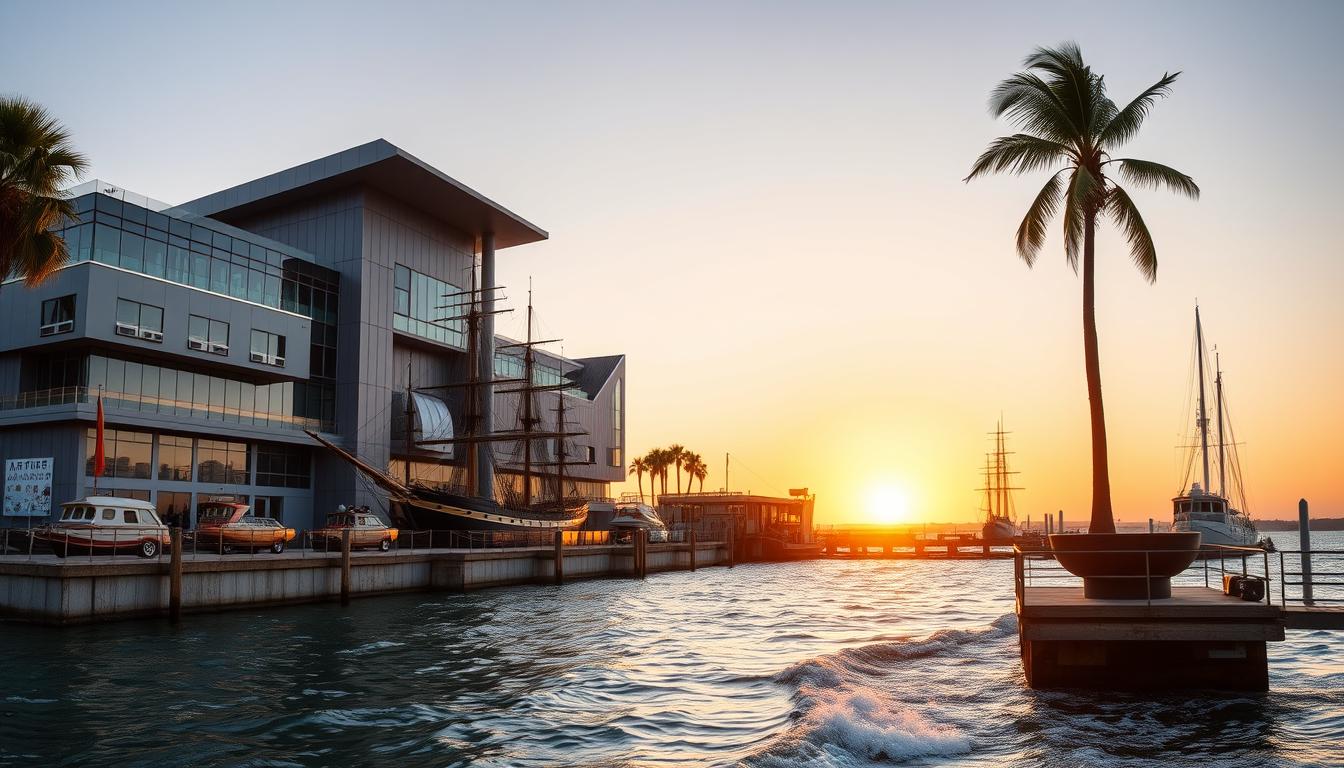
Since 1987, this museum has been a treasure trove of Omani shipwrights’ art. It also highlights Sur’s role as a major trade hub with East Africa since the sixth century. Located near the waterfront and the Al-Ayjah lighthouse, it invites you to explore Oman’s maritime past.
Introduction to Sur’s Rich Maritime Heritage
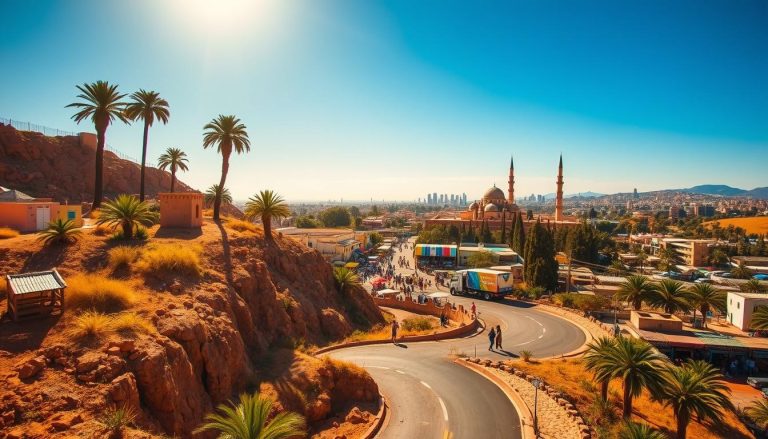
Sur is a beautiful coastal city in Oman, known for its lively coastal culture and rich maritime history. It has been a key place for shipbuilding, making traditional wooden dhows for trade across the Indian Ocean. The Sur maritime museum is key in showing off this heritage, giving visitors a peek into the region’s busy maritime life.
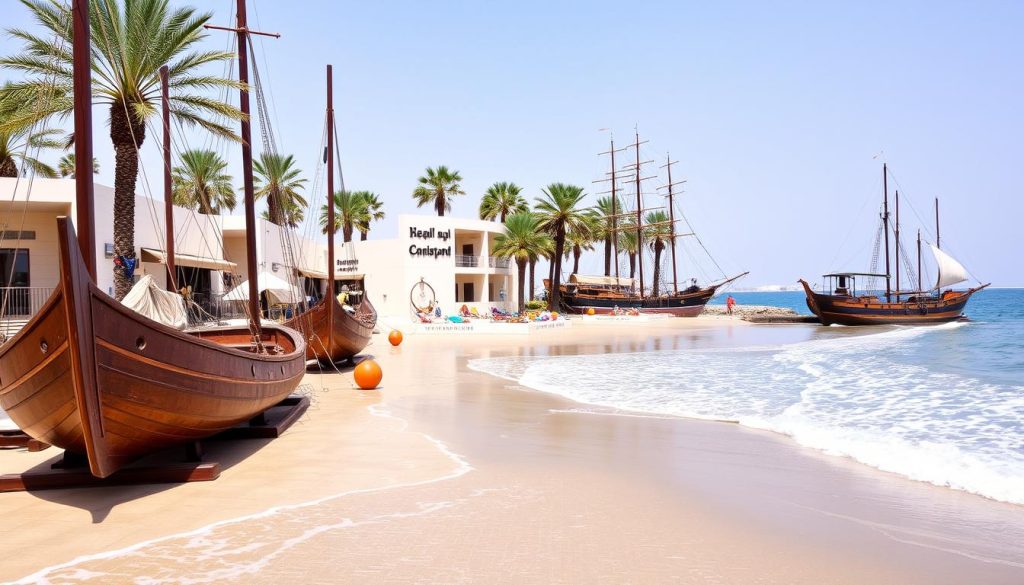
Over time, Sur has grown as a trade center, making big contributions to maritime commerce in the Arabian Peninsula. The Dhow Building Yard shows the skill in making these ships, highlighting the lasting impact of maritime traditions. Building dhows is a big part of Sur’s identity, attracting both historians and tourists eager to learn about its past.
Since the 1970s, when tourism started growing, Sur has improved its welcome for visitors. People come to see attractions like the Al Ayjah Lighthouse, Bilad Sur Castle, and the Sur maritime museum. They also enjoy the stunning natural views around the city.
More people are interested in eco-tourism and cultural experiences in Sur. Activities like turtle watching at Ras al Jinz and trying local Omani food show the mix of history and nature here. Sur’s appeal comes from its interesting maritime stories and the friendly community that shares its history with visitors.
| Attraction | Description | Highlights |
|---|---|---|
| Sur Maritime Museum | Exhibits showcasing Sur’s maritime history | Shipbuilding, navigation, trade |
| Ras Al Jinz Turtle Reserve | Habitat for endangered green turtles | Nesting and hatching experiences |
| Al Ayjah Lighthouse | Stunning views of coastline and city | Ideal for picnics and leisurely walks |
| Bilad Sur Castle | Historical landmark showcasing Omani architecture | Insights into the city’s past |
Sur is a special place that offers a rich mix of coastal culture and maritime history. Visitors can dive into the fascinating sea stories, making sure Sur stays a key part of Oman’s maritime legacy.
The Historical Significance of Sur
Sur is a key maritime hub in Oman with a rich history. Its ancient shipyards were crucial for maritime trade, boosting the Omani economy. The city’s location made it a key player in regional sea trade.
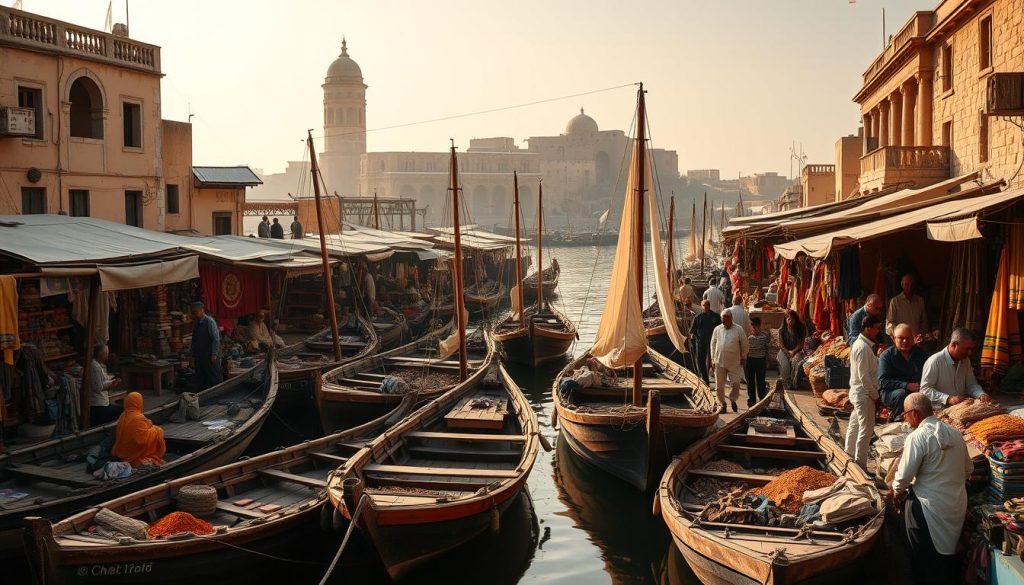
The Fatah al Khair, a passenger dhow from 1951, is a museum highlight. It sailed the Gulf, eastern Africa, and the Indian subcontinent for years. Its design, with a unique stern and ghanja style, shows Sur’s boat-making tradition. The dhow’s restoration, supported by the community and the Sultan, is a testament to Sur’s heritage.
The Sur Maritime Museum showcases the city’s maritime traditions. It displays artifacts and models, highlighting local artisans’ skills. Sur is one of the few places still making traditional dhows, using materials like palm wood and Indian teak.
Near the museum, you can see historical sites that highlight Sur’s historical significance. The Bilad Sur Castle offers a look into the past. Ras Al Jinz is a nesting site for endangered green turtles, linking Sur’s maritime history to conservation.
| Feature | Description |
|---|---|
| Fatah al Khair | A traditional dhow built in 1951, notable for its distinct design and historical voyage. |
| Construction Techniques | Relies on traditional methods; utilizes locally sourced palm wood and Indian teak. |
| Significant Sites | Includes Bilad Sur Castle and nesting site of green turtles at Ras Al Jinz. |
| Cultural Events | Features traditional events like the Al Ayjah Dhow Race celebrating maritime culture. |
The Inception of the Sur Maritime Museum
The Sur Maritime Museum was created to showcase Oman’s rich maritime history. It was established in 1987. This museum is a beacon for the community and visitors, teaching about the region’s proud nautical traditions.
The Ministry of Heritage and Culture started this effort. They wanted to protect and promote the stories of Omani seafarers.
Located by the waterfront, the Sur maritime museum reflects the city’s deep connection to the sea. This spot offers an immersive experience. It brings the maritime ethos to life, inviting guests to learn about shipbuilding traditions.
The exhibits highlight the lives of sailors, their adventures, and technological advancements. These advancements were key in maritime endeavors.
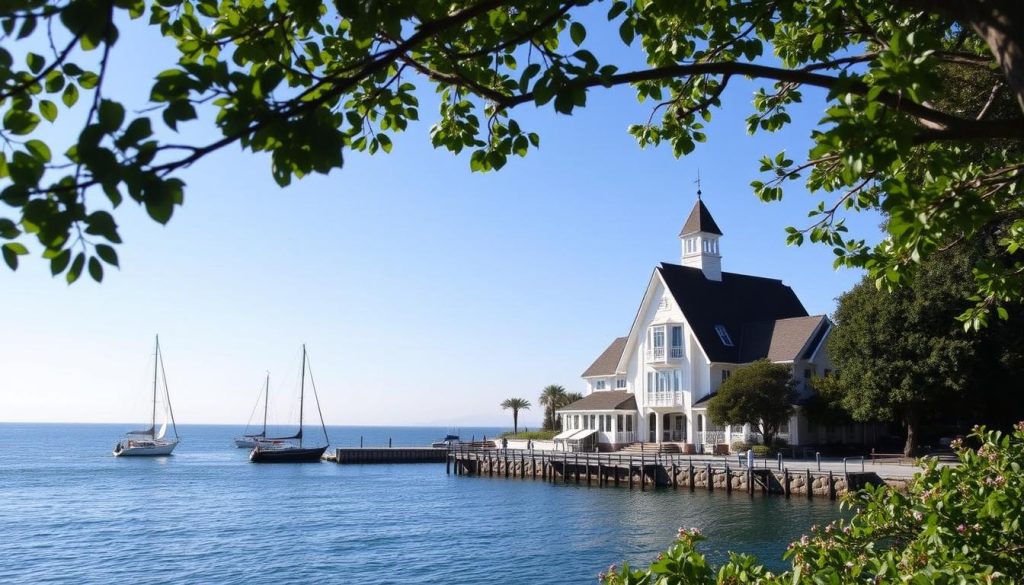
The Sur maritime museum focuses on education. It provides insights into preserving maritime memories. Engaging displays and interactive resources let you explore how maritime history shaped Sur’s culture.
Through this commitment, the museum stands as a testament to Oman’s dynamic maritime past.
Exhibits and Attractions at the Sur Maritime Museum
The Sur Maritime Museum showcases Oman’s rich seafaring history. It features maritime artifacts, ship models, and navigational tools. These items give insight into the region’s cultural heritage.
Visitors can explore displays that celebrate maritime craftsmanship and technology. It’s an engaging way to learn about the past.
Maritime Artifacts and Ship Models
The museum has an impressive collection of maritime artifacts and ship models. They show off traditional Omani craftsmanship. The famous Omani dhow, Fatah al Khair, built in 1938, is a highlight.
This section focuses on shipbuilding tools and models. It brings to life the art of vessel creation. You’ll be amazed by the craftsmanship of these historical vessels, each with its own story.
Navigational Tools and Their Importance
The museum also has a section on navigational tools used by ancient sailors. These tools were crucial for maritime exploration and trade. They allowed sailors to cross vast oceans with confidence.
By seeing these tools, you’ll understand their historical significance. You’ll appreciate the ingenuity and skills of those who used them for safe passage.
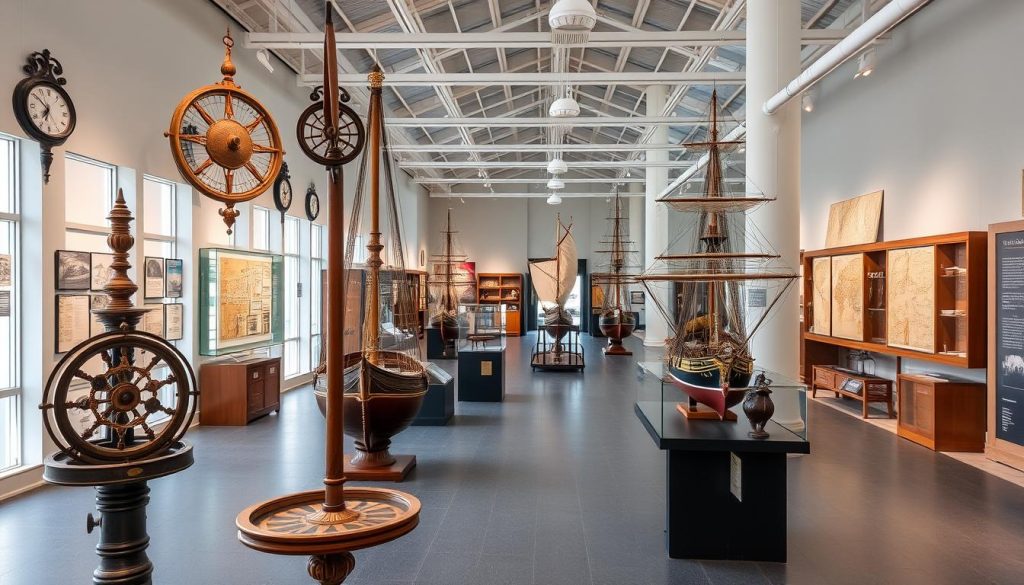
| Exhibit Type | Description |
|---|---|
| Maritime Artifacts | A collection showcasing traditional tools and equipment used in maritime practices. |
| Ship Models | Detailed models highlighting the craftsmanship of traditional Omani vessels. |
| Navigational Tools | Instruments that played a crucial role in navigation and exploration at sea. |
Exploring Oman’s Seafaring Legacy
Oman’s love for the sea is clear in its maritime culture. At the Sur Maritime Museum, you’ll see how sailing and trade have evolved. The museum displays beautiful dhows, showing off Omani shipbuilders’ talent.
These shipbuilders still work in traditional ways in Sur dhow yards. You’ll also see old navigational tools and historical documents. These items show how Oman once led the Indian Ocean trade.
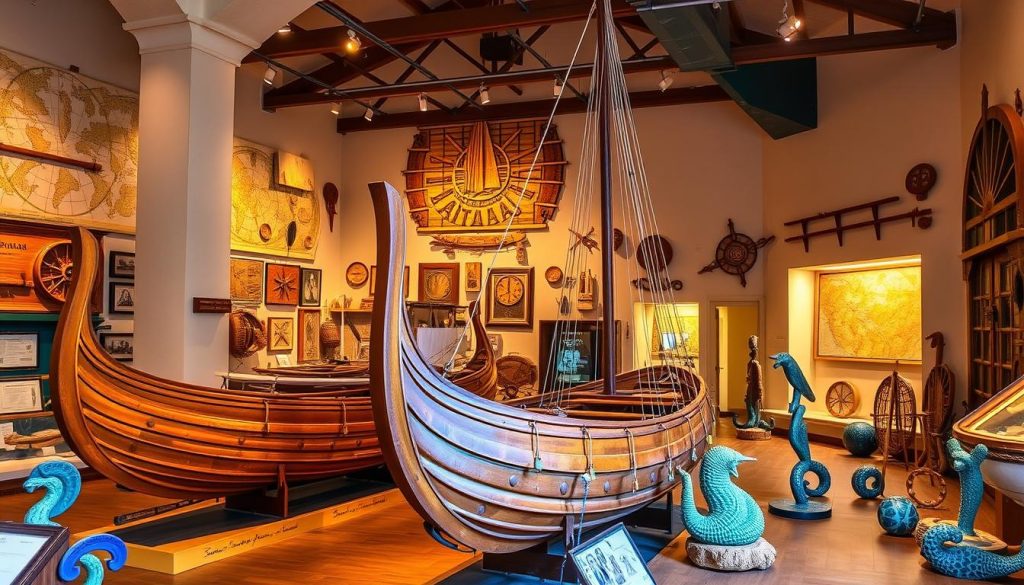
Walking through the museum, you learn how the sea shaped Oman’s economy. From Muttrah Souq’s markets to Sur Beach’s shores, the sea’s impact is everywhere. The dhow construction shows Oman’s pride in its maritime culture.
This journey through Oman’s seafaring history at the Sur Maritime Museum is special. It lets you see the past while celebrating today’s spirit of adventure and trade.
Visiting the Sur Maritime Museum
When you plan to visit the Sur Maritime Museum, knowing how to get there is key. This museum is a goldmine of nautical history, offering a deep dive into Oman’s maritime past. You’ll find it enlightening as you wander through the exhibits.
Getting There: Transportation Options
There are several ways to get to the Sur Maritime Museum:
- Local taxis are a fast and simple way to get there from nearby hotels.
- Rental cars let you explore at your own speed.
- Some tour companies offer half-day tours that include the museum.
Knowing these options helps you plan your trip better.
What to Expect During Your Visit
Your visit to the Sur Maritime Museum will be unique. You’ll get to explore Oman’s maritime culture up close. Expect to spend 1 to 2 hours looking at the exhibits. With a group size of four, you’ll get a personal experience, often with a guide.
The museum’s entrance fee is OMR 3.5 per person. It’s a great deal for a half-day tour. You’ll enjoy a calm setting with lots of information, making your visit both fun and educational.
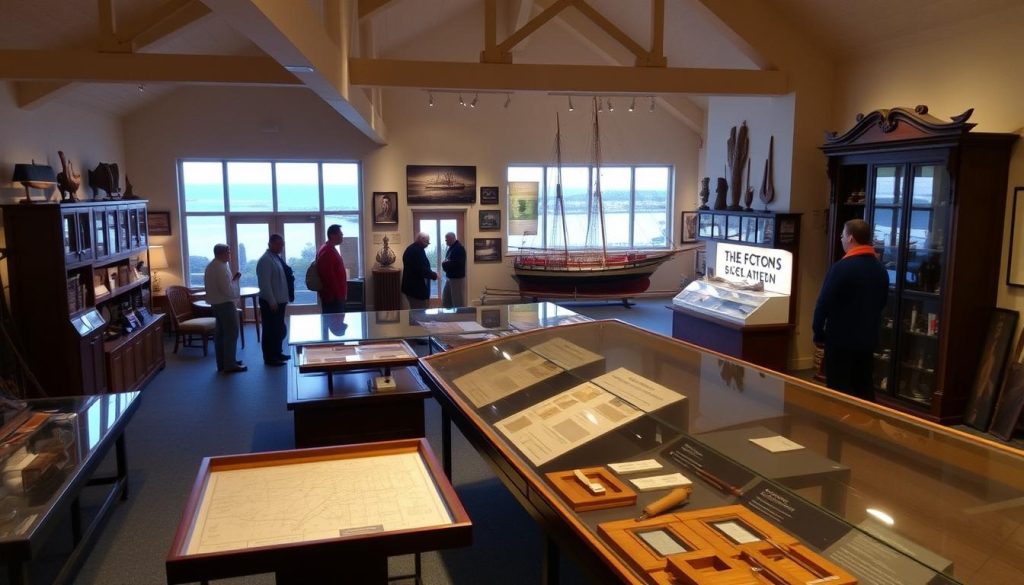
| Details | Information |
|---|---|
| Duration | Half Day |
| Minimum Age | Not specified |
| Maximum People | 4 |
| Dhow Ship Factory Entrance Fee | OMR 3.5 per person |
Wider Attractions Around Sur
Exploring Sur beyond the Maritime Museum reveals many attractions. These show the area’s natural beauty and cultural richness. You can enjoy a variety of coastal experiences and activities.
The White Beach at Fins is a must-see. It’s known for its clean sands and easy access. It’s a great place to camp and connect with nature. Along the coast, you’ll find pebble beaches that are perfect for relaxing.
The Ras al-Jinz Turtle Reserve is a hit with wildlife lovers. It’s where endangered green turtles nest. This spot highlights Sur’s marine life and coastal culture.
For thrill-seekers, Wadi Arbaeen offers an exciting 4WD trek and a cool swim. A short trip to Wadi Shab is another adventure. You’ll need to pay a small fee to cross its river.
The Bimmah Sinkhole is like a Mexican cenote. It’s up to 20 meters deep and open for swimming from 8 AM to 8 PM.
At the Dhow Building Yards, you can see traditional boat-making. It shows Sur’s rich maritime history. Don’t miss the ancient ruins of Qalhat, Oman’s first capital.
Trying traditional Omani food is a must. You can enjoy dishes like shuwa and majboos at local restaurants. Each dish offers a taste of Sur’s coastal lifestyle and maritime importance.
Sustainable and Cultural Tourism Trends
The Sur Maritime Museum in Oman is leading the way in sustainable tourism. More people now want to learn and help protect the environment while exploring new cultures. This approach makes tourism both educational and respectful of nature.
More visitors are coming to the Sur Maritime Museum. They enjoy seeing maritime artifacts like ship models and tools. These exhibits teach them about Oman’s rich sea history.
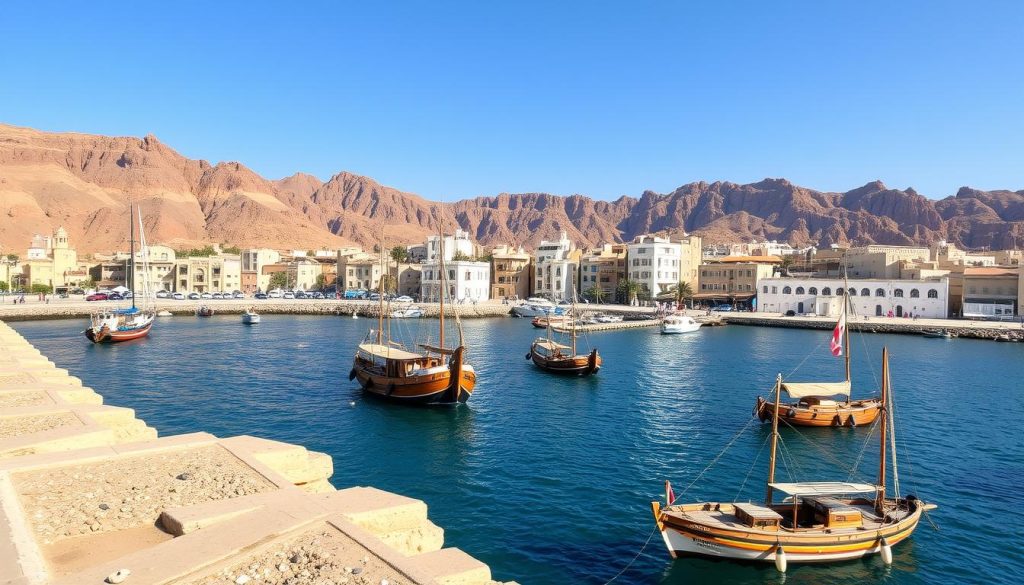
Sur’s history at sea adds to Oman’s appeal. Tourists love seeing the old shipyards and learning about the sea traditions. The museum is near the Al-Ayjah lighthouse, making it a key spot for exploring Sur’s sea heritage.
Oman offers many sustainable tourism activities. Visitors can explore beaches, see turtles, and watch dhows being made. These experiences give a full view of Sur’s history and culture.
The Sur Maritime Museum is key to preserving Oman’s culture. It attracts people interested in the country’s sea history. This helps make tourism in Oman more sustainable and culturally rich.
Conclusion
The Sur maritime museum is more than just a collection of artifacts. It’s a lively showcase of Oman’s rich maritime history. As you wander through the exhibits, you’ll discover Sur’s key role in maritime trade and craftsmanship.
This museum is a key place for learning about Omani seafaring traditions. It helps visitors understand the lasting impact of these traditions.
Visiting the Sur maritime museum is a special chance to connect with the past. It also helps protect an important part of Omani culture. The museum’s atmosphere and wide range of exhibits make your visit unforgettable.
Try to visit during the cooler months, from October to April, for the best weather. This will make your experience even more enjoyable.
There’s more to see around the museum, like the traditional dhow factory and the Ras Al Jinz Turtle Reserve. These places deepen your understanding of Sur’s maritime identity.
As tourism in Sur grows, there’s a focus on keeping things sustainable. Events like the Sur Maritime Festival help keep the spirit of this unique place alive. It’s a must-see for anyone interested in maritime heritage.