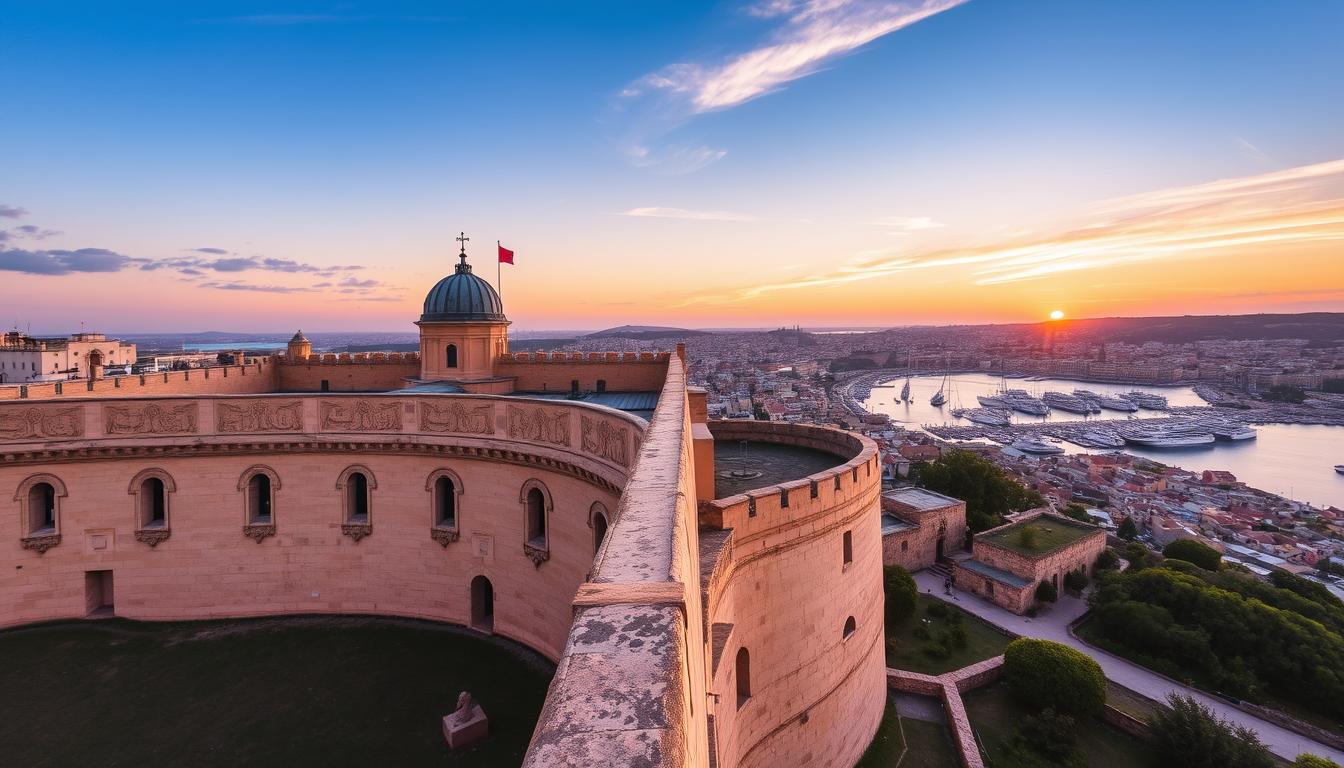
Discover Valletta’s Rich Military History Up Close
Have you ever wondered how a city as small as 0.55 km² became a UNESCO World Heritage site? Valletta, Malta’s capital, is famous for its stunning architecture and culture. But it’s also known for its deep military history, spanning over 450 years.
Founded by the Knights of St. John in 1566, after they defeated the Ottomans, Valletta is a city of sieges and battles. It’s a place where history comes alive, with 320 monuments in a small area. Here, you can explore the military sites that shaped the Mediterranean.
Valletta’s fortifications, World War II remnants, and architectural wonders all tell its military story. It’s a city that offers a unique glimpse into its war history. Exploring Valletta is an enriching experience that you won’t forget.
Understanding Valletta’s Significance in Military History
Valletta is a key player in European military history. It’s located on the Mediterranean Sea. This small city, the smallest national capital in the EU, is only a quarter of a square mile. Yet, it holds great significance.
It was built by Grandmaster Jean Parisot de Valette. The city’s design was a response to the Great Siege of Malta in 1565. As a UNESCO World Heritage Site, Valletta shows off architectural skill and a strong military legacy.
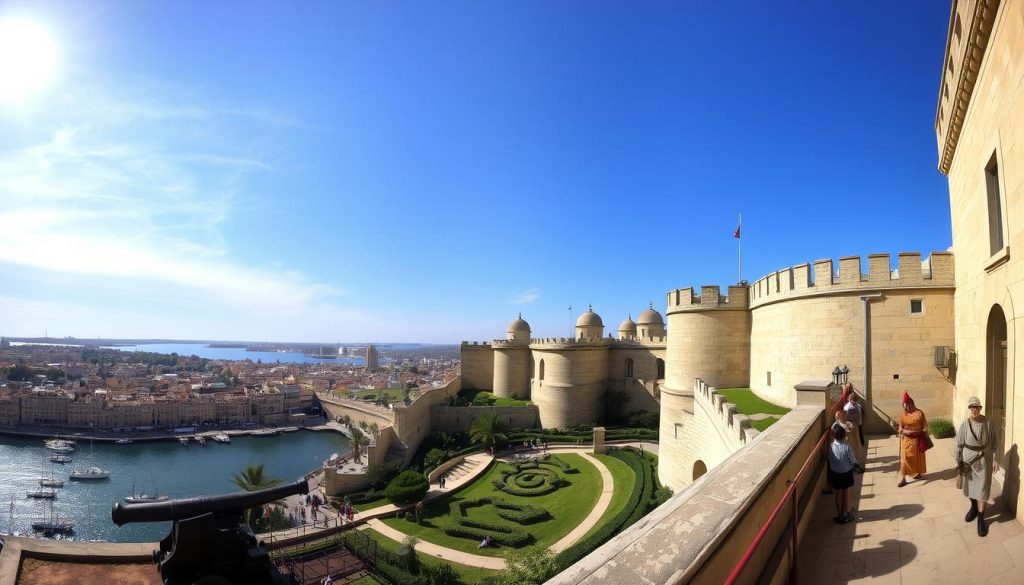
The fortifications of Valletta, including its bastions and walls, show its military heritage. You can visit various historical sites in Valletta. They tell stories of conflict and defense, reminding us of the battles fought here.
From the start, Valletta’s military history has been marked by important events. These include the peaceful surrender to Napoleonic forces in 1798 and becoming a British protectorate in 1800.
Walking through Valletta, you see more than just beautiful buildings. It’s a testament to military resilience. With 28 churches, there’s a church for every two hundred people. Streets are lined with religious statues, with a quarter of street corners featuring them.
Public spaces like the Upper Barrakka and Lower Barrakka Gardens offer a calm spot. They invite you to think about Valletta’s past.
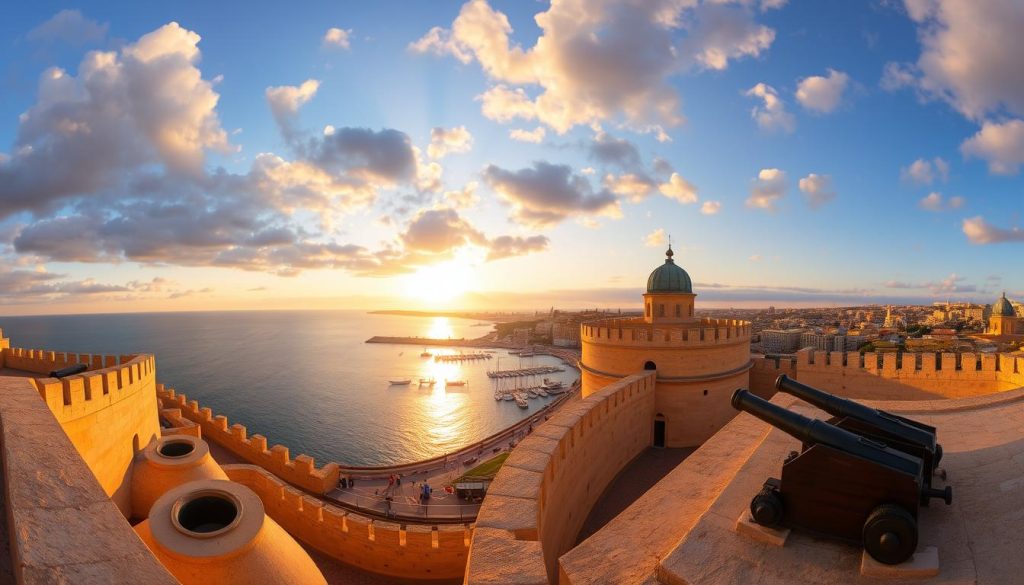
Valletta’s military legacy is rich and ongoing. Restoration projects, like at Fort St. Elmo, help preserve these sites. This ensures future generations can see the history that makes this city great.
As you explore, you’ll find a world where history and military strategy are part of Valletta’s fabric.
Exploring Valletta’s Original Fortifications
Valletta is known for its historical sites and strong defenses. The city was built by the Knights of St. John in 1566. It was designed to protect its people from invaders.
The city walls are a symbol of the Knights’ military strength. They also tell the story of the city’s history and battles.
The Importance of City Walls
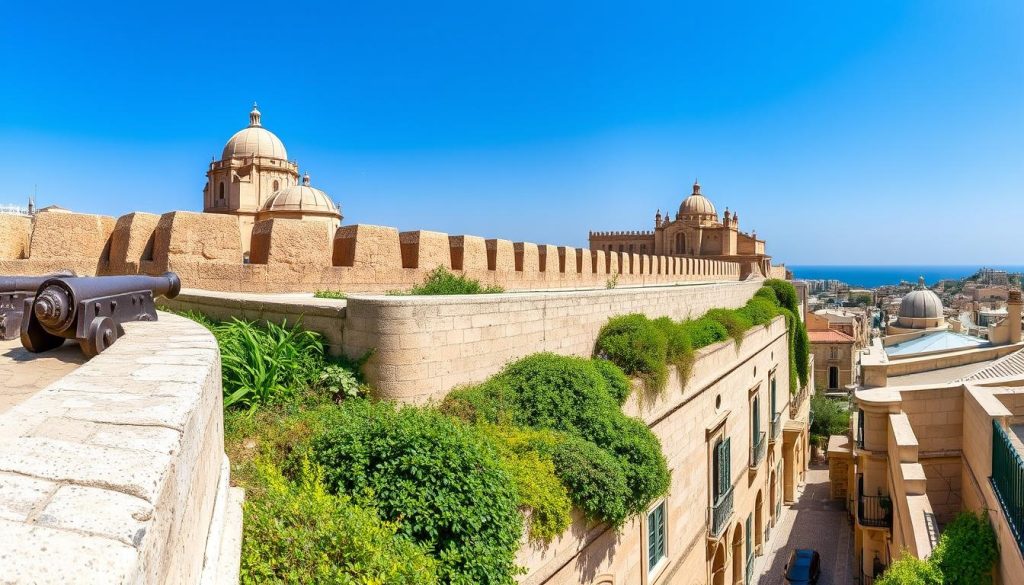
The city walls of Valletta are key to understanding its military past. They surrounded the city to keep out attackers. The walls show the city’s strategic role in history, protecting its people.
Walking the walls gives you a glimpse into Valletta’s past. You learn about its struggles and victories. This makes Valletta a UNESCO World Heritage city.
Key Forts: Fort St. Angelo and Fort Ricasoli
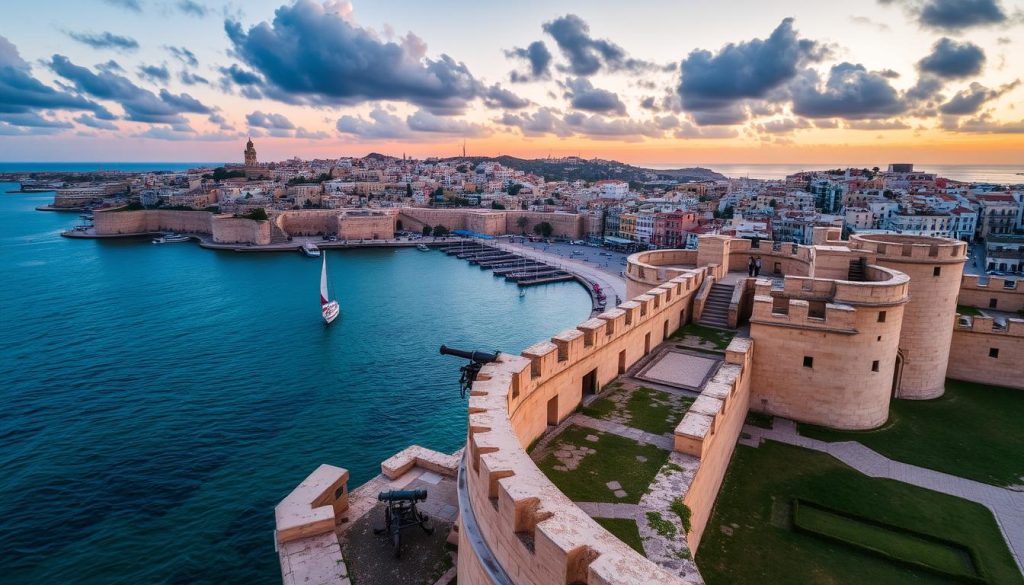
Fort St. Angelo and Fort Ricasoli are important military landmarks in Valletta. Fort St. Angelo was the Knights’ headquarters and a key stronghold. Fort Ricasoli guards the harbour entrance, showing its naval defense role.
Visiting these forts is a highlight of any tour of Valletta’s fortresses. They show how military architecture has evolved. They also highlight the Maltese people’s enduring spirit.
How can visitors appreciate Valletta’s military history?
Visitors can enjoy Valletta’s military history through fun activities. A memorable fortress tour is a great way to explore the city’s past. Key attractions offer deep insights into this capital’s history.
Guided Tours of Fort St. Elmo
Fort St. Elmo is a must-see, built in the 16th century. It played a key role in the Great Siege and World War II. Guided tours let you see the fort and learn about its history.
Guides share stories and details about the fort’s architecture. They explain how defenders faced challenges over the years.
Engaging with the National War Museum
A visit to the National War Museum is also enriching. It showcases Malta’s military history, from the Knights of St. John to today. Interactive displays help you understand how events shaped Malta’s identity.
This deep dive into Valletta’s military history enhances your appreciation for its complex past.
Highlighting the Great Siege of 1565
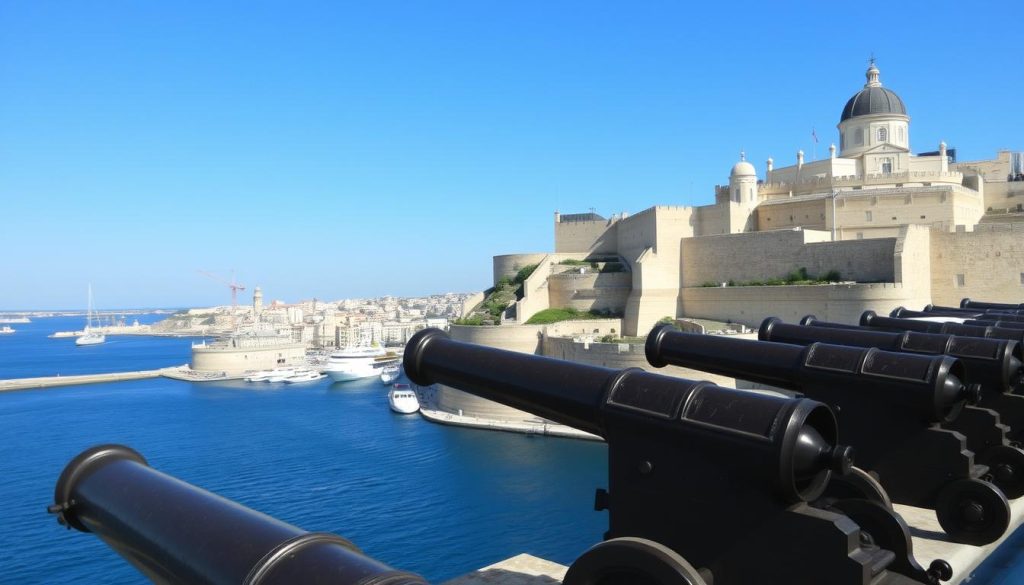
The Great Siege of 1565 was a key event in Valletta’s military history. It showed the Knights of St. John’s bravery as they fought off the Ottoman Empire. The siege was crucial because it highlighted Valletta’s Grand Harbour’s strategic value.
It was more than just a fight; it was a turning point in Valletta’s war history. Knowing about the siege helps us understand the challenges and victories of that time.
Historical Context of the Siege
In the summer of 1565, the Knights of St. John were under attack by the Ottoman Empire. The Ottomans wanted to take over the Mediterranean, while the knights aimed to keep their stronghold in Valletta safe. The siege lasted for months, testing the defenders and civilians.
In the end, the Knights’ victory made Valletta a symbol of bravery and resistance.
Memorials and Commemoration Sites
Valletta honors its defenders with memorials that celebrate the siege’s spirit. The Siege Bell War Memorial is a standout, offering stunning views of the Grand Harbour. It’s a tribute to those who fought and a reminder of the sacrifices made for freedom.
Visiting these sites helps us appreciate Valletta’s military history and the lasting impact of these events.
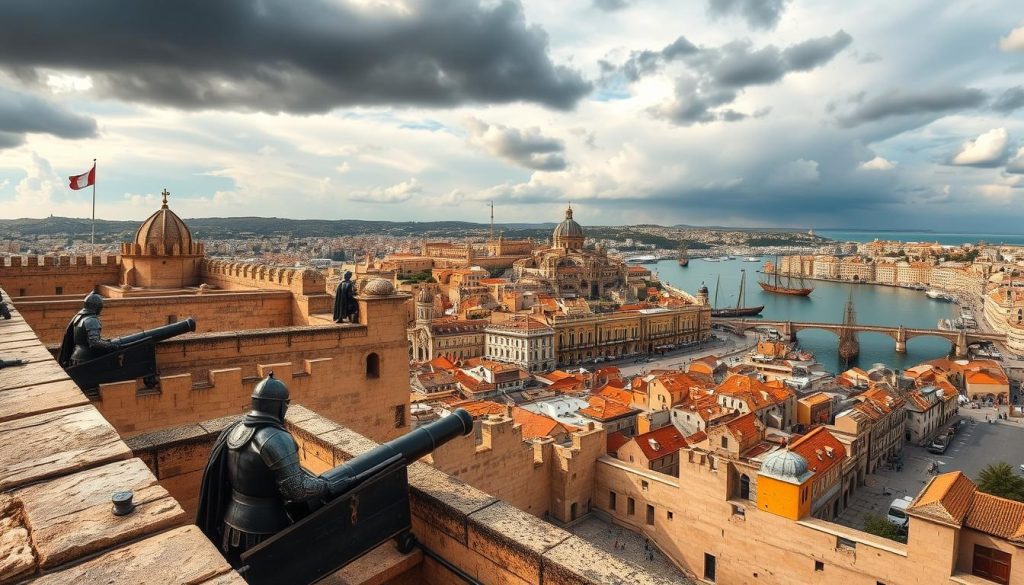
The Knights of St. John: Guardians of Valletta
The Knights of St. John were key in shaping Valletta’s military history. They started in the 11th century and built the city with both military strength and architectural beauty. The Grandmaster’s Palace is a prime example of their work, showing their military might and artistic skill.
Legacy and Influence on Military Architecture
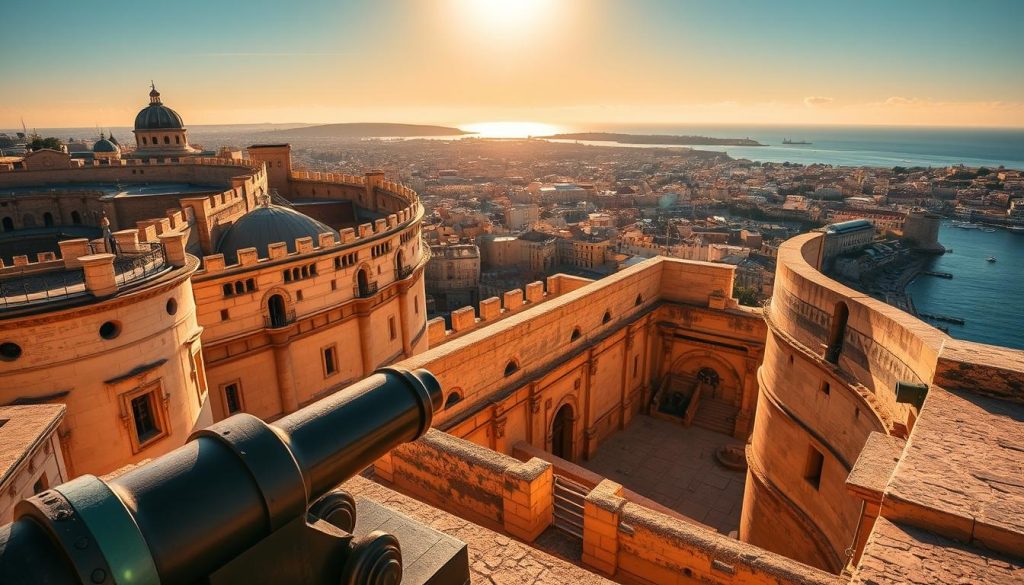
Valletta’s buildings were greatly influenced by the Knights of St. John. The Grandmaster’s Palace was their government seat, blending beauty with military use. It shows the Knights’ strategic role in protecting the island.
This palace is more than a home; it’s a symbol of the Knights’ bravery. Its detailed design and historical significance highlight Valletta’s military past.
Visit the Grandmaster’s Palace and its Armoury
Visiting the Grandmaster’s Palace is like stepping back in time. The Armoury next door has an amazing collection of weapons and armor. It shows the Knights’ military skills and their battles.
Walking through these halls, you get a sense of Malta’s military history. It’s a chance to see the innovations that shaped the island’s past.
| Structure | Function | Architectural Style | Key Features |
|---|---|---|---|
| Grandmaster’s Palace | Seat of Governance | Baroque | Exceptional sword collection, ornate ceilings |
| Armoury | Exhibition of Weaponry | Military Architecture | Diverse artifacts, historical significance |
| St. John’s Co-Cathedral | Religious and Cultural | Baroque | Caravaggio’s masterpiece, knightly tombs |
Valletta’s Role in World War II
During World War II, Valletta became a key spot in the Mediterranean. Its location made it a target for both sides. The city was hit hard, but its underground war rooms played a big role.
The Lascaris War Rooms were key for planning and coordinating. Today, they are a museum. They give a look into Valletta’s war history.
Underground War Rooms and Their Significance
The Lascaris War Rooms were the British command center during the war. Built in the early 1900s, they were crucial for military operations. Visitors can see the original rooms and learn about Valletta’s role in the war.
Exhibits show artifacts and documents. They tell the story of Malta’s fight under siege. They show the strategic decisions made there.
Key Events and Battles in Valletta
Valletta was hit hard during the war. Malta faced over 3,000 air attacks, causing many civilian deaths. In 1942, the city was in a bad state, needing urgent help from the British.
The Siege of Malta was a turning point. In 1943, the Italian fleet surrendered to the Allies in Valletta. This event is a key part of Valletta’s war history.
Valletta’s role in World War II shows its strength and resilience. These events are part of Malta’s military heritage. They show the people’s spirit in the face of adversity.
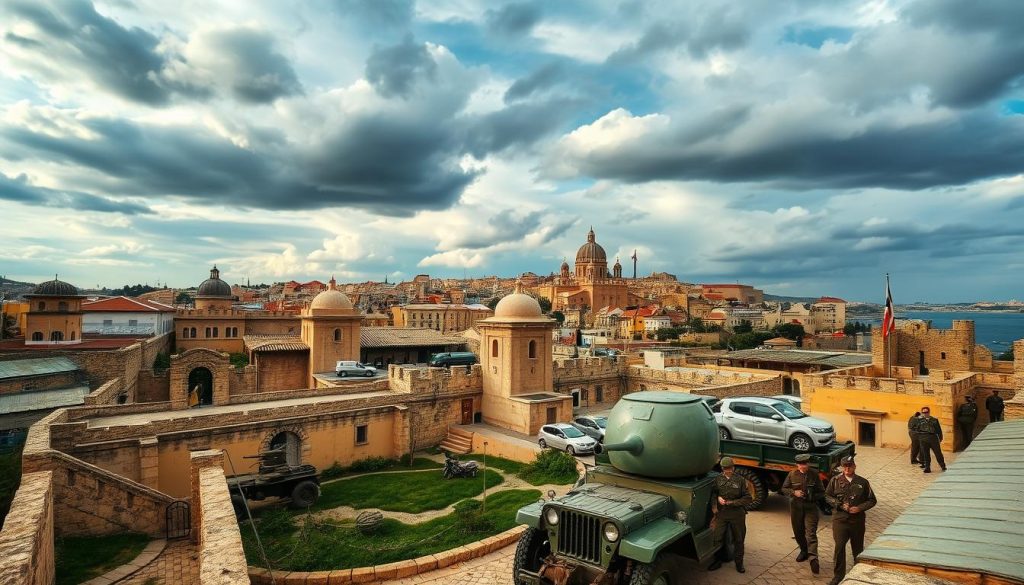
Exploring Valletta’s Military Heritage Sites
Valletta’s military sites weave a story of war and defense. They show the city’s role as a fortified capital. Founded by the Knights of St John in 1530, Valletta became a key military center for over 200 years.
The Fortifications Interpretation Centre is a key landmark. It gives visitors a peek into the city’s walls and defenses. The National Museum of Archaeology also adds to the story, with artifacts from Malta’s ancient times.
Valletta is home to over 320 monuments, each telling a piece of its military history. Its UNESCO World Heritage status shows its importance in history and culture. Exploring these sites is a must for anyone interested in Valletta’s rich past.
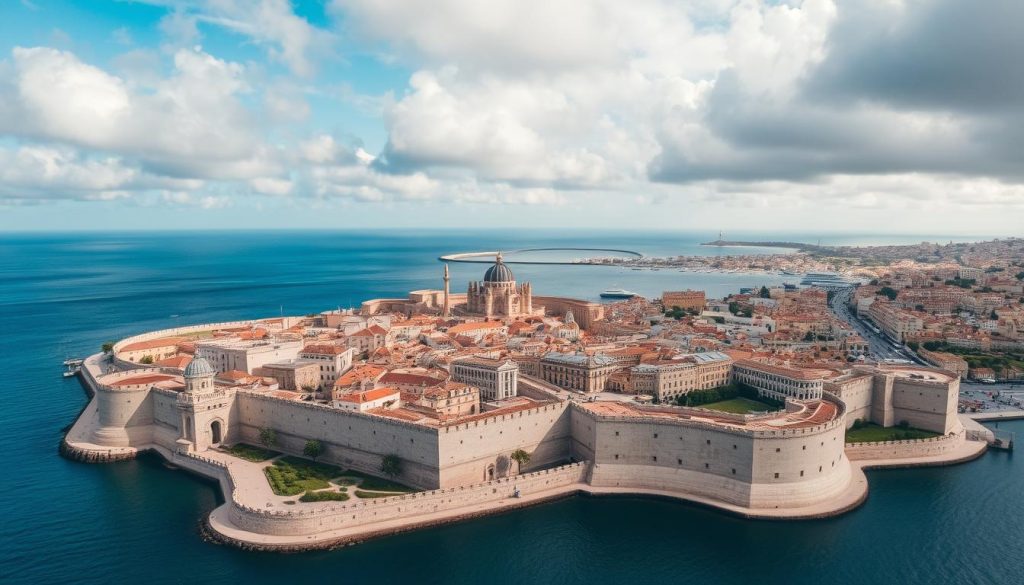
The Architectural Marvels Reflecting Military Power
Valletta’s cityscape is a stunning mix of art and military strategy. Baroque architecture plays a key role in showing its rich history. The city’s design reflects its military needs, telling a story of strength and resilience.
This blend of function and beauty is what makes Valletta’s military architecture unique. These structures were built for both defense and to showcase beauty.
Baroque Architecture and Defensive Structures
The beauty of Baroque design is seen in many of Valletta’s sites. These buildings have detailed facades and large fortifications. They tell stories of bravery and creativity.
- St. John’s Co-Cathedral: Known for its lavish interior and famous Caravaggio paintings, this cathedral showcases the artistic fervor of the Knights of St. John.
- Grandmaster’s Palace: Housing the office of the President of Malta, this palace is adorned with impressive tapestries and armory, reflecting both governance and military heritage.
- Fort St. Elmo: This strategic fortress not only guards the harbor’s entrance but is a testament to Malta’s military prowess through the ages.
- Upper Barrakka Gardens: Offering breathtaking views of the Grand Harbour, this area connects the landscape’s beauty with its historical military significance.
Many visitors go on a Valletta fortress tour to see how defense and art come together. These architectural wonders show Malta’s strategic importance. They highlight the creativity of its builders who combined beauty with protection.
Valletta is a key part of history, where every corner shows its military architecture’s legacy.
A Day Itinerary to Experience Valletta’s Military History
Spending a day in Valletta focused on its military history is a unique adventure. This plan lets you dive into the city’s rich past. Start early to make the most of your day exploring Valletta’s military heritage.
Must-See Landmarks and Attractions
Begin at St. John’s Co-Cathedral. It’s a treasure trove of art and architecture from the 16th and 17th centuries. The grand interior tells the story of the Knights of St. John, who protected Valletta for over 250 years.
Next, head to the Upper Barrakka Gardens. Here, you can enjoy stunning views of the Grand Harbour. It’s a perfect spot to relax and take in the scenery.
Then, explore Fort St. Elmo on a Valletta fortress tour. This fort is a key part of the Great Siege of 1565. It shows how 6,000 knights bravely fought off nearly 40,000 attackers. The National War Museum inside offers a guided tour that brings Valletta’s military history to life.
For lunch, try some Maltese cuisine nearby. It’s a great way to end your morning of history with delicious food. After lunch, take a romantic ferry ride from Sliema to Valletta. The views of the coast are breathtaking, making it a memorable end to your day.
Tips for Navigating Valletta
When visiting Valletta, planning is key. Check when places open and book tours, especially at the National War Museum. This helps you understand Valletta’s military history better and ensures you see all the important sights.
Wear comfortable walking shoes to explore Valletta’s narrow streets. The steep paths can be challenging, but the right shoes make it easier. Don’t forget your camera to capture the stunning views and historical landmarks.
| Attraction | Highlights | Cost |
|---|---|---|
| St. John’s Co-Cathedral | Stunning interiors, Caravaggio’s masterpieces | Admission fee |
| Upper Barrakka Gardens | Views of the Grand Harbour | Free |
| Fort St. Elmo | Military history, views, National War Museum | Bundle ticket available |
| Ferry Ride | Scenic trip from Sliema | €5 return |
Cultural Events and Commemorations of Valletta’s Military Past
Valletta is key in keeping its military history alive through cultural events. Every year, the city brings to life important battles from its war history. These events let visitors see the key moments that made Valletta what it is today.
The Feast of St. John is a big part of Valletta’s culture. It’s filled with traditional music, dance, and food, all celebrating the Knights of St. John. The streets of Valletta become a lively place for everyone to enjoy.
These events show off Valletta’s military history and bring the community together. They remind us of the importance of remembering our past. By joining in, you can learn more about Valletta’s rich history and culture.
Conclusion
Valletta’s military history is a big part of its lively streets and sites. It draws people from all over the world. As you explore this amazing city, you’ll find stories of bravery and strength.
From the fortifications built by the Knights of St. John to the Great Siege of 1565, Valletta’s history is rich. Each corner of the city tells a story of courage and honor.
Visiting places like the Grandmaster’s Palace, Fort St. Elmo, and the National War Museum is key. The stunning St. John’s Co-Cathedral shows the city’s grand past. Events and ceremonies throughout the year also celebrate Valletta’s history, inviting visitors to join in.
In short, Valletta is more than a place to visit; it’s an experience where history comes alive. By exploring its sites and culture, you’ll gain a deep respect for its spirit and heritage. Dive into its history and see the power of Valletta’s legacy for yourself.