Explore Cultural Experiences in Valletta Unveiled
Have you ever wondered about the secrets in Valletta, Malta’s vibrant capital? Its rich history and diverse cultural experiences invite travelers to explore. With over 300 monuments, Valletta is one of the most historic places globally.
Since 1980, it’s been a UNESCO World Heritage city. In 2018, it was named the European Capital of Culture. This recognition highlights its importance.
Valletta’s story began in the 16th century. The Knights of Malta built it after the Great Siege. Discover the cultural experiences waiting for you, from local traditions to art exhibitions. What cultural experiences are available in Valletta? Let’s explore the treasures of this Mediterranean city together.
Introduction to Valletta’s Cultural Richness
Valletta is a city with over 7,000 years of history. It has a unique culture shaped by many civilizations. From ancient temple builders to the Phoenicians, each group has added to its richness.
The city’s streets are lined with Baroque architecture. This creates beautiful views against the Mediterranean Sea. Places like St. John’s Co-Cathedral and the Grandmaster’s Palace show the city’s artistic side.
Valletta is full of life, thanks to its traditions and festivals. These events bring people together, offering a deep dive into Valletta art and culture. This mix of lifestyles makes Valletta a vibrant place.
Exploring Valletta’s streets and landmarks is a rewarding experience. It’s a journey through its vast heritage.
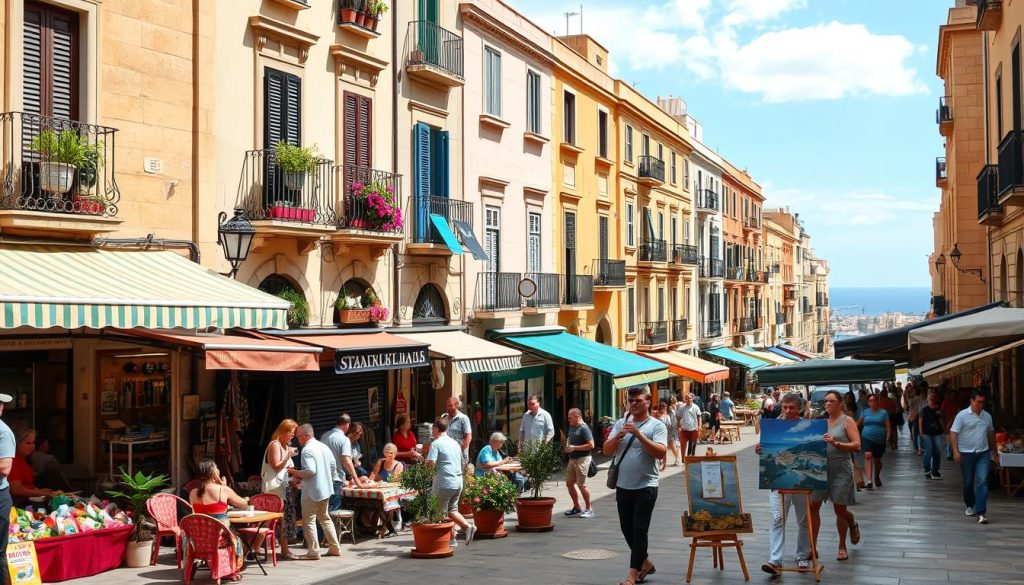
Why Valletta is a Must-Visit Destination
Valletta is a city that tells the story of Malta’s rich history. Founded in 1566 by the Knights of St. John, it’s a living museum. You can see how different cultures have shaped it.
The streets of Valletta are filled with history. From ancient Phoenicians to the Romans, and from Moorish invasions to the Knights’ rule. Walking its 1km by 600m area, you’ll find many historical sites. These sites help you understand Maltese culture.
Historical Significance of Valletta
Valletta is known for its historical importance. It’s at the heart of Mediterranean civilizations. During the Siege of Malta, it played a key role in defending against invaders.
Places like Fort St. Elmo and the Upper Barrakka Gardens show its past. These landmarks attract those who love history. Being a UNESCO World Heritage Site since 1980 shows its value in preserving culture and architecture.
UNESCO World Heritage Status
Valletta’s UNESCO World Heritage Site status highlights its architectural and cultural value. It’s known for its mix of late Renaissance and Baroque styles. This is seen in its beautiful buildings and urban design.
In 2018, Valletta was named Malta’s European Capital of Culture. This boosted its reputation and tourism. Exploring Valletta, you’ll see its dedication to preserving its cultural treasures. This ensures future generations can experience its rich history.
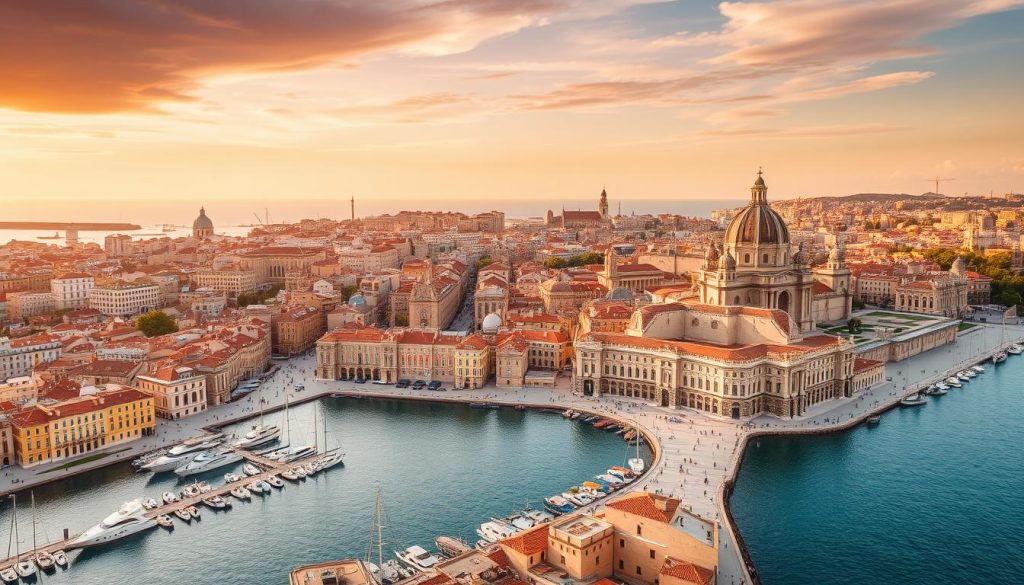
What Cultural Experiences are Available in Valletta?
Valletta is full of cultural experiences that let you feel the local vibe. You can join in local traditions or try the delicious food. Every moment is a chance to explore the heart of Maltese culture.
Engagement with Local Traditions
Joining in local festivals gives you a colorful view of Maltese heritage. Festas happen all year, filled with parades, music, and fireworks. They show the city’s deep cultural roots.
Places like the Manoel Theatre and Upper Barracca Gardens host cultural events. These events connect you to Valletta’s history. Enjoying a show or walking in the gardens shows you the local traditions.
Discovery of Culinary Delights
Exploring Valletta’s food scene is a tasty journey. You’ll smell the aroma of traditional Maltese dishes like ‘Pastizzi’ and ‘Fenkata’. The city offers everything from street food to fancy restaurants, mixing local flavors with Mediterranean tastes.
The Sunday open-air market is a treasure trove of local goods. You’ll find crafts and antiques, making your food adventure even more special. It’s a great way to enjoy Malta’s delicious food and learn about its culture.
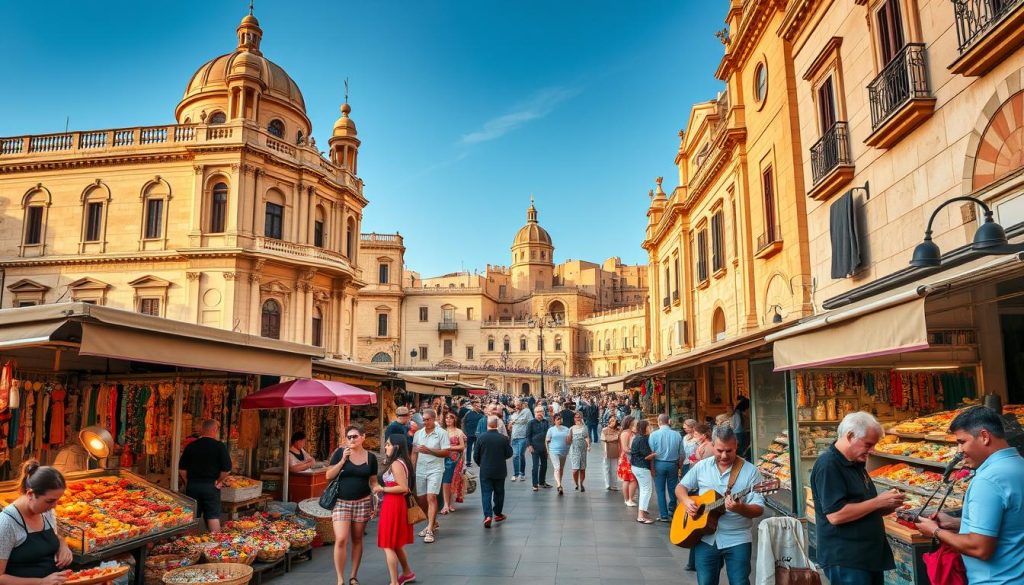
Exploring Valletta’s Historic Landmarks
Valletta is a city full of history. It shows off the architectural and cultural greatness of the past. Walking through this small capital, you’ll see the Valletta historic landmarks that tell stories of courage and creativity. The Grandmaster’s Palace and St. John’s Co-Cathedral are key parts of the city’s rich history.
The Grandmaster’s Palace
The Grandmaster’s Palace is a prime example of Valletta’s baroque style. It was once home to the Knights of St. John. Now, it’s where the President of Malta and Parliament live. People visit to see the old armory and historical items, making it a must-see cultural landmark.
St. John’s Co-Cathedral
St. John’s Co-Cathedral is known for its beautiful baroque interior. It draws in art fans and history buffs. Inside, you’ll find Caravaggio’s works and see the skill of the time. The grand chapels and detailed art show Valletta’s religious and artistic importance, making a visit essential.
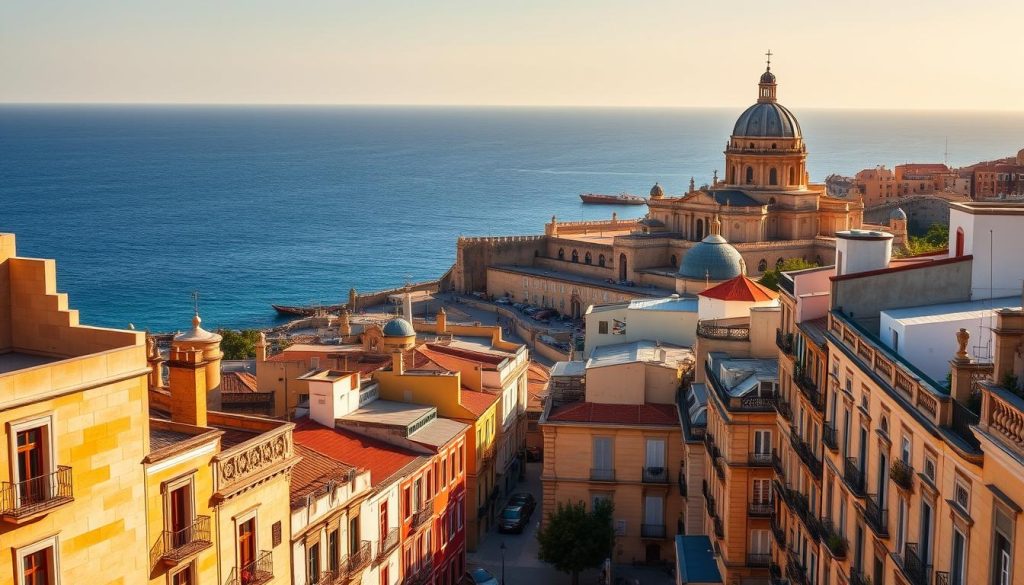
| Landmark | Features | Entrance Fee | Opening Hours |
|---|---|---|---|
| Grandmaster’s Palace | Baroque architecture, Armory collection | Varies | Monday – Saturday, 10 a.m – 5 p.m. |
| St. John’s Co-Cathedral | Baroque interior, Caravaggio masterpieces | 15 Euros | Monday – Saturday, 9 a.m – 4:45 p.m. |
Immersive Cultural Activities to Experience
Valletta is a vibrant hub for cultural activities, especially through its lively community festivals. These events showcase the local customs and traditions that make the city unique. You can join in on various celebrations, enjoying the joy and rich heritage they offer.
Community Festivals and Celebrations
The Maltese Carnival is a highlight of Valletta’s cultural scene. It lasts four days and has a history dating back to the 16th century. It has grown from a knightly event to a global celebration, attracting thousands.
It features stunning costumes, captivating masks, and lively street performances. Local musicians and dancers fill the air with traditional music, showing off Maltese culture.
Activities like Ġostra and Kukkanja games offer fun for all. Masked balls let you dive deeper into Valletta’s traditions. There are also special events for kids, making it a family-friendly event. Parades with traditional masks and costumes add to the excitement.
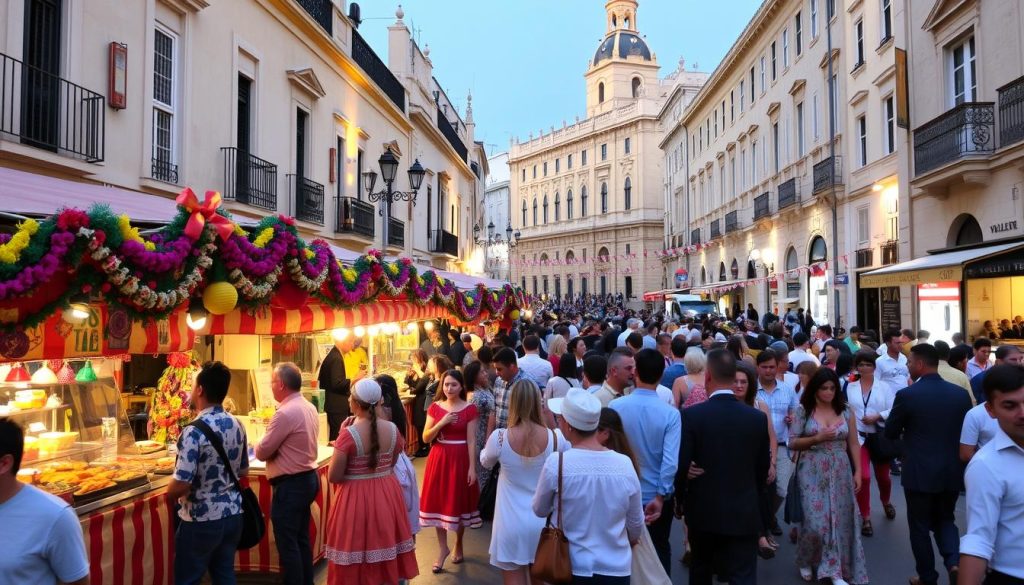
The Valletta carnival is more than just entertainment. It’s a celebration of Maltese heritage that brings locals together. It’s a chance to see cultural practices that define Valletta. Taking part in these festivals is a memorable way to connect with Malta’s social life.
Valletta’s Vibrant Art Scene
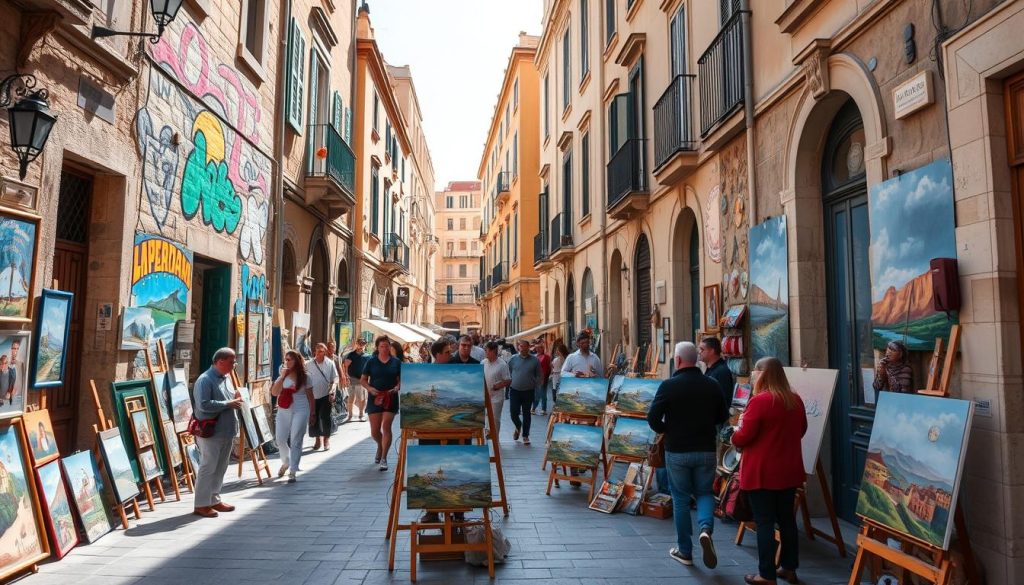
Valletta’s art scene is full of creativity and new ideas. You can see works by local and international artists in contemporary galleries. This city, with its rich history, is a perfect place for art lovers.
The streets of Valletta are filled with amazing street art. Each mural has its own story, making the city lively. Artists from all over the world show their talents here, blending history with modern art.
The Valletta Cultural Agency plays a big role in the art scene. It hosts events like the Valletta Film Festival and the Malta International Arts Festival. These events celebrate local talent and connect you with artists worldwide.
Art in Valletta goes beyond galleries and festivals. You can find unique crafts like Maltese lace and blown glass in artisan shops. These shops show the city’s history and artistic heritage, perfect for those who want to take a piece of Valletta home.
For a deeper experience, visit the Manoel Theatre. It’s one of the oldest theaters in Europe and hosts various performances. It’s a key part of Valletta’s cultural scene.
Valletta’s Museums: Windows to the Past
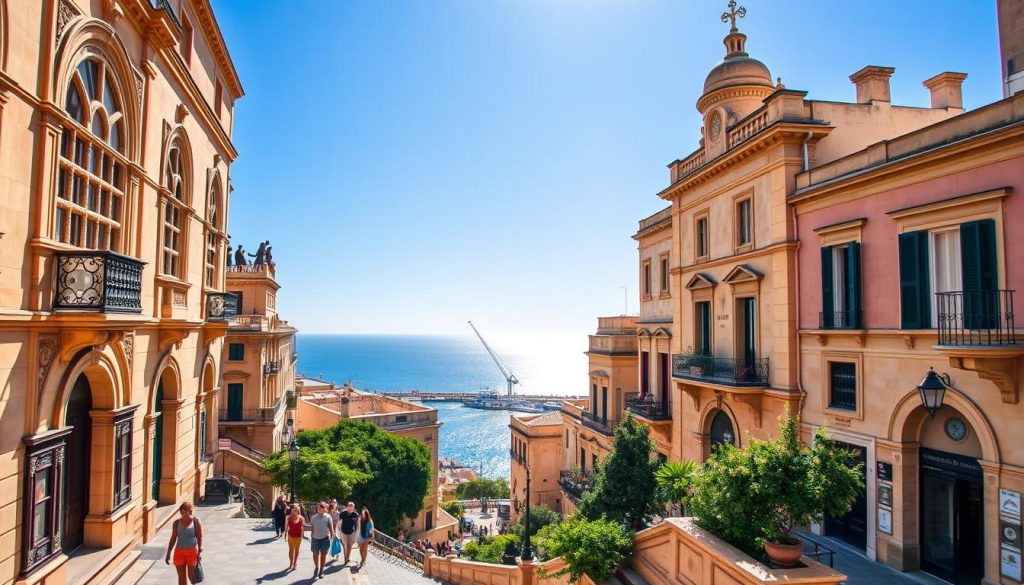
Exploring Valletta’s history and culture means visiting its top museums. These museums give a glimpse into Malta’s rich past. They are key for anyone wanting to grasp the island’s heritage.
National Museum of Archaeology
The National Museum of Archaeology is a treasure trove. It showcases artifacts from Malta’s prehistoric to Roman eras. Visitors can dive into the ancient world that shaped Malta.
This museum is a hit with tourists. It offers a cool break from the Mediterranean heat. Plus, it gives insights into Malta’s history.
The Palace Armoury
The Palace Armoury is next to the Grandmaster’s Palace. It boasts one of Europe’s best collections of arms and armor. Here, you can explore the Knights of St. John’s military history.
It’s a must-see for history buffs and casual visitors alike. The Palace Armoury sheds light on Valletta’s defensive past.
Unique Cultural Tours Available in Valletta
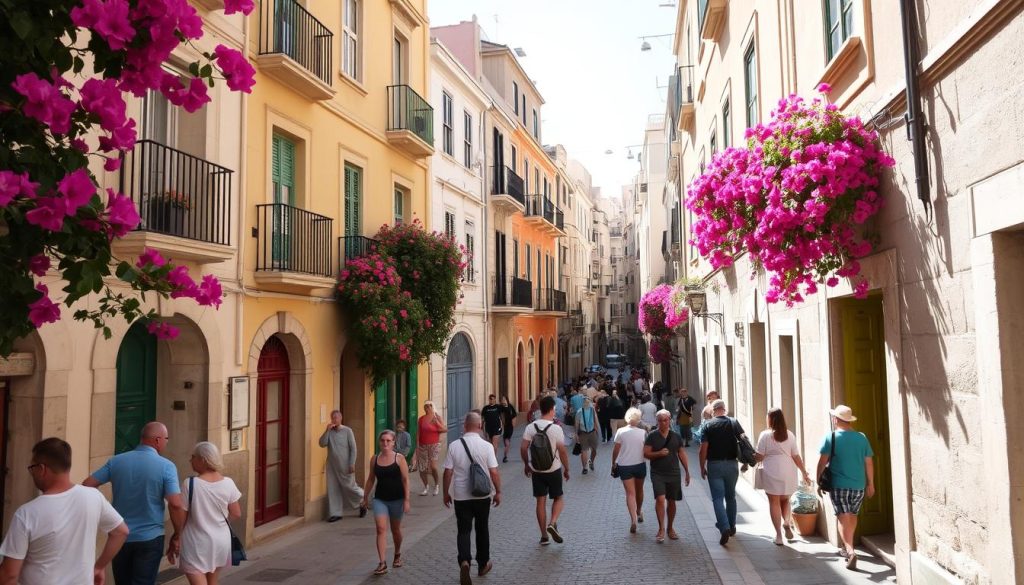
Exploring Valletta opens up a world of unique cultural tours. These tours dive deep into the city’s rich heritage. You can learn about its history or taste local flavors.
Guided walking tours in Valletta are especially great. They let you connect with the city while hearing stories that bring history to life.
Guided Walking Tours of the City
The Valletta Walking Tour is a favorite among visitors. It has many positive reviews. This tour takes you to key spots like St. John’s Co-Cathedral and the Grandmaster’s Palace.
Each tour uncovers hidden treasures. You’ll find charming cafes and artisan shops in secret alleys.
Themed Cultural Experiences
Valletta also offers themed cultural tours. These tours focus on specific parts of Maltese culture. You can choose from culinary tours, art walks, and more.
Some tours even use multimedia to mix art and technology. Prices range from $41.00 to $170.00. Booking early is a good idea to get a spot.
Engaging with Malta’s Gastronomic Heritage
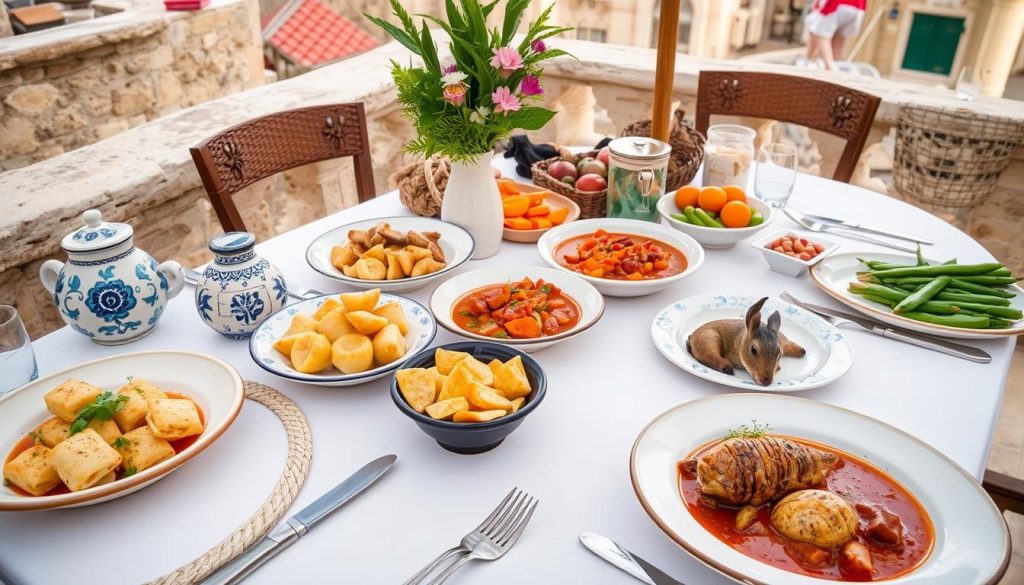
Exploring Malta’s food heritage is a journey into the island’s rich culinary traditions. The mix of cultures has shaped the traditional Maltese cuisine. Each dish shares a piece of Malta’s history and its people’s stories.
Traditional Maltese Cuisine
The traditional Maltese cuisine is vibrant, thanks to its Mediterranean roots. Dishes like Rabbit Stew and Lampuki show the skill passed down through generations. Chefs like Josef Baldacchino work to keep these traditions alive, blending old and new.
Food Markets and Local Delights
Valletta’s food markets are key to experiencing local flavors. They offer fresh produce, artisan goods, and traditional snacks. Trying street food like pastizzi and kannoli lets you taste the local culture.
Visiting these markets is a great way to satisfy your taste buds. It’s also a chance to meet local vendors and learn about their cooking.
Conclusion
As you plan your trip, remember that Valletta is a treasure trove of cultural experiences. Its history, community, and art make it a must-see for culture lovers. Events like the Valletta Baroque Festival in January and the Festival Mediterranea at the end of the year are unforgettable.
This travel guide will help you discover Valletta’s landmarks, neighborhoods, and food. Despite being one of Europe’s smallest capitals, Valletta has a grand skyline and a welcoming vibe. You can dive into Malta’s lively festivals, connecting with the local culture.
Your visit to Valletta will be both exciting and relaxing. The city’s history is alive in every corner, and its culture is vibrant through festivals and gatherings. Whether you explore the streets or taste local dishes, Valletta will leave a lasting mark on you.