Exploring Lumbini: Cradle of World Peace and Harmony
Have you ever thought about a place that combines spiritual enlightenment with a quest for global peace? Welcome to Lumbini, the birthplace of Buddha. Located in Nepal’s Rupandehi District, it’s a UNESCO World Heritage Site. It’s more than a place; it’s a haven where Buddhism’s teachings deeply resonate, drawing those seeking peace.
In Lumbini, you’ll find a deep spirituality that makes it a key spot for peace tourism. This site is not just about its history; it’s a symbol of world peace and harmony. Exploring Lumbini, you’ll see why it inspires people worldwide.
The Sacred Significance of Lumbini
Lumbini is a buddhist pilgrimage site where many visit to connect with Buddhism’s roots. It’s famous for being the Buddha’s birthplace. This makes it a key spot for those who follow his teachings.
Historical Roots in Buddhism
Lumbini’s legacy goes back over 2,000 years, making it a key part of Buddhist history. The Ashokan Pillar, built by Emperor Ashoka in the 3rd century BCE, stands as a symbol of this history. It marks the Buddha’s birth and highlights Lumbini’s importance in the Buddhist world.
Cultural Heritage
The area around Lumbini is filled with cultural heritage, showing centuries of Buddhist traditions. It has also inspired artists, storytellers, and scholars over time. Walking here, you feel the ancient rituals and teachings, inviting you to experience its spiritual depth.
| Aspect | Description |
|---|---|
| Historical Significance | Birthplace of the Buddha; Ashokan Pillar marking significant Buddhist heritage. |
| Cultural Heritage | Rich traditions, practices, and artistic expressions rooted in Buddhism. |
| Visitor Experience | A blend of spirituality, history, and cultural immersion awaits pilgrims. |
Lumbini as the Birthplace of Buddha
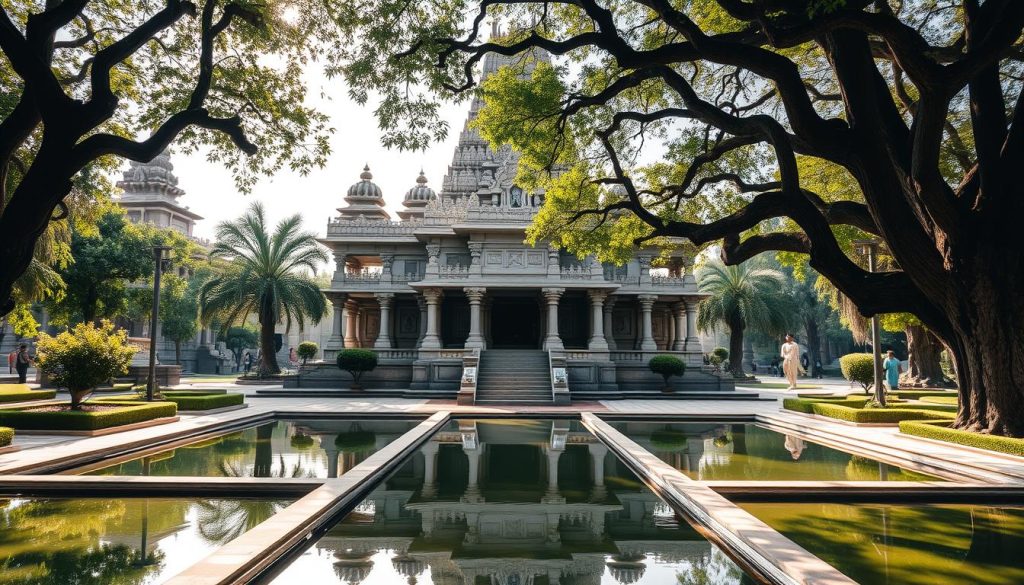
Lumbini is a sacred place for those who want to connect with Buddhism’s roots. It is known as the birthplace of Buddha. The Maya Devi Temple is at the heart of this site. It draws many pilgrims every year.
This temple is not just a historical site. It is also a spiritual place.
Maya Devi Temple: A Sacred Landmark
The Maya Devi Temple is very important in Buddhism. It was built near where Siddhartha Gautama was born. Visitors are moved by its history and holy atmosphere.
Walking through its old halls, you feel the spiritual energy. Daily rituals and prayers show the temple’s role as a symbol of faith.
Marker Stone and Its Importance
Inside the Maya Devi Temple is the Marker Stone. It marks the exact spot of the Buddha’s birth. This stone proves Lumbini’s historical value and makes it a key pilgrimage site.
Pilgrims visit to pray, think about the Buddha’s teachings, and honor this birthplace. It’s a key part of Buddhist philosophy.
Lumbini Garden: A Peaceful Retreat
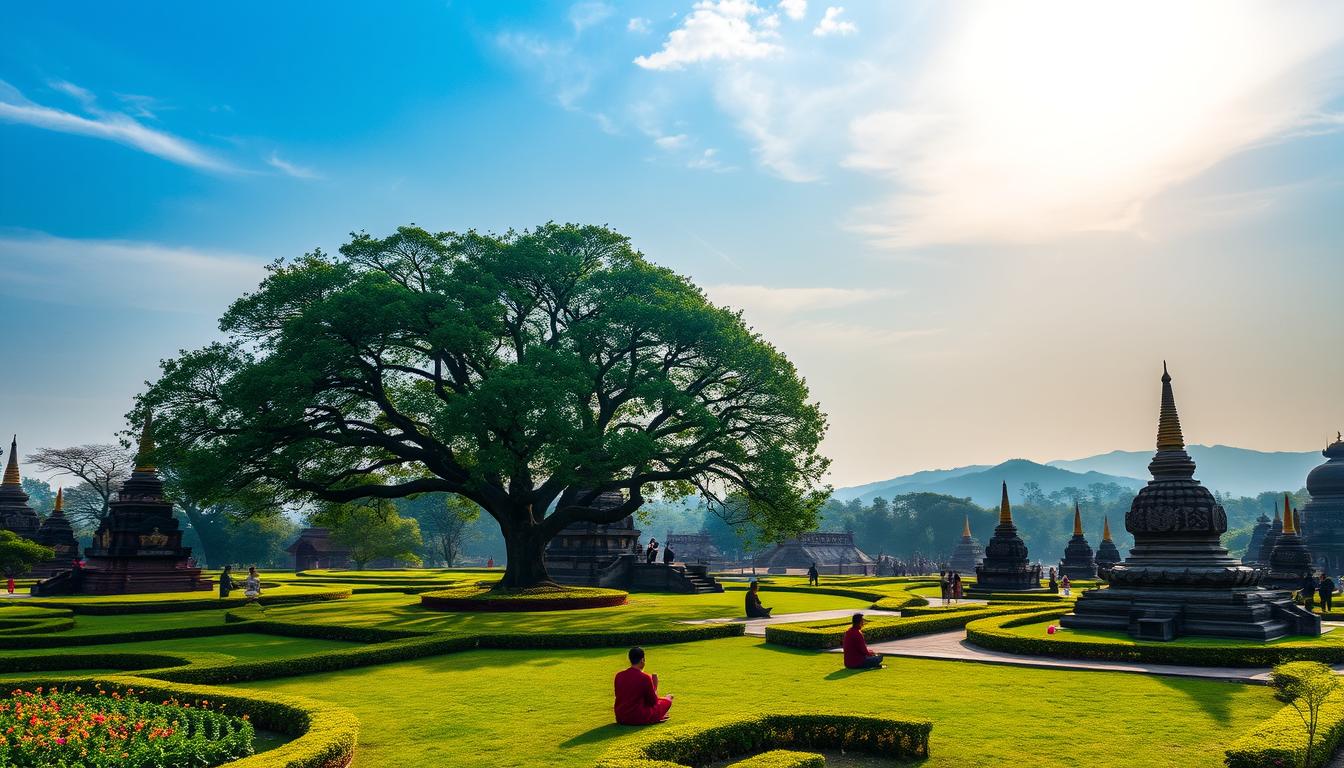
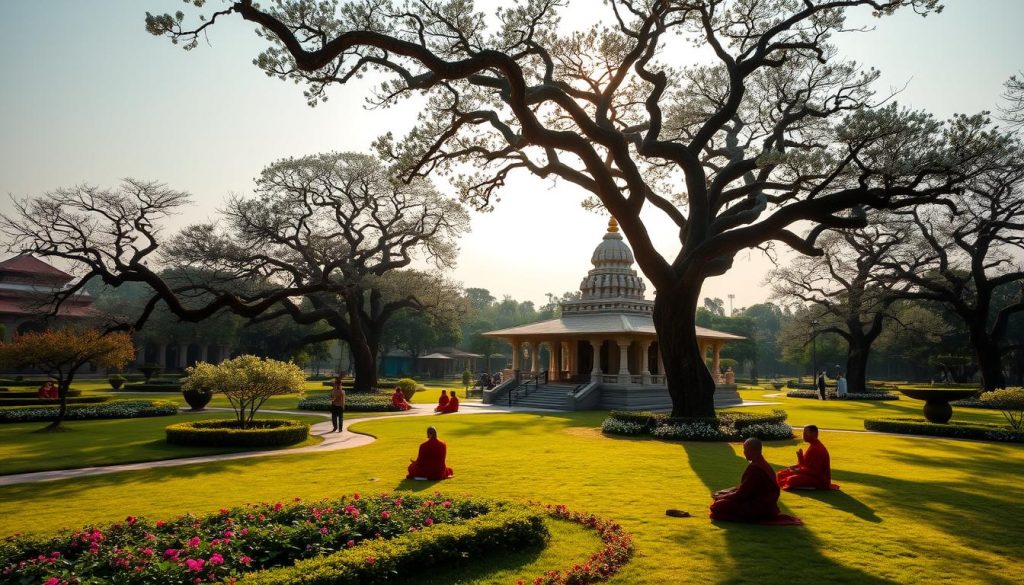
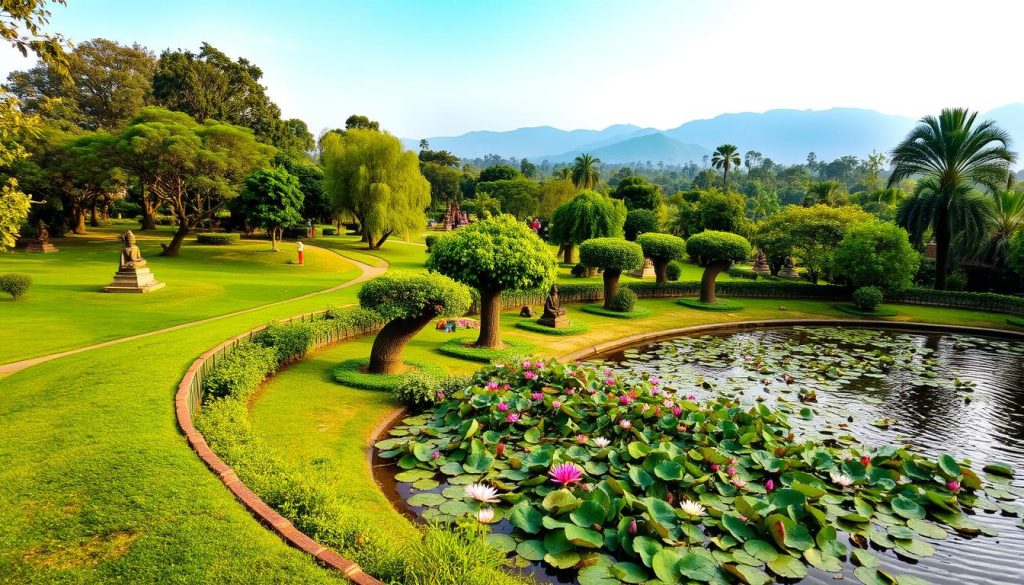
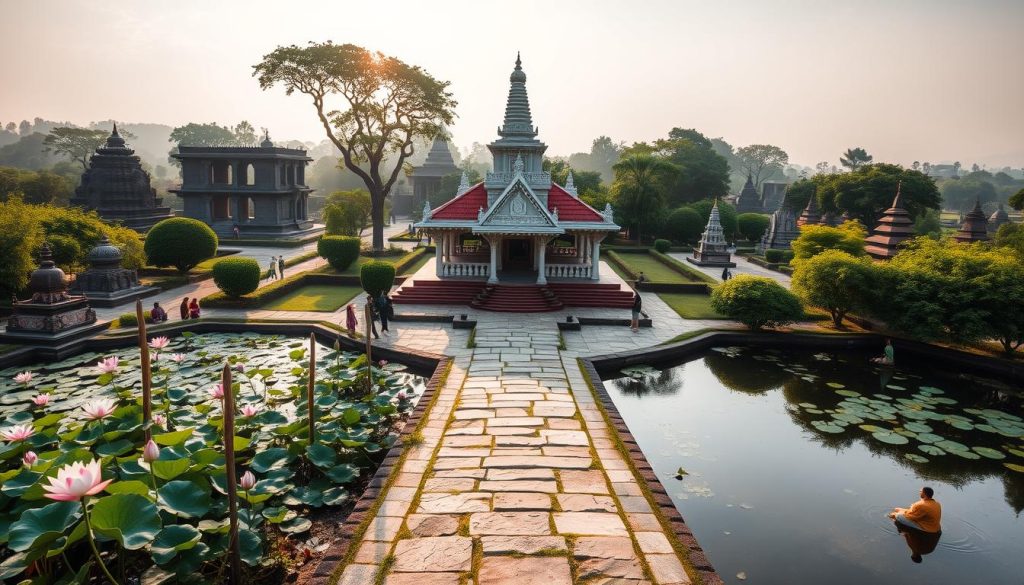
The Lumbini Garden is a calm place for those who love to reflect and meditate. It’s surrounded by lush greenery, making it a special spot for spiritual thoughts. Inside, you’ll find symbols that add to the peaceful vibe.
Serene Landscapes for Reflection
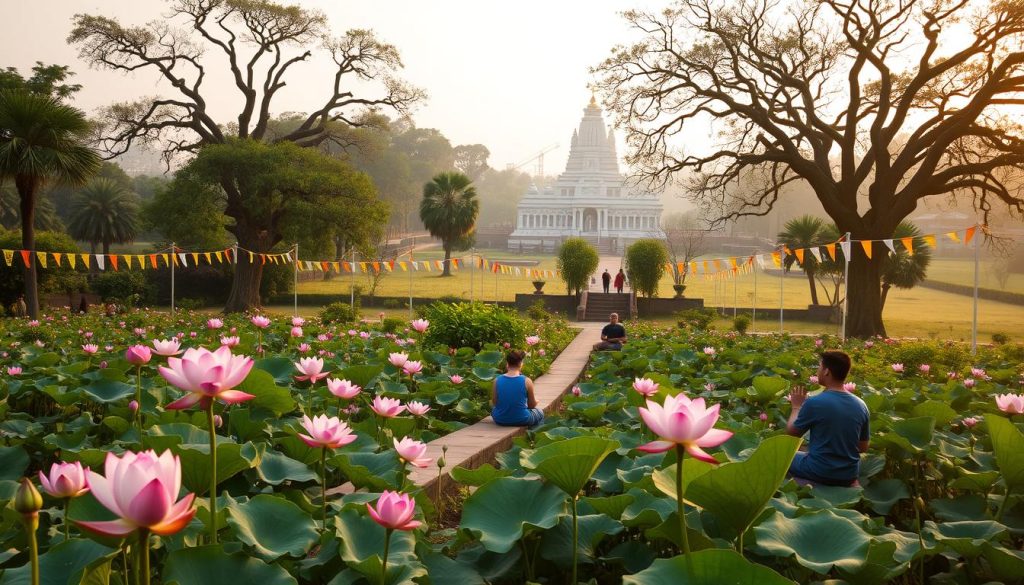
Exploring the lumbini garden, you’ll see nature’s beauty up close. There are tall trees, colorful flowers, and quiet paths. It’s a great place for quiet time and thinking deeply.
Symbolic Features of the Garden
In the garden, you’ll see meaningful things like Bodhi trees and detailed sculptures. These remind us of important Buddhist teachings. They help us think deeply about spiritual ideas.
Meditation Practices in the Garden
In this calm place, you can try different meditation practices. Many people do mindfulness meditation, focusing on their breath. Others walk slowly, enjoying the garden’s beauty. The lumbini garden helps you find inner peace.
Lumbini and World Peace
Lumbini is a symbol of peace, playing a key role in bringing the world together. It’s a place where people from different cultures and religions come to seek peace. This makes it a powerful symbol of our shared dream for a peaceful world.
The Role of Lumbini in Promoting Peace
The spirit of peace is strong in Lumbini, drawing visitors to its rich history. It’s a place where people unite to promote peace. Through events and activities, Lumbini encourages understanding and dialogue among people from all over.
World Peace Pagoda: A Beacon of Harmony
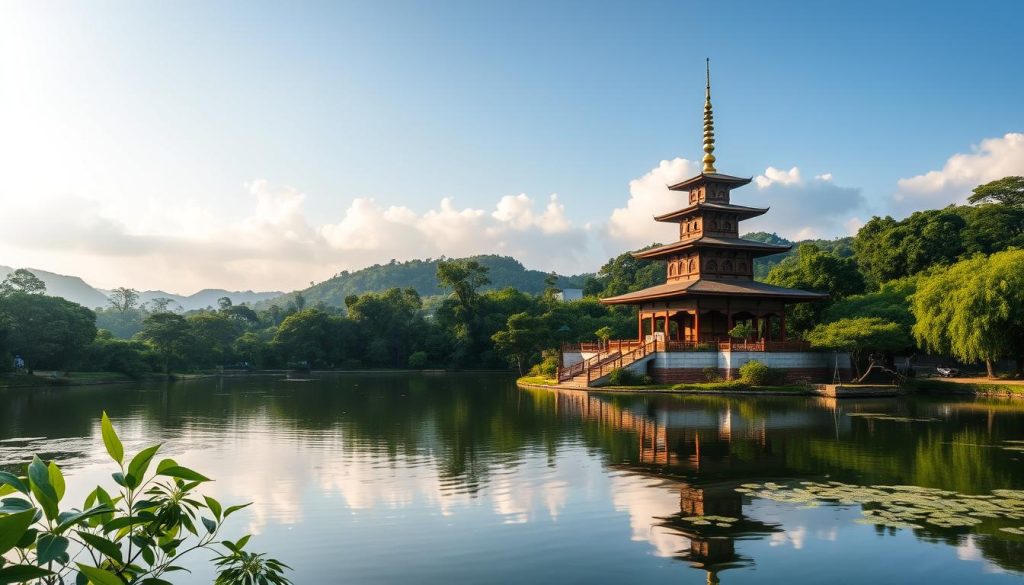
The world peace pagoda is at the heart of Lumbini, a symbol of unity. Built to promote peace, it welcomes those seeking solace and wisdom. It’s a place where visitors can reflect on their role in creating a more peaceful world.
Historical and Archaeological Insights
Exploring Lumbini’s history and archaeology shows a rich tapestry of human life and faith. Excavations have found important artifacts that help us understand this sacred place. Each find gives us a peek into the lively community around the Buddha’s birthplace.
Excavations and Discoveries
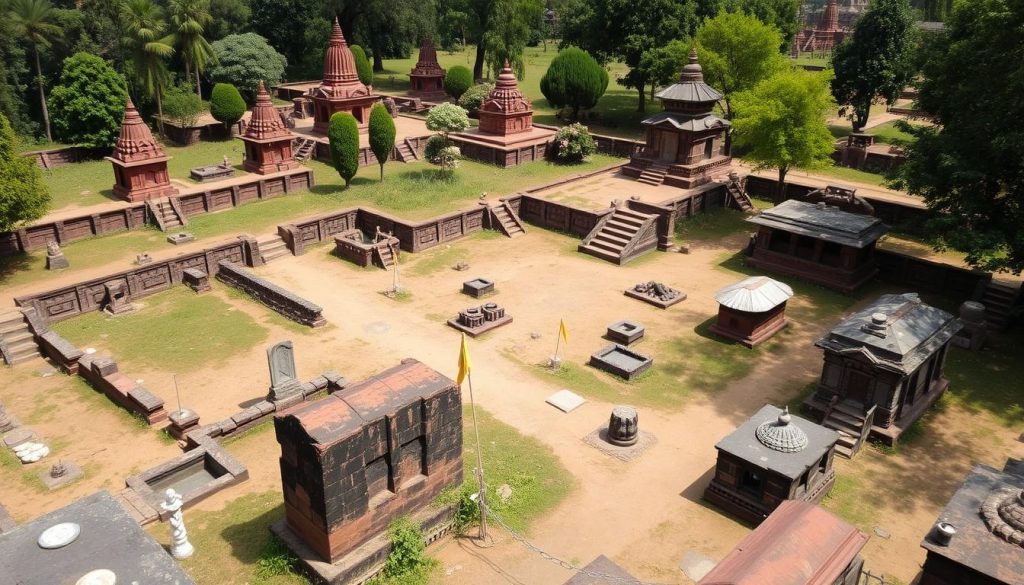
Recent digs in Lumbini have shed light on ancient Buddhist ways. They’ve uncovered many structures, like monasteries and meditation spots. These finds highlight Lumbini’s role as a pilgrimage site and cultural center in the past.
The Ashokan Pillar: A Testament to History
The Ashokan Pillar is a key landmark in Lumbini. Built by Emperor Ashoka in the 3rd century BCE, it shows the site’s historical value. The pillar’s inscriptions confirm Lumbini as the Buddha’s birthplace, making it a key part of Buddhist history.
Exploring the Monastic Zone
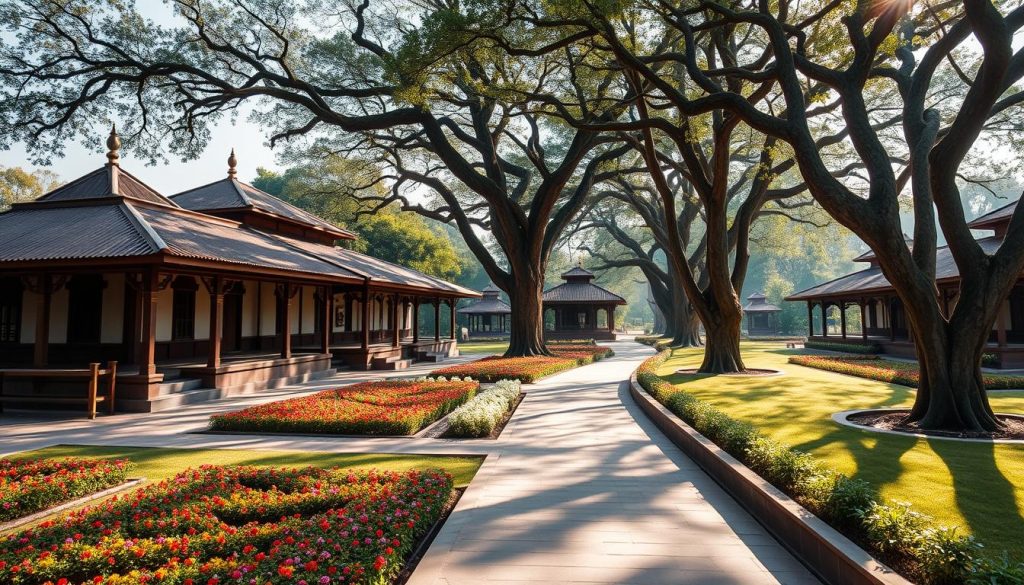
The monastic zone of Lumbini is a special place that shows the spiritual heart of Buddhism. Here, you can see many monasteries built by different Buddhist groups from around the world. Each monastery has its own unique style, showing the culture of the group that built it.
Variety of Monasteries
This monastic zone is filled with a wide range of monasteries. You’ll see everything from traditional buildings to modern ones, showing the many cultures of Buddhism. Some famous monasteries include:
- Maya Devi Monastery
- Tibetan Monastery
- Chinese Monastery
- Japanese Temple
- Thai Monastery
These monasteries are not just places of worship. They are also centers for community, learning, and cultural sharing.
Spiritual Practices and Daily Life
Visitors can see the monks’ spiritual practices up close. They meditate, chant, and take part in rituals every day. Monks spend their lives studying Buddhism and practicing mindfulness and kindness.
Life in the monastic zone is peaceful and disciplined. A typical day includes:
- Morning meditation to find inner peace
- Chanting to strengthen community ties
- Study time to learn Buddhist texts
- Communal meals to bring everyone together
Visiting the monastic zone gives deep insights into the monks’ spiritual lives. It shows the values of Buddhism: peace, harmony, and enlightenment.
Visiting Lumbini: Practical Tips
Planning your trip to Lumbini can make your visit better. Knowing how to get there, the best time to go, and local customs will help you enjoy it more.
Getting There
Getting to Lumbini is easy with many travel choices. The nearest big city is Siddhartha Nagar, with an airport. From there, you can take a taxi or bus to Lumbini.
If you want a longer trip, buses from Kathmandu or Pokhara are scenic. But, they take a lot of time.
Best Time to Visit
The best time to visit Lumbini is from October to March. The weather is nice then. April is the busiest time because of Buddha Jayanti.
Many people come then. It’s a lively time to see local celebrations. But, it can get crowded.
Respecting Local Customs and Traditions
It’s important to respect local customs at Lumbini. Wear modest clothes to show respect. Take off your shoes before entering religious places.
Speak softly, as it’s a place for quiet reflection. Saying “Namaste” (hello) or “Dhanyabad” (thank you) in Nepali can make friends with the locals.
| Travel Aspect | Details |
|---|---|
| Transportation Options | Airport in Siddhartha Nagar, Buses from Kathmandu and Pokhara |
| Best Time to Visit | October to March; peak in April for Buddha Jayanti |
| Local Customs | Dress modestly, remove shoes in religious areas, speak quietly |
Experiencing Peace Tourism in Lumbini
Visiting Lumbini lets you explore peace tourism deeply. This special place offers spiritual retreats and guided tours. These experiences help you find peace and understanding.
Getting to know local customs makes your trip even better. It connects you deeply with Lumbini’s sacred spirit.
Spiritual Retreats and Guided Tours
Joining spiritual retreats in Lumbini is a chance for reflection and growth. You’ll enjoy meditation, learn about Buddhist philosophy, and see beautiful landscapes. These moments inspire peace.
Guided tours show you important Buddhist sites and practices. They help you understand Buddha’s teachings better. This way, you truly experience peace tourism.
Local Cuisine and Cultural Immersion
Trying local food is essential. Lumbini has many authentic Nepali dishes. Enjoying dal bhat and momos is a must.
These foods offer a taste of the region’s rich culture. Sharing meals with locals creates lasting memories. It makes your visit even more special.
Conclusion
Exploring Lumbini’s serene landscapes connects you deeply to world peace and spirituality. This sacred place is where Buddha was born. It shows the compassion and enlightenment in Buddhist teachings.
Your trip to Lumbini is more than just a visit. It’s a spiritual journey that makes you think about harmony and understanding. You’ll find yourself reflecting on these universal themes.
Lumbini is not just about landmarks and gardens. It offers a unique experience for those seeking peace and growth. You can meditate, join local customs, and learn about its rich culture.
Here, peace, tolerance, and wisdom come to life. They invite you to live these values in your life. Lumbini is a key place for finding inner peace.
By visiting Lumbini, you honor Buddha’s birthplace and the quest for peace. Your journey promises to be rewarding and transformative. It reminds us of our shared dream for a peaceful world.