Safeguarding Heritage: Conservation Efforts in Lumbini
Ever thought about what it takes to keep a site like Lumbini safe? It’s not just a place; it’s a symbol of cultural importance. As the birthplace of Siddhartha Gautama, Lumbini is a key site for preserving heritage worldwide. Being a UNESCO World Heritage site, its conservation is crucial. It keeps its historical value and peaceful vibe alive for those who come after us.
This article dives into the efforts to protect Lumbini. You’ll see how community involvement and environmental care play a big part. Knowing about these efforts helps us respect Lumbini’s history and work towards a greener future.
The Importance of Lumbini as a Heritage Site
Lumbini is a famous site known as the birthplace of Siddhartha Gautama, or Buddha. It was named a UNESCO World Heritage site in 1997. Every year, millions of people visit, making it a key spot for cultural and Buddhist pilgrimages.
The site’s history is seen in its ancient ruins, monasteries, and gardens. Each part of Lumbini shows the deep traditions and teachings that have lasted for centuries. You can see important archaeological finds that highlight its role in Buddhist history and culture.
Lumbini is more than a spiritual place for pilgrims. It’s also a valuable learning spot. By visiting, you take a trip through time. You learn more about Buddhist heritage and the values that inspire many people around the world.

UNESCO’s Role in Heritage Conservation
UNESCO is key in keeping Lumbini’s culture safe. As a UNESCO site, Lumbini gets help to protect its history. The World Heritage Centre works with local and international groups to manage and conserve the site well.
UNESCO supports many projects to tackle environmental and historical preservation issues. These efforts keep the site’s buildings strong and teach locals about cultural heritage’s value.
UNESCO uses monitoring systems to check on Lumbini’s condition. They also work on raising awareness and getting locals involved in protecting the site. This ensures Lumbini’s cultural landscape is preserved for future generations.
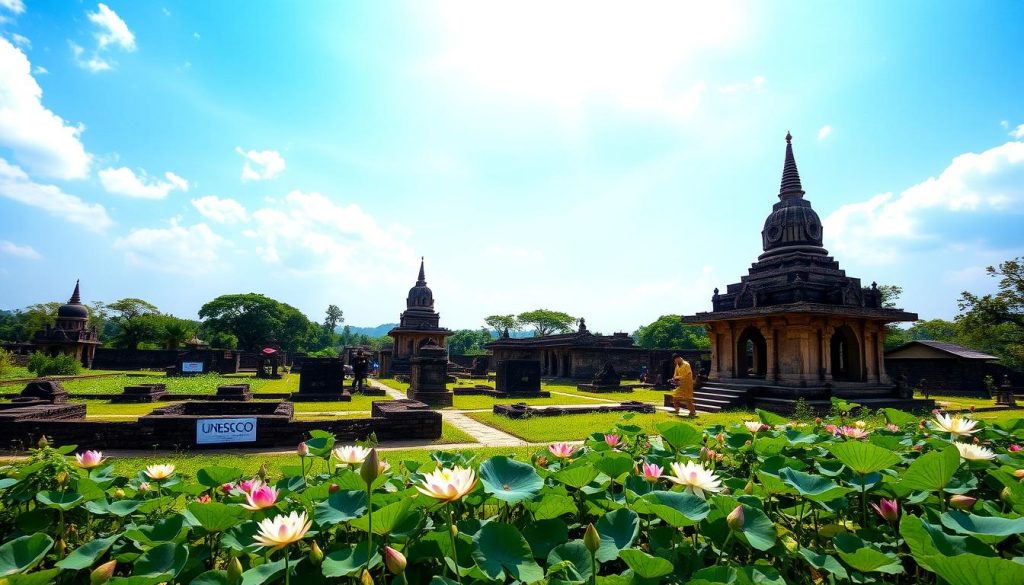
Understanding the Conservation Efforts in Lumbini
Lumbini is a key part of our cultural history. Recent efforts have aimed to improve how we manage and protect this sacred place. Since 2010, many projects have helped keep important monuments, like the Maya Devi Temple, safe.
Important steps have been taken to protect these sites. We’ve created monitoring systems to keep them safe. These systems help us understand Lumbini’s history better. They also help locals and visitors see its value.
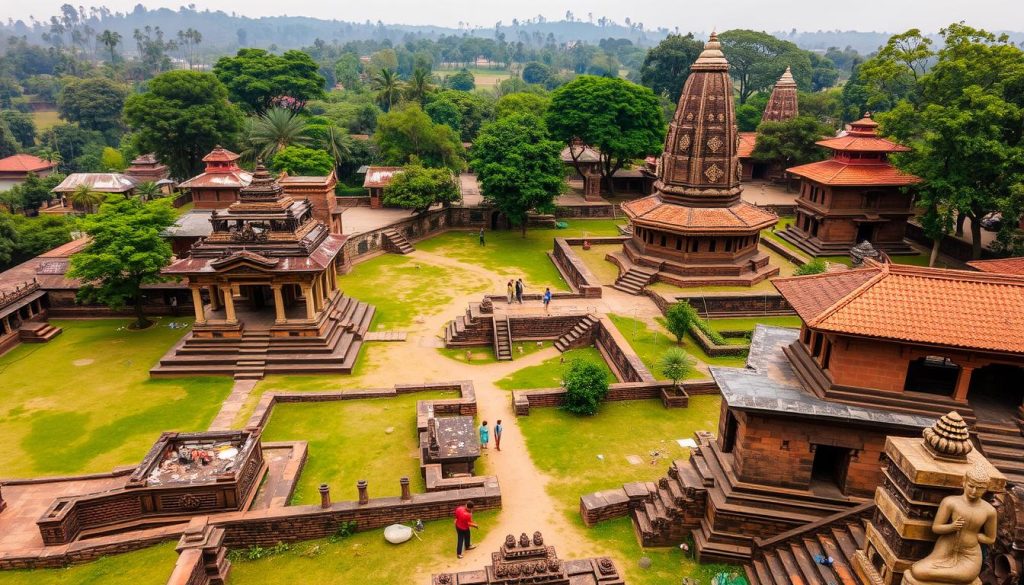
A detailed look at these efforts shows a strong commitment to care for Lumbini. Here’s a table that highlights the main points:
| Initiative | Description | Impact |
|---|---|---|
| Monitoring Framework | Establish systems for ongoing assessment of key sites. | Enhanced protection and scholarly understanding. |
| Inclusive Management Plans | Collaborate with local and international bodies. | Stronger community engagement and resource allocation. |
| Archaeological Research | Support studies to uncover historical significance. | Informed decision-making for future conservation efforts. |
These efforts show a bigger plan. It’s not just about saving the past. It’s about making the cultural landscape better for those who come after us.
Threats to Lumbini’s Cultural Integrity
Lumbini is known as the birthplace of Lord Buddha. It’s a key heritage site and a symbol of peace and spirituality. But, it faces big threats to its cultural integrity.
Rapid urbanization is a major risk. It changes the landscape and harms historical sites. As cities grow, more space is needed, which might harm UNESCO World Heritage sites.
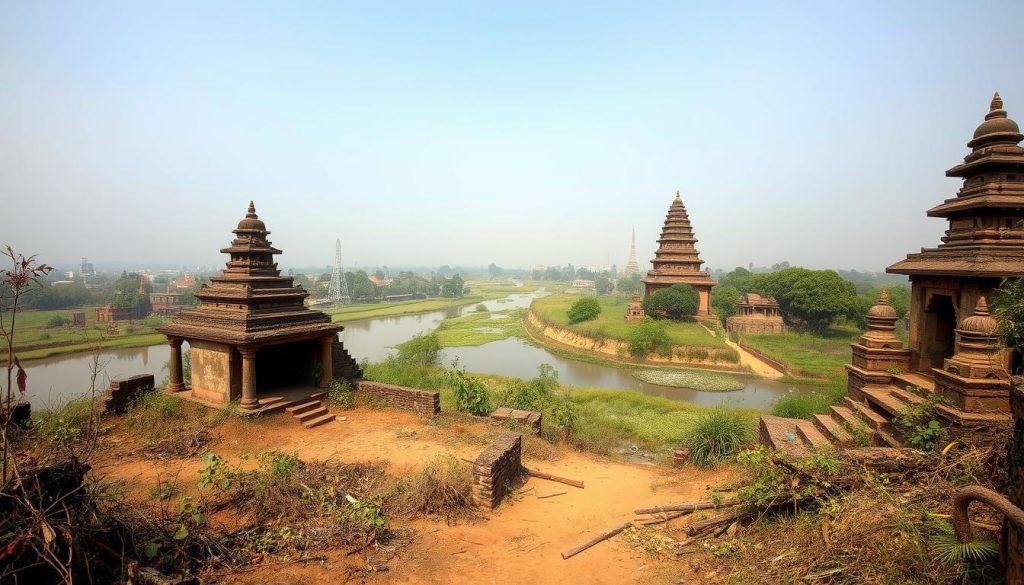
Environmental degradation adds to the problems. Pollution from nearby industries and waste from tourists harm the environment and Lumbini’s culture. More tourists bring money but also challenges in managing their impact.
UNESCO has put Lumbini on its endangered list. It’s urgent to create management plans. These plans must balance tourism benefits with conservation needs. If we don’t act, Lumbini’s unique identity could be lost.
In short, Lumbini’s cultural integrity is at risk due to urbanization and environmental damage. We must support sustainable practices and conservation efforts. This way, future generations can appreciate Lumbini’s historical significance.
Conservation Efforts in Lumbini
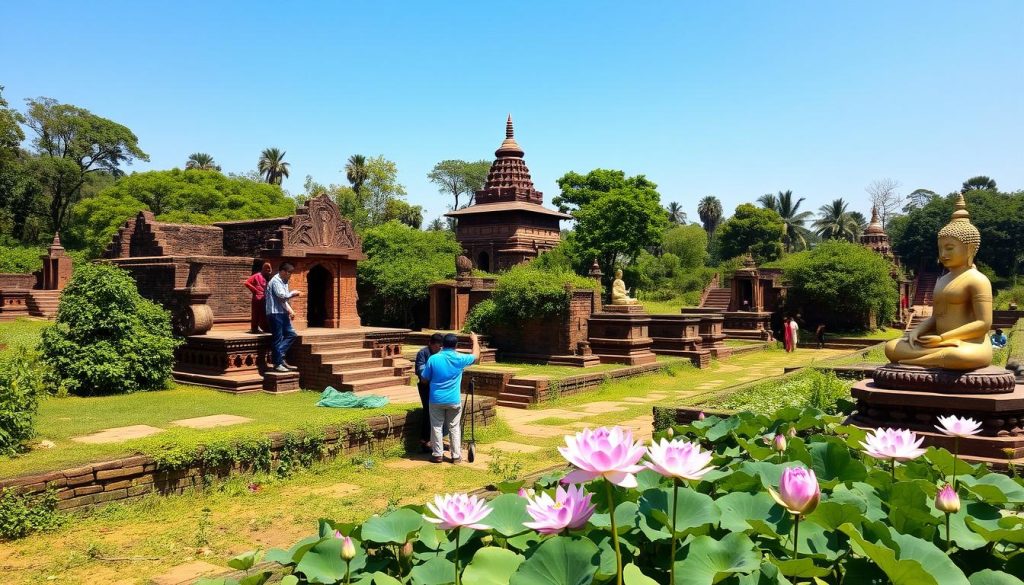
Conservation in Lumbini is a team effort. It combines international partnerships and local efforts. The Lumbini Development Trust is key in coordinating these efforts. They make sure Lumbini’s unique values are kept for the future.
International Collaborations and Funding
International partnerships are crucial for funding conservation in Lumbini. Japan’s support for UNESCO projects is a great example. This support helps fund programs to protect cultural heritage. The combined skills of these partnerships help focus on the most important conservation tasks.
Local Initiatives by the Lumbini Development Trust
The Lumbini Development Trust leads local conservation efforts. They involve the community in these efforts. This includes educational programs, archaeological research, and restoring historical sites. These activities help people appreciate Lumbini’s rich history.
Monitoring and Management Plans
Monitoring and management plans are vital. They help identify what needs conservation and how to act. Regular checks help plan for the future. This ensures Lumbini’s physical and cultural assets are well cared for.
| Efforts | Description | Responsible Entities |
|---|---|---|
| International Funding | Support from countries like Japan for UNESCO projects | UNESCO, Government of Nepal |
| Local Education Programs | Training and workshops for community engagement | Lumbini Development Trust |
| Archaeological Research | Studying and preserving historical monuments | Various experts and scholars |
| Management Plans | Strategies for cultural asset preservation | Conservation teams and organizational bodies |
Wildlife Protection and Environmental Preservation
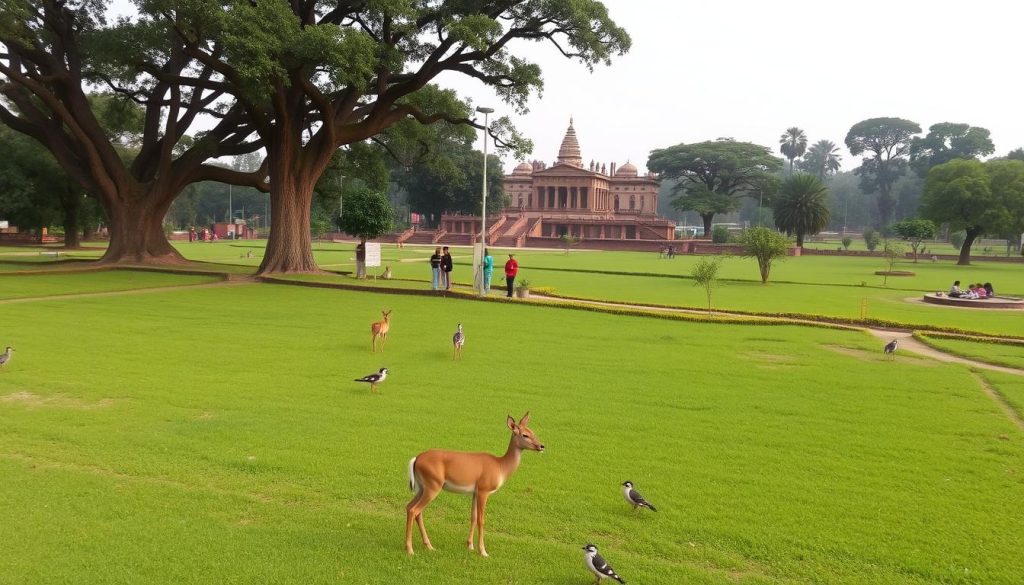
Lumbini is dedicated to protecting wildlife and preserving the environment. This commitment helps keep the site’s natural balance. By focusing on reforestation and biodiversity, the area’s nature and culture can flourish together.
Reforestation Projects
At Lumbini, reforestation aims to bring back native plants and fight deforestation. These projects help the environment by creating homes for local animals. People from the community help by planting trees and caring for these areas.
By doing this, you help the whole area stay healthy.
Biodiversity Conservation Efforts
Conserving biodiversity is key to keeping Lumbini’s plants and animals safe. This includes watching over species and protecting their homes. These actions help both the animals and visitors by making the area lively and green.
Sustainable Tourism Practices in Lumbini
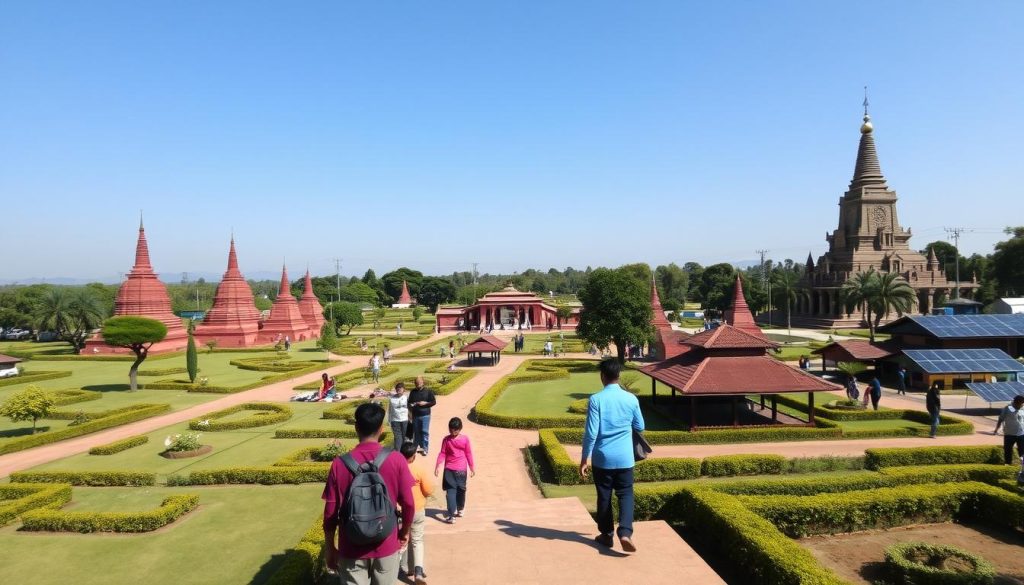
Sustainable tourism is key to Lumbini’s success as a heritage site. It helps keep the environment intact. With more visitors, managing them well is crucial. This ensures tourists enjoy Lumbini without harming it.
Balancing Visitor Experience with Conservation Needs
In Lumbini, tourism is about balance. Visitors are taught to respect the site. This keeps its history alive. Guided tours show how to enjoy Lumbini without harming it.
Impact of Tourism on Local Environment
Tourism’s effect on the environment is a big worry. More visitors mean more waste and pressure on resources. It’s important to find ways to lessen these impacts.
Recycling and green transport are some solutions. By understanding tourism’s impact, Lumbini can protect its environment for the future.
Community Engagement in Conservation Initiatives
Getting the community involved is key to saving Lumbini. Local people’s help can make a big difference. Working together, we can all protect Lumbini’s rich history.
Involvement of Local Stakeholders
People living nearby, businesses, and groups are vital in saving Lumbini. Their help makes sure we keep Lumbini’s traditions alive and workable. Together, we can use our resources better and protect Lumbini more effectively.
Educational Programs for Heritage Awareness
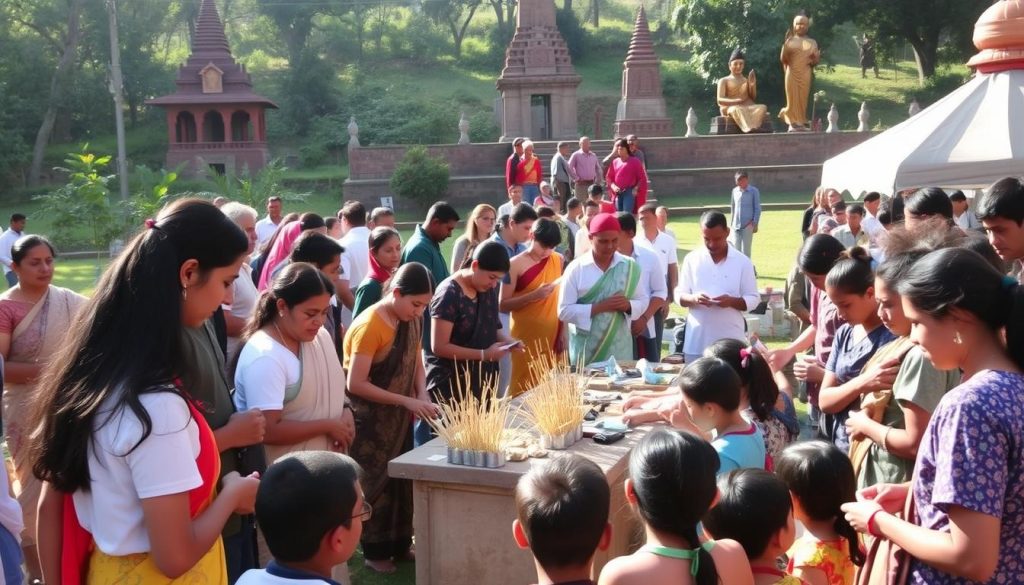
Teaching about heritage is the first step in community involvement. Educational programs give locals the knowledge they need. Workshops and hands-on activities help them understand why Lumbini’s history matters.
Habitat Restoration and Ecological Sustainability
In Lumbini, restoring habitats is key to a healthy environment. This is especially true for the Sacred Gardens. Efforts focus on bringing back native plants and creating a balanced ecosystem.
Local groups and volunteers work hard to remove harmful plants. This helps create a better home for many animals.
Efforts to Restore Sacred Gardens
The Sacred Gardens are being restored in many ways. Teams are busy with:
- Planting native plants to boost local wildlife
- Removing harmful plants that harm native species
- Teaching the community about green gardening
These actions make the gardens look better and help the environment. By supporting these projects, you help a place that can handle climate change.
Impact of Climate Change on Conservation Efforts
Climate change is a big problem for conservation in Lumbini. It makes plants grow differently and changes weather patterns. This makes it urgent to restore habitats.
Adapting to these changes is crucial. It helps plants and animals in the Sacred Gardens survive long-term.
By working on ecological sustainability, you help make a landscape that can face climate change. This also helps increase biodiversity.
Conclusion
The conservation efforts in Lumbini show a deep commitment to saving this UNESCO World Heritage Site. It’s a place of great cultural and spiritual value for millions worldwide. The work done here is a lasting promise to protect our heritage.
This effort brings together people from all over and the local community. They work together towards the same goals. This teamwork is key to preserving Lumbini’s beauty and history.
Looking to the future, tackling challenges like environmental threats and balancing tourism with conservation is essential. Sustainable practices must lead these efforts. This way, Lumbini can stay a place of wonder for visitors while keeping its historical and cultural value.
The fight to protect Lumbini is filled with hope and determination. It’s about creating a legacy for the next generations. By supporting conservation in Lumbini, you help tell a story of the past and a future that’s sustainable.