Your Ultimate Tunis Local Markets Guide
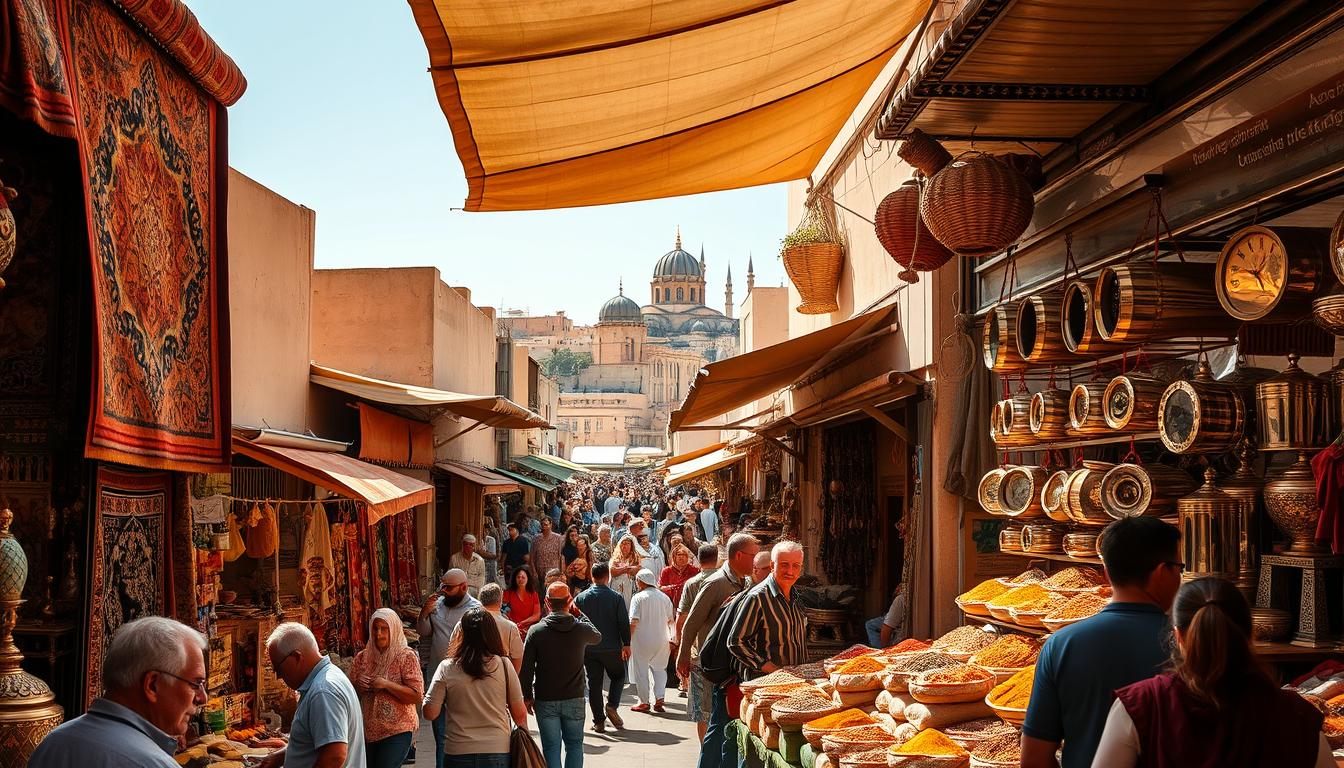
Are you ready to dive into Tunisia’s vibrant culture by exploring its traditional bazaars? Visiting the souks in Tunis is a unique experience. It offers a journey of vibrant colors, enticing aromas, and rich history.
As you walk through the busy alleys, you’ll find unique products. These include intricately woven fabrics, fragrant spices, and beautifully crafted ceramics. You’ll also see local handicrafts.
This guide will help you explore Tunisian markets like a pro. You’ll discover the secrets and surprises that make Tunis a must-see place.
The Rich Heritage of Tunisian Souks
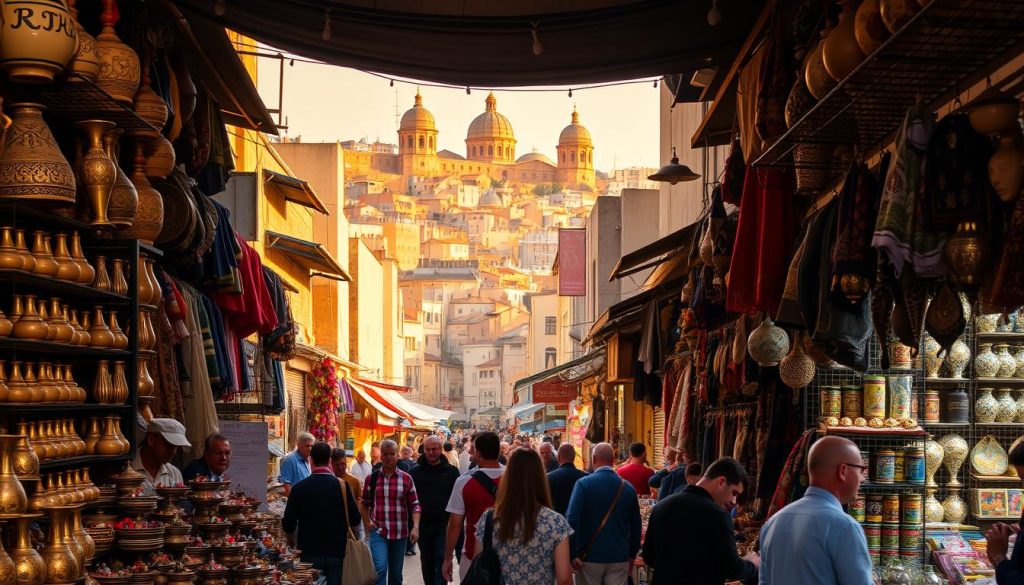
Stepping into Tunis’s souks, you dive into a world filled with rich heritage and cultural importance. These souks have been the heart of the city for centuries. They mix traditional commerce with social gatherings.
Historical Evolution of Tunis Markets
The history of Tunis markets is one of change and strength. Starting in medieval times, these souks were key to Tunisia’s growth. They’ve kept their traditional feel while welcoming new influences.
These markets have been a center for merchants and traders. They’ve helped build a strong cultural heritage that still thrives today.
Cultural Significance in Modern Tunisia
In today’s Tunisia, souks are still bustling with life. They’re more than places to buy things; they’re cultural treasures. Here, you can see traditional crafts and learn about Tunisia’s history.
When you Shopping in Tunis, you join a long tradition. The Tunis souks directory is key for exploring this rich world.
The souks’ cultural value is clear in their enduring appeal. They connect us to the past and are vital today. This makes them a special part of Tunisian culture.
Understanding the Medina of Tunis: A Complete Tunis Local Markets Guide
When you enter the Medina of Tunis, you’re surrounded by ancient alleys and lively markets. This UNESCO World Heritage site is filled with history, culture, and commerce. It offers a unique shopping experience that highlights Tunisian craftsmanship.
Layout and Organization of the Ancient Marketplace
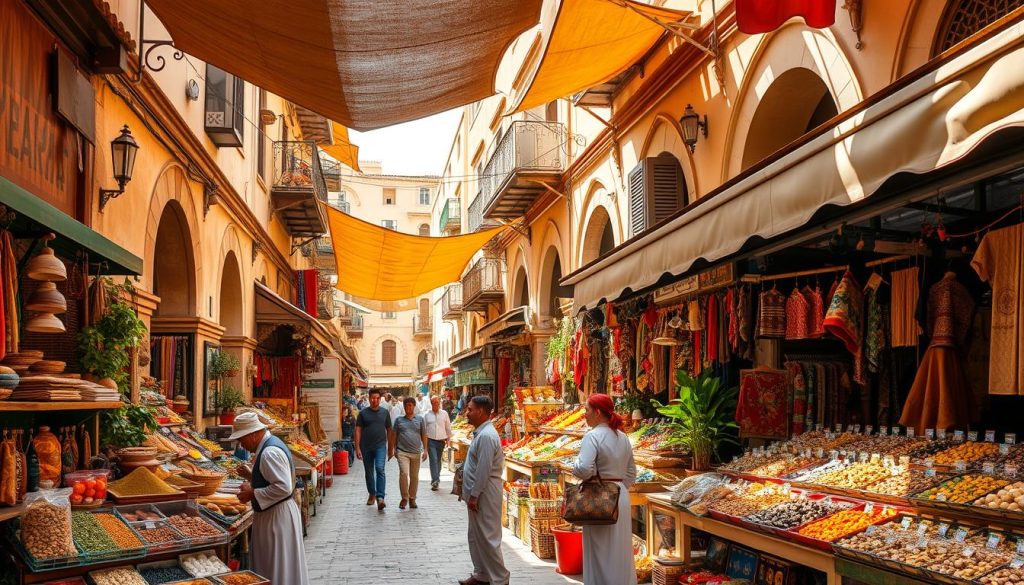
The Medina’s streets and alleys are a complex network. Different souks (markets) sell various goods like spices, perfumes, textiles, and jewelry. Knowing the layout is crucial for exploring Tunisian markets well.
The main streets are wider, but expect crowded and narrow paths. The Medina is split into areas, each with its own vibe and specialties. For example, the Great Mosque of Tunis area is historic and lively.
Strategic Entrances and Navigation Tips
To get around the Medina, knowing the main entrances is key. These gates are often centuries old. Inside, look for signs and ask locals for help, as they’re eager to assist.
Start at the main gates and move inward to find hidden treasures. Avoiding busy times, like early morning or late afternoon, makes your visit better. Knowing where to shop in Tunis helps you find the best local items.
Souk El Attarine: The Fragrant Spice and Perfume Market
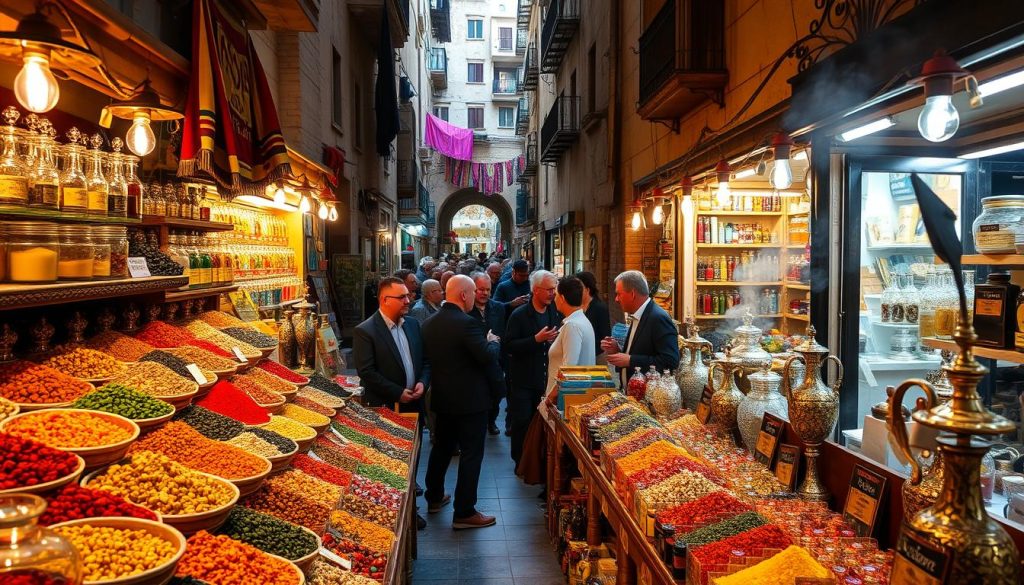
Step into Souk El Attarine and let the scents of spices and perfumes surround you. This souk in the Medina of Tunis is famous for its unique shopping experience. It blends traditional Tunisian culture with exotic fragrances.
Traditional Spices and Aromatics to Discover
Souk El Attarine is a treasure trove of spices and aromatics. As you walk through, you’ll smell cinnamon, cardamom, and rose petals. The vendors are proud of their high-quality spices, many from local sources.
You can find unique spice blends here. They’re great for cooking or as gifts.
Some traditional spices and aromatics include:
- Rare spices like saffron and sumac
- Aromatic herbs such as rosemary and thyme
- Exotic fragrances like frankincense and myrrh
As Aladdin’s Arabian Nights said, “The perfume of Araby” is unforgettable. The souk’s vendors are friendly and love to share their products’ stories.
Authentic Perfume Shopping Experience
The perfume shopping at Souk El Attarine is unique. Perfumers here make fragrances using old methods. You can find attar and modern perfume blends.
“Perfume is the key to the soul of a place, and in Souk El Attarine, it is the essence of Tunisia.”
When buying perfumes, remember to:
- Try different scents to find your favorite
- Ask about the ingredients and how they’re made
- Negotiate prices, as it’s part of the local culture
With these tips, your visit to Souk El Attarine will be unforgettable. It’s a key part of your Tunis local markets guide experience.
Souk El Berka: Treasures of the Gold Market
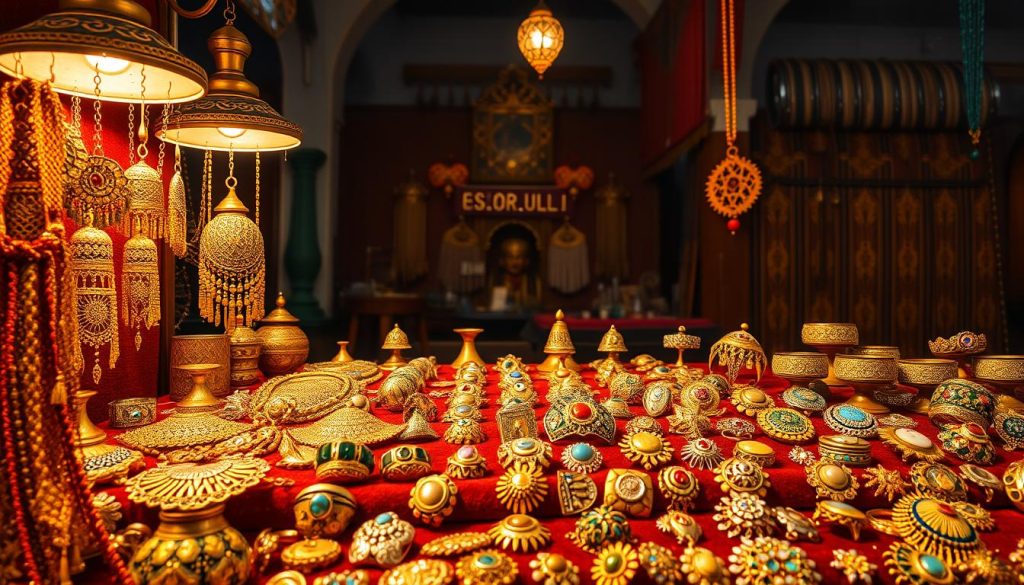
When you enter Souk El Berka, you’re greeted by the shine of gold and silver. It’s a true showcase of Tunisian heritage. This historic market is famous for its beautiful jewelry, highlighting traditional Tunisian designs and skill.
Tunisian Jewelry Styles and Craftsmanship
Tunisian jewelry is famous for its detailed designs and expert craftsmanship. The artisans in Souk El Berka make pieces that are stunning and full of tradition. You’ll see everything from delicate filigree to bold, eye-catching jewelry.
Key Features of Tunisian Jewelry:
- Intricate filigree designs
- Use of precious stones and metals
- Traditional motifs and patterns
Verifying Quality and Negotiating Fair Prices
When buying jewelry in Souk El Berka, checking the quality is key. Look for hallmarks or stamps that show the metal’s purity. Knowing the craftsmanship and materials will help you choose wisely.
| Metal Type | Purity Hallmark | Typical Price Range |
|---|---|---|
| Gold | 18K, 750 | $200-$1,000 |
| Silver | 925 | $50-$500 |
Negotiating prices is a big part of shopping in Tunisian bazaars. Be ready to haggle, and don’t hesitate to leave if the price isn’t fair. Vendors expect you to negotiate, making it a big part of the Souk El Berka experience.
Souk El Leffa and Souk El Chaouachine: Textiles and Leather Goods
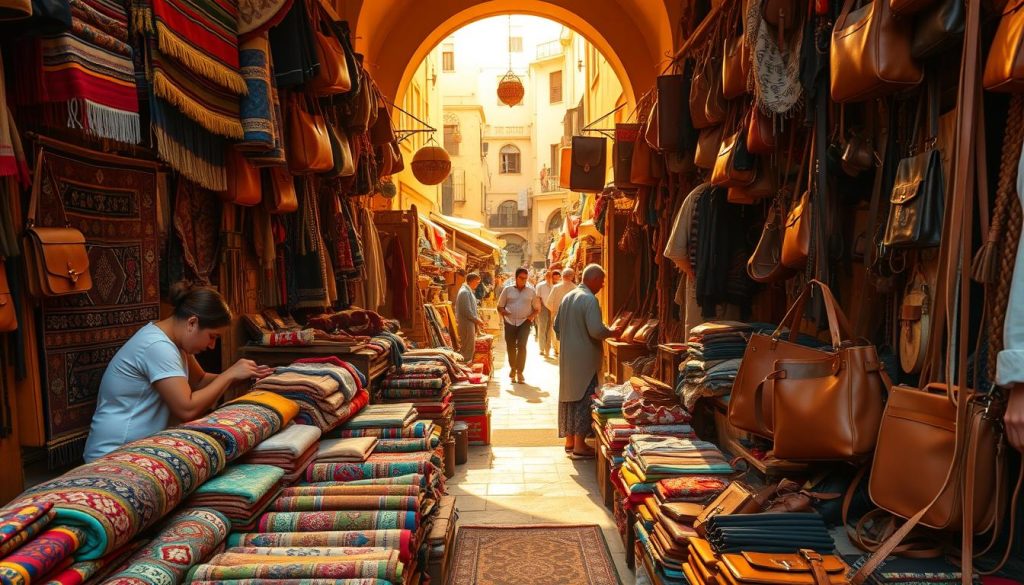
Souk El Leffa and Souk El Chaouachine are hidden gems in the ancient Medina. They offer a peek into Tunisia’s rich artisanal traditions. Here, you’ll find traditional textiles, clothing, and leather goods that highlight the country’s cultural heritage.
Traditional Fabrics and Clothing Items
Souk El Leffa is famous for its wide variety of traditional fabrics and clothing. You can find:
- Intricately woven jellabas and kaftans from top-quality fabrics.
- Bright hijabs and scarves that show off Tunisia’s colorful textile traditions.
- Traditional clothing accessories, like embroidered belts and decorative pins.
When looking for traditional fabrics and clothing, search for items with intricate embroidery and vibrant colors. These signs often mean the craftsmanship is excellent.
Leather Crafts and Footwear Selection
Souk El Chaouachine is a paradise for leather lovers. It offers a wide range of leather crafts and footwear. You can see:
- Handmade leather bags and wallets that blend traditional methods with modern styles.
- Beautiful leather footwear, including traditional babouche slippers and modern designs.
- Leather accessories, like belts and keychains, that make great souvenirs.
When picking leather goods, check the leather quality and craftsmanship. Look for sturdy stitching and rich, even coloring. These are signs of a well-made item.
By visiting Souk El Leffa and Souk El Chaouachine, you’ll find unique souvenirs and learn about Tunisia’s artisanal traditions. Whether you’re after traditional clothing or quality leather goods, these souks are among the best markets in Tunis to explore Tunisian markets and find where to shop in Tunis.
Culinary Delights: Food Markets in Tunis
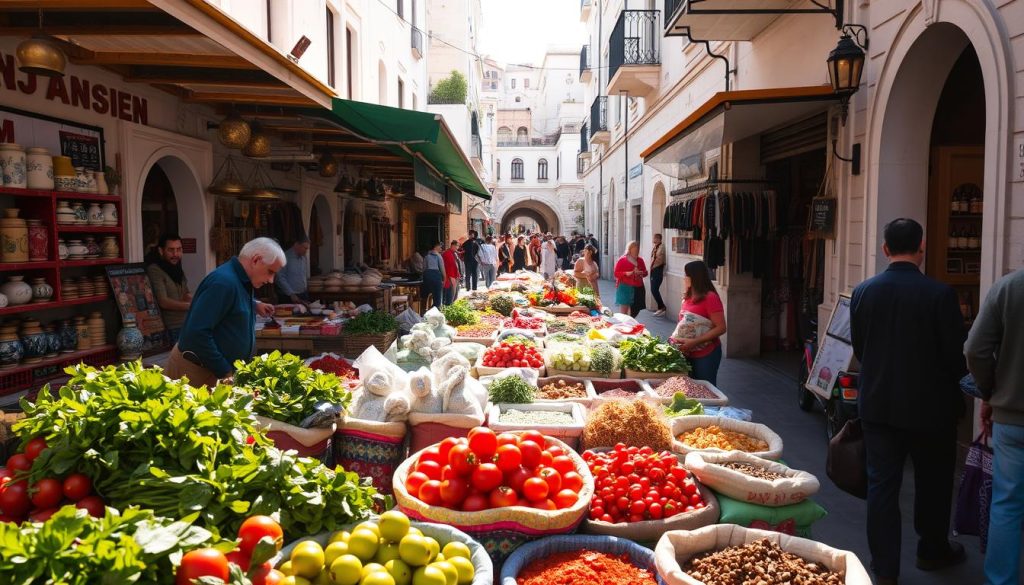
Tunis’s food markets are a culinary paradise. They offer a wide range of fresh produce, seafood, and local delicacies. As you explore these markets, you’ll dive into the sights, smells, and tastes of Tunisian cuisine.
Marché Central: Fresh Produce and Seafood
Marché Central is a must-visit for authentic Tunisian flavors. This bustling market is filled with fresh produce and seafood. You can try local specialties like fresh dates or olives, and enjoy the lively atmosphere.
Fresh Produce Highlights:
- Seasonal fruits like oranges and grapes
- Colorful vegetables, including bell peppers and tomatoes
- Local herbs such as parsley and mint
Street Food Vendors and Local Delicacies
The street food scene in Tunis is not to be missed. Vendors offer traditional dishes that are both delicious and affordable. Be sure to try some of the local delicacies, such as mloukhiya or brik, which are sure to tantalize your taste buds.
“The street food in Tunis is a reflection of the city’s rich culinary heritage, with flavors that are both exotic and familiar.”
Popular Street Foods:
- Brik: A fried pastry filled with egg and tuna
- Mloukhiya: A stew made with a type of molokhia leaf
- Grilled meats and seafood skewers
Unique Souvenirs and Handicrafts to Purchase
The souks of Tunis are a treasure trove for shoppers. They offer one-of-a-kind handicrafts and souvenirs that show off Tunisian culture. As you wander through the markets, you’ll find many unique items perfect for gifts or keepsakes.
Ceramics and Pottery from Sidi Bou Said
Ceramics and pottery from Sidi Bou Said are highly sought after. They are known for their beauty and skillful craftsmanship. These items often have intricate designs and bright colors, showing off Tunisia’s artistic traditions.
When picking ceramics or pottery, look for pieces that show the artisan’s talent. Look for hand-painted motifs or traditional glazing techniques.
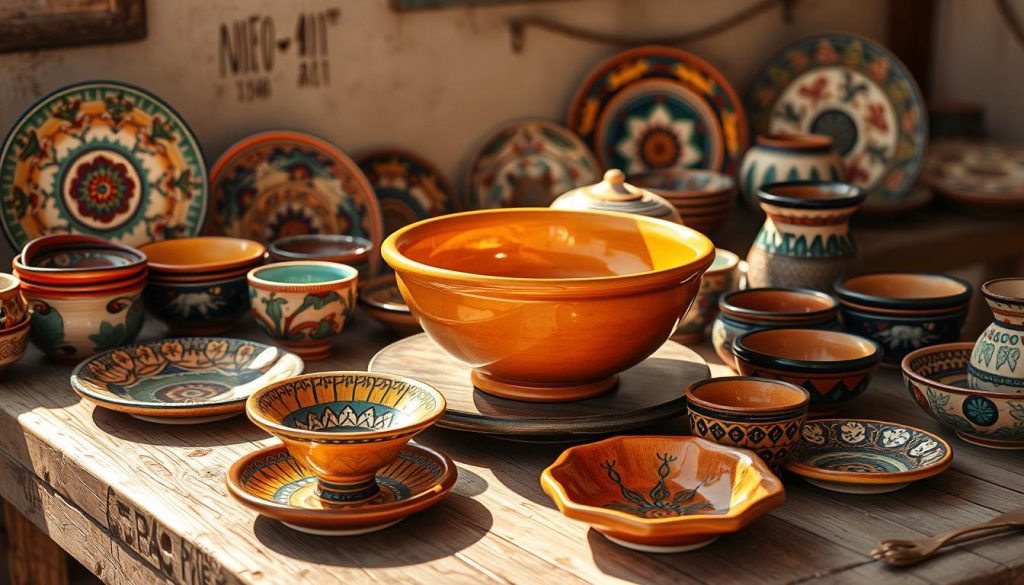
You can find decorative plates, vases, and tea sets in various markets. Souk El Attarine and Souk El Berka are good places to start. Make sure to check the craftsmanship and negotiate a fair price.
| Type of Ceramic | Characteristics | Price Range |
|---|---|---|
| Decorative Plates | Intricately painted designs | $20-$50 |
| Hand-painted Vases | Vibrant colors, unique motifs | $30-$70 |
| Tea Sets | Traditional glazing, functional | $40-$100 |
Traditional Chechias and Handwoven Items
Traditional chechias and handwoven items are also great souvenirs. A chechia is a traditional hat worn by men, symbolizing cultural heritage. Handwoven items, like scarves and rugs, show off Tunisian weavers’ skill.
When shopping for these items, look for quality craftsmanship. Check for even weaving and vibrant colors to ensure a well-made product. You can find these at markets like Souk El Leffa.
- Traditional chechias: $10-$30
- Handwoven scarves: $20-$50
- Handwoven rugs: $50-$200
Essential Shopping Tips and Cultural Etiquette
Exploring Tunis markets is an adventure. Knowing local etiquette makes it even better. You’ll see vibrant colors, smell enticing aromas, and meet friendly vendors.
Mastering the Art of Bargaining
Bargaining is key in Tunis souks. First, learn the market prices of what you want. Then, be ready to negotiate. If the price is too high, it’s okay to leave.
- Research market values beforehand
- Be prepared to negotiate
- Don’t be afraid to walk away
Respectful Interactions with Local Vendors
Being polite to vendors is important. Say hello or “as-salamu alaykum” (peace be upon you). Show real interest in their products. Stay calm and courteous during talks.
| Dos | Don’ts |
|---|---|
| Greet vendors warmly | Be confrontational |
| Show interest in their goods | Use aggressive bargaining tactics |
| Be patient during negotiations | Walk away abruptly without a greeting |
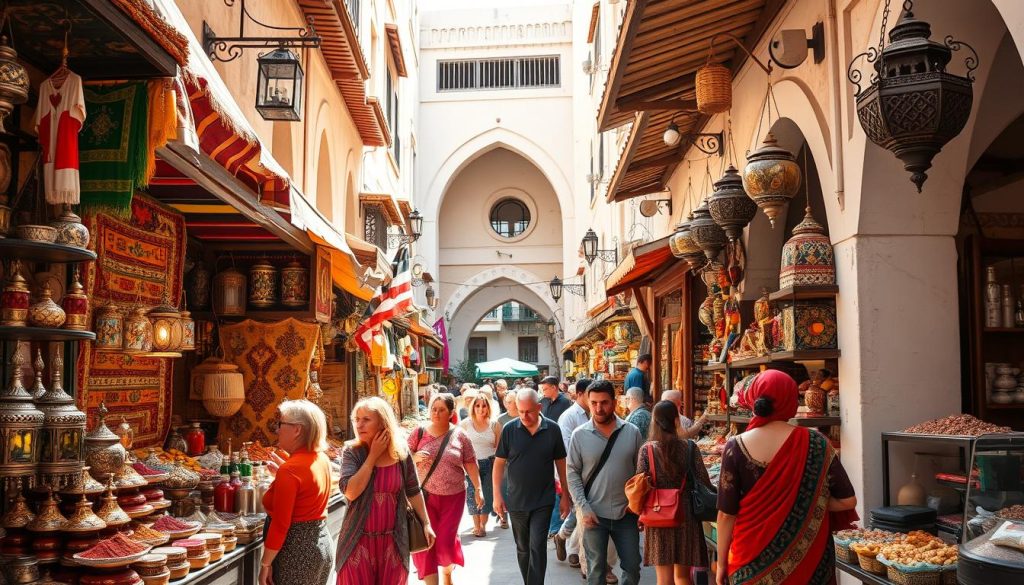
Learning to bargain and treating vendors with respect makes shopping in Tunis special. It’s not just about buying things. It’s about the people you meet along the way.
Conclusion: Embracing the Authentic Tunis Market Experience
As you walk through Tunis, the local markets offer a unique experience. They let you dive into the local culture and commerce. With this guide, you’re ready to explore Tunisian markets like a local.
From the fragrant spices of Souk El Attarine to the treasures of Souk El Berka, each market is special. You’ll find traditional fabrics and clothes in Souk El Leffa. And, you can try local foods from street vendors. Whether you’re looking for souvenirs or just want to enjoy the vibe, Tunis markets have it all.
When you’re in these markets, learn to bargain and respect local customs. This way, you’ll have a great time and show respect to the vendors. So, where should you shop in Tunis? With this guide, you’re all set to explore the Medina of Tunis and discover its secrets.
By embracing the authentic Tunis market experience, you’ll make unforgettable memories. You’ll also learn more about Tunisian culture. So, start exploring the Tunis local markets today.