

Your Guide to Visiting the Oudaias Kasbah
Are you ready to explore Rabat, Morocco’s hidden treasure? The Oudaias Kasbah is a key spot for history, architecture, and culture lovers.
This historic fortress sits by the Bou Regreg River. It’s a peaceful break from the city’s noise. Walking its flower-lined streets and seeing the Andalusian garden, you’ll find a calm oasis.
In this guide, we’ll show you what to expect. We’ll help you enjoy your Morocco travel guide adventure in Rabat.
The Historical Significance of Oudaias Kasbah
The Oudaias Kasbah dates back to the 12th century. It has seen many dynasties and cultural changes in Morocco. This fortress in Rabat is a key landmark, showing the country’s deep heritage.

Origins and Foundation of the Fortress
The Almohad dynasty built the Oudaias Kasbah in the 12th century. It was a key military base, protecting the city from invaders. Over time, the Kasbah changed, showing off different architectural styles.
The Kasbah Through Different Dynasties
Many dynasties, like the Almohads, Merinids, and Alawites, shaped the Oudaias Kasbah. Each left its own mark, making the Kasbah unique. Its ability to adapt has made it a key historical site in Rabat.
Cultural Importance in Moroccan Heritage
The Oudaias Kasbah is more than just a historical site. It’s a symbol of Morocco’s rich history and culture. Visitors can see the mix of cultures, making it a great place for history and culture lovers.
| Dynasty | Contribution | Historical Significance |
|---|---|---|
| Almohad | Original construction in the 12th century | Strategic military stronghold |
| Merinid | Architectural additions and renovations | Cultural and educational hub |
| Alawite | Restoration and preservation efforts | Symbol of Moroccan heritage |
Learning about the Oudaias Kasbah’s history makes your visit more meaningful. As you explore, you’ll discover its rich past and cultural value. Your Oudaias Fortress tour will be unforgettable.
Planning Your Oudaias Kasbah Visit
The Oudaias Kasbah is a top spot in Rabat. Planning your visit can make it even better. Think about the best time to go, entrance fees, and how long to stay.
Best Time to Visit the Kasbah
The spring (March to May) and autumn (September to November) are the best times. The weather is mild and nice. You can walk the Kasbah’s streets and see its history without the sun or cold.
Summer is hot, and winters are mild but might rain.
Entrance Fees and Opening Hours
The Kasbah is open from 8:30 AM to 5:30 PM every day. The entrance fee is about 70 MAD (around $8 USD) per person. Always check the current hours and fees before you go, as they can change.
Some places inside the Kasbah, like museums, might cost extra to enter.
Recommended Duration for Your Visit
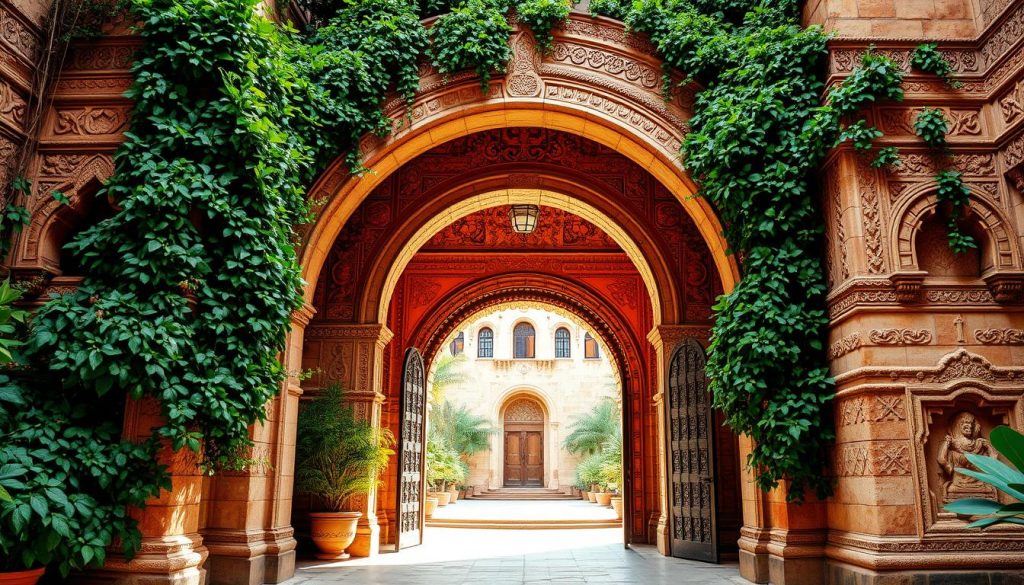
Visiting the Oudaias Kasbah can take 2 to 4 hours. It depends on how much you like history, architecture, and culture. If you want to see the Andalusian Gardens, the Oudaias Museum, and the views from the walls, plan for at least 3 hours.
Here are some tips for your visit:
- Wear comfy shoes for the Kasbah’s uneven paths.
- Don’t forget sun protection like a hat and sunscreen.
- Take your time to find the Kasbah’s hidden spots and enjoy the views.
How to Get to Oudaias Kasbah
Getting to the Oudaias Kasbah is easy with many options. You can reach this historic site from Rabat city center or other parts of Morocco. It’s convenient for everyone.
Transportation Options from Rabat City Center
You can take a taxi or public transport from Rabat city center. Grands Taxis and Petits Taxis are available. Or, try the bus for a local feel and a good price.
Navigating to the Kasbah from Other Moroccan Cities
Coming from other Moroccan cities? The train is your best bet. The Rabat-Ville Railway Station connects to Marrakech and Casablanca. Then, a taxi or bus will take you to the Kasbah.
Parking Information for Visitors
If you’re driving, there’s parking near the entrance. But, spaces are limited, mainly in tourist season. 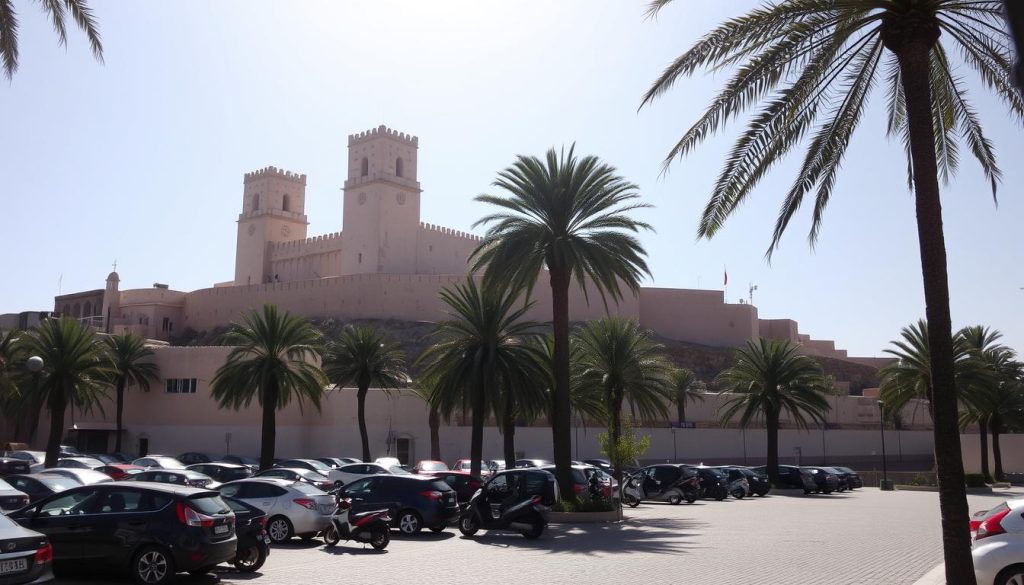
Arrive early to find parking. Enjoy your Rabat sightseeing and explore Things to do in Oudaias Kasbah.
Architectural Highlights of the Oudaias Fortress
When you enter the Oudaias Kasbah, you’re hit with its stunning architecture. This fortress is a gem of Moroccan design. It shows a mix of styles that tell its story.
The Andalusian Wall and Almohad Gate
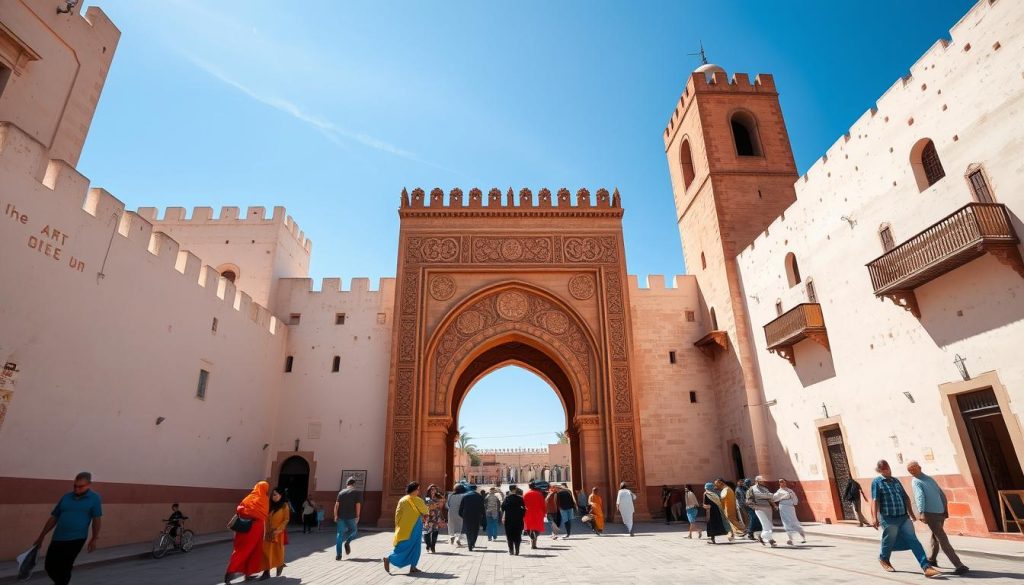
The Almohad gate, called Bab Oudaia, is the main entrance. Built in 1195, it’s more for show than defense. Its design is simple yet grand, typical of Almohad architecture.
Traditional Moroccan Design Elements
Inside the Kasbah, you’ll see traditional Moroccan design everywhere. You’ll find detailed tile work, carved wood, and fancy plaster. These features show off Moroccan craftsmanship and make the Kasbah special.
Restoration Efforts and Preservation
The Kasbah has seen a lot of restoration work to keep it true to its past. This work has helped the Kasbah stay a lively piece of Morocco’s culture. Visitors can see the care put into saving this historic place.
By visiting the Oudaias Kasbah, you help keep this important Rabat landmark alive. It’s a chance to see history and support its preservation.
Top Attractions Within Oudaias Kasbah
Exploring the historic Oudaias Kasbah reveals a wealth of attractions. It’s not just a site; it’s a living piece of Morocco’s history and culture.
The Andalusian Gardens
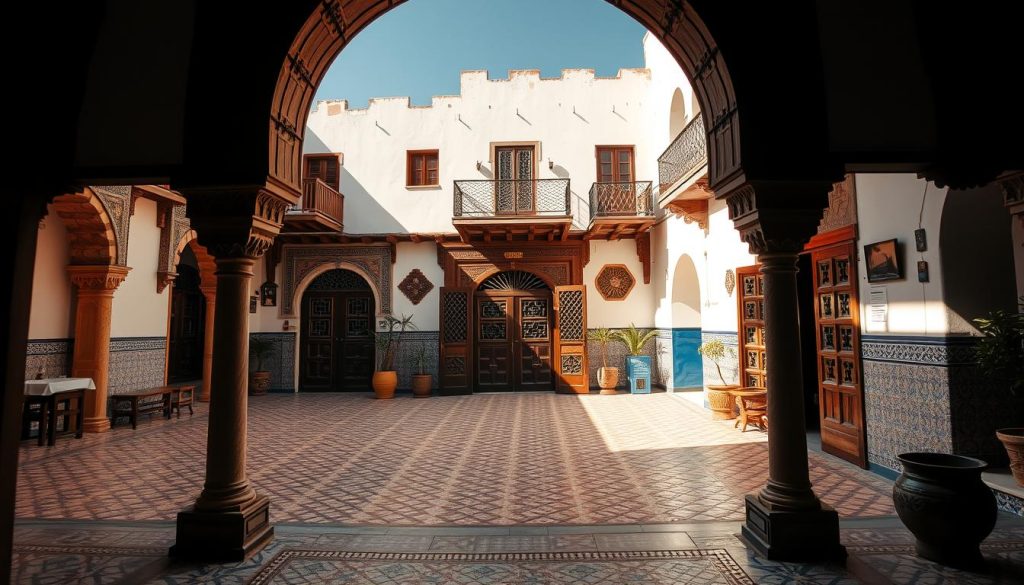
The Andalusian Gardens at the kasbah’s southern edge is a peaceful gem. It’s a favorite spot for both locals and tourists. The gardens are beautifully kept, with a variety of plants and a layout inspired by Andalusian design.
Oudaias Museum (Musée des Oudaïas)
The Oudaias Museum is a key stop for history buffs. It’s in a 17th-century residence, renovated in 1995. The museum showcases the kasbah’s history, including its role in Moroccan history and the dynasties that ruled.
The Kasbah Mosque
The Kasbah Mosque is a significant landmark. Though it’s not open for non-Muslims to pray, its architecture is worth seeing. It’s a beautiful example of Moroccan religious architecture, combining beauty and function.
The Platform of the Semaphore
The Platform of the Semaphore offers breathtaking views. It’s perfect for photography, with stunning views of the Atlantic Ocean and Bou Regreg estuary. The platform is even more stunning at sunset, when the light changes the scenery dramatically.
The Oudaias Kasbah is a treasure trove of history, culture, and natural beauty. Whether you want to relax in the gardens, learn about the kasbah’s past, or enjoy the views, there’s something for everyone here.
Exploring the Blue and White Alleyways
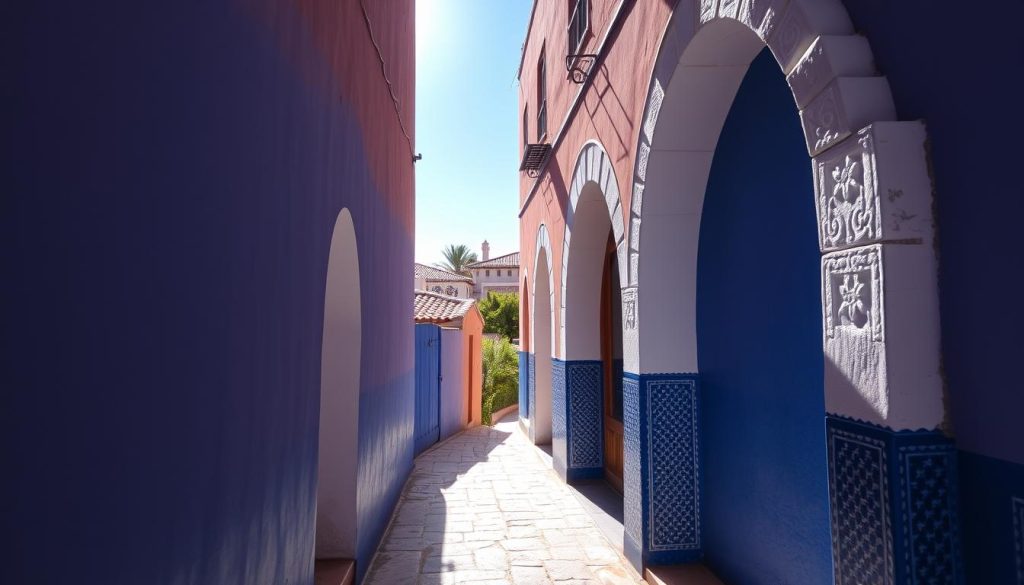
When you enter the Oudaias Kasbah, you’re greeted by its enchanting blue and white alleys. This area is famous for its narrow streets and houses painted white with blue accents. It’s a sight that will take your breath away.
The Story Behind the Distinctive Colors
The blue and white colors of the Oudaias Kasbah have a deep history. The Kasbah’s streets were built by Muslim refugees from Spain. The white stands for purity, and the blue fights off evil, adding cultural depth to the buildings.
Notable Streets and Hidden Corners
Exploring the Kasbah, you’ll find many special streets and secret spots. Some key places include:
- Narrow alleys with detailed doorways
- Quaint corners with traditional Moroccan tiles
- Secluded spots with stunning views of Rabat
Local Life in the Kasbah Neighborhood
The Oudaias Kasbah is more than a historical site; it’s a lively neighborhood. As you walk through, you’ll see kids playing and artisans making crafts. It’s a chance to see the local culture up close.
Visiting the Oudaias Kasbah is more than just seeing sights. It’s a way to connect with the local life and enjoy Rabat’s rich culture.
Essential Tips for Your Oudaias Kasbah Visit
To make your visit to the Oudaias Kasbah smooth and fun, here are some tips. The Oudaias Kasbah is a historic site in Rabat, Morocco. It’s a top spot for those looking into Morocco travel guide tips.
Dress Code and Cultural Etiquette
When you visit the Oudaias Kasbah, dressing modestly is key. Morocco values modesty, and showing respect will make your visit better. Cover your shoulders and knees as a sign of respect.
Safety Tips for American Travelers
Safety is crucial when traveling. Stay alert, even in busy places. Keep your things close and watch out for pickpocketing in tourist spots.
Language Basics and Communication
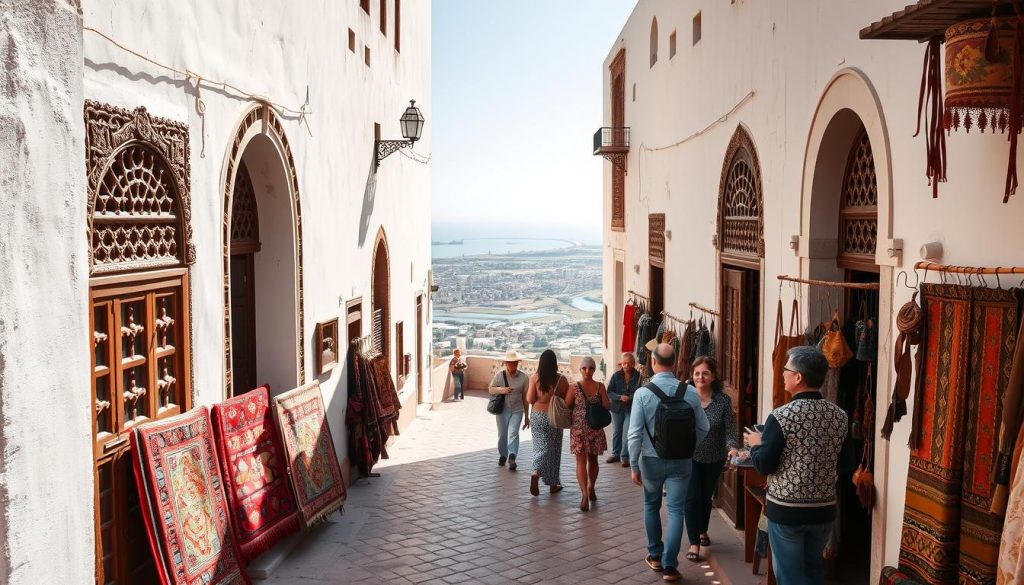
Many locals in tourist areas speak some English. But, learning basic Arabic phrases like “hello” (Marhaba) and “thank you” (Shukran) can improve your interactions with locals.
Money and Tipping Customs
Morocco uses the Moroccan dirham. It’s smart to have local currency for small buys and tips. Tipping is common in Morocco; 10% is a standard tip in restaurants and cafes.
By following these tips, you’ll have a better and more respectful visit to the Oudaias Kasbah. You’ll get the most out of your Morocco travel guide experience.
Best Photography Spots in Oudaias Kasbah
Exploring Oudaias Kasbah, you’ll find many great spots for photos. The Kasbah’s mix of history, architecture, and nature is perfect for taking amazing pictures.
Scenic Viewpoints for Atlantic Ocean Views
The old semaphore station offers stunning views of the Atlantic Ocean, Salé, and the Bouregreg Estuary. Capture the vast expanse of the ocean and the landscape for a stunning photo.
Capturing the Colorful Streets and Doorways
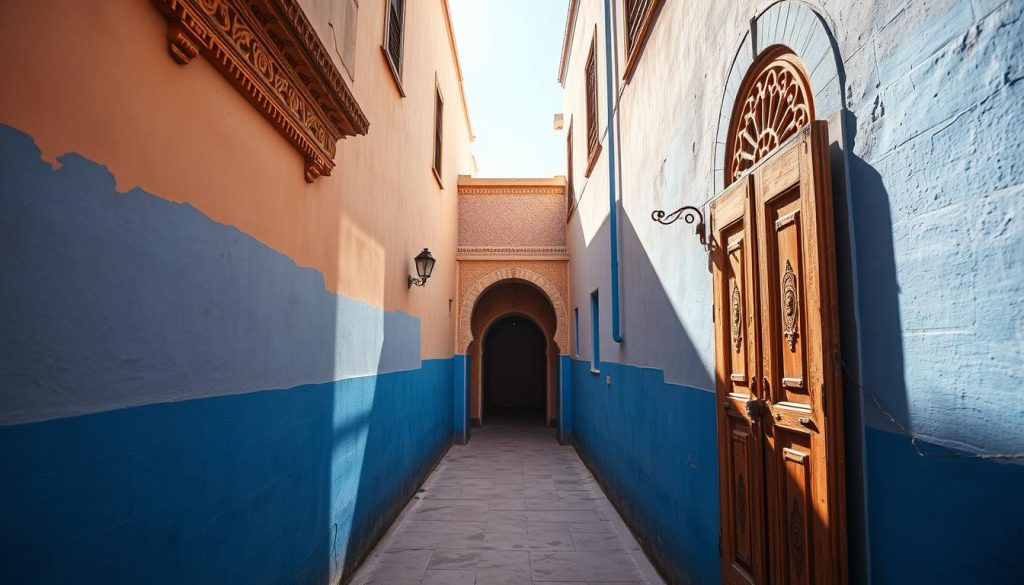
The Kasbah’s blue and white alleys are a photographer’s dream. Focus on the intricate details of Moroccan architecture, like the colorful doorways and ornate windows.
Sunset Photography Recommendations
The Oudaias Kasbah shines during sunset. Find a spot to capture the warm hues of the setting sun on the Kasbah’s walls and buildings.
| Photography Spot | Best Time | Tips |
|---|---|---|
| Semaphore Station Platform | Morning/Afternoon | Use a wide-angle lens to capture the panoramic view |
| Blue and White Alleyways | Anytime | Focus on the details of the architecture and doorways |
| Kasbah Walls during Sunset | Sunset | Capture the warm hues and shadows |
Combining Your Visit with Other Rabat Attractions
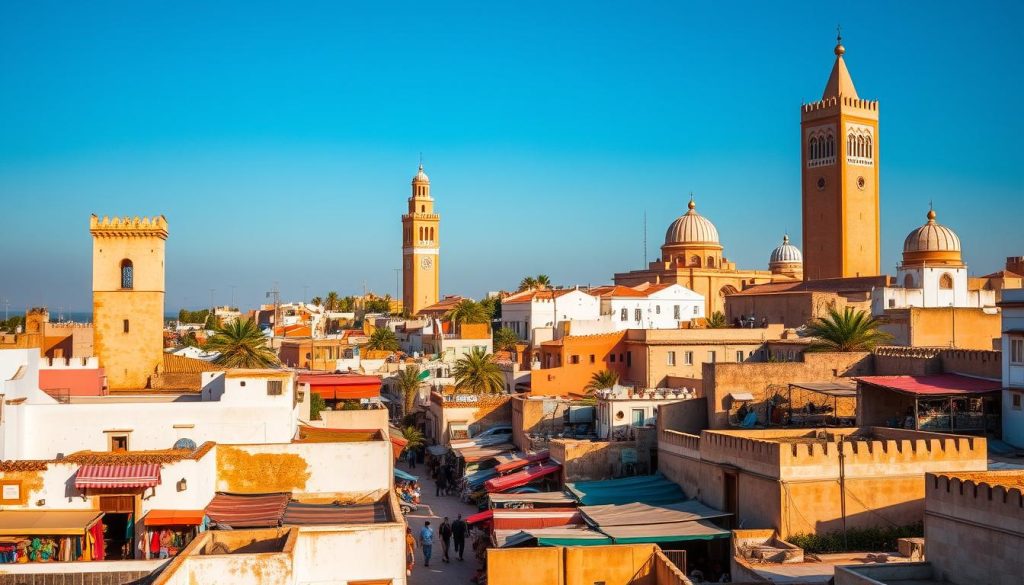
To get the most out of your trip to Rabat, visit the Oudaias Kasbah and other key spots. Rabat, Morocco’s capital, is full of historical and cultural gems. These attractions give a deep look into Morocco’s rich past.
The Hassan Tower and Mohammed V Mausoleum
Begin with the Hassan Tower, a famous landmark in Rabat. This unfinished minaret from the 12th century is next to the Mohammed V Mausoleum. The mausoleum is famous for its beautiful design and intricate details.
Chellah Necropolis
The Chellah Necropolis is another must-see. It’s a Roman ruin turned Islamic cemetery. Here, you can see ancient stone carvings and peaceful gardens. It’s a calm spot in the busy city.
Rabat Medina and Souks
Don’t miss the Rabat Medina and its souks. The Medina is a maze of streets with vendors selling crafts and food. It’s a great place to see local culture and find unique gifts.
The Royal Palace
Lastly, visit the Royal Palace, the King of Morocco’s home. You can’t go inside, but the outside and its surroundings are impressive. The palace guards and the changing of the guard are highlights.
Adding these spots to your plan will give you a full Rabat experience. Whether you love history, culture, or just exploring, Rabat has something for everyone.
Conclusion: Making the Most of Your Oudaias Kasbah Experience
After visiting the Oudaias Kasbah, you’ll feel enriched. This Morocco travel guide helps you explore the Kasbah fully. You’re now ready to enjoy your Oudaias Kasbah visit.
The blue and white alleys, the Andalusian Gardens, and the Atlantic views will stay with you. To make your experience even better, check out other Rabat spots. Places like the Hassan Tower and the Chellah Necropolis offer more of Morocco’s heritage.
With the tips from this guide, you’re set for a memorable trip. Enjoy your travels and dive into Morocco’s beauty and history.





