
Your Guide to the Shimba Hills National Reserve Safari
Are you ready for an unforgettable African safari adventure in Kenya? The Shimba Hills National Reserve is a stunning place. It has coastal forests and grasslands, full of wildlife and beauty.
Exploring this reserve, you’ll see many plants and animals. It’s perfect for nature lovers and those seeking adventure. A Shimba Hills safari is an exciting journey.
Find out why this reserve is a top spot for your next Kenya safari adventure.
Discovering Shimba Hills National Reserve: Kenya’s Coastal Gem
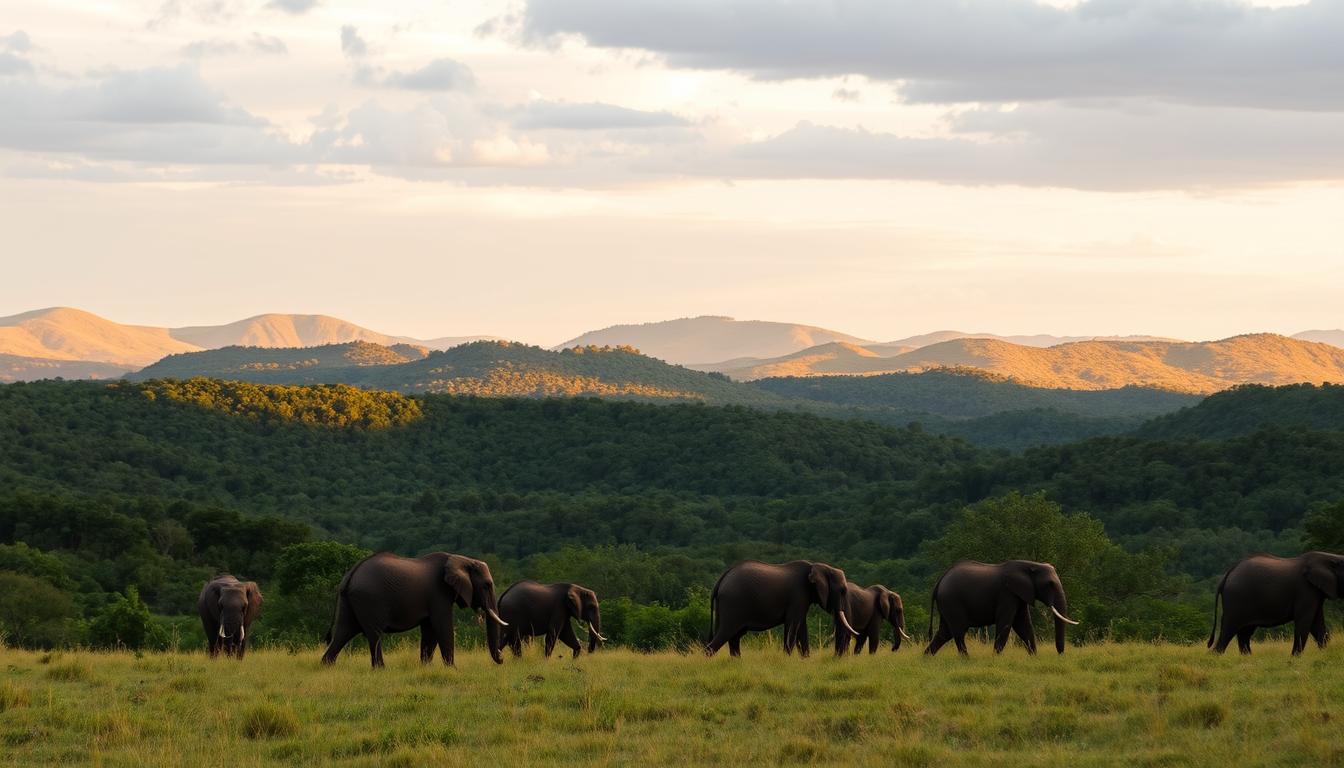
Shimba Hills National Reserve is a coastal treasure in Kenya. It combines wildlife and stunning views. If you’re planning wildlife tours, add this reserve to your list. It’s known for its rich wildlife and conservation work.
Location and Geographic Significance
The Shimba Hills National Reserve is in Kwale County, Coast Province, Kenya. It’s famous for coastal forests exploration. The reserve has a wide variety of plants and animals.
Its hills and forests provide a home for many animals. This makes it a great place for wildlife viewing.

The reserve’s coastal location gives it a special climate. This makes it perfect for seeing animals in their natural setting. Visitors can see many animals in their homes.
Historical Background and Conservation Efforts
The Shimba Hills National Reserve has a long conservation history. It focuses on protecting its wildlife and ecosystems. The Kenya Wildlife Service (KWS) manages the reserve.
They work hard to balance tourism and conservation. This is important for the reserve’s wildlife.
Efforts include habitat restoration and anti-poaching work. These actions help keep the reserve’s biodiversity alive. They also ensure the survival of its animals for the future.
The Complete Shimba Hills National Reserve Safari Experience
Shimba Hills National Reserve is a special place that mixes coastal forests with grasslands. It’s a great spot for Mombasa day trips or nature excursions. You’ll see lots of wildlife and beautiful views, all easily reached from Mombasa.
What Makes This Reserve Unique
Shimba Hills is special because of its mix of ecosystems. It has both coastal forests and open grasslands. This variety creates a home for many different animals and plants.
The reserve is known for its rich biodiversity. It’s a place where many endangered species live. You can see animals like sable antelopes, elephants, and lots of birds.
Comparing to Other Kenyan Safari Destinations
Shimba Hills is different from other Kenyan safari spots. While other places have dry savannas, Shimba Hills is lush and forested. This makes it stand out.
| Feature | Shimba Hills | Other Kenyan Reserves |
|---|---|---|
| Ecosystem | Coastal forest and grasslands | Mainly savannas and arid lands |
| Accessibility | Easily accessible from Mombasa | Varies, some are more remote |
| Biodiversity | High, due to mixed ecosystems | Varies, often specialized to the local ecosystem |
This comparison shows why Shimba Hills is a great choice for a Kenyan safari. It offers something unique that other places don’t.
Wildlife Encounters: What Animals to Expect
When you enter the Shimba Hills National Reserve, you’ll see many animals. It’s famous for its wildlife, making it great for wildlife tours and safari adventures. You might see elephants, buffalo, and even the rare Sable Antelope.
The Rare Sable Antelope and Conservation Efforts
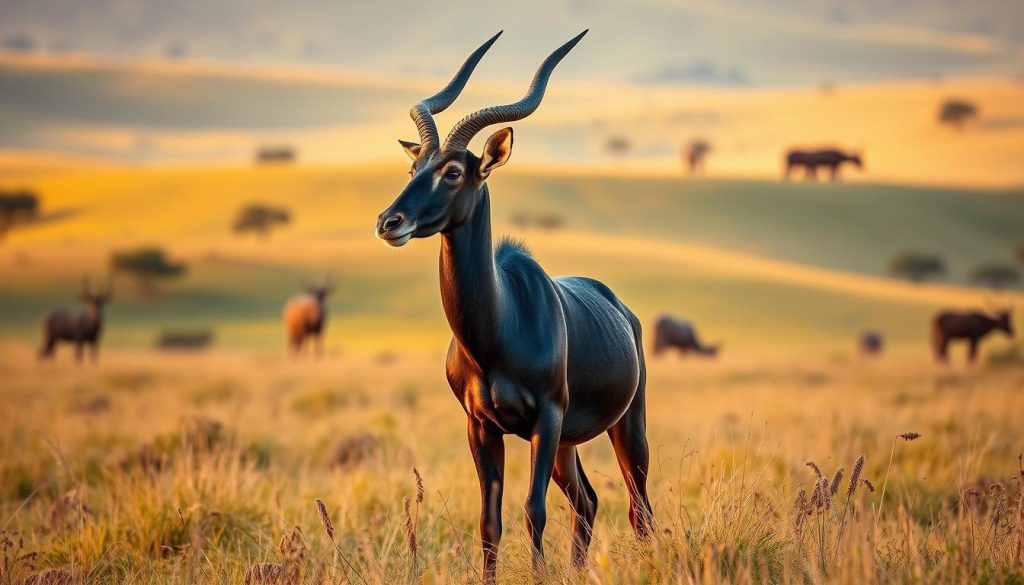
The Shimba Hills National Reserve is a key place for the Sable Antelope. This animal is rare and needs our help. The reserve works hard to protect it, including stopping poachers and keeping its home safe.
Elephants, Buffalo, and Other Mammals
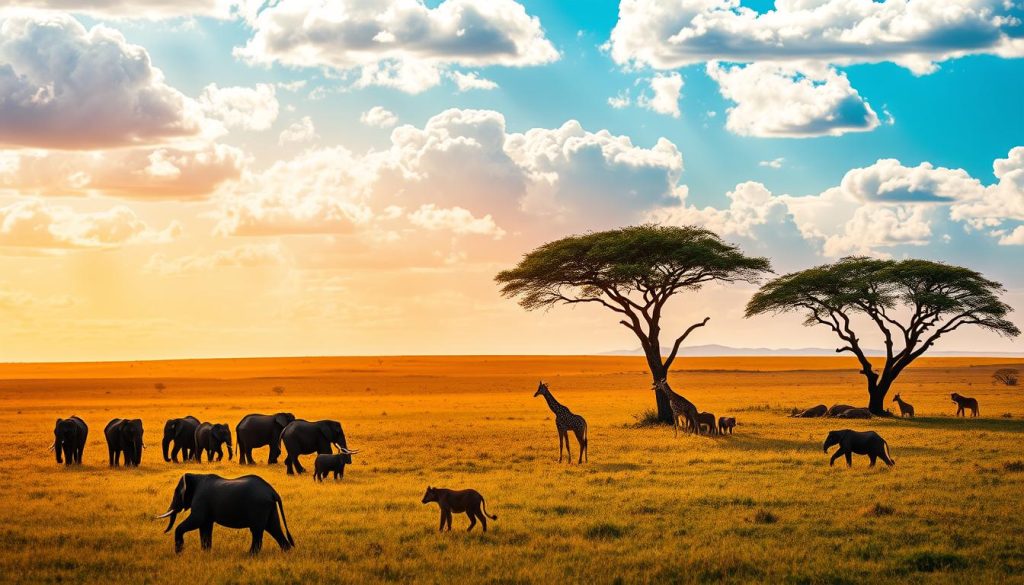
Shimba Hills is also home to many elephants and buffalo. These big animals move around freely, giving visitors a chance to see them up close. Other animals like bush pigs and different antelopes add to the reserve’s rich wildlife, making every trip exciting.
Bird Species and Reptiles Diversity
The reserve is also a birdwatcher’s dream and a place to see reptiles. It has many bird species, some found nowhere else. Snakes, lizards, and crocodiles are just a few of the reptiles you might see. This makes the Shimba Hills National Reserve safari even more thrilling.
Planning Your Visit: Essential Information
When planning your Kenya safaris, knowing the key details for Shimba Hills National Reserve is vital. This knowledge ensures a smooth and fun trip. You’ll want to be prepared with all the necessary information.
Entry Fees and Opening Hours
Shimba Hills National Reserve is open every day from 6:00 AM to 6:00 PM. The cost to enter depends on your nationality and if you’re a local or visitor. For the latest prices, check with the Kenya Wildlife Service (KWS) or a licensed tour operator.
Required Documents and Permits
To get into Shimba Hills, you’ll need a valid passport and a Kenya visa (if needed). You also must get a park entry permit. This can be done through a tour operator or at the park’s entrance. Make sure your travel documents are ready to avoid any problems.
Safari Booking Options and Tour Operators
Booking a guided tour is highly recommended for a great African safari adventure. Many tour operators offer packages with transport, lodging, and guided tours. You can also find options for guided walking safaris and trips to Sheldrick Falls. Choose a well-known tour operator for a memorable trip.
“The best way to experience Shimba Hills is by booking a guided tour, which not only enhances your wildlife viewing but also provides valuable insights into the reserve’s ecosystem.” – A seasoned safari guide.
By planning ahead and knowing the essential information, you can have a stress-free and enjoyable visit to Shimba Hills National Reserve.
Best Times to Visit Shimba Hills National Reserve
The Shimba Hills National Reserve is open all year. But, some seasons are better for seeing wildlife. Knowing when to go can make your safari better, letting you see animals in their natural home.
Seasonal Wildlife Viewing Opportunities
The reserve has many animals, and the best time to see them varies. In the dry season, from June to October, animals gather near water. This is the best time to see rare sable antelopes, elephants, and buffalo.
The wet season, from November to May, brings green plants and new animals. It offers a special look at the reserve’s world.
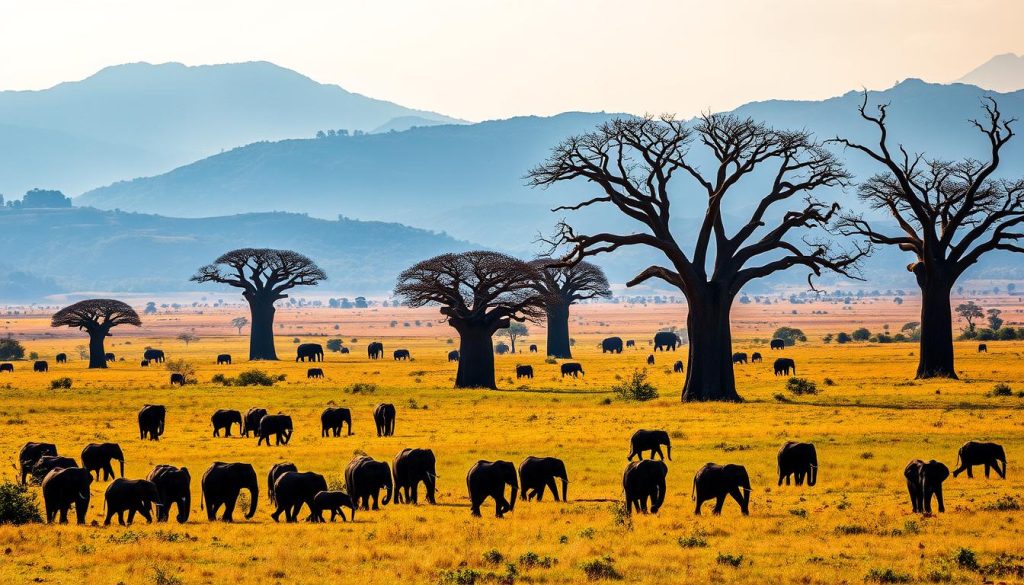
Conservationists say the dry season is thrilling for visitors. It’s perfect for Mombasa day trips or nature excursions. The clear skies and easy roads make safaris more fun.
Weather Patterns and What to Expect
Shimba Hills has a subtropical climate. Temperatures are between 20°C and 30°C all year. There are two rainy seasons: long rains from March to May and short rains from November to December.
The rain makes some areas hard to reach. But, it also makes the reserve beautiful for those who love green landscapes.
A guide said, “Rain makes the reserve a paradise for nature lovers and photographers.” Knowing the weather helps you plan your visit and enjoy it more.
Safari Experience Options in Shimba Hills
Exploring Shimba Hills National Reserve offers a variety of safari experiences. Whether you’re a wildlife lover or new to safaris, there’s something for everyone. Shimba Hills has it all.
Guided Game Drives and Vehicle Options
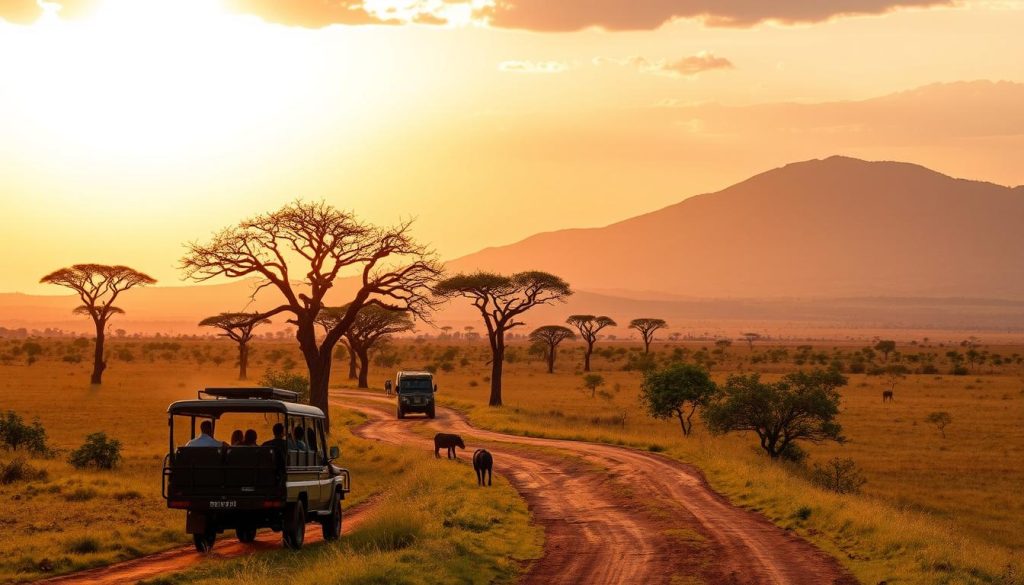
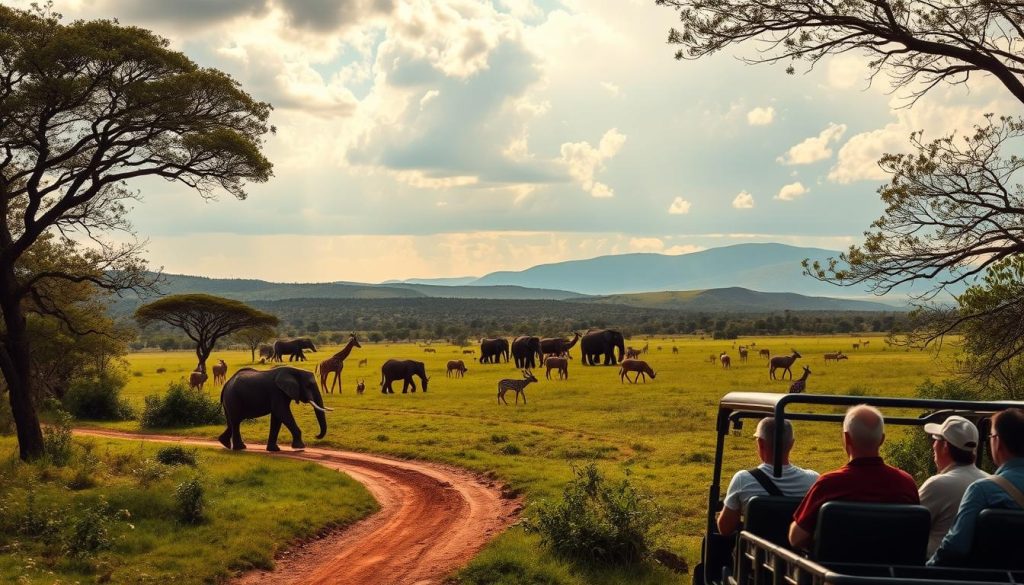
Guided game drives are a favorite in Shimba Hills. Experienced guides lead these drives, showing you the reserve’s wildlife and terrain. You might see rare sable antelopes, elephants, and buffalo.
The reserve has various vehicles for your safari. Choose from 4×4 Land Cruisers to minibuses. These vehicles ensure a safe and comfortable journey through the reserve.
Walking Safaris and Nature Trails
For a closer experience, try a walking safari or nature trail. These guided walks let you connect with nature. You’ll see the reserve’s plants and animals up close.
Learn about the reserve’s ecosystem and spot birds and small animals. Enjoy the peaceful forest surroundings.
Sheldrick Falls Excursions
Visiting the Sheldrick Falls is a must in Shimba Hills. This waterfall is surrounded by lush greenery, offering a calm atmosphere.
Take a guided tour to the falls. It includes a forest hike and swimming in a natural pool.
| Safari Experience | Duration | Price Range |
|---|---|---|
| Guided Game Drive | 3 hours | $50-$100 |
| Walking Safari | 2 hours | $30-$70 |
| Sheldrick Falls Excursion | 4 hours | $70-$120 |
“The Shimba Hills National Reserve is a hidden gem, offering a unique blend of coastal forests and wildlife. The safari experiences available here are truly unforgettable.”
Day Trips from Mombasa to Shimba Hills
Start an amazing journey with a day trip from Mombasa to Shimba Hills National Reserve. It’s just a few hours away. Shimba Hills is perfect for those wanting to see Kenya’s wildlife close to the coast.
Transportation Options and Travel Time
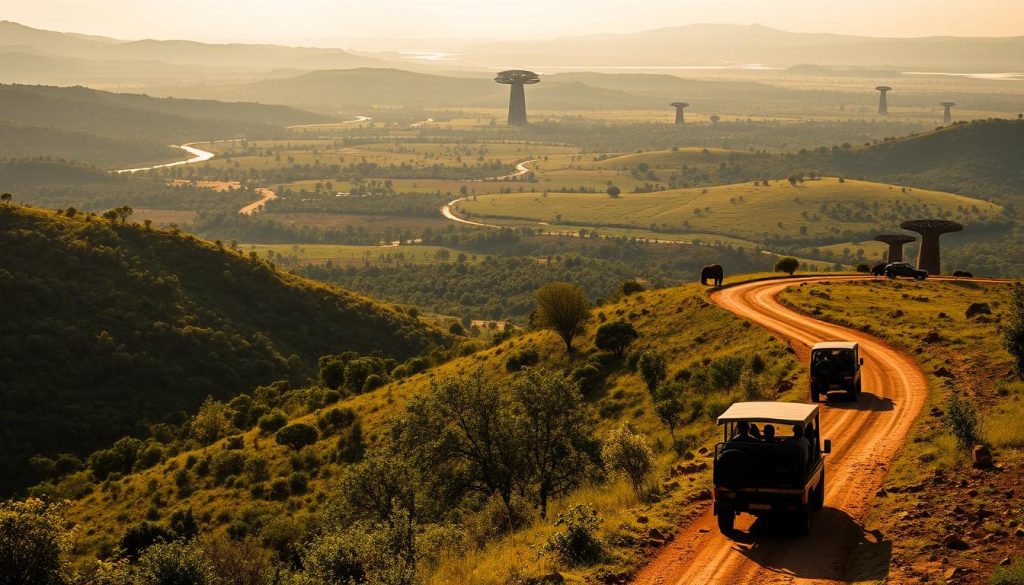
Getting to Shimba Hills from Mombasa is easy. You can choose a guided tour or drive yourself. The trip takes 2-3 hours, depending on traffic and road conditions. Many tours offer a 4×4 vehicle for the bumpy roads to the reserve.
| Transportation Method | Travel Time | Cost |
|---|---|---|
| Guided Tour | 2-3 hours | $50-$100 |
| Self-Drive | 2-3 hours | $20-$50 (fuel and rental) |
Recommended Itineraries for Day Visitors
A day trip to Shimba Hills is full of fun activities. Start with a morning game drive to see animals like sable antelopes and elephants. Then, visit the Sheldrick Falls, a stunning waterfall. Don’t forget to relax at the scenic viewpoints.
- 8:00 AM – Depart from Mombasa
- 10:00 AM – Game drive in Shimba Hills
- 12:30 PM – Visit Sheldrick Falls
- 2:00 PM – Lunch at a local restaurant
- 4:00 PM – Return to Mombasa
Combining with Beach Holidays
Visiting Shimba Hills from Mombasa is great because you can mix a safari with beach time. Mombasa has beautiful beaches like Diani and Nyali. After a morning safari, relax on the beach or by the pool.
“The combination of a Shimba Hills safari and Mombasa’s beaches offers a diverse and enriching travel experience.” – Travel Kenya Magazine
Accommodation and Practical Tips
Planning ahead is key for a great safari at Shimba Hills National Reserve. You need to pick the right place to stay and pack the essentials for your trip.
Lodges and Camping Within the Reserve
Shimba Hills National Reserve has many places to stay, from comfy lodges to camping. The Shimba Hills Lodge and Shimba Hills Camp are top picks. They offer amazing views and are close to wildlife.
| Accommodation Type | Features | Price Range |
|---|---|---|
| Shimba Hills Lodge | Luxury rooms, restaurant, swimming pool | $150-$250 per night |
| Shimba Hills Camp | Camping sites, shared facilities, guided tours | $20-$50 per night |
What to Pack for Your Safari
Bringing the right gear is important for a good safari. You’ll need comfy clothes, a hat, sunscreen, binoculars, and a camera. Don’t forget a water bottle and any meds you might need. If you’re camping, a good tent and sleeping bag are essential.
- Comfortable and neutral-colored clothing
- Sun protection (sunscreen, hat, sunglasses)
- Binoculars for wildlife viewing
- Camera with zoom lens
- Reusable water bottle
Photography Tips and Ethical Wildlife Viewing
For great photos at Shimba Hills, plan ahead. Use a camera with a good zoom lens to get close shots without scaring animals. Be patient and ready for special moments. Always keep a safe distance and follow your guide’s advice for ethical viewing.
“The best way to observe wildlife is to be still and quiet, allowing the animals to come to you.” –
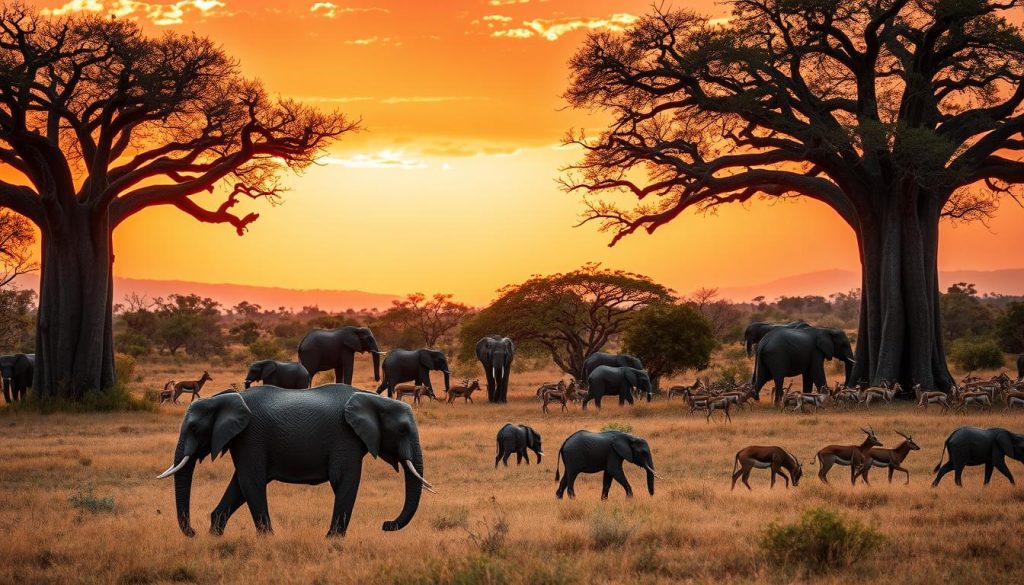
By choosing your accommodation, packing right, and being careful with your photos and wildlife viewing, you’ll have a great time at Shimba Hills National Reserve.
Conclusion: Why Shimba Hills National Reserve Should Be on Your Kenya Itinerary
When planning your Kenya safaris, make sure Shimba Hills National Reserve is first on your list. It’s a treasure trove of wildlife and stunning views, perfect for wildlife tours.
The reserve is a hidden gem, offering an unforgettable experience. You can spot rare sable antelope, elephants, and more. Its lush forests and rolling hills are a photographer’s dream.
Looking for a day trip from Mombasa or a longer safari? Shimba Hills has it all. Enjoy guided game drives, walking safaris, and nature trails. You’ll get to see the reserve’s beauty and wildlife up close.
So, when planning your Kenya trip, don’t forget Shimba Hills National Reserve. It’s a unique mix of wildlife and beauty that you won’t want to miss.





