

Your Guide to the Must-See Historical Sites in San Juan
Planning a trip to San Juan? You might wonder about the historical sites to see. San Juan is a mix of Taíno, Spanish, and Caribbean cultures. It has landmarks like El Morro fortress and the Cathedral Basilica of Saint John the Baptist.
Exploring San Juan’s historical sites is like stepping into a museum. Each site tells a part of the city’s story. San Juan’s history and culture are deeply intertwined, offering a unique experience.
Discovering San Juan’s Rich Colonial Heritage
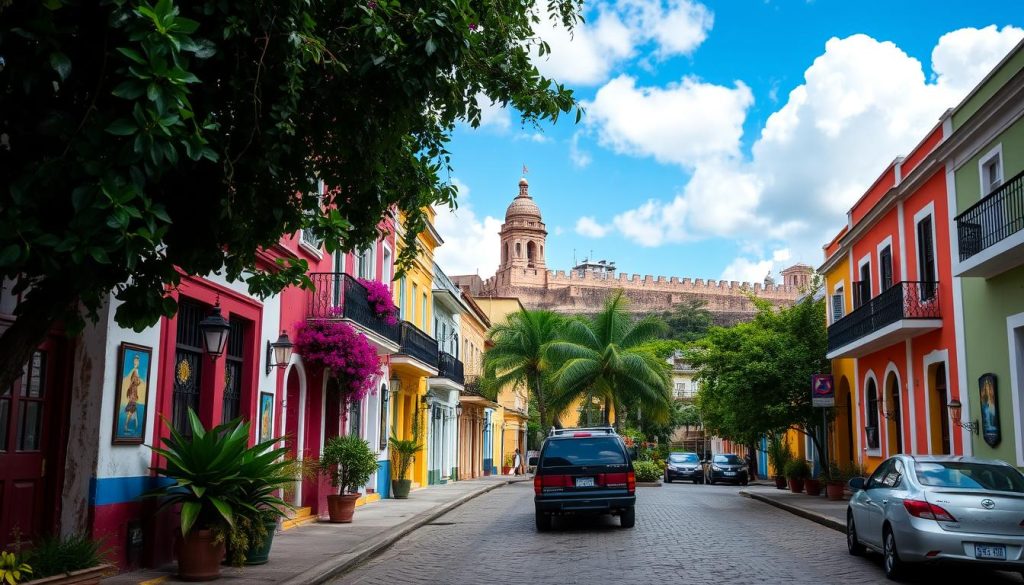
Exploring San Juan history reveals a city with a rich past. San Juan historical tours let you dive into the city’s colonial roots. You’ll see its architecture, culture, and traditions still alive today. The historic district, a UNESCO World Heritage site, is a key spot for history buffs.
The Spanish colonial era greatly shaped San Juan. You can still see its influence in the city’s buildings, fortifications, and landmarks. For a deeper look, consider a guided tour. It offers insights into San Juan’s history and culture.
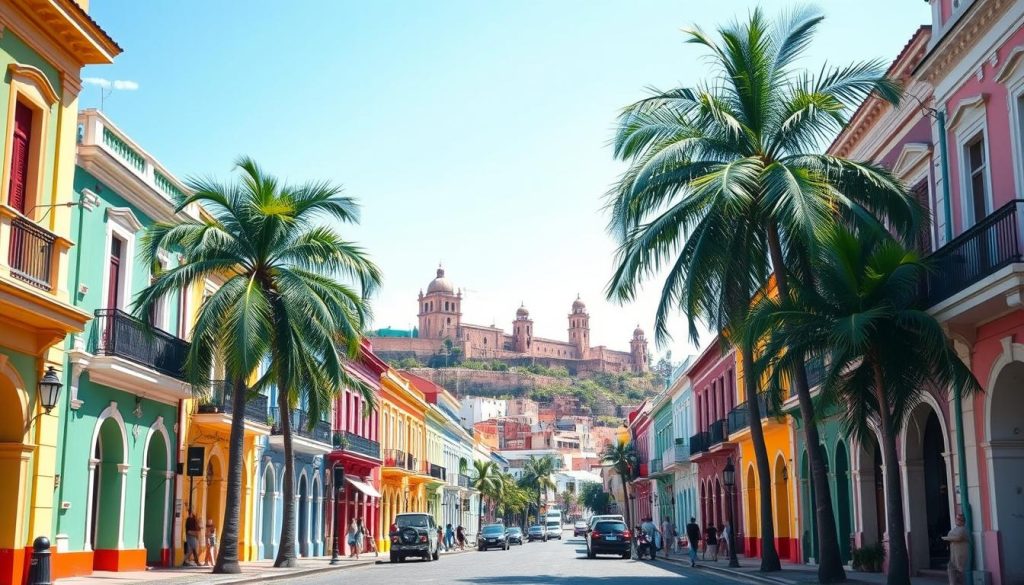
- Old San Juan’s historic district, with its colorful buildings and narrow streets
- The city’s iconic fortifications, such as El Morro and San Cristobal
- The stunning San Juan Cathedral, a beautiful example of Spanish colonial architecture
Exploring San Juan’s colonial heritage lets you understand the city’s history and culture. It shows why San Juan is such a unique place to visit.
| Location | Description |
|---|---|
| Old San Juan | Historic district with colorful buildings and narrow streets |
| El Morro | Iconic fortification with stunning views of the city |
| San Juan Cathedral | Beautiful example of Spanish colonial architecture |
Castillo San Felipe del Morro: The Crown Jewel of Historical Sites in San Juan
When you visit the best historical sites in San Juan, one spot shines brightly: Castillo San Felipe del Morro, or El Morro. This massive citadel was built by the Spaniards in the 16th century. It has six levels and still has original cannons ready to face the sea.
El Morro’s design shows its key role in protecting the city. You’ll see barracks, dungeons, and storerooms. These features highlight the Spanish designers’ cleverness. Walking through, you’ll see why El Morro never fell to its enemies, making it a top historical attraction in San Juan.
Some of the key features of El Morro include:
- Six levels of fortifications, each with its own unique characteristics
- Original cannons and artillery, still facing the ocean
- Barracks, dungeons, and storerooms, showcasing the daily life of the soldiers who defended the city
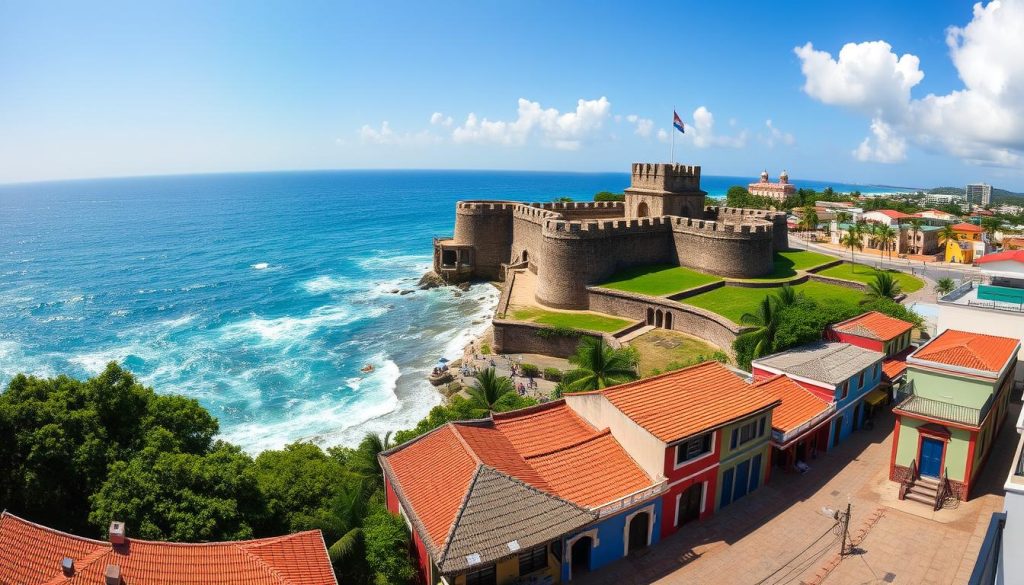
Now, El Morro is a national museum and a UNESCO World Heritage Site. It draws visitors from all over. Exploring this fortress, you’ll see why it’s a key spot for those interested in San Juan’s history.
Exploring Castillo de San Cristóbal
When you explore San Juan’s historic sites, don’t miss Castillo de San Cristóbal. It’s a fortress at the city’s eastern gate. Built to protect San Juan from land attacks, it’s the largest Spanish fort in the New World, covering over 27 acres.
The fort’s design shows its importance in Caribbean defense. Defense in Depth was its guiding principle, taking over 150 years to finish. It was expanded after English and Dutch attacks in 1598 and 1625, making it key to the city’s defense.
Military Architecture and Design
The fortress follows the “Vauban-style fortress” design. It has eleven casemates around the main plaza. It could hold 800,000 gallons of rainwater in its 5 cisterns, making it a self-sufficient stronghold.
Strategic Importance in Caribbean Defense
Castillo de San Cristóbal was crucial in defending the city. Its design and construction make it a must-see in San Juan. It’s a key part of the city’s history, attracting those interested in its past.
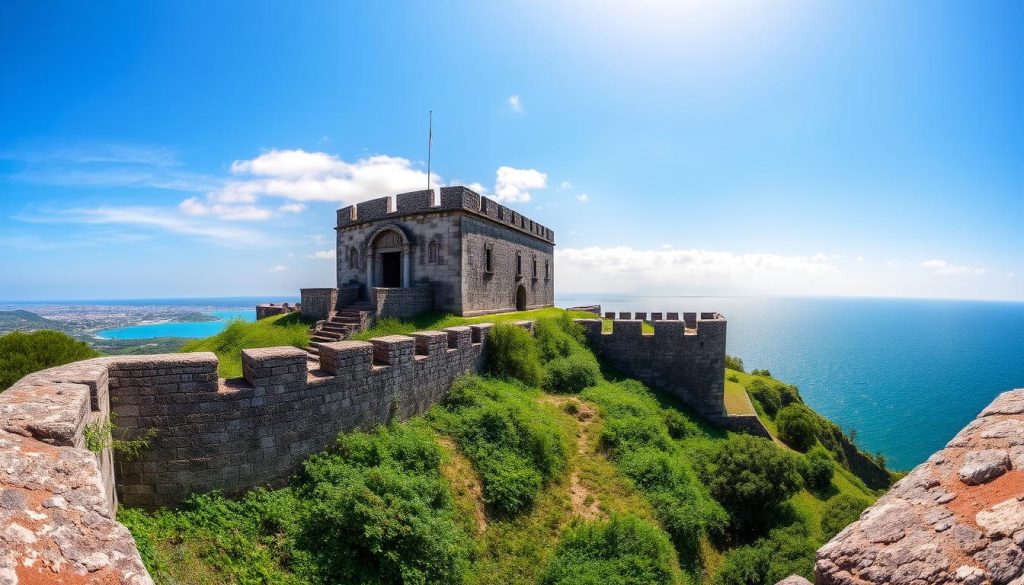
Exploring the fortress reveals its battle history and the famous Garita del Diablo. This place is full of military stories. Castillo de San Cristóbal is a must-see for anyone interested in San Juan’s history and architecture.
| Year | Event |
|---|---|
| 1598 | English attack on San Juan |
| 1625 | Dutch attack on San Juan |
| 1942 | US Army additions, including a bunker and coastal observation posts |
La Fortaleza: America’s Oldest Executive Mansion
Exploring San Juan’s historical sites, La Fortaleza shines with its rich history and architecture. Known as El Palacio de Santa Catalina de Alejandría, it’s been used since the 16th century. This makes it a standout among San Juan’s landmarks.
La Fortaleza was built from 1533 to 1540. It started as a fortress, prison, and arsenal. Now, it’s the Governor of Puerto Rico’s home. Its design mixes European military styles with Caribbean flair, showing off Italian Renaissance, Baroque, and French Enlightenment.
Highlights include its two towers and a mosaic of 95,000 pieces in the Santa Catalina Chapel. Tours let visitors see parts of the mansion and gardens. La Fortaleza gives a peek into the lives of past governors, showcasing San Juan’s history and culture.
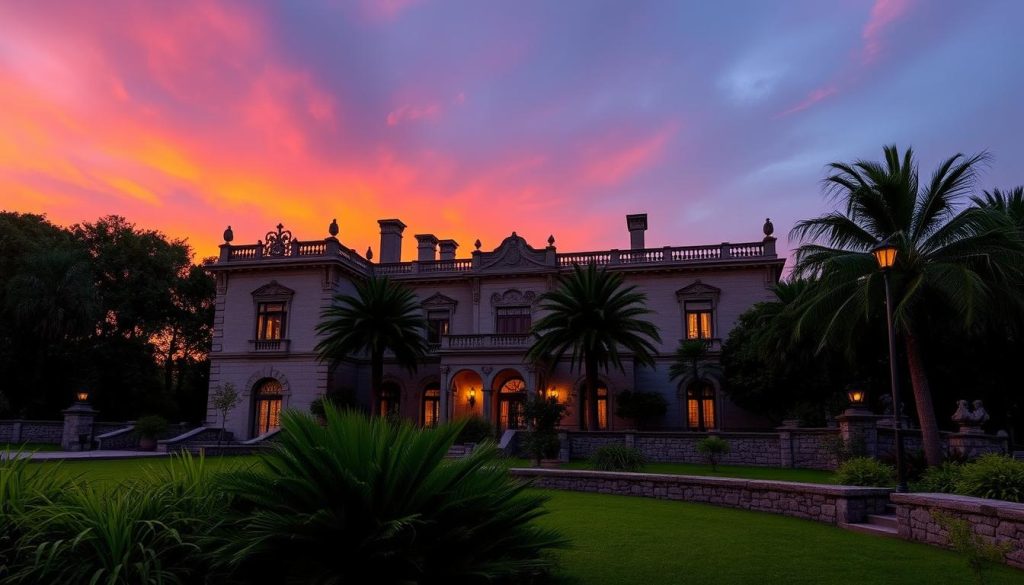
La Fortaleza is a UNESCO World Heritage Site since 1983 and a U.S. National Historic Landmark since 1960. Visiting it is a must when exploring San Juan’s historic district. It’s a grand example of America’s oldest executive mansion, a true treasure.
Walking Through Old San Juan’s Historic District
Exploring San Juan’s history is best done on foot. You’ll see stunning colonial buildings and learn about their significance. San Juan historical tours are a great way to see the area’s key landmarks.
One of the oldest streets, Calle Fortaleza, is known as “Umbrella Street.” It’s famous for its colorful umbrellas. This street is just one of many historical treasures you can find.
Colonial Architecture Highlights
The historic district is filled with beautiful colonial buildings. These buildings show the city’s rich history and culture. Walking through, you’ll see how Spanish, African, and indigenous styles blend together.
Notable Street Landmarks
Notable landmarks include Calle Fortaleza and other historic streets and buildings. These landmarks highlight the city’s long history and cultural heritage.
Hidden Historical Gems
There are hidden gems off the main paths. You’ll find quaint shops, restaurants, and historic buildings. San Juan historical tours help you understand the city’s history and culture. They show how past and present meet in San Juan.
Religious Heritage: San Juan’s Historic Churches
Exploring San Juan’s historical sites reveals a rich religious heritage. The Catedral de San Juan, a rare medieval architecture in the Americas, stands as a spiritual testament. Founded in 1521, it’s the second oldest church in the Americas. It’s not just beautiful; it’s also a site of pilgrimage and prayer, holding the remains of St. Pius.
Visitors can experience San Juan’s vibrant religious heritage by attending cathedral services. These are held throughout the week. The cathedral’s historic value is highlighted by Juan Ponce de León’s tomb, moved here in 1913. The Catedral de San Juan is a key historical site in San Juan, offering a peek into the city’s spiritual and cultural past.
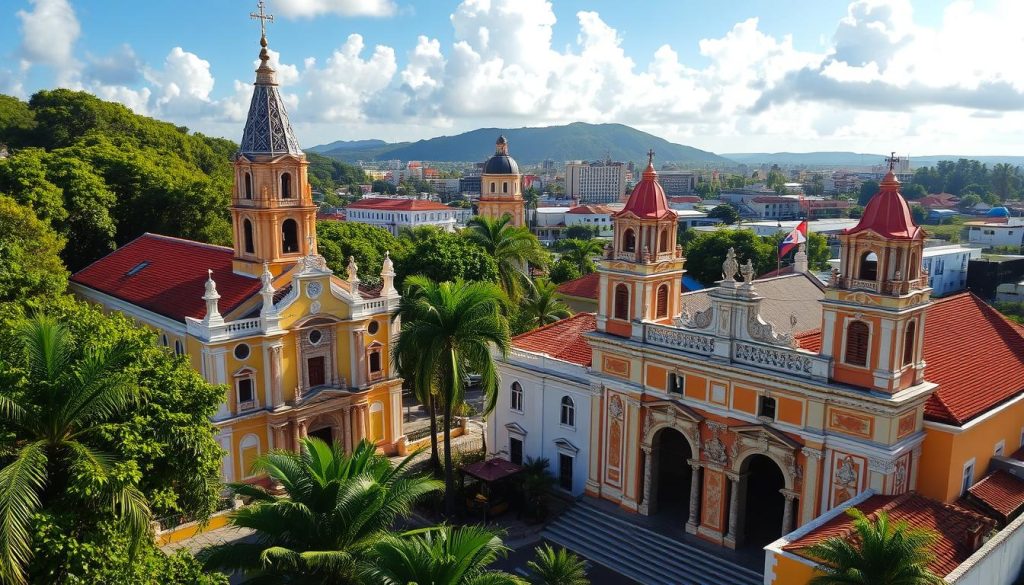
Other notable churches, like the San José Church, feature Gothic architecture in the Western Hemisphere. These historic churches are both places of worship and historical landmarks. They offer a unique view of San Juan’s cultural and spiritual heritage. Exploring these sites deepens your understanding of San Juan’s rich history and its importance as a historical site.
Plaza de Armas: The Heart of Old San Juan
Exploring San Juan’s top historical spots leads you to Plaza de Armas. It’s a key spot in the main square. Here, people gather, work, and celebrate important events. The buildings around it show its deep history.
At Plaza de Armas, you’ll see stunning architecture and feel its history. Since the 16th century, it’s been Old San Juan’s main square. Walking here, you feel San Juan’s past come alive, making it a must-see.
Architectural Features
The plaza is flanked by historic buildings, like the old deputation headquarters, now a museum. Its design blends Spanish colonial and modern styles. The plaza itself is a masterpiece of urban planning, perfect for relaxing and enjoying the views.
Historical Significance
Plaza de Armas has been crucial in San Juan’s history. It’s been a center for trade, politics, and social life. It’s hosted many events, from festivals to cultural shows. Today, it’s a lively spot, attracting both locals and visitors.
Modern Day Usage
Today, Plaza de Armas is a favorite spot for many. It hosts cultural events, concerts, and street performances. You can also visit historic buildings, buy local crafts, and try Puerto Rican food. It’s a key place for history, culture, and fun in San Juan.
San Juan Gate and the City Walls
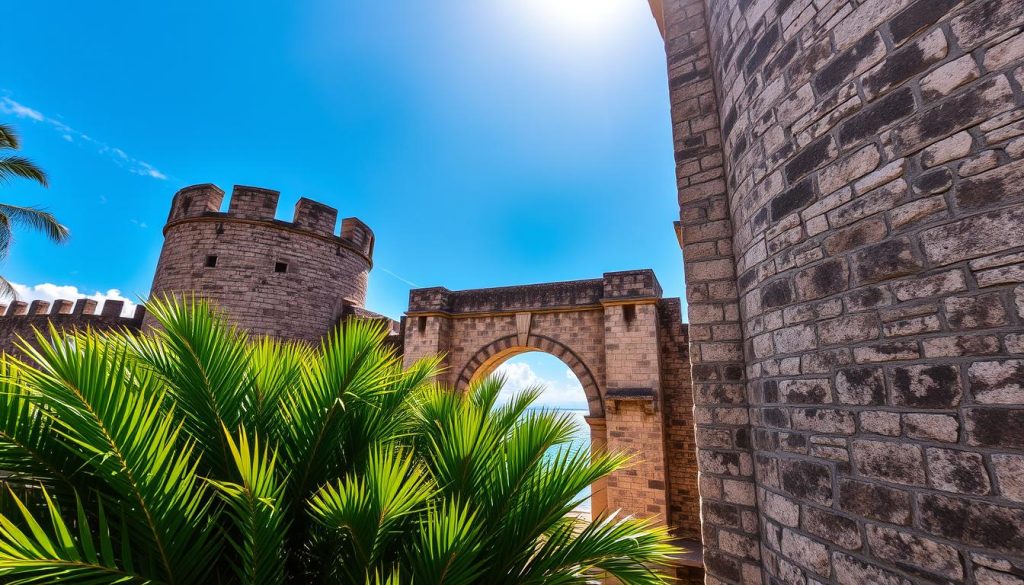
Exploring San Juan history leads you to the San Juan Gate, or Puerta de San Juan. This colorful gate is the main entrance to the walled city. It has been key in the city’s history. Built in the 16th century, it was used for priests and governors’ ceremonies.
The city walls stretch for about three miles, built to protect the city. They have faced attacks from the English and Dutch. Yet, the walls have been restored and are now cared for by the National Park Service.
Construction and Purpose
The city walls were built from the 16th to the 18th century. They were meant to defend the city. The walls are 20 to 100 feet tall and 50 to 24 feet wide. They are a symbol of Puerto Rico’s historic heritage and a UNESCO World Heritage Site.
Restoration Efforts
Efforts to preserve the city walls and the San Juan Gate have been ongoing. The U.S. Army worked on them in the 1930s and 1940s. But, some restoration methods have been questioned. Still, the walls and gate are a big part of San Juan’s history and a favorite spot for tourists.
Casa Blanca: Home of Juan Ponce de León’s Family
When you visit San Juan, don’t miss Casa Blanca. This 16th-century home turned museum gives a peek into Juan Ponce de León’s life. It’s in the heart of Old San Juan, showing the island’s colonial past.
The house, built in 1521, mixes Spanish colonial style with rustic charm. It has a foyer, study, bedrooms, dining room, kitchen, oratorio, garden, and throne room. Casa Blanca lets you see what life was like back then. It’s filled with artifacts from the 16th and 17th centuries.
Some key features of Casa Blanca include:
- A mural on the second floor, showcasing a relaxed approach to artwork in a house museum setting
- A lush garden atmosphere, currently being restored to its former glory
- A special throne room for receiving royal visits, highlighting the house’s historical significance
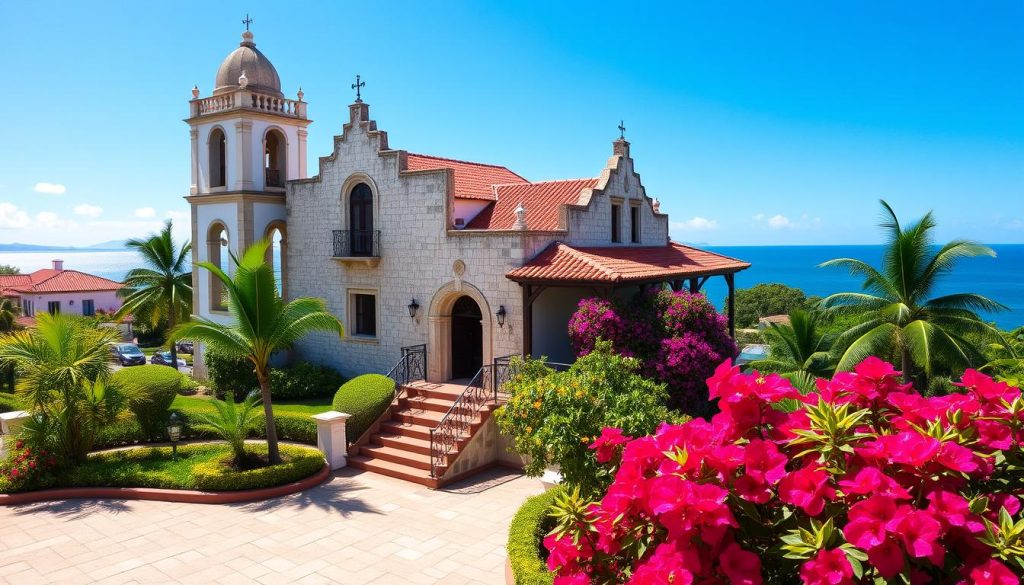
Walking through Casa Blanca, you can imagine the Ponce de León family’s stories. This place is a treasure for those who love history and culture. It’s a key spot for exploring San Juan’s past.
The Ballajá Barracks: Military History Preserved
Exploring San Juan’s history? Don’t miss the Ballajá Barracks. Built from 1854 to 1864, it now houses a cultural center. This former military site shows off Puerto Rico’s rich past.
The barracks were meant for over 1,000 soldiers and their families. Its design reflects Spanish colonial style. Today, it’s home to the Museo de las Américas, showcasing the Americas’ cultures and histories.
Guided tours at the museum reveal the barracks’ role in San Juan’s history. It’s also a key stop on historical tours of the city. These tours dive deep into the city’s colonial past.
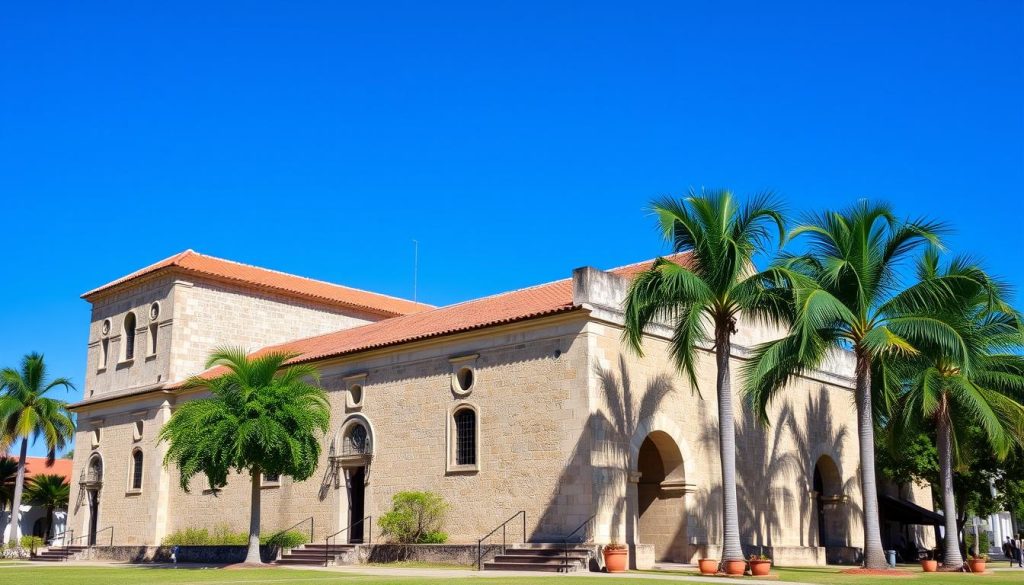
The Ballajá Barracks are a key part of Old San Juan’s historic district. Along with sites like Castillo San Felipe del Morro and La Fortaleza, they offer a memorable experience. The rich history and cultural importance make it a highlight of any San Juan tour.
Museum Collections
The Museo de las Américas has a vast array of exhibits. These include artifacts from Puerto Rican military history, culture, and art. Some notable collections include:
- Pre-Columbian artifacts
- Spanish colonial-era art and furniture
- Puerto Rican military uniforms and equipment
Cultural Significance Today
The Ballajá Barracks are crucial in preserving Puerto Rican heritage. Restored, they now host cultural events and exhibitions. Visitors can enjoy concerts, festivals, and more, making the barracks a lively part of Old San Juan.
| Year | Event |
|---|---|
| 1854-1864 | Construction of the Ballajá Barracks |
| 1990-1993 | Restoration of the Ballajá Barracks |
| 1992 | Establishment of the Museo de las Américas |
Best Times to Visit and Practical Tips
When planning your San Juan historical tours, think about the best times to see the city’s Must-visit historical sites San Juan. The high season, from December to March, has nice weather. Temperatures are in the low 80s, perfect for exploring the historic district.
To get the most out of your trip, pick San Juan historical tours that match your interests. You can choose from guided tours or go on your own. For a deeper experience, visit in the shoulder season, from mid-April to June. The weather is cooler, and there are fewer people around.
Here are some tips to help you:
- Plan your visit based on the sites’ opening hours.
- Buy tickets early to skip long lines.
- Use public transport or walk to see the historic district’s beauty.
For a special experience, visit in the off-season, from July to November. You can enjoy local events and meet the community. But remember, hurricane season is from June 1 to November 30, so plan ahead.
By carefully planning your visit and using San Juan historical tours, you’ll have a memorable time at the city’s Must-visit historical sites San Juan.
| Month | Weather | Events |
|---|---|---|
| December | Pleasant | Old San Juan’s White Christmas Festival |
| January | Average daytime temperatures around 84°F | Three Kings Day and the San Sebastián Street Festival |
| February | Busy tourism month | Valentine’s Day |
Conclusion: Preserving San Juan’s Historical Legacy
The historical sites in San Juan, Puerto Rico, share a fascinating story. They show how the city changed from a Spanish colony to a lively modern place. These sites, like fortresses, mansions, and churches, keep alive the island’s deep cultural history.
The Spanish fortifications in San Juan, like Castillo San Felipe del Morro, are very important. They are a UNESCO World Heritage Site, showing their global importance.
Efforts are ongoing to protect these historical gems for the future. Visitors can see the detailed military designs and learn about their role in defending the Caribbean. By exploring these historical sites in San Juan, you’ll understand the city’s rich past and its role as a bridge between the Old and New Worlds.
If you’re interested in colonial history, the stories of early settlers, or the charm of Old San Juan, you must explore. These sites remind us of San Juan’s strength and cultural wealth. Start planning your visit now and dive into San Juan’s rich history.





