Your Guide to the Menengai Crater Hike
Are you ready to explore one of Africa’s most impressive volcanic landscapes? The Menengai Crater offers a unique hiking experience with breathtaking views.
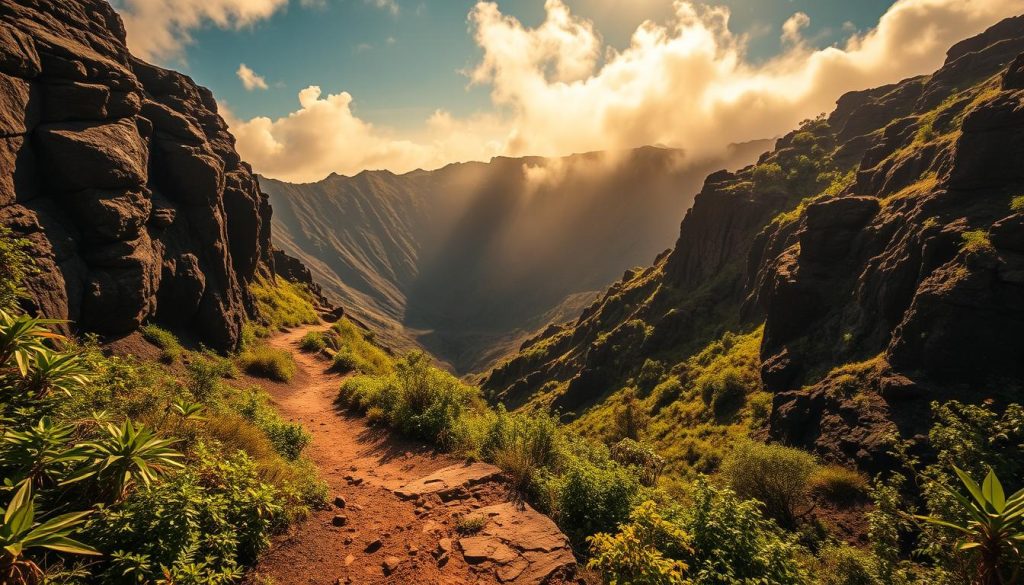
The hike starts at the Viewpoint, 2278m above sea level. It takes you through a vast caldera, 12km at its widest and 8km at its narrowest. As you trek, you’ll be surrounded by the crater’s vast expanse.
This guide will walk you through what to expect on your Menengai Crater trek, from the starting point to the highlights of the journey. Get ready to explore Menengai Crater like never before.
Discovering the Menengai Crater: Kenya’s Hidden Gem
The Menengai Crater is a stunning sight on Kenya’s northern side, near Nakuru. As you start the Menengai Crater trail, you’ll see Kenya’s natural beauty all around you.
Geological Formation and History
The Menengai Crater is an old volcano that stopped erupting long ago. It was made when a volcano cone collapsed and then eroded over time. This unique landscape is both fascinating and beautiful.
The crater’s story is not just about its making. It also has deep cultural and archaeological value for the local people.
Significance in Kenyan Tourism
Hiking the Menengai Crater is a top experience in Kenya. Its special geology and rich culture make it a key spot for tourists. Visitors can see the crater floor, check out the geothermal features, and enjoy the views from the top.
The Menengai Crater is a hidden treasure that offers a memorable hike.
| Feature | Description | Significance |
|---|---|---|
| Geological Formation | Extinct volcano with a collapsed cone | Unique landscape and geological history |
| Cultural Significance | Archaeological and cultural importance | Rich cultural heritage for local communities |
| Tourist Attraction | Hiking trails and scenic views | Popular destination for hiking enthusiasts |
Best Time to Experience the Menengai Crater Hike
To enjoy your Menengai Crater hike, knowing the best time is key. The hike, lasting 6-7 hours, is affected by the weather. Knowing the weather patterns helps plan a safe and fun trip.
Seasonal Considerations
The dry seasons, from January to March and July to October, are the best times to visit. The weather is dry and clear, making the hike easier. Avoid hiking during the rainy seasons as the trails can be slippery and muddy.
Weather Patterns and What to Expect
Kenya’s weather can be unpredictable, and Menengai Crater is no exception. Expect cooler mornings and evenings, more so in the dry seasons. It’s advisable to pack layers for the day’s temperature changes. Also, bring rain gear even in the dry seasons.
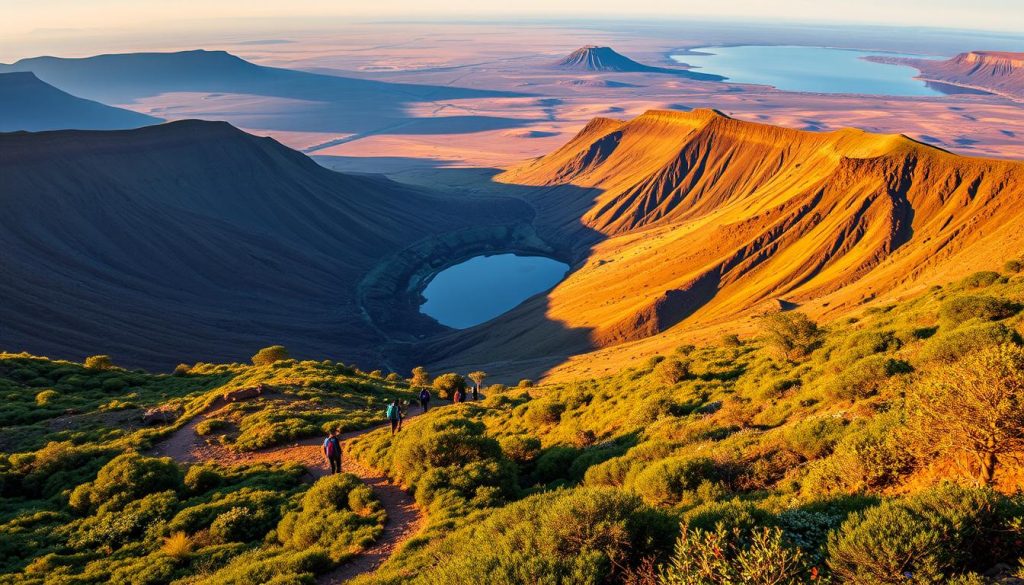
By understanding the seasonal changes and weather, you’re ready for the Menengai Crater hike. You’ll enjoy the beautiful views and unique geological features.
Planning Your Menengai Crater Hike: Essential Preparations
To have a safe and fun time, getting ready is crucial for the Menengai Crater hike. Think about a few key things to make your trek great.
Required Permits and Fees
First, get the permits and pay the fees needed for the hike. These costs help keep the area beautiful and safe. You’ll need to pay for entrance and any guided tours. Check with local authorities or tour operators for the latest on permits and fees.
Recommended Fitness Level
The hike is moderately tough because of the terrain and distance. Be ready for a challenging but rewarding hike. Regular exercise and stamina training are good prep. If you’re new to hiking, start training a few weeks before your trip.
What to Pack for the Hike
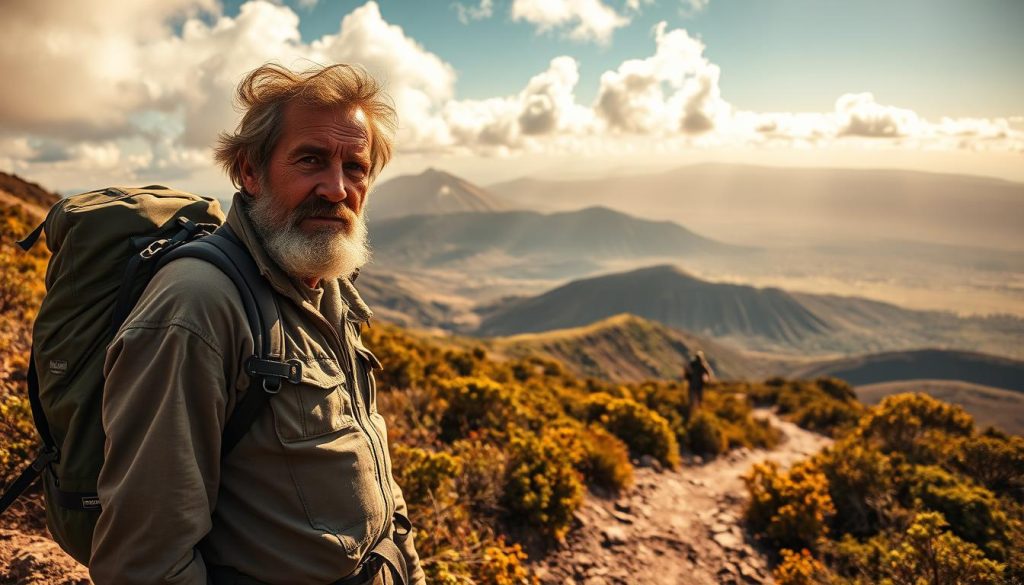
It’s important to pack the right things for a successful hike. You’ll need comfy shoes, water, snacks, a first-aid kit, and clothes for different weather. Remember sun protection and a camera for the stunning views. Here’s a quick list of what to bring:
- Comfortable hiking shoes
- Water and hydration pack
- Snacks and energy bars
- First-aid kit
- Weather-appropriate clothing
- Sun protection (sunscreen, hat, sunglasses)
- Camera and extra batteries
Getting to Menengai Crater: Transportation Options
Getting to Menengai Crater is easy with many transportation choices. You can travel from Nairobi or other cities to Nakuru, the nearest big town. Then, you can pick between private or public transport to get to the crater.
From Nairobi to Nakuru
The main way to Menengai Crater is from Nairobi. Drive on the A104 highway to Nakuru, a 3-4 hour trip, depending on traffic. Or, take a bus or matatu from Nairobi’s bus stations to Nakuru. Several bus companies offer this service, making it affordable and comfortable.
If flying is your preference, you can fly from Nairobi’s Jomo Kenyatta International Airport to Nakuru’s airport. But, this is less common and you’ll need more local transport to get to the crater.
Local Transportation to the Crater
In Nakuru, you’ll need to find local transport to Menengai Crater. You can rent a taxi or a private car for the 30-minute drive. Local tour operators also provide shuttle services as part of their Menengai Crater hike packages.
For a full explore Menengai Crater experience, choose the best transport for you. And don’t forget to ask locals for directions to the Menengai Crater trailhead.
The Complete Menengai Crater Hike Experience
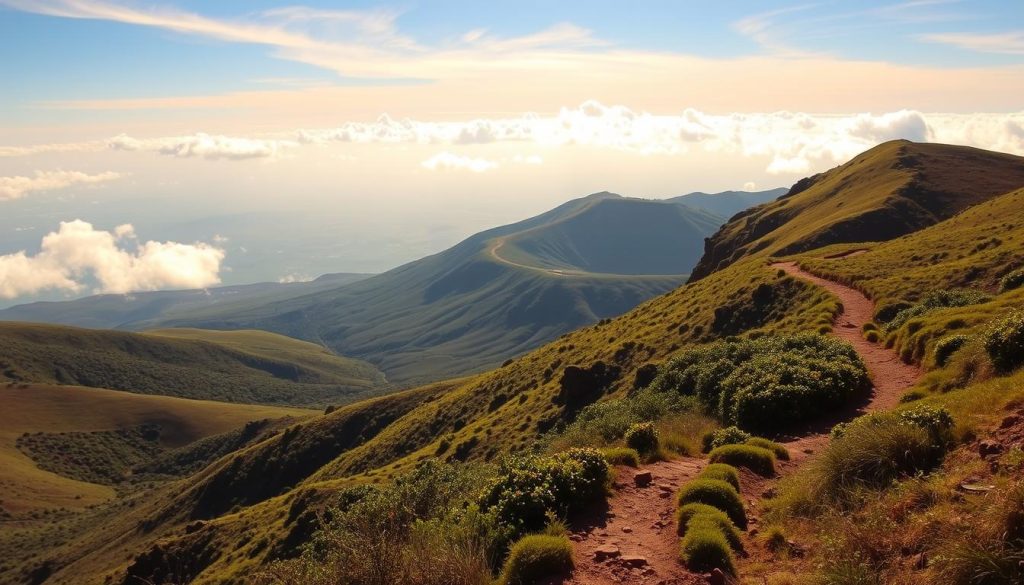
Starting the Menengai Crater hike, you’ll see amazing views and many trails. You’ll go down into the crater, with trails for all skill levels. This makes the hike fun for everyone.
Main Trail Options and Difficulty Levels
The Menengai Crater trek has trails for all, from easy to hard. The Crater Rim Trail is popular and offers great views. It’s a bit easier. But, the Crater Floor Trail is steeper and more challenging.

Estimated Hiking Times and Distances
The hike’s time and distance depend on the trail. It usually takes 4 to 6 hours to finish, covering 7 to 10 kilometers. Here’s a quick guide to the main trails:
| Trail Name | Distance (km) | Estimated Time (hours) | Difficulty Level |
|---|---|---|---|
| Crater Rim Trail | 7 | 4 | Moderate |
| Crater Floor Trail | 10 | 6 | Challenging |
Trail Markers and Navigation Tips
The trails are well-marked with signs. But, it’s wise to carry a map, compass, or GPS. As one hiker said,
“The key to a successful hike is preparation and staying aware of your surroundings.”
Also, stick to the trails to avoid getting lost and protect nature.
Exploring the Crater Floor: What to Discover
When you reach the Menengai Crater floor, you enter a world unlike any other. You’ll see steam vents and unique geological features. These are signs of the crater’s volcanic past and its ongoing geothermal activity.
Geothermal Features and Steam Vents
The Menengai Crater is famous for its geothermal activity. You’ll see many steam vents on the crater floor. As you explore Menengai Crater, you’ll see the Earth’s heat escaping through these vents. It creates a surreal atmosphere.
The steam vents are not just interesting to see. They also remind us of the area’s volcanic origins.
Unique Geological Formations
The crater floor has many unique geological formations. These were shaped by volcanic activity and erosion over centuries. As you walk the Menengai Crater trail, you’ll see fascinating rock structures and formations.
These formations tell the story of the crater’s complex geological history. They show us the powerful forces that have shaped this remarkable landscape.
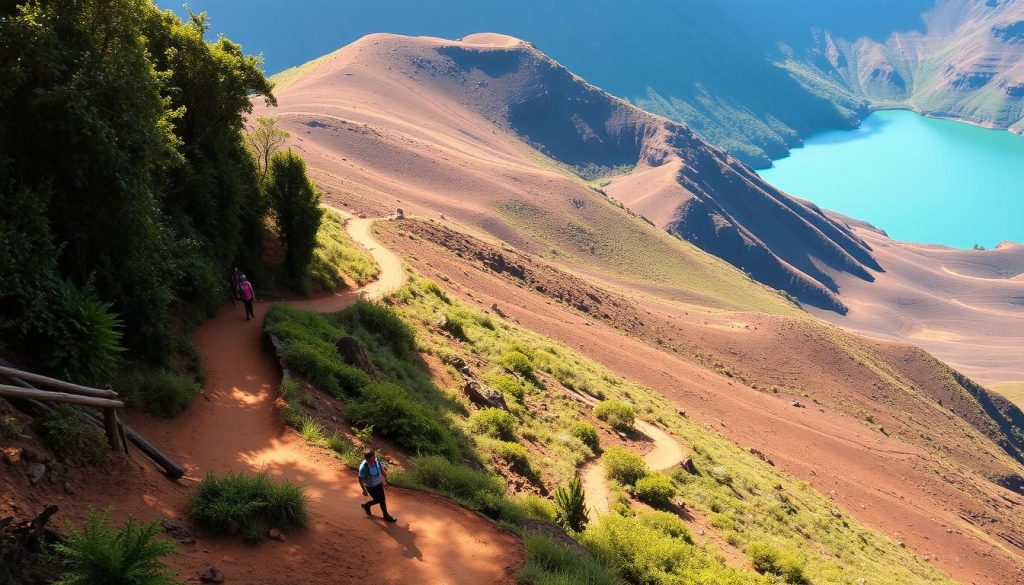
Hiking through the Menengai Crater is an unforgettable experience. The geothermal features and unique geological formations make it special. This Menengai Crater hiking guide prepares you for the wonders you’ll find on the crater floor. It helps you appreciate this natural marvel even more.
Guided Tours vs. Self-Guided Options for Menengai Crater
The Menengai Crater trek lets hikers pick between guided tours and self-guided adventures. Each option has its own benefits. Knowing your choices is crucial for a great hike.
Benefits of Hiring a Local Guide
Choosing a local guide for your Menengai Crater hike can greatly improve your experience. Guides know the terrain well, including the best paths and hidden spots. They also share knowledge about local plants and animals, deepening your understanding of the area.
Guides are very helpful for those new to the region or hiking in Kenya. They help with navigation, making sure you follow the right path and enjoy your hike fully.
| Benefits | Guided Tours | Self-Guided |
|---|---|---|
| Local Knowledge | Expert insights into terrain and ecosystem | Limited to pre-researched information |
| Navigation Assistance | Guide ensures you stay on track | Relies on hiker’s navigation skills |
| Flexibility | Can be less flexible due to guide’s schedule | Complete control over your itinerary |
Tips for Self-Guided Hikers
If you choose to hike Menengai Crater alone, preparation is key. Make sure you have a detailed map and a GPS or compass. It’s also smart to tell someone your plans and when you’ll be back.
Self-guided hikers need to be experienced and sure of their navigation skills. Carry a first-aid kit and know about potential dangers like wildlife and steep cliffs. This can help keep you safe.

Safety Considerations When Hiking Menengai Crater
When hiking Menengai Crater, it’s important to know the risks. This dormant volcano offers a unique hike but has dangers. Stay safe and enjoy your hike.
Potential Hazards and How to Avoid Them
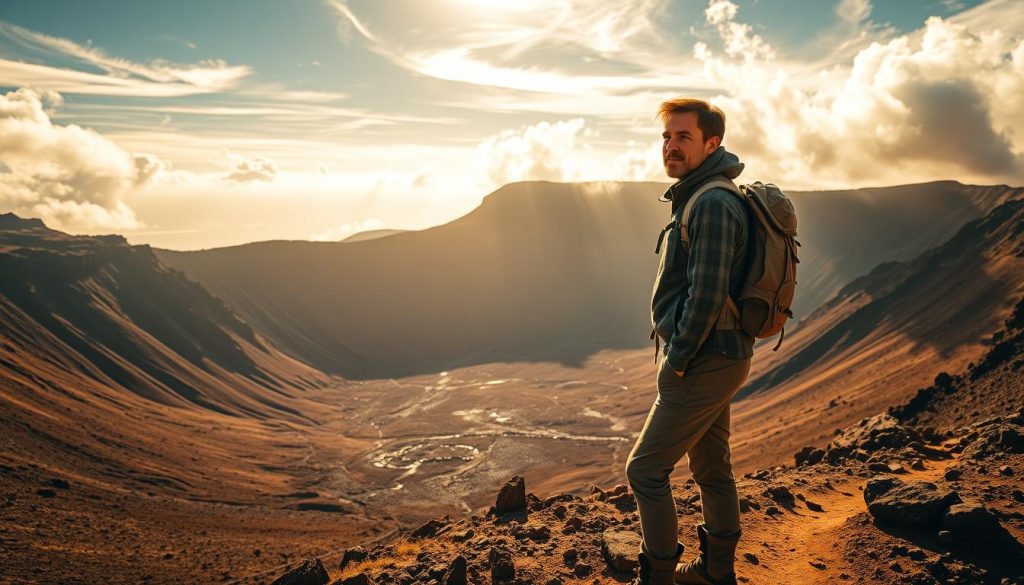
The hike takes you through rough terrain and risky spots. There are steep drops and geothermal areas. To stay safe, stay on designated trails and don’t go into restricted areas.
Be careful around geothermal features like steam vents. They can be dangerous if not treated with care.
Emergency Contacts and Medical Facilities
Know who to call in an emergency. For Menengai Crater, the nearest hospital is the Nakuru County Referral Hospital. It’s about 10 kilometers away.
Also, have emergency numbers handy. This includes local guides and tour operators who can help in trouble.
Knowing the risks and having emergency contacts makes your hike safe and memorable. Always follow the best Menengai Crater hikes tips. And think about getting a local guide to explore Menengai Crater safely.
Combining Your Menengai Crater Hike with Other Attractions
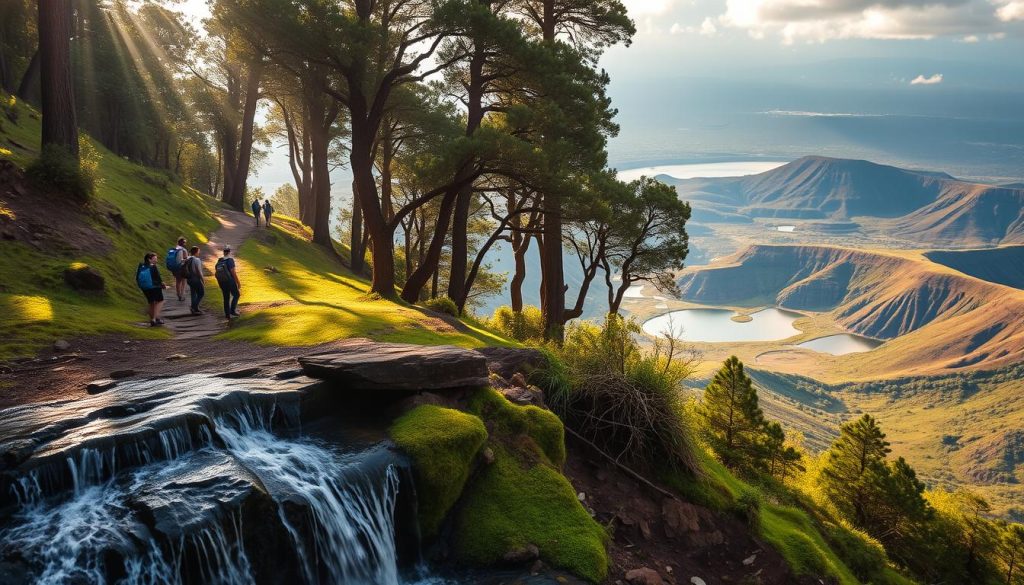
The Menengai Crater is in Kenya’s Rift Valley, near other natural wonders. Plan to visit nearby spots with your Menengai Crater hike. This will enhance your adventure.
Lake Nakuru National Park
Lake Nakuru National Park is a top spot near the Menengai Crater. It’s famous for its beautiful lake and wildlife, like black and white rhinos. It’s also known for its flamingos, but their numbers change with the seasons.
Lake Elementaita and Flamingo Viewing
Lake Elementaita is another great place to visit. It’s famous for flamingo viewing. The lake’s waters support a lot of birdlife. You can enjoy a drive or hike around the lake, seeing amazing views and birds.
Hells Gate National Park
Hells Gate National Park is close to the Menengai Crater. It’s known for its volcanic rock formations and narrow gorges. You can hike, bike, or camp here, enjoying the area’s natural beauty.
| Attraction | Main Features | Activities |
|---|---|---|
| Lake Nakuru National Park | Wildlife, flamingos, lake | Game drives, bird watching |
| Lake Elementaita | Flamingos, birdlife, scenic views | Bird watching, scenic drives |
| Hells Gate National Park | Geological formations, gorges | Hiking, biking, camping |
Conclusion: Why the Menengai Crater Hike Should Be on Your Bucket List
Going on the Menengai Crater trek is a unique and unforgettable adventure. You’ll see breathtaking views and explore Kenya’s natural beauty. You’ll also learn about its geothermal features, unique geological formations, and the history of this dormant volcano.
The best Menengai Crater hikes are for those ready to dive into stunning landscapes and diverse wildlife. Whether you’re an experienced hiker or new to it, this trek will leave a lasting impression.
When planning your trip, think about visiting nearby attractions like Lake Nakuru National Park and Hells Gate National Park. This will make your Kenyan adventure even more exciting. The Menengai Crater hike is a must-see, blending natural beauty and adventure perfectly.