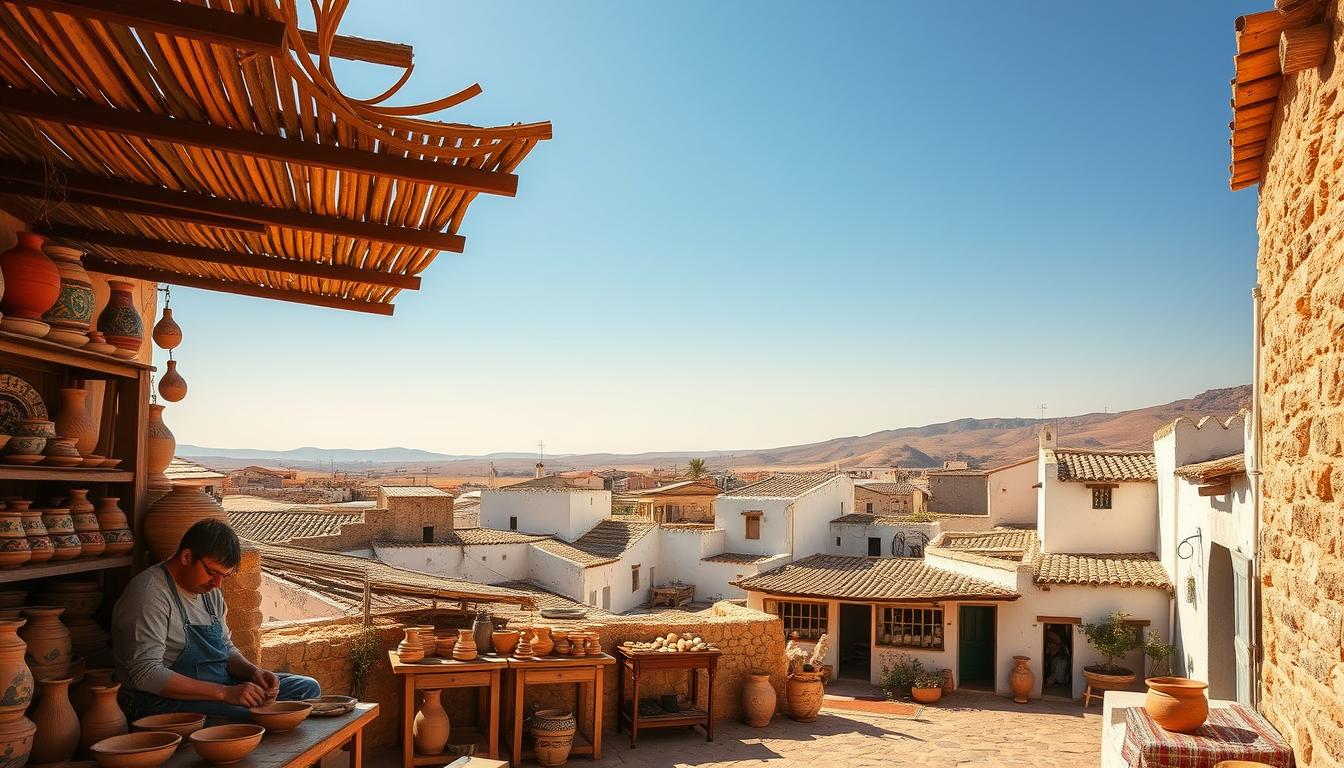
Your Guide to the Guellala Pottery Village and Workshops
Ever wondered where the world’s most stunning pottery comes from? Traditional craftsmanship thrives in Guellala pottery village, a cultural treasure on Djerba island.
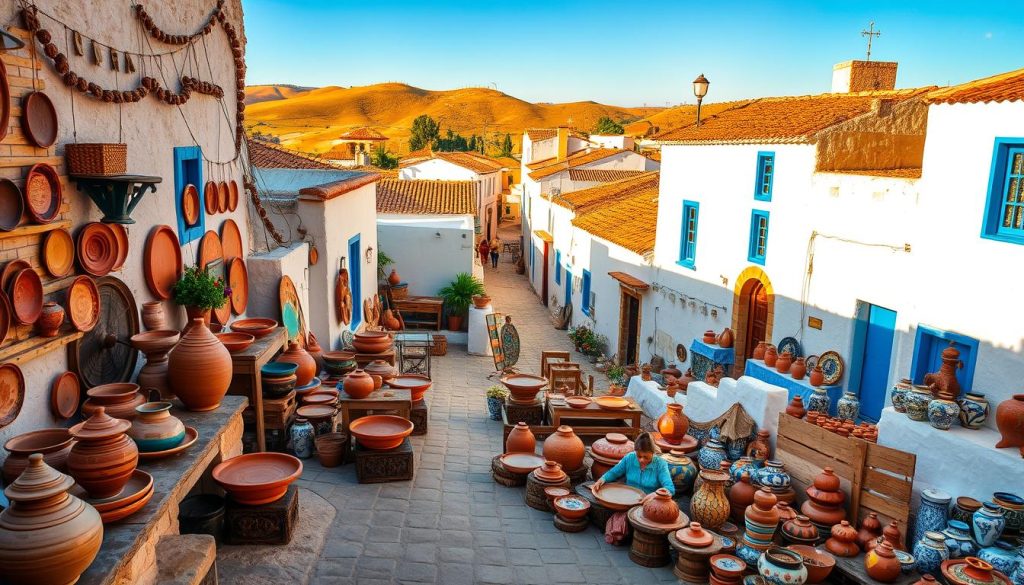
Located south of Djerba, near the Boughrara golf course, this village is known for its pottery traditions. These traditions go back to the Greeks and Phoenicians. As you wander through, you’ll see the art of pottery-making, a skill kept alive through generations.
Visitors to Guellala get to see artisans in action and might even try making pottery themselves. The village’s deep cultural roots make it a top spot for those who love traditional crafts.
The Rich Heritage of Guellala Pottery
Guellala pottery has deep roots in ancient civilizations. It shows the beauty of traditional Tunisian crafts. The village of Guellala has been a key place for pottery for centuries. It has been shaped by many cultures that have passed through.
Historical Significance of Pottery in Djerba
Pottery in Djerba has a deep history, going back to the Greeks and Phoenicians. It’s not just for use; it’s also a way to express art. The designs and techniques in Guellala pottery mix these old influences, making each piece special.
Evolution of Pottery Techniques Through Centuries
The ways of making pottery in Guellala have changed over time. New techniques and styles have come from different cultures. This has led to the unique styles and designs we see today in Guellala pottery.
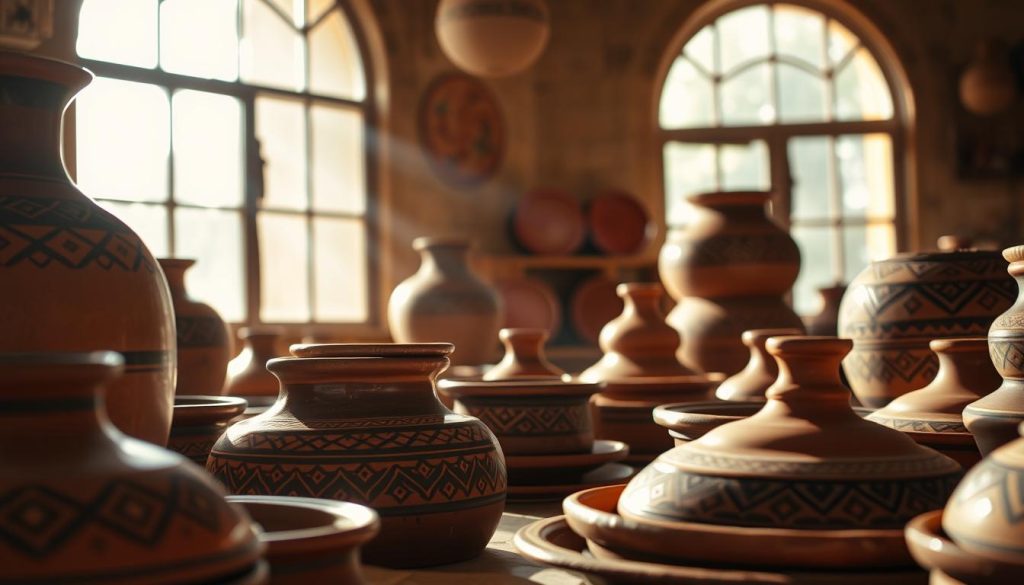
Where is Guellala Village Located?
Looking for a unique trip in Tunisia? Guellala Village on Djerba Island is perfect. It’s in the south of Djerba, easy to reach by car or taxi from big Tunisian cities.
Getting to Guellala from Major Tunisian Cities
Getting to Guellala is simple. Take a taxi or drive from Houmt Souk, the main town of Djerba. It’s about 30 minutes away. If you’re coming from Tunis or Sfax, fly to Djerba-Zarzis International Airport. Then, take a taxi or rent a car to Guellala.
- From Houmt Souk: 30 minutes by taxi or car
- From Djerba-Zarzis International Airport: 45 minutes by taxi or car
Navigating Around the Village
Once you’re in Guellala, it’s easy to get around. Walk to the pottery workshops and attractions. They’re all close by.
Transportation Options for Tourists
Taxis are easy to find in Guellala. Many hotels also offer shuttle services. Renting a bike is another great way to see the area.
Maps and Local Guidance
Maps are available at local tourist info centers. Many locals are also happy to help. You can also download maps on your phone to navigate the village.

Why Guellala is Famous for Pottery
The village of Guellala is famous for its Tunisian pottery for centuries. It has unique clay and skilled artisans. This makes Guellala a big spot for handcrafted pottery, drawing visitors from everywhere.
Guellala’s fame in pottery comes from several key factors.
The Unique Clay of the Region
The area around Guellala has clay perfect for pottery. This clay is of high quality and easy to shape. It’s great for making strong and lovely handcrafted pottery.
Generations of Master Potters
Guellala has a long line of master potters. They’ve shared their skills and methods for ages. This keeps traditional pottery alive while also allowing for new ideas.
Family Traditions and Secrets
In Guellala, many families have their own pottery secrets. These traditions add to the special nature of Guellala’s Tunisian pottery.
Recognition of Guellala Craftsmanship
Guellala’s potters are known worldwide for their skill. Their work shows off Tunisian culture and the hard work of its artisans.
| Characteristics | Guellala Pottery | Other Pottery |
|---|---|---|
| Clay Quality | High | Variable |
| Craftsmanship | Exceptional | Good |
| Techniques | Traditional & Innovative | Mainly Traditional |
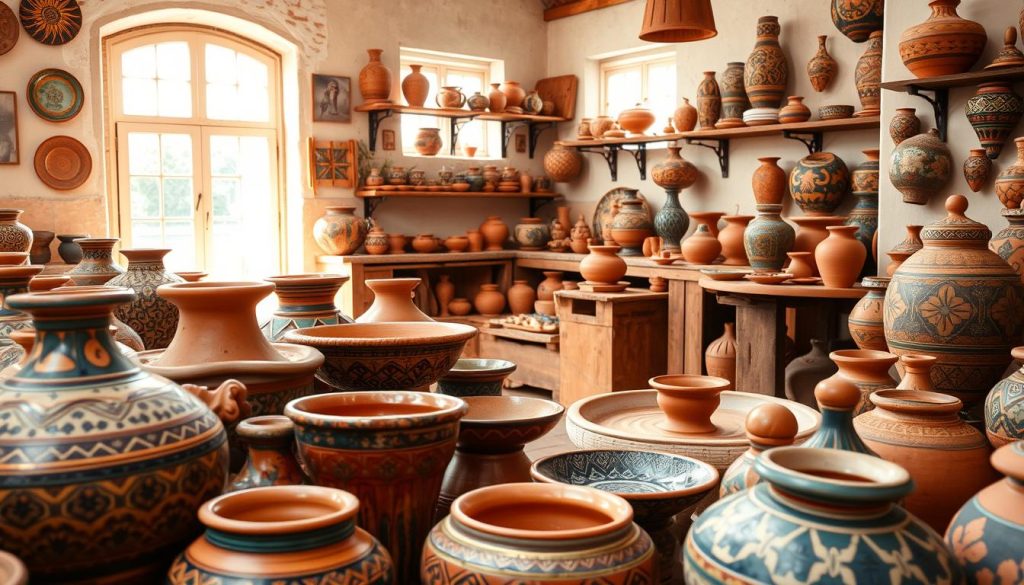
Explore the Guellala Pottery Village and Workshops
When you enter the Guellala Pottery Village, you’re thrown into a world of pottery. This village shows off traditional Tunisian pottery-making. It’s a skill that’s been passed down for generations.
Layout of the Village
The Guellala Pottery Village is easy to get around. It’s set up so you can see all the workshops and where pottery is made. The village is divided into sections, each focusing on a different part of pottery-making.
Main Workshop Areas
In the main workshop areas, the magic is real. You can watch artisans turn clay into stunning art pieces.
Active Production Spaces
In these areas, potters are busy making new pieces. You can see everything from shaping clay to adding the final touches.
Demonstration Zones for Visitors
Some workshops have special areas for demonstrations. Here, artisans show off their skills and let visitors get involved.
| Workshop Area | Description |
|---|---|
| Active Production Spaces | Observe potters creating new pieces |
| Demonstration Zones | Interactive demonstrations for visitors |
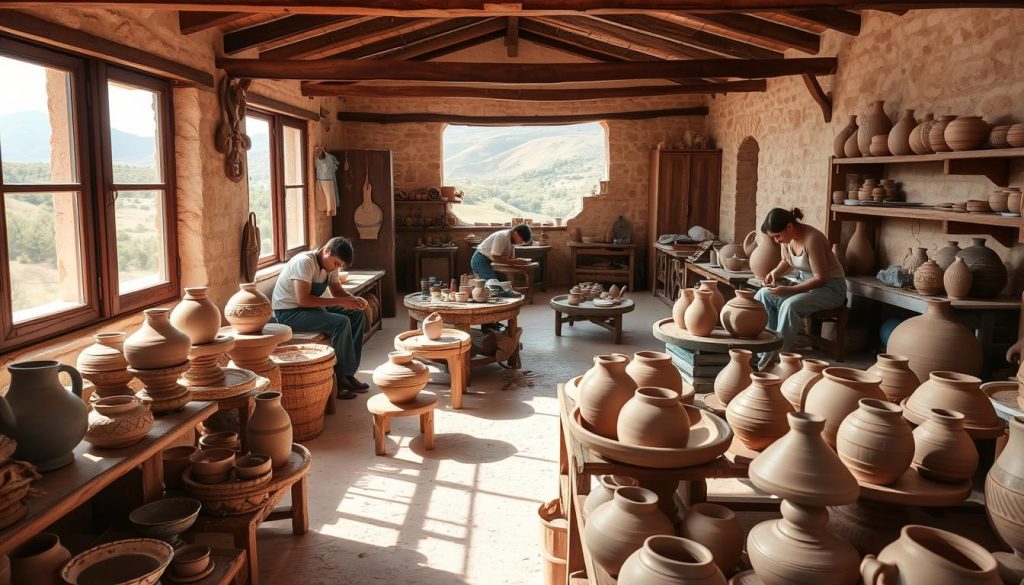
Traditional Pottery-Making Techniques
Exploring the Guellala Pottery Village, you’ll see traditional pottery-making techniques. These methods show the village’s rich cultural heritage. They are a key part of the cultural experiences for visitors.
The pottery-making process in Guellala starts with preparing the clay. The quality of the clay is very important. Local artisans carefully choose and prepare it for making pottery.
The Clay Preparation Process
The clay in Guellala is known for its quality. Local artisans extract and purify the clay to remove impurities. They mix the clay with water to get the right consistency, a skill that takes experience.
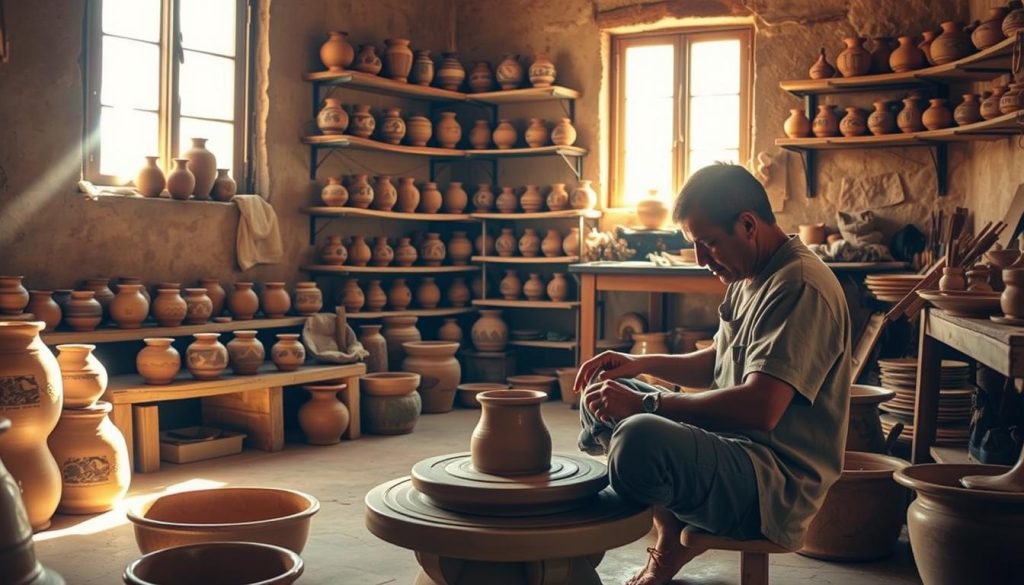
Wheel Throwing Demonstrations
Watching the wheel throwing demonstrations in Guellala is fascinating. Skilled potters spin the wheel to shape the clay into beautiful pieces. Visitors can see the technique and craftsmanship up close.
Firing and Glazing Methods
After shaping, the pottery goes through firing and glazing. Traditional firing methods are used in kilns that have been around for centuries. The glazing process adds a layer of glaze, then firing again to get the finish. This makes the pottery look great and last longer.
| Technique | Description | Significance |
|---|---|---|
| Clay Preparation | Extracting and purifying local clay | Ensures quality and consistency |
| Wheel Throwing | Shaping clay on a potter’s wheel | Creates functional and decorative pieces |
| Firing and Glazing | Applying heat and glaze to pottery | Enhances durability and appearance |
Seeing these traditional techniques, visitors can appreciate the craftsmanship and cultural value of Guellala’s pottery. It’s a special experience that connects you to the region’s heritage.
Distinctive Styles and Designs of Guellala Pottery
Guellala pottery is known for its unique styles, rooted in the area’s rich culture. The pottery is not just useful but also holds deep cultural and symbolic values.
Symbolic Patterns and Their Meanings
The pottery from Guellala features various symbolic patterns. Each pattern has its own meaning, reflecting the Berber community’s life, beliefs, and traditions. For example, some motifs are thought to bring luck or protection.
- Geometric Patterns: These are commonly used and are believed to represent the connection between the earth and the heavens.
- Floral Motifs: Symbolizing fertility and prosperity, these motifs are often used in decorative pieces.
Color Palettes and Regional Influences
The colors used in Guellala pottery reflect the region’s natural beauty and cultural influences. Earthy tones are common, symbolizing the land and traditional life.
The pottery shows the region’s cultural richness, shaped by various civilizations. These influences are seen in the pottery’s techniques and designs, passed down through generations.
Interactive Experiences for Visitors
Exploring the Guellala Pottery Village offers a range of interactive experiences. You can dive into local crafts and learn from artisans. The village is set up to engage visitors with hands-on activities.
Pottery-Making Classes for Beginners
Beginners can join pottery-making classes to learn the basics. You’ll shape clay into beautiful pieces. These classes are both fun and educational, showing you local pottery techniques.
What to Expect in a Workshop
In a workshop, you’ll learn about different clays and their uses. An experienced potter will guide you in shaping your own piece. Expect a supportive environment where you can ask questions and learn at your own pace.
Creating Your Own Souvenir
One of the best parts of a pottery class is making your own souvenir. By the end, you’ll have a handmade piece to take home. It will be a memorable keepsake of your visit to Guellala.
Meeting Local Artisans
Meeting local artisans is a key part of the Guellala experience. You can observe their work, ask questions, and learn about their craft. Many artisans share stories about their techniques and inspirations.
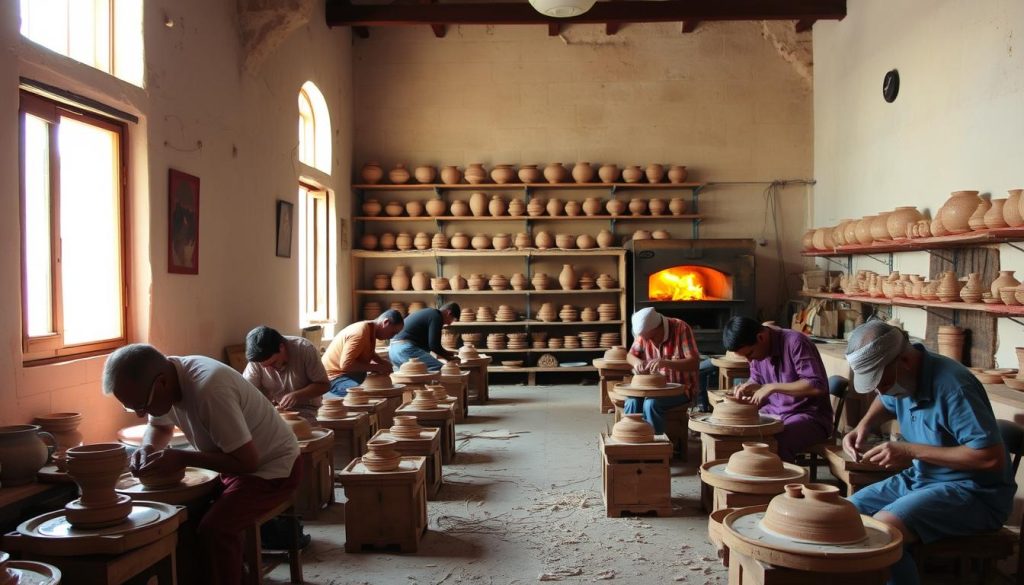
These interactions deepen your understanding of Guellala pottery. They also offer a chance to connect with the local community. Whether you’re a pottery enthusiast or just curious, Guellala’s interactive experiences will leave a lasting impression.
The Guellala Pottery Museum
If you’re into traditional Tunisian crafts, the Guellala Pottery Museum is a must-see. It highlights the talent of local potters. You’ll learn about the history and techniques of pottery-making in Guellala.
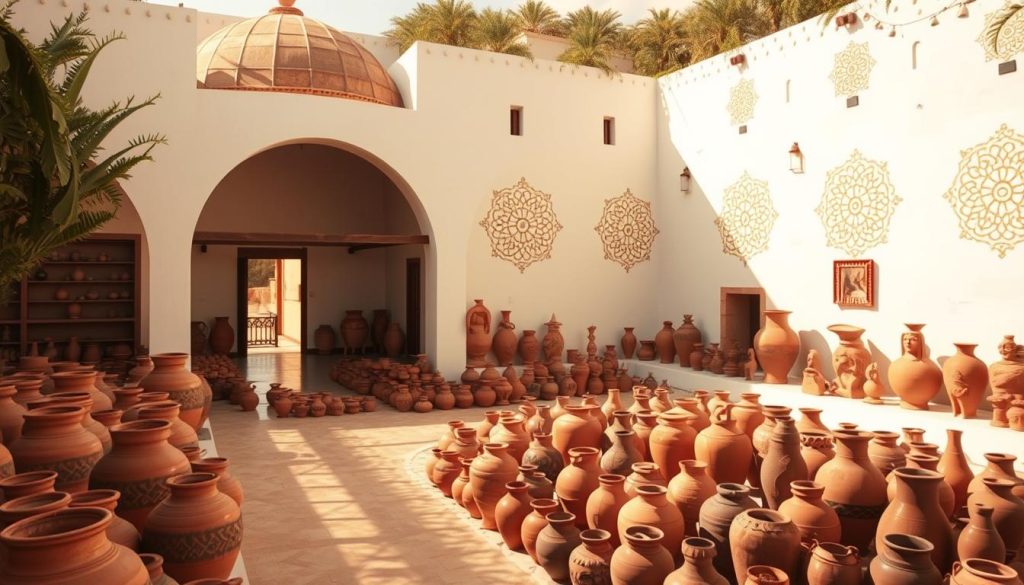
Exhibits and Collections
The museum has a vast collection of pottery. You’ll see everything from traditional ceramics to modern takes on classic designs. There are displays on how pottery has evolved and its importance in Tunisian culture.
- Historical pottery pieces showcasing traditional designs and techniques.
- Modern pottery that incorporates contemporary styles while maintaining traditional craftsmanship.
- Exhibits on the tools and materials used in pottery-making.
Learning About Tunisian Cultural Heritage
Visiting the Guellala Pottery Museum is more than just seeing pottery. It’s a journey into Tunisia’s cultural heritage. The museum shares the island’s history, the impact of different cultures on its pottery, and pottery’s role in daily life and celebrations.
By exploring the Guellala Pottery Museum, you’re not just learning about traditional crafts. You’re diving into the rich cultural heritage of the region.
Shopping for Authentic Pottery
Shopping for authentic pottery in Guellala is rewarding if you know what to look for. The village is known for its handcrafted pottery. With some guidance, you can find beautiful, genuine pieces to take home.
What to Look for When Buying Authentic Pieces
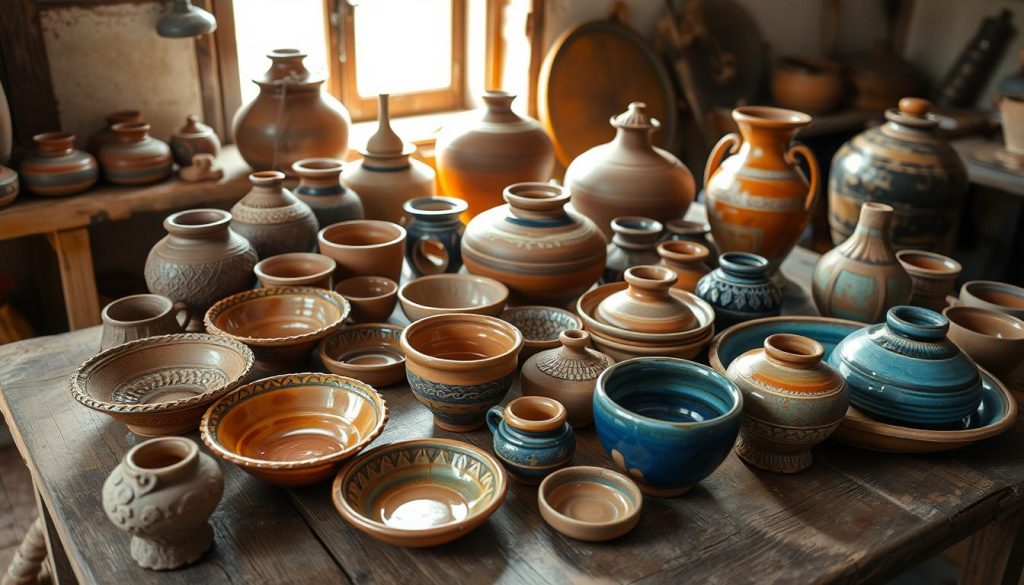
When buying pottery in Guellala, look for authentic, artisanal pottery. Handmade pieces have slight imperfections or unique traits. They are often made from local clay and have traditional designs.
Check for the potter’s signature or mark, which shows authenticity. Also, avoid pieces that seem too perfect or uniform. These might be mass-produced.
Price Ranges and Bargaining Tips
Prices for pottery in Guellala vary based on size, complexity, and the artisan’s reputation. Bargaining is common in Tunisian markets.
Start with a lower offer than you’re willing to pay. Be ready to negotiate. Knowing the average price helps you make a good offer.
Shipping Options to the United States
When shipping pottery to the United States, use a reputable service for fragile items. Make sure the pottery is well-packaged to avoid damage.
Customs Considerations
Know the customs regulations or restrictions on importing pottery to the United States. Check with your shipping service or authorities to follow all rules.
Best Time to Visit Guellala
To enjoy your trip to Guellala, knowing the best times to go is key. This village is famous for its pottery and offers a unique cultural experience all year round.
Seasonal Considerations and Weather
Guellala has a Mediterranean climate. It’s warm in summer and cool in winter. Spring (March to May) and autumn (September to November) are the best times to visit. The weather is nice, with temperatures between 68°F and 77°F (20°C to 25°C).
Summer can get very hot, with temperatures over 86°F (30°C). Winters are mild but a bit cool for outdoor activities. The village is open all year, but the weather might change what you can do.
Special Pottery Events and Festivals
Guellala has many pottery events and festivals all year. The annual Pottery Festival in late spring is a big highlight. It features local artisans, demonstrations, and classes for visitors.
| Event | Date | Description |
|---|---|---|
| Pottery Festival | Late Spring | Showcases local pottery, demonstrations, and classes |
| Pottery Workshop Series | Throughout the Year | Hands-on pottery-making experiences |
Visiting during a pottery event can make your trip special. As a local artisan said, “The Pottery Festival is more than just showing our craft. It’s about sharing our heritage with the world.”
“The art of pottery is deeply rooted in our culture, and events like the Pottery Festival help keep this tradition alive.”
Practical Information for American Visitors
Getting ready for your trip to Guellala? Knowing about currency, communication, and cultural norms is key for a great time. This village, famous for its Tunisian pottery, is a treasure trove of experiences. Just make sure you’re ready for it.
Currency and Payment Methods
The Tunisian Dinar (TND) is the local currency. While some places take credit cards, cash is best for local shops and markets in Guellala. ATMs are in nearby towns, but tell your bank you’re traveling to avoid problems.
Tip: Carry some local currency when you arrive. Not all places accept foreign money or cards.
Language Barriers and Communication Tips
Arabic is the official language, but French is common in tourist spots. In Guellala, you might hear Berber languages too. While some speak English, learning basic Arabic phrases like “hello” (as-salamu alaykum) and “thank you” (shukraan) helps a lot.
Having a translation guide or using a translation app on your phone can also be very helpful.
Cultural Etiquette When Visiting Workshops
When you visit pottery workshops in Guellala, remember to respect local customs. Dress modestly, covering your shoulders and knees. A smile and a polite greeting can make a big difference.
Remember: Following local customs makes your visit better and shows respect for Tunisian culture and pottery traditions.
Conclusion: Preserving Tradition in a Modern World
Exploring the Guellala pottery village and workshops lets you join a long-standing tradition. This tradition is still alive today. The Guellala Pottery Village and Workshops are key to Tunisian cultural heritage.
By visiting Guellala, you help local artisans keep their craft alive. You see the skill and care in every piece of pottery. From clay preparation to firing and glazing, it’s all done with precision.
Guellala’s cultural heritage is precious and needs our support. Your visit helps keep this tradition alive for the next generations. It’s a chance to see and support a craft that’s been around for centuries.