Your Guide to the Córdoba Jesuit History
Have you ever wondered how the Jesuits came to Argentina and what they did in Córdoba? The Jesuit Order started in 1540 by Ignatius de Loyola. They arrived in Argentina in 1585 and made Córdoba their home by 1599. This marked the start of a big religious and cultural impact in the area.
When you visit Córdoba, you’ll see how the Jesuits changed the city. They built amazing buildings and started schools. These efforts are key parts of the Jesuit history in Córdoba and Argentina. The Jesuits helped shape the city’s identity, and their influence is still seen today.
Understanding the Origins of Jesuit Presence in Córdoba
Exploring Córdoba’s history reveals the Jesuits’ key role in its colonial era. Jesuit missions in Córdoba, Argentina, began in 1573. Córdoba’s strategic location made it perfect for the Jesuits to spread their influence.
The Jesuits started estancias, or ranches, in 1615 to fund their work. These ranches, including six in Córdoba Province, supported the missions. The main income came from breeding mules for Lima and Potosi. This helped the Jesuits grow strong in the area, enriching Córdoba’s colonial history.
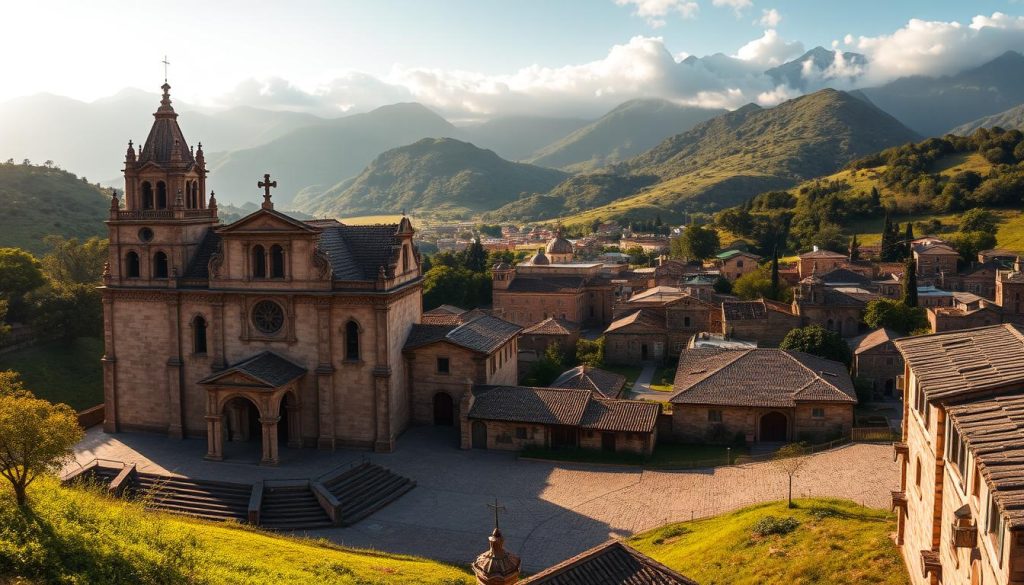
Estancias like Alta Gracia, from 1643, and Santa Catalina, from 1622, were important. They offered economic support and were centers for education and spreading Catholic beliefs. The Jesuits’ goals were to create disciplined schools and spread Catholicism, deeply influencing Córdoba’s history and the Jesuit missions.
The Golden Age of Córdoba Jesuit History
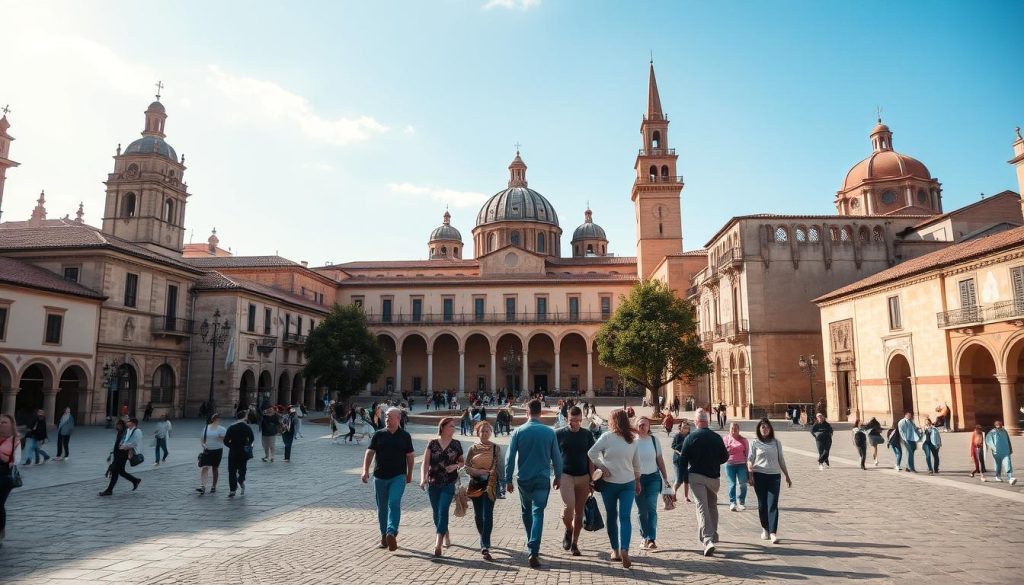
Exploring Córdoba reveals the Jesuit influence in Córdoba that shaped its past. The Jesuit Block, a UNESCO World Heritage Site since 2000, stands as a symbol of this impact. It includes the National University of Córdoba, the National College of Our Lady of Montserrat, and the Jesuit Church and Residence.
The Córdoba historical sites are key for their architecture and role in education and religion. The Universidad de Córdoba has 2,500 ancient manuscripts. These include a rare 1645 Bible in seven languages.
Some highlights of the Jesuit Block are:
- The Jesuit Church, a stunning example of Jesuit architecture
- The National University of Córdoba, one of the oldest universities in Argentina
- The National College of Our Lady of Montserrat, a historic college that showcases the Jesuit educational legacy
The Jesuit Block’s importance goes beyond its beauty. It shows the heart of Jesuit presence in Córdoba. Visiting these Córdoba historical sites lets you understand the Jesuit influence in Córdoba and its lasting effects on the city’s history and culture.
The Architectural Legacy of the Jesuit Block
Exploring Córdoba, you’ll find the Jesuit Block’s amazing architecture. It shows the Jesuit missionaries’ work in South America. The Jesuit Block is a UNESCO World Heritage site, known for its cultural and historical value. Sites like the Jesuit Church highlight Córdoba’s rich history.
The Jesuit Block’s buildings mix colonial and baroque styles. This reflects the Jesuits’ focus on education and faith. You can see the Society of Jesus Church, built from 1640 to 1676, and the Museum of Religious Art Juan de Tejeda from colonial times. These buildings show the Jesuits’ impact on South America and Córdoba’s culture.
Some key features of the Jesuit Block include:
- The Jesuit Church, with its impressive dome and colonial architecture
- The University Complex, one of the oldest in South America, established in 1613
- The Residence Buildings, which reflect the Jesuits’ commitment to education and community life
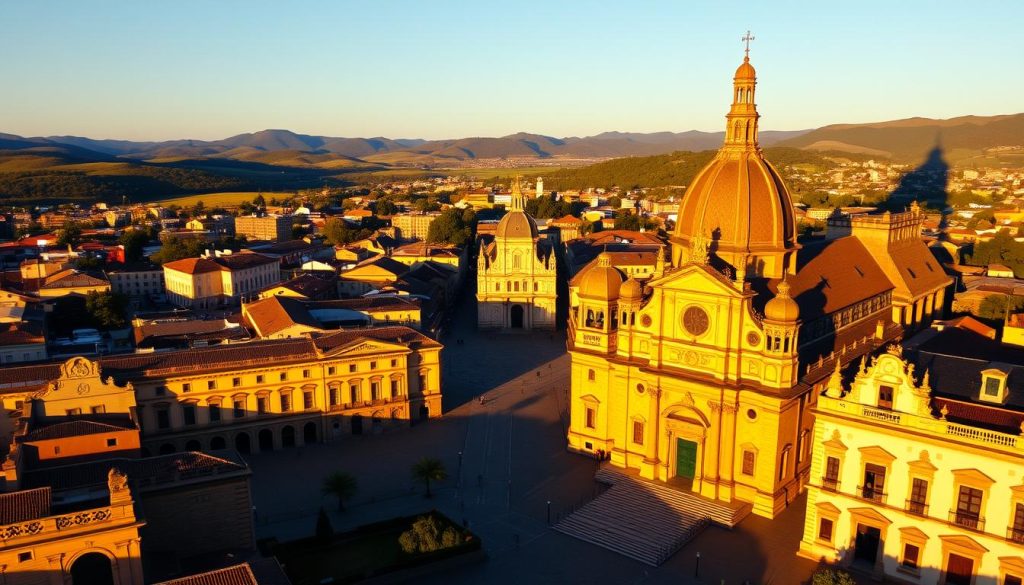
The Jesuit Block’s architecture is a must-see for history, architecture, and culture fans. Walking through Córdoba, you’ll see the city’s deep heritage and the Jesuits’ big role in South America.
Educational Impact and the First University of Argentina
Exploring the Córdoba Jesuit history reveals the Jesuits’ big role in Argentina’s education. The founding of the National University of Córdoba in 1613 was a key moment. It became the oldest university in Argentina and the third oldest in the Americas.
The university’s start shows the Jesuit presence Argentina valued education. Over 400 years, the National University of Córdoba has changed a lot. It became national in 1856 and stopped teaching theology in 1864.
Some interesting facts about the National University of Córdoba include:
- It was founded in 1613, making it Argentina’s oldest university and the third oldest in the Americas.
- It has 111,329 students, with 104,655 undergraduates and 7,673 postgraduates.
- The campus covers 1,115 hectares (2,760 acres).
- It has 8,203 faculty and staff members.
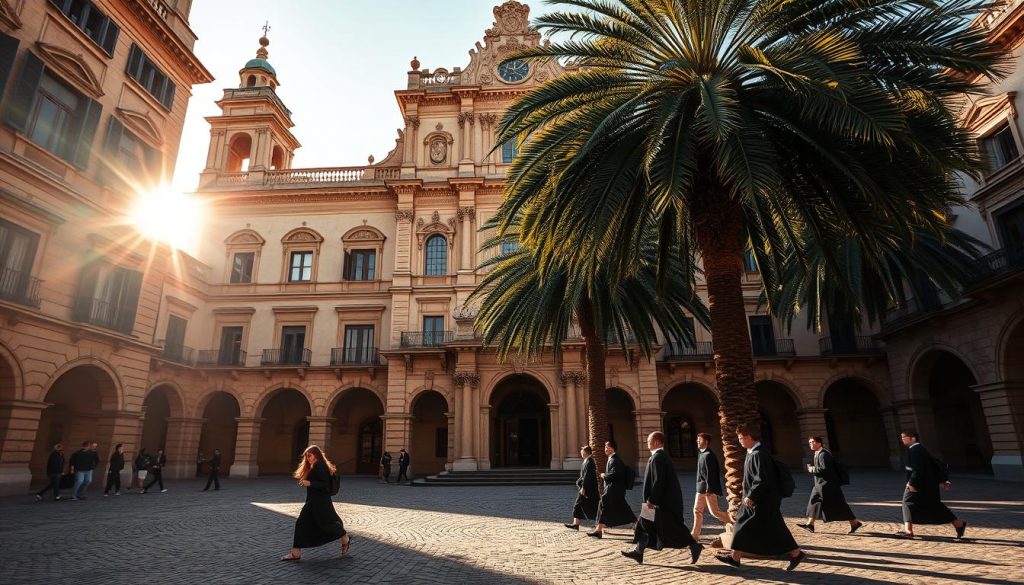
The university’s influence on Córdoba Jesuit history and Jesuit presence Argentina is clear. Learning more about the National University of Córdoba shows the Jesuits’ big impact on education in Argentina.
Daily Life in the Jesuit Settlements
Exploring the history of Jesuit missions in Córdoba reveals much about daily life there. The Jesuits aimed to spread Christianity and protect native people from Spanish colonizers. In Córdoba’s colonial past, the Jesuits greatly influenced the community’s culture and society.
Their defense of native populations was key to their mission. They set up systems for governance, education, and economic support. This helped build a stable community. The Jesuits also encouraged cultural exchange with native peoples, enriching their work in Córdoba.
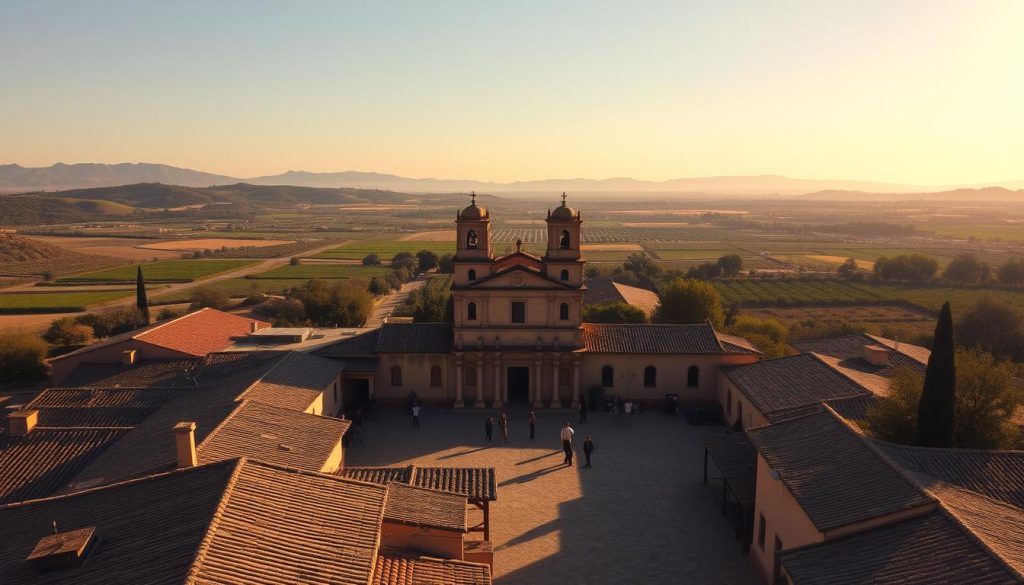
- Religious practices and rituals, which were an integral part of the Jesuits’ daily routine
- Community organization, which was centered around the Jesuits’ missionary objectives
- Cultural exchange with indigenous peoples, which helped to promote understanding and cooperation
In Córdoba’s colonial history, Jesuit settlements were crucial. They shaped the area’s social, cultural, and economic scenes. The Jesuits’ dedication to protecting native people and fostering cultural exchange created a vibrant community.
The Economic System of Jesuit Establishments
The Jesuits in Córdoba did more than just teach and pray. They also built an economic system. They created estancias, which were farms and trade centers. These places helped fund their missions and schools.
Estancias like Alta Gracia and Jesús María were key to the Jesuits’ economy. They were located around Córdoba. These places were vital for the Jesuits’ work.
The estancias were like small towns. They grew crops and raised animals. Then, they sold or traded these goods to support the Jesuits’ work. The Jesuits also used new farming methods, like irrigation, to grow more food.
This system helped the Jesuits stay independent. It also helped them support their work in Córdoba. Plus, it helped the region grow economically.
Some important parts of the Jesuit estancias include:
- Agricultural production, including crops and livestock
- Trade and commerce, including the sale of goods and services
- Innovative farming techniques, such as irrigation systems
- Self-sufficiency, with the estancias producing their own food and other necessities
The Jesuits showed great creativity and resourcefulness. Their system of estancias helped them support their work. It also helped the region grow economically.

Art and Cultural Contributions of the Jesuits
The Jesuits greatly influenced Córdoba’s art, music, and literature. Their work shows their deep faith and cultural exchange with the community. The Córdoba Jesuit history is seen in many museums, churches, and historical sites.
Some notable examples of Jesuit art and cultural contributions include:
- Religious art and iconography, preserved in museums like the Museum of Religious Art Juan de Tejeda
- Musical heritage, with compositions and performances that reflect the Jesuits’ spiritual and cultural values
- Literary contributions, including writings on theology, philosophy, and history

The Jesuits’ cultural contributions show their commitment to education, art, and community. Their legacy inspires and educates people about Córdoba Jesuit history and Jesuit presence Argentina.
| Contribution | Description |
|---|---|
| Religious Art | Preserved in museums like the Museum of Religious Art Juan de Tejeda |
| Musical Heritage | Compositions and performances that reflect the Jesuits’ spiritual and cultural values |
| Literary Contributions | Writings on theology, philosophy, and history |
The Expulsion of 1767: Causes and Consequences
When you visit the Jesuit missions Córdoba, you’ll learn about a key event in Córdoba colonial history. King Charles III of Spain ordered the Jesuits out in 1767. This was because the Jesuits were seen as a challenge to the king’s power and stood up for the rights of native peoples.
The Jesuits’ removal had big effects on their work and the culture of Córdoba. Over 2,200 Jesuits were in Spanish America then. The Jesuit missions Córdoba were hit hard, being a big part of Jesuit life in the area.
Some important facts about the expulsion are:
- Between 2,200 and 2,400 members of the Society of Jesus were present in Spanish America at the time of the expulsion.
- The Province of Nueva España had the largest number of Jesuits, while the Province of Paracuaria had the second largest.
- At the time of the expulsion, 80 Jesuits were staffing the thirty missions among the Guaraní.

The 1767 expulsion was a major change in Córdoba colonial history. It had big impacts on the area’s growth. As you keep exploring the Jesuit missions Córdoba, you’ll understand more about the complex history of this interesting region.
Preservation Efforts and UNESCO Recognition
Exploring Córdoba’s history shows the big impact of the Jesuits. Their work shaped the city’s buildings and culture. UNESCO recognized the importance of these sites in 2000, calling them part of the Cultural Heritage of Humanity.
This recognition highlights the sites’ value and the need to keep them safe. The Jesuit Block and estancias show how European and indigenous cultures mixed. Saving these places lets future generations see Córdoba’s rich history and culture.
Conservation Projects
Many projects have worked to save the Jesuit Block and estancias. They aim to bring back the buildings’ original look and keep them safe. Thanks to these efforts, visitors can see the history and culture of Córdoba.
Current State of Historical Sites
Now, the Jesuit Block and estancias draw visitors from everywhere. Thanks to care, they look great. The Jesuit mark is still seen in Córdoba’s buildings, art, and culture. It makes the city a special place to visit.
| Estancia | Location | Historical Significance |
|---|---|---|
| Colonia Caroya | Córdoba | Founded in 1580, it is one of the oldest estancias in Córdoba |
| Jesús María | Córdoba | Founded in 1618, it is known for its well-preserved architecture |
| Santa Catalina | Córdoba | Founded in 1622, it is a testament to the Jesuit influence in Córdoba |
Visiting the Jesuit Heritage Sites Today
When you visit the Córdoba Jesuit history sites, you’ll see a deep cultural heritage. This heritage shows Córdoba’s big role in Argentina’s past. The Córdoba historical sites highlight the Jesuits’ impact, with many sites now UNESCO World Heritage Sites.
Here are some tips for your visit:
- Go on a guided tour that includes the Jesuit Block, like the Society of Jesus Church and the Museum of Religious Art Juan de Tejeda.
- Check out the Estancias, like Estancia de Santa Catalina. It was started in 1622 and is the biggest Jesuit ranch here.
- Use the tour’s transfer service to and from hotels in Córdoba City’s center.
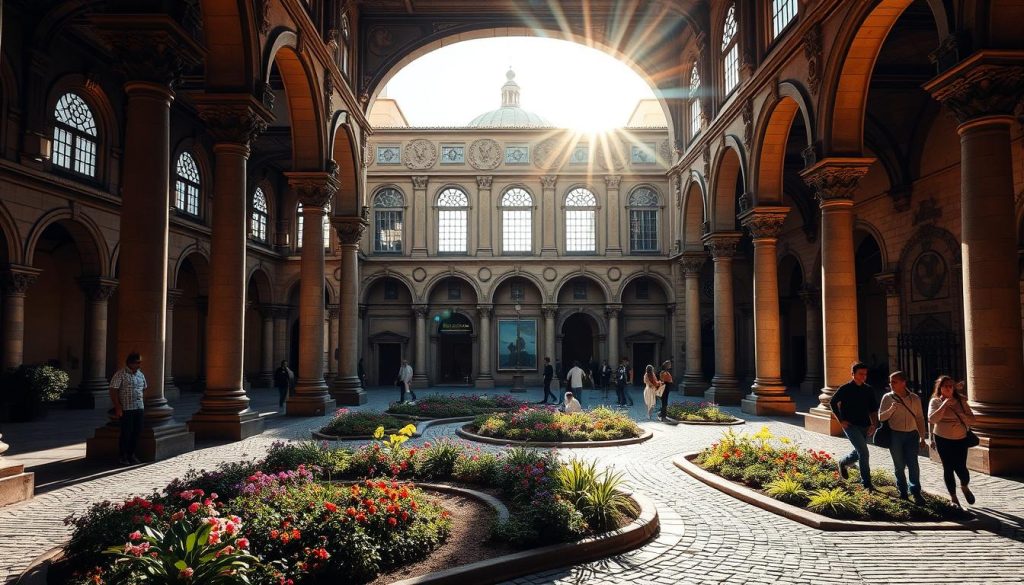
The Jesuit Heritage tour takes you to up to 3 UNESCO World Heritage estancias in Córdoba Province. It gives a special look into the area’s history and culture. Guides speak Spanish and optional English, so you can fully understand the Córdoba historical sites.
Walking through the Jesuit Block, you’ll see amazing architecture. The church’s ceiling looks like a ship’s hull. The university has a rare complete Bible from 1645, in seven languages.
| Estancia | Founding Year | Significance |
|---|---|---|
| Estancia de Santa Catalina | 1622 | Largest Jesuit ranch in the region |
| Jesuit Estancia of Jesus Maria | 1618 | Home to the National Jesuit Museum |
Visiting the Córdoba Jesuit history sites is a must-see experience. Plan your trip today and see the beauty and importance of these Córdoba historical sites.
Modern Significance of Córdoba’s Jesuit Legacy
Exploring Córdoba reveals the deep Jesuit influence on its past. The Jesuit legacy shapes the city’s identity, from schools to culture. The Universidad Nacional de Córdoba, founded in 1613, is a key institution. Historical sites like the Jesuit Block also keep the legacy alive.
The city’s architecture shows the Jesuits’ mark, with buildings from the 17th and 18th centuries. The Jesuit Block, a UNESCO World Heritage site, highlights the city’s rich past. Walking through Córdoba, you see a mix of old and new architecture, showing the city’s complex history and culture.
Some key parts of Córdoba’s Jesuit legacy include:
- Preservation of sites like the Jesuit Block and the Universidad Nacional de Córdoba
- Keeping Jesuit traditions alive in education and culture
- Honoring the city’s cultural heritage through music, art, and literature
The city’s culture is also shaped by its colonial history. Festivals like the Festival Internacional de Jazz de Córdoba and the Cosquín Folk Festival celebrate its heritage. As you see Córdoba’s modern side, you’ll understand the lasting Jesuit impact on its history and people.
Conclusion: The Enduring Impact of Jesuit Heritage in Córdoba
The Jesuit heritage in Córdoba, Argentina has made a lasting impact. It has shaped the city’s history, culture, and identity. Their early settlements, educational efforts, and architectural and artistic contributions have been key.
The Jesuit influence is still seen in Córdoba’s universities, religious sites, and UNESCO-recognized areas. Their legacy inspires education, cultural preservation, and understanding of the region’s past. Exploring their heritage offers insights into Argentina’s early years and the Jesuits’ lasting impact.
If you love history, architecture, or just want to dive into Córdoba’s culture, the Jesuit sites are a must-see. When visiting, make sure to see the Jesuit Block, the Jesuit Church, and other landmarks. This will help you fully grasp the Jesuit history in Córdoba and its importance.