Your Guide to the Best Time to Visit Nairobi
Are you planning a trip to Nairobi, but unsure when to go? You’re not alone. Many travelers are drawn to this vibrant city. Its climate is as fascinating as its culture.
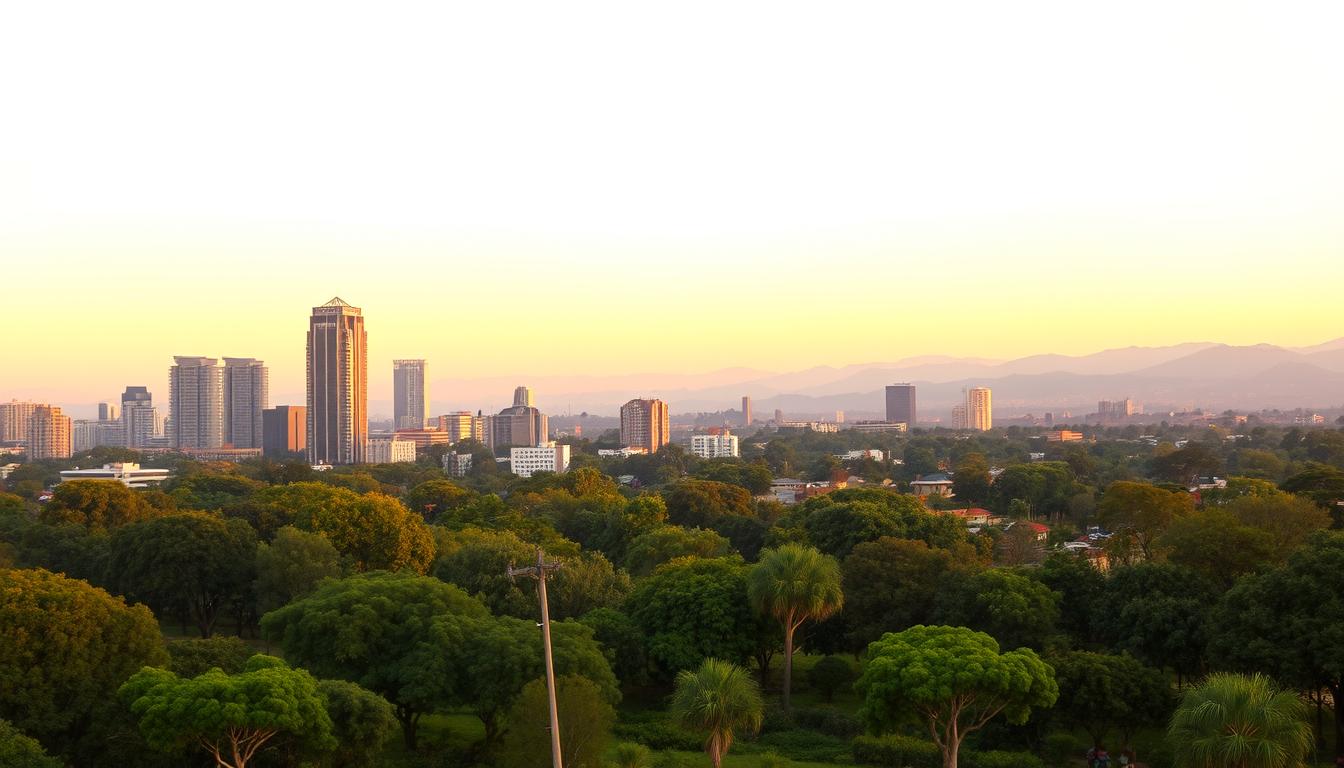
Nairobi’s unique elevation of 5450 feet results in mild temperatures year-round. This makes it an attractive destination for those seeking a temperate climate.
Nairobi’s climate is often described as spring-like. Average temperatures range from 45°F to 75°F. This mild climate makes it possible to visit Nairobi at any time of the year.
There are still optimal times to plan your trip for the best experience. Understanding the local weather patterns can help you make the most of your visit. Whether you’re interested in exploring the city’s cultural attractions or venturing out into the surrounding landscapes.
Understanding Nairobi’s Climate and Seasons
To enjoy your visit to Nairobi, knowing the city’s weather patterns is crucial. Nairobi’s climate is mild, thanks to its high altitude. But, it has distinct seasons that can affect your travel plans.
Nairobi’s Unique Equatorial Climate
Nairobi is close to the equator but its high altitude makes its climate unique. The city has a mild climate all year, often called the “spring” of Africa. Temperatures usually range from 50°F to 78°F (10°C to 25°C).
The Two Rainy Seasons Explained
Nairobi has two rainy seasons. The long rains are from March to May, and the short rains from November to December. These rainy periods can affect outdoor plans. But, they also make the city’s landscape lush and green.
“The rainy seasons in Nairobi, while potentially disruptive, offer a unique opportunity to see the city’s flora at its most vibrant.”
Temperature Variations Throughout the Year
Nairobi’s temperature stays relatively stable all year. But, there are slight changes. July is the coolest month, and February is the warmest.
| Month | Average High (°F) | Average Low (°F) |
|---|---|---|
| January | 75 | 50 |
| July | 68 | 48 |
| February | 78 | 52 |
Knowing about Nairobi’s climate is essential for planning your trip. Whether you prefer dry weather or lush landscapes, understanding these climate details is key.
What Is the Best Time of Year to Visit Nairobi?
Figuring out the best time to visit Nairobi can really make your trip better. Nairobi has a nice climate all year, but some times are better for different activities.
Dry Season Advantages
The dry season, from June to October and December to March, is a top season in Nairobi. You can enjoy:
- Clear skies and comfy temperatures
- Perfect weather for outdoor fun and seeing wildlife
- Less rain, making it easy to see the city and around it
Rainy Season Considerations
The rainy seasons, from March to May and November, have good and bad sides. The rain can make some roads hard to get to, but it also brings:
- Green landscapes and fresh wildlife spots
- Fewer tourists, which might mean cheaper places to stay and tours
Shoulder Season Opportunities
The shoulder season is between the busy and quiet times. It offers good weather and fewer tourists. Visiting Nairobi during this time is smart for those who want to avoid crowds and still have nice weather.
In summary, the best time to visit Nairobi is from July to October and January and February. It’s the perfect Nairobi vacation season. Knowing about each season helps plan a fun and memorable trip.
January to March: Warm and Dry Season
If you’re planning to visit Nairobi, the months of January to March are great. The weather is warm and dry, perfect for exploring the city’s attractions without rain.
Weather Conditions and Temperatures
The warm and dry season brings daytime temperatures from 77-82°F (25-28°C). These comfortable temperatures are ideal for outdoor fun and sightseeing. Remember to pack layers for cooler nights.
Tourist Crowds and Pricing
January to March is a good time to visit, with fewer tourists than peak seasons. Prices for accommodations and tours are stable. Booking early can help you get the best deals.
Special Events and Activities
This period is filled with events and festivals. Enjoy cultural performances, outdoor concerts, and local markets. Here’s what you can look forward to:
| Month | Event/Activity | Description |
|---|---|---|
| January | New Year’s Day Events | Celebrations and fireworks |
| February | Cultural Festivals | Traditional dances and music |
| March | Outdoor Concerts | Live music performances |
April to June: The Long Rains
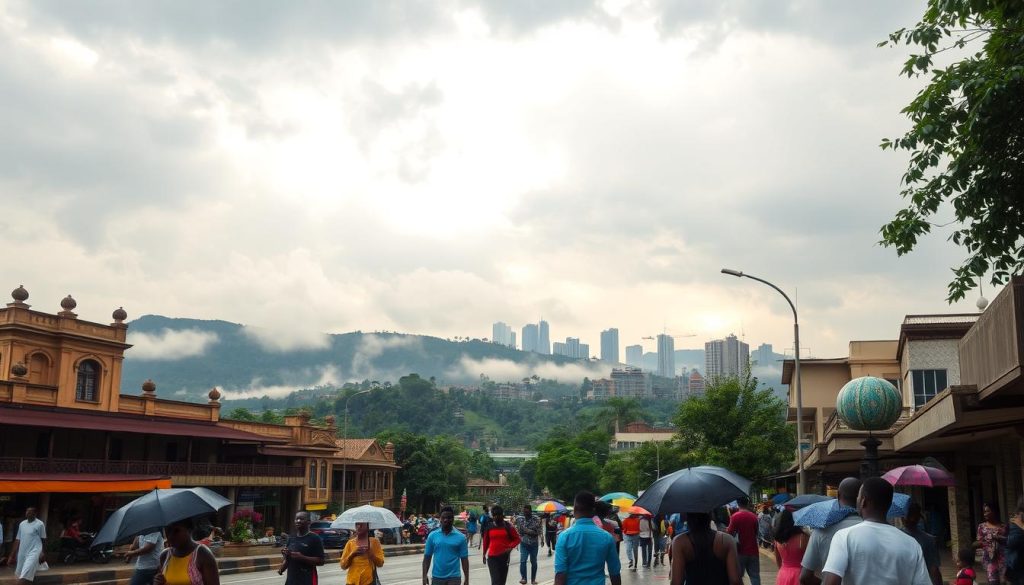
Thinking of visiting Nairobi in the long rains (April to June)? Here’s what you need to know. This time is marked by lots of rain, with April being the wettest, getting about eight inches of rain.
Weather Patterns and Rainfall Expectations
The long rainy season in Nairobi starts in mid-March and lasts until May. April and May are the wettest months. Expect rain showers, often in the late afternoon or evening. The rain can be heavy but also makes the city and its surroundings green and lush.
Impact on Travel and Outdoor Activities
The long rains can change your travel plans and outdoor activities. Some roads get muddy and hard to drive on. Also, some attractions might close because of the weather. But, this time means fewer tourists, so places are less crowded.
Advantages of Low Season Travel
Traveling to Nairobi in the low season has its perks. You might find cheaper deals on places to stay and tours. Plus, the city’s parks and gardens are at their best, with beautiful greenery as a backdrop for your adventures.
July to October: Peak Tourist Season
July to October is the peak tourist season in Nairobi. The weather is dry and cool, perfect for outdoor fun and sightseeing. It’s a great time to explore the city.
Ideal Weather Conditions
July and August are cool and dry, ideal for seeing Nairobi’s sights. The weather is just right for enjoying the city’s culture and nature.
The Great Migration in Nearby Parks
Nairobi isn’t on the Great Migration path, but Maasai Mara is nearby. This time of year, animals gather at water sources, making safaris great for spotting wildlife.
Nairobi Cultural Festivals
Nairobi has many cultural festivals during this season. You can see music, dance, and art that show off Kenyan culture.
Advance Booking Necessities
Book your stay and tours early because it’s busy. This way, you won’t face high prices or no spots left. Plan ahead for a great trip.
| Month | Weather | Events |
|---|---|---|
| July | Cool and Dry | Cultural Festivals |
| August | Cool and Dry | Music and Dance Events |
| September | Dry | Art Exhibitions |
| October | Dry | Wildlife Viewing |
November to December: Short Rains and Holidays
Nairobi’s weather in November and December is quite interesting. The city gets short rains, making it a unique time to visit. The holiday season adds to the city’s lively atmosphere.
Weather Expectations and Variability
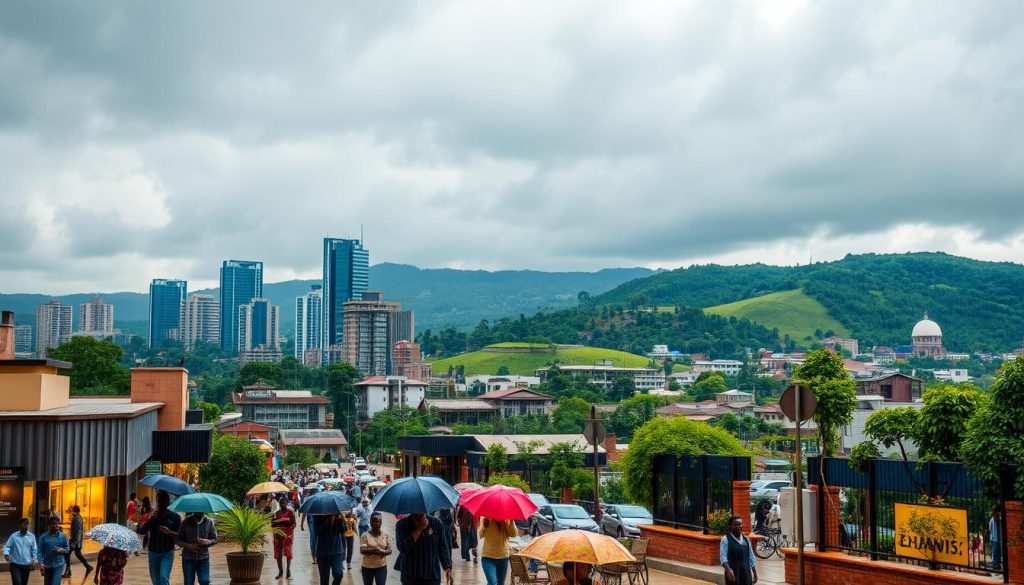
The short rainy season starts in late October and lasts until December. November usually sees about four inches of rain. Be ready for weather that changes quickly, from sunny to rainy.
This change makes your visit exciting. The rains change the city’s look.
Holiday Season in Nairobi
Nairobi is full of holiday spirit in November and December. The city is decorated and hosts many events. It’s a great time to see Nairobi’s culture and hospitality.
End-of-Year Activities and Celebrations
As the year ends, Nairobi has lots of activities. You can join New Year’s Eve parties or cultural festivals. It’s perfect for experiencing Nairobi’s culture and nightlife.
Wildlife Viewing: Optimal Seasons for Safari
Planning a safari in Nairobi? Knowing the best seasons for wildlife viewing is key. Nairobi National Park is a top spot for wildlife lovers. It offers great safari experiences all year round.
Nairobi National Park Throughout the Year
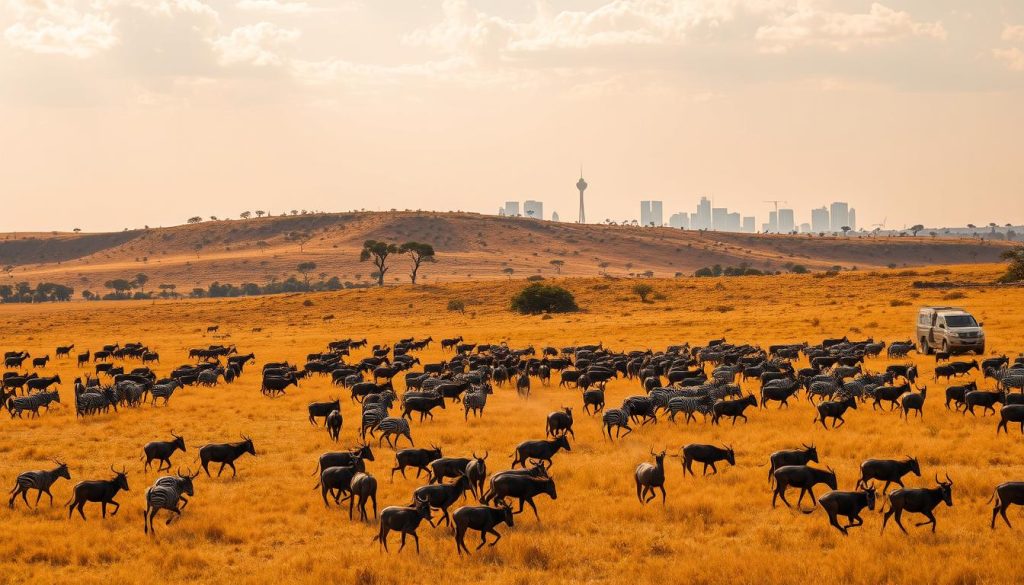
Nairobi National Park is famous for wildlife viewing all year. It has many animals like lions, rhinos, and giraffes. The dry seasons are best for spotting animals because they gather near water.
Best Months for Animal Sightings
The dry months, from June to October and December to March, are the best for seeing animals. Animals gather near water in these times, making them easier to see. June to October is the best because the dry landscape helps spot animals.
Photography Considerations by Season
Photographers should think about the seasons they visit. The light and landscape change, affecting photos.
Lighting Conditions
The dry seasons have clearer skies and softer light in the morning and evening. This is perfect for photos. Wet seasons have dramatic skies but may need camera setting changes.
Landscape and Vegetation Changes
Wet seasons bring lush greenery, making animals harder to find but great for photos. Dry seasons have less foliage, making animals easier to spot but less vibrant photos.
Knowing these seasonal changes helps plan your safari in Nairobi National Park. It ensures a great experience with the best wildlife and photo opportunities.
Day Trips from Nairobi: Seasonal Considerations
Day trips from Nairobi are a great way to see Kenya’s varied landscapes and wildlife. You can choose from scenic views, adventure, or wildlife. There’s a trip for everyone.
Lake Naivasha and Hell’s Gate National Park
Lake Naivasha and Hell’s Gate National Park are top picks for day trips. Lake Naivasha is famous for its beautiful views and many birds. Hell’s Gate is great for hiking and seeing wildlife.
Mount Longonot and the Great Rift Valley
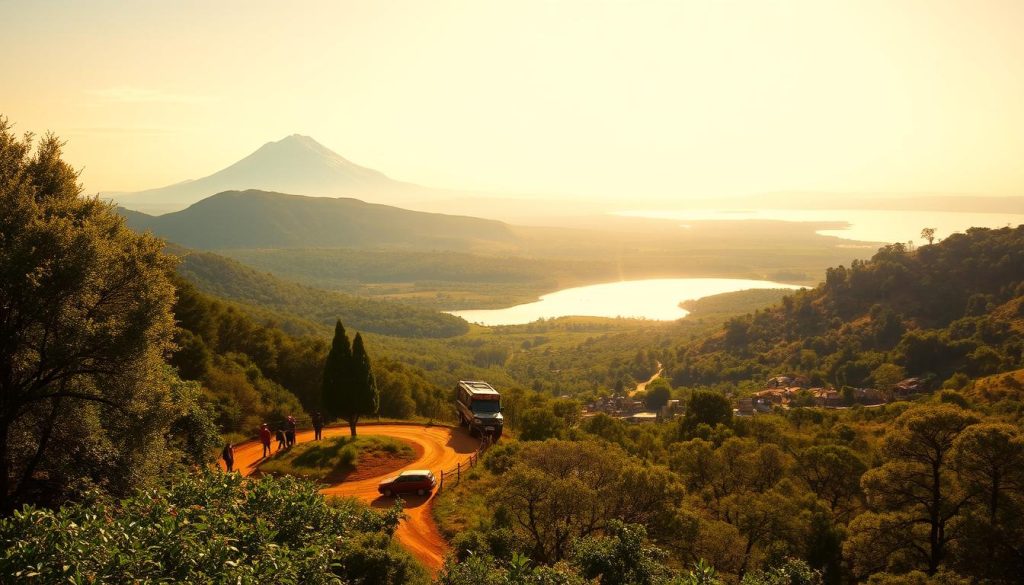
Mount Longonot is a thrilling day trip with a tough hike and amazing views of the Great Rift Valley. The valley’s unique geology is perfect for nature and adventure fans.
Elephant Orphanage and Giraffe Center Visits
Animal lovers will enjoy the Elephant Orphanage and Giraffe Center. These places help protect endangered animals.
| Destination | Best Time to Visit | Activities |
|---|---|---|
| Lake Naivasha | Dry season (June to October) | Birdwatching, boat rides |
| Hell’s Gate National Park | Early morning or late afternoon | Hiking, wildlife viewing |
| Mount Longonot | Early morning | Hiking, trekking |
Plan your day trips with the seasons in mind. This way, you’ll have the best time in Nairobi and see all that Kenya offers.
Cultural Experiences: Timing Your Visit for Festivals
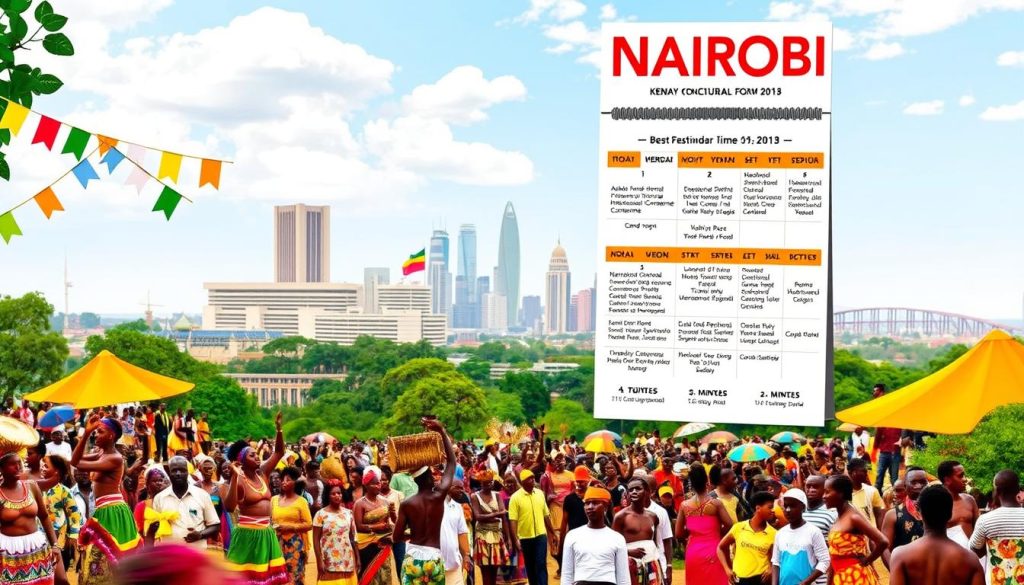
Experience Nairobi’s rich cultural heritage by visiting during its exciting festivals and events. The city’s cultural scene is a mix of traditional and modern celebrations. There’s something for everyone.
Annual Cultural Events Calendar
Nairobi has many cultural events all year. The city’s calendar is packed with festivals that highlight local music, art, and dance. Plan your trip to these events to learn more about Kenyan culture.
| Month | Event | Description |
|---|---|---|
| January | New Year’s Day | Celebrations across the city with cultural performances. |
| March | Kenya Music Festival | A showcase of local music talent. |
| August | Nairobi Arts Festival | Exhibition of local art, crafts, and performances. |
Music and Arts Festivals
Nairobi’s music scene is lively, with many festivals celebrating local and international music. The Kenya Music Festival and Koroga Festival are must-sees. They offer a variety of genres and performances.
Religious and National Holidays
Nairobi celebrates many religious and national holidays, like Eid al-Fitr and Madaraka Day. These events give a peek into the city’s diverse cultural practices. They’re worth experiencing.
Visiting Nairobi during its cultural events can make your trip unforgettable. Check the Nairobi tourism calendar to plan your visit.
Budget Considerations: High vs. Low Season Costs
The cost of visiting Nairobi changes a lot depending on when you go. Knowing these changes helps you plan a trip that’s easy on your wallet.
Accommodation Price Variations
Hotel prices in Nairobi don’t change much all year. But, prices can go up during busy times or special events. The peak season, from July to October, is when you’ll pay more for a room.
Flight Costs from the United States
Flights from the U.S. to Nairobi can cost different amounts based on the season. Flights are pricier during the high season (July to October) because more people travel then. But, flying during the shoulder season can save you money.
Activity and Tour Pricing Seasons
Prices for activities and tours in Nairobi also change with the seasons. Safari packages and wildlife tours are more expensive during the peak season. This is because of the Great Migration in nearby parks.
Money-Saving Tips for Each Season
To save, visit during the shoulder season (April to June or November to December). Prices for flights and tours are usually lower then. Also, look for deals that include everything you need.
| Season | Accommodation Costs | Flight Costs | Activity Costs |
|---|---|---|---|
| Peak Season (July-Oct) | High | High | High |
| Shoulder Season (Apr-Jun & Nov-Dec) | Moderate | Moderate | Moderate |
| Low Season (Jan-Mar) | Low | Low | Low |
Travel Tips for Different Weather Conditions
When planning your trip to Nairobi, it’s important to know the city’s climate. Nairobi’s weather changes a lot throughout the year. Being ready for these changes will make your trip more enjoyable.
What to Pack for Each Season
Nairobi’s high altitude means it has a temperate climate. You’ll need to pack layers because the temperature drops at night. For the dry seasons (June to October and December to March), wear light clothes with warm layers for the evenings.
In the rainy seasons (April to May and November), you’ll need waterproof clothes and sturdy shoes. This is because the rain can make the ground slippery.
Health Considerations for American Travelers
American visitors to Nairobi should know about health issues. You’ll need vaccinations for yellow fever and hepatitis A. Also, malaria prevention might be needed, mainly during the rainy seasons when mosquitoes are more common.
It’s also good to take steps to avoid altitude sickness. Nairobi is at a high elevation.
Transportation Tips During Rainy Seasons
Transportation in Nairobi can be tough during the rainy seasons. Roads get flooded and it’s hard to see. Use trusted taxi services or ride-sharing apps. Try to avoid traveling when it’s raining the most.
If you’re renting a car, make sure it’s good for Nairobi’s roads. A 4WD might be better for staying on track.
Dealing with Nairobi’s Altitude
Nairobi’s high altitude can cause sickness in some people. To get used to it, do the following:
- Drink lots of water to stay hydrated
- Avoid hard activities for a few days
- Take medicine if you’re likely to get sick
Acclimatization Recommendations
Getting used to the altitude slowly is best. Spend a day or two in lower places before going higher.
Medication and Preparation
Talk to your doctor about medicine for altitude sickness. Some people take Diamox (acetazolamide) to prevent it.
| Season | Weather Conditions | Packing Essentials |
|---|---|---|
| Dry Season (June-October) | Warm days, cool nights | Lightweight clothing, warm layers |
| Rainy Season (April-May, November) | Frequent rain, potential flooding | Waterproof gear, sturdy shoes |
Conclusion
Now that you’ve looked into Nairobi’s seasons and activities, you know more about the best time to visit. Whether you want to see the dry season’s perfect safari spots or enjoy the city’s cultural festivals, Nairobi has something for everyone.
Think about the weather, tourist seasons, and special events when planning your trip. This way, you can plan your visit to fit your interests and enjoy all that Nairobi has to offer.