Your Guide to Reaching the Dead Sea Effortlessly
Have you ever wondered why the Dead Sea draws millions of visitors each year? It’s a stunning natural wonder, over 1,400 feet below sea level. With waters about 10 times saltier than the ocean, it offers a unique chance for relaxation and healing. In this guide, we’ll show you how to get to the Dead Sea, covering travel options, access points, and tips for a memorable trip.
The Dead Sea’s mineral-rich waters promise a unique floating experience. But how do you get there? We’ll explore the best ways to reach this amazing location, making your trip easy and fun.
Introduction to the Dead Sea
The Dead Sea is not a regular sea but a salt lake in the Jordan Rift Valley. It’s the lowest point on Earth, about 1,410 feet below sea level. This makes it a fascinating place for many visitors.
It has a very high salt level, ten times more than regular seawater. This makes it special and attractive.
The Dead Sea is surrounded by Jordan to the east and Israel and the West Bank to the west. Its shape comes from tectonic movements, where the Arabian Plate hit the Eurasian Plate. Today, it’s 50 kilometers long and covers about 605 square kilometers, less than in the 1930s.
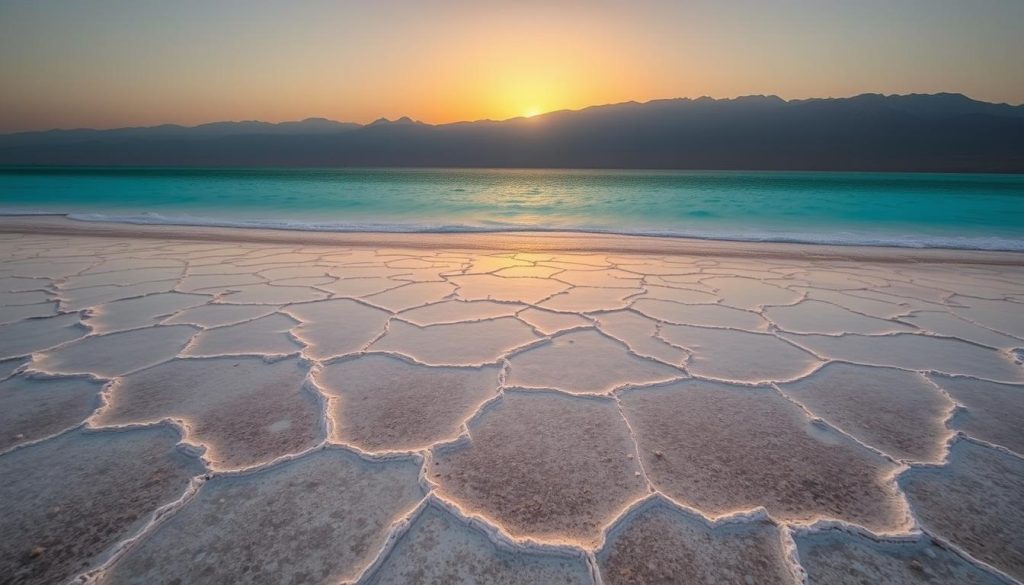
People visit the Dead Sea for its health benefits. They believe in the healing power of its mineral-rich mud and salty waters. The area’s dry climate and little rain, about 100 mm a year, make it even more unique.
But, the water level is dropping, about three feet each year. This is causing environmental problems, like sinkholes from dissolving salt layers.
Why Visit the Dead Sea?
The Dead Sea is a unique place that draws many visitors. It’s known for its special features and health benefits. People come here for more than just its beauty; they seek relaxation and healing.
Unique Floating Experience
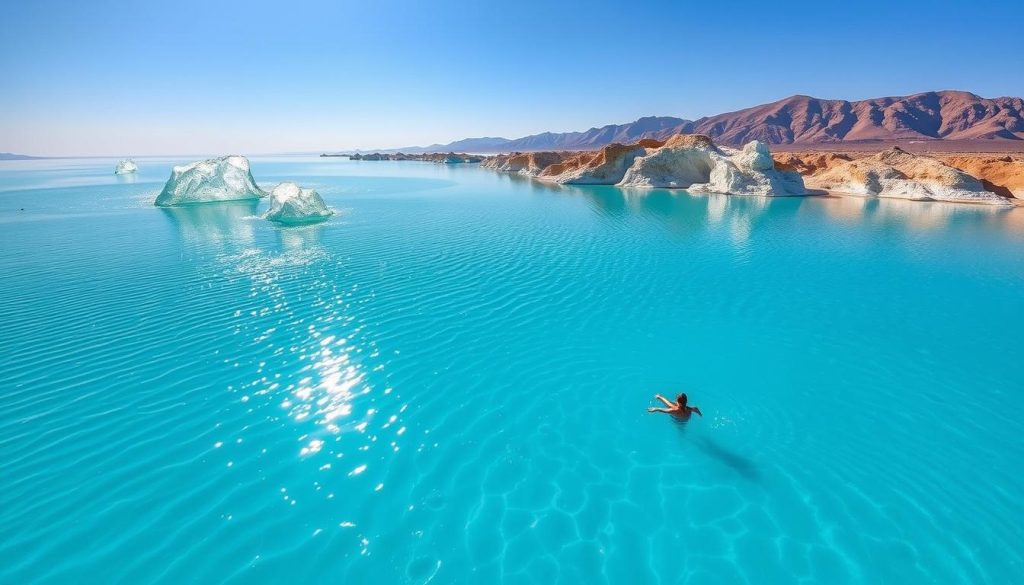
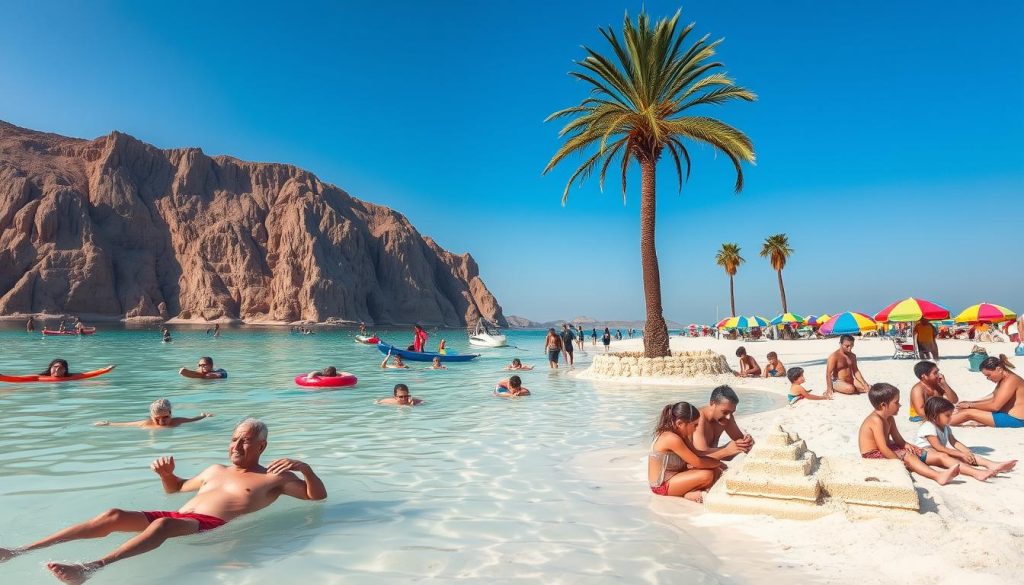
The Dead Sea offers a unique floating experience. Its water is very salty, making it easy to float. You can relax and float effortlessly, enjoying a feeling unlike any other.
Many people love floating on the Dead Sea. They enjoy the feeling of floating and the beautiful views around them. It’s a memorable experience.
Therapeutic Properties of the Dead Sea
The Dead Sea is not just for floating. It’s also known for its healing properties. The water and mud are rich in minerals.
Visitors often see improvements in their skin. They notice better hydration and less inflammation. Using the mud for skincare is a popular way to enhance your visit.
When to Visit the Dead Sea
The Best time to visit the Dead Sea greatly affects your experience. The weather changes with the seasons, impacting your activities. The swimming season is usually from May to October, with warm weather perfect for swimming.
But, remember to drink plenty of water and protect your skin from the sun. It can get very hot.
Best Time for Swimming
Summer can be very hot, with temperatures reaching 41°C (105°F). It’s best to swim early in the morning or late in the afternoon to avoid the heat. Spring, from March to May, is a bit cooler, averaging 35°C (95°F).
This makes swimming more enjoyable without feeling too hot.
Off-Peak Benefits
Visiting in off-peak months, like February or early spring, has its perks. You’ll find lower prices for places to stay and fewer people around. This time offers a peaceful experience at the Dead Sea.
With fewer tourists, you can enjoy the area’s beauty without the crowds. It’s a great way to have a more personal experience.
How to Get to the Dead Sea?
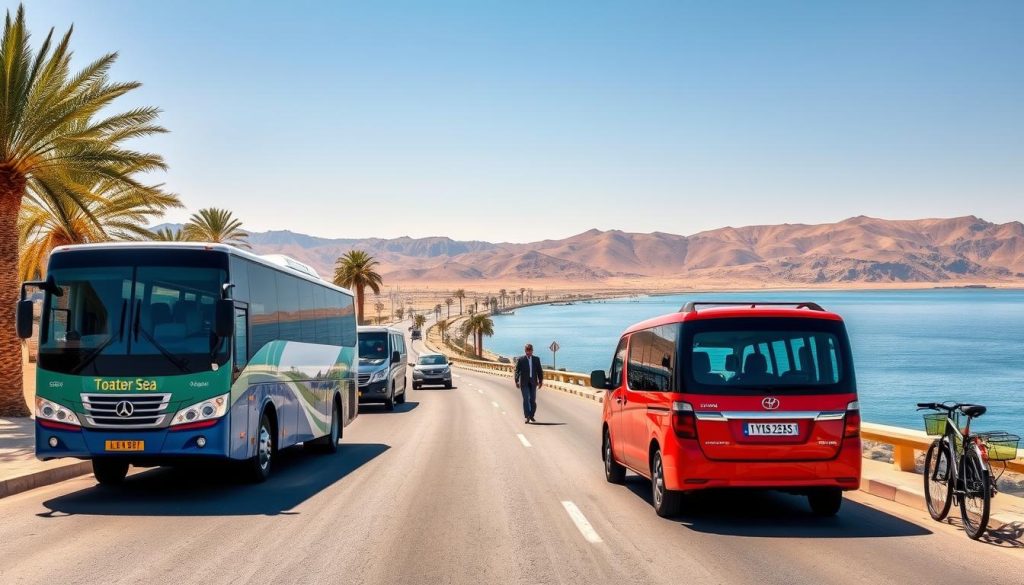
Getting to the Dead Sea is easy from major cities. You can drive, join a tour, or take public transportation. There are many ways to get there, depending on where you start.
Travel Options from Major Cities
Driving from Amman takes about 1 hour. From Jerusalem, it’s 1.5 hours. Tel Aviv to the Dead Sea takes 2 to 2.5 hours, depending on traffic. Renting a car lets you see beautiful routes, like the Negev Desert.
Using Public Transportation
Public buses are a cheap way to get there. They run often from Amman to the Dead Sea. A bus ticket costs about 1 JD. Then, a taxi to your spot costs around 4 JD. Using local buses is affordable and lets you see the local culture.
Dead Sea Transportation Options
Getting to the Dead Sea is easy, whether you rent a car or join a tour. Each choice has its own perks. It’s important to pick what suits you best.
Renting a Car
Renting a car lets you see the Dead Sea and nearby spots at your pace. You can find major rental companies in Amman and Jerusalem. Here are some car rental tips:
- Use apps like Google Maps or Waze for easy driving to the Dead Sea.
- The drive from Jerusalem to the Dead Sea is about 110 km and takes 1 hour and 20 minutes to 2 hours.
- Rental costs can change based on insurance and fuel; a taxi from Jerusalem costs around 400 ILS ($110) each way.
Driving to the Dead Sea lets you visit places like Masada and Ein Gedi. It makes the trip more fun.
Joining a Tour Group
For a more organized trip, there are many tour groups. These tours usually include transportation and visits to several places:
- Abraham Tours offers tours like the Dead Sea Chill Out Tour and Masada, Ein Gedi & Dead Sea Tour.
- These tours give you insights into the history and culture of places like Masada and Ein Gedi.
- Traveling by bus is easy, with Egged running many daily trips from big cities, like seven from Jerusalem to the Dead Sea on weekdays.
Deciding between renting a car or joining a tour depends on what you like. Both ways let you explore the amazing area around the Dead Sea.
| Option | Pros | Cons |
|---|---|---|
| Renting a Car | Flexibility, control over itinerary, access to remote attractions | Possible higher costs, need for navigation |
| Joining a Tour Group | Guided experience, transportation included, easy planning | Less flexibility, scheduled timing |
Dead Sea Access Points
Exploring the Dead Sea’s shores can be amazing. The right access point makes a big difference. You can choose public beaches or private resorts, each with its own perks.
Public beaches are great for saving money. They often have low or no entry fees. For example, Amman Touristic Beach costs around JOD 20 to enter. These spots may not have all the extras, but they offer a true taste of the Dead Sea’s beauty.
Private resorts, like Movenpick Resort & Spa, offer day passes. They provide a more luxurious experience with services like freshwater pools and spa treatments. This makes your visit even more enjoyable.
Public Beaches vs. Private Resorts
Public beaches are perfect for those watching their budget. Amman Touristic Beach is a great example, with entry for about JOD 20. These spots might not have all the bells and whistles, but they let you experience the Dead Sea’s natural splendor.
Private resorts, such as Kempinski Hotel Ishtar Dead Sea, offer day passes. These places provide a more upscale experience. You can relax in comfort and enjoy various services, making your visit even better.
Must-Visit Beaches
Ein Bokek Beach is a standout for its cleanliness and amenities. It’s a top pick for many. When visiting, remember to follow a routine: float for 10 minutes, enjoy the black mud for 15, and then wash off in the mineral-rich waters.
Be careful with your gear, like Go Pros. The high salt levels can harm them.
Here is a table detailing some recommended access points:
| Access Point | Type | Price (JOD) | Amenities |
|---|---|---|---|
| Amman Touristic Beach | Public Beach | 20 | Basic Facilities |
| Ein Bokek Beach | Public Beach | Free | Comfortable Environment |
| Movenpick Resort & Spa | Private Resort | Day Pass Rates Vary | Luxury Pools, Spa Treatments |
| Kempinski Hotel Ishtar Dead Sea | Private Resort | Day Pass Rates Vary | Fine Dining, Private Beaches |
Planning Your Journey to the Dead Sea
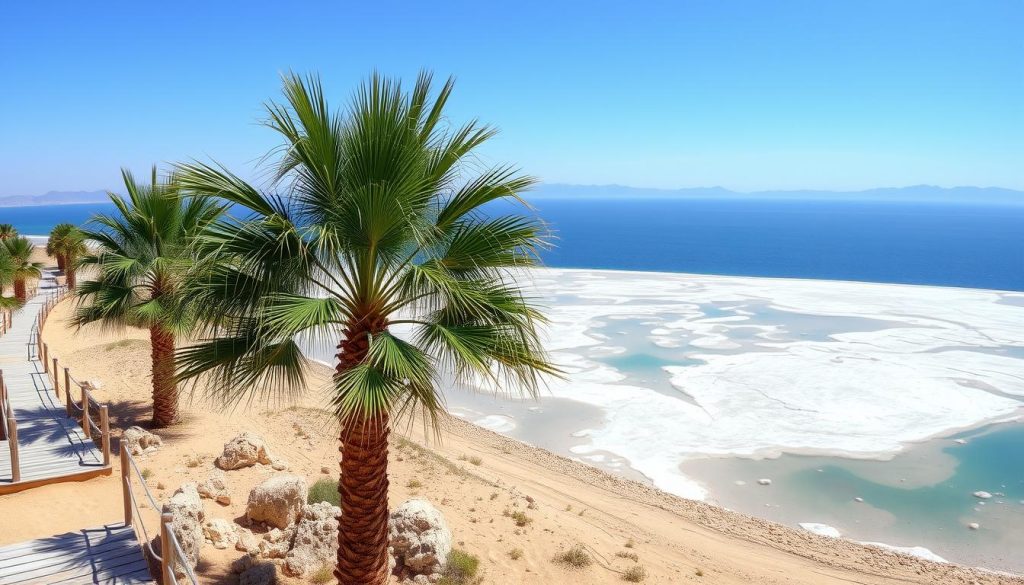
Traveling to the Dead Sea is an adventure through Jordan’s beautiful landscapes. You can start from Amman or Aqaba. Knowing the best way to get there makes your trip smoother. With some tips and directions, you’re ready to enjoy the Dead Sea’s unique beauty.
How to Navigate from Amman
Traveling from Amman to the Dead Sea offers scenic choices. You can take the King’s Highway or the Dead Sea Highway. Both are about an hour away. Buses and car rentals make getting there easy.
Here’s a table showing your travel options:
| Travel Option | Duration | Flexibility | Cost Estimate (JOD) |
|---|---|---|---|
| Public Bus | 1 hour | Low | 3-5 |
| Car Rental | 1 hour | High | 30-40 |
| Tour Bus | 1 hour | Medium | 15-25 |
Traveling from Aqaba
Getting to the Dead Sea from Aqaba takes about three hours. You’ll see stunning desert views. You can take a bus or rent a car for more freedom. The route is as beautiful as the destination.
Here are your options:
- Bus Service: A comfy ride for those who want to relax.
- Rental Car: Great for exploring more places along the way.
- Tour Group: A guided trip that makes planning easier and adds insights.
Traveling from Amman or Aqaba makes your Dead Sea visit even more special. You’ll get to see its wonders up close.
Tips for Enjoying Your Trip to the Dead Sea
Getting ready for your Dead Sea trip is key to a great experience. Knowing what to pack and staying safe while swimming will make your visit unforgettable.
Packing Essentials
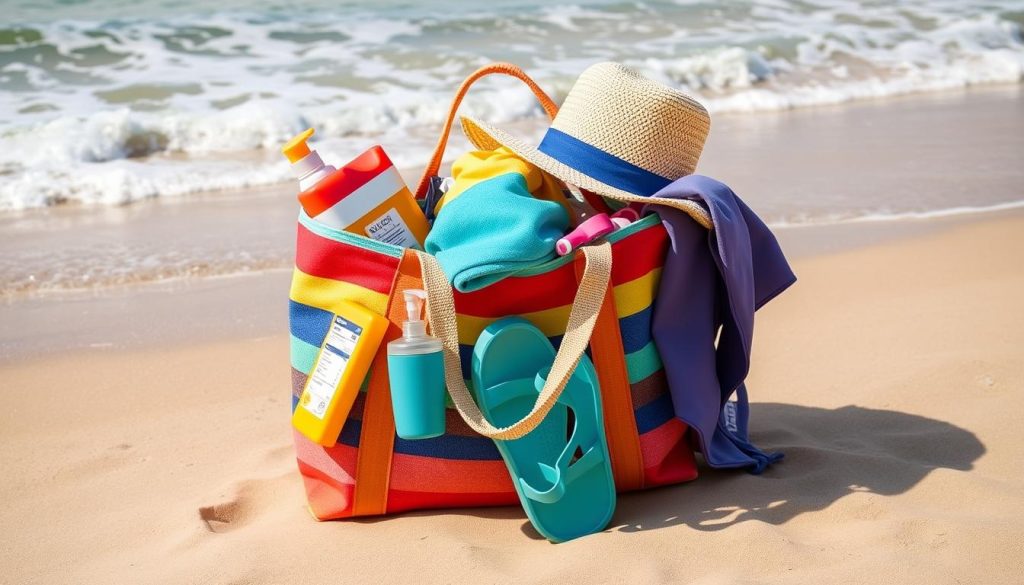
Before you go, make a list of must-haves for the Dead Sea. Here are some travel essentials:
- Sunscreen: Keep your skin safe from the sun.
- Sandals with straps: Comfortable walking is important.
- Water bottle: Drink plenty of water to stay hydrated.
- Swimwear: You’ll need a swimsuit for the water.
- Quick-dry towel: Handy for drying off after a swim.
- Snacks: Healthy snacks keep your energy up.
- Cash: Good for buying things locally.
These items will make your time at the Dead Sea more enjoyable and comfortable.
Safety Tips While Swimming
Swimming in the Dead Sea is special, but it’s salty. Here are some safety tips:
- Don’t shave before swimming to avoid irritation.
- Stay in the water for 10-15 minutes max to avoid dehydration.
- Keep your face out of the water to avoid eye irritation.
- Don’t splash water to avoid discomfort, mainly in sensitive areas.
- Watch out for cuts or blisters, as they may sting in the saltwater.
By following these tips, you can enjoy the Dead Sea’s healing properties safely. Dive into its unique world and discover its wonders.
What to Do at the Dead Sea
Visiting the Dead Sea is a unique experience. It offers relaxation, adventure, and exploration. You can float in its salty waters or enjoy mud baths for your skin. There are also luxurious spas and historical sites to explore.
Activities and Attractions
Here are some top things to do at the Dead Sea:
- Floating in the Dead Sea: The water’s high salt lets you float easily.
- Mud Masks: Use Dead Sea mud for a skin mask.
- Wadi Mujib Siq Trail: A 2 to 3 hour hike with stunning views. It costs around 21 JD ($30 USD) and is best from April to October.
- Zara Cliff Top Walk: A 1km path with amazing views of the Dead Sea.
- Panorama Dead Sea Complex: Great for sightseeing and photos.
- Beach Exploration: Relax on the salt beaches along the shore.
Nearby Sites of Interest
Exploring the Dead Sea can also include exciting day trips. There are many historical sites and attractions nearby:
| Site | Description | Distance from Dead Sea |
|---|---|---|
| Masada National Park | An ancient fortress with stunning views and history | Approximately 30 km |
| Qumran Caves | Where the Dead Sea Scrolls were found | Approximately 12 km |
| Mount Nebo | A religious site with views of the Holy Land | Approximately 50 km |
The area around the Dead Sea is rich in culture and geology. It invites you to explore more than just relaxation. Visit these local attractions and historical sites to make your stay unforgettable.
Dining Options Near the Dead Sea
Visiting the Dead Sea is more fun with great food. You can find fancy hotels and cozy local spots. The food is a mix of old and new Middle Eastern tastes. Here are some top places to eat when you’re there.
Recommended Restaurants
- Kempinski Hotel Dead Sea – This resort has over seven pools and many places to eat. They serve fancy dishes.
- Hilton Dead Sea Resort and Spa – With three big pools and seven bars and restaurants, it’s a great place for meals.
- Akkad Pool Grill – It’s famous for its beautiful sunsets and Infinity pool. Try local foods and drinks like Carakale.
- Dead Sea Hotels – Many hotels have restaurants that focus on local food. It’s a chance to try real Dead Sea dishes.
- Ein Bokek Eateries – The town of Ein Bokek has lots of local places. They serve dishes you won’t find anywhere else.
Local Cuisine to Try
When you’re at Dead Sea restaurants, make sure to try these foods. They’re key to Dead Sea cuisine:
| Dish | Description |
|---|---|
| Grilled Meats | Tender lamb or chicken, marinated and grilled. Often served with fresh salads. |
| Tabbouleh | A salad with parsley, tomatoes, mint, and bulgur. It’s seasoned with lemon and olive oil. |
| Hummus | A creamy mix of chickpeas, tahini, garlic, and lemon. Served with warm pita. |
| Fattoush | A salad with mixed greens, tomatoes, and crispy pita. It’s dressed with a tangy sauce. |
| Baklava | A sweet pastry with layers of filo, nuts, and honey. It’s a great dessert. |

Traveling Responsibly to the Dead Sea
Visiting the Dead Sea is a special experience. It combines natural beauty with rich history. To keep these treasures for the future, we must travel responsibly. With more visitors, our actions affect the environment and local communities.
Environmental Considerations
The Dead Sea’s beauty and unique life are at risk. We must travel responsibly to protect it. Here are some ways to reduce your impact:
- Dispose of waste properly. Use designated trash bins to keep the area clean.
- Conserve water, even when using amenities near the shore.
- Avoid touching or removing natural items like salt formations or plant life.
- Choose eco-friendly products, including skincare items with Dead Sea minerals.
The Dead Sea has lost nearly 112 feet in 50 years. This is mainly due to river diversions and less water flow. The shoreline has moved so much that farmers have seen it change over a mile in their lifetimes.
Respecting Local Culture
Engaging with local customs makes your visit better. It also builds goodwill and respect. Here are some tips:
- Learn a few words in Arabic to show respect and start conversations.
- Dress modestly, which is important when visiting communities or religious sites.
- Join in local traditions and gatherings if you’re invited.
- Support local artisans by buying their handmade items.
Visiting the Dead Sea lets you connect with the local culture. By respecting customs and engaging positively, you help make tourism sustainable. This benefits everyone involved.
| Practice | Description |
|---|---|
| Waste Management | Properly dispose of all trash in designated areas. |
| Conserve Water | Be aware of water usage in showers and facilities. |
| Respect Traditions | Engage with the local culture and customs. |
| Support Local Economy | Buy from local vendors and artisans. |
Conclusion
The Dead Sea is a place of stunning beauty and deep history. It offers unique experiences, like floating in its salty waters and using its mineral-rich mud. This place, over 400 meters below sea level, is not just the lowest point on Earth. It’s also a key spot for wellness tourism, helping the local economy.
Looking back, your memories of the Dead Sea are likely unforgettable. The beautiful views and healing waters will stay with you. Also, visiting again could remind you of the need to balance tourism with protecting the environment.
Your time at the Dead Sea was a mix of relaxation and adventure. Whether you came in summer or winter, it was special. As you plan your next trip, remember to cherish these moments. Think about how you can help keep this amazing place for others to enjoy in the future.