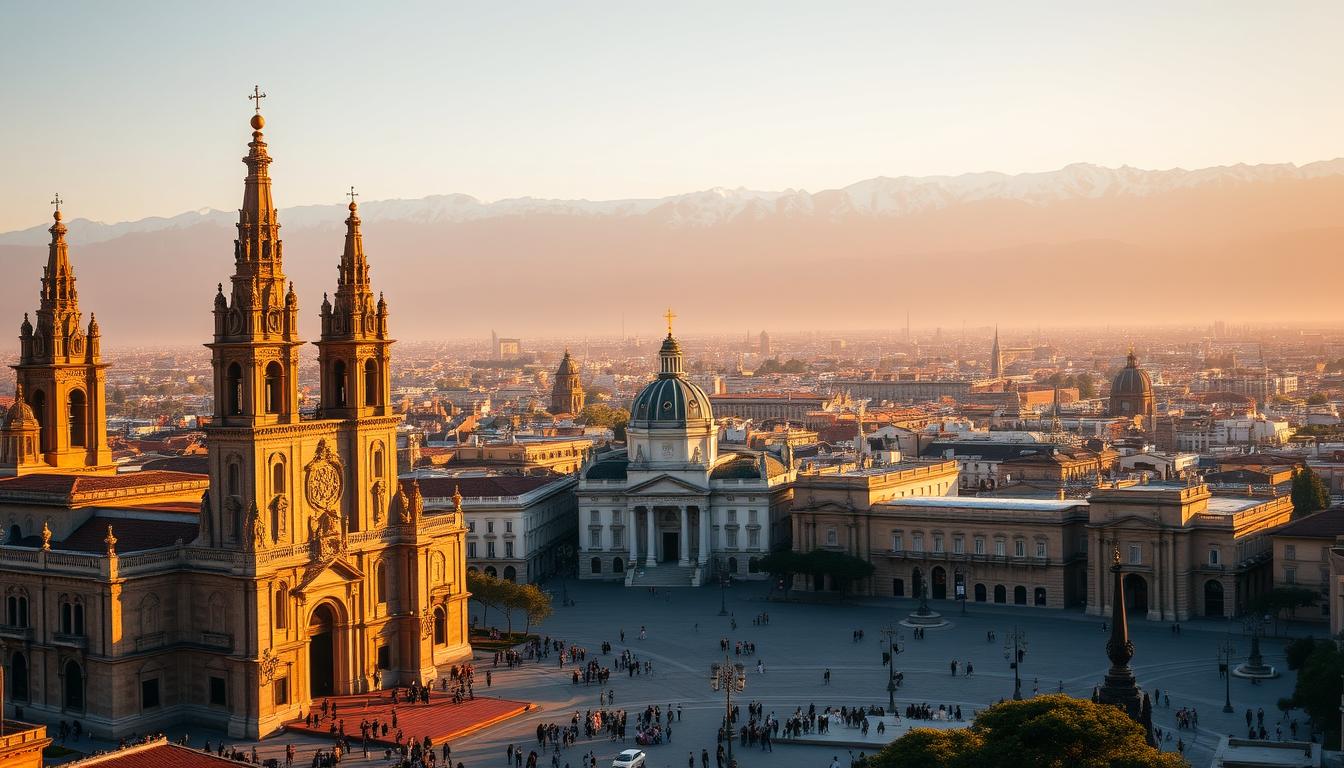
Your Guide to Lima’s Most Significant Landmarks
Planning a trip to Lima? You might ask, what historical landmarks does Lima have? With over 11 million people, Lima, Peru, mixes old history with new culture. It has many historical sites and tourist spots to see.
From the ancient Huaca Pucllana pyramid to the beautiful Plaza de Armas, Lima is full of historical and cultural gems.
Exploring Lima’s history, you’ll find its sites show its past and its lively culture. So, what are Lima’s historical landmarks, and how can you see the best tourist spots? This guide will show you Lima’s key landmarks. We’ll talk about their history, architecture, and cultural value.
Understanding Lima’s Rich Historical Heritage
Lima, the capital of Peru, has a rich and complex history. It combines ancient cultures, colonial influences, and modern times. Exploring Lima’s historical sites reveals a unique cultural landscape. You’ll see the city’s importance in Latin American history through its landmarks and cultural scene.
The city was founded in 1535 by Spanish conquistador Francisco Pizarro. Since then, Lima has been a key center for trade, commerce, and culture. Its architecture, like the grand Baroque structures from the 17th and 18th centuries, shows the beauty of Hispanic-American Baroque. Visit the Plaza de Armas, the city’s heart, to see historic buildings like the Government Palace and Lima Cathedral.
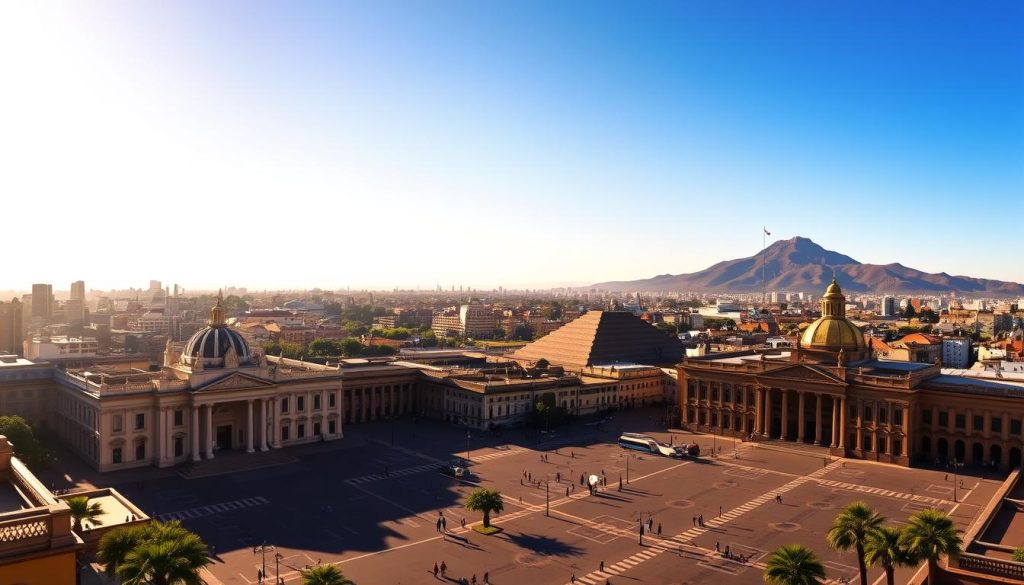
Lima’s culture is a unique Creole identity, seen in music, cuisine, and literature. The city has many museums, like the Larco Museum and the MALI Museum. These museums showcase pre-Columbian artifacts and art, giving insights into Lima’s history and culture. Lima’s vibrant cultural scene offers traditional dishes like ceviche and pisco sours, and many historical sites to explore.
Some key historical sites to visit in Lima include:
- The Basilica y Convento Santo Domingo, established in 1535
- The Basilica y Convento San Francisco, established in 1546, with its vast catacombs
- The Plaza San Martín, dedicated to General San Martín, the liberator of Peru
- The Museo de la Inquisición, located in the former Inquisition headquarters
These sites are just a few examples of Lima’s rich historical heritage. They are a must-see for anyone interested in Lima’s history.
What Are Lima’s Historical Landmarks? A Complete Overview
Lima, the capital of Peru, is filled with historical landmarks that draw tourists from everywhere. These Lima tourist attractions show the city’s deep cultural roots. Places like Plaza de Armas, Miraflores, and Barranco are key spots for history and architecture fans.
The Lima Cathedral, Government Palace, and Archbishop’s Palace are among Lima’s most famous sites. These Lima famous landmarks are not just old; they also highlight the city’s building skills. Visitors can dive into these sites and discover their stories.
Here are some of the top historical landmarks to visit in Lima:
- Plaza de Armas
- Lima Cathedral
- Government Palace
- Archbishop’s Palace

Lima’s historical landmarks are a goldmine of history, architecture, and culture. Visitors can spend hours exploring and learning about Lima’s rich past. Whether you love history, architecture, or culture, Lima’s landmarks have something for everyone.
Plaza Mayor: The Heart of Colonial Lima
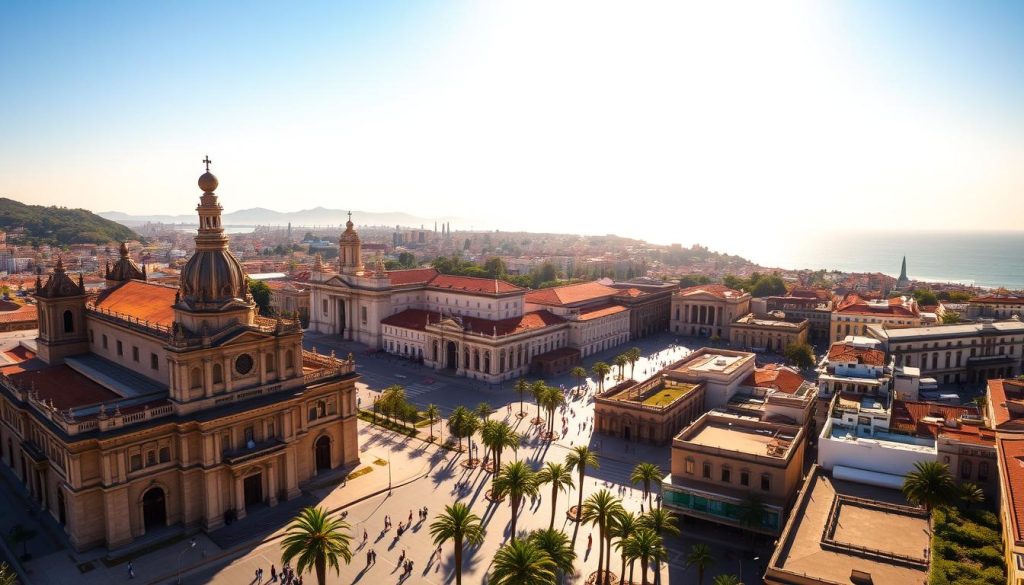
Exploring Lima’s historic city, you’ll land at the Plaza Mayor. It’s a beautiful example of Spanish colonial architecture and urban planning. This iconic plaza is surrounded by key landmarks, showing off the Lima architecture history and Lima historical sites. Founded in 1535 by Francisco Pizarro, it’s been a center of activity for many events.
The plaza houses important buildings like the Government Palace, the Lima Cathedral, and the Archbishop’s Palace. Each building has its own story and historical value, highlighting the city’s cultural and architectural richness. For instance, the Government Palace, rebuilt after earthquakes, hosts a daily changing of the guard at noon.
Notable Landmarks
- Government Palace: constructed in 1938, featuring a daily changing of the guard ceremony
- Lima Cathedral: began construction in 1535, with multiple rebuilds due to earthquakes
- Archbishop’s Palace: original structure constructed in 1535, with the current building completed in 1924
These landmarks, along with the Plaza Mayor, showcase Lima’s Lima architecture history and Lima historical sites. They are a must-see for anyone wanting to explore the city’s colonial past.
San Francisco Monastery and Its Catacombs
The San Francisco Monastery is a key site in Lima’s history. It was built around 1600 and shows off the city’s colonial past. The monastery’s catacombs are also a big draw, giving visitors a peek into Lima’s past.
The catacombs hold about 25,000 bodies, a burial site until 1810. They were closed for years but opened as a museum in 1950. Today, the San Francisco Monastery is a major landmark in Lima, with its catacombs being a highlight for tourists.
Some highlights of the monastery include:
- A library with 20,000 books in many languages
- A choir room with 130 seats, decorated with 17th-century Baroque reliefs
- The use of cedar wood from Costa Rica in the choir room

Visiting the San Francisco Monastery and its catacombs offers a deep dive into Lima’s history. With its rich culture and beautiful architecture, this monastery is a must-see in Lima. Its catacombs add a unique and intriguing layer to the city’s past.
The Historic Walls of Lima
Exploring Lima’s historical sites reveals the city’s ancient walls. These walls were built between 1684 and 1687. They were meant to protect Lima from pirate attacks. Now, they are a key part of Lima’s landmarks, showing the city’s rich history and culture.
The walls had 10 gates for entry and exit. The Maravillas portals were known for their beauty. Even though the wall was torn down in 1871, parts remain. They are now part of “Parque de la Muralla,” a park with a restaurant and a shop.
The Santa Lucía bastion is one of the few standing sections. It’s located in Barrios Altos and El Agustino.
Some notable features of the historic walls include:
- The construction of the walls, which was completed in just three years
- The total length of the walls, which surrounded the entire city
- The number of bastions, which were used for defensive purposes
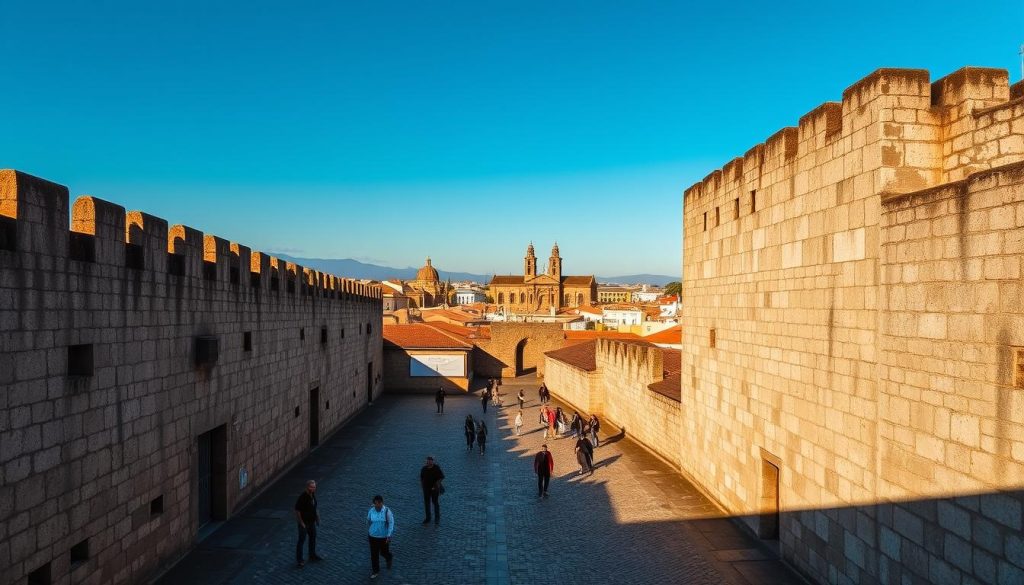
Visiting the historic walls of Lima gives you insight into the city’s past. These walls are a key tourist attraction in Lima. They show the city’s cultural heritage and offer a peek into the lives of its people.
Huaca Pucllana: Pre-Hispanic Legacy in Miraflores
When you visit Lima, don’t miss Huaca Pucllana in Miraflores. It’s a pre-Hispanic temple that shows Lima’s rich history. It was a key place for the ancient Lima culture, used for worship and rituals.
Huaca Pucllana is huge, covering about 6 hectares. It’s a key spot to learn about Lima’s past. Since 1981, archaeologists have been uncovering its secrets, finding artifacts and mummies that tell us about the ancient Lima people.
Some important things about Huaca Pucllana include:
- A large ceremonial center built around 500 AD
- A network of cultural and religious centers along the Peruvian Central Coast
- Extensive restoration and ongoing excavations
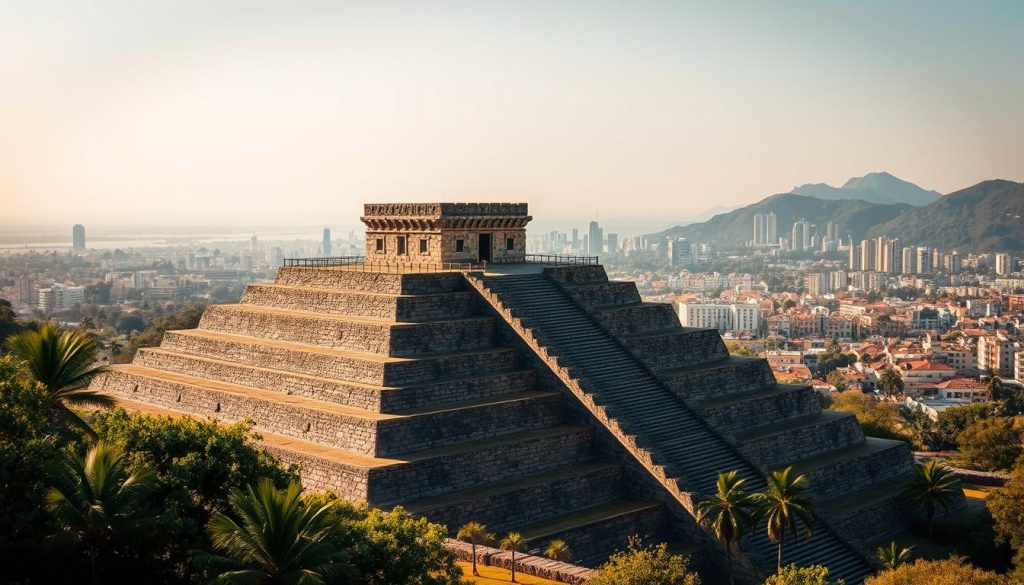
Huaca Pucllana is a top spot in Lima for history buffs. Its cultural importance and beautiful design make it a memorable visit. It’s a great way to understand Lima’s history and landmarks.
The Colonial Mansions of Barranco
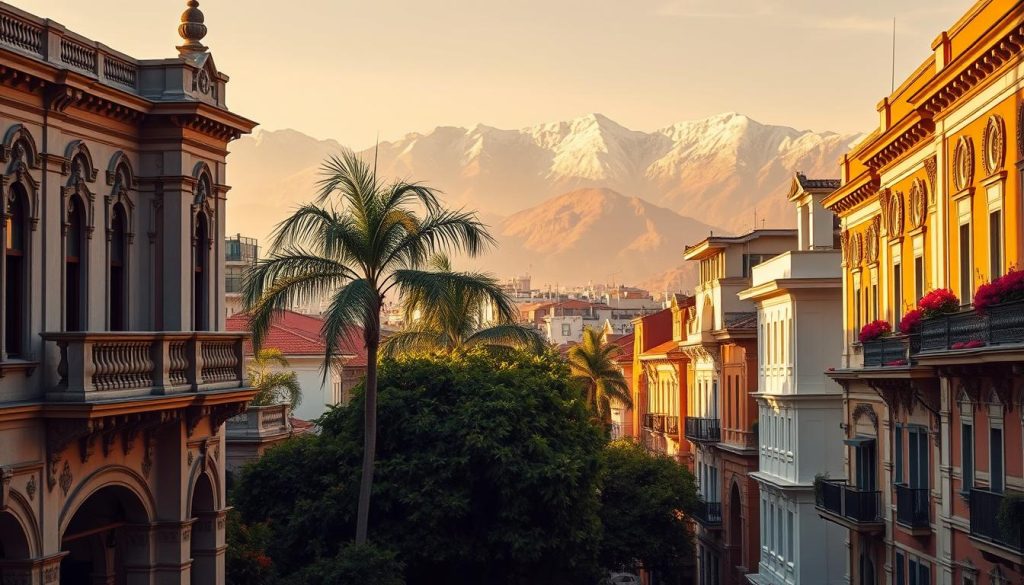
Exploring Lima’s architecture history, you’ll find Barranco full of colonial mansions. Each one has its own story and history. Located about 10 km from Lima’s city center, Barranco has grown a lot. It’s now a key spot for tourists and culture.
Barranco is famous for its colonial mansions. These buildings show Lima’s rich history and architecture. The Museo Pedro de Osma is a standout. It’s one of the best examples of early 20th-century homes in Peru.
- The iconic El Puente de Los Suspiros (Bridge of Sighs), associated with romantic legends
- The Museo de Arte Contemporáneo de Lima (MAC), housing an impressive collection of modern and contemporary art
- The Second Home Guest House and Gallery, featuring a personal collection from renowned artist Victor Delfin
Walking through Barranco, you’ll feel its lively vibe. It’s known for its nightlife, art, and bohemian spirit. Poets, artists, and thinkers have been drawn here for years. Barranco is a key place to see Lima’s history and culture.
Santo Domingo Church and Convent
The Santo Domingo Church and Convent is a key spot in Lima’s history. It shows off the city’s rich culture. Located in Lima’s heart, it’s a major place for worship and rituals.
The church’s unique steeple stands out in Lima. It has the oldest choir stalls in the city. The convent holds the relics of Santa Rosa and San Martín de Porres, drawing religious pilgrims.
Visitors from all over come to see the Santo Domingo Church and Convent. It’s in a historic area with other important sites. Its beautiful architecture and religious value make it a top spot for anyone visiting Lima.
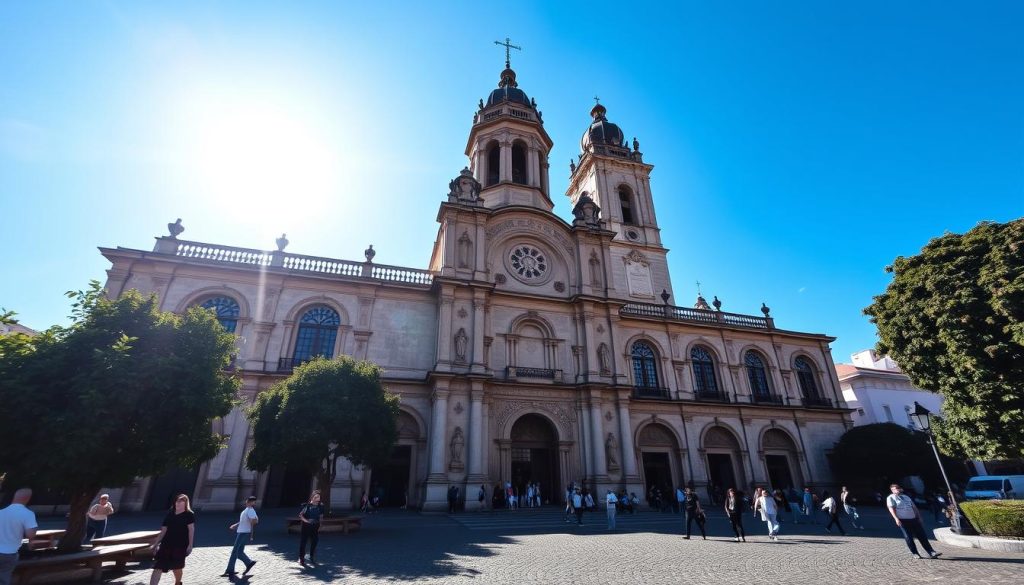
The Santo Domingo Church and Convent is great for history, architecture, or religion fans. Walking through, you’ll feel Lima’s rich culture. So, make sure to visit the Santo Domingo Church and Convent when in Lima.
Best Times to Visit Lima’s Landmarks
When planning your trip to Lima, it’s key to pick the best times to see the city’s famous spots. Lima welcomes visitors all year, with mild desert weather. Temperatures usually stay between 60°F and 80°F (15°C to 27°C).
The dry season, from May to September, is perfect for Lima’s historical center and cultural sites. Places like the Lima Cathedral and the Government Palace are best seen then. You’ll avoid crowds and rain.
Summer, from December to April, brings warmer weather. Temperatures range from 19°C to 28°C (66°F to 82°F). It’s a great time to explore Lima famous landmarks like the Huaca Pucllana and the Malecón in Miraflores.
For a better experience, visit during the shoulder season (April to May or September to November). The weather is mild, and there are fewer people. Also, check the city’s event calendar. Festivals like Mistura and Inti Raymi draw big crowds and can raise hotel prices.
Transportation and Navigation Between Sites
Exploring Lima’s historical sites is easier with the right transportation. The city offers many ways to get around. You can use buses and taxis to visit the top Lima landmarks list.
The Metropolitano bus system connects 12 districts. It’s affordable, with a flat fare and a rechargeable card. The Corredor Azul bus system has four routes from Barranco to Rimac, with a fare of around S1.50 (US$0.40).
Walking is a great way to see the city. Many landmarks are close to each other. The malecón allows pedestrians and cyclists to travel between neighborhoods. But, there are safety concerns in heavy traffic areas.
Taxis need fare negotiation before you ride. You can also book a taxi through apps. This makes getting around easy, whether you’re seeing historical sites or modern attractions.
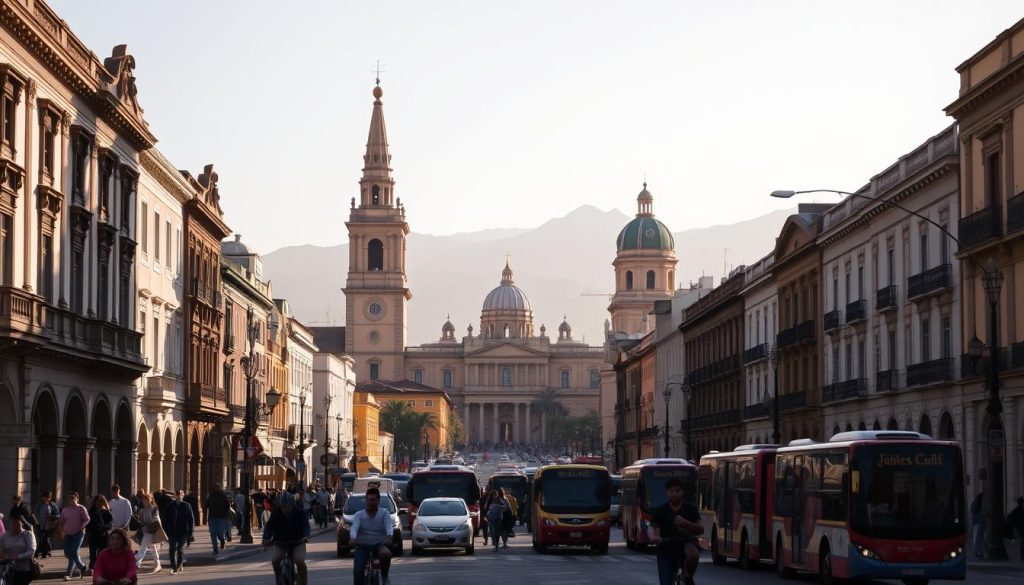
- Metropolitano: a bus system linking 12 districts
- Corredor Azul: a bus system featuring four routes from Barranco to Rimac
- Taxis: available throughout the city, with fare negotiation required
- Walking: a great way to explore the city, with many landmarks within walking distance
Choosing the right transport makes exploring Lima easy. You can enjoy the city’s history and culture. And visit the top Lima landmarks list.
Conclusion: Embracing Lima’s Historical Legacy
Exploring Lima’s landmarks reveals a city full of cultural heritage and stunning architecture. The Lima historical sites and Lima tourist attractions show the city’s past. They reflect the many influences that have shaped Lima over the years.
From grand colonial plazas to ancient ruins, each landmark has its own story. They invite you to dive into Lima’s rich history. This history fascinates visitors from all over the world.
Lima’s history is fascinating, whether you love ancient civilizations or Spanish architecture. The city’s mix of old and new is unforgettable. Walking its streets, you’ll feel like you’ve traveled back in time.
Planning a trip to Lima? It’s a chance to see its rich history up close. Visit places like Plaza Mayor and hidden spots in neighborhoods. Discover the past and let Lima’s sites and attractions amaze you.