Your Guide to Buying Peruvian Handicrafts in Cusco
Exploring Cusco, you might wonder where to find traditional Peruvian handicrafts. The city is full of markets, shops, and galleries. It’s a challenge to find authentic souvenirs. But, Cusco is the perfect place to buy unique handicrafts online or in person.
Cusco offers a wide range of items, from textiles to silver jewelry. As you shop, you’ll learn about the value of supporting local artisans. Whether you’re looking for a special gift or a unique souvenir, Cusco has something for everyone. With the right guide, you’ll find the perfect piece to keep.
Understanding Traditional Peruvian Handicrafts
Peruvian handicrafts show the country’s deep cultural roots. Exploring authentic Peruvian crafts reveals a variety of traditional items. These include handmade Peruvian textiles and detailed silver jewelry. Each piece is not just beautiful but also holds cultural value, passed down through generations of Peruvian artisan craftspeople.
In Cusco, you’ll find many types of handicrafts:
- Textiles: colorful blankets, scarves, and bags made from alpaca wool and other natural fibers
- Ceramics: vibrant pottery and decorative items
- Silver jewelry: intricate pieces featuring traditional Andean designs

Each region in Cusco has its own special handicrafts. By learning about these Peruvian artisan crafts, you can find unique souvenirs in Peru.
Where to Buy Traditional Peruvian Handicrafts in Cusco?
In Cusco, you’ll discover many places for Cusco market shopping. The city is filled with markets, shops, and galleries. They offer a wide range of traditional Peruvian handicrafts. To find the best places to shop in Cusco, check out San Pedro Market, Centro Artesanal Cusco, or San Blas neighborhood.
These spots are full of top shops for Peruvian handicrafts. You can find unique items like textiles, ceramics, and jewelry. Make sure to look around different stalls and shops for the perfect souvenir or gift.
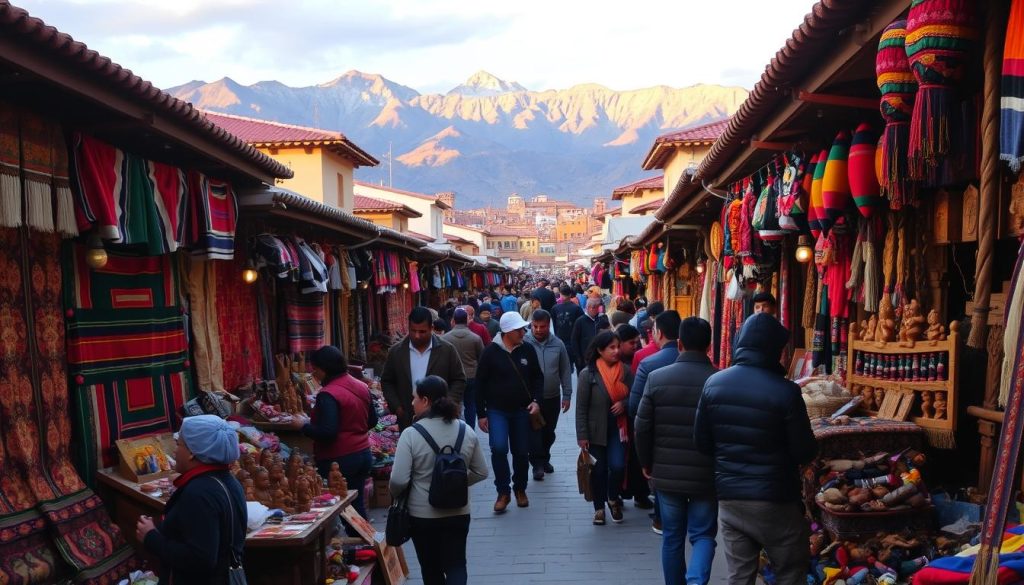
Look for traditional textiles like alpaca wool blankets and ponchos. You’ll also find handmade ceramics and jewelry. Other items include woodcarvings and woven baskets.
To get the most out of your Cusco market shopping, bargain and compare prices. This way, you’ll find great deals and pay fair prices for your purchases.
Exploring San Pedro Market: A Haven for Authentic Crafts
San Pedro Market is a top spot for authentic Peruvian crafts in Cusco. It’s just a short walk from the city’s main square. Here, you’ll find traditional items like textiles, jewelry, and ceramics.
At San Pedro Market, you’ll see many stalls with different products. You can find clothes, textiles, food, and local items. The prices are great, so you can buy unique crafts without spending too much.
Here are some tips for your visit:
- Visit the market on weekdays for a more relaxed atmosphere
- Arrive early to avoid crowds and find the best deals
- Be prepared to negotiate prices, as it’s a customary practice in Peruvian markets
Look for special items like alpaca wool textiles, ceramics, and leather goods. San Pedro Market offers a unique experience. It shows the beauty of Peruvian crafts and the skill of the artisans.
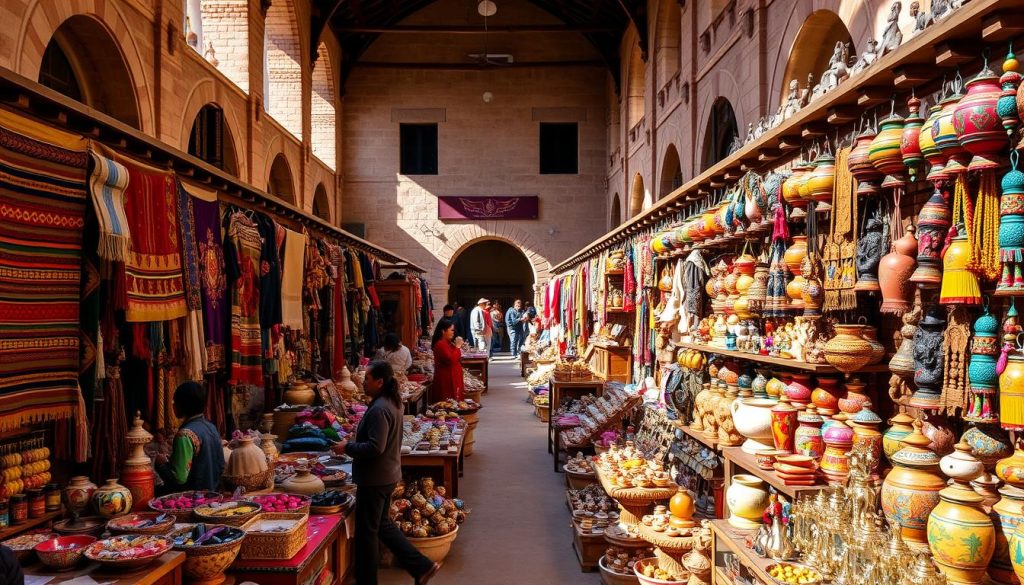
San Pedro Market is a must-see for anyone in Cusco. It has a lively vibe, beautiful handicrafts, and a rich cultural history. It’s the best place to see the beauty of authentic Peruvian crafts.
Centro Artesanal Cusco: Your One-Stop Shopping Destination
Centro Artesanal Cusco is a top spot for shopping in Cusco. It offers a wide variety of Peruvian handicrafts. You can find everything from traditional textiles to intricate silver jewelry here.
It’s a great place to find unique souvenirs and gifts. You can find alpaca clothing, ceramic crafts, and Inca-style masks. It’s located on Avenida El Sol, making it easy to get to for both tourists and locals.
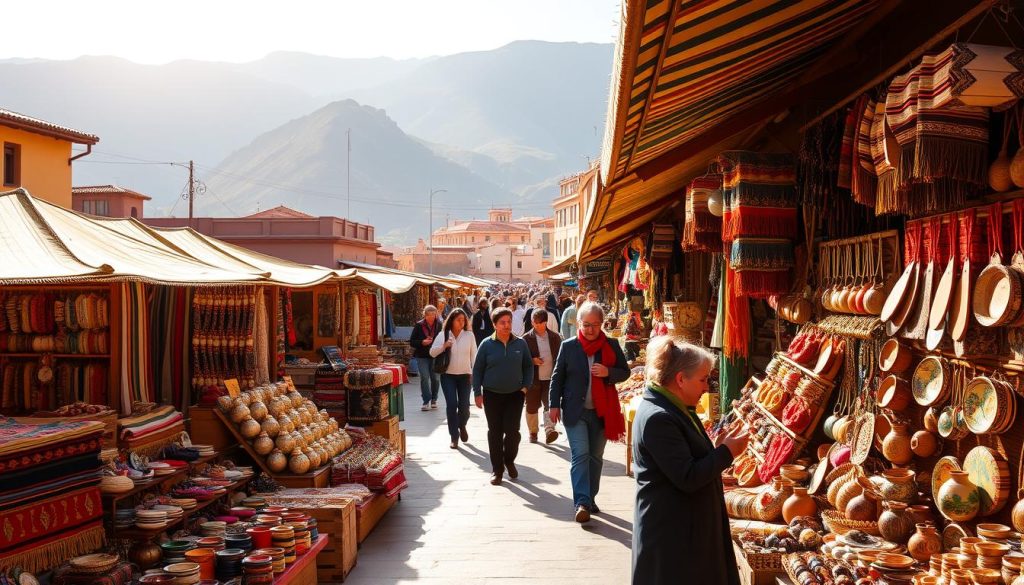
- Traditional textiles, such as scarves and chullos, handmade using ancestral techniques
- Silver jewelry inspired by Andean symbols and elements of pre-Hispanic culture
- Ceramic crafts, including pottery and decorative items
Looking for a special souvenir or gift? Centro Artesanal Cusco has it all. With its vast selection of Peruvian handicrafts and easy location, it’s a favorite among shoppers in Cusco.
Hidden Gems: Boutique Artisan Shops in San Blas
As you explore San Blas neighborhood, you’ll find many boutique artisan shops. They showcase unique Peruvian handicrafts. This area is known for its artists and artisans, with narrow streets and small stores.
San Blas is famous for its artisan workshops and galleries. You can find traditional textiles, jewelry, ceramics, and musical instruments. These items are made with love by local artisans.
Some shops specialize in unique Peruvian handicrafts like handmade jewelry and ceramics. These shops offer a personal shopping experience. You can meet the artisans and hear the story behind each piece.
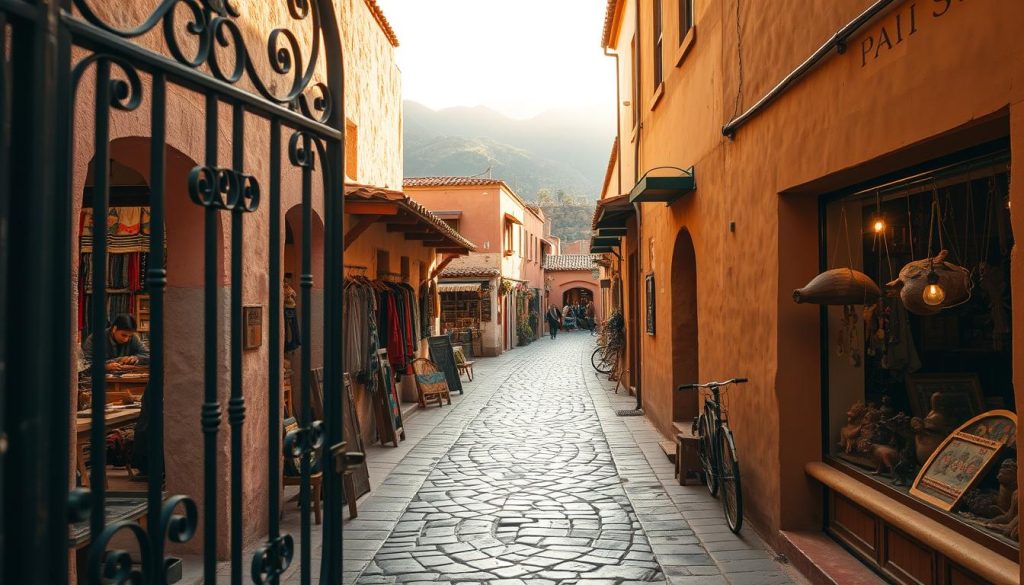
For a better experience, visit on a weekday. The streets are less crowded, and you can enjoy the unique Peruvian handicrafts more. San Blas is a must-see for its history, architecture, and culture.
Here are some tips for shopping in San Blas:
- Look for shops that specialize in unique Peruvian handicrafts and support local artisans.
- Take your time to explore the area and discover hidden gems.
- Don’t be afraid to bargain respectfully, as this is a common practice in local markets.
Understanding Pricing and Bargaining Etiquette
When you’re shopping for Peruvian handicrafts in Cusco, knowing the pricing and bargaining etiquette is key. It helps you move through markets and shops with ease. You’ll know you’re getting a good deal on your buys. First, look up the fair price ranges for things like textiles, ceramics, and jewelry. This info will help you start your negotiations.
Being respectful and friendly is crucial when you’re negotiating. Vendors like a good laugh and a chat. Begin by asking about the item, its materials, and how it’s made. This shows you care about the product and the culture it comes from. Then, offer a price, starting at 20-30% less than what they ask.
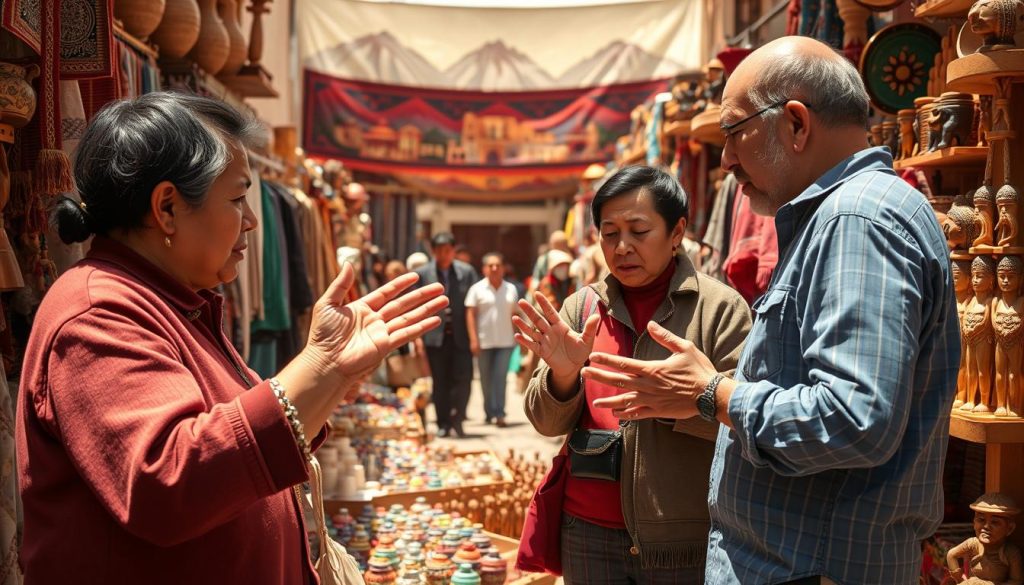
- Be polite and courteous, even if you’re not interested in buying
- Avoid making offers that are too low, as this can be seen as disrespectful
- Be willing to walk away if the price isn’t right, but don’t be afraid to return if you’re still interested
By following these tips and being aware of the local pricing and bargaining etiquette, you’ll shop with confidence in Cusco. You’ll find unique, authentic Peruvian handicrafts at fair price ranges. Stay calm, be respectful, and enjoy the shopping experience in this vibrant city.
Authenticity Guide: Spotting Genuine Peruvian Crafts
Shopping for authentic Peruvian crafts can be tricky. There are many fake or low-quality items out there. We’ve created a guide to help you spot the real deal.
High-quality materials are a big clue. Genuine Peruvian crafts often use alpaca wool. This wool is soft, lightweight, and warm. Fake items might use synthetic fibers that feel coarse or itchy.
Traditional designs and patterns are also important. Real Peruvian handicrafts have unique designs that reflect Peruvian culture. Learning about these designs can help you spot authentic crafts. 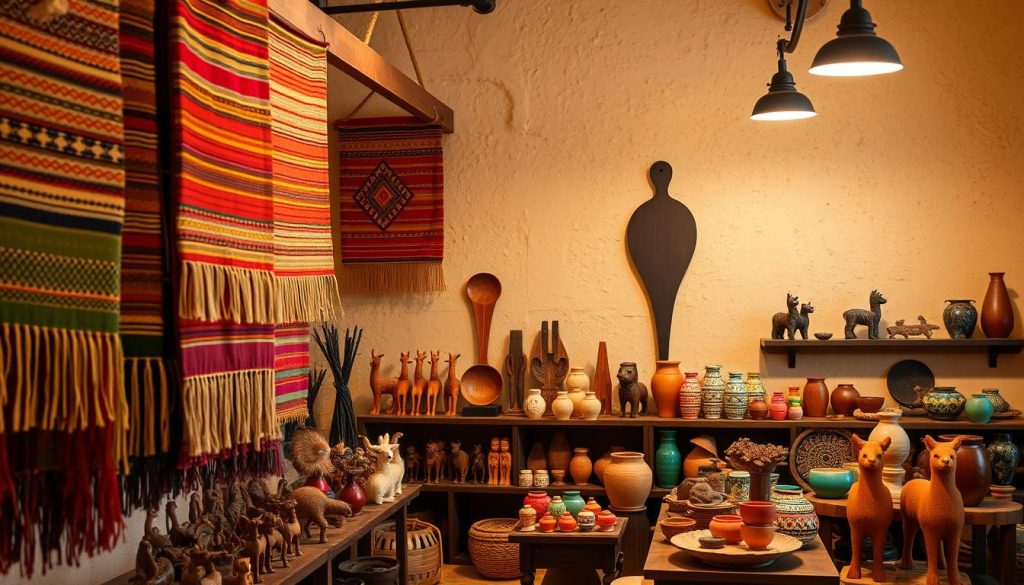
Here are some tips for spotting fake crafts and identifying authentic Peruvian crafts:
- Check the materials used in the craft
- Look for traditional designs and patterns
- Research the artist or artisan who created the craft
- Be wary of very low prices, as they may indicate a fake or low-quality product
By following these tips, you can find authentic Peruvian crafts. Remember, spotting fake crafts takes attention to detail and knowledge of authenticity.
Popular Handicraft Items and Their Cultural Significance
Exploring Peru’s markets and shops reveals a variety of handicrafts. These items, like textiles, ceramics, and pottery, carry deep cultural meaning. Each piece tells a story of Peru’s history and traditions.
Peruvian textiles are a UNESCO-recognized cultural treasure. They have a history dating back to 2500 B.C. In places like Puno, families keep these traditions alive. You can see beautiful textiles and weaving in Cusco, such as scarves, bags, and ponchos.
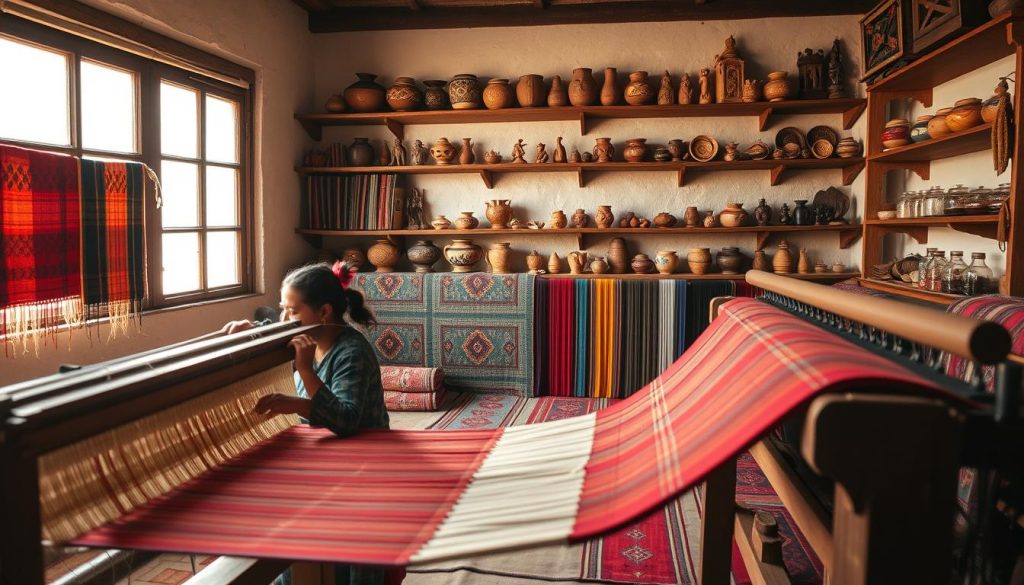
Ceramics and pottery are also celebrated in Peru. Techniques like negative painting are used in places like Piura and the jungle. Ayacucho is famous for its silver jewelry and metalwork, showcasing Peru’s artistic talent.
Traditional Textiles and Weaving
Textiles and weaving are key to Peruvian culture. Communities keep ancient techniques and designs alive. You can find colorful scarves, bags, ponchos, and blankets in Peru.
Ceramics and Pottery
Ceramics and pottery hold great value in Peru. Artisans use traditional methods to create stunning pieces. From plates and bowls to vases and sculptures, there’s a wide variety to explore.
Silver Jewelry and Metalwork
Silver jewelry and metalwork are highly valued in Peru. Artisans use traditional techniques to make intricate pieces. You can find everything from earrings and necklaces to bracelets and rings in Peru.
Shopping Outside Cusco: Day Trips to Artisan Villages
When shopping outside Cusco, think about visiting artisan villages. Here, you can find unique, handmade Peruvian crafts. It’s a chance to dive into local culture and support the artisans directly. Pisac Market is a top spot for such trips, known for its lively textiles and colors.
A trip to Pisac Market is more than shopping. It’s a chance to learn about traditional crafts and their history. You’ll find everything from alpaca wool to ceramics, each with its own story. Plus, you can join workshops to try these crafts yourself, taking home a memory of your visit.
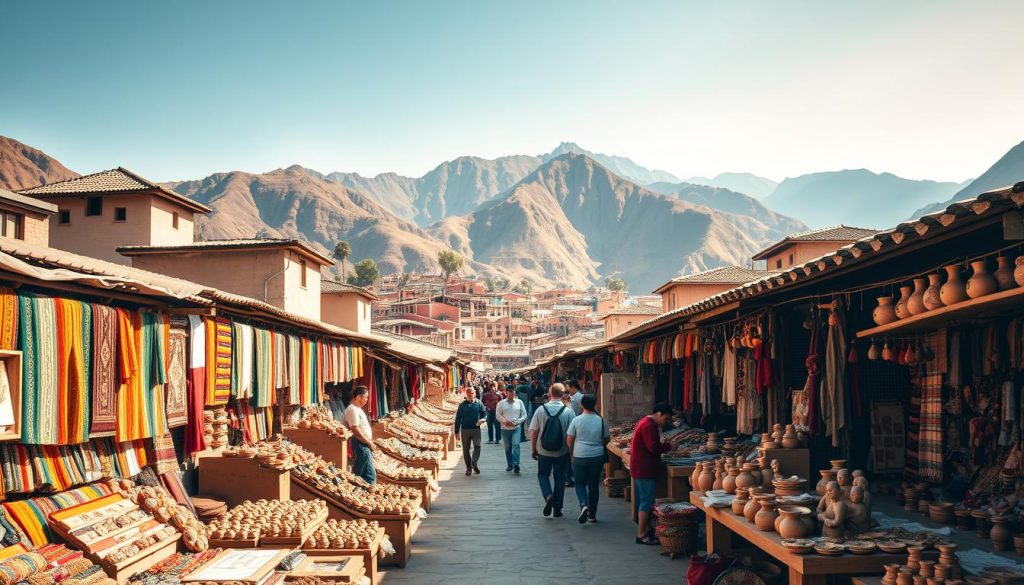
Day trips to artisan villages, like Pisac Market and workshops, make your shopping outside Cusco better. By visiting these places, you help local artisans and keep Peruvian crafts alive. It makes your trip more special and unforgettable.
Shipping and Customs Considerations
When you buy Peruvian handicrafts, think about shipping and customs. Knowing how to ship and what customs rules are is key. This makes sure your purchase goes smoothly. Look into different shipping ways, like cost, how long it takes, and if it’s insured.
Customs rules can be tricky. It’s important to learn about them for your country. You might need special permits or face duties or taxes on some items. Learning about these before you buy can save you trouble.
Here are some important things to remember when shipping Peruvian handicrafts:
- Choose a good shipping company that knows how to send things abroad
- Make sure you have all the right papers, like receipts and customs forms
- Be honest about what you’re sending and how much it’s worth to avoid customs problems
- Think about getting shipping insurance to protect your items
Understanding shipping and customs helps you enjoy your Peruvian crafts without worries. Stay informed and plan well for a hassle-free buying experience.
Supporting Fair Trade and Ethical Shopping Practices
When you shop for traditional Peruvian handicrafts in Cusco, it’s key to support fair trade and ethical practices. Look for businesses and artisans who give fair pay, use sustainable methods, and keep cultural heritage alive. Fair trade certifications, like those from the Centro de Textiles Tradicionales del Cusco (CTTC), make sure your money goes straight to the local weavers.
Handicraft tourism has a big impact on the community. It gives weavers a steady income, helping them support their families and pay for their kids’ education. But, the demand for cheap souvenirs can hurt the value of handmade items and traditional skills. By choosing fair trade and ethically sourced products, you help keep Cusco’s artisan culture alive.