Where to Eat the Best Acarajé in Salvador, Brazil
Exploring Salvador’s lively streets, you might wonder: where’s the best place for acarajé? This traditional dish, with roots in West Africa, is a must-try. It’s known for its unique flavors and textures, making it a favorite in Salvador’s street food.
Throughout the city, from the historic center to the beaches, you’ll find acarajé vendors. Each one offers a special take on this beloved dish. Prices start at just R$1, so you can try many and find your favorite. Whether you love food or just want to experience local culture, finding the best acarajé is an exciting journey. So, where can you find the best acarajé in Salvador? Let’s explore the flavors and traditions that make it so unique.
Understanding Acarajé: A Taste of Afro-Brazilian Heritage
Acarajé is a traditional Brazilian dish with roots in West Africa, known as “acará.” It was brought to Brazil by African slaves and has become a symbol of Afro-Brazilian heritage in Salvador. You can find acarajé vendors in Salvador, mainly in the city’s historic center, serving this delicious street food to locals and tourists alike.
The cultural significance of acarajé in Bahian cuisine is undeniable. With approximately 80% of Salvador’s population having African ancestry, it’s no surprise that acarajé has become an integral part of the city’s culinary identity. As you explore the city, you’ll come across various acarajé vendors in Salvador, each with their own unique recipe and cooking style.
The Origins of Acarajé
Acarajé has a rich history, dating back to the transatlantic slave trade, when approximately 5 million Africans were captured and transported to Brazil. The dish was adapted to local ingredients and spices, resulting in the delicious street food we know today. In Salvador, you can experience the authentic taste of acarajé, made with traditional ingredients such as black-eyed beans, palm oil, and melegueta pepper.
Cultural Significance in Bahian Cuisine
In Bahian cuisine, acarajé is more than just a dish – it’s a symbol of cultural heritage. The Afro-Brazilian community’s history and traditions are deeply rooted in the preparation and consumption of acarajé. As you try acarajé from various vendors in Salvador, you’ll not only be tasting a delicious street food but also experiencing the city’s vibrant cultural scene.
Traditional Preparation Methods
The traditional preparation method of acarajé involves deep-frying the dough in dendê oil, which gives it a unique flavor and texture. You can find acarajé vendors in Salvador using this traditional method, resulting in a crispy exterior and a soft interior. Whether you’re trying acarajé for the first time or you’re a seasoned foodie, the traditional preparation method is sure to impress.
What Makes Salvador’s Acarajé Special
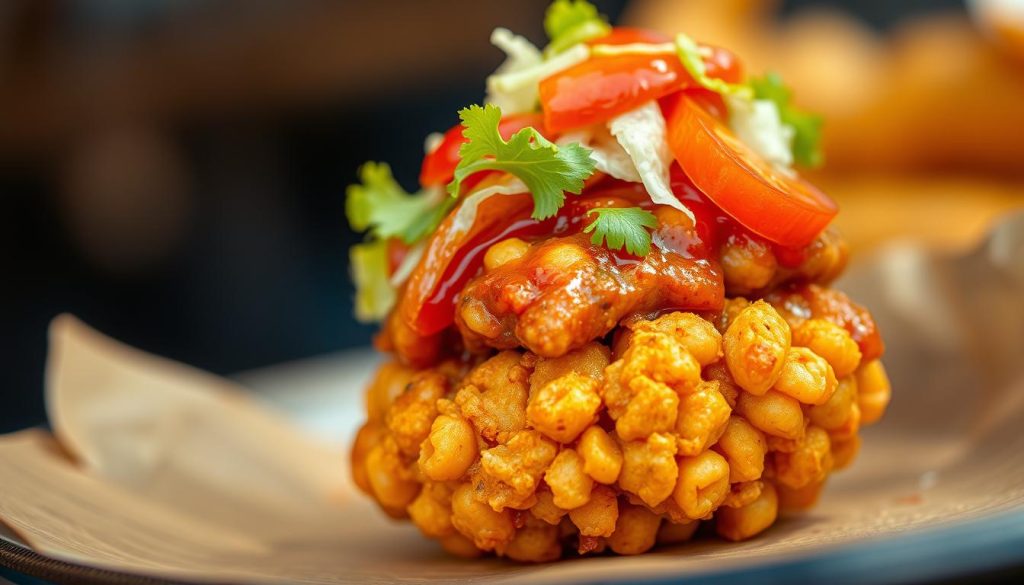
In Salvador, you’ll find acarajé that truly shows off the city’s Afro-Brazilian roots. Its special mix of ingredients and spices makes it stand out. The dough, made from black-eyed peas, onions, and spices, is fried in dendê oil. This gives it a crispy outside and a soft inside.
The fillings are a big part of acarajé, with favorites like shrimp, vatapá, and caruru. In Salvador, acarajé often comes with sides like fried plantains and coconut rice. To really enjoy Salvador’s acarajé, check out the top spots in the city.
Some popular fillings and sides include:
- Shrimp
- Vatapá
- Caruru
- Fried plantains
- Coconut rice
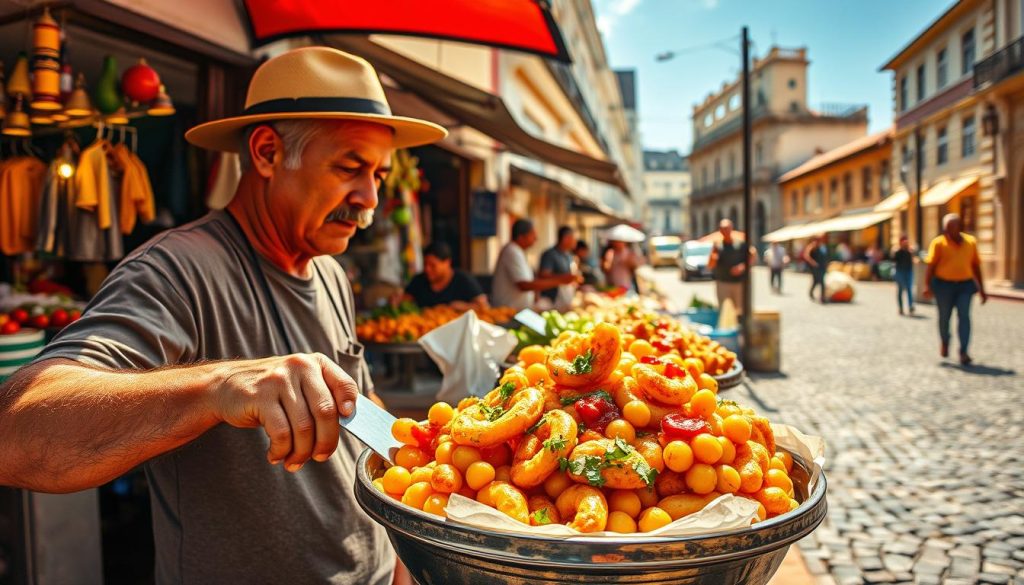
When you’re in Salvador, make sure to try the authentic acarajé. You can find it at the top acarajé spots in the city. Acarajé is a dish you can’t miss in Salvador, with its rich flavors and deep cultural roots.
Where Can I Find the Best Acarajé in Salvador?
Exploring Salvador, you’ll find the best acarajé by knowing where to go. The historic center is the place to be for authentic Afro-Brazilian dishes. Cira’s acarajé is famous for its crispy outside and soft inside.
Beach areas and local neighborhoods are also great for trying acarajé. You can find vendors selling it with different fillings. Acarajé da Ivone and Casa da Dinha do Acarajé are popular spots.
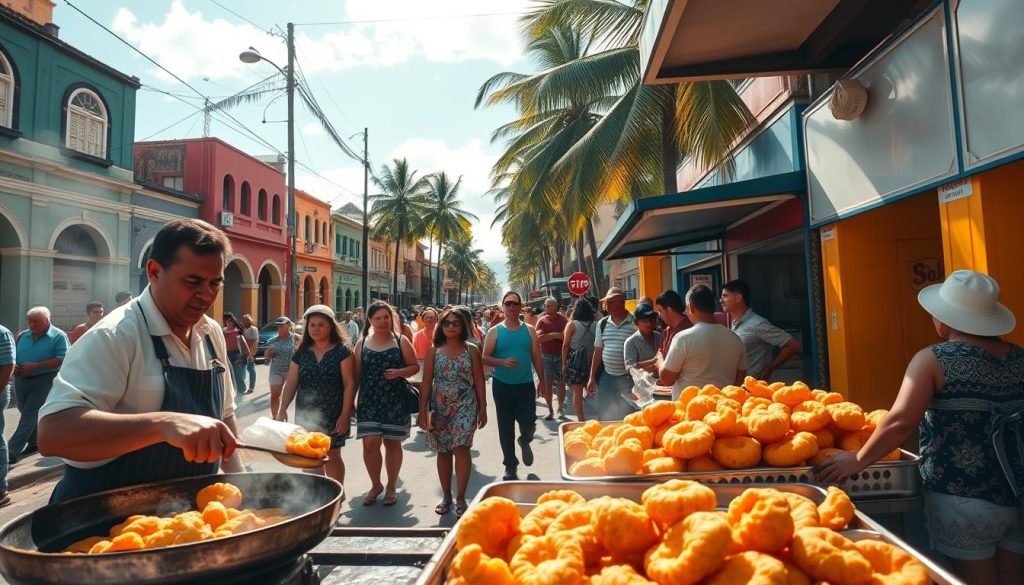
For the best acarajé, visit during busy times for fresher food. Prices are from R$6 to R$10, making it affordable. Whether in the historic center, beach, or neighborhoods, you’ll find great acarajé thanks to Salvador’s vendors.
The Baianas de Acarajé: Traditional Street Food Queens
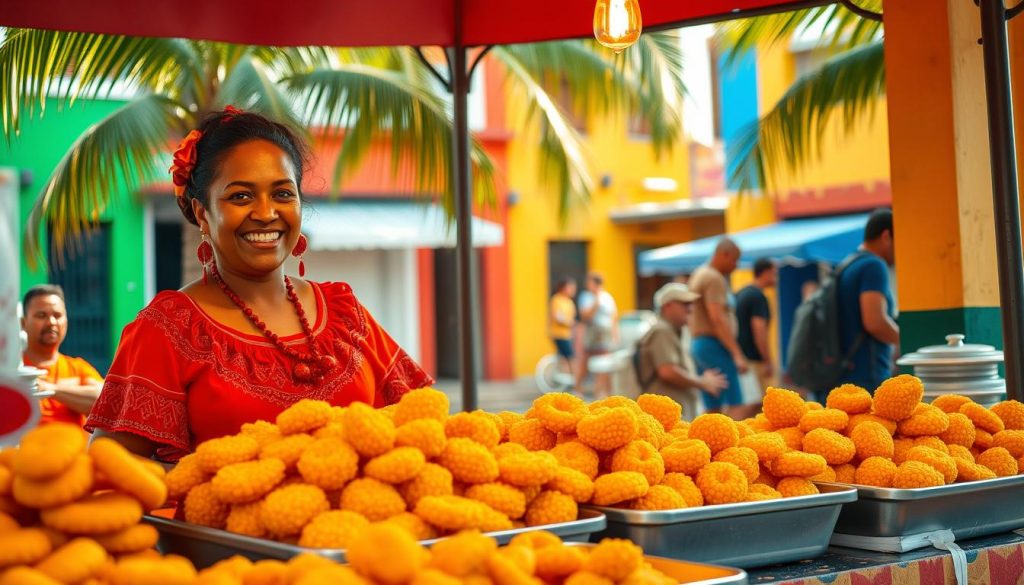
Exploring Salvador’s streets, you’ll meet the Baianas de Acarajé. These women, dressed in vibrant clothes, have mastered acarajé for ages. They’re key to the city’s culture. Don’t miss trying their acarajé in spots like the Historic Center and beaches.
Their acarajé history spans generations. Made from black-eyed peas, onion, and spices, it’s fried in dendê oil. This gives it a special taste and texture. The Baianas are proud of their work, using fresh ingredients and traditional methods.
History of the Baianas
The Baianas de Acarajé have shaped Salvador’s culture for centuries. Their roots are in African slaves brought to Brazil. Their unique culture shows in their clothes, music, and food. Trying their acarajé is essential when visiting Salvador.
Recognition as Cultural Heritage
The Baianas de Acarajé are celebrated as cultural treasures. Their acarajé sales are seen as a vital part of Salvador’s identity. Enjoying their acarajé lets you experience a piece of the city’s rich heritage.
Best Times to Enjoy Acarajé
In Salvador, acarajé is a favorite street food enjoyed at any time. The best times to try it are during lunch and late afternoon. This is when vendors are busiest, and the acarajé is at its freshest.
As you wander the city, you’ll see Baianas de Acarajé ready to serve. They make their acarajé fresh during peak hours. You can find them in the Historic Center, by the beach, and in local neighborhoods.
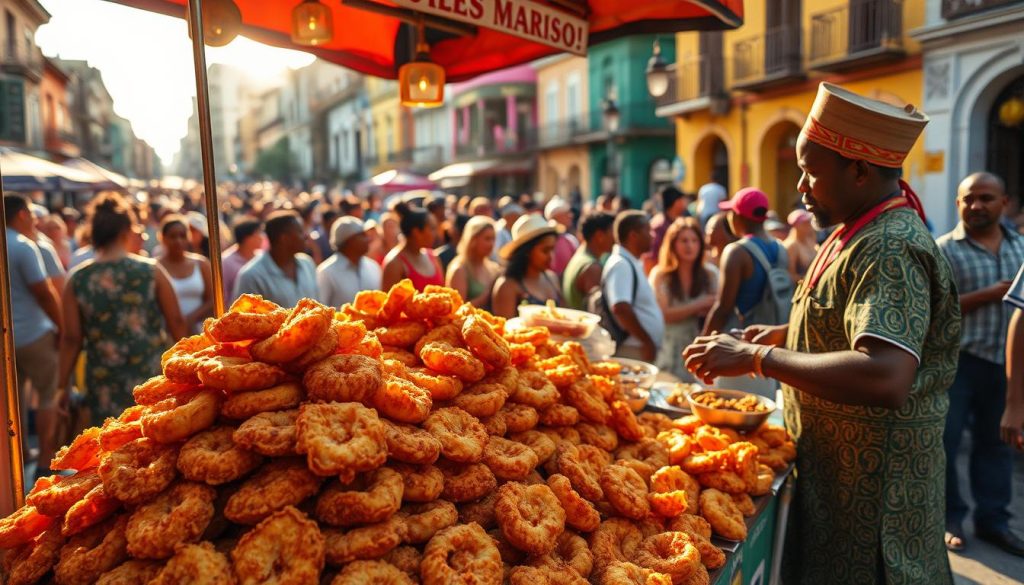
For the best acarajé experience, visit the top spots during peak hours. Don’t forget to try vatapá and caruru with it. This will let you truly enjoy Salvador’s authentic acarajé and its rich culture.
Some great times to enjoy acarajé include:
- Lunchtime, when the vendors are busiest and the acarajé is freshly made
- Late afternoon, when people are looking for a quick and delicious snack
- Evening, when the streets are filled with people enjoying the city’s nightlife
These are the best times to experience authentic acarajé in Salvador. And to enjoy the top acarajé spots in Salvador.
How to Order Acarajé Like a Local
When you visit Salvador, trying the best acarajé is a must. To really get into the local vibe, learn how to order acarajé like a native. Start by saying “Olá, como você está?” (Hello, how are you?) to the acarajé vendors.
Then, ask for the acarajé by saying “Eu quero um acarajé, por favor” (I want an acarajé, please). You can pick from fillings like spicy shrimp or veggies. Feel free to ask for special requests, like “Pode ser menos picante, por favor?” (Can it be less spicy, please?).
Essential Phrases for Ordering
- Eu quero um acarajé, por favor (I want an acarajé, please)
- Pode ser menos picante, por favor? (Can it be less spicy, please?)
- Qual é o preço? (What’s the price?)
When you pay, tipping the vendor is common, showing appreciation for good service. Say “Muito obrigado” (Thank you very much) and leave a small tip.
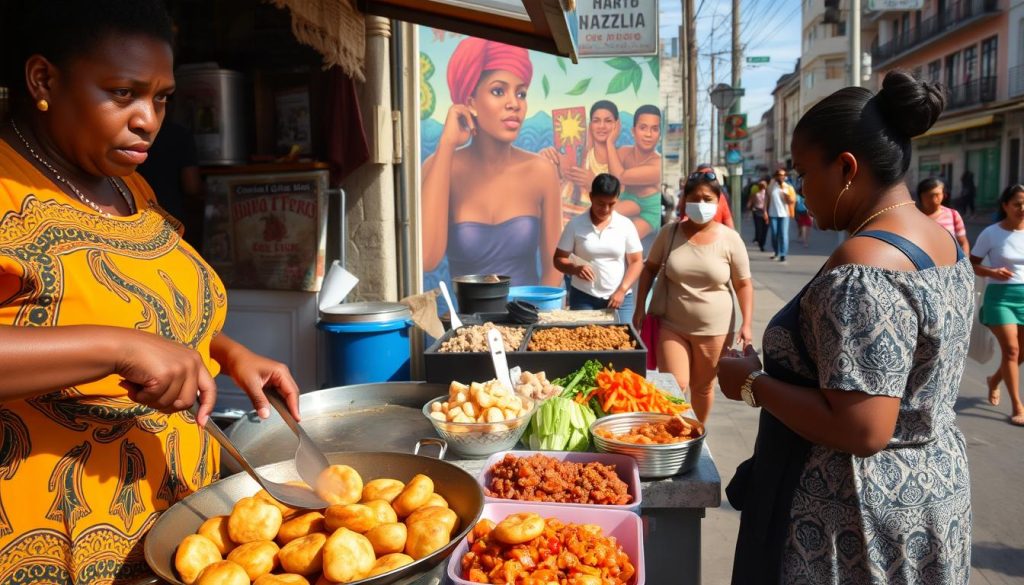
Payment and Tipping Etiquette
Always be polite and friendly when dealing with acarajé vendors in Salvador. By following these tips, you’ll order acarajé like a local and enjoy the best in Salvador.
Popular Acarajé Accompaniments
When you try Salvador acarajé, you’ll find it comes with many tasty sides. Acarajé vendors in Salvador offer vatapá, caruru, and fried plantains. Vatapá is a creamy sauce with coconut milk, spices, and shrimp. Caruru is spicy, made from onions, garlic, and malagueta peppers.
These sides are key to enjoying Salvador acarajé. Acarajé vendors in Salvador are proud of their work. Here are some popular sides you might find:
- Vatapá: a creamy sauce made from coconut milk, spices, and shrimp
- Caruru: a spicy sauce made from onions, garlic, and malagueta peppers
- Fried plantains: a popular side dish that pairs well with acarajé
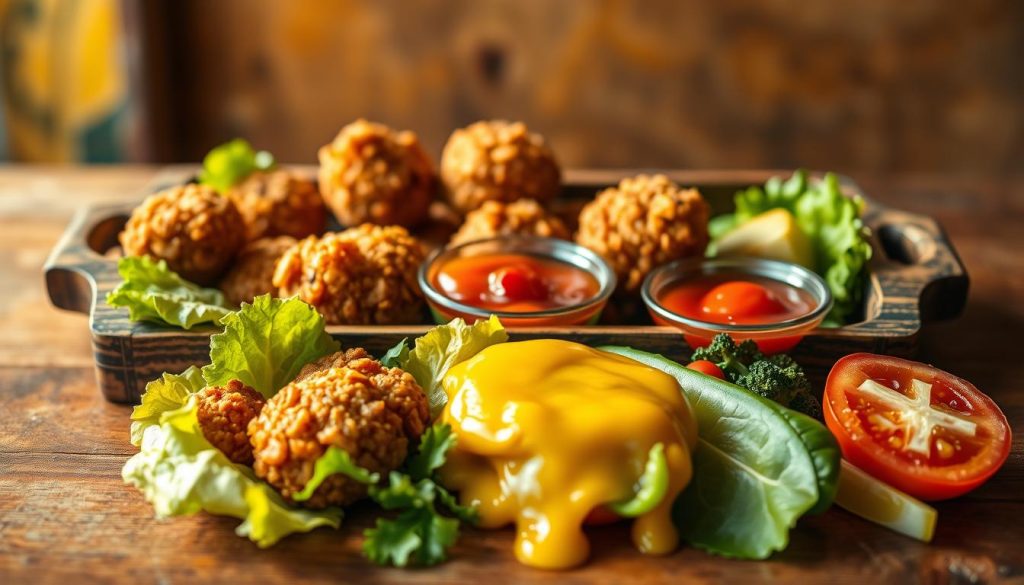
Whether you get Salvador acarajé from a street vendor or a restaurant, ask about sides. There are many choices, so you’ll find the perfect match for your acarajé. Acarajé vendors in Salvador love to suggest their favorites, so don’t hesitate to ask.
Health and Safety Tips for Street Food
Exploring the top acarajé spots in Salvador? Make sure to focus on your health and safety. It’s key to choose safe vendors. Look for stalls that are clean and organized, and vendors who handle food carefully.
Being aware of food handling is important. About 30% of street food vendors in developing countries follow food safety rules. To stay safe, pick vendors who wear gloves, use utensils, and store food right.
Here are some tips to keep in mind:
- Check the vendor’s stall for cleanliness and organization
- Ensure the vendor handles food with care and wears gloves
- Avoid eating from vendors who don’t store food properly
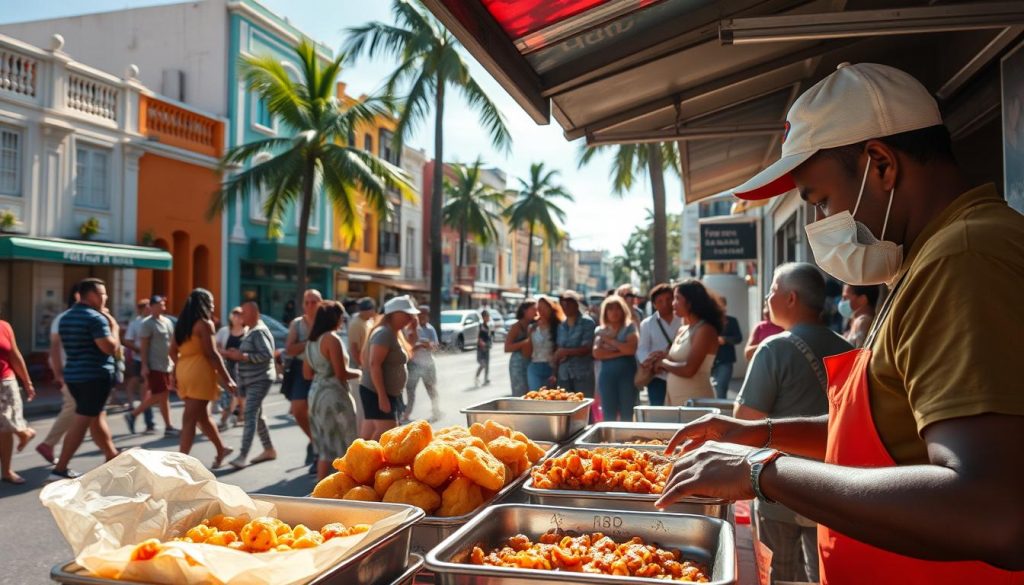
By following these tips, you can enjoy acarajé safely. Always be cautious when trying street food, even in places you’re not familiar with.
| Vendor Characteristics | Safe | Not Safe |
|---|---|---|
| Clean and organized stall | ✔ | ✖ |
| Proper food handling | ✔ | ✖ |
| Vendor wears gloves | ✔ | ✖ |
Now you know how to stay safe while enjoying street food. You can confidently explore Salvador’s top acarajé spots and enjoy the authentic acarajé.
Prices and What to Expect
Looking for the best acarajé in Salvador? It’s key to know the prices and what to expect. Acarajé costs vary by vendor and location. On average, a single acarajé is between R$5 and R$10. Always ask about prices and portion sizes before you order.
Acarajé sizes differ, but they’re usually small, like a ball. You can find vendors in Salvador’s historic center and beach areas. Expect to see many acarajé types, from traditional to modern flavors.
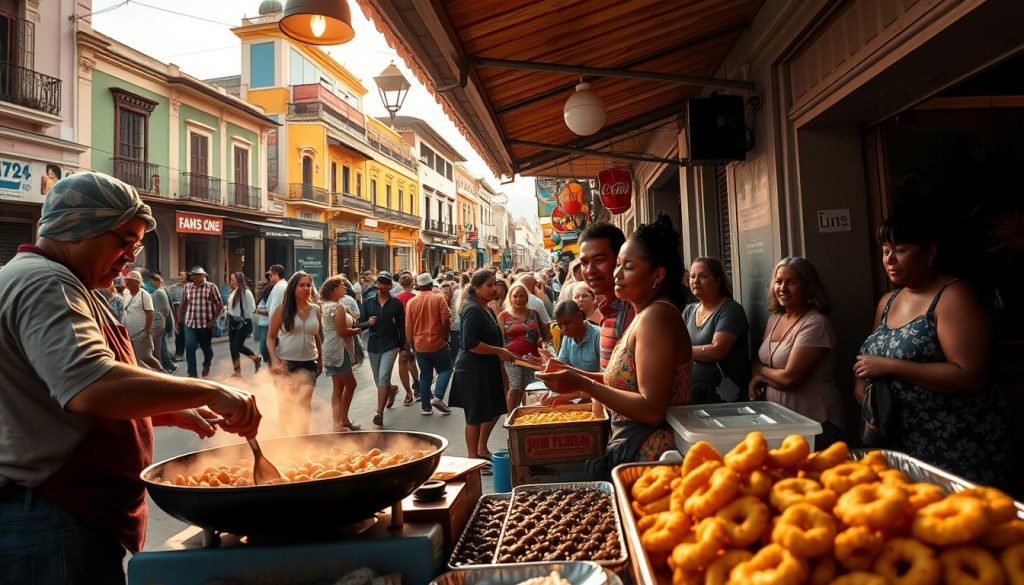
- Traditional acarajé with shrimp and spices
- Modern flavors, such as acarajé with cheese or chicken
- Vegan and vegetarian options, made with plant-based ingredients
Trying these options lets you explore the unique tastes of Salvador’s acarajé vendors. You might find your new favorite acarajé.
Conclusion: Embracing Salvador’s Acarajé Culture
As you leave Salvador, think about the delicious acarajé you enjoyed. It’s a big part of the city’s food culture. The Baianas de Acarajé, the street food sellers, keep this tradition alive. They pass down flavors and cooking methods from their ancestors.
Exploring places like Pelourinho and Mercado Modelo made you love Salvador’s acarajé even more. This food experience opened your eyes to the city’s Afro-Brazilian roots. It shows how African traditions shape Brazilian food.
Think about how you can help the acarajé vendors keep their culture alive. By sharing your stories, telling others about great acarajé spots, and even trying to make it yourself, you support this tradition. This helps keep Salvador’s rich culinary heritage alive.