

What to Wear in Doha: Dress Code Tips for Visitors
Understanding Doha’s dress code is crucial for visitors. Qatar’s Islamic culture influences expected attire. You don’t need to dress like locals, but modesty and respect are key.
The goal is to feel comfortable and confident while in Doha. Modest dress shows respect for local customs and beliefs.
Qatar’s dress guidelines may seem complex at first. But with some preparation, you can easily navigate Doha’s fashion expectations.
This article offers insights on appropriate attire for women and men. We’ll also cover workplace dress codes to help you make smart fashion choices.
Introduction to Qatar’s Dress Code
Qatar’s cultural and religious norms shape its dress code. Modesty and conservatism are highly valued in this Islamic nation. Visitors should respect local customs by covering shoulders and knees.
Qatar’s Cultural and Religious Norms
Qatar’s dress code reflects its Islamic principles. Modesty is crucial, especially for women. Shoulders, knees, and cleavage should always be covered, even in hot weather.
Expectation for Visitors’ Attire
- Men can generally wear shorts in Qatar due to the hot climate, but women are advised to choose bottoms that cover their knees entirely.
- Traditional Qatari women’s attire, such as the abaya (a loose-fitting black cloak) and shayla (headscarf), represent modesty and privacy. However, modern Qatari women are also embracing more fashionable and colorful variations of these garments.
- Qatari men often wear the traditional white thobe (long shirt) and may also don the bisht (a long, flowing outer robe) for formal occasions.
Visitors need not dress exactly like locals. However, respecting Qatar’s norms by dressing modestly is important. This ensures a positive experience in Doha.

What should I wear in Doha?
Doha, Qatar has cultural and religious norms for attire. Foreign visitors should dress modestly to respect local traditions. This shows consideration for the country’s conservative values.
Dress Code for Foreign Ladies
Women should cover their shoulders and knees in Doha. Skirts and shorts need to be knee-length or longer. Avoid tight or revealing clothes.
Skip spaghetti straps, low necklines, and crop tops. Modest clothing in Doha is the best choice for women visitors.
Dress Code for Foreign Men
Men also need to cover their shoulders and knees when dressing for Doha. Leave sleeveless tops and offensive graphic t-shirts at home.
Casual clothes like shirts, t-shirts, and chinos work well for both men and women.
You don’t have to dress exactly like locals. But avoid revealing clothes in public to show respect.
Following the Doha dress code for women and Doha dress code for men helps you fit in. This can make your visit to this lively Middle Eastern city more enjoyable.
Traditional Qatari Attire
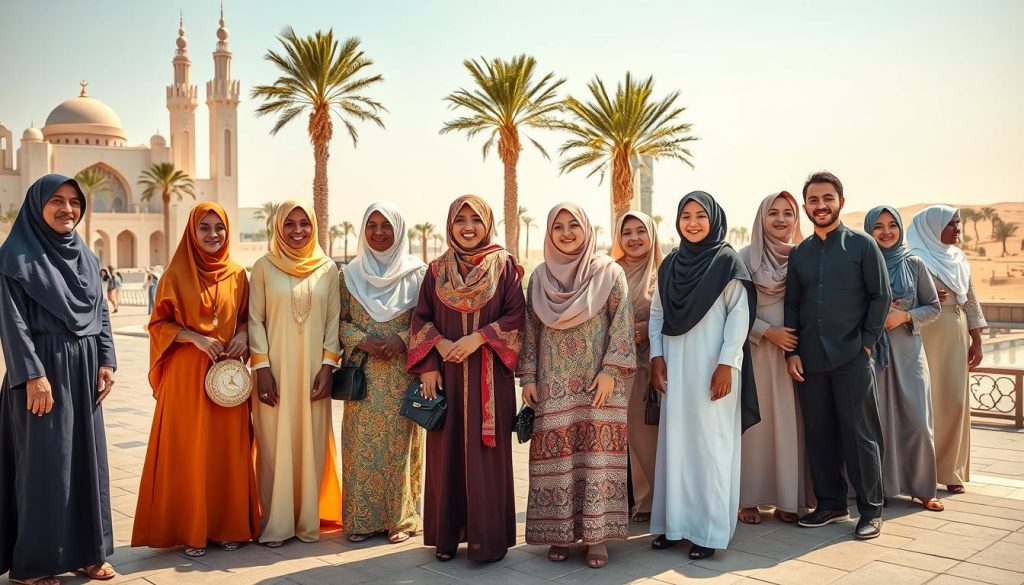
Qatar’s traditional dress showcases the country’s rich cultural heritage and religious influences. These garments hold deep meaning for Qatari men and women. Visitors can gain insight into Qatari customs and identity through understanding these clothes.
Traditional Dress of Qatari Men
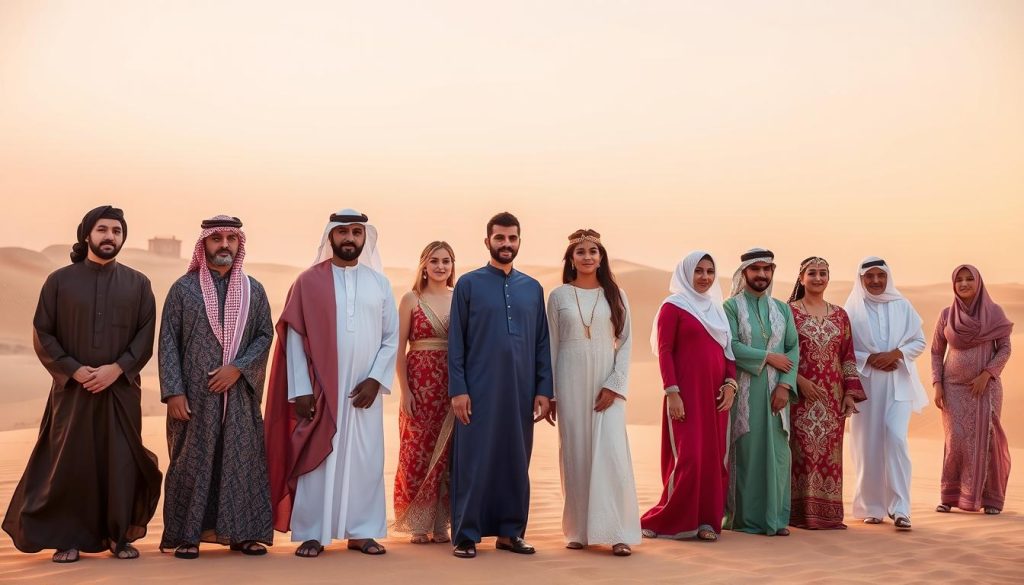
Qatari men wear the Thobe or Dishdasha, a long, white dress covering wrists to ankles. It’s made of light, breathable cotton for Qatar’s hot climate. The Thobe pairs with a Ghutra, a head cloth, and an Igal, a black rope securing it.
The Thobe is a source of pride, worn at work, prayers, and special events. Its pristine white color and perfect ironing show attention to detail in Qatari culture.
Traditional Dress of Qatari Women
- Qatari women traditionally wear the Abaya, a long, black cloak adorned with intricate embroidery or beadwork.
- The Abaya is often worn with a Shayla, a head covering that reflects a blend of modesty and fashion in Qatari culture.
- Some older and more traditional Qatari women also wear a Niqab, which covers the face except for the eyes.
The Abaya holds great cultural and religious importance for Qatari women. It emphasizes modesty and respect for Islamic values in Qatari society.

Visitors aren’t expected to follow the same dress code as locals. However, respecting and appreciating Qatari attire is important. Understanding these garments helps visitors connect with local customs and traditions.
Dressing for Qatar’s Climate
Doha’s hot desert climate demands careful wardrobe planning. Summers are long and sweltering, with temperatures exceeding 40°C (104°F). Choose lightweight, breathable fabrics like cotton, modal, viscose, or linen to stay cool.
Men should wear long pants and modest t-shirts. Women should opt for long pants or below-knee skirts. Tops with sleeves are appropriate for women, avoiding deep necklines or revealing attire.
Doha’s winters are milder, with temperatures between 15°C and 30°C (59°F to 86°F). Indoor spaces can be chilly due to intense air conditioning. Layering is key to adapt to these contrasting environments.
Qatari men often wear thobes or dishdashas made of light cotton or linen. Qatari women may don abayas crafted from chiffon or crepe. Some choose to wear a hijab.
In urban Doha, locals blend traditional styles with Western fashion trends. This creates a unique and vibrant fashion landscape.
Modesty is crucial when dressing in Qatar, especially in public spaces. Avoid revealing or tight-fitting clothing. It may be seen as disrespectful or inappropriate.
Beachwear Guidelines
At Qatar’s beaches, women can wear long cover-ups, one-piece swimsuits, or tankinis with boy shorts. Men can opt for swimming trunks or board shorts. Short sleeves are generally acceptable in hot weather.
| Season | Typical Temperatures | Recommended Attire |
|---|---|---|
| Summer | 98°F / 37°C | Lightweight, breathable fabrics like cotton, modal, viscose, or linen |
| Winter | 59°F to 86°F / 15°C to 30°C | Layered clothing to adapt to indoor and outdoor temperatures |
Consider Qatar’s climate and cultural norms when choosing your wardrobe. This will help you stay comfortable and respectful during your Doha visit.

Clothing Etiquette: Private vs Public Places
Visiting Doha requires awareness of cultural and religious dress norms. The Doha clothing etiquette and Qatar dress code differ between private and public settings.
Beachwear Guidelines
Private hotel beaches allow relaxed Doha beachwear like bikinis. Public beaches demand conservative attire. Women should cover shoulders and knees. Men should avoid short or tight trunks.
The Qatar dress code public vs private varies greatly. Hotel wear may be inappropriate in public. Dress modestly when exploring the city to respect local customs.
“When in Rome, do as the Romans do.” This adage rings true when it comes to respecting the cultural norms in Qatar. By dressing appropriately, you’ll not only avoid potential issues but also show respect for the local traditions.
Qatar is a conservative, Muslim-majority country. Visitors should dress modestly, especially in public areas. Following the Doha clothing etiquette ensures a respectful visit to this fascinating destination.

Office Wear and Workplace Attire
The Qatar office dress code and workplace attire lean towards formal styles. Qatari men wear the traditional Thobe, an ankle-length robe. Non-Qatari men should wear tailored suits with matching shirts and ties.
Qatari women typically wear the Abaya, a long black cloak, with a head covering. Non-Qatari women should choose modest work attire. This includes knee-length dresses, trousers, or skirts with modest necklines and half sleeves.
- Qatari men should wear the traditional Thobe, a long, ankle-length robe.
- Non-Qatari men should wear well-tailored suits with a matching shirt and tie.
- Qatari women typically wear the Abaya, a long, black cloak, and a head covering.
- Non-Qatari women should opt for modest and appropriate work attire, such as dresses, trousers, or skirts below the knee with a modest neckline and at least half sleeves.
Workplace dress codes are generally more formal in Qatar. However, some public spaces may have relaxed rules due to tourism. It’s best to dress conservatively to respect local customs.

Qatar’s Government Dress Code Guidelines
In 2024, Qatar introduced new dress code rules for government workers. These rules aim to create a professional look that honors Qatar’s culture and values.
The guidelines apply to all public sector employees. They cover ministries, government agencies, and public institutions. The goal is to present a unified image across Qatar’s government.
Qatari male employees must wear traditional attire. This includes a thobe, ghutra, and eqal. The rules suggest specific colors for different times and seasons.
Non-Qatari male employees have different requirements. They must wear dark suits with matching shirts and ties for official events.
Qatari female employees should wear the traditional abaya and head covering. Non-Qatari female employees are expected to wear suitable work suits.
The rules ban tight or short clothing and bright colors. They also limit accessories and sports shoes. These restrictions help maintain a professional look at work.
- The Qatar government dress code creates a respectful work environment that matches Qatar’s cultural values.
- The Qatar public sector dress code promotes unity and professionalism among government workers.
These rules help Qatar’s public workers show the nation’s heritage. They also create a professional image for visitors and residents to see.
Seasonal Packing Tips
Doha’s climate varies between hot summers and mild winters. Pack wisely to stay comfortable during your visit. Consider the season and local culture when choosing your attire.
Summer Clothing for Doha
Doha’s summer temperatures range from 32°C to 42°C. Lightweight, breathable fabrics are essential for comfort in the heat.
Pack cotton, linen, and silk garments like long skirts, maxi dresses, and three-quarter pants. Bring a light cardigan for air-conditioned spaces.
Winter Clothing for Doha
Doha’s winters are milder, with highs around 24°C and lows near 19°C. This is peak tourist season, so pack layers.
Focus on items like jeans, trousers, long-sleeved shirts, cardigans, and a light jacket. Comfortable walking shoes and sandals are essential year-round.
Pack the right what to pack for Doha summer and what to pack for Doha winter essentials. You’ll be ready to enjoy the Doha seasonal clothing and explore this remarkable city.
Conclusion
Dressing appropriately in Doha shows respect for local culture. Cover your shoulders and knees to follow the dress code. Pack wisely to stay comfortable and respectful during your visit.
Follow dress code tips for a smooth experience in Doha. Choose conservative, breathable clothing to beat the heat. Research local customs to make the most of your trip.
Respecting Qatari traditions through dress enhances your cultural experience. Embrace the local dress code to create lasting memories. Your effort will be appreciated by the Qatari people.





