What is the best time of year to visit Singapore?
If you’re planning a trip to Singapore, you might be wondering when the best time to go is. Singapore is a popular travel destination with a lot to offer, from its world-class attractions to its vibrant cultural scene. But with its tropical climate and frequent festivals, it can be tough to figure out the ideal time to visit.
In this section, we’ll explore the best time to visit Singapore. We’ll take into account the weather, travel seasons, and holidays so you can make an informed decision about when to go. Whether you’re a first-time visitor or a frequent traveler, understanding the ideal time to travel to Singapore can help ensure you have an unforgettable experience.
So when is the best time to visit Singapore? Keep reading to find out!
Singapore Weather Guide
Before you plan your trip to Singapore, it’s essential to understand the weather patterns in the city-state. With a tropical climate, Singapore boasts consistent temperatures throughout the year, typically hovering between 80-90°F (26-32°C). The humidity can feel oppressive, making it important to stay hydrated and wear breathable clothing.
The city-state experiences two main monsoon seasons:
| Season | Months | Conditions |
|---|---|---|
| Northeast Monsoon | December to March | Windy and rainy, with occasional thunderstorms. |
| Southeast Monsoon | June to September | Humid and occasionally rainy, with the possibility of haze from forest fires in the region. |
While rainfall can occur at any time of year, the wettest months are typically November-January, with drier periods between February-May and June-October.
Tip: Be sure to check the weather forecast before you travel, and pack an umbrella or rain poncho just in case.
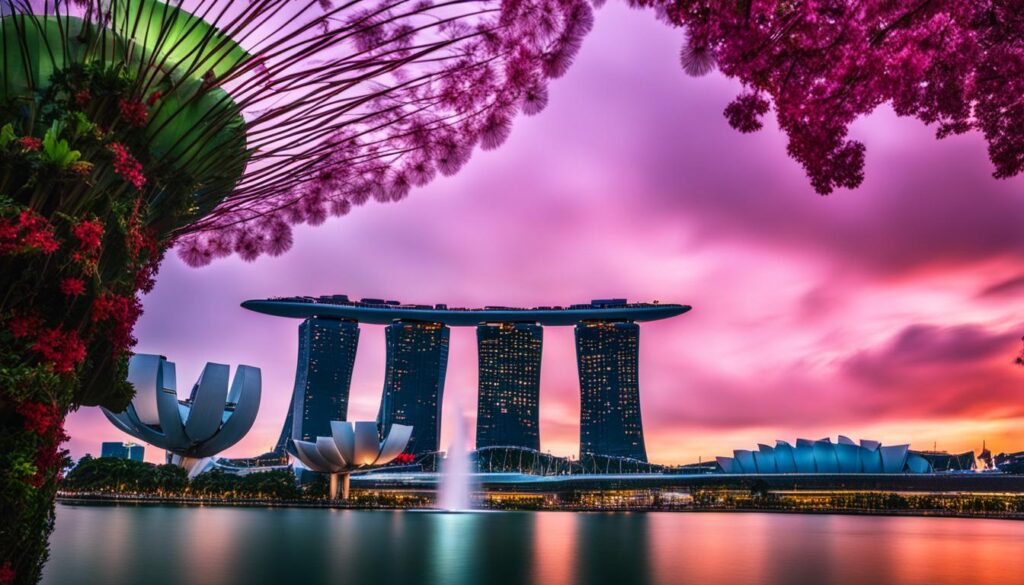
Singapore Travel Season: Best Time to Visit Singapore and Peak Time to Avoid
If you’re planning a trip to Singapore, it’s essential to choose the right time of year. Understanding the country’s travel seasons will help you avoid crowds, secure better deals, and enjoy your trip to the fullest. In this section, we’ll explore the best and worst times to visit Singapore and help you plan your trip accordingly.
Peak Season
The peak season in Singapore runs from June to August, which coincides with the school holidays in Singapore. During this period, tourist attractions, shopping centers, and restaurants tend to be crowded, and prices for flights and accommodation are at their highest.
| Pros | Cons |
|---|---|
| – You can expect bright sunny days and warm weather | – Higher costs for flights, accommodation, and activities |
| – Many popular events and festivals happen during this time | – Long queues at attractions and restaurants |
| – Lots of options for shopping and dining | – Busy streets and crowded public transportation |
If you plan to travel during the peak season, it’s best to book your hotel and flights well in advance to secure the best deals. You should also expect higher costs and consider booking your activities in advance to skip long queues.
Off-Peak Season
The off-peak season in Singapore runs from December to February, which coincides with the monsoon season. During this period, tourist crowds reduce significantly, and prices for flights and accommodation are lower, making it an ideal time for budget travelers.
| Pros | Cons |
|---|---|
| – Lower costs for flights, accommodation, and activities | – Monsoon season can mean rainy or humid weather |
| – Cooler temperatures than the rest of the year | – Fewer events and festivals |
| – Shorter queues at attractions and restaurants | – Reduced options for shopping and dining |
If you plan to travel during the off-peak season, consider bringing an umbrella or raincoat and booking indoor activities to avoid the rainy weather. You should also book your hotel and flights in advance and be mindful of Chinese New Year, which can fall during this period and lead to increased prices and crowds.
Whether you choose to visit during the peak or off-peak season, Singapore has something to offer. Use this guide to plan your trip accordingly and make the most of your time in the Lion City.
Singapore holiday time
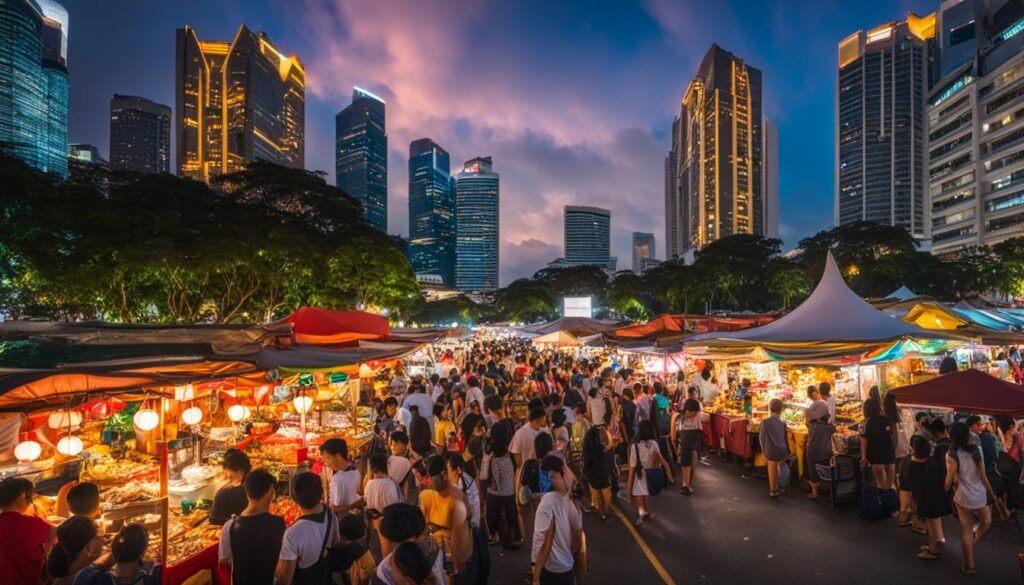
If you’re planning a trip to Singapore, it’s important to be aware of the country’s major holidays and celebrations. Singapore is a multicultural society, and its festivals reflect the diversity of its people.
One of the most significant holidays in Singapore is Chinese New Year, which usually falls in January or February. This is a time of festive celebrations, with dragon and lion dances, traditional food, and colorful decorations. Many shops and businesses may close during this time, so it’s wise to plan your visit accordingly.
Another important holiday is Deepavali, also known as the Festival of Lights, which is usually held in October or November. This Hindu holiday is a time of renewal and joy, with light displays and cultural festivities throughout the city.
National Day is another major event in Singapore, held on August 9th to commemorate the country’s independence. The day is marked by a grand parade, firework displays, and cultural performances.
Other notable holidays include Christmas, Eid al-Fitr, and the Mid-Autumn Festival.
Attending one of these holidays or festivals can be a great way to immerse yourself in the local culture and community. However, it’s important to note that many shops and attractions may be closed during these times, and transportation may be more crowded than usual.
Whether you choose to visit Singapore during a major holiday or not, be sure to research the dates and plan ahead to make the most of your trip.
Ideal Time to Travel to Singapore
Considering all the factors, the ideal time to travel to Singapore is during the months of February to April and July to September. During these periods, the weather is mostly favorable, and the crowds are manageable. It’s important to note that Singapore is a year-round destination, and there’s no bad time to visit. However, visiting during the peak season (December to January, and June) may lead to higher prices and longer lines at attractions.
During February to April, Singapore experiences a dry season, with lower humidity and less rainfall. This makes it an ideal time to explore the outdoors, go shopping or indulge in some water sports. Additionally, the famous Singapore Food Festival is held during this period, making it a paradise for foodies.
July to September is another great time to visit Singapore, with pleasant weather and festivities such as the National Day Parade and the Mid-Autumn Festival. However, this period also coincides with the school holidays, and the city may be busier with families traveling during this time.
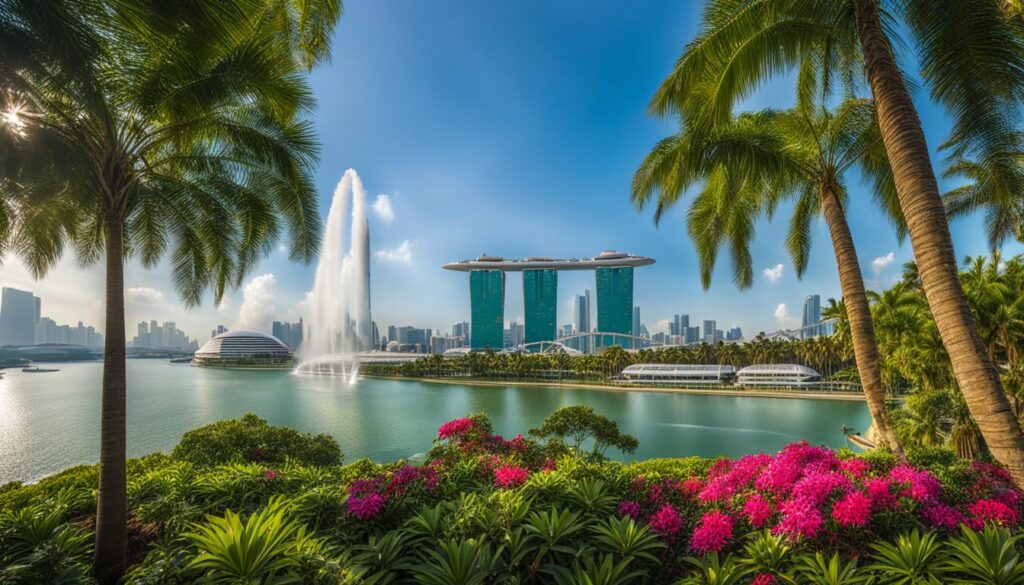
If you’re looking to visit during the off-peak season, May and October to November are good options. These months have fewer crowds, and the weather is still pleasant, albeit with increased rainfall. However, it’s important to note that Singapore has a high humidity level throughout the year, so you should plan accordingly and stay hydrated.
Ultimately, the ideal time to travel to Singapore depends on your personal preferences and interests. Consider the weather, travel seasons, and festivals to decide when to visit. Whether you’re exploring the city’s landmarks, trying the local cuisine, or just relaxing in a luxurious hotel, Singapore has something to offer year-round.
When is the Best Time to Go to Singapore?
Now that you know about the different seasons and weather conditions in Singapore, you may be wondering when the best time is to plan your trip. The answer depends on your interests and preferences, as each season offers unique advantages and drawbacks.
For Sightseeing and Outdoor Activities
If you’re planning to sightsee or engage in outdoor activities, the ideal time to visit Singapore is between February and April. During these months, the weather is relatively dry and pleasant, with average temperatures ranging from 75°F (24°C) to 88°F (31°C). You can enjoy the city’s attractions and also explore the beautiful parks and gardens that Singapore is known for.
Tip: Pack comfortable walking shoes and lightweight clothing to stay cool while exploring the city.
For Shopping and Festivals
If you’re planning to take advantage of Singapore’s famous shopping festivals, such as the Great Singapore Sale or the Christmas shopping season, the best time to visit is between July and December. During these months, you can expect discounted prices at major malls and department stores across the city. Additionally, Singapore hosts several festivals and events during this period, including the Singapore Food Festival and the Formula One Singapore Grand Prix.
For Budget Travelers
If you’re traveling on a tight budget, consider visiting Singapore during the off-peak season, which is from August to October. During this period, you can expect lower hotel rates and airfares, as well as shorter queues at popular attractions. However, be aware that this is the rainy season in Singapore, so you may experience occasional showers and thunderstorms.
For Avoiding Crowds
If you prefer to avoid crowds and experience a quieter side of Singapore, visit during the monsoon season between November and January. While the weather may not be ideal for outdoor activities, you can still enjoy indoor attractions such as museums and art galleries. Additionally, you can witness the Chinese New Year celebrations, which take place in January or February.
Tip: Check the holiday schedule before planning your trip to avoid peak holiday crowds.
Ultimately, the best time to go to Singapore depends on your interests and priorities. Use this guide to plan your trip accordingly and make the most of your time in this vibrant city-state.
Planning for the Singapore climate
When packing for your Singapore trip, it’s important to keep in mind the tropical climate of the city-state. The high humidity and consistent temperatures can be challenging to adjust to for first-time visitors. Here are some practical tips to help you prepare for the Singapore weather:
- Dress light: Choose clothing made of lightweight, breathable fabrics, such as cotton or linen. Avoid synthetic materials that may trap heat and moisture.
- Wear comfortable footwear: Make sure your shoes are breathable and provide adequate support for long walks or standing.
- Hydrate frequently: Drink plenty of water to stay hydrated in the heat and humidity. You can also try coconut water or other electrolyte-rich drinks to replenish your fluids.
- Use sunscreen: Protect your skin from the strong sunrays by using a sunscreen with at least SPF 30. Don’t forget to reapply every few hours.
- Carry an umbrella: Singapore experiences frequent rain showers throughout the year, so it’s a good idea to carry a compact umbrella or rain jacket in case of sudden downpours.
If you’re susceptible to heat exhaustion or other health issues related to hot weather, it’s important to take extra precautions during your visit to Singapore. Make sure to take breaks in air-conditioned areas, and avoid staying outdoors in the midday heat for extended periods. Consult with your doctor if you have any concerns about your health and traveling to Singapore.
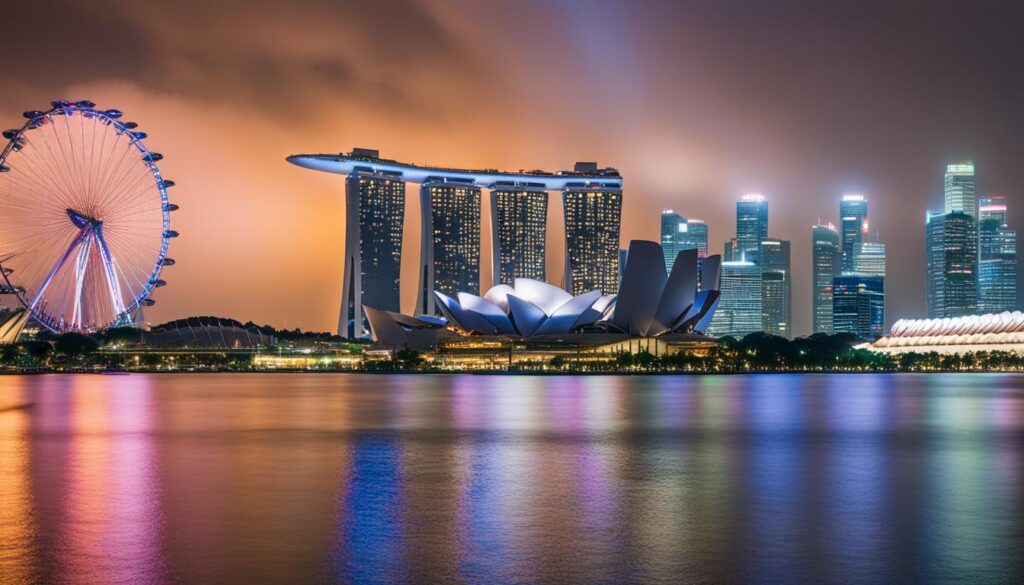
“Singapore’s weather is very unique. It is hot, humid, and it rains a lot. But that doesn’t stop people from visiting this beautiful city.” – Jill Ooi, Travel Blogger
Off-peak advantages and considerations
If you’re looking for a quieter and more affordable trip to Singapore, the off-peak season may be the best option for you. The off-peak season typically falls between August and October and January and April. During this period, you can enjoy the city without the crowds and take advantage of lower hotel rates and airfare.
One of the main advantages of visiting during the off-peak season is that you can enjoy attractions and activities without long lines and large crowds. You can also get a more authentic sense of the local culture without the hustle and bustle of peak season tourists.
However, there are some considerations to keep in mind when planning your trip during the off-peak season. The weather during this time may be rainy and humid, which can impact outdoor activities. Additionally, some tourist attractions or local businesses may close during this period.
| Advantages | Considerations |
|---|---|
| Lower hotel rates | Potential for rainy weather |
| Shorter queues at attractions | Some attractions or businesses may be closed |
| Less crowded | Less vibrant atmosphere compared to peak season |
Ultimately, whether you choose to visit Singapore during the peak or off-peak season depends on your personal preferences and travel goals. If you’re looking for a more relaxed and affordable trip, the off-peak season may be the best choice for you. If you value a lively atmosphere with plenty of events and festivals, the peak season may be a better fit.
Conclusion
Planning a trip to Singapore can be a fantastic experience, but it requires careful consideration of several factors. In this guide, we have explored the best time to visit Singapore, considering the weather, travel seasons, and holidays. By understanding the ideal time to travel to Singapore, you can ensure an enjoyable and memorable experience.
Consider your personal preferences
When deciding when to visit Singapore, it’s essential to consider your personal preferences. Whether you prefer to travel during peak or off-peak seasons, enjoy outdoor activities or cultural experiences, we have provided tailored recommendations for different types of travelers.
Prepare for the Singapore climate
Visiting Singapore requires adequate preparation for the tropical weather. We have provided practical tips on how to pack, stay comfortable in the heat and humidity, and avoid any discomfort or health issues during your visit.
Explore off-peak advantages and considerations
The off-peak season in Singapore offers its own set of advantages and considerations. Whether you’re looking for lower hotel rates or shorter lines at attractions, we have highlighted why visiting during this period may be desirable for some travelers. It’s also essential to understand any potential drawbacks when planning your trip.
By using the information in this guide to plan your trip, you can ensure a memorable and enjoyable experience in Singapore. Bon voyage!