Mastering How to Use the Berlin Public Transportation System
Are you planning a trip to Berlin and wondering how to get around the city? Look no further than this comprehensive guide on using the Berlin public transportation system. Whether you’re a first-time visitor or a long-time resident, navigating the city’s bustling streets can be a challenge. However, with the help of this Berlin public transportation guide, you’ll be able to confidently explore the city like a local.
The Berlin public transportation system is an extensive network that includes buses, trams, trains, and subways. Managed by the BVG (Berliner Verkehrsbetriebe), this interconnected network allows you to travel seamlessly throughout the city. In this guide, we’ll explain how to use the Berlin public transportation system effectively, from understanding the network to purchasing tickets and following the rules and etiquettes.
By the end of this article, you’ll be equipped with the knowledge and tools needed to navigate the Berlin public transportation system with ease. So, let’s dive in and learn how to use the Berlin public transportation system!
Understanding the Berlin Public Transportation Network
Before you start navigating the Berlin public transportation system, it’s important to understand the structure and layout of the network. The BVG manages an extensive system that includes buses, trams, trains, and subways, all of which are interconnected, allowing you to travel seamlessly throughout the city.
If you’re familiar with the public transportation systems in other cities, you may notice some similarities in Berlin. For instance, the U-Bahn (subway) operates similarly to the metro systems found in other major cities. On the other hand, the S-Bahn (light rail system) is more like the commuter rail found in other locations.
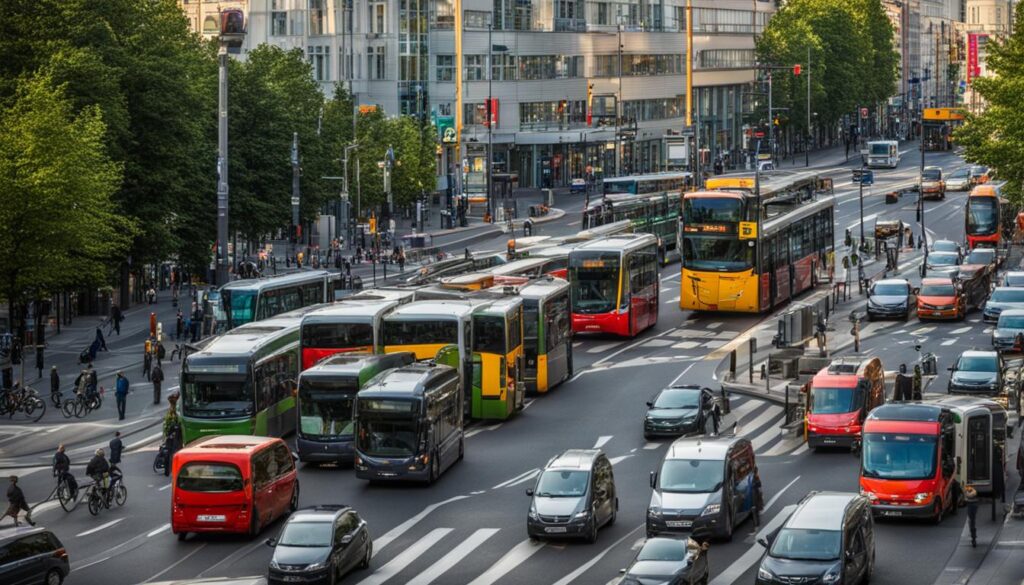
The bus and tram systems are also well-developed and cover most of the city, making them ideal for shorter journeys. Trams are especially useful for reaching destinations in the eastern part of the city, where subway and S-Bahn lines are less common.
Overall, the Berlin public transportation system is efficient, reliable, and cost-effective, making it a popular choice for locals and tourists alike to get around the city.
“Berlin’s public transportation system is a true marvel, connecting residents and visitors to every corner of the city quickly and conveniently.”
Getting Familiar with the Berlin Public Transportation Map
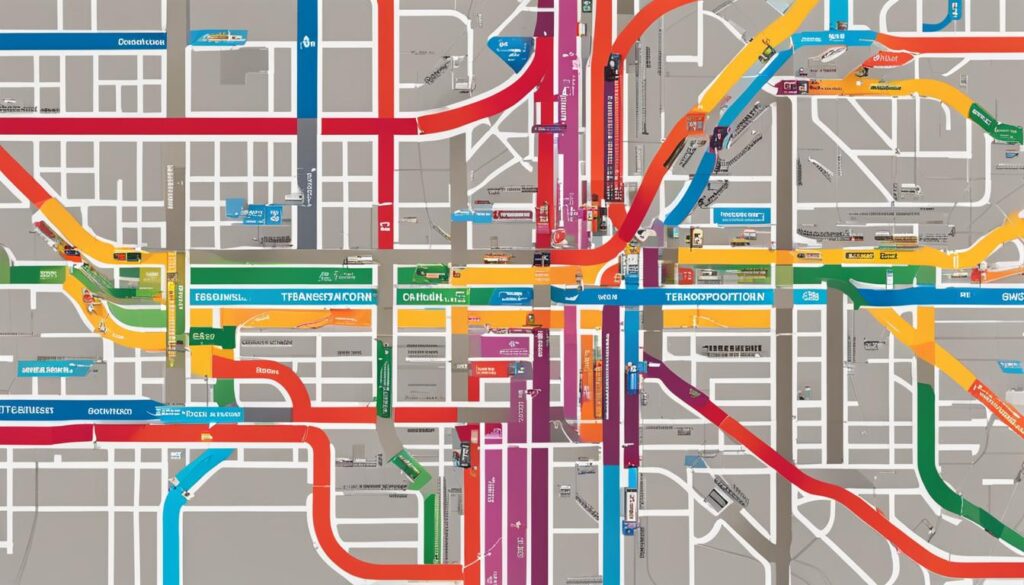
The Berlin public transportation system is vast and interconnected, consisting of buses, trams, trains, and subways. To effectively navigate this network, it’s important to have a good understanding of the Berlin public transportation map.
The map shows all the routes, stops, and connections for each mode of transport, making it an invaluable resource for planning your journeys. You can find the map online, at stations, or in pamphlets distributed throughout the city.
Familiarizing yourself with the map will help you quickly identify the best routes and connections to reach your destination. Each mode of transport has its assigned color on the map, making it easy to distinguish between them.
As you become familiar with the map and the transportation system, you’ll begin to recognize the various transfer points and the quickest routes to reach your destination.
Understanding Berlin Public Transport Fares and Tickets
If you want to use the Berlin public transportation system, you’ll need to purchase a valid ticket. There are different ticket options available, and choosing the right one depends on your travel needs. Understanding the fare structure can help you make an informed decision.
Berlin Public Transport Fares
The cost of public transportation in Berlin depends on a few factors, including the number of zones you’ll be traveling through and the duration of your journey. The city is divided into three fare zones:
| Fare Zone | Description |
|---|---|
| A | Covers the inner city and most tourist attractions. |
| B | Extends beyond the inner city, covering some suburbs. |
| C | Covers the outermost areas of Berlin and some neighboring regions. |
The table below outlines the different types of tickets and their corresponding fares.
| Ticket Type | Validity Duration | Zones Covered | Fare in Euros |
|---|---|---|---|
| Single Ticket | 90 minutes | 1 | €2.80 |
| 4-Trip Ticket | 4 individual journeys | 1 | €9.00 |
| Short Trip Ticket | 3 stops max | 1 | €1.70 |
| Day Pass | 24 hours | AB | €8.60 |
| 7-Day Pass | 7 consecutive days | AB | €34.00 |
| Monthly Pass | 1 month | AB | €84.00 |
Note that the fares listed above are for adults. Reduced fares are available for children aged 6-14, as well as for seniors and individuals with disabilities.
Berlin Public Transport Tickets
Now that you understand the fare structure, it’s important to know how to purchase tickets. Tickets can be purchased at ticket machines located at stations or through the BVG mobile app. You must have a valid ticket before starting your journey, as ticket inspections are regularly conducted by BVG staff. Failure to produce a valid ticket can result in a fine.
If you’re planning to use public transportation frequently during your stay in Berlin, a transit pass might be the right choice for you. Transit passes offer unlimited travel within certain zones and durations, providing convenience and cost savings. The BVG offers various types of passes, including day passes, weekly passes, and monthly passes. You can purchase them at ticket machines or through the BVG app.
By understanding the fare structure and ticket options, you can make the most of the Berlin public transportation system and explore the city at your leisure.
Buying Tickets for Berlin Public Transportation
When using the BVG in Berlin, you’ll need a valid ticket. Tickets can be purchased at the ticket machines located at the stations or the BVG mobile app. It’s essential to have a ticket before you start your journey since ticket inspections are regularly conducted by BVG staff.
There are various types of tickets available, depending on your travel needs. If you’re a visitor, a single ticket or a day pass may be more suitable. However, if you’re a resident and using the public transportation system frequently, a weekly or monthly pass may save you some money.
| Ticket Type | Duration | Price (in Euros) |
|---|---|---|
| Single Ticket | One trip on any mode of transport | €2.80 |
| Day Pass | 24 hours of unlimited travel within Berlin | €8.60 |
| Weekly Pass | 7 consecutive days of unlimited travel within Berlin | €34.00 |
| Monthly Pass | 1 calendar month of unlimited travel within Berlin | €81.00 |
It’s important to note that the tickets need to be validated before boarding. Ticket machines are located on the platform or inside the vehicle, and you need to stamp or scan your ticket to activate it. If your ticket is not validated, you may be subject to a fine.
By understanding the types of tickets available and how to purchase and validate them, you’ll be able to use the Berlin public transportation system with confidence. Remember always to have a valid ticket, and enjoy your travels in Berlin!
Using the Berlin Public Transportation System
Now that you have your ticket, it’s time to start using the Berlin public transportation system. Each mode of transport has its own set of rules and etiquettes, so we’ll provide you with tips on boarding buses, trams, trains, and subways.
Boarding Buses and Trams
When waiting for a bus or tram, stand near the designated stop and look for the route number and destination displayed on the vehicle. As the bus or tram approaches, signal the driver by holding out your arm. When boarding, validate your ticket by inserting it into the machine on board. If you have luggage, place it in the designated area and take a seat or hold on to a rail.
Boarding Trains and Subways
When waiting for a train or subway, look for the platform number and destination displayed on the electronic board. As the train or subway approaches, stand back from the edge of the platform and allow passengers to exit before boarding. Validate your ticket by inserting it into the machine on the platform or in the car. If you have luggage, use the designated areas or racks and take a seat or hold on to a rail.
Transfers
If you need to transfer between modes of transport, look for signs indicating the direction to your next connection. You may need to use stairs or elevators to reach different levels or platforms. If you’re transferring between different modes of transport operated by the BVG, such as from a bus to a subway, your ticket is valid for up to two hours from the time of validation.
Tip: Make sure to hold on to your ticket throughout your journey, as ticket inspections are regularly conducted by BVG staff.
By following these tips and etiquettes, you’ll be able to use the Berlin public transportation system with ease and confidence. Next, we’ll explore the benefits of transit passes for frequent travelers.
Making the Most of Berlin Transit Passes
If you plan to use public transportation often during your stay in Berlin, purchasing a transit pass can be a cost-effective option. The BVG offers various transit passes for unlimited travel within specific zones and durations.
There are different types of passes available, such as daily, weekly, monthly, and annual passes, allowing you to choose the most suitable one based on your length of stay and travel needs. For occasional users, a day pass or a single ticket may be sufficient.
The fares for transit passes vary depending on the zones in which you’ll be traveling. For example, the AB zone pass covers all modes of transport within the Berlin city limits, while the ABC zone pass includes travel to and from the Berlin suburbs.
When purchasing a transit pass, make sure to have a valid photo ID with you, as it may be required for inspection. You can buy a transit pass at ticket machines located at stations or through the BVG mobile app.
With a transit pass, you can travel without worrying about purchasing individual tickets for each journey. It’s also a convenient option for those who plan to explore the city extensively, allowing you to hop on and off public transportation as often as you wish.
Accessible Public Transportation in Berlin
When it comes to using public transportation in Berlin, the city prioritizes accessibility for individuals with disabilities. The BVG offers a range of features and services to ensure that everyone can navigate the city with ease.
Accessible Vehicles
The BVG offers accessible vehicles on all modes of transportation, including buses, trams, trains, and subways. These vehicles have designated areas for individuals with disabilities and offer features such as ramps and low floors for easy boarding.
Elevators
All major BVG stations have elevators for individuals with disabilities or those traveling with strollers or heavy luggage. Elevators are located at station entrances and allow for easy access to platforms and trains.
Ramps
Ramps are available at stations that do not have elevators, providing an alternative option for individuals with disabilities to access platforms and trains. If you require assistance with ramps, BVG staff will be happy to help.
Designated Seating Areas
All BVG vehicles and stations have designated seating areas for individuals with disabilities. These areas are clearly marked and offer priority seating for those in need.
With these accessible features and services, individuals with disabilities can confidently use the Berlin public transportation system.
Traveling with Luggage or Bicycles
If you’re planning to get around Berlin by public transport with luggage or bicycles, it’s important to familiarize yourself with the guidelines and restrictions. Not only will this prevent any inconvenience, but it will also ensure the safety of yourself and other passengers.
For Luggage:
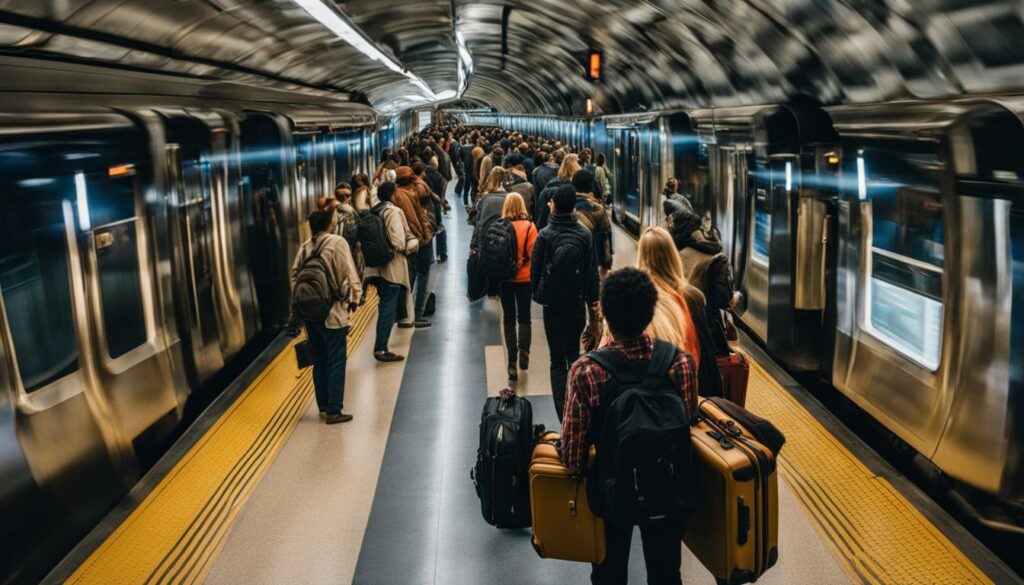
Buses and trams have designated areas for luggage, typically located near the doors. It’s important not to block any aisles or exits with your luggage, as this is a safety hazard and may result in a fine. If you’re carrying large or bulky items, it’s recommended to use regional trains, which have more space for luggage. If you’re traveling by subway, keep in mind that escalators and elevators may not be available at all stations, so carrying heavy luggage up and down stairs may be required.
For Bicycles:
Bicycles are allowed on certain modes of public transport in Berlin, but there are restrictions depending on the time of day and the type of transport. During peak hours (7:00-9:00 AM and 4:00-6:00 PM on weekdays), bicycles are not allowed on buses or trams. However, they are permitted on regional trains and subways outside of these hours. It’s important to note that bicycles are not allowed on the U-Bahn (underground) during weekday rush hours. When bringing a bicycle on public transport, a separate ticket or pass is required.
| Mode of Transport | Allowance for Bicycles |
|---|---|
| Bus | Allowed (outside peak hours) |
| Tram | Allowed (outside peak hours) |
| Regional Train | Allowed |
| Subway | Allowed (outside U-Bahn rush hours) |
Remember to always lock your bicycle at the designated areas at stations and stops, and never bring it onboard crowded transport during rush hours or block aisles or exits.
Exploring Beyond Berlin: Regional Transportation Options
If you’re looking to expand your travels beyond Berlin, there are several regional transportation options available to you. The BVG provides a range of services that connect Berlin with neighboring cities and attractions, allowing you to explore the surrounding regions with ease.
One of the most popular options is the Regionalbahn (RB) train service, which offers fast and frequent connections to cities such as Potsdam, Leipzig, and Dresden. The RB trains are comfortable and spacious, with plenty of room for luggage and bicycles.
If you’re interested in exploring the beautiful countryside around Berlin, the regional buses are a great choice. These buses connect Berlin with smaller towns and villages in the surrounding areas, offering stunning views of the countryside and a glimpse into traditional German life.
For those looking for a unique experience, the BVG also operates a ferry service that runs along the River Havel. This scenic journey takes you past picturesque villages and stunning natural landscapes, providing a relaxing and enjoyable way to explore the region.
| Transportation Option | Destinations | Duration of Journey |
|---|---|---|
| Regionalbahn (RB) train | Potsdam, Leipzig, Dresden | 1-2 hours |
| Regional bus | Smaller towns and villages | Varies |
| Ferry | River Havel | Varies |
When planning your regional travels, it’s important to keep in mind the BVG fare structure. Depending on your destination and duration of travel, a transit pass may be a cost-effective option. The BVG website and mobile app provide comprehensive information on fares and schedules, allowing you to plan your journeys with ease.
Staying Up to Date with Berlin Public Transportation Updates
The Berlin public transportation system is subject to changes in schedules, routes, and services. It’s important to stay informed to ensure you have the best travel experience possible. Here are some tips to help you stay up to date:
- Visit the official BVG website for updated information on schedules, fares, and service disruptions.
- Download the BVG app on your smartphone to receive real-time information on your favorite routes, track the location of your train or bus, and get notifications on any service changes.
- Follow the official BVG Twitter account for live updates and announcements.
- Check local news sources for any breaking news related to public transportation in Berlin.
By staying informed and up to date, you can better plan your journeys and avoid any inconvenience caused by unexpected changes to the Berlin public transportation system.
Conclusion
By following the tips and tricks in this guide, you’re now equipped with the knowledge needed to master the Berlin public transportation system. Understanding the network, using the public transportation map, purchasing the right fare, and following the rules and etiquettes will help you navigate the city with ease.
Remember, if you plan on using public transportation frequently during your stay, consider purchasing a transit pass for added convenience and cost savings.
Enjoy Your Travels in Berlin
We hope this guide has helped to simplify your travels in Berlin. With accessible transportation options, regional transit services, and constantly evolving updates, the Berlin public transportation system has something to offer for everyone.
Whether you’re a tourist exploring the city or a resident commuting to work, mastering the Berlin public transportation system is key to getting around efficiently and stress-free.
Have a great time exploring Berlin and all it has to offer!