Understanding Split Local Markets: Trends & Strategies
Are you having trouble reaching your local audience? It’s hard to get the attention and loyalty of split local markets. Businesses must learn how to connect with these markets to stay on top.
This guide will look at split local markets and how to engage them. We’ll talk about the importance of knowing your market and tailoring your strategies. Whether you run a small shop or manage marketing, you’ll learn to succeed in these environments.
What are Split Local Markets?
Split local markets, or local market segmentation, mean dividing a big market into smaller parts. These parts are based on things like where people live, what they’re like, and what they buy. This way, companies can really connect with different local groups.
Today, markets are full of variety, and what people want differs from place to place. To succeed, businesses must tailor their marketing to each local market’s needs.
Market Segmentation Considerations
For successful segmentation in split local markets, businesses need to think about several things:
- Geography: Different places have their own cultures and economies which affect what people like and do.
- Demographics: Knowing who lives in each area helps businesses create messages and products for specific groups.
- Consumer Behavior: Understanding how people in each market behave and what they prefer guides marketing strategies.
Customized Marketing Approaches for Split Local Markets
To do well in split local markets, businesses should create custom marketing plans. They should consider what makes each market unique. By adapting their messages and campaigns, they can connect with local people better.
By tailoring your marketing, you talk directly to your local audience’s needs and wants. This builds a stronger, more personal connection with them.
Using the same marketing plan everywhere doesn’t work in split local markets. Companies need to see the differences in each market and adjust. This means changing content, using local ways of speaking, and matching their products or services to what local people want.
Strategies for Market Fragmentation
Split local markets offer both chances and challenges. Here’s how to manage them:
- Research and Analysis: Study each market to understand what makes it special, and what its people want and do.
- Localization: Change your messages and image to click with each local audience.
- Hyperlocal Targeting: Use technology to focus your marketing on very specific areas.
- Collaboration and Partnerships: Work with local people and groups to get insights and build trust in the market.
Getting split local markets right means companies can do well in a mixed-up consumer world. With custom marketing and insights from segmentation, businesses can reach local people better and be more successful.

Understanding Regional Market Analysis
To target split local markets effectively, knowing regional market trends is key. This includes looking at consumer likes, buying habits, and unique cultural aspects. By doing so, businesses can learn a lot to shape their marketing plans. We will look at how to analyze regional markets.
“Regional market analysis allows businesses to uncover hidden opportunities and tailor their offerings to meet the unique needs of different local audiences.” – Marketing Expert
Gathering demographic info is a good start for regional market analysis. This info looks at age, income, education, and more for each area. Knowing who lives in each region helps businesses send the right marketing messages.

Looking at consumer behavior is also important. This means seeing what people buy, how they use social media, and their online habits. Finding out these patterns helps businesses match their marketing to what certain areas prefer.
Cultural differences are big in regional market analysis too. Every area has its own culture, traditions, and values. It’s important to get these cultural details right in marketing. That way, campaigns feel more personal to local audiences.
Key Techniques for Regional Market Analysis:
- Collecting demographic data for each region within split local markets
- Studying consumer behavior patterns and preferences within different regions
- Identifying cultural nuances and integrating localized elements into marketing campaigns
Using regional market analysis helps businesses get vital insights for their marketing. It’s about knowing each region’s unique traits and planning your marketing to fit those details. This approach helps you reach local audiences better, increasing engagement and success for your brand.
Customizing Your Marketing Approach
To win in different local markets, adjust your marketing to match each area’s vibe. We’ll talk about how to tweak messages, deals, and ads to connect with various groups in local markets.
Understanding Your Local Audience
First, learn all about your local people. Do deep market research. Find out what different groups in each area like, need, and do. Knowing their shopping ways, media habits, and cultural stuff helps you reach out effectively.

Personalizing Messaging and Content
With a good grasp of your local audience, begin crafting messages and content they’ll dig. Personal touches are crucial. Mention their area or use their local lingo to connect fast and boost engagement possibilities.
Create specific web pages for each local group, showcasing relevant services or products. Add local customer reviews for trust. Use data and segmentation to craft targeted emails or social posts that hit each group’s unique interests and issues.
Leveraging Local Events and Influencers
Using local events and influencers is smart for tailored marketing. Join or back community gatherings and fairs to get seen. Being seen at these places shows you’re part of the area and boosts your brand.
“Attending local events shows we’re all in for meeting each neighborhood’s needs. It’s a chance to bond with our audience and earn their trust and loyalty.” – Jenna Simmons, Marketing Director at [Local Furniture Co.].
Also, team up with local influencers. They’re trusted by people in your target markets and can help spread the word about your brand.
Monitoring and Adapting Your Strategies
Keep tweaking your marketing. Always check how your campaigns are doing. Look at clicks, sales, and what people say to see if you’re hitting the mark.
Use what you learn to fine-tune your approach. Try different messages, deals, or ad spots to see what clicks with each local group. Aim to keep getting better, responding to market changes along the way.
Testimonials from Local Customers
| Customer | Location | Testimonial |
|---|---|---|
| Emily Thompson | New York City | “I love how [Local Coffee Shop] always has promotions and events specifically for our neighborhood. It shows that they truly understand and care about serving the local community.” |
| Michael Carter | Los Angeles | “Being a part of [Local Fitness Club] has been amazing. They provide personalized workout plans that cater to my specific fitness goals and needs.” |
| Amy Patel | Chicago | “[Local Bookstore] has a wonderful selection of books that caters to the diverse interests of our community. It’s the go-to place for all book lovers in our neighborhood.” |
Targeting Local Audiences
Understanding your local audience is key for split local markets. You can tailor your marketing to their needs by knowing who they are. Demographic targeting lets you connect deeply by focusing on specific groups.
Why Demographic Targeting Matters
Demographic targeting helps you know your local audience’s traits and habits. You gain insights from analyzing age, gender, income, and interests. This shapes a marketing strategy that hits the mark with the right people.
If you have a fitness studio, demographic targeting can show if your audience prefers family-friendly activities or quick workouts. Tailoring your messages to these specifics boosts your success.
Techniques for Demographic Targeting
Here are ways to target your local audience:
-
Conduct market research to find who benefits most from what you offer.
-
Use online tools to learn about your audience through your website, social media, and emails.
-
Create buyer personas to guide your targeted marketing campaigns.
-
Segment your email list by demographic data for personalized messaging.
Demographic targeting needs regular updates to stay effective. By keeping in tune with your audience’s changing needs, you can grow your business.

| Benefits of Demographic Targeting | Techniques to Implement |
|---|---|
|
|
Enhancing Local Presence
A strong local presence is key for businesses in varied local markets. It boosts your brand’s visibility and reputation in local areas. This draws in local audiences’ attention and loyalty. We’ll share strategies to uplift your local presence and make a long-lasting impact.
Leveraging Local Partnerships
One smart move is to use local partnerships. Work with local businesses, groups, or organizations that reach your audience. This gives you more exposure and trust. Look for chances to partner up, sponsor events, or promote together. By joining hands with trusted locals, you boost your brand and win the community’s trust.
Quote: “Working with local businesses has helped our brand grow in segmented markets. We’ve reached more customers together, leading to mutual growth.” – Jane Smith, CEO of ABC Company
Community Involvement
Being active in the community is key to improving your local presence. It shows you care and earns a good reputation. Get involved in local events, support charities, or volunteer for projects. By giving back, you gain the local customers’ loyalty and support.
- Volunteer at local fundraisers or charity events
- Participate in community clean-up and beautification efforts
- Sponsor local sports teams or cultural organizations
Online Reviews and Testimonials
Online reviews and testimonials are very influential today. Ask happy customers to review your business on platforms like Google My Business or Yelp. Sharing these positive stories on your site also builds trust with locals. Always respond to reviews quickly to show customers you care.
| Benefits of Enhancing Local Presence |
|---|
| 1. Increased brand visibility and awareness. |
| 2. Enhanced customer trust and loyalty. |
| 3. Improved local market share and customer acquisition. |
| 4. Opportunities for local partnerships and collaborations. |
| 5. Positive brand reputation and word-of-mouth referrals. |

Following these strategies lets businesses strengthen their local presence. Having a solid local reputation is essential. It captures local audiences’ attention and keeps their loyalty in diverse markets.
Leveraging Geographic Market Division
Understanding geographic divisions in local markets is key to maximizing impact. It lets you allocate resources wisely. By identifying and using opportunities in specific areas, you can grow your business in complex local markets. We will discuss how to use geographic division for growth.
Allocating Marketing Budgets
Knowing about geographic market division helps in smart budget use. By looking at different areas’ performance, you can focus your money where it matters most. This way, you spend your budget on the most promising regions, matching your business goals.
Assessing Market Potential
Geographic division gives insights into various market potentials. Factors like population size, purchasing power, competition, and customer likes help find promising areas. Such info leads to tailored marketing strategies for these specific areas, tapping into new opportunities.
| Benefits of Leveraging Geographic Market Division | Examples |
|---|---|
| Optimized resource allocation | Targeted advertising campaigns tailored to specific regions |
| Increased market share in key areas | Localized promotions and discounts |
| Enhanced customer satisfaction by catering to local preferences | Partnerships with local businesses to expand reach |
Identifying Opportunities for Growth
Understanding market divisions reveals trends and growth chances. Spot areas with changing customer interests, new groups, or less competition. This lets you adjust marketing to be first in these areas, ensuring long-term success.
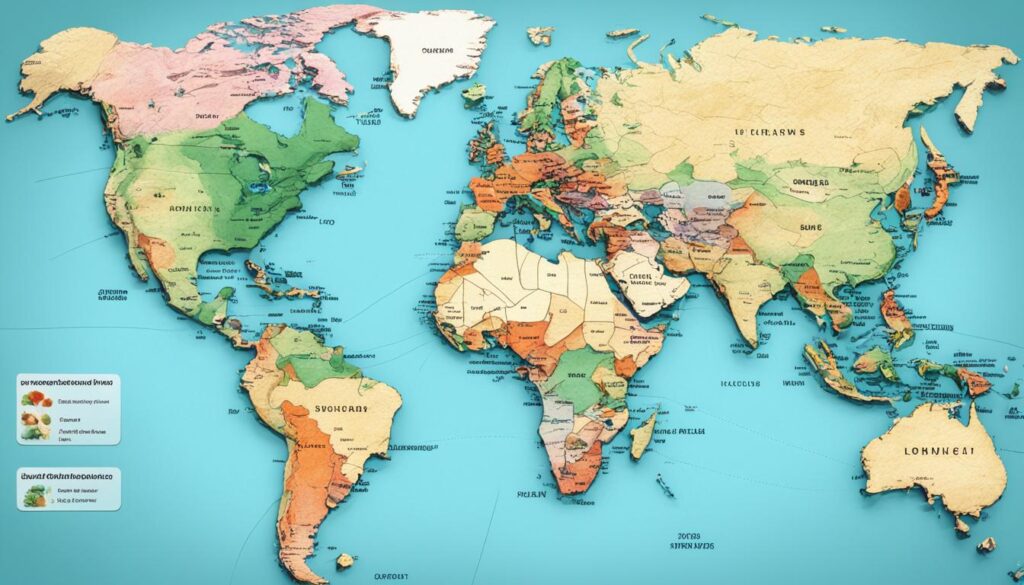
“Understanding geographic divisions helps in strategizing for local markets. By focusing on specific areas, you can engage better and succeed more.” – Marketing Expert
Using geographic division lets businesses make smart choices and find regional opportunities. With strategic budgeting, market analysis, and spotting growth chances, you can smoothly sail through local market challenges while meeting business goals.
The Role of Technology in Split Local Markets
Technology is crucial in reaching split local markets effectively. It gives businesses tools to connect with local people more directly. These tools help improve marketing and grab the attention of the target audience.
Location-Based Advertising
Location-based ads are a big step forward in targeting local markets. They use GPS and mobile tech to send ads to people based on where they are. This means businesses can make their ads fit better with the local area, improving the chances of people getting interested and buying.
Geofencing
Geofencing is a game-changer for local markets. It sets up virtual lines around a place. When someone walks into this area, they get special ads or messages on their phones. This lets businesses focus on people in a certain spot, giving them info or deals they might like.
Online Platforms Tailored to Specific Regions
There are now online platforms made for certain local areas. These sites give local news, services, and products. For example, some social networks are all about connecting people with what’s local. Businesses use these platforms to be seen and trusted in their community.
Technology has changed how businesses target local markets. With things like location-based ads, geofencing, and local platforms, companies can reach people better. These tech tools help businesses get noticed and grow in their local markets.
Below is a table that shows different tech advancements and how they help in local markets:
| Technology | Benefits |
|---|---|
| Location-Based Advertising | – Personalized messaging based on geographical location – Increased customer engagement and conversions |
| Geofencing | – Targeted notifications to potential customers within a specific radius – Relevant information and offers based on location |
| Online Platforms Tailored to Specific Regions | – Establishing a strong online presence within the local community – Enhanced visibility and reputation |
This table shows the benefits of using tech in local markets. It helps businesses stand out and reach their local customers more efficiently.
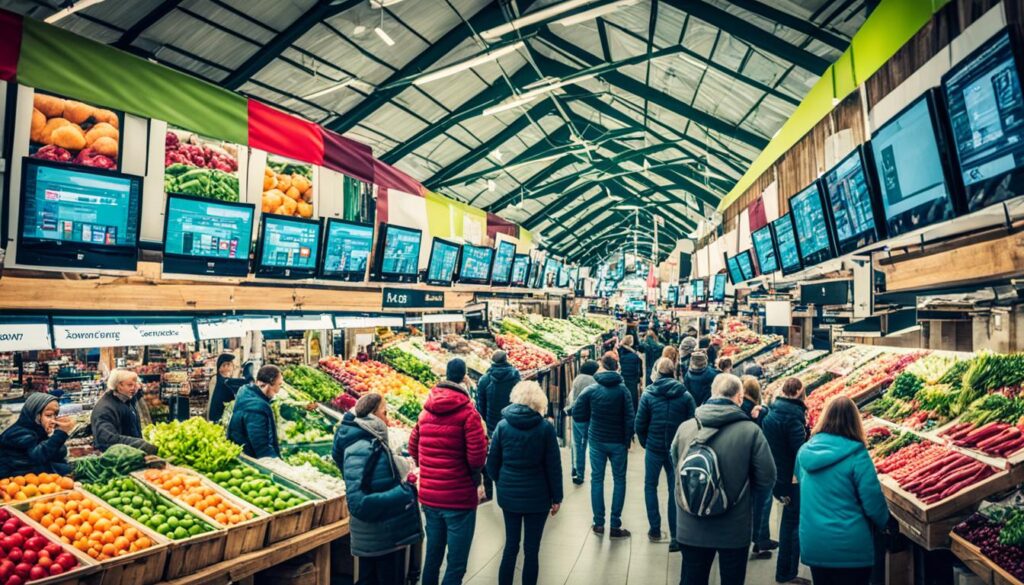
Marketing Strategies for Split Local Markets
Marketing well in split local markets is key for winning over local audiences. By focusing on specific groups, you can do better in these divided markets. We’ll look at successful marketing methods for different industries here.
1. Hyperlocal Advertising
Hyperlocal advertising is a top strategy for targeting local groups. It involves making messages that fit a particular neighborhood or area. Creating campaigns that reflect local tastes and knowledge can speak directly to each community’s unique desires.
2. Influencer Partnerships
Using influencers can effectively reach local markets. Work with influencers who have a solid local following. This helps your brand use their trust and reach. Choose influencers who match your brand and speak to your local customers for better awareness and interaction.
3. Location-Based Promotions
Think about location-based promotions for targeting certain spots in split markets. Offer special deals to people in specific places to get them to choose you. This method boosts visits and sales and makes locals feel special and connected.
4. Personalization and Localization of Content
Customizing content for each location attracts local interest in split markets. Adjust your messages, web content, and social media for each area’s traits and likes. This creates a connection with your target audience by showing you get their needs.
5. Data-Driven Insights
Understanding split markets through data-driven insights betters your marketing. Analyze local consumer data to shape your marketing plans. This lets you spot trends, predict demands, and adjust your methods for each local audience.
6. Community Engagement
Being active in local communities strengthens your position in split markets. Join local events, back community causes, and support local actions to show you’re part of the community. This builds trust and loyalty, making people more likely to prefer and recommend your brand.
7. Collaborations with Local Businesses
Working together with local businesses benefits everyone in split markets. Partnering up lets you reach more people, share customers, and pool marketing efforts. These partnerships build your local image and open up chances for joint promotions and a stronger local network.
“In split local markets, it’s crucial to think locally and tailor your marketing approach to resonate with each specific audience.” – Marketing Expert
To do well in split local markets, use these strategies to reach local groups. Always use data to guide your decisions, watch for changes, and be ready to switch things up to stay on top.

Measuring Success in Split Local Markets
In split local markets, knowing how well your marketing works is key. It helps you improve and stay ahead of others. By looking at metrics and data, you learn what’s working. Then, you can make changes to have a bigger impact.
Setting Measurable Goals
First, you need clear goals that match your overall plan. Pick goals that fit with what you’re trying to do in marketing. Then, decide how you’ll know if you’re succeeding. This could be more visitors to your website, more people interested, or more sales. Knowing your goals helps track your success.
Tracking Performance
Keeping an eye on how you’re doing is crucial. Use tools to watch important things like website visits, how much people engage, clicks, and if they buy something. Looking at this data often shows you trends. It helps you see what people like and if your marketing is working.
Making Data-Driven Adjustments
It’s not just about watching numbers. You have to use what you learn to make your marketing better. Find what needs work and change it. You might need to focus more on certain people, change your message, or spend money differently. This helps you keep up with changes and do better in your market.
Markets change all the time. Using what you learn from your data helps you keep up. This way, you can always be appealing to your local audience and make your marketing stronger.
A Comprehensive Approach
Success requires looking at both numbers and people’s opinions. While data shows how well you’re doing, feedback shows how people feel. Ask your local customers what they think, listen to them online, and watch reviews. This gives you a full picture of how you’re doing with your target market.
Optimizing Your Marketing Strategies
With the right data, you can make your marketing even better for your local customers. Use what you learn to speak to them in a way they like. Change your offers and methods based on feedback. Always tweaking your plan lets you move smoothly through market changes.
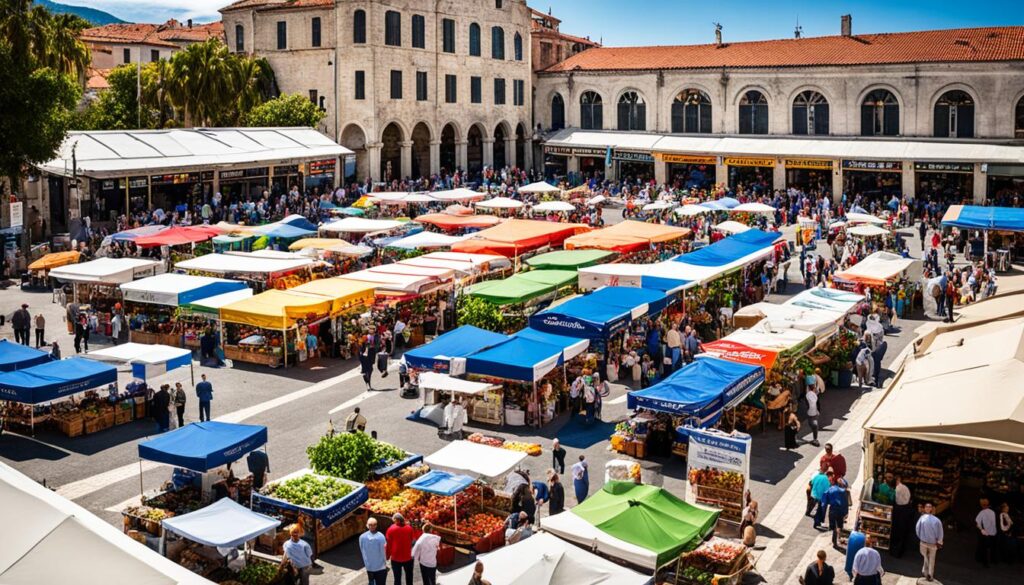
In Summary
Success in these markets is more than just numbers. It’s about using data to make smart choices and grow your local impact. By having clear goals, watching your progress, adjusting with data, and looking at the big picture, you can win in challenging markets.
Conclusion
In today’s fast-changing consumer world, it’s crucial for businesses to understand local market differences. By using specific strategies and tailoring marketing efforts, businesses can grow their local impact. They can grab and keep the interest of local customers.
Taking advantage of these methods and trends helps companies lead in the evolving local markets scene.