Uncover the Roots of Detroit Musical History
Have you ever thought about how Detroit, famous for cars, became a hub for music? Detroit’s musical history is not just about songs and beats. It’s a deep legacy that touches people of all ages and cultures. From Motown’s soulful tunes to punk rock’s loud voice, Detroit’s music has changed how we see creativity and art.
Let’s dive into the stories and events that made Detroit’s music so special. We’ll look at the key moments and influences that shaped its unique sound. This journey will show you why Detroit’s music is so important to us all.
The Birth of Detroit Music Scene
The Detroit music scene started in the early 20th century with a mix of cultures. This mix led to a unique sound, thanks to people moving to the city and their creative expressions. Jazz, blues, and gospel music were key, letting early Detroit musicians shine.
By the 1950s, creativity surged. This decade was a big step in 1950s music history. Detroit became a place where new talent was noticed. Artists started to create the famous Motown sound. This mix of styles inspired many musicians to come.
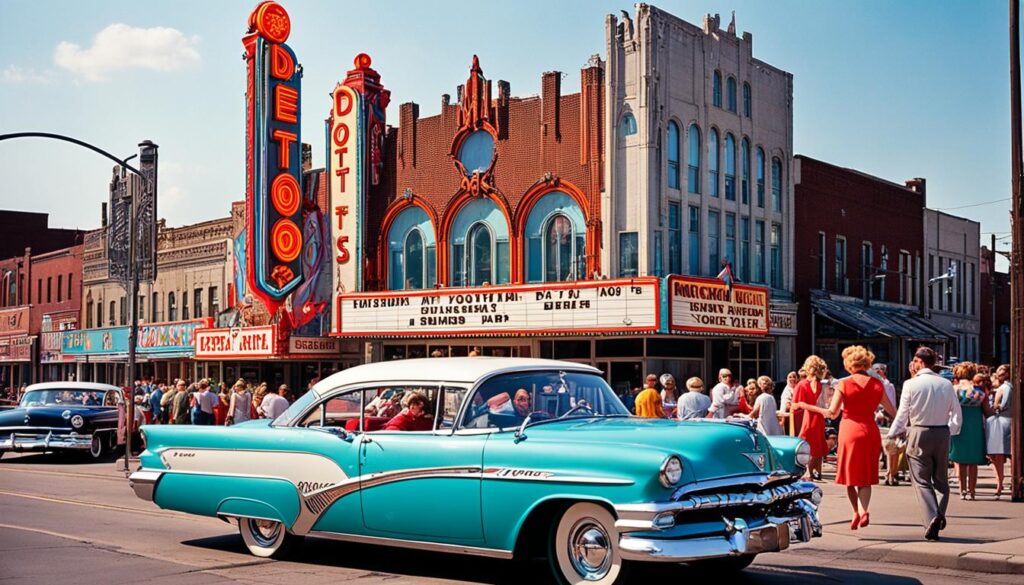
Early Detroit musicians mixed different styles to make their own sound. The 1950s greatly influenced these artists, helping them create music that still thrives today. Detroit’s deep musical roots show how the city is connected to its music history, setting the stage for its lasting impact.
Exploring Motown Records
Berry Gordy Jr. started Motown Records in 1959, making it a top iconic label in music history. The label mixed soul, pop, and R&B to create a unique sound. This sound hit with fans, making stars like Stevie Wonder and The Supremes. They changed music and played a big part in Motown history.
Motown Records did more than just make hits. It helped shape future musicians and made Detroit a key music spot. The label found talent and hit the mark, changing music forever.
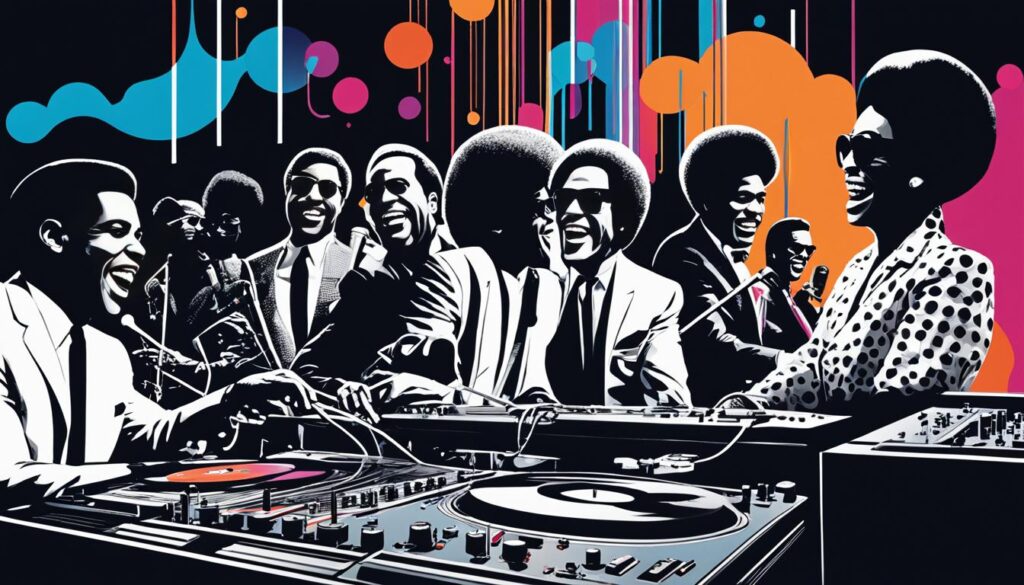
- Cultural Impact: The label was key in breaking racial barriers in music in the 1960s.
- Iconic Hits: It brought out many songs that became part of a generation’s soundtrack.
- Innovation: Motown changed how music was marketed and artists were developed.
Motown’s legacy is huge, not just in music but in culture too. It has inspired many artists across genres. Today, its talent and creativity keep inspiring new generations.
| Artist | Notable Hits | Impact |
|---|---|---|
| Stevie Wonder | “Superstition,” “I Wish” | Transcended genres, influencing artists worldwide. |
| The Supremes | “You Can’t Hurry Love,” “Stop! In the Name of Love” | Pioneered female representation in pop music. |
| Marvin Gaye | “What’s Going On,” “Sexual Healing” | Addressed social issues with profound lyrical content. |
Hitsville USA: The Heart of Motown
Hitsville USA is a key part of Detroit’s music history. It’s located on West Grand Boulevard and was the first home of Motown Records. This place is vital to Detroit’s musical past.
During the 1960s, the Motown studios here made many hits. These songs changed the music scene forever. Now, Hitsville USA is a museum that celebrates Motown and its stars.
Visiting Hitsville USA lets you see where music magic happened. You’ll learn about the creative process behind famous songs. There are exhibits with artifacts, photos, and stories from legendary artists.
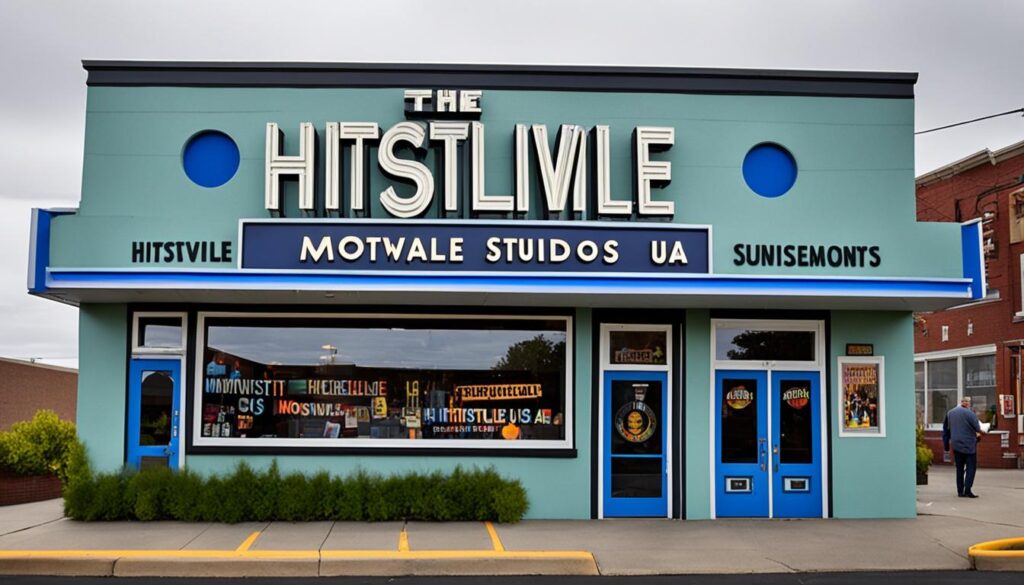
This place shows the big impact Motown had on music worldwide. It honors Motown’s past and inspires new artists. The site is full of creativity, urging visitors to follow their musical dreams.
| Key Features of Hitsville USA | Description |
|---|---|
| Original Motown Studios | Where many chart-topping hits were recorded. |
| Museum Exhibits | Artifacts and stories highlighting Motown’s impact. |
| Guided Tours | Engaging tours providing insights into the Motown legacy. |
| Community Events | Programs and events celebrating Detroit’s musical heritage. |
Detroit Musical History: A Timeline of Influential Artists
The story of Detroit’s music is filled with influential artists who changed the music world. They used their songs to share deep messages, often linked to social movements in African American communities. From Motown stars to rock legends, these artists shaped America’s music.
Key Figures in Detroit’s Music Legacy
Marvin Gaye, Aretha Franklin, and the Jackson 5 are key names in Detroit’s music history. They were not just chart-toppers; they spoke out for change. Their music was a powerful voice for civil rights, making their impact huge beyond music.
Iconic Bands and Solos That Defined Eras
Iconic bands and solo artists have marked each decade with their unique sounds. The Temptations and The Four Tops were at the height of Motown’s success. Solo talents like Bob Seger and Eminem showed Detroit’s musical range, from rock to hip-hop. Their stories tell of talent and the rich history of American music.
| Artist | Genre | Era of Influence | Notable Hits |
|---|---|---|---|
| Marvin Gaye | Motown/R&B | 1960s-1970s | What’s Going On, Sexual Healing |
| Aretha Franklin | Soul/R&B | 1960s-1970s | Respect, (You Make Me Feel Like) A Natural Woman |
| The Temptations | Motown | 1960s-1970s | My Girl, Papa Was a Rolling Stone |
| Bob Seger | Rock | 1970s-1980s | Night Moves, Old Time Rock and Roll |
| Eminem | Hip-Hop | 1990s-Present | Lose Yourself, Stan |
Influential Genres Originating from Detroit
Detroit is key to many musical genres that have shaped American music. The city’s unique sounds have led to styles like Motown, punk, and rock. These genres show Detroit’s creative spirit and its big influence on music over the years.
Motown and Its Impact on Pop Culture
Motown Records started in the early 1960s and changed the music scene with its catchy tunes. The Motown impact went beyond music, adding to Detroit pop culture. Stars like Marvin Gaye and Stevie Wonder changed soul and pop music. They also appeared in TV and movies, becoming part of the culture.
Motown helped bring attention to racial issues. It gave Black artists a platform that challenged social norms.
Punk and Rock Roots in Detroit
In the late 1970s, Detroit became a key place for punk and rock music. Bands like The Stooges and The MC5 led the way. They showed a new kind of energy that inspired many and started an underground movement.
The Detroit punk scene helped bring back garage rock in the 2000s. This history proves Detroit’s lasting impact on rock music. It shows how its influence on music still affects us today.
Detroit Music Landmarks You Must Visit
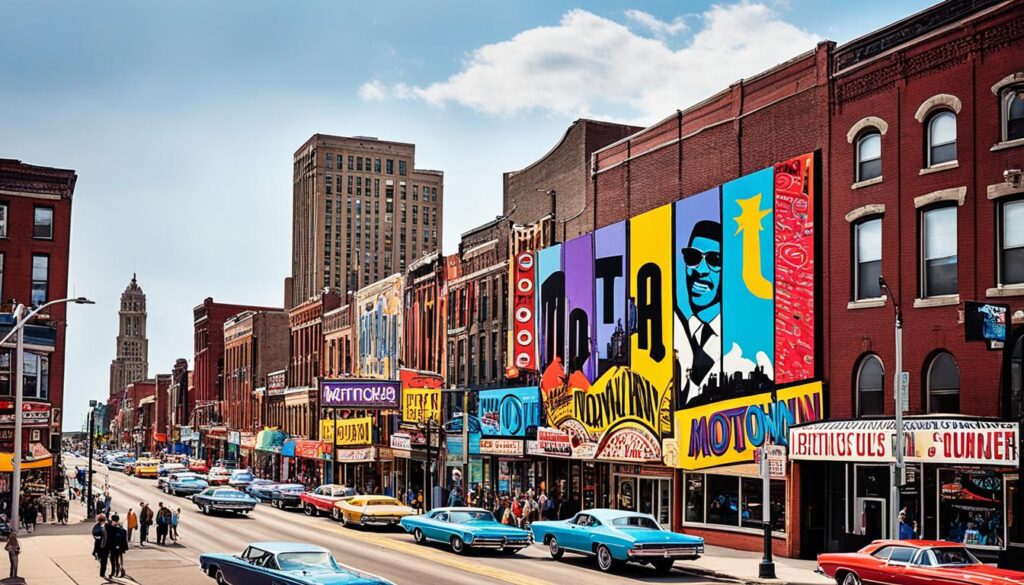
Detroit is known for its rich musical history. Visiting its iconic music landmarks is a great way to dive into that history. These places will inspire and educate you about the artists who made a big impact on music.
- Fox Theatre – A stunning venue that showcases performances from various genres and is known for its exquisite architecture.
- The Blind Pig – An intimate club in Ann Arbor, perfect for live music enthusiasts wanting to catch up-and-coming acts.
- Motown Museum at Hitsville USA – The birthplace of the Motown sound, this museum recounts the stories of legendary artists who defined a genre.
- Detroit Sound Conservancy – Committed to preserving Detroit’s music legacy, this organization highlights the importance of local talent.
- Aretha Franklin Amphitheater – Named after the Queen of Soul, this beautiful outdoor venue hosts summer concerts and events.
These Detroit music landmarks are full of history and artistry. Each one gives you a unique look into the city’s big impact on music culture. Whether you’re a long-time fan or new to the scene, these landmarks make your visit unforgettable.
| Landmark | Location | Notable Features |
|---|---|---|
| Fox Theatre | Detroit, MI | Stunning architecture, Broadway shows, historic displays |
| The Blind Pig | Ann Arbor, MI | Intimate setting, local band performances, nightlife venue |
| Motown Museum | Detroit, MI | Original Motown recording studio, guided tours, memorabilia |
| Detroit Sound Conservancy | Detroit, MI | Preservation efforts, community engagement, artist support |
| Aretha Franklin Amphitheater | Detroit, MI | Outdoor concerts, park atmosphere, tribute to Aretha Franklin |
The Evolution of the Detroit Music Industry
The Detroit music industry has gone from its Motown roots to today’s vibrant scene. This change shows how the city has adapted to new cultures and tech. It’s a story of how music has evolved over time.
Technology has changed how we make and listen to music. Now, artists can create new sounds easily thanks to better recording tech. Digital platforms have also changed the music business. They let new artists share their music worldwide without needing big record labels.
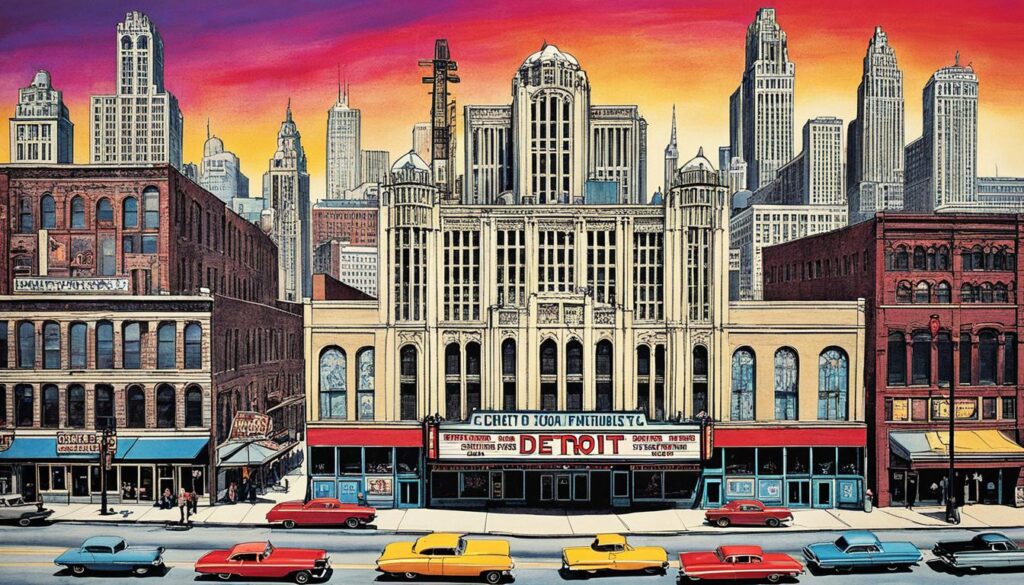
Even with challenges, Detroit’s music scene keeps growing. Independent labels and local artists have made a strong community. They celebrate different sounds and creativity. The comeback of music spots and events shows Detroit’s big role in music.
| Era | Key Changes | Impact on Music Business |
|---|---|---|
| 1950s-60s | Establishment of Motown Records | Pioneered the integration of pop and soul, setting a commercial benchmark. |
| 1970s-80s | Emergence of Punk Rock | Introduced DIY culture, influencing independent music movements. |
| 1990s-2000s | Technological Advancements | Shift to digital formats changed production and distribution channels. |
| 2010s-Present | Rise of Streaming Services | Revolutionized revenue models, emphasizing singles over albums. |
Learning about Detroit’s music evolution helps us see where it stands now and where it might go. This scene keeps inspiring new talent. It makes sure Detroit’s music legacy lives on with fans everywhere.
Celebrating the Detroit Music Culture Today
Today, Detroit’s music culture is alive with a mix of sounds and styles. It shows off the city’s rich artistic past. Legendary and new artists add to its growth, making the scene vibrant and exciting.
Events like Movement and the Detroit Jazz Festival celebrate Detroit’s music history. They bring people together, letting fans meet their idols and find new favorites. This music keeps the community close, sharing moments through song.

Now, Detroit’s music scene includes everything from electronic to soulful tunes. Festivals showcase big names and new talent alike. They blend history with today’s sounds, making Detroit’s music scene fresh and lively.
| Music Festival | Genre Focus | Location | Notable Current Artists |
|---|---|---|---|
| Movement | Electronic | Hart Plaza | Griz, Claude VonStroke |
| Detroit Jazz Festival | Jazz | Downtown Detroit | Esperanza Spalding, Robert Glasper |
| MoPop Festival | Indie/Pop | West Riverfront Park | Vampire Weekend, Chvrches |
Conclusion
Detroit’s music is more than just songs and artists. It’s a rich mix of culture that has changed American music. From Motown’s soulful tunes to punk rock’s bold spirit, Detroit’s history is part of today’s music. This legacy inspires new musicians, keeping Detroit’s music alive.
The roots of Detroit’s music are strong and creative. They led to famous acts and a community that values art. This love for heritage makes today’s music scene richer and keeps Detroit’s past alive.
By celebrating Detroit’s music, you help keep its spirit going. Knowing the lasting impact of Detroit’s music makes its culture still important today. Let the stories of Detroit’s artists and places show you the ongoing growth of music in this city.