

Ultimate Guide to Bicycle Touring: Routes & Planning
If you’re looking for an adventure of a lifetime, then bicycle touring might just be what you need. The freedom of the open road and the thrill of exploring new places on two wheels are unmatched by any other form of travel. This ultimate guide has everything you need to know about bicycle touring, from the best routes to the planning resources to make your journey as smooth as possible.
Embark on a long-distance cycling journey and get ready to explore America’s most scenic landscapes. Whether you’re a first-timer or an experienced cyclist, this guide will help you plan your bicycle touring trip with ease. Start by choosing the right touring bicycle and the essential gear needed for your journey. Then, map out your adventure by picking the best cycling routes and accommodation options available. Along the way, ensure your safety with our expert tips and learn how to train your body to tackle the physical demands of touring.
With our detailed guides and advice, you can focus on making the most of your adventure and creating lasting memories. Get ready to experience the freedom, excitement, and beauty of bicycle touring with our ultimate guide at your fingertips.
Why Choose Bicycle Touring?
If you’re looking for a unique and rewarding travel experience, it’s hard to beat bicycle touring. The open road gives you a sense of freedom that’s hard to find anywhere else. You can explore new places at your own pace, and connect with nature and local communities in a way that’s impossible when using other forms of transportation.
Bicycle touring is also an adventure in itself! It requires physical effort, mental toughness, and resourcefulness, making it an exciting and challenging activity that’s sure to leave lasting memories.
If you’re looking to cover long distances, bike travel is a great option. With proper planning and preparation, a bicycle can take you places that are difficult or impossible to reach by car or even on foot. You can reconnect with a slower pace, take the scenic route, and enjoy the journey as much as the destination.
So whether you’re an adventure cyclist or a long distance cycling enthusiast, bicycle touring is an excellent way to experience a new culture and explore breathtaking landscapes.
“The bicycle is just as good a company as most husbands and, when it gets old and shabby, a woman can dispose of it and get a new one without shocking the entire community.” – Ann Strong
Essential Gear for Bicycle Touring
When embarking on a bicycle touring adventure, having the right gear can make all the difference. From ensuring the right fit for your touring bicycle to packing the necessary equipment, preparation is key to a successful journey.
| Gear | Description |
|---|---|
| Touring Bicycle | A reliable touring bicycle is essential for a comfortable and safe journey. Choose a bike with sturdy construction and ample gear capacity for long-distance travel. |
| Helmet | Protect your head with a well-fitted helmet that meets industry safety standards. |
| Panniers | Saddlebags or rear-mounted panniers are ideal for carrying clothing, food, and camping gear. Lightweight and waterproof options are available for different types of travel. |
| Repair Kit | Pack a basic repair kit that includes a spare tire, tools, and patch kit, to fix flat tires, broken chains, and other mechanical issues along the way. |
| Water Bottles | Ensure proper hydration by carrying one or more refillable water bottles. Look for lightweight and durable options that fit securely on your bike frame. |
| Camping Gear | If you plan to camp during your journey, bring appropriate camping gear such as a tent, sleeping bag, and cooking supplies. |
| Cycling Clothes | Dress appropriately for the weather and long hours of cycling with moisture-wicking clothes and comfortable padded shorts. |
| Multi-tool | A convenient all-in-one tool that includes pliers, screwdrivers, and other essentials can be a handy accessory in resolving unexpected issues. |
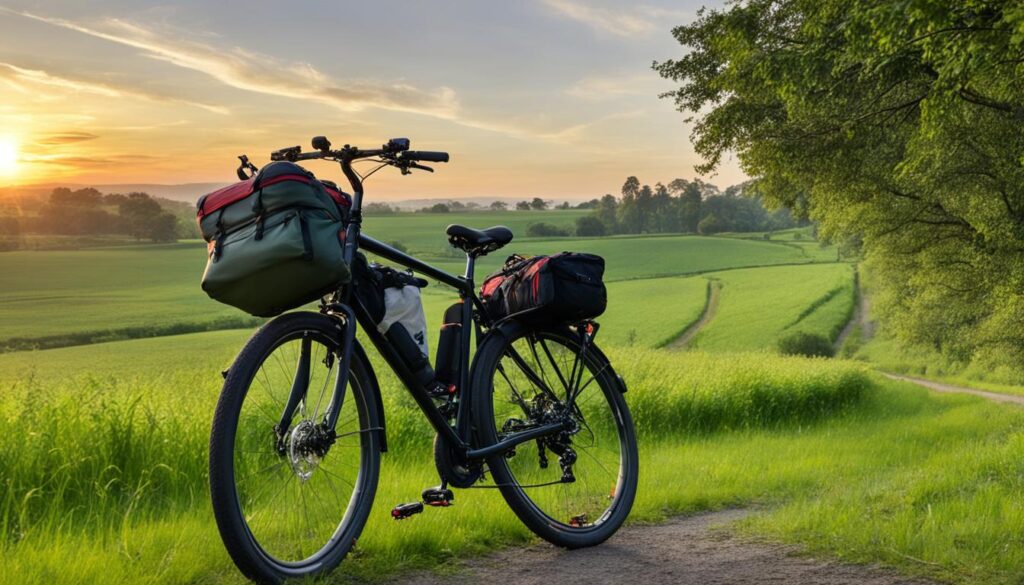 |
Keep in mind that the specific gear you need may vary depending on the length and type of your trip, as well as your personal preferences and physical needs. It’s always a good idea to do research and consult with experienced bicycle tourists or gear experts before making any final decisions.
Planning Your Route
Embarking on a bicycle tour requires careful planning, especially when it comes to choosing the route you will take. To ensure a smooth and enjoyable experience, it’s crucial to find cycling routes that are not only safe but also scenic and cyclist-friendly.
The best resources and tools available for planning your bicycle touring route are online websites and map services. Bike Touring Tips offers a comprehensive list of online bike touring route planners that can help you find the best cycling routes based on your preferences and goals. Online communities such as Adventure Cycling Association are also great resources for locating popular cycling routes across the United States.
Another option to gather information about bicycle touring routes is through bicycle touring guidebooks. These guidebooks can provide you with valuable information about cycling routes, including the terrain, road conditions, and notable landmarks. Bicycle Touring Pro has several recommendations for the best bicycle touring guidebooks to help plan your route.
When choosing a route, consider your cycling experience and fitness level. While some bicyclists thrive on challenging hills and long distances, others may prefer a flatter and less strenuous journey. Always prioritize safety when selecting a bike route, and research local traffic laws and regulations beforehand.

Top 5 Scenic Bicycle Touring Routes
| Route Name | Distance | Duration | Terrain |
|---|---|---|---|
| Pacific Coast Route | 1,818 miles | 2-3 months | Coastal, hilly |
| Great Divide Mountain Bike Route | 2,770 miles | 2-3 months | Mountainous, unpaved |
| TransAm Trail | 4,228 miles | 3-4 months | Varied, hilly |
| Route Verte | 2,485 miles | 2-3 months | Flat, scenic |
| Florida Keys Overseas Heritage Trail | 106 miles | 1-2 days | Flat, coastal |
While there are countless cycling routes to choose from, the table above presents some of the most scenic and popular bicycle touring routes in the United States. From the breathtaking coastal views of the Pacific Coast Route to the rugged and challenging terrain of the Great Divide Mountain Bike Route, each route offers a unique experience for bicyclists of all skill levels.
Accommodation Options for Bicycle Touring
When embarking on a bicycle touring adventure, choosing the right accommodation is crucial to ensure a comfortable and enjoyable trip. Luckily, there are various accommodation options available to suit every budget and preference.
If you prefer the outdoors and a more budget-friendly option, camping is a popular choice among bicycle tourists. Not only does it offer a unique and immersive outdoor experience, but it also provides a chance to connect with nature along the way. Additionally, hostels are a great option for solo travelers or those on a tight budget.
On the other hand, if you’re looking for more comfort and luxury, hotels and guesthouses are the way to go. These options are ideal for those who value amenities and privacy, and want to rest and recharge after a long day of cycling.
To choose the best accommodation option for your needs, consider factors such as location, cost, amenities, and availability. It’s always a good idea to research and book accommodations in advance to ensure a stress-free trip.
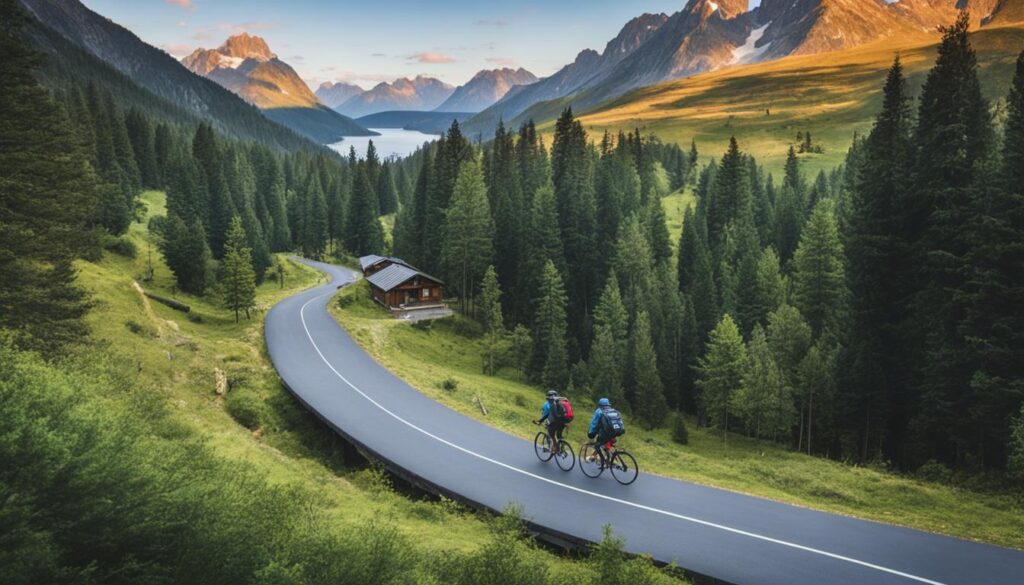
As a general rule of thumb, it’s best to pack light and keep your accommodation options flexible. This way, you can adapt to unexpected changes in your itinerary and take advantage of unique opportunities that come your way during your bicycle touring adventure.
Safety Tips for Bicycle Touring
Embarking on a bicycle touring adventure can be an incredibly rewarding experience, but it’s important to prioritize safety to ensure a successful journey. Follow these safety tips and precautions to protect yourself and make your trip as safe as possible:
- Always wear a helmet when cycling, even if you’re on a cycle lane or quiet road. It will protect your head in case of a collision
- Ensure your touring bicycle is in good condition before your trip. Check the brakes, tires, and chain to avoid any mechanical issues while on the road.
- Be visible to traffic by wearing bright or reflective clothing, using lights, and making hand signals when turning or stopping.
- Carry a first aid kit, plenty of water, and snacks to stay hydrated and energized on long rides.
- Obey traffic rules and regulations, including street signs and speed limits.
- Don’t cycle distracted. Keep your attention focused on the road and avoid using your phone or other devices while cycling.
- Stay alert to your surroundings, including other drivers, cyclists, and pedestrians. Watch for hazards such as potholes, gravel, and debris.
- Consider taking a bike repair course prior to your trip to learn basic maintenance and repair skills for your touring bicycle.
By following these safety tips, you’ll be well-prepared for your bicycle touring adventure and able to enjoy the stunning landscapes and exhilarating experience without worrying about potential accidents or mishaps.

Nutrition and Hydration for Bicycle Touring
Proper nutrition and hydration are essential for maintaining the energy and endurance you need during long-distance bicycle touring. Without the right fuel, your body won’t perform at its best, and you could face serious health problems.
Start by hydrating regularly to avoid heat exhaustion and dehydration. Drinking water regularly throughout the day and carrying a hydration system, such as a water bladder or bottles on your touring bicycle, is essential. It’s also important to add electrolytes, such as those found in sports drinks or electrolyte supplements, to keep your body balanced.
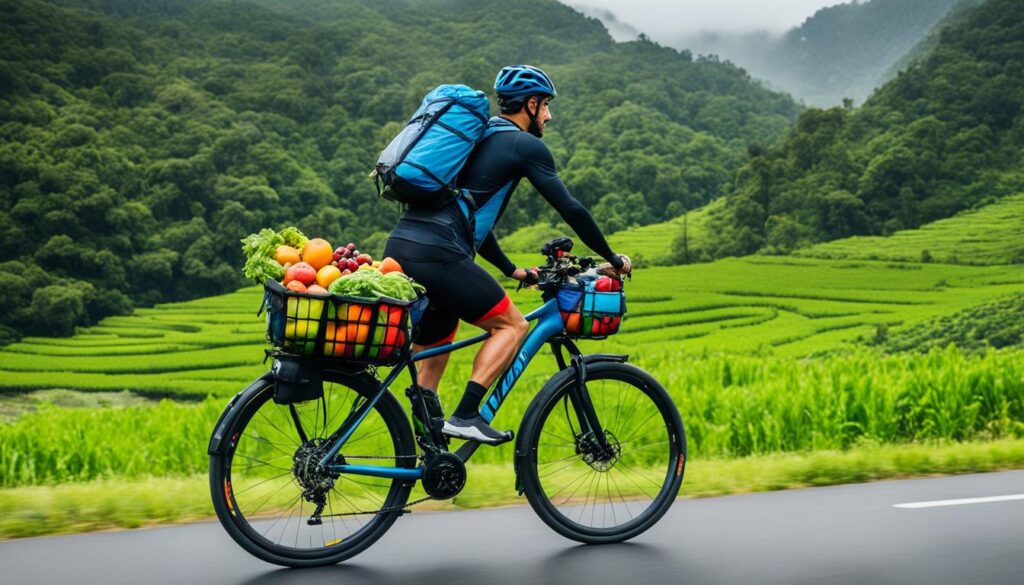
When it comes to nutrition, plan your meals and snacks in advance to ensure a balanced and healthy diet while on the road. Pack foods that are high in carbohydrates, such as energy bars, trail mix, and granola, to fuel your body during long rides. Add high-protein foods, such as jerky or nuts to help your muscles recover and repair after a workout. Don’t forget to add in fruits and vegetables for essential vitamins and minerals and to keep your digestive system in check.
“It’s not enough to just drink water while on a long bicycle tour. Electrolytes are essential to the body, as they ensure optimal muscle function and help maintain a balanced fluid intake. Always remember to carry an electrolyte supplement with you while bike touring.”
Consult a registered dietitian or a sports nutritionist to develop a personalized nutrition and hydration plan that addresses your specific needs. Together, you will be able to create a plan that addresses any dietary restrictions, ensures sufficient calorie intake, and promotes optimal performance during your long-distance cycling journey.
Training for Bicycle Touring
Before embarking on a long-distance bicycle touring adventure, it’s important to prepare your body for the physical demands ahead. Incorporating a training regimen into your routine will help you build strength, improve endurance and increase your overall fitness. By dedicating time to training, you’ll be better equipped to tackle challenging terrain and make the most of your bicycle touring experience.
Effective Training Methods
When it comes to training for bicycle touring, there are several effective methods to choose from:
- Endurance Training: Focus on building your aerobic endurance by gradually increasing the duration and intensity of your cycling sessions.
- Strength Training: Incorporate weightlifting, bodyweight exercises or resistance training to build muscle and improve your overall strength.
- Cross-training: Incorporating other forms of cardiovascular exercise such as running, swimming or hiking, can help provide variety in your training routine and improve your overall fitness.
Exercises for Bicycle Touring
Here are some specific exercises to include in your training regimen for bicycle touring:
| Exercise | Description |
|---|---|
| Deadlifts | A full-body exercise that targets the hamstrings, glutes, and lower back, which are crucial muscles for powering up hills and maintaining an upright body posture while cycling. Make sure to use proper form to avoid injury. |
| Lunges | A bodyweight exercise that targets the quadriceps, glutes, and hamstrings, essential for powering through long, steady climbs during bicycle touring. |
| Plank | A full-body exercise to build core strength and stability, which is essential for maintaining proper body posture and preventing lower back pain during long hours of cycling. |
| Interval training | A high-intensity training technique that can help improve cardiovascular endurance, allowing you to maintain a consistent pace over an extended period of time. To perform interval training, alternate between high-intensity cycling sessions and less intense recovery periods. |
Remember, an effective training regimen for bicycle touring should be tailored to your fitness level and goals. Make sure to consult with a healthcare professional before starting a new exercise routine, and always prioritize safety on the road.
Solo vs. Group Bicycle Touring
When embarking on a bicycle touring adventure, you can choose to go solo or join a group. Each option has its pros and cons, depending on your preferences and travel style. Here are some factors to consider when deciding which approach suits you best:
| Solo Bicycle Touring | Group Bicycle Touring | |
|---|---|---|
| Advantages |
|
|
| Disadvantages |
|
|
Whichever approach you choose, be sure to make the most of your bicycle touring adventure. Solo cyclists can find beauty and self-discovery on the open road, while group cyclists can make lasting memories with like-minded individuals. Whatever your choice, embrace the adventure and enjoy the journey.
Tips for a Memorable Bicycle Touring Experience
Embarking on a bicycle touring adventure can be a life-changing experience. To make the most of your journey, consider the following tips:
1. Embrace the Unexpected
One of the most exciting aspects of bicycle touring is the unpredictability of the journey. Embrace the unexpected and allow for detours and spontaneous stops along the way. You never know what hidden gems you may discover.
2. Connect with Local Communities
Get to know the local communities you encounter along your route. Strike up a conversation with locals and learn about their culture, cuisine, and way of life. You may even be invited to join a community event or celebration.
3. Take Plenty of Photos
Capture the stunning scenery and unique moments of your bicycle touring adventure by taking plenty of photos. Share them with loved ones or create a scrapbook of your journey to relive the memories for years to come.
4. Pace Yourself
While it can be tempting to push yourself to your limits, pacing yourself is crucial to avoid burnout and injury. Take breaks when needed, stay hydrated, and listen to your body.
5. Be Open to New Experiences
Allow yourself to be open to new experiences, both big and small. Try new foods, take part in local customs, and challenge yourself in new ways. Bicycle touring offers endless opportunities for growth and adventure.
Conclusion
As you wrap up your bicycle touring adventure, take a moment to reflect on the incredible experiences you’ve had and the lessons you’ve learned. You have explored some of the most scenic and cyclist-friendly routes in America, connected with local communities, and challenged yourself physically and mentally.
Hopefully, this ultimate guide to bicycle touring has equipped you with the resources and knowledge necessary to plan and execute a successful trip. From choosing the right gear and planning your route to practicing safety precautions and fueling your body with proper nutrition and hydration, you are now prepared to embark on a memorable adventure.
Remember, bicycle touring offers a unique and rewarding travel experience that allows you to connect with the world around you and embrace the freedom of the open road. So, whether you choose to venture out on your own or join a group, we hope this guide has inspired you to embark on your own bicycle touring adventure and create lasting memories along the way.


