

Traveling with Allergies: Tips for a Safe Trip
Traveling can be stressful, but for those with allergies, it can be a nightmare. Managing allergies while traveling can be a daunting task, but with the right preparation and knowledge, you can have a safe and enjoyable trip. In this section, we will provide essential tips and advice for traveling with allergies and managing allergies while traveling. You will learn allergy-safe travel tips that will make your journey smoother, so you can focus on creating unforgettable memories.
Understanding Your Allergies
Before you embark on your travels, it’s crucial to understand your allergies and how they might be triggered while you’re on the road. Being knowledgeable about the allergens that affect you can help you prepare better and prevent potential allergic reactions.
If you don’t already know the specific allergens that affect you, consider getting tested before your trip. Testing can help you determine which foods, pollens, animals, or other allergens you should avoid while traveling.
Make sure to pack appropriate allergy medications for your trip, and carry a copy of your medical information with you at all times. If you use an epinephrine auto-injector, make sure it’s within easy reach in your carry-on luggage or on you at all times.
Remember that some allergies, such as those to food or insect bites, can develop at any point in life, so it’s important to stay vigilant and informed. If you’re unsure about the severity of your allergies, consult with your doctor or allergist before traveling.

Research Allergy-Friendly Destinations
When managing allergies while traveling, choosing the right destination can make a significant difference. Conduct your research to find allergy-friendly destinations that suit your needs. Some regions have lower pollen counts, making them more suitable for people with allergies.
Some popular allergy-friendly destinations include:
| Destination | Allergy-Friendly Features |
|---|---|
| San Diego, California | Low pollen counts, ocean breezes, many allergy-friendly accommodations and restaurants |
| Portland, Oregon | Low pollen counts, clean air initiatives, many vegan and gluten-free food options |
| Barcelona, Spain | Large number of allergy-friendly restaurants, many accommodations offering air purification systems |
| Vienna, Austria | Allergy-free hotels, many gluten-free and vegan food options, low levels of allergens such as pollen and dust |
Additionally, certain accommodations and activities may be better suited for people with allergies. For example, consider visiting destinations with allergy-friendly outdoor activities such as hiking or beaches, where the air is fresher and less likely to trigger allergies. When planning your itinerary, make sure you consider the activities and attractions that are best suited for allergy-friendly travel.
Choose Allergy-Friendly Accommodations
When traveling with allergies, it’s essential to choose accommodations that prioritize the safety and comfort of their guests. Look for hotels or rentals that provide allergy-friendly features, such as:
- Hypoallergenic bedding: This type of bedding is made with materials that are less likely to cause allergic reactions. Look for allergy-friendly pillows, mattresses, and beddings that provide a protective barrier against allergens.
- Air filtration systems: Air filters in the room can trap allergens, such as dust and pollen. These systems can significantly reduce the number of allergens in the air and create a comfortable environment for allergy sufferers.
- Smoke-free rooms: Selecting smoke-free accommodations is critical as smoke can cause severe allergic reactions in sensitive individuals. Look for accommodations that have strict regulations on smoking and provide designated smoking areas outside the building.
| Features | Yes | No |
|---|---|---|
| Hypoallergenic bedding | ✔️ | ❌ |
| Air filtration systems | ✔️ | ❌ |
| Smoke-free rooms | ✔️ | ❌ |
By selecting an allergy-friendly accommodation that caters to your specific needs, you can reduce your exposure to allergens and have a more enjoyable travel experience. Consider researching and booking your accommodations in advance to ensure the availability of allergy-friendly features.

Find Allergy-Friendly Restaurants
When you have allergies, finding safe and enjoyable places to eat can be tough, especially while traveling. That’s why it’s essential to research and choose allergy-friendly restaurants that cater to people with allergies.
Look for restaurants that offer detailed ingredient information and options for allergy-friendly meals. Many restaurants now list common allergens in their menus, making it easier for you to choose the safest meal options. You can also call ahead to check if the restaurant can accommodate your specific allergies.
It’s always better to be safe than sorry, so don’t hesitate to ask questions to the waitstaff or the chef. Explain your allergies, and they will be more than happy to help you make a safe and tasty meal choice.

Check Allergy-Friendly Airlines
When planning your trip, it’s important to research airlines that are accommodating to passengers with allergies. Not all airlines have the same policies regarding allergies, so it’s crucial to check before you book your flight. Look for airlines that provide allergen-free meals, have in-flight air filtration systems, or allow passengers to pre-board and clean their seating area.
Some airlines also have specific policies for passengers with allergies, such as allowing them to bring their own special meals or requesting seat changes to avoid potential allergens. Make sure to communicate your allergies to the airline when booking your flight and again when checking in at the airport. This will allow the airline staff to take appropriate precautions and provide the necessary accommodations.
“As someone with severe food allergies, I always make sure to research airlines before I book my flight. Knowing that I can be accommodated and have a safe flight experience gives me peace of mind.” -Sarah, frequent traveler with allergies
Pack Smart for Allergy-Safe Travel
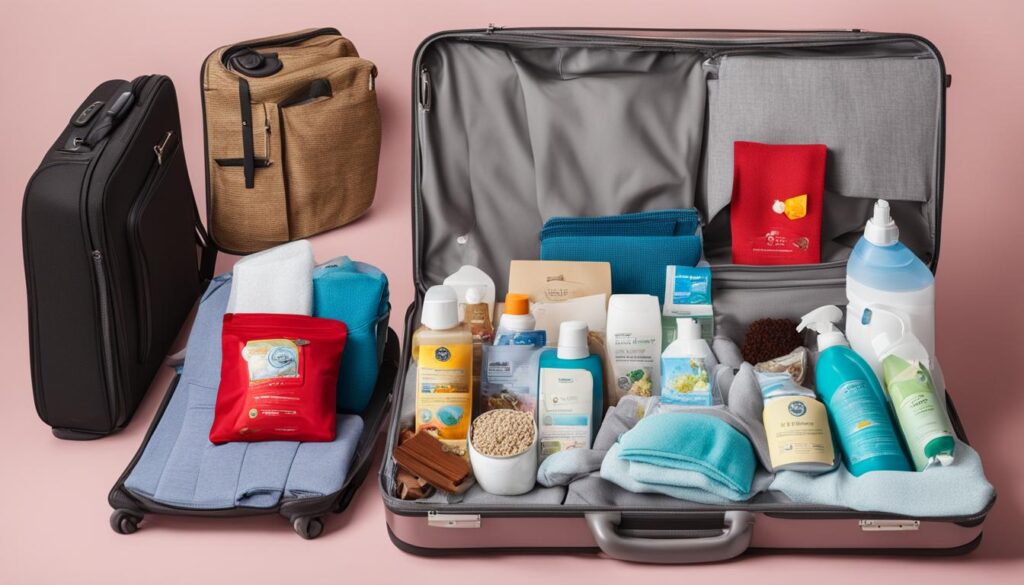
When traveling with allergies, packing smart can help minimize your exposure to allergens, keeping you safe and healthy during your trip. Here are some allergy-friendly packing tips to consider:
- Pack your necessary medications: Make sure to bring all prescribed medications for your allergies, such as antihistamines or inhalers. Additionally, bring a copy of any medical prescriptions or documents you may need while traveling. Store them in a safe, easily accessible place.
- Bring allergy-friendly snacks: Pack allergy-friendly snacks to avoid any potential exposure to allergens while on-the-go.
- Consider protective gear: If you have pollen allergies, consider packing a face mask to wear when outdoors. You may also want to bring sunglasses to protect your eyes from allergens and a hat to cover your hair and keep allergens from sticking to it.
- Use allergy-friendly travel products: Bring hypoallergenic wipes, laundry detergent, and other personal care products to minimize your risk of exposure to allergens.
- Stay informed: Keep up-to-date on pollen counts and other potential allergen exposures at your destination to properly prepare for your trip.
| Allergy-Friendly Snacks | Description |
|---|---|
| Fruit cups: | Single-serve fruit cups are a convenient and healthy allergy-friendly snack on-the-go. |
| Nut-free trail mix: | Make your own trail mix with allergy-safe ingredients such as seeds, dried fruit, and cereal. |
| Rice cakes: | Rice cakes with nut-free spreads such as sunflower seed or soy butter can be a satisfying snack and a great source of protein. |
By following these packing tips, you can help minimize your allergy triggers during your travels and have a more comfortable journey. Don’t forget to keep all allergy medications on hand and stay informed about potential allergen exposures at your destination.
Managing Pollen Allergies
If you suffer from pollen allergies, traveling to a new destination may seem daunting. However, with some foresight and planning, you can enjoy your trip without unnecessary concerns. Here are some tips to help you manage your pollen allergies while traveling:
- Check the pollen forecast for your destination: Before your trip, research the pollen levels and types of plants that may trigger your allergies. You can plan your itinerary and outdoor activities accordingly.
- Wear protective gear: Consider wearing a hat and sunglasses while outdoors to prevent pollen from entering your eyes and nose.
- Close the windows: If you are staying in accommodation with windows, try to keep them closed to minimize your exposure to pollen.
By following these simple steps, you can minimize your exposure to pollen and prevent uncomfortable allergic reactions. Remember to pack your allergy medications, and if you experience severe symptoms, seek medical attention immediately.
Dealing with Food Allergies
Food allergies can be especially challenging while traveling. Here are some tips to help manage them:
- Carry allergy-safe snacks: Pack your own allergy-safe snacks to ensure you have something to eat when there aren’t any safe options available.
- Communicate your allergies to restaurant staff: Inform restaurant staff of your food allergies and ask them to accommodate your dietary restrictions. Make sure they understand the severity of your allergies and ask them to double-check ingredient labels.
- Double-check ingredient labels: Be diligent about checking ingredient labels, even if you think you’re familiar with the food. Ingredients can vary from country to country, and language barriers can make it difficult to communicate your allergies effectively.
If you’re flying, remember to notify the airline of your food allergies when you book your ticket. Some airlines offer special meals that are free from common allergens, such as nuts and gluten. Always carry your prescribed medications with you, including epinephrine if necessary.
Be Prepared for Allergic Reactions
Traveling with allergies can be challenging, even with proper planning and precautions. Despite your best efforts, allergic reactions can still happen. That’s why it’s essential to be prepared in case of an emergency.
Carry all your prescribed medications with you, including any allergy-specific medications, such as epinephrine. Ensure you have enough for the entirety of your trip, plus a few extra doses, in case of any unexpected travel delays.
It’s also important to know the local emergency contact numbers in case of an allergic emergency. Familiarize yourself with the emergency services in the area you’re traveling to, including the address and phone number of the nearest hospital and ambulance service.
If you’re traveling with a companion, ensure they know how to administer any necessary medications in case of an emergency.
If you experience an allergic reaction, take your prescribed medication immediately. Sit or lie down, and if possible, elevate your legs. Call the emergency services or have someone else do it for you if you have trouble breathing, have tightness in your chest, or are feeling faint.
Remember, it’s always better to be safe than sorry. Don’t hesitate to seek medical attention in case of an allergic emergency.
Finding Support and Resources
Traveling with allergies can feel daunting, but you are not alone! There are many resources available to help you manage your allergies while on the road.
One great way to find information and support is through online communities. Forums such as AllergyEats.com offer allergy-friendly restaurant reviews and tips from fellow travelers. Connect with others who share your experiences and seek advice from those who have traveled to your destination before. Additionally, follow social media pages of allergy advocacy groups, such as the Asthma and Allergy Foundation of America, for helpful resources and tips.
If you require medical assistance while traveling, your hotel or the embassy can be great resources to find local doctors who can help you. Many airlines also have medical services available during flights to help with allergic reactions.
Remember to always keep your prescribed medications with you and know how to use them in case of an emergency. Being prepared will give you the confidence to travel safely and enjoy the adventure of discovering new places.
Conclusion: Traveling with Allergies Made Easy
Traveling with allergies can be challenging, but with the right planning and preparation, you can make your journey safer and worry-free. Remember to research your destination, accommodations, and dining options to choose allergy-friendly ones that cater to your needs.
Pack your medications, snacks, and any necessary medical documents to ensure your safety on the go. Be aware of how pollen allergies can be triggered and plan accordingly. When dining out, communicate your allergies with the restaurant staff and double-check ingredient labels.
In case of an allergic reaction, carry your prescribed medications, including epinephrine, and know the local emergency contact numbers. Don’t forget to connect with other travelers who have allergies to get tips and advice from their experiences.
By following these allergy-friendly travel tips, you can enjoy a safe, smooth, and worry-free trip free from the stress of managing allergies. Bon voyage!


