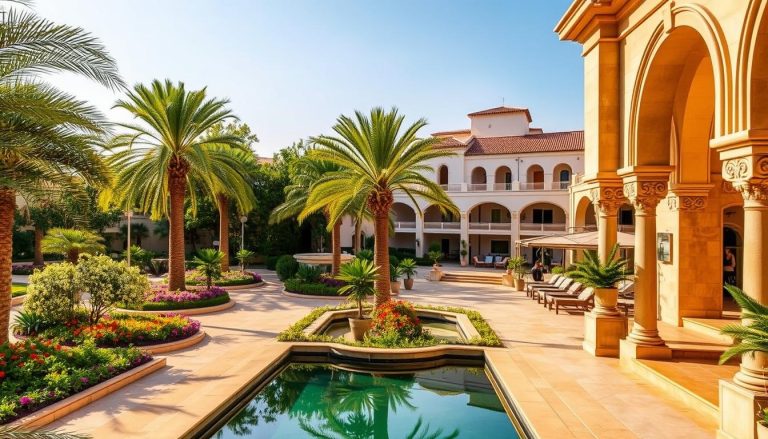
Top 10 Tunisia Destinations to Explore
Ever wondered why Tunisia, the smallest country in North Africa, is so full of amazing sights and history? It has ancient ruins and beautiful beaches. This country has something for everyone, whether you love adventure, history, or just relaxing by the sea.
Tunisia is a mix of culture, history, and nature that’s often missed. But it’s full of places you must see. This guide will show you the best spots in Tunisia. You’ll see vibrant markets, stunning ruins, and lovely towns. Are you ready for an amazing trip? Let’s explore the top 10 places in Tunisia together.
Medina of Tunis
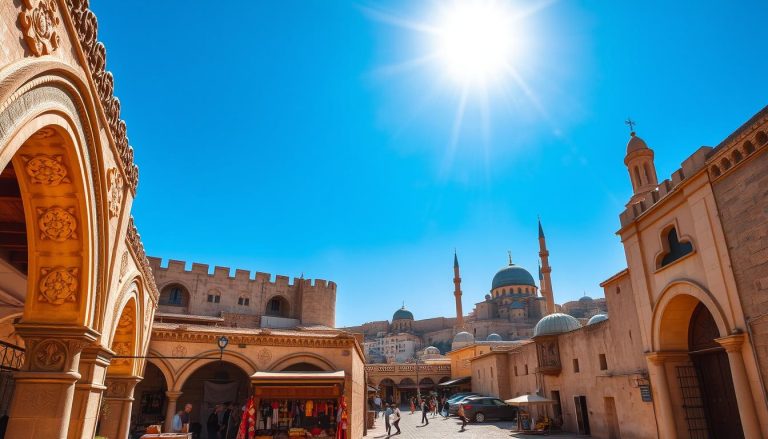
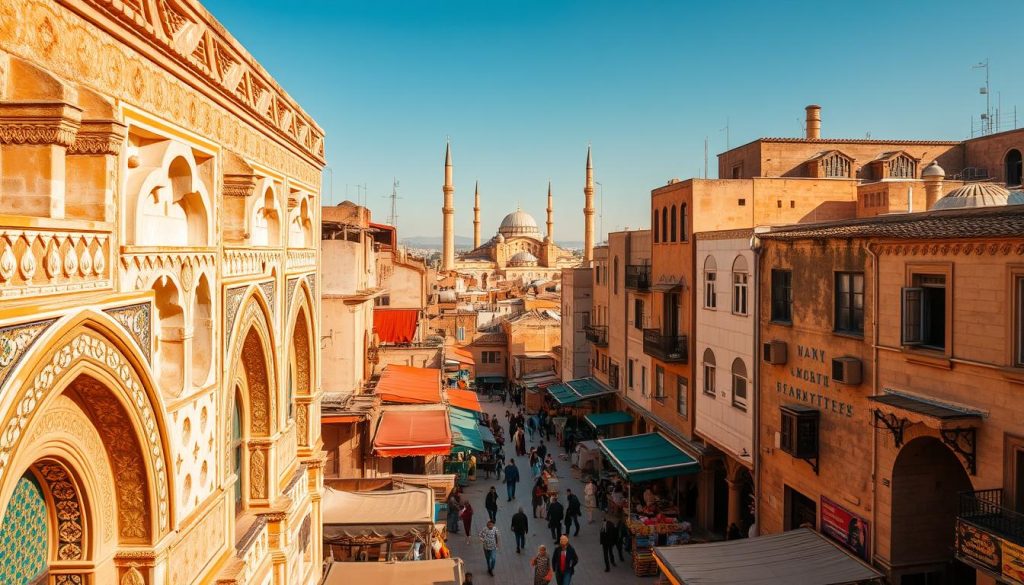
The Medina of Tunis is a UNESCO World Heritage site, recognized in 1979. It’s in the heart of the capital, filled with ancient history. Its narrow alleys and busy markets are a sight to see.
It was built around 698 CE. It’s a key historical site in Tunisia, showing the area’s culture and architecture.
Historical Significance
The Medina’s architecture is truly remarkable. The Zitouana Mosque is a standout. Its old walls, detailed designs, and tall minaret are breathtaking.
Visiting places to visit in Tunis means seeing this beauty up close.
Shopping and Souks
The Medina is the best place for shopping. You’ll find traditional Tunisian crafts and souvenirs. Look for pottery, colorful textiles, and local goods.
The souks are known for their carpets from Kairouan and copper items. Walking through these markets is a treat for your senses. It gives you a glimpse into local life.
Visiting the Medina is a deep dive into Tunisia’s history and culture. It’s a top spot among places to visit in Tunis.
Sidi Bou Said
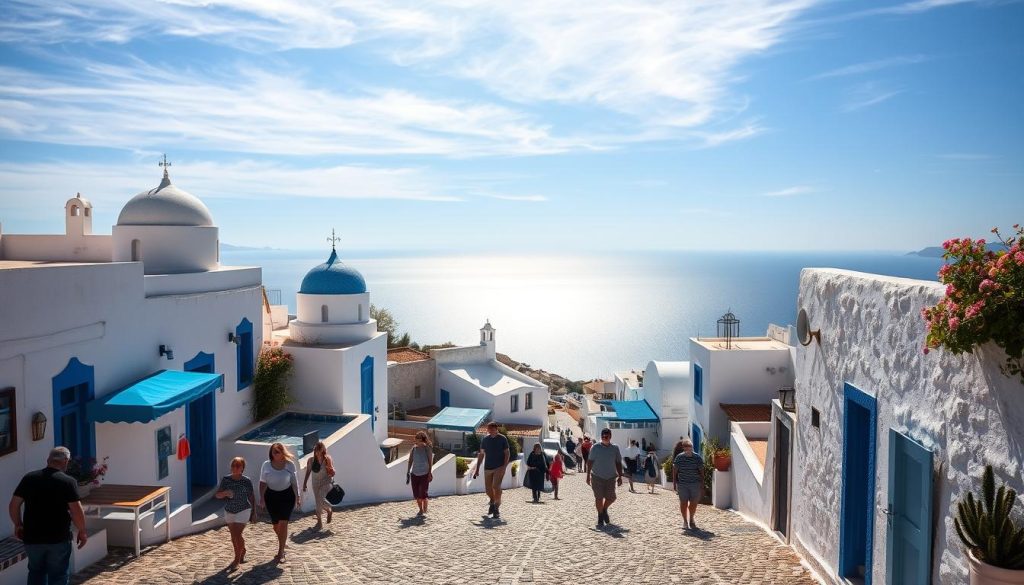
Sidi Bou Said sits on a cliff, overlooking the Mediterranean Sea. It’s a top tourist spot in Tunisia, known for its blue and white buildings. This town offers a mix of history, art, and stunning views, making it a highlight among Tunisia’s travel spots.
Picturesque Views
Visitors to Sidi Bou Said enjoy amazing views from everywhere. Its protected status keeps its beauty intact. You can see the Mediterranean Sea from the cliff, perfect for photos and exploring.
Art and Culture
Sidi Bou Said is a cultural gem. The Dar el-Annabi Museum takes you through Tunisian history. Art enthusiasts will love the town’s galleries and art scene.
The Centre des Musiques Arabes et Méditerranéennes hosts concerts all year. The Sidi Bou Said Mosque features stunning Islamic art. Food lovers will enjoy local dishes like Bambalouni.
Sidi Bou Said is a great day trip from Hammamet and Sousse. It’s perfect for artists, history buffs, and nature lovers. Sidi Bou Said offers a wide range of experiences, making it a top choice in Tunisia.
Hammamet
Hammamet is a top spot for those exploring must-see places in Tunisia. It’s about 70 kilometers from Tunis-Carthage International Airport. This town mixes old charm with modern comforts, perfect for all travelers.
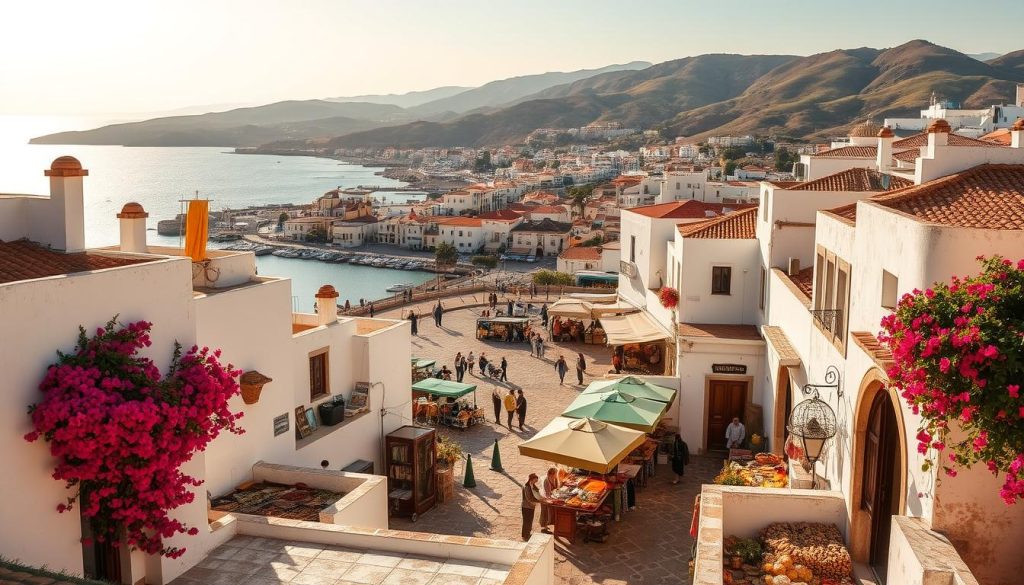
Once a fishing village, Hammamet is now a top Tunisia travel destination. It has three main areas: Hammamet, Hammamet South, and Hammamet Yasmine. Each area has its own charm, from lively beachfront cafes to historic sites.
The Medina is a must-see with its narrow streets and shops. The Kasbah Fort offers stunning views, taking about 30 minutes to explore.
Summer can be busy, but spring (April to June) or autumn (September to October) are better. These times have fewer crowds and nice weather. You can find many places to stay, from budget-friendly to luxury resorts.
Hammamet’s beaches are amazing, with fine white sands and clear waters. You can enjoy water sports and relax at beachfront cafes. The promenade is lively in the evenings, attracting everyone.
For adventure, Hammamet offers trips to places like Kairouan and Carthage. Golf lovers can play at the Hammamet Golf Course. Families will enjoy Friguia Park, with lions, zebras, and giraffes. Try the local bakery, Mister Ben, for delicious pastries.
Hammamet is affordable, rated 8/10 for cost. A lunch costs about $10, and a hotel night is around $70. Hammamet’s nightlife is also great, with many bars and clubs, rated 7/10. It’s perfect for families, friends, or solo travelers.
See the comparison of key rates in Hammamet:
| Item | Average Cost (USD) |
|---|---|
| Hotel Night | $70 |
| Typical Lunch | $10 |
| Beer | $3 |
| Coffee | $1.50 |
| ATM Withdrawal Fee (per transaction) | 8 TND |
Hammamet is a beautiful, culturally rich, and welcoming place. It’s a top must-see place in Tunisia.
Historical sites in Tunisia: Carthage Archaeological Site
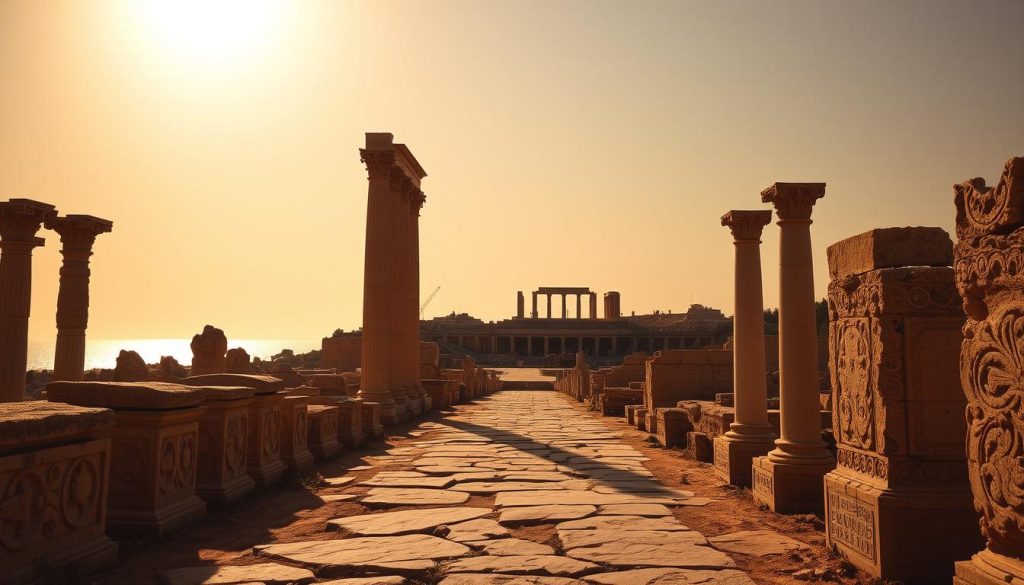
The Carthage Archaeological Site is a window into Tunisia’s ancient past. It lets visitors see the remains of the Carthaginian and Roman empires. Walking through these ruins, you’ll find some of Tunisia’s most important historical spots.
UNESCO Heritage Significance
Carthage was built in the 9th century BC and grew into a powerful city. The Romans destroyed it in 146 BC. Now, UNESCO honors it for its historical and cultural worth.
The Roman Theatre could hold 5,000 people. The Roman Amphitheatre could hold 36,000. These show the skill of ancient builders.
The Baths of Antoninus
The Baths of Antoninus were built in the 2nd century AD. They were huge, even for Rome. Each tank could hold over 15 million gallons of water.
A 15m-tall column from the original structure stands today. It shows the grandeur of the baths. Visiting here gives a peek into the lives of those who used these baths.
10 Best Places to Visit in Tunisia
Exploring Tunisia, you’ll find many amazing sites for all interests. The Old Medina of Tunis is known for its cleanliness and safety. It offers a deep dive into Tunisia’s rich history.
Kairouan, the fourth holiest city in Islam, is a spiritual journey. It features the Great Mosque, the oldest Muslim place of worship in Africa. The Aghlabid Basins, once with 16 pools, now have only two, showing the city’s glorious past.
Carthage, a UNESCO World Heritage Site, has well-preserved Roman ruins. It takes you back in time, making it a top spot in Tunisia. Dougga is also a UNESCO site, known for its Roman African town. The Roman Theater, built in 168 AD, could hold 3,500 people, showing ancient grandeur.
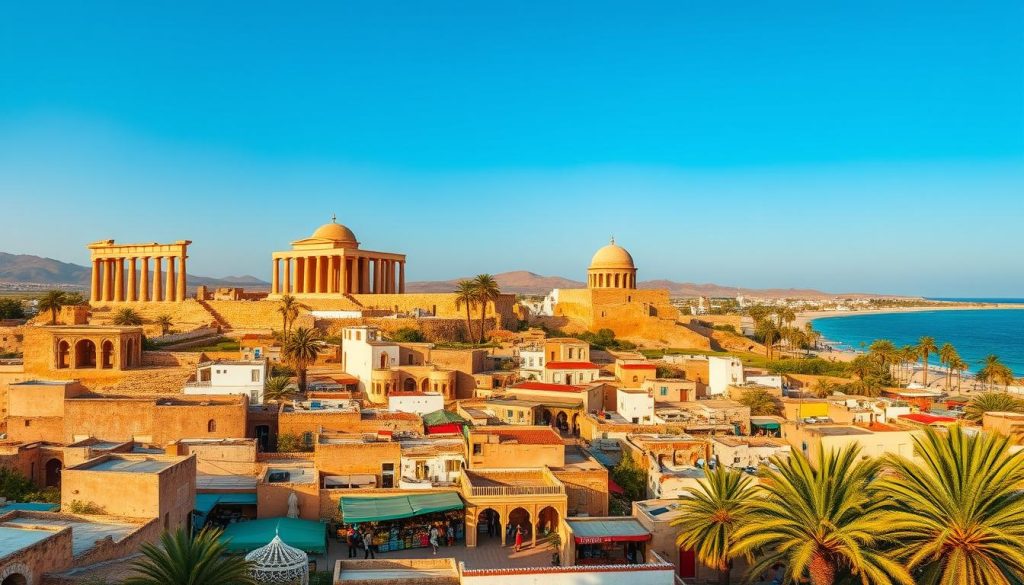
The El Jem Amphitheater is the second-largest colosseum in the world. It lets you explore its depths, giving a glimpse into ancient gladiatorial battles. In contrast, Djerba is famous for its calm and shopping, like in the Houmt Souk market.
Matmata offers a unique experience with traditional troglodyte houses. These houses stay cool at 17°C (62.6°F) all year. Chenini has cave-like hotels, adding to your Tunisian adventure.
Nature lovers will enjoy Jebil National Park and Ichkeul National Park. Ichkeul is a UNESCO site known for its migratory waterbirds, including flamingos. The Chebika Oasis is also a must-see, known for its lush greenery and views.
Lastly, the Sahara Desert is a must-see in Tunisia. It offers sand dune treks and peaceful oases exploration, making it a top attraction.
| Place | Highlight |
|---|---|
| Medina of Tunis | Zaytuna Mosque, Cleanliness |
| Kairouan | Great Mosque, Aghlabid Basins |
| Carthage | Roman Ruins |
| Dougga | Roman Theater |
| El Jem | Colosseum |
| Djerba | Houmt Souk Market |
| Matmata | Troglodyte Houses |
| Chenini | Cave-like Hotels |
| Jebil National Park | Natural Reserve |
| Ichkeul National Park | Migratory Waterbirds |
| Chebika Oasis | Lush Greenery |
| Sahara Desert | Adventurous Trekking |
Tunisia is a mix of Arabic, Amazigh cultures, and French influence. It offers a unique travel experience. From Carthage‘s history to Chebika Oasis’s beauty, these 10 places make Tunisia unforgettable.
Dougga
Dougga is about 110 kilometers from Tunis. It’s a UNESCO World Heritage site, showing the Roman Empire’s grandeur. It’s a top spot for those interested in history.
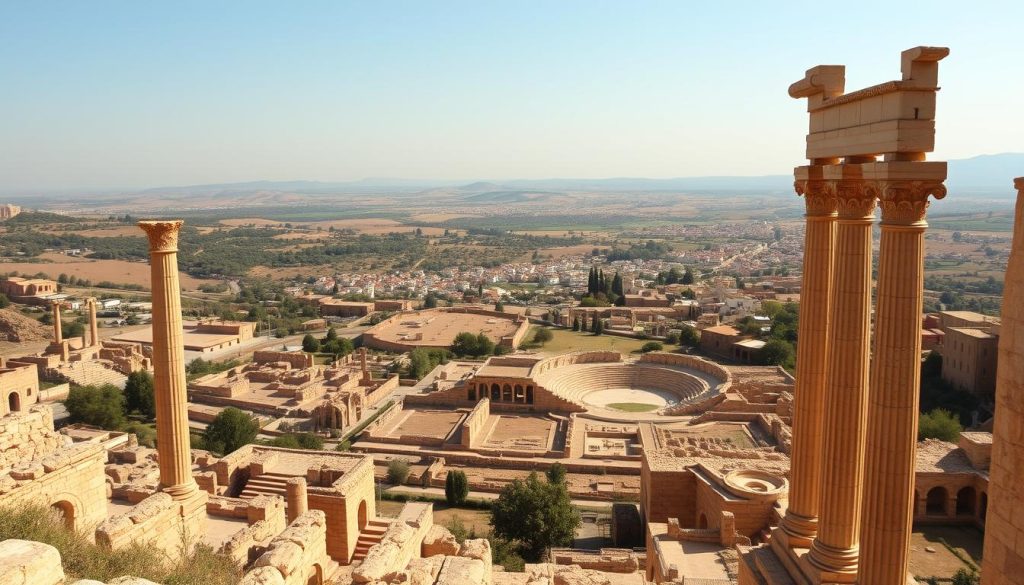
The Roman theater here can hold up to 3,500 people. It dates back to around 168 AD. The Capitol, built in 166 AD, has well-preserved Corinthian columns.
The site also has a mausoleum from the 2nd century BC. It was built for a Numidian prince. Inside, you’ll find a rare bilingual Libyan-Punic inscription.
The following table provides detailed information about Dougga:
| Aspect | Details |
|---|---|
| Location | 110 kilometers from Tunis |
| Travel Time | Approx. 2 hours by car |
| Roman Theater Capacity | 3,500 people |
| Entrance Fee | 5 dinars (€1.50) |
| Guided Tour Cost | 100 dinars (€30 for 3 hours) |
| Significance | UNESCO World Heritage Site |
| Prominent Structures | Capitol, Mausoleum, Residential Quarter |
The residential quarter shows homes and public toilets. Some mosaics are even visible. But, Dougga gets fewer visitors than places like Pompeii.
It’s best to hire a guide because of the limited English signs. This makes the tour more interesting.
Tunisia’s tourism is not as developed as other places. This means Dougga is less crowded. It’s a treasure for history lovers and curious travelers.
Djerba
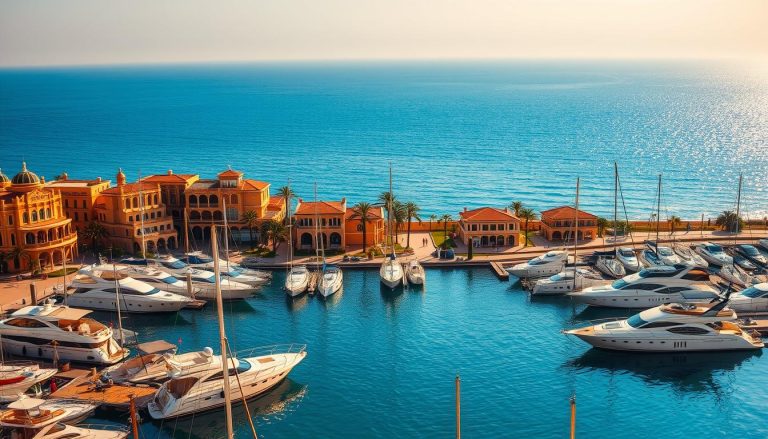
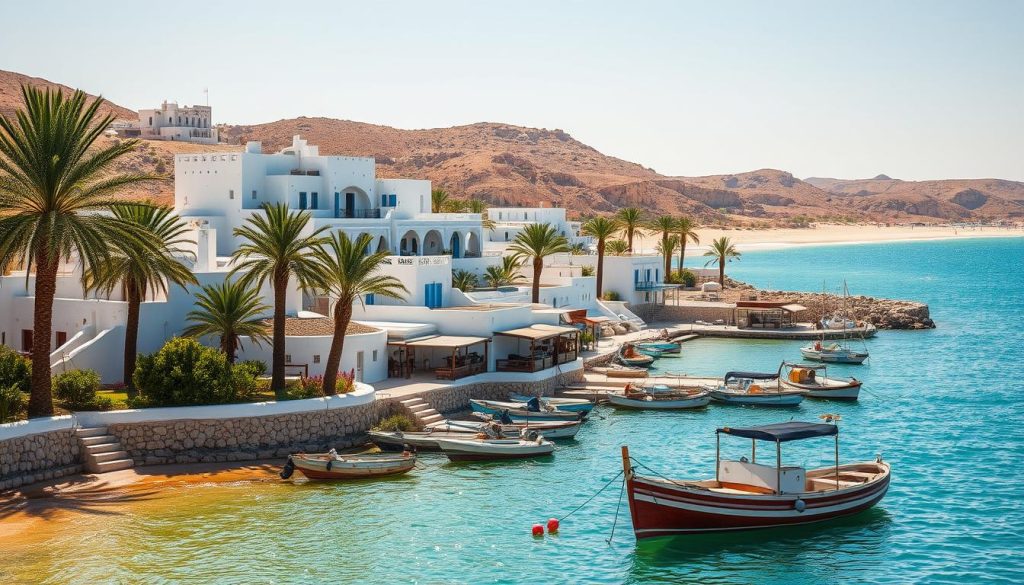
Djerba is a top spot in Tunisia, blending relaxation with cultural exploration. It’s a favorite among tourists. You can enjoy its beautiful beaches and top-notch resorts for a perfect escape.
Beaches and Resorts
Djerba’s beaches are famous for their clear waters and white sands. Places like Sidi Mahrez and Ras Rmel are great for sunbathing and water sports. The northeast coast has many luxury resorts with private beaches, providing a peaceful experience.
Staying in Djerba is affordable, with hotel prices around $80 per night. Eating out is also good value, with lunch costing about $10. The local food is highly praised.
Cultural Heritage
Djerba’s cultural spots are a must-see, with a rating of 8/10. The El Ghriba Synagogue is over 1,900 years old, one of Africa’s oldest synagogues. In Houmt Souk, you can see heritage museums and Djerbahood, a street art museum.
Djerba Explore Park is a hit with families, with an entrance fee of $8-$10. It’s rated 8/10 for its activities for kids. The island’s nightlife and sports activities offer something for everyone.
Djerba is a safe and welcoming place for visitors. It offers a mix of culture and relaxation, making it a unique destination.
Monastir Ribat
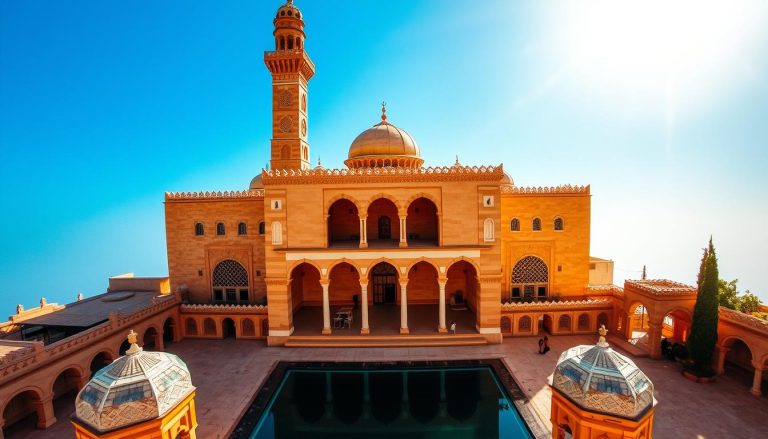
The Monastir Ribat is a historic Islamic fortress in North Africa. It was built in 796 AD. It’s one of the oldest and best-preserved military structures from the Islamic era.
This landmark is a must-see in Tunisia for its architecture and Islamic history. It’s a key part of Tunisia’s history.
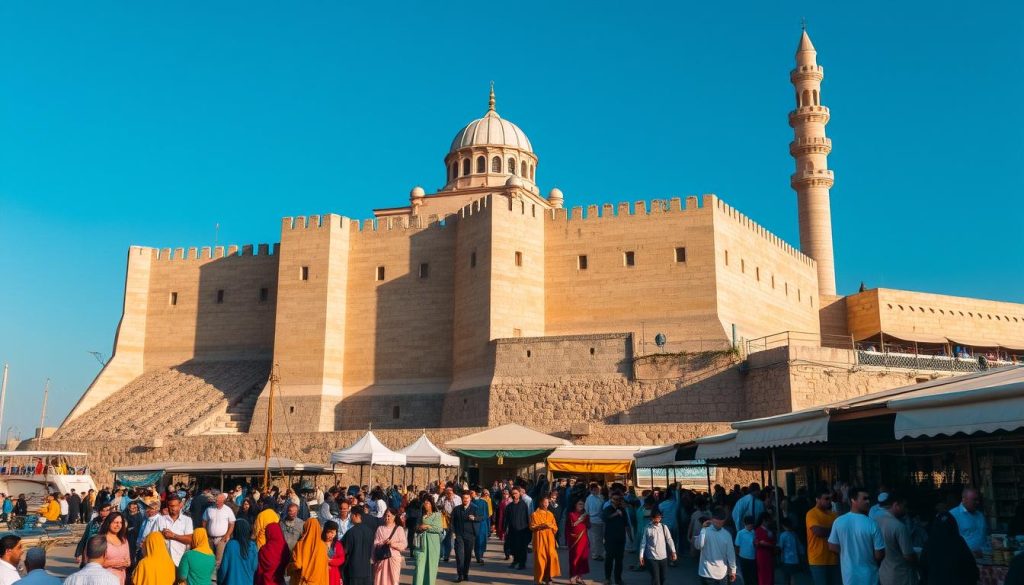
The Monastir Ribat attracts tourists for its history and views of the Mediterranean Sea. The Nador watchtower offers breathtaking views. The fortress walls are thick, with large towers that make for great photos.
It has been restored extensively, thanks to its growing popularity. This has made it a favorite among travelers.
Visitors can explore the central courtyard, which feels peaceful. It’s surrounded by cells where warrior monks lived. The site has two mosques, with the larger one featuring historic artifacts.
There are ancient stone carvings and inscriptions to see. These reflect the rich heritage of the fortress.
Entry fees are low, at around 7 Tunisian Dinars (TD) for most visitors. Camera use costs an extra 1 TD. Locals pay 5 TD. Despite the low cost, visiting this site is a valuable experience.
April to November is the best time to visit. The weather is pleasant, making the trip more enjoyable. Whether you love history, photography, or local culture, the Monastir Ribat is a rewarding visit.
The Ribat has grown and changed over the years. It has doubled in size and added watchtowers. Its history and importance are evident. Make sure to include it in your exploration of Tunisia’s history and culture.
El Jem Amphitheater
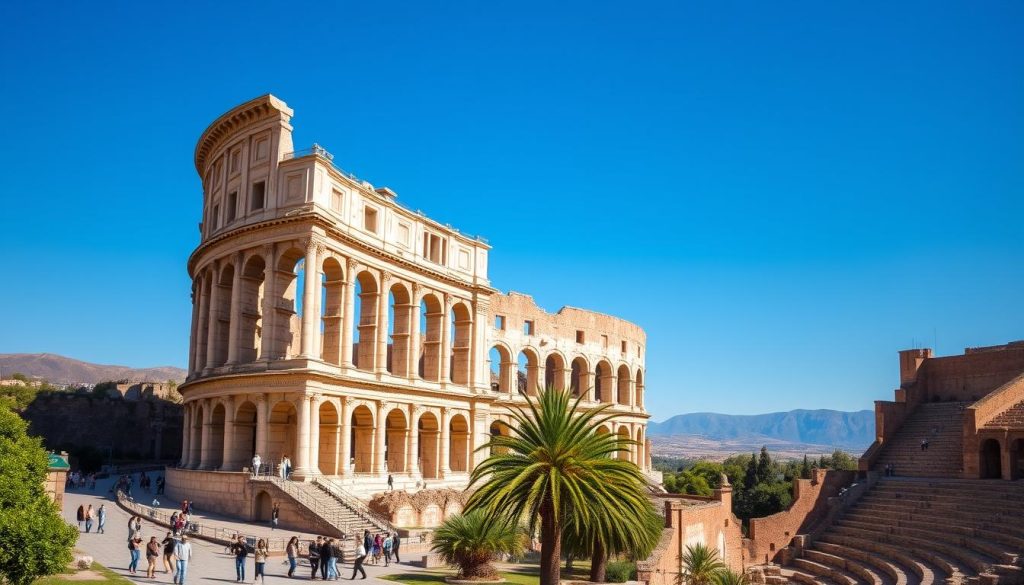
The El Jem Amphitheater is a top spot in Tunisia. Built around 238 AD, it’s the third largest Roman coliseum. It could hold about 35,000 people, showing its grand size.
Historical Importance
The El Jem Amphitheater is a key historical site in Tunisia. It was named a UNESCO World Heritage site in 1979. Today, two-thirds of its walls, with 68 arches, are left standing.
It was used for gladiator fights and as a fortress against invaders. This shows its importance through history.
Tourist Attraction
Today, the El Jem Amphitheater is a top attraction in Tunisia. It’s open every day, with longer hours in summer. Tickets cost just 12 TND, making it a great deal.
Getting there from Tunis takes about 3.5 hours by train. From Sousse, it’s a 1.5-hour trip.
Its ability to spark imagination and its great condition make it a highlight in Tunisia.
Matmata and the Ksour of Tunisia
Matmata is a unique spot in Tunisia, known for its underground homes. These homes were built centuries ago in soft rock. They show a special architectural style.
The Matmati tribe lives here, keeping the Berber culture alive. They are a big part of the area’s history.
Matmata is about 40 kilometers from Gabes. You can get there by car or on a tour. The weather is hot in summer and cool in winter.
This weather makes the area’s rocky hills and deep valleys even more beautiful. It draws in visitors from all over.
Matmata is famous because it was where Luke Skywalker lived in the first Star Wars movie. This has made it a popular spot for fans and tourists alike.
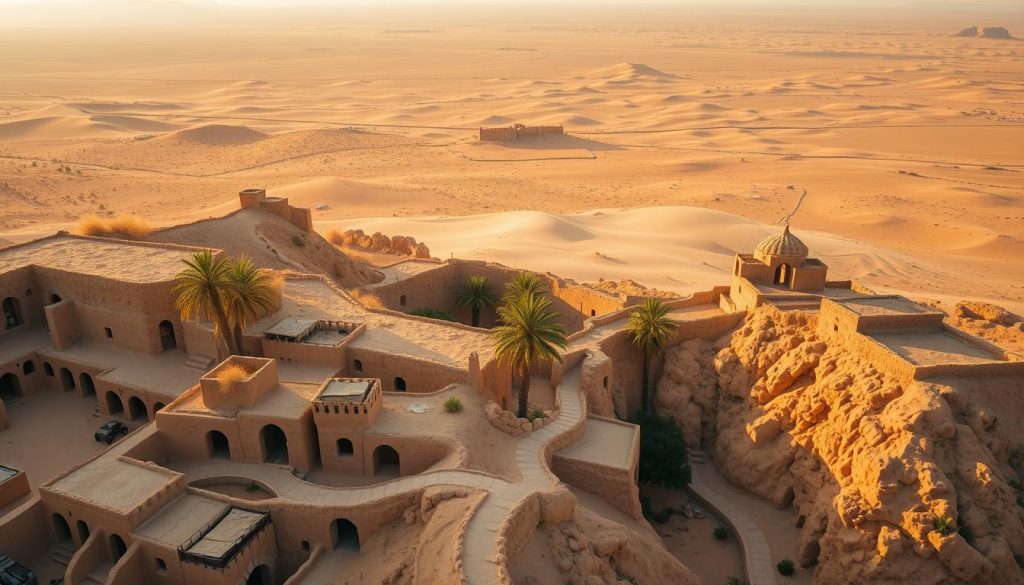
There, you can see local crafts like carpets, pottery, and baskets. These items show the traditional skills of the area. They make great souvenirs.
Also, there are the Ksour, ancient Berber granaries. They were used to store grains and other supplies. Ksar Ouled Soltane is the most famous, with its four-story structure.
Matmata and its Ksour give a unique look into the past. They show how people lived and worked in the area. Visiting here lets you see the Berber people’s lasting spirit.
The Sahara Desert
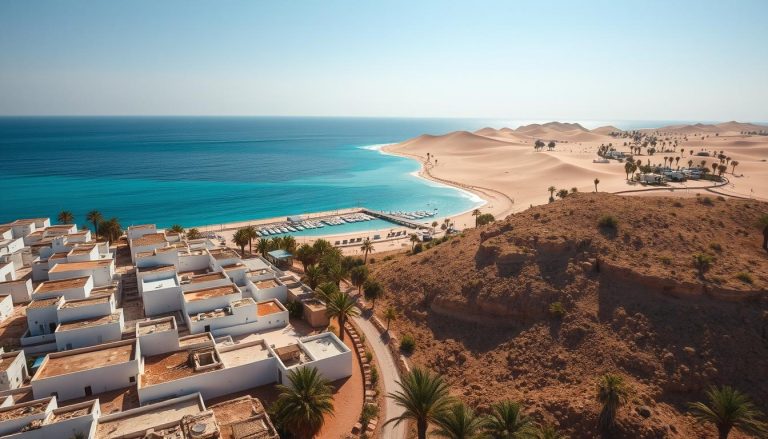
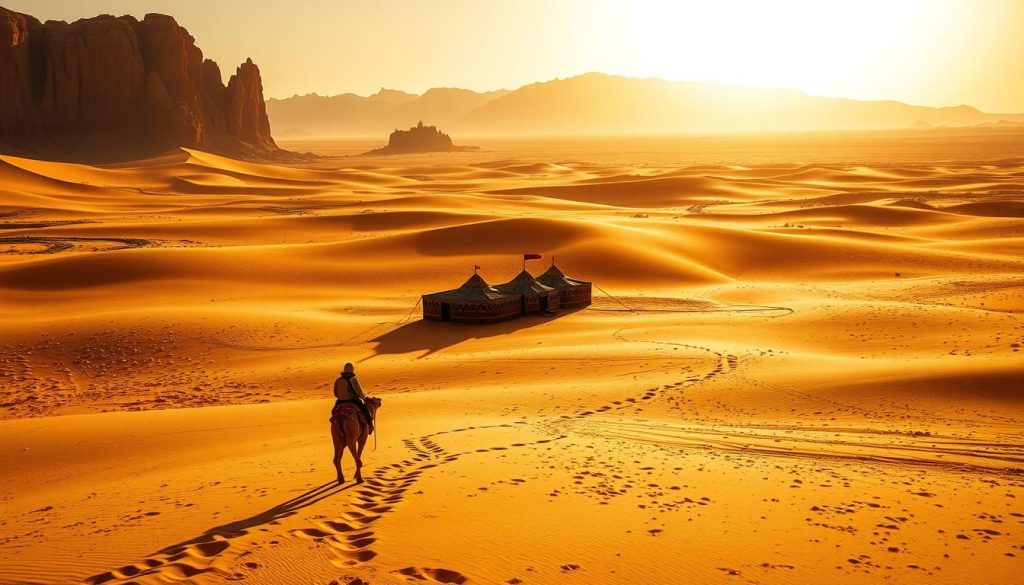
Exploring the Sahara Desert is a top Tunisia travel spot, unlike coastal resorts and cities. You’ll see huge sand dunes, cool oases, and special wildlife. It’s perfect for adventure, with many activities for the bold.
For the Adventurous
Looking for thrills? The Sahara Desert has them. Try sandboarding on the big dunes for fun. Or go quad biking for an adrenaline boost.
Hiking in the Atlas Mountains is another adventure. It offers stunning views and tough trails. For a bird’s-eye view, take an ultralight flight up to 3,000 feet.
Oases Exploration
The Sahara’s oases are hidden gems. Chebika, Tamerza, and Mides are beautiful spots away from the desert’s harshness. The Tamerza Oasis is a must-see, with local guides available for 10 to 30 TND per person.
Don’t miss the Chott-El-Djerid salt lake for its mirage-like views. Tozeur, Douz, and Tatouine are great starting points. They mix history, culture, and nature. Spring and fall are the best times to visit, so plan for at least 4 nights.
Ksar Ouled Soltane
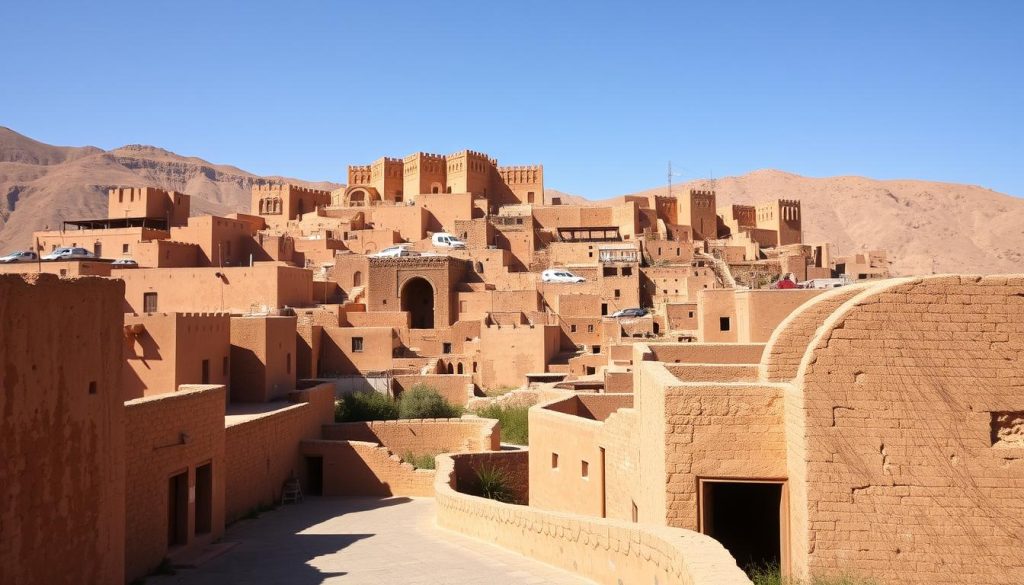
Ksar Ouled Soltane is a top spot among historical sites in Tunisia for its amazing preservation and culture. It’s in southern Tunisia’s dry landscape. Here, visitors can see the architectural skills of the Berber tribes.
Historical Significance
This site has ghorfas—granary storage rooms—that go up four stories around two courtyards. These designs show the talent and cleverness of the nomadic Berber communities. The grain storage helped these tribes survive and is now key in cultural tours in Tunisia.
It lets visitors see how ancient people stored food and built structures.
Star Wars Connection
Ksar Ouled Soltane is also famous for being in the Star Wars movies. This makes it a great spot for both history lovers and Star Wars fans. It shows Tunisia’s mix of old history and new pop culture, drawing many visitors through cultural tours in Tunisia.
Conclusion
Exploring Tunisia is a journey filled with rich experiences. You’ll find vibrant souks in the Medina of Tunis and stunning views in Sidi Bou Said. Each place offers a mix of history and modern charm.
From UNESCO World Heritage Sites like the Baths of Antoninus in Carthage to the grand El Jem Amphitheater, Tunisia’s history is vast. Every corner invites you to explore its cultural heritage.
Tunisia’s beauty extends beyond its history. Its Mediterranean coast, with places like Hammamet and Djerba, offers warm weather from June to November. The Sahara Desert and historic sites like Ksour of Matmata add to its allure.
The country is welcoming to tourists, with visa-free stays for up to 90 days for many. It’s affordable and safe, attracting more visitors. Tourism boosts the economy, contributing 6.5% to GDP and creating jobs for 340,000 people.
Tunisia is a hidden gem, attracting millions from France, Germany, Italy, and the UK. It’s a cheaper yet enchanting alternative to Morocco.
By exploring Tunisia, you’ll see why it captivates travelers worldwide. It offers historical marvels, cultural richness, and natural beauty. Tunisia is a rewarding destination for those seeking a diverse travel experience.