Your Guide to the Best Historical Sites in Sousse
Ever wondered what secrets Sousse, Tunisia, holds within its ancient walls? This city is famous for its stunning beaches and lively culture. But it’s also a place filled with history, with stories from centuries past.
Sousse historical sites reveal the city’s role in the Mediterranean. You’ll find ancient ruins and landmarks that have survived for ages.
In this guide, you’ll learn about the top historical sites to visit in Sousse. Each site has its own fascinating story and history.
The Historical Significance of Sousse, Tunisia
Sousse sits at a key spot in the Mediterranean. It has been a vital place for trade and cultural exchange for centuries. The city’s rich history comes from the many cultures that have influenced it.
Sousse’s Strategic Position in Mediterranean History
Sousse’s location made it a key spot for trade and cultural exchange. It drew in cultures like the Phoenicians, Romans, and Ottomans. This has made Sousse’s history incredibly rich.
Timeline of Civilizations That Shaped Sousse
The history of Sousse is long and varied. Here’s a quick look:
| Civilization | Period | Contribution |
|---|---|---|
| Phoenicians | 9th century BC | Established trade routes |
| Romans | 1st century BC – 5th century AD | Built infrastructure, including roads and buildings |
| Ottomans | 16th century – 19th century | Influenced architecture and culture |
Exploring Sousse’s landmarks and joining historical tours will show you how these cultures have shaped the city.
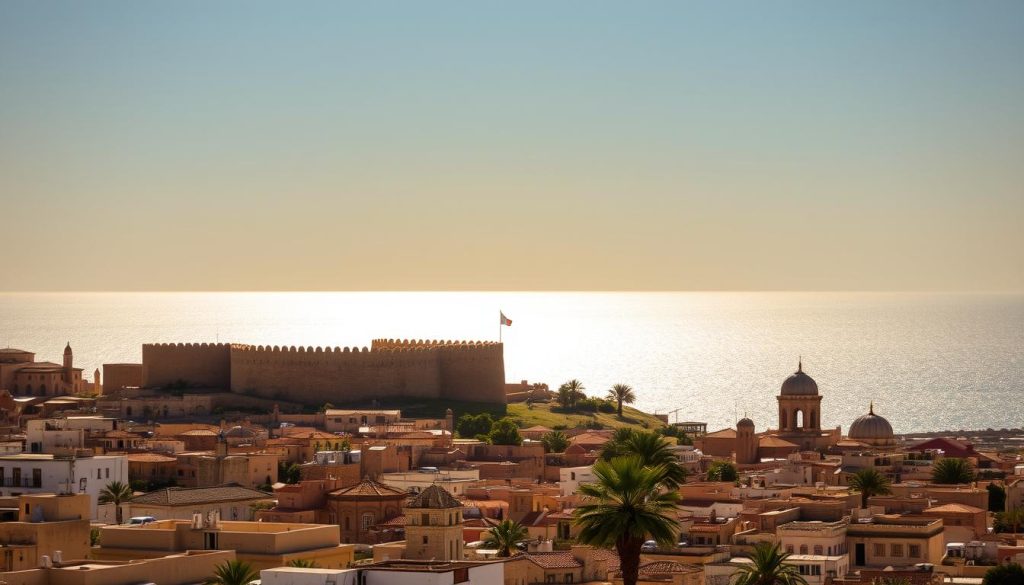
The UNESCO World Heritage Medina of Sousse
Walking into the Medina of Sousse is like stepping into a UNESCO World Heritage site. This ancient area is filled with history. Its architecture and layout are unique, with narrow streets and old buildings.
Architecture and Layout of the Ancient Medina
The Medina’s buildings show many styles, thanks to different cultures that shaped Sousse. Its streets are narrow and winding. This makes it easy to find important historical spots.
Key Historical Structures Within the Walls
Inside the Medina, you’ll see ancient mosques, traditional homes, and fortifications. These buildings show the skill of old architects. They also give us a peek into the lives of people long ago.
| Structure | Description | Historical Significance |
|---|---|---|
| Great Mosque | A prime example of Islamic architecture | Reflects the religious influence of the region |
| Traditional Houses | Showcasing ancient building techniques | Provides insight into historical domestic life |
| Fortifications | Ancient defensive structures | Highlights the strategic importance of Sousse |
Walking Routes Through the Historical Quarter
To really get to know the Medina, follow the walking routes. These paths take you to the most important spots. They help you understand the Medina’s history and design.
Exploring, you’ll notice the rich historical architecture and well-preserved ancient ruins. Sousse is a special place to visit.
The Great Mosque of Sousse: A Masterpiece of Islamic Architecture
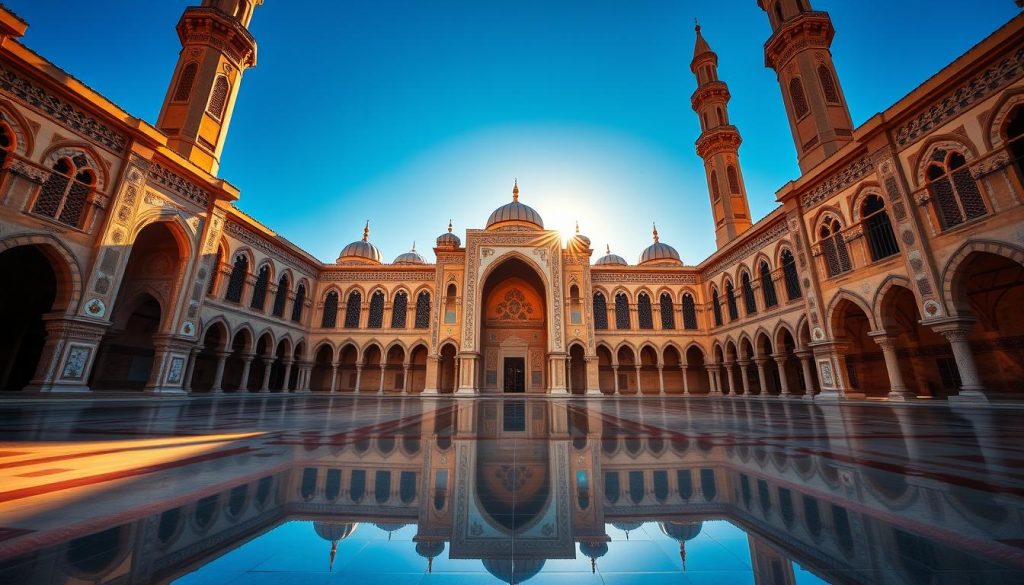
The Great Mosque of Sousse, built in the 9th century, still amazes people today. It’s famous for its beautiful Islamic architecture. This makes it a top spot for history and culture lovers.
Historical Background and 9th Century Construction
The mosque was built during the Aghlabid era, a time of great architectural progress. Its construction shows how important Sousse was as a religious and cultural center.
Architectural Features and Religious Significance
The Great Mosque has a striking minaret and detailed stone carvings. These features show off Islamic architectural styles. It’s still a place of worship, keeping Sousse’s spiritual heart alive.
Visitor Etiquette and Photography Guidelines
Visitors must dress modestly and take off their shoes before entering. You can take photos, but be sure to respect those who are praying.
| Aspect | Description |
|---|---|
| Historical Era | 9th Century Aghlabid |
| Architectural Style | Islamic |
| Visitor Rules | Modest dress, remove shoes |
Exploring the Ribat Fortress: Sousse’s Military Heritage
Exploring the Ribat Fortress gives a unique look into Sousse’s military past. It shows how the city defended its coast over the centuries. It’s a key site for anyone wanting to learn about Sousse’s strategic role.
The Strategic Role of the Ribat in Coastal Defense
The Ribat Fortress was built in the 8th century to guard Sousse from invaders. Its strategic location made it a key defense against sea attacks. It was vital in the city’s military history, protecting its shores and trade.
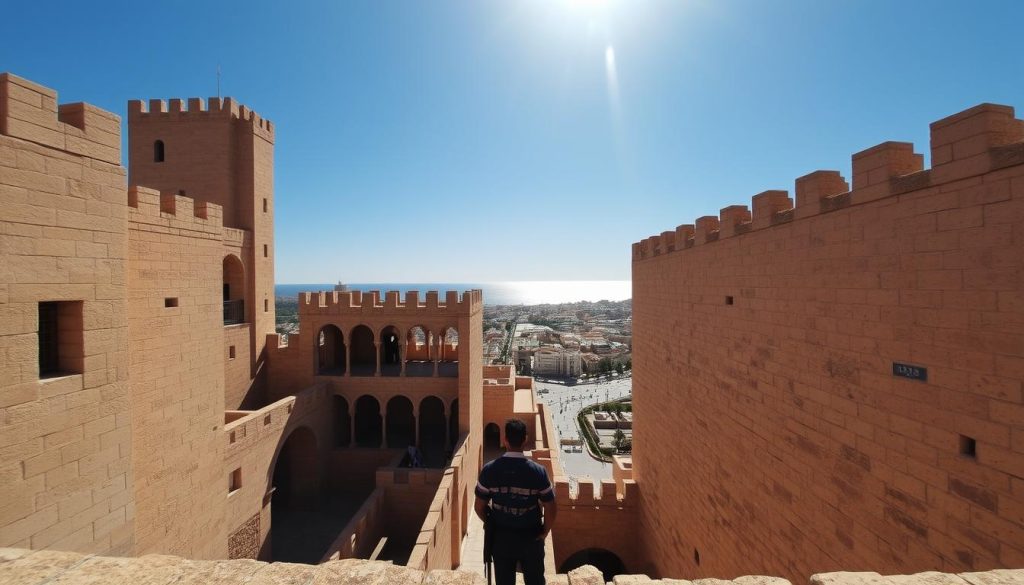
Exploring the Watchtower and Interior Chambers
Visiting the Ribat, you’ll see its impressive watchtower. It offers stunning views of the city and the Mediterranean Sea. The interior, with its vaulted ceilings and strong stone walls, gives a glimpse into the lives of the soldiers who lived there.
Film History: The Ribat in Hollywood Productions
The Ribat Fortress is also famous for its roles in Hollywood movies, like “Game of Thrones.” Its historic architecture and grand look attract filmmakers. It’s a place where history and cinema meet, making it a highlight for history lovers in Sousse.
Seeing the Ribat Fortress is a rich experience. It mixes history, architecture, and a bit of Hollywood magic. It’s a top spot for history buffs in Sousse.
The Archaeological Museum of Sousse
Exploring Sousse? Don’t miss the Archaeological Museum. It’s a key place to learn about the city’s past. The museum has many artifacts that show Sousse’s history from ancient times.
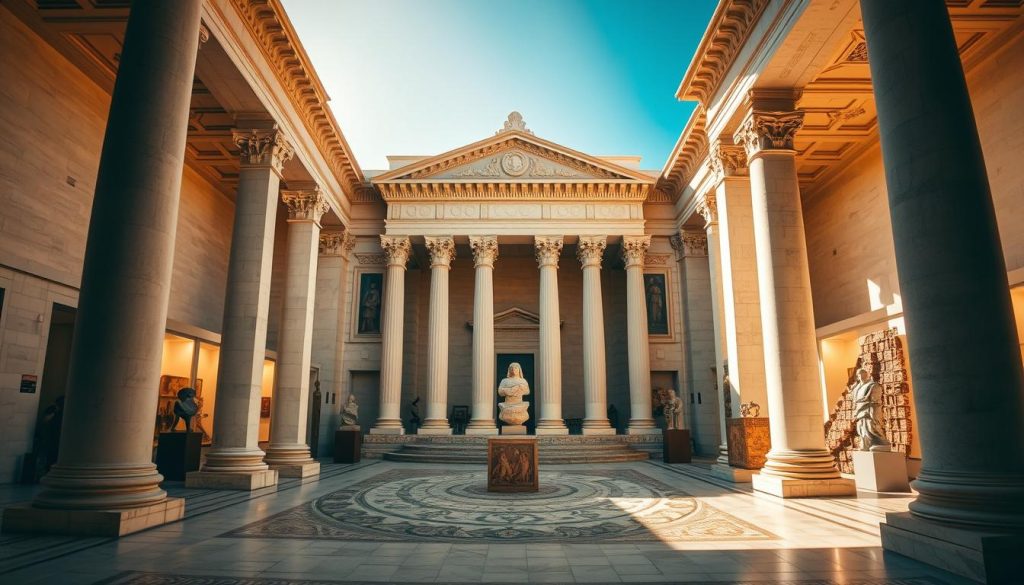
The Museum’s Collection of Roman Mosaics
The Archaeological Museum of Sousse is famous for its Roman mosaics. These mosaics are some of the best in North Africa. They give us a peek into the lives of ancient Romans in Sousse.
Notable Artifacts and Their Historical Context
The museum has more than just Roman mosaics. It also has sculptures, pottery, and coins. Each piece tells a part of Sousse’s story, from the Roman period to the Byzantine era.
Recent Discoveries and Exhibitions
The Archaeological Museum of Sousse is always changing. It has new exhibitions and shows off recent finds. Visitors can see displays that offer fresh insights into Sousse’s history.
What Are the Top Attractions in Sousse for History Buffs?
Sousse is a treasure trove for history lovers. It’s filled with ancient sites and experiences. As you wander through this old city, you’ll find many attractions that match your historical interests.
Lesser-Known Historical Gems in Sousse
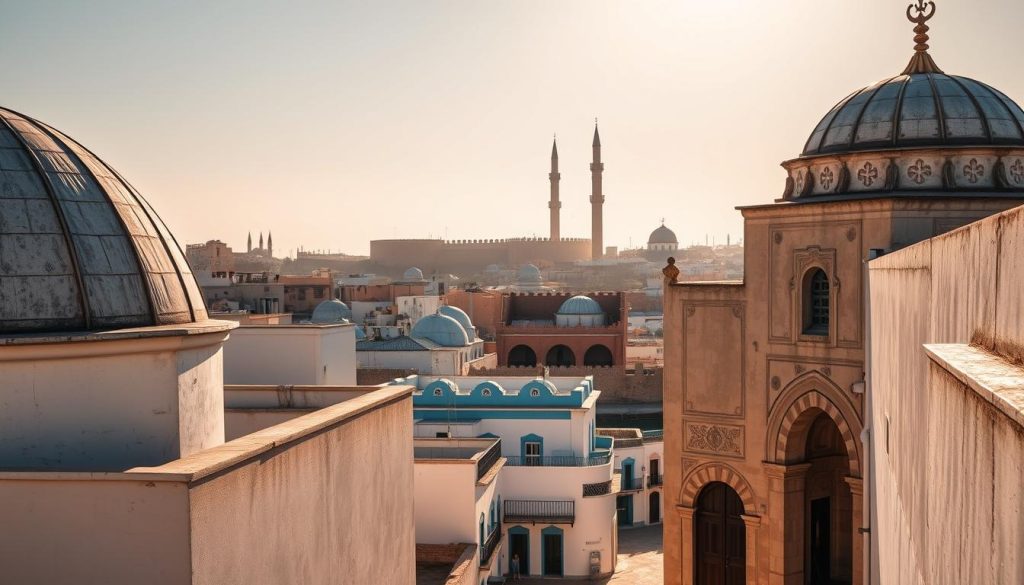
Sousse has more than just famous landmarks. It also has hidden gems like the Dar Es-Souf. This historic house shows what life was like in traditional Tunisia. Don’t miss the Zawiya of Sidi Brahim either. It’s a stunning example of Islamic architecture that tourists often miss.
Specialized Historical Tours and Experiences
Sousse has tours that dive deep into its history. You can take a guided tour of the Medina. This lets you explore its narrow streets and find hidden treasures. For a truly immersive experience, try a historical reenactment tour. Here, you’ll see Sousse’s past come to life.
| Tour Type | Description | Duration |
|---|---|---|
| Medina Tour | Guided exploration of the ancient Medina | 2 hours |
| Historical Reenactment | Immersive experience of Sousse’s history | 3 hours |
Seasonal Historical Events and Reenactments
Throughout the year, Sousse hosts events that make its history come alive. The Festival of Medina is a celebration of the city’s culture. It features music, dance, and historical performances. The city also has reenactments of battles and events, offering a unique way to see Sousse’s past.
By visiting Sousse’s historical sites, going on guided tours, and attending seasonal events, you’ll learn a lot. You’ll gain a deeper understanding and appreciation of this fascinating city’s history.
The Catacombs of Sousse: Underground History
The Catacombs of Sousse give us a peek into early Christian history. As you explore these tunnels, you’ll discover Sousse’s ancient secrets.
Origin and Purpose of the Early Christian Catacombs
The Catacombs of Sousse go back to the early Christian times. They were a place for burials and maybe a safe spot for the community. Early Christians used these catacombs to lay their dead and sometimes to escape persecution. These tunnels show the community’s strong faith and resilience.
Visiting Information and Preservation Status
Planning is key when visiting the Catacombs of Sousse. The site welcomes visitors, but it’s crucial to check the current opening hours and any tour rules. Efforts are made to keep this historical site safe from harm.
Comparing Sousse’s Catacombs with Others in North Africa
Sousse’s Catacombs are part of a network of ancient Christian burial sites in North Africa. A comparison with other catacombs shows they share similarities in design and purpose. This highlights the common early Christian heritage.
| Catacombs | Location | Historical Significance |
|---|---|---|
| Sousse Catacombs | Tunisia | Early Christian burial site |
| Hadrumetum Catacombs | Sousse, Tunisia | Ancient Christian necropolis |
| Tipaza Catacombs | Algeria | Roman and Christian heritage |
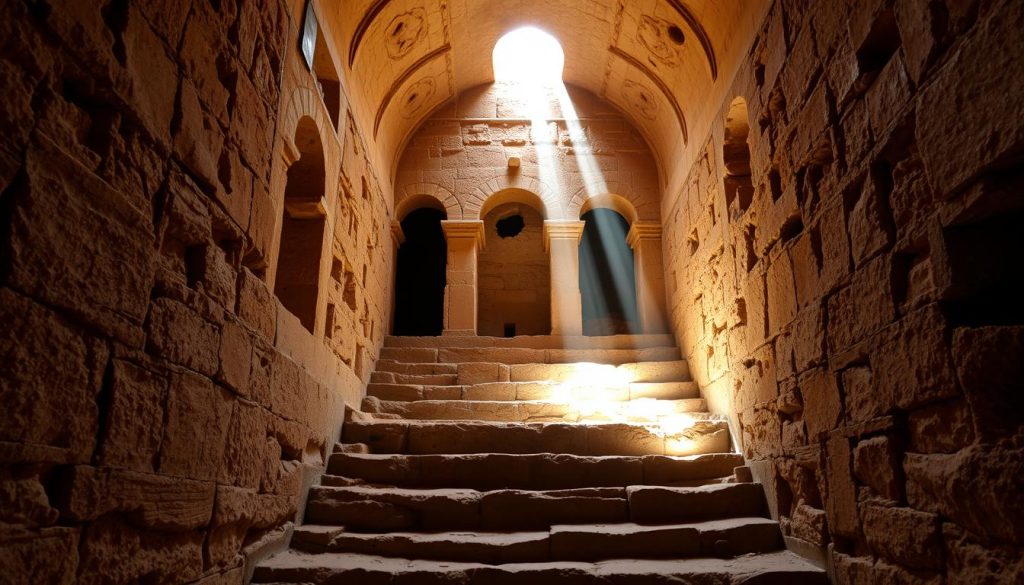
Exploring Sousse’s sites, like the Catacombs, deepens your understanding of the city’s rich history. It shows the city’s importance in the region.
Byzantine Influences in Sousse’s Historical Landscape
Exploring Sousse reveals the deep impact of the Byzantine era. The city’s key location made it a major center during this time. Today, you can see its legacy in architecture, culture, and artifacts.
Byzantine Architectural Elements
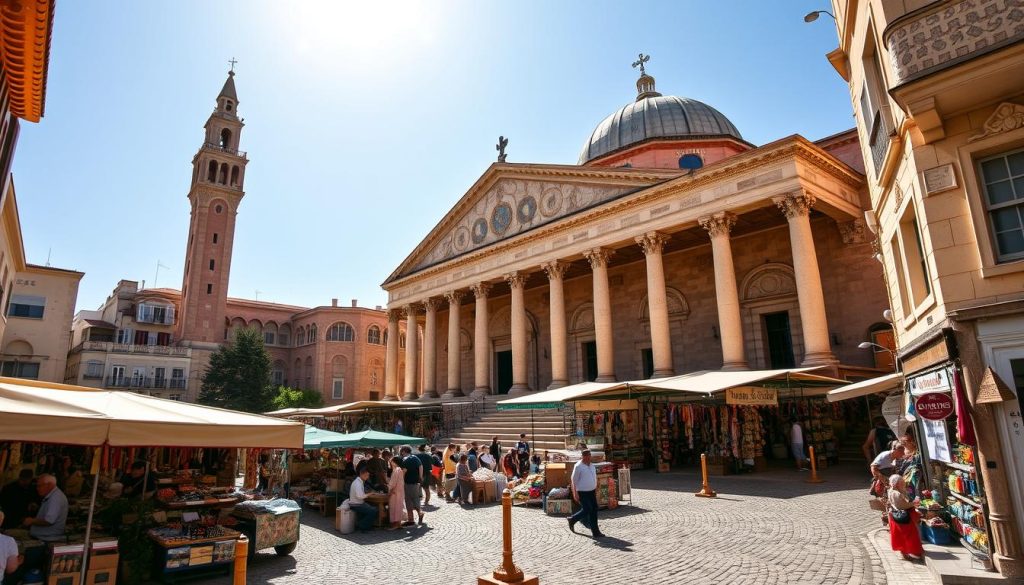
In Sousse, you’ll notice Byzantine architectural features everywhere. Look for domes, arches, and detailed mosaics in old buildings. These show the Byzantines’ skill in engineering and their love for beauty.
Cultural and Religious Impact
The Byzantine era changed Sousse’s culture and religion. Christianity was introduced, shaping the city’s faith. You can visit old churches and monasteries from this time.
| Byzantine Architectural Features | Description |
|---|---|
| Domes | Characteristic of Byzantine architecture, often used in churches |
| Arches | Used to support structures and add aesthetic appeal |
| Mosaics | Intricate artworks used to decorate churches and public buildings |
Artifacts and Remnants
Sousse museums display Byzantine artifacts like coins, pottery, and icons. Visiting these places, like Sousse’s history attractions, helps understand the Byzantine era’s impact.
The Kasbah of Sousse: Overlooking Centuries of History
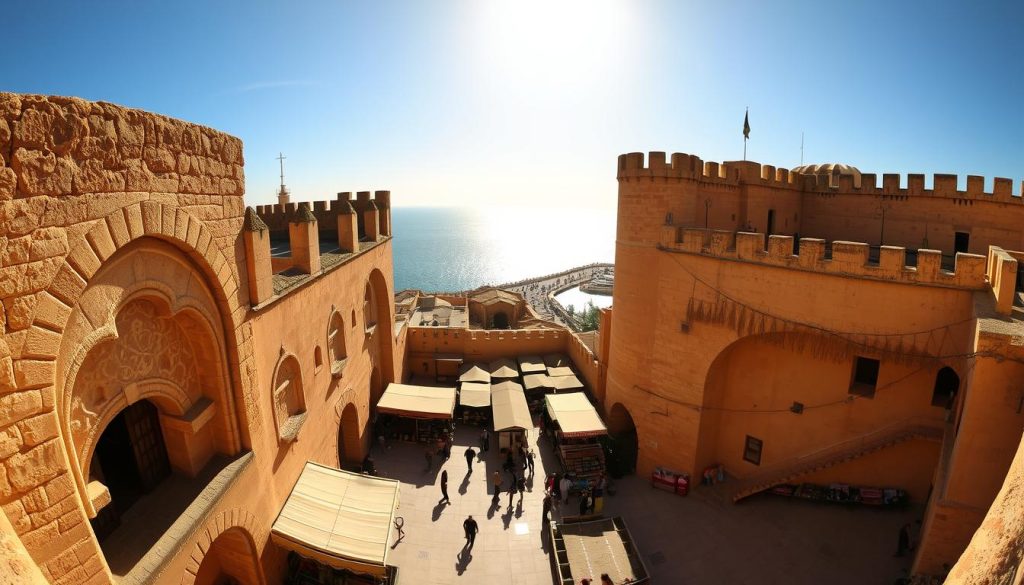
Exploring the Kasbah of Sousse reveals layers of history. This fortress sits on a hill, offering a unique view of Sousse’s past. It shows the city’s military and cultural importance.
Strategic Importance and Historical Evolution
The Kasbah has been key in Sousse’s defense for centuries. Its strategic position made it a strong defense against invaders. It has changed over time, showing the impact of different cultures on the city.
Panoramic Views and Architectural Features
Visitors get to see panoramic views of Sousse and the Mediterranean Sea from the Kasbah. Its architecture highlights its military and cultural history.
The Kasbah Museum and Its Collections
The Kasbah Museum showcases artifacts that tell Sousse’s story. It has ancient mosaics and historical relics. Historians say it’s a key to understanding Sousse’s rich culture.
“The Kasbah of Sousse is a window into the city’s soul, offering a glimpse into its storied past and its people’s resilience.”
Visiting the Kasbah of Sousse is a rewarding experience. It’s perfect for those interested in Sousse historical tours and Sousse historical sites. It showcases the city’s lasting legacy.
Practical Guide to Visiting Sousse’s Historical Sites
To enjoy your trip to Sousse, knowing how to visit its historical sites is key. Sousse is a city full of history. It has many sites that show its culture and architecture.
Best Times to Visit and Weather Considerations
The best times to see Sousse’s sites are spring (March to May) and autumn (September to November). The weather is nice then. Summer is hot, and winter is mild but not great for outdoor visits.
Ticket Information and Guided Tour Options
Most sites in Sousse have a small entrance fee. Guided tours are a good idea. They give you deep insights into the sites’ history and importance. You can choose group or private tours, based on what you like.
Accessibility Information for Different Sites
Some sites in Sousse are easy to get to, while others are harder because of their age. Wear comfy shoes and get ready for uneven paths.
Transportation Between Historical Attractions
You can get between sites by taxi or car rental. For a relaxed trip, think about a private driver for the day.
Recommended Historical Itineraries by Duration
For a day, check out the Medina, Ribat, and Archaeological Museum. For longer visits, explore the Catacombs and Kasbah too.
| Duration | Itinerary |
|---|---|
| Half Day | Medina and Ribat |
| Full Day | Medina, Ribat, Archaeological Museum |
| Multiple Days | Explore all historical sites including Catacombs and Kasbah |
Preservation Efforts and Modern Challenges
The city of Sousse is working hard to keep its history alive. It needs to balance tourism and protecting its sites. As a visitor, you can help a lot.
Current Conservation Projects in Sousse
Many projects are underway to save Sousse’s historical sites. They aim to fix damaged buildings, make sites easier to visit, and improve your experience. For example, fixing the Medina’s walls and the Ribat Fortress is a big step.
Balancing Tourism and Historical Preservation
Tourism is both good and bad for Sousse’s sites. It brings in money but can also harm the old buildings. To fix this, they’re trying to control how many people visit and how they behave.
How Visitors Can Support Preservation Efforts
You can help by following the rules and not touching the old buildings. Supporting local efforts is also important. Choosing guided tours helps both you and the community.
Conclusion: Experiencing the Living History of Sousse
Exploring Sousse reveals a city alive with history. Its sites and traditions draw in visitors. You’ll see the Sousse history attractions like the ancient Medina and the Great Mosque.
The city’s past shines in its Sousse museums. The Archaeological Museum is famous for its Roman mosaics. The Kasbah Museum gives you views and insights into Sousse’s role in history.
Walking through Sousse, you’ll find its rich past. From Byzantine times to today’s culture, there’s much to see. Whether you love history or just want to dive into culture, Sousse welcomes you. Step back in time and see this amazing city’s history come alive.