Tōhoku’s Tranquil Beauty: Japan’s Undiscovered North
Imagine a place where nature’s beauty and untouched culture blend, yet it’s still off the tourist path. Welcome to Tōhoku Region—Japan’s serene northern jewel. Spanning from Fukushima to Aomori, this area showcases stunning landscapes and traditions. It’s a hidden gem for travelers.
Tōhoku might not be as bustling as Tokyo or Kyoto, but it holds a charm of its own. Covering one-fifth of Japan’s land but with fewer people than Tokyo itself, it’s perfect for peaceful, genuine experiences.
The region boasts the Ou Mountains and the breathtaking Sanriku Coast. Here, you can explore ancient sites like the UNESCO-listed Shirakami Sanchi. Or, soak in the beauty that changes with the seasons. Tōhoku is a journey unlike any other.
Why follow the usual routes when Tōhoku’s untouched beauty awaits? Embark on a north Japan adventure and discover a land where each season is a masterpiece. Every corner has a story waiting for you.
Introduction to Tōhoku’s Tranquil Beauty
The Tōhoku Region of Japan is a hidden gem, full of quiet landscapes and deep culture. It’s a breath of fresh air away from city life. From Aomori’s northern beauty to Fukushima’s historic appeal, Tōhoku offers views that take your breath away. It’s perfect for those who want both relaxation and adventure.
This region stands out because it keeps its natural and cultural sights pure. Take the Aomori Nebuta Matsuri, for example. This famous event draws crowds with its big, colorful floats. These floats, based on Asian myths, parade around for two hours on several days. People from everywhere gather, bringing locals and visitors together.
At the festival, awards are given for the best floats. The Sunroad Aomori Group often wins top prizes. Then, there’s a sea parade in Mutsu Bay featuring the winning floats. This mix of old and new shows Tōhoku’s wide appeal. It merges history with today, creating a lively cultural mix.
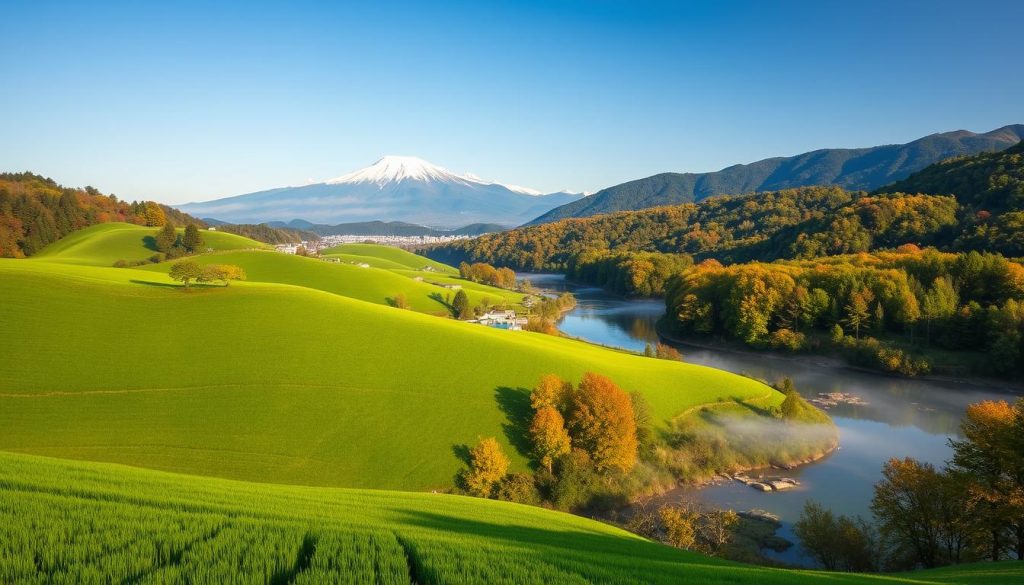
Tōhoku’s landscapes are mostly untouched. They provide beautiful views and peaceful spots. With green mountains and calm lakes, these spots are ideal for those wanting to get off the usual path. You can fully dive into the untouched beauty of nature here.
So, visiting Tōhoku is more than seeing beautiful places. It’s about diving deep into Japan’s real natural and cultural identity. Whether you’re checking out historical spots or enjoying the quiet countryside, Tōhoku offers a memorable trip. You’ll find peace and beauty at every turn.
The Four Seasons of Tōhoku
Tōhoku’s seasons show nature’s beauty in unique ways all year. Fall brings vibrant foliage, while winter covers the land with snow. Each season offers different charms and things to do.
Autumn: Fall Foliage and Crimson Landscapes
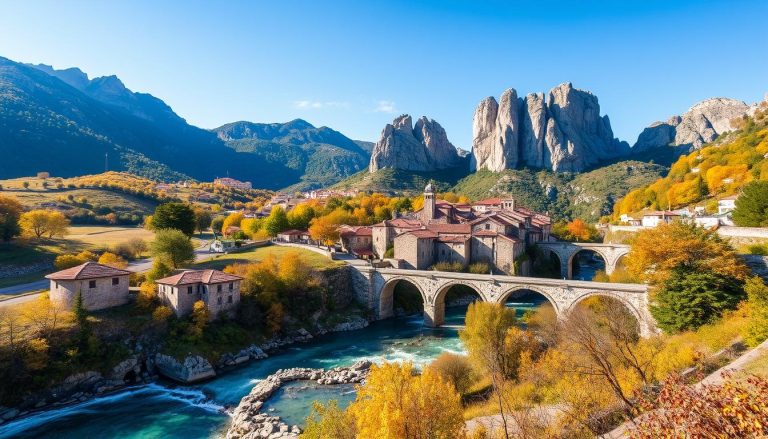
Autumn in Tōhoku is breathtaking. Mountains turn fiery with crimson and gold. Places like Mount Hakkoda become a magnet for nature lovers.
Winter: Snow Monsters and Onsens
Winter transforms Tōhoku into a wonderland. The ‘snow monsters’ at Mount Zao are stunning. Nearby onsens provide warmth, perfect for cold days.

Spring: The Beauty of Cherry Blossoms
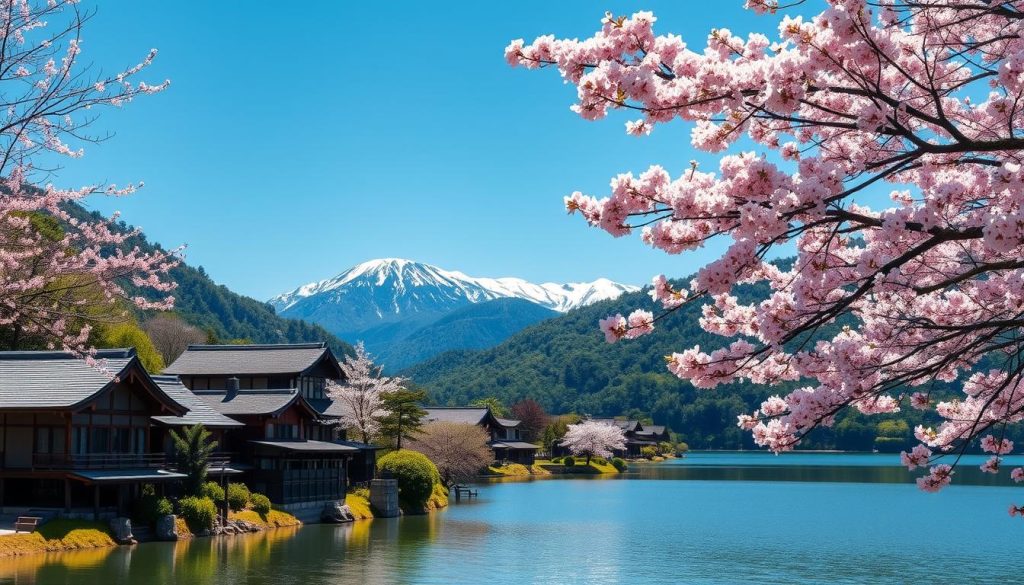
Spring means cherry blossoms in Tōhoku. It’s quieter than other sakura spots. Hirosaki Park offers peaceful views. The Hirosaki Cherry Blossom Festival, from April 23 to May 5, is a highlight.
Summer: Festivals and Pristine Waters
Summer is festive in Tōhoku. Festivals like the Aomori Nebuta and Akita Kanto light up the streets. Lakes and rivers offer cool retreats.
| Season | Activities and Highlights |
|---|---|
| Autumn | Fall foliage at Mount Hakkoda |
| Winter | Snow monsters at Mount Zao, onsens |
| Spring | Cherry blossoms at Hirosaki Park, Hirosaki Cherry Blossom Festival |
| Summer | Aomori Nebuta Festival, Akita Kanto Festival, clear waters for recreation |
Exploring Tōhoku’s seasons promises unforgettable experiences. You’ll find natural beauty and rich culture no matter when you visit.
Popular Places to Visit in the Tōhoku Region, Japan
Tōhoku is a region filled with culture, beautiful scenery, and modern features. You should see Miyagi Prefecture, with its lively capital, Sendai. It’s full of historical spots and natural beauty, offering something for everyone.
Miyagi: Sendai and Beyond
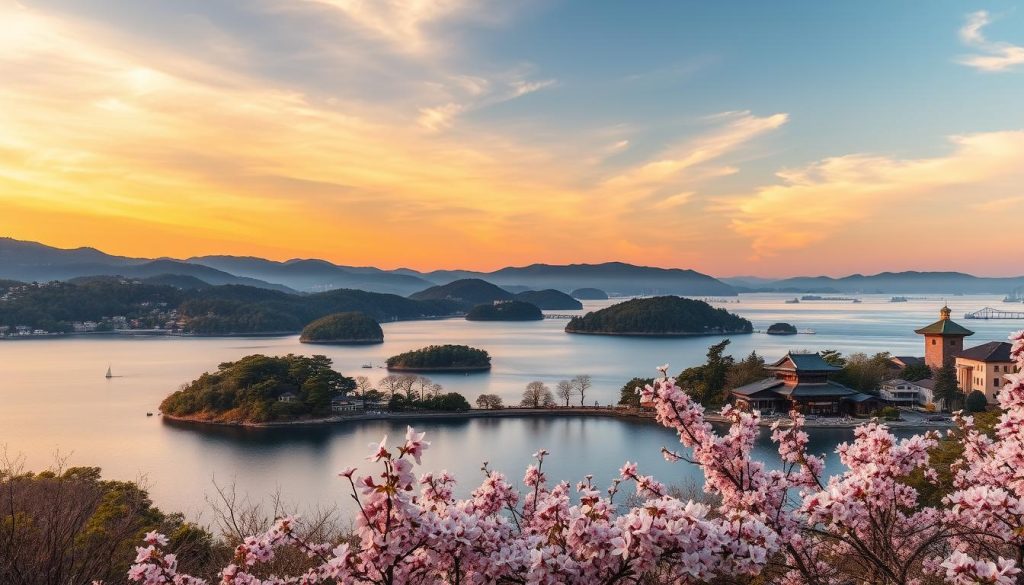
Sendai, the “city of trees,” is in Miyagi Prefecture. It’s known for cultural and natural sights. Start with Zuihoden Temple, the resting place of the great Date Masamune. It shows the rich history and beautiful architecture of the area.
Matsushima Bay, a top scenic view in Japan, is another must-see. You can take a boat tour there. The bay, with its pine-clad islands, is stunning for anyone who loves nature or photography.
Don’t miss the Zao Fox Village. It’s a special place where over 100 foxes roam free. It’s a haven for animal enthusiasts, offering a chance to meet these creatures up close.
| Attraction | Type | Highlight |
|---|---|---|
| Zuihoden Temple | Cultural | Mausoleum of Date Masamune |
| Matsushima Bay | Natural | Pine-clad islands |
| Zao Fox Village | Animal | Interaction with foxes |
There’s more to see in Sendai, like stunning cliffs and peaceful coasts. Miyagi Prefecture has natural beauty and history worth exploring. It’s a key part of any trip to Tōhoku.
Outdoor Activities in Tōhoku
Tōhoku is full of beautiful landscapes and mountains, perfect for outdoor lovers. It offers a wide range of activities from hiking to thrilling winter sports. This makes Tōhoku a top spot for adventure seekers.
Hiking and Nature Trails
Hikers will love Tōhoku, with trails for both beginners and experts. Shirakami Sanchi, a huge UNESCO site, is great for exploring nature. And Lake Juniko has 33 beautiful lakes in peaceful forests for easier walks.
The Michinoku Coastal Trail gives stunning ocean views for 1,000 km. The one-hour trek to Senjojiki offers peace and natural sights. These places promise memorable hiking experiences.
The ethereal Fudo Falls, with a vertical drop of 15 meters, is the only waterfall in Iwate Prefecture that made it to Japan’s Best 100 Waterfalls list.
Winter Sports and Activities
In winter, Tōhoku becomes a snowy paradise. Appi Kogen and the Zao Mountains are perfect for skiing and snowboarding. They offer unique sights like the ‘snow monsters.’ These features make the region special for winter activities.
Besides skiing, Tōhoku has ice fishing and snowshoeing. GALA Yuzawa Ski Resort is very popular, with many coming for skiing. For unique experiences, try the Geibikei Gorge River Boat Ride or Matt Canyon River Trekking.
| Activity | Location | Popular Seasons | Unique Features |
|---|---|---|---|
| Hiking | Shirakami Sanchi | All Year | UNESCO World Heritage site, biodiversity |
| Lake Exploration | Lake Juniko | All Year | 33 lakes and marshes, beech forests |
| Coastal Trekking | Michinoku Coastal Trail | All Year | 1,000 km trail, ocean views |
| Skiing and Snowboarding | Appi Kogen | Winter | Wide range of activities, forest bathing |
| River Boat Ride | Geibikei Gorge | Spring to Autumn | Gorge views, boating experience |
| Snowshoe Hiking | Various locations | Winter | Separated, trails through snowy terrains |
| Ice Fishing | Various lakes | Winter | Frozen lakes, full experience kits |
Exploring Tōhoku’s Cultural Heritage
Discover the heart of historical Japan by diving into the rich Tōhoku culture. This region is nearly one-fifth of Japan and blends old traditions with today’s world.
Visit Hiraizumi to see deep traditional Japan. Ancient temples show the spiritual history of the area. These sites highlight Tōhoku’s historical and cultural importance.
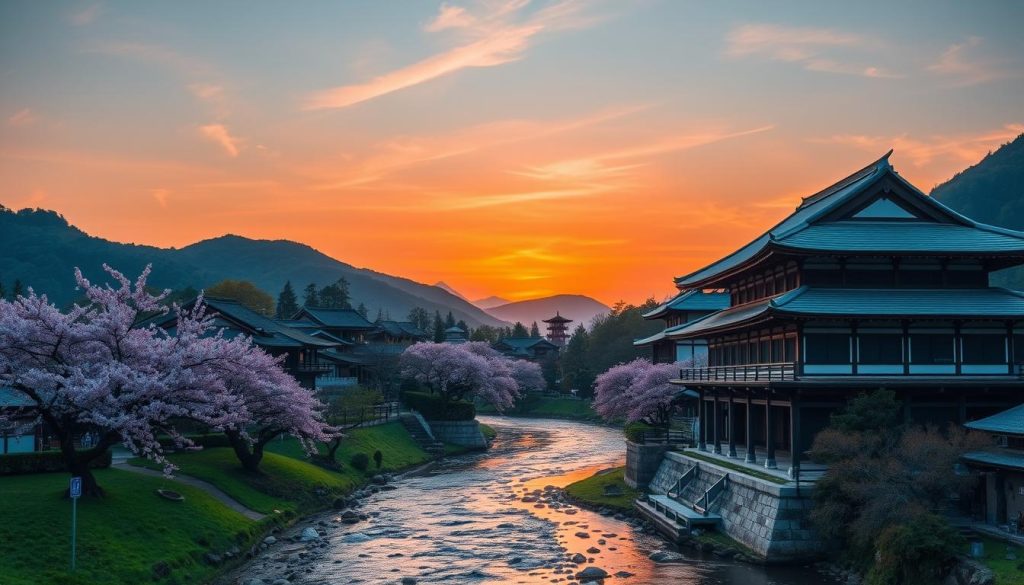
Experience the samurai era in Kakunodate. This town is known for its preserved samurai homes. Explore these houses to get a feel for the samurai’s elegant lifestyle.
Tōhoku, Japan’s rice heartland, supports Tōhoku culture too. It keeps alive crafts like lacquerware, and textiles, defining the region’s identity.
| Prefecture | Cultural Highlights | Population 2010 |
|---|---|---|
| Aomori | Hirosaki City Apple Park, Seikan Tunnel | 1,373,339 |
| Akita | Kakunodate Samurai District | 1,087,742 |
| Iwate | Hiraizumi Temples | 1,331,716 |
| Yamagata | Natural Cafe, Ginzan Onsen | 1,152,869 |
| Miyagi | Nikka Whisky Distillery, Sendai City | 2,337,513 |
| Fukushima | Goshikinuma Trails | 1,913,606 |
Exploring Tōhoku helps us value historical Japan and its modern impact. Even with fewer people, Tōhoku thrives on its traditions and history. It offers a rich, humble experience to its visitors.
Delicious Cuisine of Tōhoku
If you love Japanese food, Tōhoku is a must-visit. It’s a place where the local cuisine is a mix of fresh ingredients and traditional cooking. You’ll find dishes like miso-flavored hot pots and fresh seafood that show off the area’s cooking skills and history.
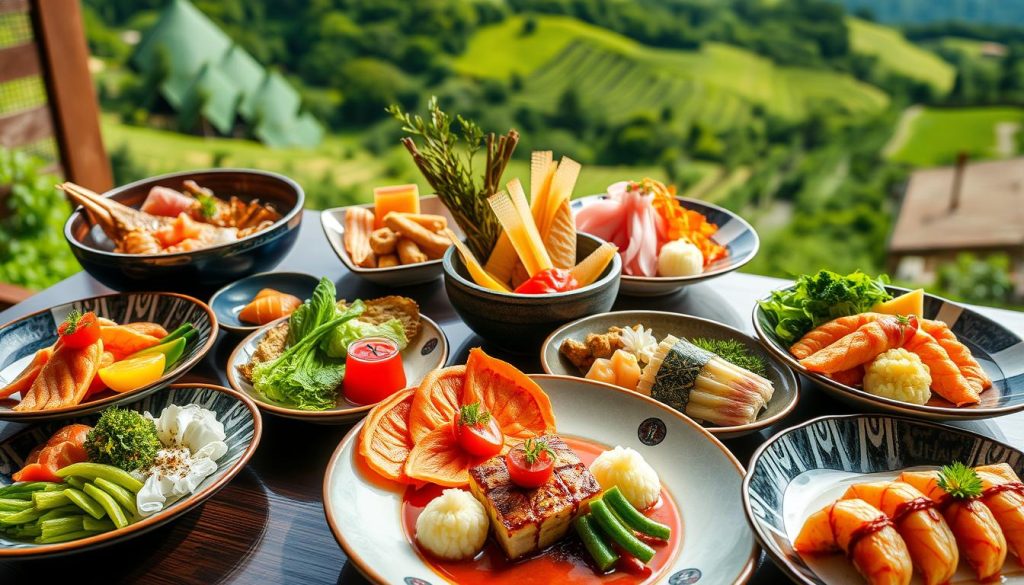
Tasting Oma Tuna from Aomori Prefecture is a highlight. It’s known for its high auction prices. The ichigo-ni dish, with sea urchin and abalone in soy broth, shows off the ocean’s riches. And you shouldn’t miss the Senbei-jiru, a unique hot pot with rice crackers from the north.
In Akita Prefecture, kiritanpo is a treat. It’s grilled rice sticks suited to the cold weather. The area is also known for Inaniwa Udon, a type of dried noodle with a long shelf life. It’s an ideal souvenir.
Iwate Prefecture is home to some special *local dishes*. Morioka Reimen is a cold noodle dish perfect for summer. It was created in the 1950s by a Korean immigrant. Chilled noodles in spicy broth offer refreshment. Jajamen, flat noodles with a mix of sweet and spicy meat miso, is another must-try. The area also boasts Wanko Soba and Iwate Tankaku Wagyu Beef.
Miyagi Prefecture is famous for Gyu-tan (Ox Tongue), with over 30 specialty shops in Sendai City. Harako-meshi, with salmon and ikura, celebrates local seafood. The zunda confectioneries showcase Miyagi’s culinary innovation.
Yamagata offers the hearty imoni, perfect for cold winters. This dish has beef, taro, and maitake mushrooms in Japanese broth. The prefecture is also known for Tama Konnyaku (Konjac Balls), a winter favorite.
Fukushima is famous for Kitakata Ramen, one of Japan’s “three great ramen dishes” with firm noodles and rich broth. Enban Gyoza, round dumplings with crispy edges, are another local specialty. And don’t forget to try negi soba, using a spring onion as cutlery.
“The region’s communal Imo-ni Kai events, where locals gather in the fall to cook and share the miso-flavored hot pot dish, Imo-ni, showcase the deep cultural ties woven through Tōhoku’s culinary practices.”
Here’s a quick list of some must-try dishes by prefecture:
| Prefecture | Must-Try Local Dishes |
|---|---|
| Aomori | Senbei-jiru, Oma Tuna, Ichigo-ni |
| Akita | Kiritanpo, Inaniwa Udon |
| Iwate | Morioka Reimen, Jajamen, Wanko Soba, Iwate Tankaku Wagyu Beef |
| Miyagi | Gyu-tan, Harako-meshi, Zunda Mochi |
| Yamagata | Imoni, Tama Konnyaku |
| Fukushima | Kitakata Ramen, Enban Gyoza, Negi Soba |
A food trip through Tōhoku lets you taste the soul of Japanese food. Every dish is a nod to the area’s rich culinary past. It’s an experience you won’t forget.
Off-the-Beaten-Path Locations in Tōhoku
Discover Tōhoku’s hidden beauty by exploring its off-the-beaten-path spots. This area is full of unique places that offer real and deep experiences. They are far from the usual tourist spots.
Nyuto Onsen: A Hidden Hot Spring Retreat
Nyuto Onsen is a perfect example of Tōhoku’s hidden charm. It’s a group of hot springs in Akita’s deep forests. It offers a peaceful getaway. Visitors enjoy traditional inns and natural baths there. It’s perfect for finding Tōhoku’s secret spots and the hidden side of Japan.

Here is a look at some of Tōhoku’s most intriguing off-the-beaten-path places:
| Location | Highlight | Unique Feature |
|---|---|---|
| Nyuto Onsen | Deep Forest Hot Springs | Traditional Ryokans and Rustic Baths |
| Mototaki Fukuryusui Underflow | Waterfall | 5 meters in length, 30 meters in width |
| Hachimantai Dragon Eye | Kagami-numa | 50 meters in diameter |
| Ryusendo Cave | Exploration Cave | 700 meters open to public, 4,088 meters total length |
| Ouchi-juku | Historical Post Town | Important Preservation District for Groups of Historic Buildings |
| Sado Gold Mine | Heritage Site | 400-year heritage, National Treasure |
Travel Tips for Visiting Tōhoku
Are you planning a trip to Tōhoku? Here are key travel tips for enjoying its beautiful scenery and cultural heritage. These tips also cover how to experience Tōhoku’s unique seasons.
Best Time to Visit
Deciding the best time to visit Tōhoku depends on what you want to see and do. Every season in Tōhoku brings its own special experiences:
- Autumn: See Aomori’s bright fall leaves from late September to October. The 800-year-old ginkgo tree at Shingu Kumano Shrine in Fukushima is a must-see.
- Winter: Aomori City turns into a snowy paradise, boasting the highest snowfall globally. Places like Ginzan Onsen in Yamagata offer charming winter scenes and activities.
- Spring: From April to May, cherry blossoms make the region stunningly beautiful. Kitakami Tenshochi Park in Iwate, with 10,000 cherry trees, is perfect for blossom viewing.
- Summer: Experience Tōhoku’s top summer festivals: Nebuta in Aomori, Kanto in Akita, and Tanabata in Sendai. These festivals show the rich local culture.
Getting There: Transportation Options
Knowing how to navigate Japan’s transport system is key for a hassle-free visit to Tōhoku. Consider these travel options for an easier journey:
| Transport Mode | Details |
|---|---|
| Bullet Train (Shinkansen) | The Tōhoku Shinkansen connects Tōhoku and Tokyo quickly, offering a beautiful view of Japan’s countryside along the way. |
| Local Trains | Tōhoku’s railway network links Akita, Aomori, Fukushima, Iwate, Miyagi, and Yamagata, making travel within the region easy. |
| Rental Cars | Renting a car gives you the freedom to explore hidden gems and remote areas at your own pace. |
| Buses | Buses are great for shorter distances or reaching specific outdoor and cultural spots in Tōhoku. |
Local Festivals and Events
The Tōhoku region of Japan is known for its vibrant festivals. These Japanese cultural events show the area’s rich traditions and shared joy.
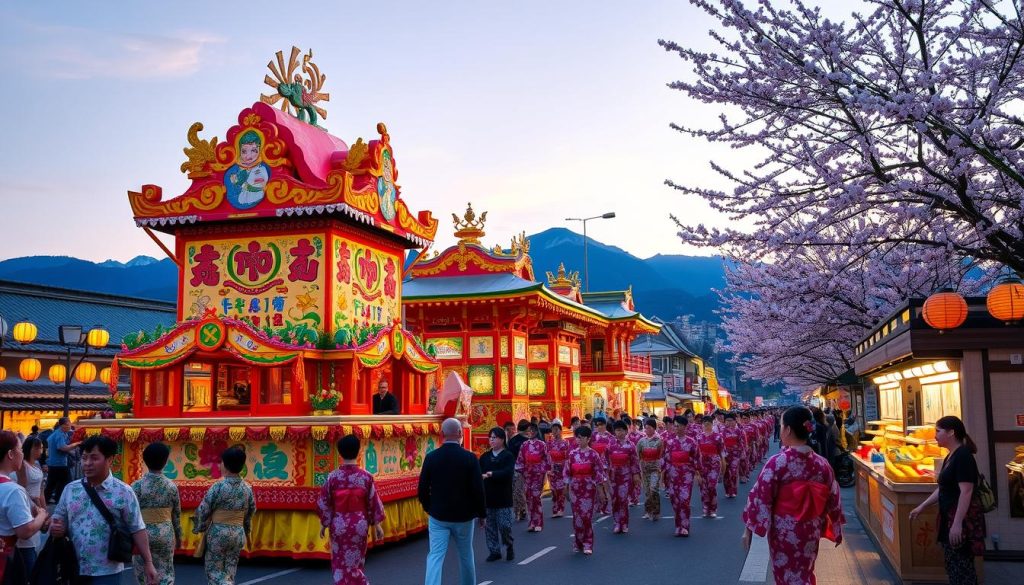
The Aomori Nebuta Matsuri is a famous festival here. Huge floats, up to nine meters wide and five meters tall, parade through the streets. Every year, millions come to see these floats featuring legendary heroes, with Haneto dancers adding color and life. The festival ends with breathtaking fireworks over Aomori Bay.
In Akita City, the Akita Kanto Matsuri lights up the night. Bamboo poles, carrying as many as 46 lanterns, fill the sky. This 270-year-old tradition lasts four days in early August. It honors farming history, praying for a good harvest.
The Sendai Tanabata Matsuri runs from August 6th to 8th. It celebrates a romantic story from the stars with beautiful paper and bamboo decorations. Nearly two million visitors come to see the fireworks and vibrant displays each year.
The Yamagata Hanagasa Festival in early August brings 10,000 dancers on the streets. It honors traditional folk culture. The Fukushima Waraji Festival in February is another special event. It features a giant straw sandal parade, symbolizing strength and perseverance.
| Festival | Location | Date | Highlights |
|---|---|---|---|
| Aomori Nebuta Matsuri | Aomori City | Early August | Floats, Haneto dancers, fireworks |
| Akita Kanto Matsuri | Akita City | August 3rd-6th | Lantern poles, skill demonstrations |
| Sendai Tanabata Matsuri | Sendai | August 6th-8th | Washi decorations, fireworks |
| Yamagata Hanagasa Festival | Yamagata | Early August | Hanagasa dancers |
| Fukushima Waraji Festival | Fukushima | Early February | Giant straw sandal procession |
These Japanese cultural events do more than dazzle; they showcase the Tōhoku people’s spirit and toughness. Being part of these Tōhoku festivals lets you dive into the lively traditions and unity of this unique area.
Accommodations in Tōhoku
The Tōhoku region has a wide variety of places to stay. Whether you like old-style or new-style places, you’ll find the perfect spot. You can stay in rustic lodges, fancy resorts, or peaceful rural places. Let’s look at some of the best places to stay in Tōhoku.
Unique Lodging Experiences
Try staying in a traditional Japanese inn, called a ryokan. Toryukan in Aizu and Shoan in Matsushima are great examples. They are close to beautiful landscapes like rivers and hot springs. Aoni Onsen in Aomori offers a unique experience without electricity. Or, fish from your room at Yamagata’s Fishing Inn Chojayashiki.
Don’t miss out on city accommodations. Hotel El Faro in Miyagi Prefecture is a modern refuge built after the 2011 earthquake and tsunami. For luxury, check out the luxury oceanfront house in Matsushima-machi with amazing Pacific Ocean views.
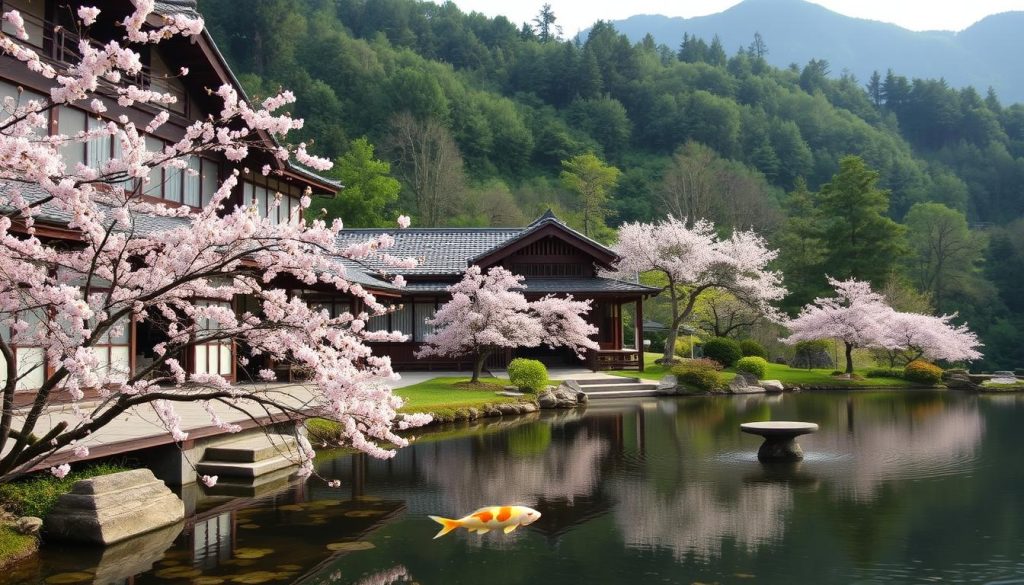
If you want something different, Tōhoku has it. At the Aomori Winery Hotel in Owani, enjoy wine tastings and onsens, one filled with apples. For modern comfort, the Yuzawa-machi ski-in fully private hot spring chalet and Nozawaonsen guest suite are top-rated.
| Name | Location | Type | Average Rating |
|---|---|---|---|
| Matsushima, Miyagi District Home | Matsushima | Home | 5.00 from 67 reviews |
| Nasu, Nasu District Cabin | Nasu | Cabin | 4.88 from 8 reviews |
| Minakami, Tone District Villa | Minakami | Villa | 4.96 from 68 reviews |
| Iiyama Home | Iiyama | Home | 4.91 from 11 reviews |
| 野沢温泉村 Apartment | 野沢温泉村 | Apartment | 4.83 from 24 reviews |
| Otawara Farm Stay | Otawara | Farm Stay | 4.96 from 25 reviews |
| Minamiuonuma Cottage | Minamiuonuma | Cottage | 4.95 from 122 reviews |
| Matsushima-machi Luxury Oceanfront House | Matsushima-machi | Luxury Oceanfront House | 4.94 from 208 reviews |
| Yuzawa-machi Ski-in Fully Private Hot Spring Chalet | Yuzawa-machi | Chalet | 4.78 from 103 reviews |
| Aoba-ku, Sendai-shi | Sendai-shi | Urban stay | 4.92 from 158 reviews |
| Nozawaonsen Guest Suite | Nozawaonsen | Guest Suite | 5.00 from 10 reviews |
| Nozawaonsen Apartment | Nozawaonsen | Apartment | 5.00 from 11 reviews |
Tōhoku’s accommodations have both traditional and modern options. They offer a unique experience to every traveler. Enjoy the peaceful and cultural richness of this untouched region with its diverse places to stay.
Conclusion
The Tōhoku region offers untouched landscapes, rich culture, and friendly locals. It’s the perfect spot for serene travel. Away from Japan’s busy tourist spots, Tōhoku lets you explore Japan in a unique way. With its scenic nature, historic sites, and rich traditions, every season has its own magic.
After the 2011 earthquake and tsunami, Tōhoku showed incredible strength. The tragedy brought extensive damage. But now, Tōhoku is not just rebuilt; it’s thriving and welcoming to visitors. Its history shows the resilience of its people, offering a deep, enriching experience to visitors.
Are you drawn by calm beauty or the thrill of undiscovered regions? Tōhoku offers a deep connection to Japan. It’s more than a place to visit. It’s an invitation to deeply explore Japan’s diverse beauty. Tōhoku is ready to share its stories and beauty, blending tradition and nature beautifully.