The Best Time to Visit the Mamanuca Islands for Good Weather
Are you planning a tropical getaway to the Mamanuca Islands but unsure when to go for the best weather?
The Mamanuca Islands are famous for their stunning beaches and clear waters. They have a warm tropical climate all year. But, knowing the difference between the wet and dry seasons is key for a great trip.
Fiji’s islands, including the Mamanuca Islands, have little temperature change. Yet, the wet and dry seasons greatly affect your visit. Choosing the right time can greatly enhance your experience.
Let’s dive into the Mamanuca Islands climate. We’ll find out the best time to visit Mamanuca Islands for the best weather.
Discovering the Mamanuca Islands: Paradise in the South Pacific
The Mamanuca Islands are a stunning paradise with diverse marine life. They are located northwest of Fiji’s main island, Viti Levu. This archipelago has about 20 islands, each offering a unique experience.
Geographic Location and Island Features
The Mamanuca Islands have volcanic origins and coral reefs. This creates a diverse landscape with rugged coastlines, pristine beaches, and lush interiors. The islands are small, making them perfect for island-hopping and exploration. Some popular islands include:
- Monuriki Island, famous for its role in the movie “Cast Away”
- Malolo Island, known for its vibrant coral reefs and surfing spots
- Manava Island, offering luxury resorts and secluded beaches

Why Weather Matters for Your Mamanuca Experience
The weather in the Mamanuca Islands greatly affects your travel experience. The islands have a tropical maritime climate with temperatures ranging from 81°F to 86°F all year. But, the weather can change, with wet and dry seasons. Knowing these patterns is key for planning activities like:
- Diving and snorkeling, which need clear water and calm seas
- Surfing and water sports, which require good wind and wave conditions
- Beach activities and sunbathing, which need lots of sunshine
By understanding the weather, you can fully enjoy your trip. You’ll appreciate the islands’ natural beauty and recreational opportunities.
Understanding the Mamanuca Islands Climate
The Mamanuca Islands have a tropical maritime climate. This means warm temperatures and clear wet and dry seasons. Islands near the equator, like these, have their temperatures moderated by the ocean.
Tropical Maritime Climate Patterns
The Mamanuca Islands’ climate is shaped by their location near the equator and the ocean. The Pacific Ocean’s warm waters keep the islands’ temperatures stable all year. High humidity, mainly from November to April, can make it feel warmer.
But, the ocean breezes cool things down. The dry season, from May to October, has clearer skies and less rain. Knowing these seasons helps plan your trip to the Mamanuca Islands.
Seasonal Temperature and Rainfall Variations
Temperatures in the Mamanuca Islands don’t change much throughout the year. Daytime temperatures are usually between 28°C and 32°C (82°F to 90°F). At night, they drop to around 20°C to 23°C (68°F to 73°F).
The wet season is hotter and more humid. The dry season is cooler and less humid. Rainfall is a big part of the islands’ climate, with most rain falling during the wet season.
The dry season has much less rain. It’s the best time for outdoor activities and tourism. Knowing these changes helps plan your trip and enjoy the islands.
What is the Best Time of Year to Visit the Mamanuca Islands for Good Weather?
Planning a trip to the Mamanuca Islands? Knowing the best time to visit is key for a great trip. The Mamanuca Islands have a tropical climate that’s nice most of the year. But, some months are better than others.
May to October: The Dry Season Advantage
The dry season, from May to October, is the best time to visit the Mamanuca Islands. You’ll get lots of sunshine and little rain. It’s perfect for snorkeling, diving, and enjoying the beaches.
The dry season offers clear skies and comfy temperatures. They range from 22°C to 25°C (72°F to 77°F). This makes exploring the islands easy, without too much heat or humidity.
Peak Sunshine Hours and Ocean Conditions
During the dry season, the Mamanuca Islands get peak sunshine hours. You’ll see 8 to 9 hours of direct sunlight each day. The calm ocean is great for water sports and activities.
The ocean is clear and has gentle currents. This is perfect for snorkeling and diving to see the marine life.
| Month | Average Temperature (°C) | Sunshine Hours | Rainfall (mm) |
|---|---|---|---|
| May | 23 | 8 | 100 |
| June | 22 | 8 | 80 |
| July | 22 | 9 | 60 |
| August | 23 | 9 | 50 |
| September | 24 | 8 | 70 |
| October | 25 | 8 | 90 |
The Wet Season: November to April
When November arrives, the Mamanuca Islands start their wet season. This time, until April, brings warmer weather, more rain, and higher humidity. Travelers need to get ready for these changes.
Rainfall Patterns and Humidity Levels
The wet season in the Mamanuca Islands means a lot of rain. Rainfall goes up by 50% compared to the dry season. But, the rain doesn’t last long, and the sun comes out soon after. Humidity also goes up, staying around 80%.
Key Weather Factors:
- Increased rainfall
- Higher humidity
- Warmer temperatures
| Month | Average Rainfall (mm) | Average Humidity (%) |
|---|---|---|
| November | 150 | 78 |
| December | 180 | 82 |
| January | 200 | 85 |
Tropical Cyclone Season Considerations
The wet season also means the tropical cyclone season in the Mamanuca Islands. Even though cyclones are rare, it’s good to know the risks. Always check the weather forecast.
Despite the weather, you can still have a wonderful time. Many resorts offer deals during this season. It’s a chance to save money if you’re flexible with your plans.
Month-by-Month Weather Guide for the Mamanuca Islands
To enjoy your trip to the Mamanuca Islands, knowing the weather each month is key. The islands have a tropical climate, with warm temperatures all year. But, there are changes in rain and sun hours.
January to March: Hot and Humid
The start of the year brings hot and humid weather to the Mamanuca Islands. Temperatures are between 81°F and 86°F, great for beach fun and water sports. But, this time is also the wet season, with more rain and humidity.
- Average temperature: 84°F
- Average rainfall: 10 inches
- Sunshine hours: 7 hours per day
April to June: Transitional Period
April to June sees better weather as the wet season ends. Temperatures stay warm, and rain goes down. It’s a good time for hiking and exploring the islands.
Key weather features:
- Less humidity
- Temperatures around 82°F
- More sunshine
July to September: Prime Visiting Time
The dry season, from July to September, is the best time to visit. The weather is dry, sunny, and perfect for water activities. It’s ideal for snorkeling and diving.
- Least rain of the year
- Temperatures from 78°F to 82°F
- Great for diving and snorkeling
October to December: From Dry to Wet
The end of the year brings the dry season back to the wet season. Temperatures stay warm, but humidity and rain go up. Still, the islands get a lot of sunshine.
Notable weather trends:
- More rain towards December
- Temperatures around 84°F
- 7 hours of sunshine per day
Weather Considerations for Popular Mamanuca Activities
Knowing the weather is crucial for a great Mamanuca Islands trip. The islands have many activities that depend on the weather. Being informed can make your trip better.
Diving and Snorkeling: Visibility and Water Temperature
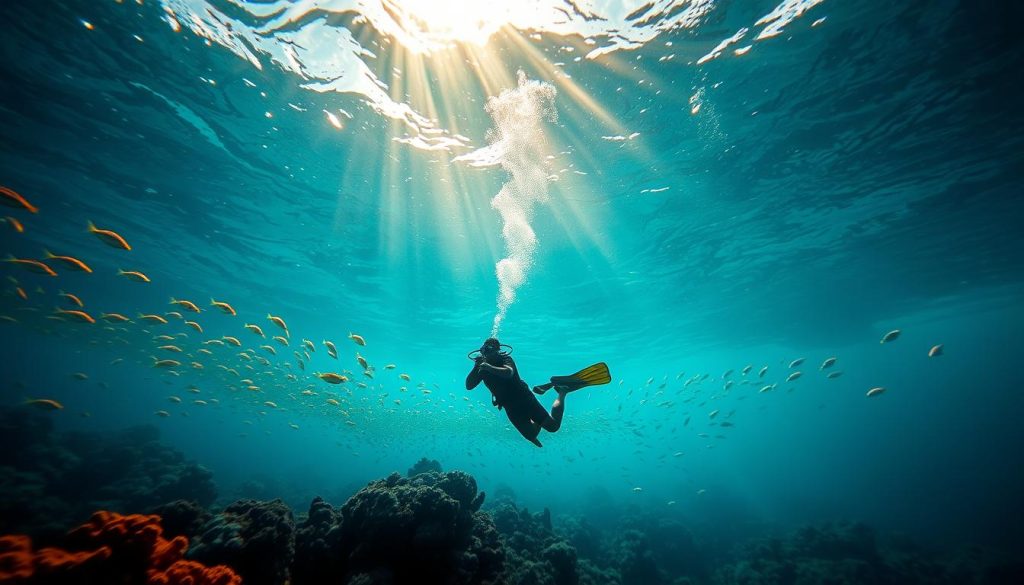
The dry season, from May to October, is best for diving and snorkeling. Visibility can reach up to 30 meters, perfect for seeing marine life. The water is warm, ranging from 22°C to 28°C (72°F to 82°F), ideal for long dives.
Surfing and Water Sports: Wind and Wave Conditions
Surfers and water sports fans will love the Mamanuca Islands. The wet season, from November to April, has bigger waves. This attracts experienced surfers. But, the dry season is better for other water sports.
Beach Activities and Sunbathing: Sunshine and UV Index
The Mamanuca Islands get lots of sunshine all year. But, the dry season has more sunny days. It’s key to protect yourself from the high UV index with sunscreen and shade during peak hours.
Island Hopping: Sea Conditions and Safety
Sea conditions are important for island hopping. The dry season has calmer seas and safer travel between islands. Always check local forecasts and advisories before island hopping.
Thinking about the weather for your activities can improve your Mamanuca Islands trip. Whether diving, surfing, or just relaxing, the right weather makes a big difference.
Accommodation Options Based on Weather Seasons
Choosing the right place to stay in the Mamanuca Islands can make your trip better. The islands have many resorts and vacation rentals for all tastes and budgets. The best time to visit affects your options.
Dry Season Resort Advantages
The dry season, from May to October, means more people but more fun too. Resorts have outdoor pools, beach activities, and cultural events for the nice weather. You can enjoy sunset cruises and snorkeling trips during this time.
Wet Season Deals and Considerations
The wet season, from November to April, offers cheaper deals. But, there’s a chance of rain. Still, many resorts have discounts and packages to help you save money. Some activities might not be available because of the weather.
Weather-Resilient Accommodation Choices
For a stay that’s not affected by rain, some resorts have indoor facilities and weather-resistant infrastructure. These are great for those who want to keep their vacation plans on track, rain or shine.
| Season | Resort Advantages | Considerations |
|---|---|---|
| Dry Season | Outdoor activities, cultural events | Crowded, higher prices |
| Wet Season | Discounts, lower prices | Risk of rainfall, limited activities |
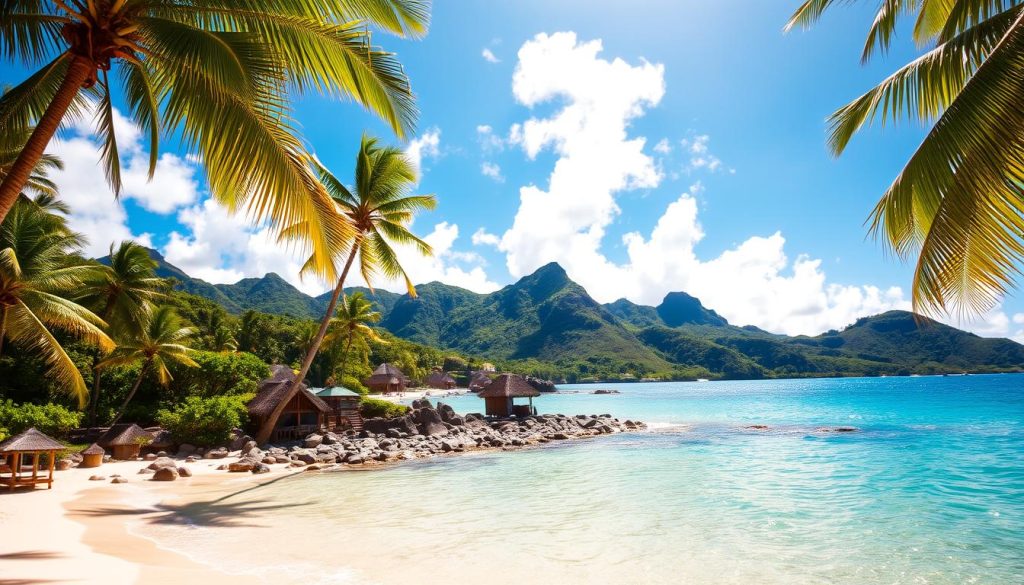
Travelers can choose wisely based on what they want and can afford. Whether it’s the dry or wet season, the Mamanuca Islands have something for everyone.
Practical Weather-Related Travel Tips
Planning a trip to the Mamanuca Islands? Knowing the weather is key for a great trip. Being ready for different weather can make your journey better.
Monitoring Weather Forecasts Before and During Your Trip
It’s important to watch the weather before and during your visit. Use websites like the Fiji Meteorological Service or weather.com. This keeps you updated on weather changes.
Dealing with Unexpected Weather Changes
Even with good weather, surprises can happen. Carry essentials like rain gear, sunscreen, and a flexible plan. If the weather gets bad, listen to local advice and your resort staff.
Climate Change Impacts on the Mamanuca Islands
Climate change affects the Mamanuca Islands, with sea levels rising and more extreme weather. Traveling responsibly can help. Choose eco-friendly places to stay and activities.
Here’s a quick guide for your Mamanuca Islands trip:
| Tip | Description | Benefit |
|---|---|---|
| Monitor weather forecasts | Check reliable weather websites or apps | Stay informed about weather changes |
| Be prepared for unexpected weather | Pack rain gear, sunscreen, and have a flexible itinerary | Minimize disruptions to your trip |
| Support eco-friendly practices | Choose environmentally responsible accommodations and activities | Contribute to mitigating climate change impacts |
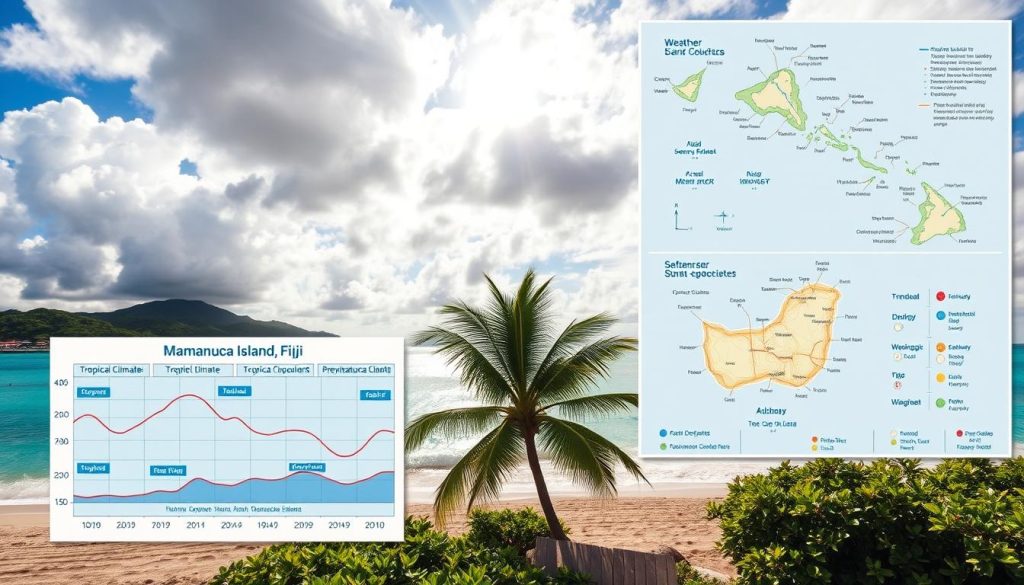
Conclusion: Planning Your Weather-Perfect Mamanuca Islands Getaway
Now that you know about the Mamanuca Islands’ weather, you’re set to plan your trip. The best time to go is from May to October. This is when the weather is dry, sunny, and the seas are calm.
But, the Mamanuca Islands are great to visit all year. So, if you’re looking for a specific weather, think about what you like. Do you want warm weather, lots of sun, or fun activities? The Mamanuca Islands have it all, from snorkeling to beach relaxation.
Think about the island’s climate when planning your trip. Whether you want a chill vacation or an exciting adventure, the Mamanuca Islands have it. Their tropical weather makes every visit special, no matter when you go.
By knowing the weather and planning well, you’ll make amazing memories in this beautiful South Pacific spot.