Swim with Whale Sharks in Cebu: Top Locations
Imagine swimming with gentle ocean giants – the majestic whale sharks. Cebu, Philippines, offers amazing chances to make this dream come true. It’s a top spot for unforgettable whale shark encounters.
Cebu has many options for whale shark adventures. From popular Oslob to sustainable experiences in Donsol and Lila, choices abound. Let’s explore the best spots for your whale shark swim.
We’ll look at each destination’s unique features. We’ll also discuss ethical concerns. This guide will help you plan your ultimate whale shark experience.
Introduction to Swimming with Whale Sharks in Cebu
The Philippines is famous for whale shark encounters. Cebu has become a top spot for this amazing underwater experience. These giant fish attract visitors who want to swim with them.
Cebu offers several great locations for these thrilling interactions. Each place provides a unique experience with these magnificent creatures.
Significance of Whale Shark Encounters
Whale shark encounters are important for travelers and local communities in Cebu. These gentle giants can grow up to 12 meters long. They amaze visitors with their size and graceful movements.
Swimming with a whale shark is an awe-inspiring experience. It’s on many travelers’ bucket lists. It offers a rare chance to connect with nature.
Overview of Top Locations for Whale Shark Interactions in Cebu
Cebu has become a top destination for whale shark encounters. Several prime locations attract visitors from around the world.
Oslob is the most well-known and accessible site. However, it faces criticism for feeding whale sharks to ensure daily sightings.
Donsol offers a more sustainable option. Visitors join boats to search for whale sharks in their natural habitat.
Lila, in Bohol, is an emerging alternative. It attracts visitors with whale shark encounters on a smaller scale than Oslob.
| Location | Approach | Pros | Cons |
|---|---|---|---|
| Oslob | Feeding the whale sharks | Reliable sightings, easily accessible | Concerns over ethical practices, potential long-term impact on whale shark behavior and ecosystem |
| Donsol | Searching for whale sharks in their natural habitat | More sustainable approach, opportunity to observe natural behaviors | Sightings not guaranteed, requires more effort to find the whale sharks |
| Lila | Emerging alternative to Oslob | Smaller scale, potentially more ethical practices | Limited scale, less established as a whale shark destination |
Understanding these top whale shark locations helps travelers make informed decisions. They can choose an experience that matches their preferences and ethical concerns.
Oslob: The Most Popular Whale Shark Destination
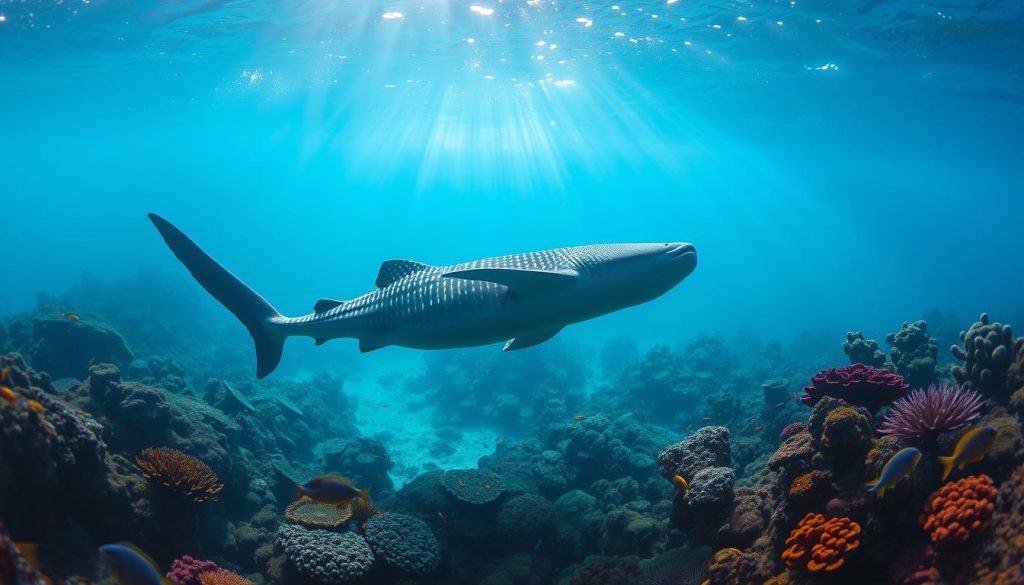
Oslob, a small coastal town in southern Cebu, is famous for whale shark swimming. In 2011, local fishermen started luring sharks closer to shore by feeding them. This practice quickly caught visitors’ attention, making Oslob a prime whale shark destination.
Background on Oslob’s Whale Shark Tourism
Thousands of tourists visit Oslob yearly to interact with whale sharks. Boat operators feed the sharks to ensure sightings. The interaction area is about 262 feet offshore.
Feeding occurs from first light to early afternoon. The number of whale sharks can range from one to two dozen. Mostly young sharks, 18 to 25 feet long, visit the Oslob area.
Ethical Concerns Surrounding Oslob’s Practices
Oslob’s whale shark encounters raise significant ethical concerns. Daily feeding disrupts the sharks’ natural migratory patterns, potentially affecting their breeding cycles. Close interactions with boats and people increase injury risks to the animals.
Environmental groups criticize Oslob’s model as unsustainable. They argue it harms the long-term welfare of the whale shark population. Sharks may bump against vessels or have their protective mucus layer damaged.
The Philippines once hunted whale sharks for meat and fins. Between 627 and 800 sharks were killed in the early 1990s. Donsol, a former fishing community, now showcases sustainable tourism practices.
| Statistic | Value |
|---|---|
| Visitors to Oslob’s whale shark encounter in 2012 | Nearly 100,000 |
| Distance of the protected whale shark area from the beach | 100 meters |
| Recommended minimum distance to maintain from whale sharks while swimming | At least 4 meters |
| Cost of the whale shark tour in Oslob | 1000 pesos for swimming, 500 pesos for staying on the boat |
| Duration of stay in the whale shark watching area | 30 minutes |
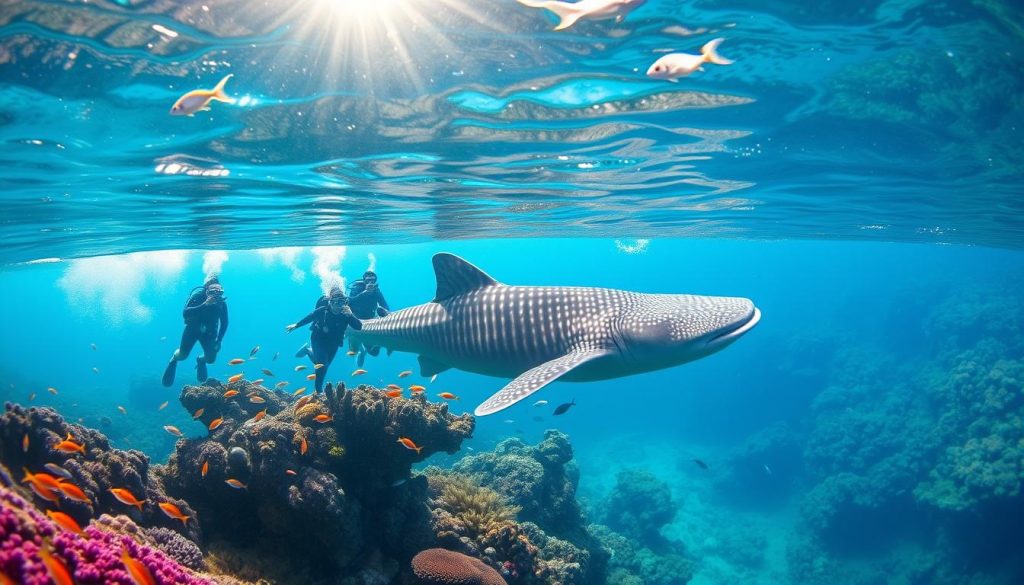
Oslob’s whale shark tourism has made the experience widely accessible. However, ethical concerns have led to calls for more sustainable alternatives. These aim to protect the long-term welfare of the whale shark population.
Donsol: A More Sustainable Whale Shark Experience
Donsol, in the Bicol region, offers a sustainable whale shark experience. Unlike Oslob in Cebu, Donsol doesn’t feed the sharks to attract them. Instead, visitors spot these gentle giants during their natural migration.
Donsol’s approach is more ethical, respecting the whale sharks’ natural behavior. Visitors follow strict guidelines to minimize disturbance. The interaction costs 300 PHP per person, with boat rental around 3,500 PHP.
Seasonality and Sighting Chances in Donsol
Whale shark season in Donsol runs from November through June. Unlike Oslob, sightings aren’t guaranteed due to natural migration patterns. Recently, whale shark sightings in Donsol have become less frequent.
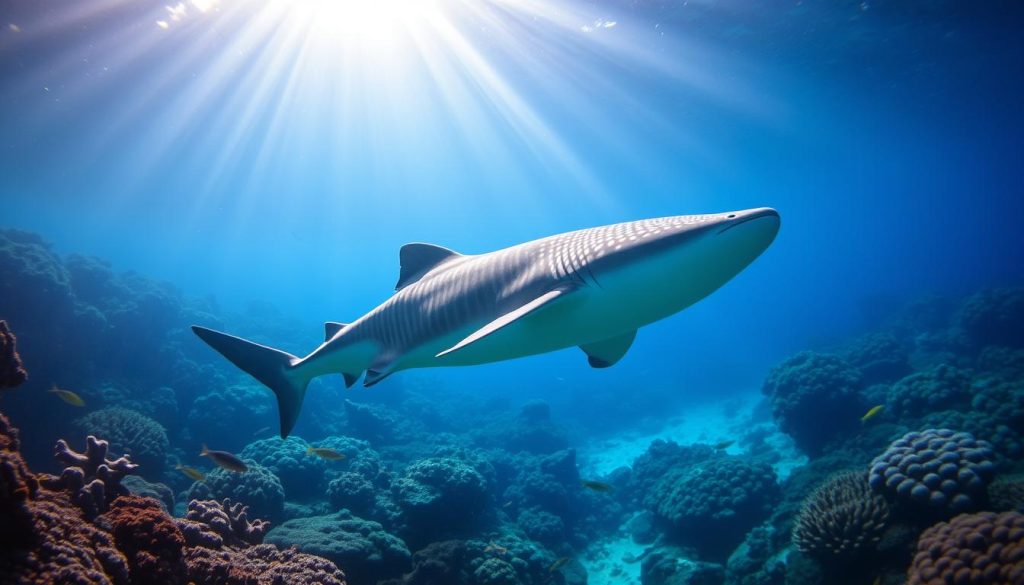
Donsol is known for its sustainable eco-tourism efforts. They enforce strict rules to protect the whale sharks. These include maintaining distance and limiting swimmers per boat.
Both Oslob and Donsol offer unique experiences. However, Donsol’s approach aligns better with responsible tourism practices. It ensures the sharks’ well-being and provides a more authentic encounter.
Lila: An Emerging Alternative to Oslob
Lila, in Bohol province, offers a new option for whale shark interactions. Like Oslob, Lila’s tourism involves fishermen luring the animals with food. However, Lila is less crowded and claims stricter guidelines to protect whale sharks.
Comparison of Lila and Oslob’s Whale Shark Interactions
Lila and Oslob differ in their regulation and enforcement levels. Oslob faces criticism for lax guidelines, raising concerns about whale shark welfare. Lila’s operators claim to have stricter controls in place.
Research shows Oslob had 1,823 “active touches” of whale sharks during a 3,849-minute monitoring period. This equals 29 touches per hour. Lila claims to limit direct contact and disturbance to the animals.
Oslob’s whale sharks have changed their migration patterns significantly. Some stay in the area for up to 392 days. This raises concerns about the feeding practices’ long-term effects on the animals’ health.
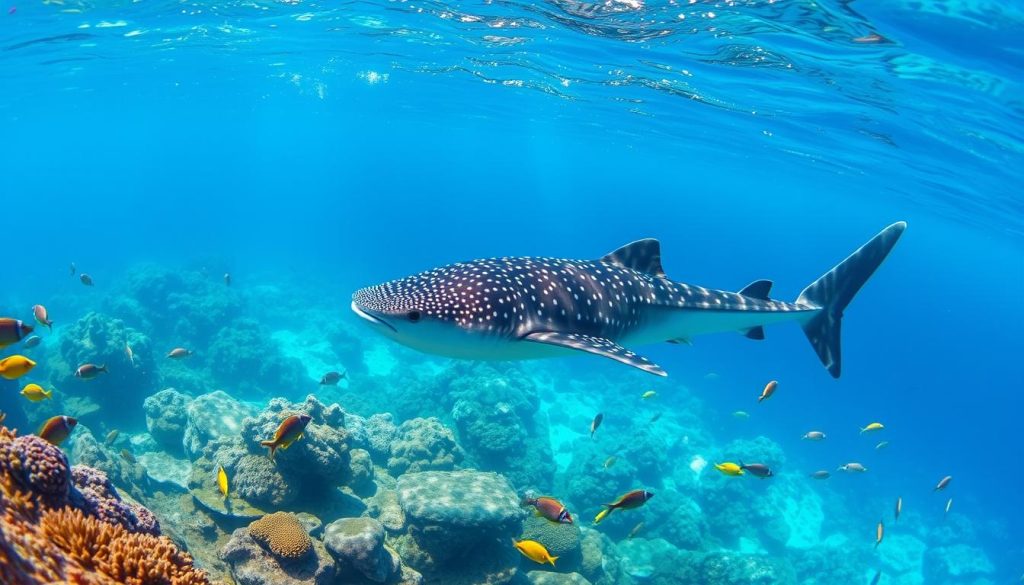
Lila may offer a more ethical alternative to Oslob. However, all whale shark tourism needs close monitoring. This ensures the animals’ well-being and the local ecosystem’s sustainability.
Where can I swim with whale sharks in Cebu?
Cebu and nearby areas offer three main spots to swim with whale sharks: Oslob, Donsol, and Lila. Each place has its own unique experience. Consider the pros and cons to find the best fit for you.
Oslob: The Most Reliable Whale Shark Sightings
Oslob is Cebu’s most popular whale shark spot. It offers the most reliable sightings due to feeding practices. However, this raises ethical concerns about disrupting the animals’ natural behavior.
Donsol: A More Sustainable Whale Shark Experience
Donsol, in Sorsogon province, provides a more sustainable experience. Here, whale sharks are seen in their natural habitat without human interference. Sightings are less guaranteed, but interactions are more authentic and ethical.
Lila: A Newer and More Ethical Alternative
Lila is a newer, smaller-scale destination in Cebu. It aims to offer a more ethical and less crowded whale shark encounter. The town has strict guidelines to ensure the well-being of these gentle giants.
| Location | Reliability of Sightings | Ethical Considerations | Crowds |
|---|---|---|---|
| Oslob | High | Significant concerns | High |
| Donsol | Lower | More sustainable | Lower |
| Lila | Moderate | More ethical | Moderate |
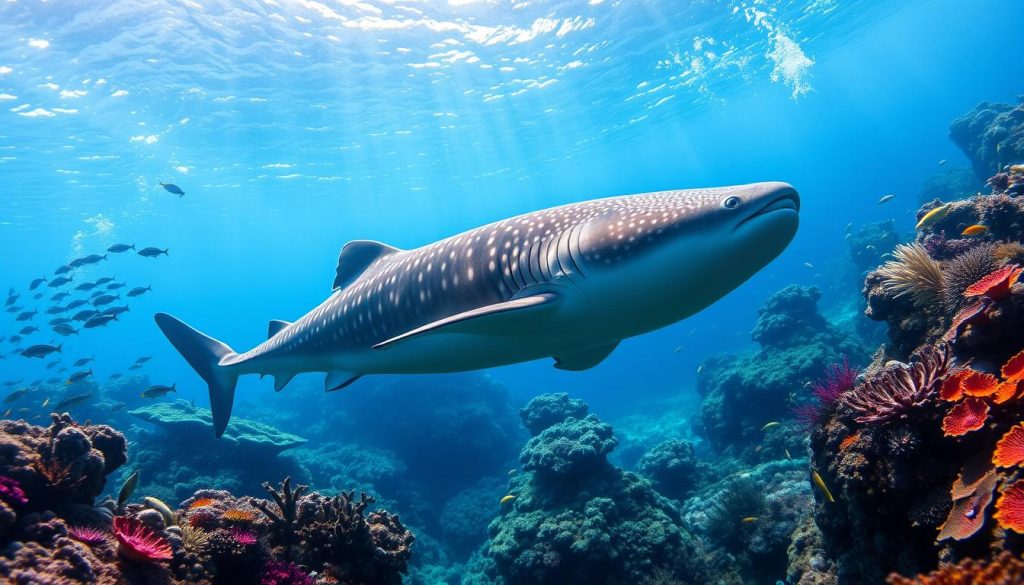
Oslob offers reliable sightings but raises ethical concerns due to feeding practices. Donsol and Lila provide more sustainable alternatives in natural habitats. Your choice depends on your values and priorities for wildlife interactions.
Preparing for Your Whale Shark Swim Adventure
Packing the right gear is crucial for your whale shark swim in Cebu. A quality mask and snorkel set will enhance your underwater visibility. A rash guard or thin wetsuit offers protection from sun and water.
Don’t forget a microfiber towel and reef-safe sunscreen for sun protection. Bring a waterproof camera or GoPro to capture unforgettable moments with these gentle giants.
Essential Gear and Equipment
- High-quality mask and snorkel set
- Rash guard or thin wetsuit
- Microfiber towel
- Reef-safe sunscreen
- Waterproof camera or action camera (e.g., GoPro)
Tips for Responsible Whale Shark Interactions
Follow local guidelines to protect whale sharks during your swim. Keep a safe distance of 4 meters and avoid touching these magnificent creatures. Don’t use flash photography, as it can disturb them.
Be mindful of overcrowding around whale sharks. Always listen to your guides and interaction officers. These practices ensure a sustainable and meaningful experience for everyone.
- Maintain a safe distance of at least 4 meters from the whale sharks
- Avoid touching the whale sharks
- Refrain from using flash photography
- Be cautious of overcrowding around the whale sharks
- Follow the instructions of guides and interaction officers

By being mindful of the whale sharks’ well-being and following responsible guidelines, you can ensure a memorable and sustainable experience during your Cebu whale shark swimming adventure.
Best Time to Visit Cebu for Whale Shark Encounters
Whale shark sightings in Cebu peak from March to June. This coincides with their yearly migration. Visitors have the best chance of seeing these gentle giants during this time.
Oslob offers consistent whale shark encounters year-round. This is due to their feeding program. The drive from Cebu City to Oslob takes about 3.5 hours.
Tours in Oslob operate from 6 am to 8 am. Whale sharks stay here longer, with one recorded stay of 10 months.
Donsol and Lila encounters depend on seasonal whale shark movements. For the best experience, plan your trip between March and June.
| Location | Best Time to Visit | Whale Shark Sighting Chances |
|---|---|---|
| Oslob | Year-round | High due to year-round feeding program |
| Donsol | March to June | Dependent on seasonal whale shark movements |
| Lila | March to June | Dependent on seasonal whale shark movements |
Whale shark watching in Cebu happens every morning from 6 am to 12 pm. Waiting times range from 30 minutes to 1 hour. Plan your trip wisely to boost your chances of a successful encounter.
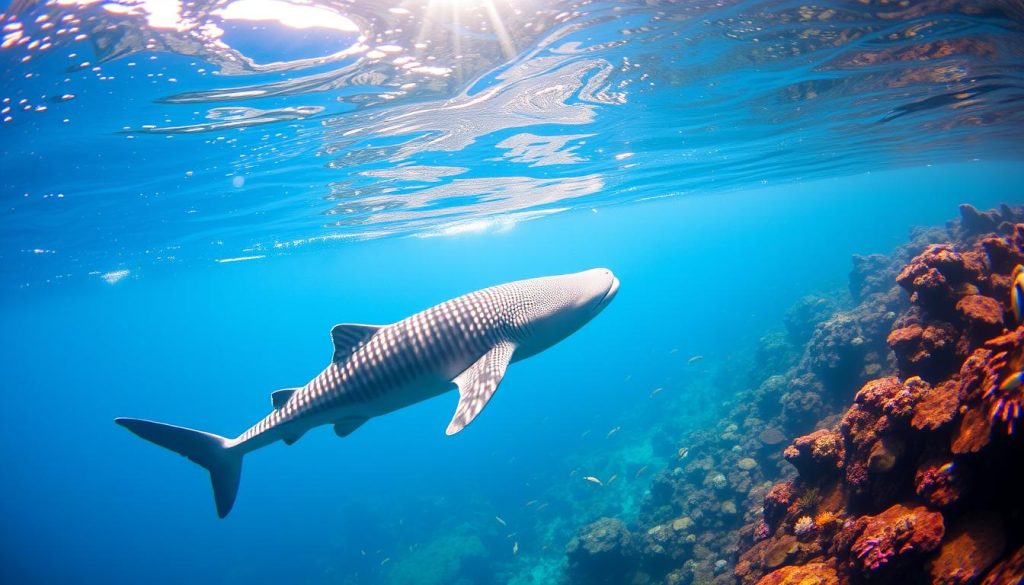
Ethical Considerations in Whale Shark Tourism
Feeding whale sharks in Oslob and Lila raises ethical concerns. It disrupts their natural patterns, affecting breeding and health. Close interactions with boats and people increase injury risks.
Economic benefits to local communities are important. However, the welfare of whale sharks must be the top priority. Sustainable tourism practices should balance both aspects.
Impacts of Feeding and Human Interaction
Whale sharks are migratory creatures. Feeding them can lead to dependency and potential malnutrition. Large numbers of tourists and boats can stress the animals.
This disruption affects their natural feeding and resting patterns. It’s crucial to minimize human impact on these gentle giants.
Responsible Tourism Practices
To promote ethical whale shark tourism in Cebu, several practices can be adopted:
- Limiting the number of visitors and boats in the water at a given time
- Enforcing strict guidelines for maintaining a safe distance from the animals
- Prohibiting any feeding or touching of the whale sharks
- Implementing educational programs that inform tourists about the importance of respecting the whale sharks’ natural behaviors and habitats
Supporting sustainable models like Donsol offers unforgettable encounters. It also prioritizes the long-term conservation of whale sharks. This approach benefits both tourists and the animals.
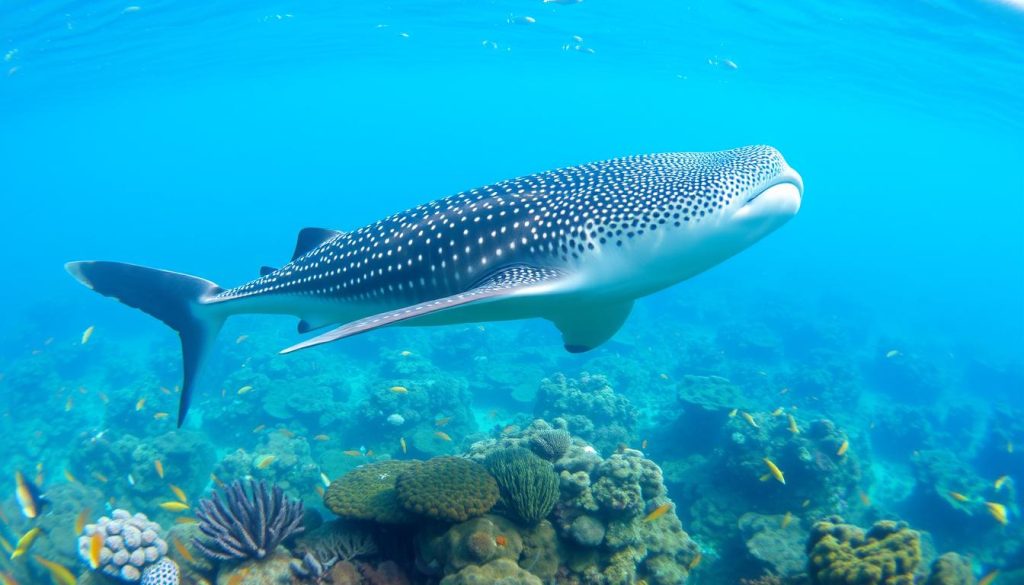
Balancing economic benefits and whale shark welfare is crucial. Responsible tourism practices can protect these magnificent creatures. This ensures future generations can marvel at whale sharks in their natural habitat.
Accommodation Options Near Whale Shark Hotspots
Cebu offers various lodging choices near whale shark interaction sites. In Oslob, Sharky Hostel sits next to the Whale Shark Briefing Centre. It’s perfect for budget travelers.
For more comfort, try GingGing Hotel & Resort, Casa Solmar, or Casa Bonita Inn. These hotels line the main road in Tan-awan. They’re just a short walk from the whale shark area.
Donsol has resorts and guesthouses in the town center. These options provide easy access to whale shark boat tours. Staying close to hotspots lets you spend more time with these amazing creatures.
| Location | Accommodation Options | Proximity to Whale Shark Viewing |
|---|---|---|
| Oslob |
|
|
| Donsol |
|
|
Staying near whale shark hotspots maximizes your time with these gentle giants. You’ll spend less time traveling and more time enjoying unforgettable underwater encounters.
Conclusion
Cebu’s whale shark encounters offer an unforgettable experience for visitors. Oslob, Donsol, and Lila each provide unique opportunities to swim with these gentle giants. However, ethical concerns about feeding practices must be weighed against community benefits.
Responsible tourism practices can ensure a meaningful whale shark adventure in Cebu. This approach supports the long-term conservation of these remarkable creatures. Donsol and Leyte offer more natural experiences that prioritize animal well-being.
Choosing where to swim with whale sharks requires careful consideration. Environmental and ethical implications are crucial factors to weigh. Informed decisions and support for responsible tourism can create a positive impact.
By prioritizing conservation efforts, visitors can contribute to protecting these awe-inspiring animals. This approach ensures that future generations can also enjoy these magical encounters.