

Stay Safe During Adventure Activities | Risk Mitigation Tips
Are you planning to embark on an exciting adventure activity? Whether you’re a seasoned adventurer or a beginner, it’s crucial to prioritize your safety and take steps to mitigate risks.
In this article, we will provide you with essential tips and guidance on how you can stay safe and mitigate risks during adventure activities. From understanding the potential risks involved to conducting safety equipment checks, assessing fitness levels, and emergency preparedness, we’ve got you covered.
By following our risk mitigation strategies, you can enjoy your adventure activities with peace of mind, knowing that you’re well-prepared for any potential hazards.
So, how can you stay safe and mitigate risks during adventure activities? Let’s find out in the following sections.
Understanding the Risks of Adventure Activities
Thrill-seeking is a natural instinct, and adventure activities offer a rush like no other. However, it’s essential to understand the potential risks involved in these activities. Before embarking on any outdoor adventure, it’s important to research and familiarize yourself with the potential hazards you may face. This not only helps you make informed decisions but also prepares you to mitigate risks.
The first step towards understanding the risks of adventure activities is to identify the factors that could lead to accidents or injuries. These may include environmental factors like unpredictable weather conditions or physical factors like the fitness levels required to participate in an activity. Once you’ve identified these factors, it’s important to evaluate your own limitations and capabilities to decide if an activity is suitable for you.
Another crucial step in understanding adventure activity risks is gaining knowledge about safety procedures and regulations. Every activity has unique safety guidelines, and it’s essential to adhere to them for a safe experience. It’s recommended to take a training course from a certified instructor to learn about the necessary precautions and first-aid skills required for your chosen adventure.
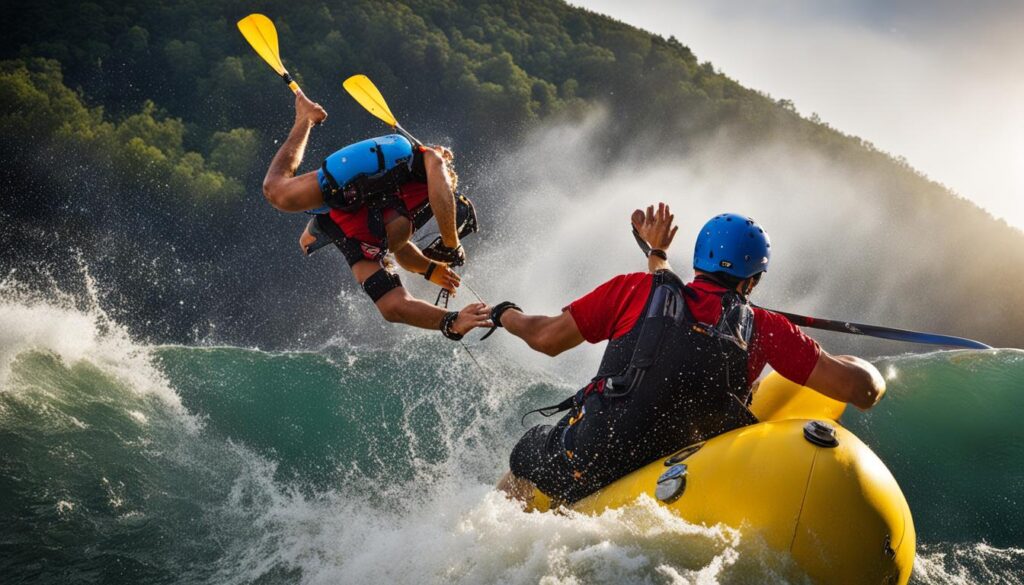
Finally, understanding the risks of adventure activities is not just limited to individual preparation. Engaging in activities with authorized and reliable groups, taking proper equipment and gear, and communicating with others before, during, and after the activity can help mitigate risks even further.
Exploring the great outdoors can be very satisfying and fulfilling, but it’s important to do it safely. Make sure to understand the risks involved in the adventure activities you choose and take the necessary steps to mitigate those risks. Remember, an informed and responsible adventurer makes the most out of any outdoor experience.
Choose Reliable and Certified Guides
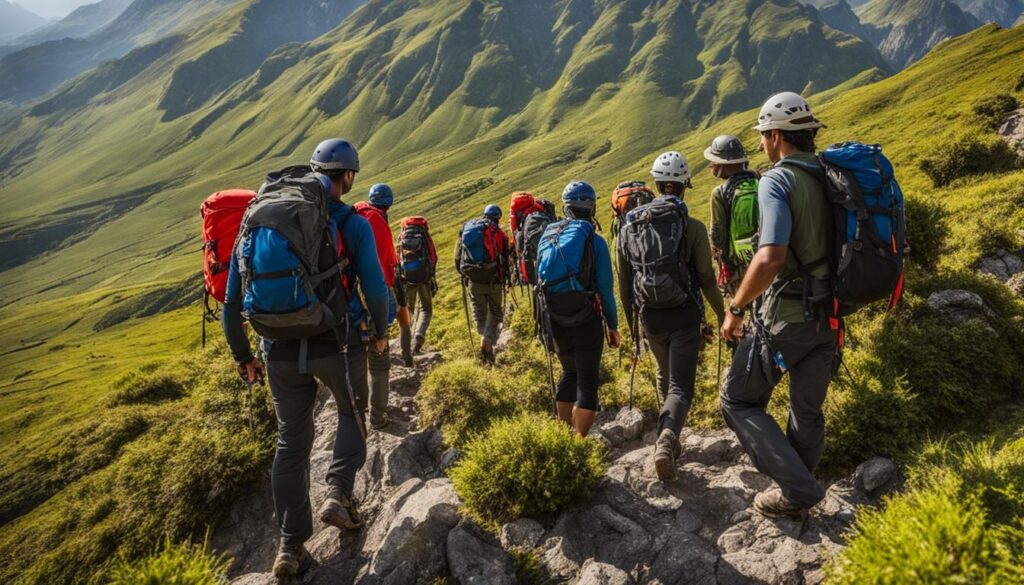
When it comes to adventure activities, having reliable and certified guides can make all the difference in ensuring a safe and enjoyable experience. Certified guides have undergone rigorous training and have proven their expertise in the relevant activity.
Before choosing a guide, research their credentials and ensure that they are licensed and certified by recognized governing bodies. This can provide assurance that the guide has the necessary skills and knowledge to lead you on your adventure safely.
Additionally, look for guides who have a reputation for being reliable and experienced. Seek recommendations from friends or read online reviews to get an idea of their track record and level of customer satisfaction.
“A great guide not only has the knowledge and experience to lead you on your adventure but can also offer insights that enhance the experience.”
Having a reliable and knowledgeable guide can also add to the overall experience, as they can provide valuable insights and help you navigate potential hazards. So, take the time to choose a guide who is certified, experienced, and reliable.
Conduct a Safety Equipment Check
When it comes to adventure activities, having the right safety equipment can mean the difference between a fun experience and a dangerous one. That’s why it’s crucial to conduct a thorough safety equipment check before embarking on any adventure activity. Here’s what you need to know:
Making a Safety Equipment Checklist
Start by making a list of the essential safety equipment you’ll need for your specific adventure activity. This could include items such as helmets, harnesses, ropes, life jackets, and first aid kits. Research the guidelines from reputable sources to ensure that you’ve included everything necessary.
Once you have your list, gather all your safety equipment in one place and inspect each item. Look for any signs of damage or wear that could compromise the equipment’s effectiveness. If you notice any problems, replace or repair the equipment as necessary. Always ensure that the equipment is not expired and if it has an expiry date, it should still be in date. Don’t forget to check the expiry date of medical supplies, such as those found in a first aid kit.
Guidelines for Ensuring Proper Functionality
Once you’ve inspected each item, it’s time to ensure that everything is functioning properly. Some items, like helmets, should fit correctly to guarantee the right level of protection. Take the time to adjust any straps or fittings to guarantee that your helmet fits snugly but comfortably on your head. Check that all the safety equipment you need to use fits correctly and ensure you know how to use each item correctly. If there’s any doubt or uncertainty, you can consult a professional guide or the internet to clear your confusion.
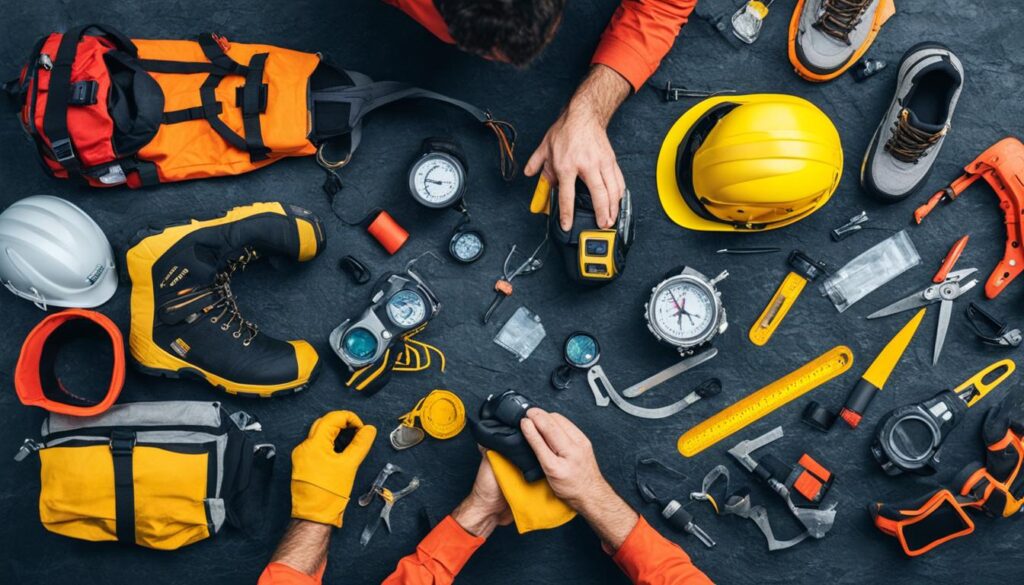
By conducting a safety equipment check, you’ll be better prepared to tackle any adventure activity safely and responsibly.
Assess Personal Fitness and Skill Levels
Before you embark on any adventure activity, it’s crucial to assess your personal fitness and skill levels. This self-evaluation can help minimize the risk of accidents and injuries during the activity. Evaluate your physical capabilities honestly and accurately, and consider the intensity of the adventure activity. Determine if you have the necessary fitness level, endurance, and strength to complete the activity successfully.
It’s also vital to evaluate your skill level regarding the specific adventure activity. For example, if you’re planning on rock climbing, evaluate your climbing skills and experience to determine if you’re ready for the level of challenge the climb presents.

Remember that overestimating your abilities can lead to disastrous consequences, whereas underestimating yourself may lead to a lack of confidence, which can also be dangerous. Take the time to assess your personal fitness and skill levels before engaging in any adventure activity, and seek proper training or guidance if necessary.
Plan and Prepare for Potential Hazards
When it comes to adventure activities, it’s crucial to be prepared for potential hazards. Hazard planning involves identifying risks and developing strategies to mitigate them. Here are some tips to help you plan and prepare for potential hazards:
Research the Activity and Location
Before embarking on any adventure activity, research the location and potential hazards that may be encountered. Check the weather forecast and any warnings or advisories issued for the area.
Create a Hazard Mitigation Plan
Create a plan outlining the steps you will take to mitigate potential hazards. For example, if hiking in an area known for wildlife encounters, include bear spray, noise makers, and other repellents in your equipment checklist.
Carry Essential Safety Equipment
Make sure to carry essential safety equipment for the activity you are participating in. This can include first aid kits, communication devices, and rain gear.
| Safety Equipment | Adventure Activity |
|---|---|
| Helmet, harness, ropes, carabiners | Rock Climbing |
| PFD, whistle, throw bag | White Water Rafting |
| Gloves, sunscreen, hat | Hiking |
Remember to check your equipment before every activity to ensure its proper functionality.
Prepare for Contingencies
Contingency planning involves preparing for unforeseen circumstances and having a backup plan in place. This can include carrying extra food and water, and knowing your location at all times.
By taking the time to plan and prepare for potential hazards, you can minimize risks and enjoy a safer adventure activity experience.
Practice Safety Measures During the Activity
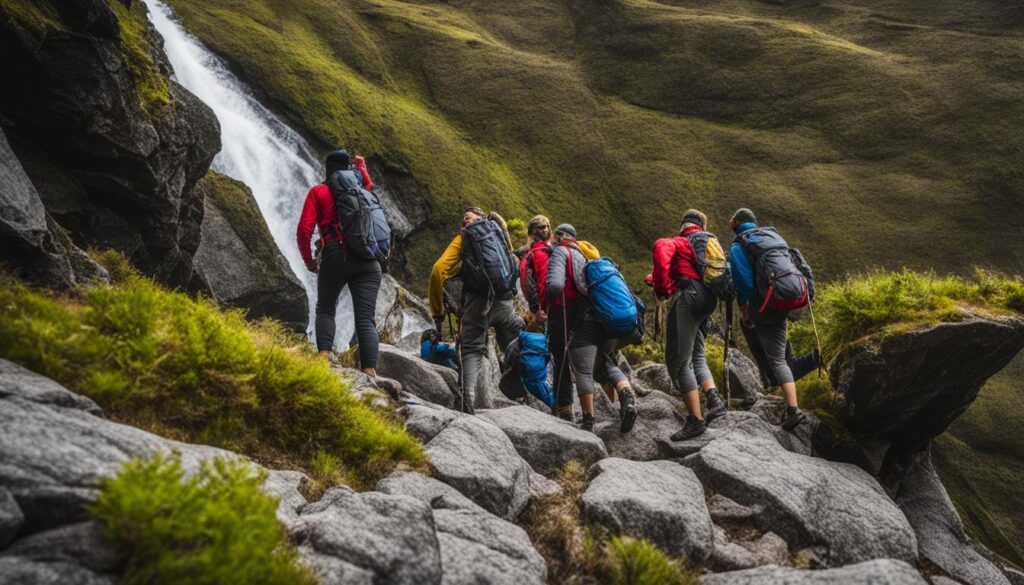
Adventure activities are exciting and exhilarating, but they can also be dangerous if proper safety measures are not followed. To ensure a safe experience, it’s essential to practice various safety measures during the activity. Here are some precautions that you should consider:
- Maintain proper form. Maintaining proper form is crucial for preventing injuries during adventure activities. For instance, when rock climbing, ensure that your weight is distributed evenly and keep your body close to the rock. This will help you maintain balance and prevent falls.
- Use signals. Using signals can be an effective way to communicate with your fellow adventurers during the activity. For instance, when white water rafting, use hand signals to indicate forward paddling, stopping, or turning, to maintain synchronized paddling and prevent collisions.
- Follow rules and regulations. Always follow rules and regulations set by authorities, tour guides, or instructors during the adventure activity. For example, when hiking in a national park, follow trail markings, pack out all trash, and avoid stepping off designated paths to protect the environment and wildlife, while keeping yourself safe.
By following these safety measures, you can enjoy your adventure activity without worry, while staying safe and protected.
Emergency Preparedness and First Aid
In any adventure activity, being prepared for emergencies can make all the difference. Accidents can happen despite the best-laid plans, which is why it’s crucial to carry a well-stocked first aid kit and know basic first aid techniques.
Some must-have items in your first aid kit include:
| Item | Purpose |
|---|---|
| Band-aids of various sizes | To cover small cuts and scrapes |
| Gauze pads and rolls | To aid in wound dressing |
| Antiseptic wipes | To clean wounds and prevent infection |
| Tweezers | To remove splinters, ticks, or other foreign objects |
| Scissors | To cut clothing or other materials to access wounds or create splints |
| Instant cold packs | To reduce swelling and minimize pain |
| First-aid manual | To provide guidance in treating more serious injuries until emergency services arrive |
If you’re unsure about how to use any of these items, consider taking a first aid course to learn how to administer basic care. In addition to knowing first aid, it’s important to have an emergency plan and to share it with your fellow adventurers. The plan should include key information such as emergency contacts, nearest hospitals, and directions to the activity location.
Stay safe during adventure activities by investing in your emergency preparedness and first aid knowledge, and always carry a well-stocked first aid kit.
Learn From Professionals and Seek Training
While adventure activities can be thrilling and exciting, they also involve potential risks that can lead to serious injury or even death. If you’re new to adventure activities or want to improve your skills, seeking guidance from professionals and acquiring proper training is crucial.
Training programs offer valuable information and techniques to help you mitigate risks and stay safe during your adventures. Learn from professionals who have extensive experience in your desired activity and can help you refine your skills. Seeking proper training can enhance your safety and improve your overall adventure experience.
Do your research and find reputable training programs that align with your needs. Look for programs that offer hands-on experience and provide comprehensive safety guidelines. Enlist the help of certified instructors and guides who can offer expert advice and ensure you’re properly prepared for your adventure.
Investing time and effort in your training is an investment in your safety. Don’t underestimate the importance of proper training as it can make a significant difference in your ability to stay safe during your adventure activities.
Conclusion
Adventure activities can be thrilling and unforgettable experiences, but they can also pose potential risks. It is crucial to prioritize your safety and mitigate those risks through proper planning and preparedness. By following the risk mitigation strategies outlined in this article, you can enjoy your favorite adventure activities while reducing the likelihood of accidents or mishaps.
Always remember to choose reliable and certified guides, thoroughly check safety equipment, assess your personal fitness and skill levels, plan for potential hazards, practice safety measures during the activity, and be prepared for emergencies. Seeking training from professionals can also enhance your safety and enjoyment of these activities.
Remember, adventure activities safety is paramount, and taking the necessary precautions can make all the difference. So go out and experience the thrills of adventure activities, but always put your safety first!


