Savor Traditional Lao Cuisine Luang Prabang Flavors
Have you ever wondered why Lao cuisine is often overlooked? Traditional Lao cuisine from Luang Prabang is a colorful mix of fresh ingredients and old cooking ways. It shows the heart of Lao food culture. Every dish has a story, taking you on a journey through Laos.
In this lively food scene, ingredients like lemongrass and sticky rice are key. Dishes like larb and tam mak hoong show off the bold flavors of Lao food. Sharing sticky rice makes meals more than just food, it brings people together. Let’s dive into the world of Traditional Lao cuisine Luang Prabang and discover its lasting charm.
Introduction to Lao Cuisine
Lao cuisine is a vibrant mix of fresh ingredients and aromatic herbs. It’s known for bold flavors and local produce. This shows the rich culture and diversity of Laos food history.
Traditional dishes often include herbs, spices, and fish from the Mekong River. The river is crucial for many tasty stews and curries.
Rice, like Lao sticky rice, is a big part of Lao meals. It’s grown all over the country and is a big part of the culture. Almost every meal includes rice.
Laab, the national dish, shows the love for fresh and fragrant ingredients. It’s made with padaek, a fish sauce from fermented freshwater fish.
Lao cuisine has influences from Thailand and Vietnam but stays unique. Dishes like Sai Oua and Thum Mak Hoong offer complex flavors. Exploring Lao cuisine is more than just food; it’s a journey into culture and tradition.
The Unique Flavors of Luang Prabang
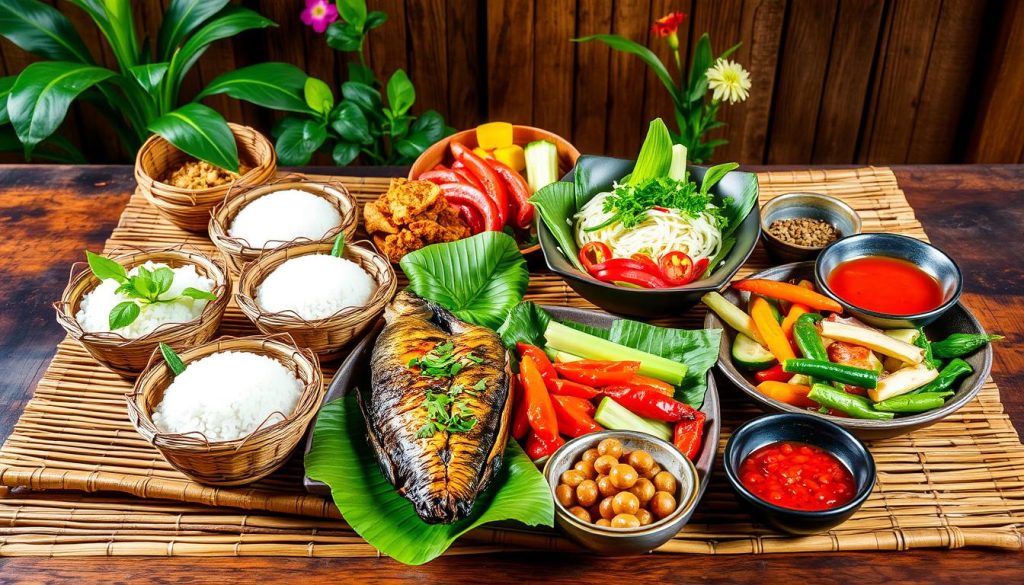
Luang Prabang’s food culture is a reflection of its rich history and geography. It uses local ingredients like fresh veggies, game meats, and fish from the Mekong River. The dishes here mix earthy and subtle tastes, with a perfect balance of sour, spicy, and sweet.
Dishes like yam salat, laab paa, and Sai Oua showcase traditional recipes passed down through generations. The French influence adds a unique twist, blending local ingredients with French cooking methods. This makes every meal a special experience.
As more tourists visit, traditional Lao food is getting more attention. Visitors can try a wide range of dishes, diving into the local food culture. This vibrant food scene makes every meal in Luang Prabang both enriching and delicious.
Traditional Lao Cuisine Luang Prabang
The heart of Traditional Lao cuisine Luang Prabang lies in its key ingredients and cultural heritage. This tradition is known for its balanced flavors, textures, and communal dining. It creates meals that show the land and its people.
Key Ingredients of Lao Dishes
Core components of Traditional Lao cuisine Luang Prabang include:
- Glutinous Rice: Known as Khao Niao, this staple is cultivated in the northern highlands and serves as the foundation of most meals.
- Fresh Herbs: Ingredients like lemongrass, galangal, and mint bring vibrant flavors to dishes.
- Padaek: This fermented fish sauce is a crucial seasoning that enhances the umami profile of many recipes.
- Meats and Fish: While meat is not as prevalent, fish from the Mekong River plays a significant role, with dishes like Koy Pa highlighting raw fish seasoned with local herbs.
The Laotian Or Lam stew is further enriched with mai sakhaan, adding a unique depth to its flavor. Meticulously chosen ingredients provide an insight into the agricultural practices and sustainability spirit of the region.
A Cultural Journey Through Food
Dining in Luang Prabang is more than just eating; it’s a cultural journey. Traditional meals are enjoyed family-style, fostering connections and conversations among diners. Restaurants such as Tamarind promote this communal experience with shared plates, allowing you to savor various dishes that tell stories of tradition.
Each recipe carries stories of the land and the people, embodying the country’s rich agricultural heritage. For instance, Laap, a traditional Lao salad, can include tofu and a medley of fresh vegetables, showcasing the local vegetarian-friendly ethos. Institutions like Laos Buffalo Dairy have also elevated the dessert scene with buffalo milk ice cream, offering innovative flavors that celebrate the unique landscape of Laos.
Through these culinary experiences, you embark on a journey that highlights traditional values, creativity, and the importance of community. These are essential parts of Lao identity.
Popular Lao Dishes You Must Try
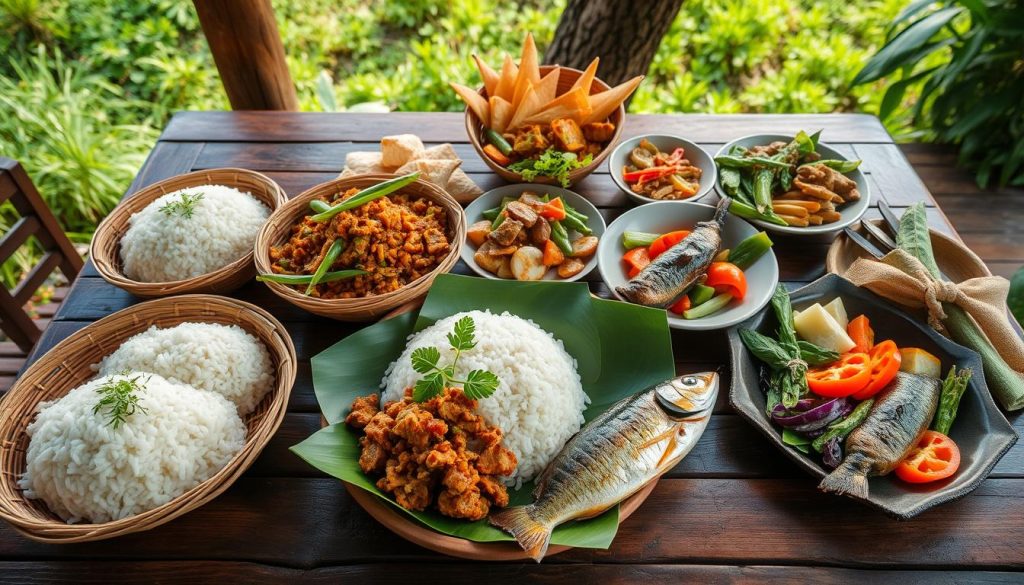
Lao cuisine is known for its unique flavors and cooking methods. Must-try dishes show the rich culture of Laos. Sticky rice is a key part of Lao meals, showing its importance in food and social life.
Exploring Specialty Dishes
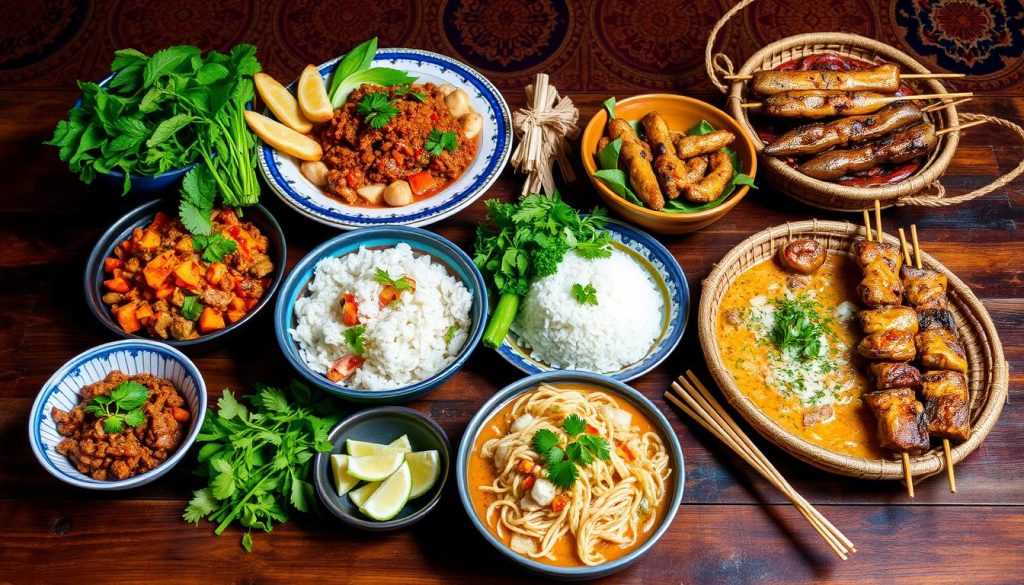
Lao food is famous for dishes like Larb, Tam Mak Hoong, and Mok Pa. Larb is the national dish, with a zesty taste from herbs and lime. Tam Mak Hoong is a fresh, spicy salad. Mok Pa is steamed fish wrapped in banana leaves, keeping it moist and flavorful.
Each dish offers a glimpse into Laos’s diverse culinary world. Over 40 ethnic groups contribute their own tastes and cooking styles.
The Role of Sticky Rice in Lao Cuisine
Sticky rice, or khao niew, is more than a side dish. It’s a key part of Lao meals. Laotians eat more sticky rice than any other nation, using it to scoop up other dishes.
Sharing sticky rice brings families and friends together. It’s a symbol of cultural importance. Chefs use special techniques to enhance flavors, making Lao dishes rich in tradition. Sticky rice perfectly complements the bold tastes of Lao food.
| Dish | Main Ingredients | Cultural Significance |
|---|---|---|
| Larb | Ground meat, herbs, fish sauce, lime juice | National dish, symbolizes unity |
| Tam Mak Hoong | Green papaya, lime, garlic, chili | Popular side dish, refreshing and spicy |
| Mok Pa | Fish, banana leaves, herbs | Traditional cooking method enhances flavor |
| Naem Khao | Ground pork, coconut, lime juice | Vientiane specialty with a crispy texture |
| Khao Poon Noodles | Rice noodles, chicken or pork, broth | Common comfort food with hearty flavors |
Visiting the Luang Prabang Night Market
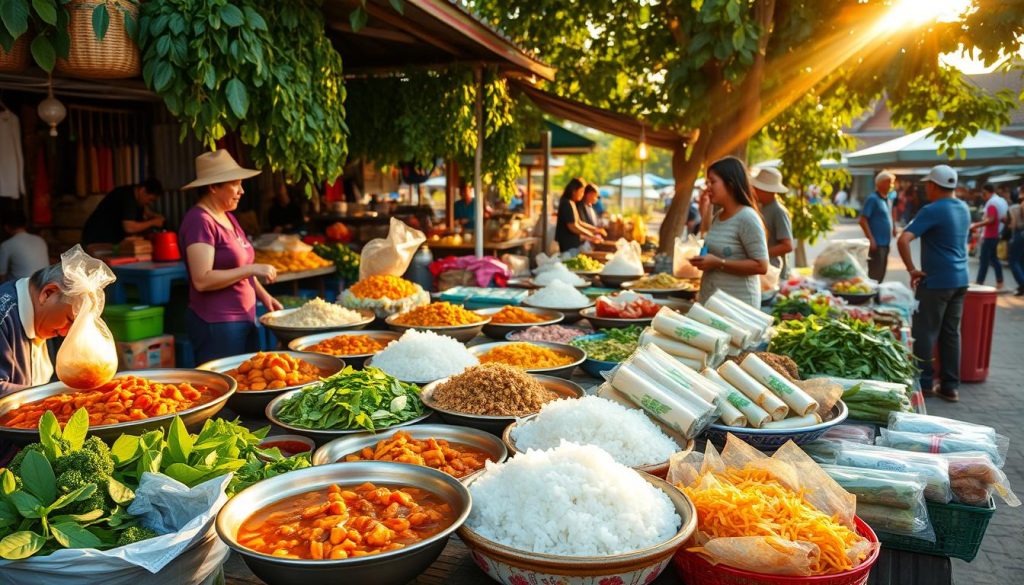
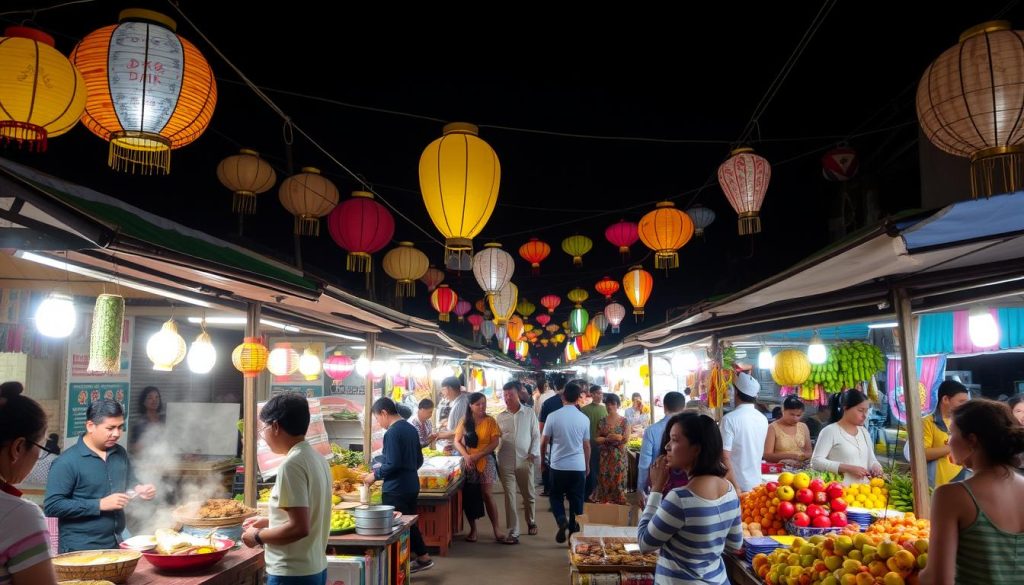
The Luang Prabang night market is a lively spot for food and culture. It opened in December 2002 and is open every evening from 5 pm to 11 pm. It stretches a kilometer along Sisavangvong Street, with over 300 vendors selling everything from food to handicrafts.
Walking through the market, you’ll find an authentic Lao dining experience. You can try local dishes, Thai, and Chinese food. Favorites include grilled meats, curries, laap (a minced meat salad), and sticky rice. Don’t forget to try the tropical fruit juice for a cool drink.
The market is more than just food. You’ll find handcrafted items like textiles and unique local artifacts. Prices are fair, from half a dollar to USD 20. Bargaining is encouraged, making it a great place for those who love to shop.
Visiting the market lets you see the local culture and support the community. Every purchase helps the sellers earn a living and show off their skills. The Luang Prabang night market is a top spot for food lovers and art enthusiasts.
Best Luang Prabang Restaurants to Experience Local Cuisine
Luang Prabang is known for its vibrant food scene. It reflects the rich heritage of Authentic Lao food. The city has 27 top restaurants, offering a variety of local dishes for all tastes and budgets. Each place adds its own twist to traditional dishes, letting you enjoy the flavors of this beautiful region.
Top Recommendations for Authentic Lao Food
Here are some standout restaurants that embody the spirit of Lao cuisine:
- Maly Lao Food – A favorite among locals, this restaurant serves genuine local flavors and atmospheric dining.
- Restaurant Les 3 Nagas – Offers a refined take on traditional dishes, perfect for a special evening out.
- Joy’s Restaurant – Ideal for homemade Lao food in a quieter area, allowing for a relaxed dining experience.
- Joma Bakery – A chain café that provides a variety of vegetarian options and comfort food in a cozy setting.
- Khaiphaen – A training restaurant where hospitality students serve tasty local fare, contributing to the community.
- Dao Coffee – Known for its aromatic Lao coffee, this spot offers a peaceful environment away from the hustle and bustle.
The culinary landscape here showcases an array of dishes, including sticky rice, jeow bong, and pho, all flavorful yet cost-effective. Dining in Luang Prabang not only provides a meal but also a cultural experience steeped in local traditions.
| Restaurant | Specialties | Atmosphere |
|---|---|---|
| Maly Lao Food | Local flavors | Traditional |
| Restaurant Les 3 Nagas | Refined Lao dishes | Elegant |
| Joy’s Restaurant | Homemade Lao food | Quiet |
| Joma Bakery | Vegetarian options | Cozy |
| Khaiphaen | Tasty local fare | Community-focused |
| Dao Coffee | Lao coffee | Peaceful |
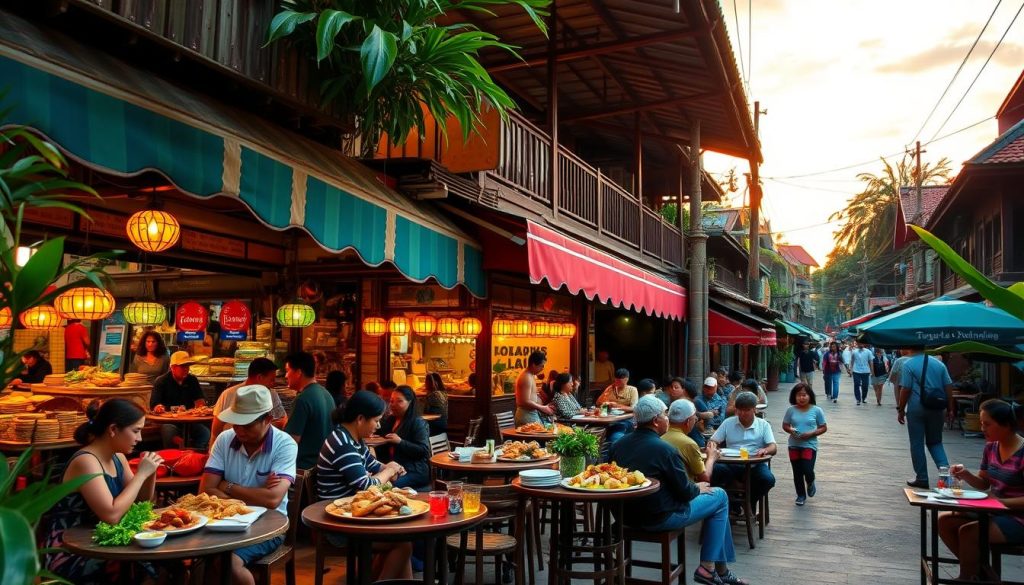
Luang Prabang’s restaurants not only serve delicious meals but also enhance your understanding of local culture and traditions. Enjoy the relaxing atmosphere, and take the time to explore these culinary gems during your visit.
Lao Culinary Traditions and Techniques
Lao cooking traditions focus on using fresh ingredients. They use methods like steaming, grilling, and slow simmering. These ways keep the food’s natural flavors alive, making dishes full of vibrant tastes.
The Lao diet is rich in vegetables and herbs. This diet is not just healthy but also lets the true flavors of the ingredients come out. Ingredients like lemongrass and kaffir lime leaves add unique aromas to Lao dishes.
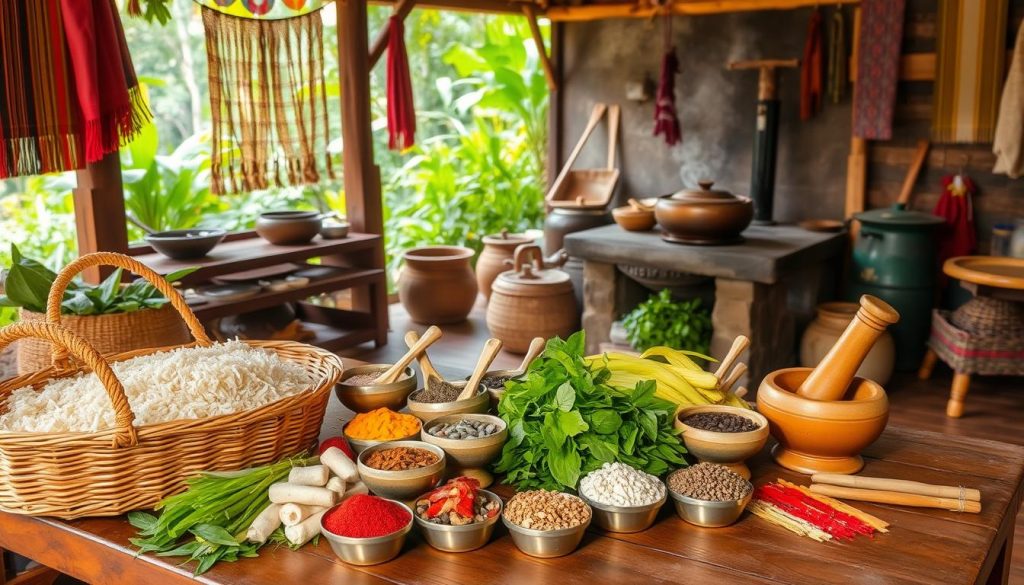
In Luang Prabang, street food stalls offer a variety of snacks and meals. You can find noodle soups, spring rolls, and grilled meats. These dishes follow Lao cooking traditions, using fresh, local ingredients.
Notable dishes like tam mak hoong and laap are made with fresh herbs and spices. They also use fermented fish sauce, creating a rich mix of flavors.
Restaurants like Tamarind and Tamnak Lao serve tasting menus that show off Lao cooking. They mix sour, sweet, salty, and spicy flavors, giving diners a deep dive into Lao culinary traditions.
| Cooking Technique | Description | Common Dishes |
|---|---|---|
| Steaming | Retains moisture and nutrients of the food | Mok pa (steamed fish) |
| Grilling | Adds smoky flavor with high heat | Grilled meats, bamboo and vegetable soup |
| Slow Simmering | Enhances depth of flavors and softens ingredients | Laap, soup with dried riverweed chips |
Food preparation is deeply connected to Lao culture. Sharing sticky rice, or “khao niew ma,” brings families and friends together. It shows how Lao cooking traditions build unity and celebrate the importance of fresh ingredients.
Embracing Spicy Flavors in Lao Cuisine
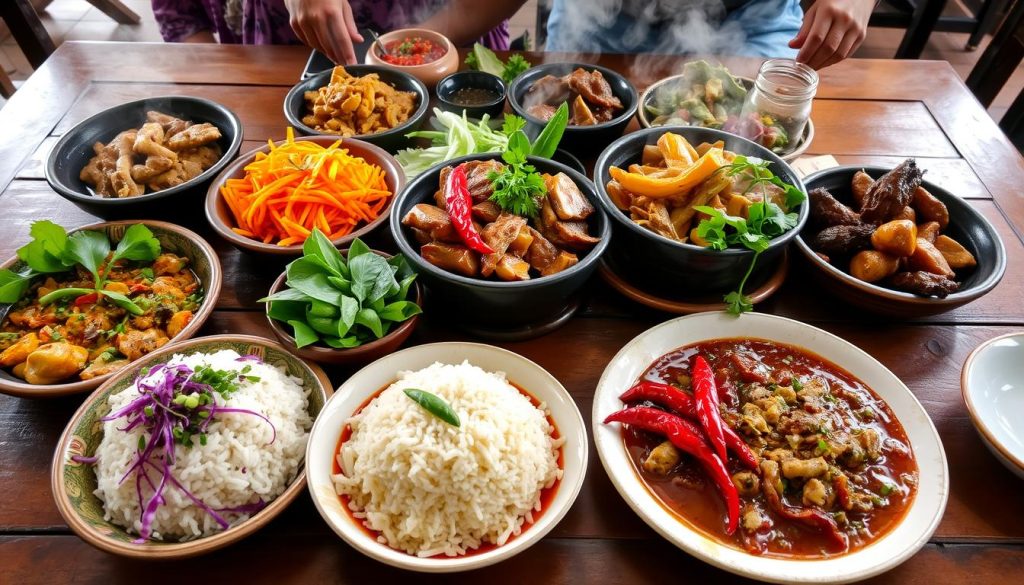
Lao cuisine is known for its bold use of fresh chilies. These chilies add a unique spice and depth to many dishes. Spicy Lao dishes like Laap show how heat and flavor blend perfectly, creating a memorable taste experience.
Laap can be made with beef, chicken, or fish, offering a variety of flavors. It includes lime juice, fish sauce, and chili peppers. This mix of ingredients highlights the dish’s heat and layers of flavor.
Sticky rice, or khao niew, is a key part of Lao meals. It’s often shared in a communal basket, bringing people together. Sticky rice balances the spiciness of Lao dishes and is a cherished tradition.
Exploring spicy Lao dishes is an exciting journey for your taste buds. It’s about embracing the heat and complexity of Lao cuisine.
| Dish | Main Ingredients | Flavor Profile |
|---|---|---|
| Laap | Ground meat, fish sauce, lime juice, chilies, fresh herbs | Spicy, sour, herbal |
| Tam Mak Hoong (Papaya Salad) | Green papaya, lime, fish sauce, chilies, peanuts | Spicy, tangy, crunchy |
| Laab Pha (Fish Laap) | Fish, mint, lime, fish sauce, chilies | Fresh, spicy, citrusy |
| Spicy Coconut Soup | Coconut milk, shrimp, mushrooms, chilies | Creamy, spicy, savory |
Conclusion
Trying Traditional Lao cuisine is more than just eating. It’s a deep dive into Luang Prabang’s food culture. Each dish has its own story, blending local ingredients with ancient cooking methods.
Sticky rice is a big part of Lao life, with people eating about 171 kilograms a year. This shows how much they love this staple food.
Lao food combines Indian and Chinese flavors, making meals exciting. The rise of Lao food worldwide has made dishes like Larb and Tam Mak Hoong famous.
Exploring Luang Prabang’s local restaurants is a way to connect with Laotian culture. Try Khao Piak Sen or Mok Pa to experience the true taste of Lao cuisine. Let your taste buds take you on a memorable journey through Laotian heritage.