Responsible Travel Practices in Wahiba Sands
Have you thought about how your travel choices affect the environment and local communities? In the stunning Wahiba Sands, it’s crucial to travel responsibly. Oman is showing off its unique desert, and sustainable tourism is key to keeping this area special. By choosing ethical travel, you can help the environment and support local people.
Temperatures in the desert can reach over 40°C. It’s important to know how to stay safe and enjoy your trip. As more people visit, it’s vital to travel responsibly. This way, you can appreciate Wahiba Sands’ beauty and help it stay beautiful for others in the future.
Introduction to Wahiba Sands
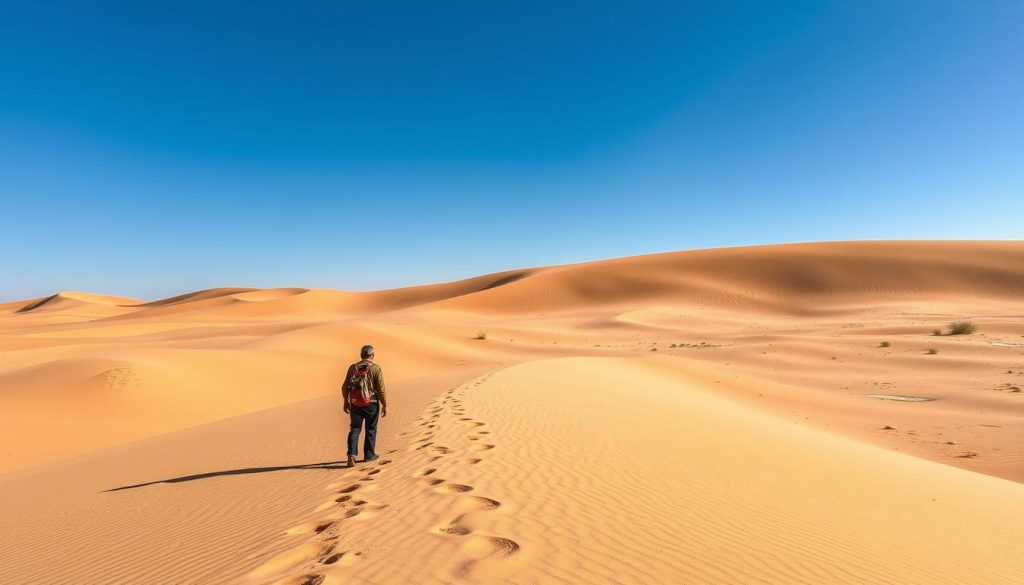
Wahiba Sands is a breathtaking place with towering dunes and vibrant Bedouin culture. It’s a top pick for those traveling to Oman. Located about 200 kilometers southeast of Muscat, the capital, it offers a unique desert experience.
Here, temperatures soar over 40°C (104°F) in summer and drop below freezing in winter. This extreme weather adds to the desert’s charm, making it a favorite for desert tourism.

Wahiba Sands is a gateway to adventure. You can go camel trekking, take sunset photos, and explore local markets. Guided tours make it easy for visitors, offering transportation and a hassle-free experience.
Visitors can dive into Bedouin traditions that have lasted for centuries. They learn about the Bedouins’ respectful use of nature.
Your food experience will be memorable, with dishes like tender lamb cooked in sand ovens and aromatic flatbreads. There are many places to stay, from luxury lodges to authentic Bedouin camps. This ensures everyone finds a cozy spot to rest after a day of exploring.
In short, Wahiba Sands is a must-see for those who love responsible tourism. It offers stunning beauty and rich culture, making it a highlight of any desert trip.
Understanding Responsible Travel
Responsible travel means caring for the environment and local communities. It’s about making choices that help places, not hurt them. In places like Wahiba Sands, knowing how to travel right is key. Water is scarce in Oman, with over 80% of farms using groundwater.
By choosing eco-friendly places to stay, like The View at Jebel Shams, you support green living. This place recycles water and uses materials that are good for the planet. Buying local goods and visiting markets helps the economy and connects you with the community.
It’s also important to respect local customs. For example, during Ramadan, it’s not okay to drink alcohol in public. Knowing these rules helps you get along with the people you meet.
| Responsible Travel Practices | Examples |
|---|---|
| Eco-Friendly Accommodations | Staying at places like The View at Jebel Shams that emphasize sustainability |
| Cultural Sensitivity | Learning about local customs and traditions, specially during Ramadan |
| Community Engagement | Supporting local artisans and buying handicrafts directly from them |
| Environmental Conservation | Joining guided tours that teach about the desert’s ecosystem |
By following these tips, you help make travel better for places like Wahiba Sands. Choosing to act sustainably helps keep nature and culture alive for others to enjoy.
Responsible Travel Practices Wahiba Sands
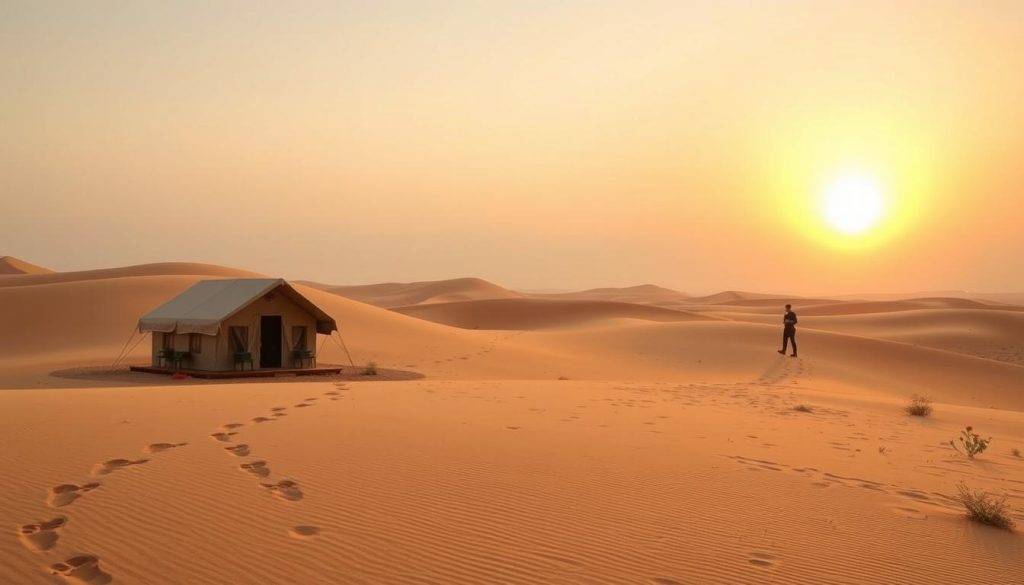
Traveling through Wahiba Sands is a chance to practice responsible tourism. It’s important to reduce our environmental impact and respect local cultures. Simple actions can make a big difference, improving your trip and helping the environment and communities.
Minimizing Environmental Impact
Exploring Wahiba Sands means taking steps to protect the environment. It’s key to conserve water and cut down on waste. Here are some ways to do it:
- Use refillable water bottles to avoid plastic waste.
- Join eco-friendly tours that focus on sustainability.
- Stay in places that aim to reduce their carbon footprint.
By following these tips, you help keep the desert ecosystem healthy while enjoying its beauty.
Cultural Sensitivity and Respect
Understanding and respecting local culture makes your visit to Wahiba Sands better. It’s important to dress modestly and respect local customs, which are crucial in rural areas. Here are some tips:
- Wear clothes that cover your body to show respect for local traditions.
- Interact with locals in a way that respects their cultural practices.
- Support local artisans and businesses to help the community.
Talking to indigenous communities can give you a deeper understanding of their lives. It’s important to be culturally sensitive to leave a positive mark on the area.
| Practice | Details |
|---|---|
| Water Conservation | Use refillable bottles and limit water usage in accommodations. |
| Waste Reduction | Avoid single-use plastics and participate in local clean-up events. |
| Cultural Engagement | Attend local events and support community initiatives to enrich experiences. |
| Supporting Local Economies | Employ local guides and buy handmade crafts to benefit the community. |
Sustainable Accommodation Options
Exploring sustainable places to stay in Wahiba Sands lets you enjoy the desert’s beauty while caring for the environment. These options give you special experiences that support eco-friendly travel. They help keep local ecosystems healthy.
Eco-Friendly Campsites
Eco-friendly camps in Wahiba Sands aim to harm the environment less. They use solar power and biodegradable products. Many focus on sustainable living, including:
- Using solar energy for lights and cooking
- Conserving water
- Recycling
- Offering food from local sources
Choosing these camps reduces your carbon footprint. It also deepens your connection with nature.
Benefits of Low-Impact Camping
Low-impact camping has many benefits for you and the planet. It lets you dive into the desert’s beauty while helping local communities. The key advantages are:
- Community Support: It helps the local economy by supporting families and businesses.
- Environmental Preservation: It keeps the desert beautiful by reducing waste and respecting nature.
- Cultural Engagement: It lets you learn about and join in local traditions, making your trip richer.
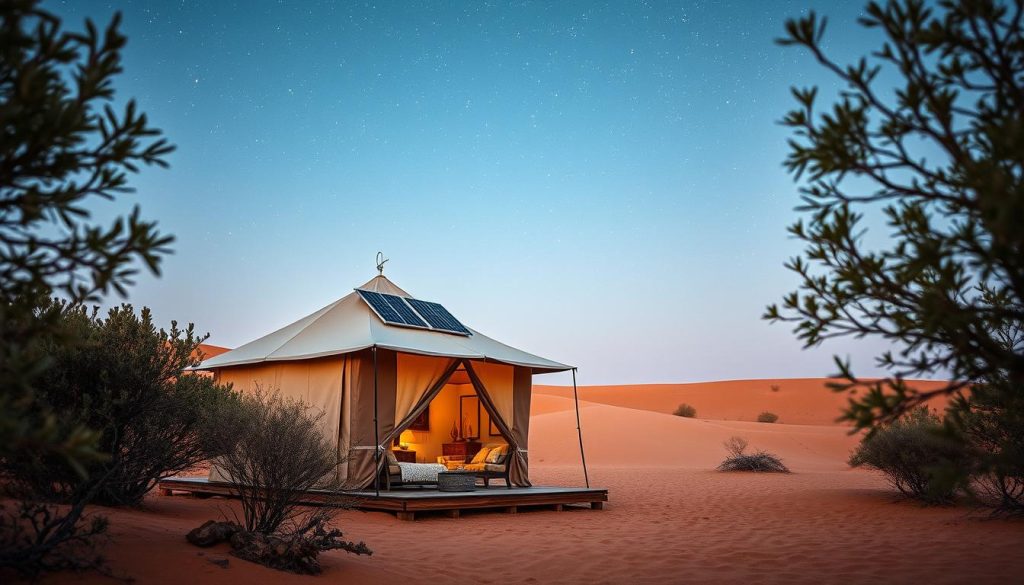
By choosing sustainable stays and low-impact camping, you get a unique Wahiba Sands experience. You also show your commitment to protecting the environment and supporting the local community.
Eco-Friendly Desert Tours
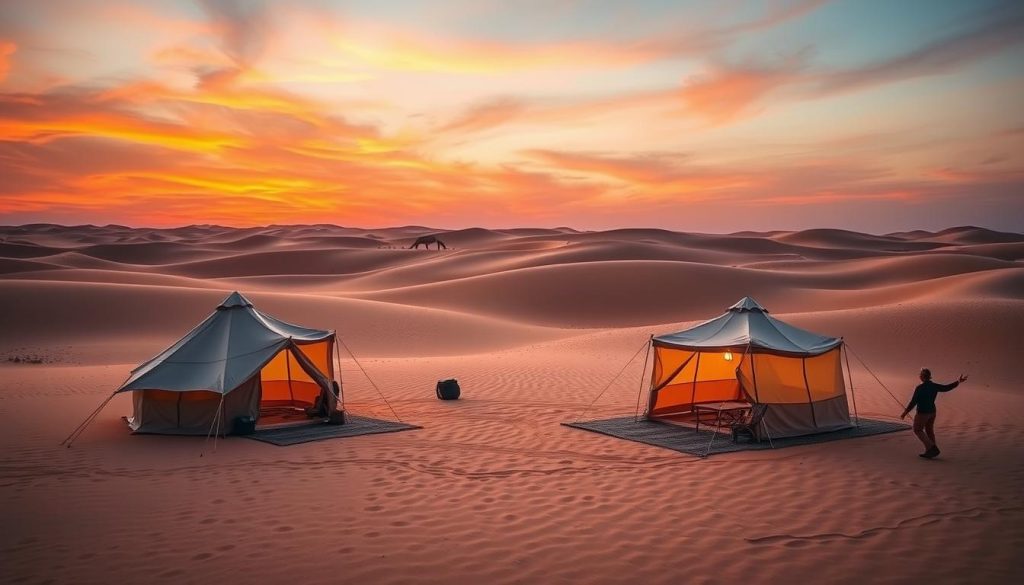
Exploring Wahiba Sands? Choose eco-friendly tours that focus on sustainability and respect for local culture. These tours let you connect with nature and learn about the local ecosystem and traditions. You’ll get insights from local guides, diving deep into the region’s rich history.
Guided Tours with Local Experts
Guided tours are a great way to see the desert’s beauty while supporting locals. Your Omani guide will take you on exciting 4WD adventures. They’ll share stories about the area’s history, plants, and animals.
This personal touch helps you understand Bedouin culture and the environmental issues the region faces.
Educational Experiences in the Desert
Imagine camping under the stars and learning about conservation at Ras Al Jinz Turtle and Nature Reserve. It’s home to one of the biggest green turtle nesting sites in the Indian Ocean. These educational tours make you appreciate Oman’s natural beauty and the efforts to protect it.
By joining these tours, you support responsible tourism and have an unforgettable adventure.
Promoting Conservation Efforts
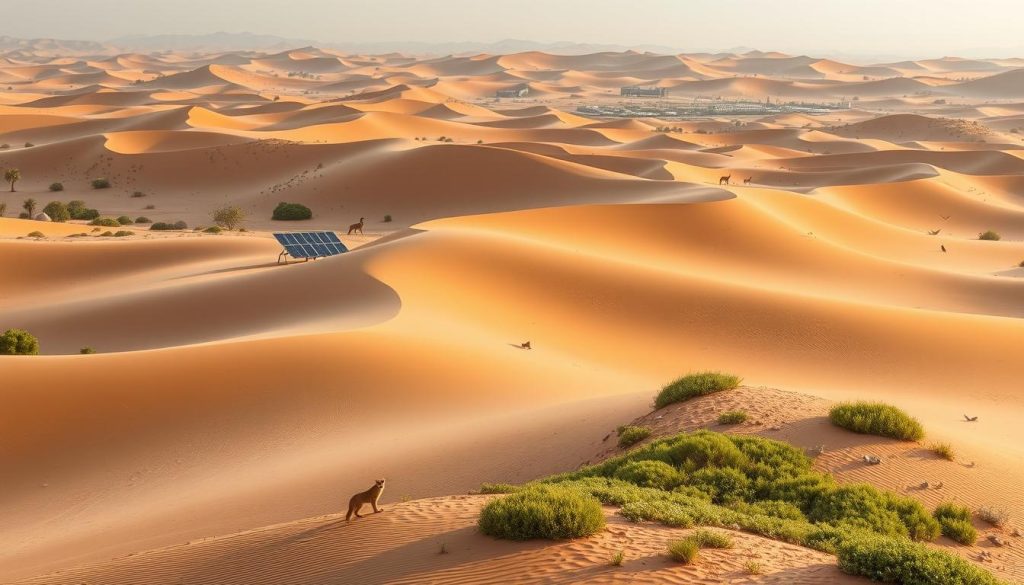
To protect Wahiba Sands, everyone must get involved. Tourists and locals can join local eco-initiatives. This helps the desert’s unique ecosystem and supports local communities.
Activities like clean-up campaigns and wildlife protection are key. They ensure tourism helps the environment and local people.
Supporting Local Eco-Initiatives
Helping out with local eco-initiatives is vital for Wahiba Sands’ future. You can:
- Help organize clean-up campaigns with organizations.
- Join reforestation projects to bring back natural habitats.
- Support wildlife protection to stop poaching and habitat loss.
These actions let you see the good work of conservation. You also help keep this beautiful place safe.
Participating in Wildlife Protection Programs
Wildlife protection programs are great for biodiversity and your trip. They focus on:
- Teaching visitors about the desert and its animals.
- Stopping illegal activities that harm the environment.
- Working with volunteers to watch over endangered species.
By joining in, you help make sure future visitors can enjoy Wahiba Sands too.
| Initiative | Description | Impact |
|---|---|---|
| Clean-Up Campaigns | Community efforts to remove waste from natural areas. | Improved habitat health and aesthetics. |
| Wildlife Monitoring | Programs to track endangered species and their habitats. | Increased awareness and protection of wildlife. |
| Reforestation Projects | Planting native trees to restore the ecosystem. | Support for local biodiversity and carbon sequestration. |
Transportation Practices for Sustainable Tourism
Wahiba Sands offers many ways to travel that are good for the planet. These options help reduce harm to the environment. They are key for traveling responsibly.
Using Electric Vehicles in the Desert
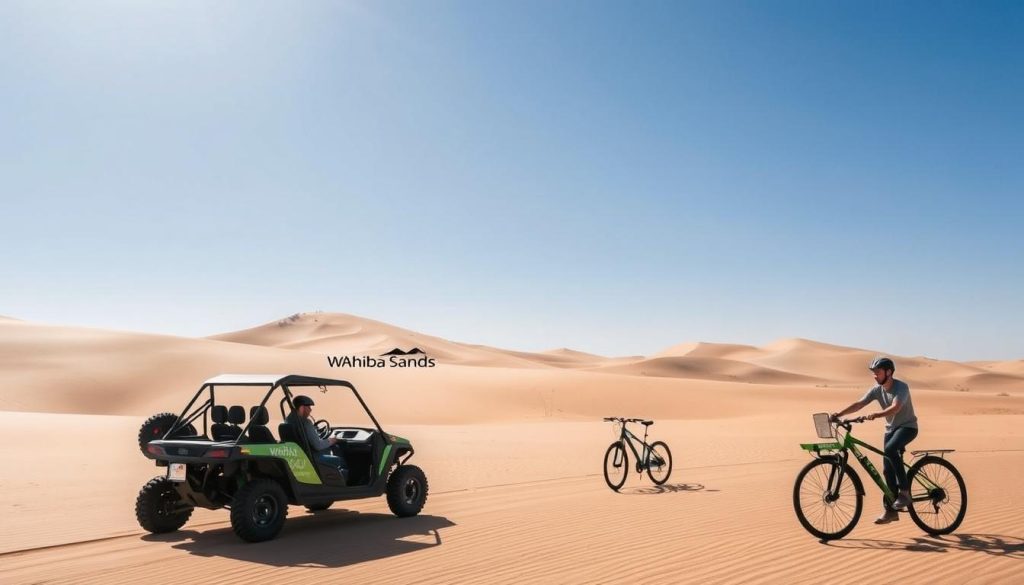
Electric cars are a great choice for desert travel. They cut down on carbon emissions and let you see the beauty of the desert. This way, you can enjoy the views without harming the environment.
More companies are using electric vehicles. This means you can have a fun adventure while protecting the desert.
Alternatives: Camel Rides & Hiking
Camel rides in Wahiba Sands are a special way to see the area. They show the local culture and are good for the planet. Riding a camel lets you see the desert in a unique way.
Hiking is another great choice. It lets you get close to nature and learn about the desert’s plants and animals. It’s a way to really understand the desert.
| Transport Method | Carbon Footprint | Cultural Engagement | Environmental Impact |
|---|---|---|---|
| Electric Vehicles | Low | Moderate | Positive |
| Camel Rides | Very Low | High | Positive |
| Hiking | None | High | Positive |
Choosing these green travel options helps protect Wahiba Sands. They also make your trip better by connecting you with the land and culture.
Engaging with Local Communities
Getting involved with local communities in Wahiba Sands is key for economic growth and better travel experiences. By supporting local businesses and joining community projects, tourists can make a big difference. This helps keep traditional ways of life alive and improves the lives of locals.
Encouraging Local Economic Development
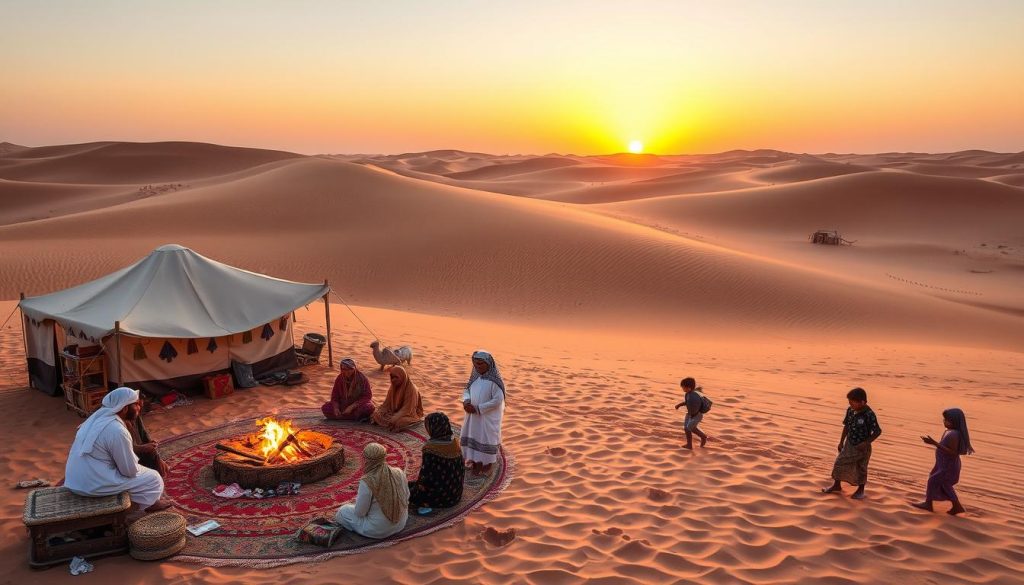
Visiting local markets and taking part in cultural events boosts the local economy. Staying in places run by locals, like Bedouin camps, helps families and keeps their heritage alive. Buying crafts from local artists also creates jobs and keeps cultural traditions strong.
Community Engagement Initiatives
There are many ways to get involved with the community. For example, cultural tours with Wabar Tours offer a chance to see Bedouin life up close. Activities like camel rides and trying local food help you connect with the culture.
Joining workshops and markets creates lasting memories and supports local businesses. It gives you a peek into daily life, offering a unique view of the area.
Leave No Trace Principles
Following Leave No Trace principles is key for all travelers in Wahiba Sands. It helps keep the stunning landscapes untouched for everyone. This part talks about how to travel responsibly and the importance of handling waste right.
Best Practices for Travelers
Your actions in Wahiba Sands can greatly affect the environment. Here are some tips to follow Leave No Trace:
- Always pack out all your trash, ensuring that nothing is left behind.
- Avoid disturbing wildlife or their habitats while enjoying the natural surroundings.
- Use established trails to minimize erosion and protect native vegetation.
- Stay on designated campsites to reduce impact on untouched areas.
- Educate fellow travelers about the importance of these principles.
The Importance of Responsible Waste Disposal
Handling waste right is crucial for Wahiba Sands’ environment. It cuts down on plastic and keeps the desert ecosystem safe. Here’s how you can help:
- Separate recyclable materials from general waste to maximize recycling efforts.
- Utilize biodegradable waste bags for any food scraps or organic materials.
- Dispose of waste in designated bins or carry it out when no facilities are available.
- Participate in local clean-up events to support ongoing conservation efforts.
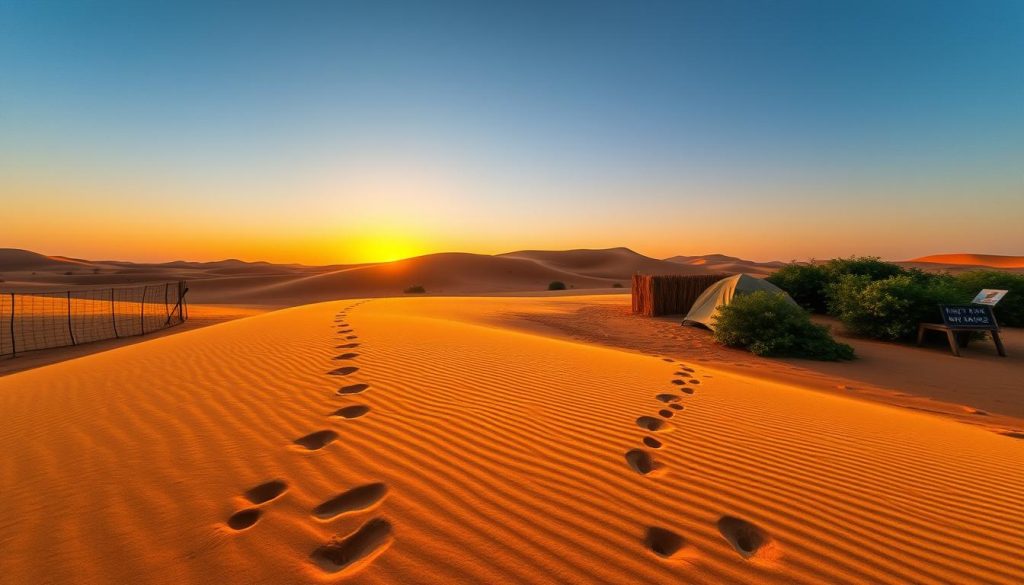
By following these steps, you help keep Wahiba Sands beautiful. It ensures this place remains a wonder for future generations.
Conclusion
Traveling responsibly in Wahiba Sands is key for a sustainable visit. It helps both visitors and local communities. By respecting the culture and environment of Oman, you help keep this desert beautiful for future generations.
Eco-tourism is becoming more popular. It shows the need for travelers to be green. This way, Wahiba Sands’ beauty stays safe.
Staying in eco-lodges helps the local economy and wildlife. These lodges use green energy and save water. Tour packages from places like Mountain Valley Holidays let you see the desert and help with conservation.
Being a responsible traveler makes a big difference. It builds a better connection between visitors and places. By choosing sustainable tourism, you’re part of a group that cares about Oman’s nature and culture.
Every time you visit, you help protect these amazing places. It shows the value of traveling ethically. Let’s all work together to keep Wahiba Sands beautiful.