Plan Your Perfect 10-Day Switzerland Itinerary – Explore & Discover
If you’re looking for a memorable vacation that combines awe-inspiring natural beauty, charming cities, and thrilling adventures, Switzerland is the perfect destination for you. With our carefully crafted 10-day itinerary, you can explore the best of Switzerland, including the stunning Swiss Alps, vibrant cities, and tranquil lakes.
Our travel guide Switzerland offers you a comprehensive plan that uncovers hidden gems, breathtaking views, and thrilling adventures in this picturesque country. Whether you’re a first-timer or seasoned traveler, this Swiss Alps vacation will take you on a journey that you’ll never forget.
During your 10-day trip, you’ll experience the top attractions and must-visit places in Switzerland. From exploring the charming old towns of Zurich and Lucerne to the outdoor adventures in Interlaken and Zermatt, you’ll find something to suit everyone’s tastes.
With our itinerary, you’ll also get to indulge in the delicious Swiss cuisine, learn about the efficient transportation system, and familiarize yourself with the local customs and etiquette. Our guide also provides you with tips on staying safe and making the most of your money while traveling in Switzerland.
Get ready for an unforgettable journey with our Switzerland itinerary 10 days. Let’s explore and discover the best of Switzerland together!
Must-Visit Places in Switzerland
Switzerland is a country filled with stunning natural landscapes, charming cities, and rich culture. With so many options to choose from, deciding where to go can be overwhelming. To help you plan your 10-day itinerary, we’ve put together a list of the best must-visit places in Switzerland.
The Swiss Alps
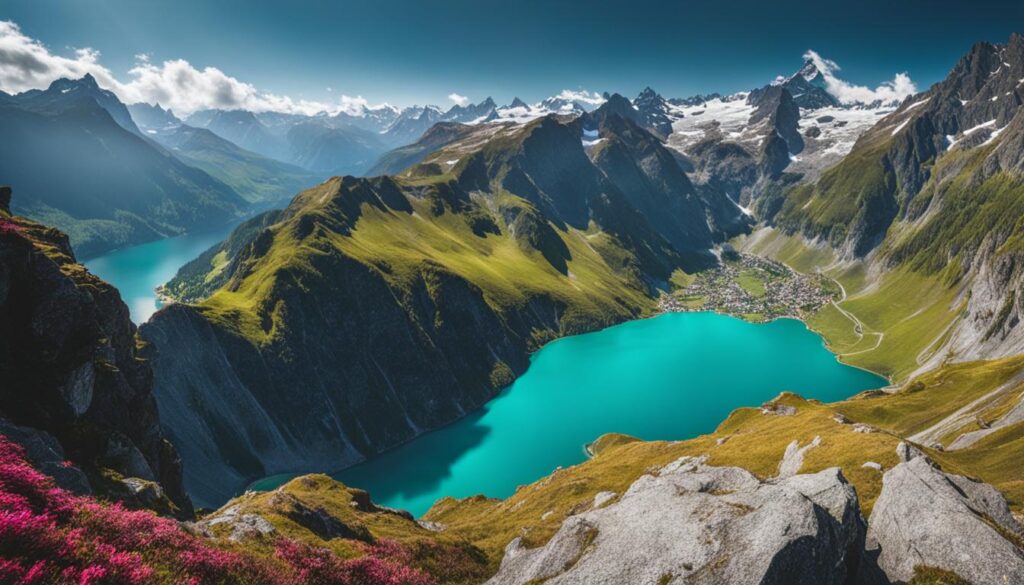
No trip to Switzerland is complete without a visit to the iconic Swiss Alps. From skiing and snowboarding in the winter to hiking and mountain biking in the summer, the Swiss Alps offer a range of outdoor activities for adventurers. The view from the top of Jungfraujoch, the highest railway station in Europe, is a must-see.
Lucerne
A charming town located in the heart of Switzerland, Lucerne is known for its picturesque landscape, historic architecture, and cultural attractions. Take a walk across the iconic Chapel Bridge, visit the Lion Monument, and explore the Old Town to experience the best of Lucerne.
Interlaken
The gateway to the Jungfrau Region, Interlaken is a town located between two lakes and surrounded by stunning mountains. It’s a popular destination for adventure seekers, offering a range of activities such as paragliding, river rafting, and canyoning.
Zurich
Zurich is the largest city in Switzerland and the country’s hub for finance, culture, and tourism. Explore the city’s historic center, visit museums, and take a boat ride on Lake Zurich to get a taste of the city’s traditional and modern charm.
Geneva
Geneva is a cosmopolitan city located on the shores of Lake Geneva. The city is known for its international influences, historical landmarks, and cultural attractions. Visit the Jet d’Eau, United Nations Headquarters, and the Old Town to explore the best of Geneva.
Bern
Bern is the capital city of Switzerland, known for its well-preserved medieval Old Town and cultural landmarks. Take a stroll through the city’s narrow streets, visit the Bear Park, and take a scenic train ride to the Bernese Oberland for breathtaking mountain views.
Lake Geneva
Lake Geneva, or Lac Léman, is the largest body of water in Switzerland and one of the largest lakes in Europe. The lake is surrounded by charming towns and stunning scenery, making it an ideal destination for a relaxing and scenic day trip.
These are just a few of the must-visit places in Switzerland. With so much to see and do, your 10-day itinerary will be filled with unforgettable experiences and breathtaking views.
Day 1: Arrival in Zurich
Congratulations on starting your 10-day Switzerland itinerary! Your first stop is Zurich, the vibrant financial hub of the country. Here are some Swiss travel tips for first-timers to ensure a smooth and enjoyable experience:
- Switzerland has four official languages: German, French, Italian, and Romansh. In Zurich, the primary language spoken is Swiss German.
- The currency in Switzerland is Swiss Francs (CHF). You can exchange your currency at the airport or any bank in the city.
- Zurich has an efficient public transportation system. You can purchase a ZurichCARD for unlimited travel on trams, buses, trains, and boats, as well as free or discounted admission to many museums and attractions.
After settling in at your hotel, head to the historic center of Zurich to explore its charming cobblestone streets and Gothic architecture. You can visit Fraumünster Church, home to beautiful stained-glass windows created by Marc Chagall, and Grossmünster Church, a Romanesque-style church with stunning views of the city.
Don’t miss a boat ride on Lake Zurich to admire the scenic views of the city and the Swiss Alps. You can also enjoy a delicious meal at one of the many restaurants along the lake promenade.

Fun Fact: Zurich is known for its high quality of life, ranking second in the world in the 2021 Mercer Quality of Living Survey.
End your first day in Zurich by strolling along the Bahnhofstrasse, one of the world’s most expensive shopping streets, lined with luxurious boutiques and department stores.
Day 2: Exploring Lucerne
After a relaxing night in Zurich, it’s time to hit the road again and head to your next destination. Today, you’ll be exploring the charming town of Lucerne, located in the heart of Switzerland.
Lucerne is a picturesque town nestled in the Swiss Alps, known for its stunning scenery, historic architecture, and cultural landmarks. The town is located on Lake Lucerne, which offers breathtaking views of the surrounding mountains and forests.
Start your day by taking a leisurely walk through Lucerne’s charming Old Town, one of the best-preserved in Europe. Admire the colorful facades, narrow alleyways, and intricate architecture as you explore.
One of Lucerne’s most famous landmarks is the iconic Chapel Bridge, the oldest wooden covered bridge in Europe. Walk across the bridge and take in the stunning views of the Reuss River and the surrounding mountains.

For a unique perspective of the town, take a boat trip on Lake Lucerne. Relax on the deck as you glide across the water, taking in the breathtaking views of the mountains and forested hillsides.
End your day with a stroll along the lake promenade, where you can watch the sunset over the mountains. Lucerne is a magical town that will leave you enchanted and eager to explore more of Switzerland.
Day 3-4: Interlaken and Jungfrau Region
Interlaken, a peaceful town nestled between two lakes and surrounded by stunning mountains, is the perfect destination for your Swiss Alps vacation. From here, explore the Jungfrau Region, one of the most majestic mountain areas in Europe. Here are some of the top activities to experience:
- Take the cogwheel train to Jungfraujoch, also known as the “Top of Europe,” for breathtaking views of the Swiss Alps.
- Explore the picturesque Lauterbrunnen Valley, home to 72 waterfalls and stunning hiking trails.
- Try paragliding or hang gliding for an adrenaline-pumping experience with amazing views.
- Visit the charming town of Grindelwald and take a cable car up to Mount First for panoramic views of the mountains.
With so much to do and see in the Interlaken and Jungfrau Region, you’ll want to spend at least two days here during your 10-day Switzerland itinerary. Don’t forget to pack warm clothing and sturdy shoes for your mountain adventures!
Day 5-6: Zermatt and Matterhorn
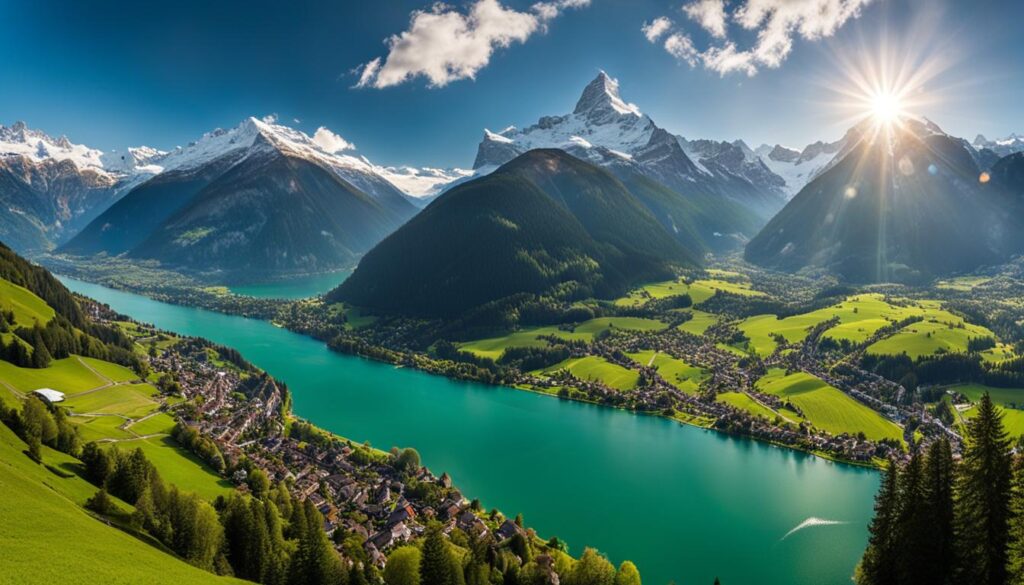
Travel to Zermatt, an idyllic car-free village located at the foot of the Matterhorn, one of the most famous peaks of the Swiss Alps. Zermatt is a true paradise for nature lovers, offering an abundance of hiking trails and outdoor activities.
Explore the charming streets of Zermatt, lined with traditional wooden chalets and boutique shops. Take a stroll through the village center and enjoy the stunning views of the surrounding mountains.
For the ultimate panoramic experience of the Swiss Alps, take a cable car ride to the summit of the Matterhorn Glacier Paradise. At 3,883 meters, it’s the highest cable car station in Europe and offers breathtaking views of the Swiss, French, and Italian Alps.
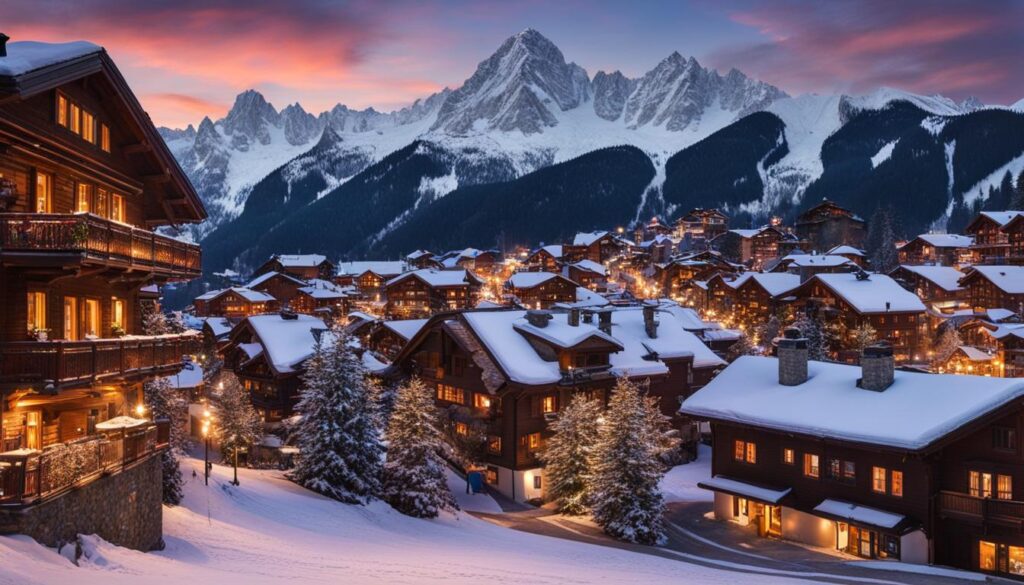
For a more active adventure, choose from a variety of hiking trails in the surrounding mountains. One of the most popular hikes is the Five Lakes Walk, which takes you through beautiful alpine landscapes and past five stunning mountain lakes.
| Hike Name | Difficulty Level | Distance |
|---|---|---|
| Five Lakes Walk | Easy | 9 km |
| Gorner Gorge | Easy | 1.5 km |
| Matterhorn Glacier Trail | Moderate | 7.5 km |
End your day with a delicious dinner at one of Zermatt’s many exceptional restaurants. Try traditional Swiss dishes like raclette or rösti, paired with a glass of local wine.
No visit to Switzerland is complete without experiencing the beauty and adventure of Zermatt and Matterhorn. With its stunning views and endless activities, Zermatt is a must-visit destination for any Swiss Alps vacation.
Day 7-8: Geneva and Lake Geneva
As your Switzerland itinerary continues, it’s time to discover the cosmopolitan city of Geneva, located on the shores of Lake Geneva. Known as the “Capital of Peace,” Geneva is home to the European headquarters of the United Nations and other international organizations.
Start your visit by walking along the lake’s promenade, admiring the Jet d’Eau, one of the world’s tallest water fountains. Visit the Flower Clock, a popular landmark made of over 6,500 flowers and plants, and explore the Old Town of Geneva with its cobblestone streets and medieval architecture.
| Attraction | Description |
|---|---|
| Jet d’Eau | One of the tallest water fountains in the world, with a height of 140 meters. It is a must-see attraction in Geneva and can be seen from various points throughout the city. |
| Flower Clock | A popular landmark made of over 6,500 flowers and plants, located near the Jet d’Eau. It is a working clock and changes with the seasons. |
| Old Town | The charming cobblestone streets and historic buildings of Geneva’s Old Town are a delightful place to stroll and explore. Visit the St. Pierre Cathedral, the Place du Bourg-de-Four, and the Maison Tavel Museum. |
Geneva also offers world-class museums, such as the International Red Cross and Red Crescent Museum, the Museum of Modern and Contemporary Art, and the Patek Philippe Museum, showcasing the history of Swiss watchmaking.
Don’t forget to indulge in the local cuisine during your stay in Geneva. Try the traditional Swiss dish of roesti, a potato fritter, or enjoy a cheese fondue with a glass of local wine.
When traveling in Geneva, it’s important to know that the city has an efficient public transportation system, including buses, trams, and trains. Consider getting the Geneva Transport Card, which offers free access to public transportation and discounts on attractions and tours.
As you continue your Swiss adventure, get ready to explore the charming capital city of Bern and the breathtaking Bernese Oberland region on Days 9-10.
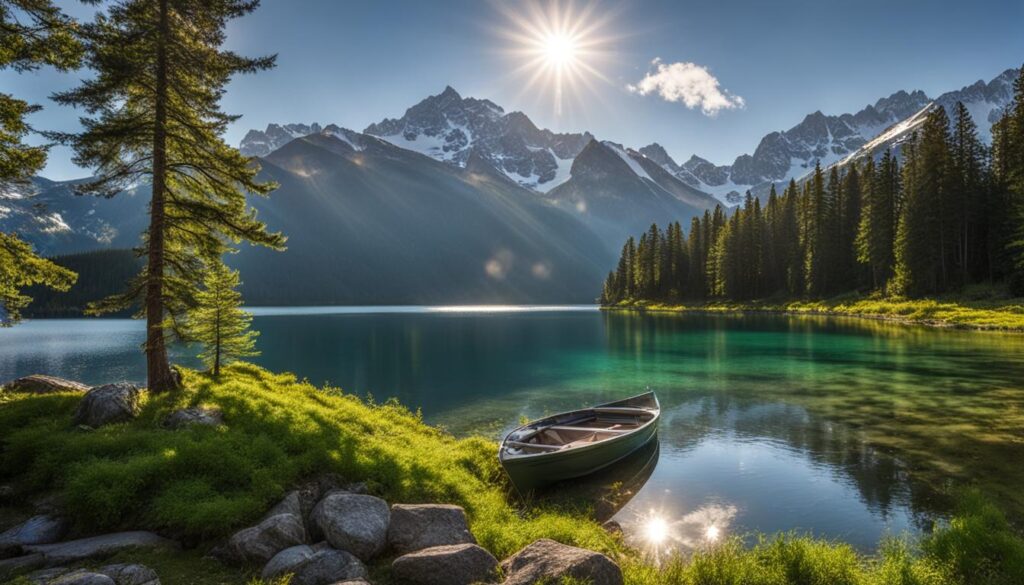
Day 9-10: Bern and the Bernese Oberland
Your Switzerland itinerary for first-timers isn’t complete without a visit to Bern, the capital city of Switzerland. Bern is known for its well-preserved medieval old town, which has been designated as a UNESCO World Heritage site. The city’s charming narrow streets, unique fountains, and sandstone buildings will transport you back in time.
Start your day by visiting the Bear Park, home to several brown bears, the symbol of the city. Explore the 16th-century Clock Tower, which houses an astronomical clock with moving figures. Walk along the Aare River and enjoy the view of the city’s many bridges.
Experience the scenic train ride to the Bernese Oberland, one of the top attractions in Switzerland. The train will take you through breathtaking mountain views, passing by charming villages and picturesque landscapes.
Once you arrive, take a gondola to the top of the Schilthorn Mountain for panoramic views of the Swiss Alps. Visit the Trümmelbach Falls, a series of ten glacier waterfalls hidden inside a mountain. Enjoy a leisurely stroll around Lake Thun or hike in the nearby mountains.
There’s no shortage of things to do in Bern and the Bernese Oberland, making it a perfect destination for the last leg of your 10-day Switzerland itinerary.
Enjoying Swiss Cuisine and Delicacies
Switzerland is renowned for its delicious cuisine and mouth-watering delicacies. During your 10-day trip, make sure to indulge in traditional Swiss dishes and treats that will leave your taste buds craving for more.
Try Fondue and Raclette
If you’re visiting Switzerland, you can’t leave without trying fondue and raclette. These traditional dishes are made with melted cheese and served with potatoes, bread, and a variety of dipping sauces. Fondue is typically made with Gruyere cheese, while raclette uses Raclette cheese. You’ll find restaurants serving these dishes in almost every corner of Switzerland.
Sample Swiss Chocolate
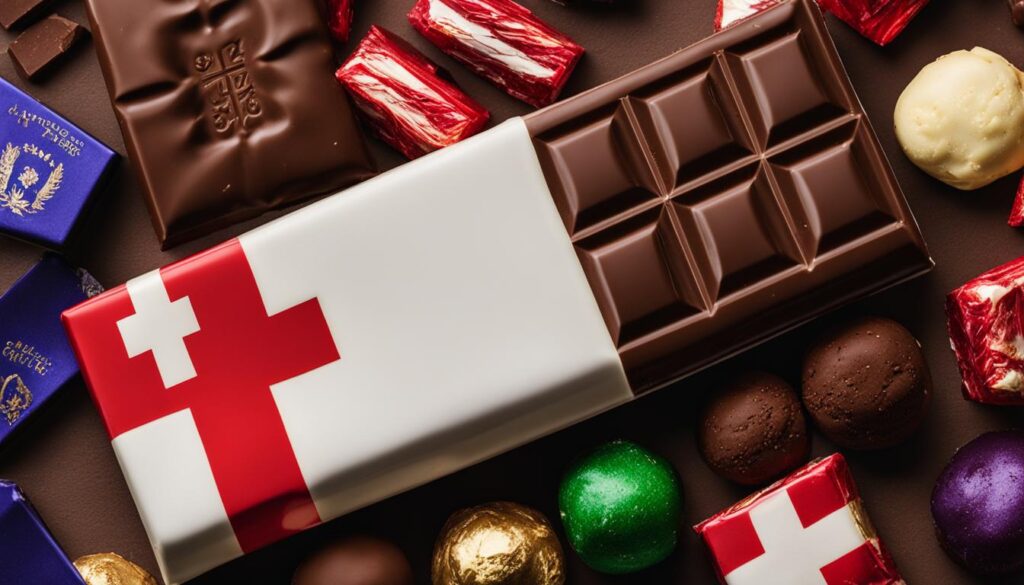
Switzerland is famous for its chocolate, and for a good reason. Swiss chocolate is known for its smooth texture and rich flavor. Make sure to try some of the most popular chocolate brands, such as Lindt, Toblerone, and Nestle. You can find chocolate shops in every city, or visit a chocolate factory to learn more about the chocolate-making process.
Discover Swiss Cheese
Switzerland is also famous for its cheese. From the salty Appenzeller to the nutty Emmental, Swiss cheese offers a wide range of flavors that will satisfy any cheese lover’s palate. Take a cheese-tasting tour or visit a cheese factory to learn more about Switzerland’s cheese-making traditions.
Sip Swiss Coffee
Switzerland is home to some of the best coffee in the world. From aromatic espressos to creamy cappuccinos, Swiss coffee is a must-try for any coffee enthusiast. Visit a local coffee shop or order a cup at a restaurant to experience the unique flavor and aroma of Swiss coffee.
During your 10-day trip to Switzerland, make sure to indulge in the country’s delicious cuisine and delicacies. With so many options to choose from, you’re sure to find something that will satisfy your taste buds and leave you craving for more.
Transportation in Switzerland
Getting around Switzerland is a breeze thanks to its efficient public transportation system. Whether you prefer trains, buses, or boats, you can easily navigate the country with ease.
Swiss Travel Pass
If you plan to travel extensively by public transport, purchasing a Swiss Travel Pass is an excellent choice. The pass offers unlimited travel on trains, buses, and boats throughout the country, as well as free admission to over 500 museums and discounts on mountain railways.
The pass is available for 3, 4, 8, or 15 consecutive days and can be purchased online or at major train stations. Keep in mind that the pass includes free transport on public transportation, but not on privately owned mountain railways, cable cars, or funiculars.
Trains
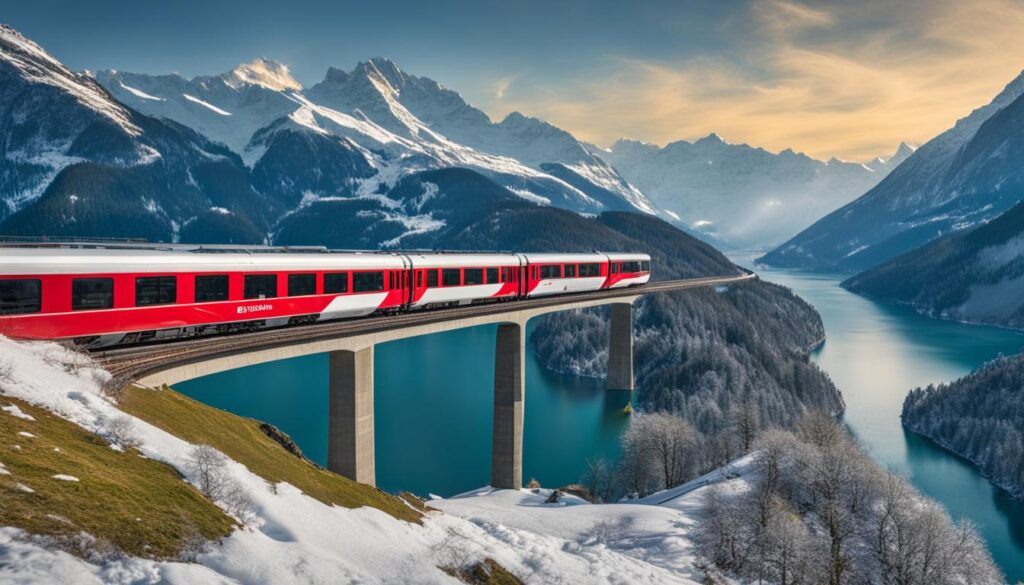
Switzerland has a vast network of trains, which are a convenient and comfortable way to travel between cities and regions. The trains are punctual, modern, and offer scenic views of the countryside.
If you have a Swiss Travel Pass, you can simply hop on and off the trains without worrying about tickets. If not, you can purchase tickets at train stations or online.
Buses
Buses are another great way to get around Switzerland, especially in more remote areas where trains don’t go. Regional and local buses are frequent, comfortable, and connect even the smallest villages to major cities.
Boats
Switzerland’s many lakes and rivers offer a unique way to explore the country. Boat trips are available on most lakes, and some even offer paddle steamers and vintage boats for a more authentic experience.
Taxis
Taxis are readily available in most Swiss cities and can be hailed on the street or booked in advance. However, they can be quite expensive compared to public transportation, so it’s best to use them sparingly.
With these Swiss travel tips, you’re ready to explore the country with ease. Whether you choose to travel by train, bus, or boat, you’ll be able to navigate Switzerland’s stunning scenery and charming towns with confidence.
Weather and Packing Tips for Switzerland
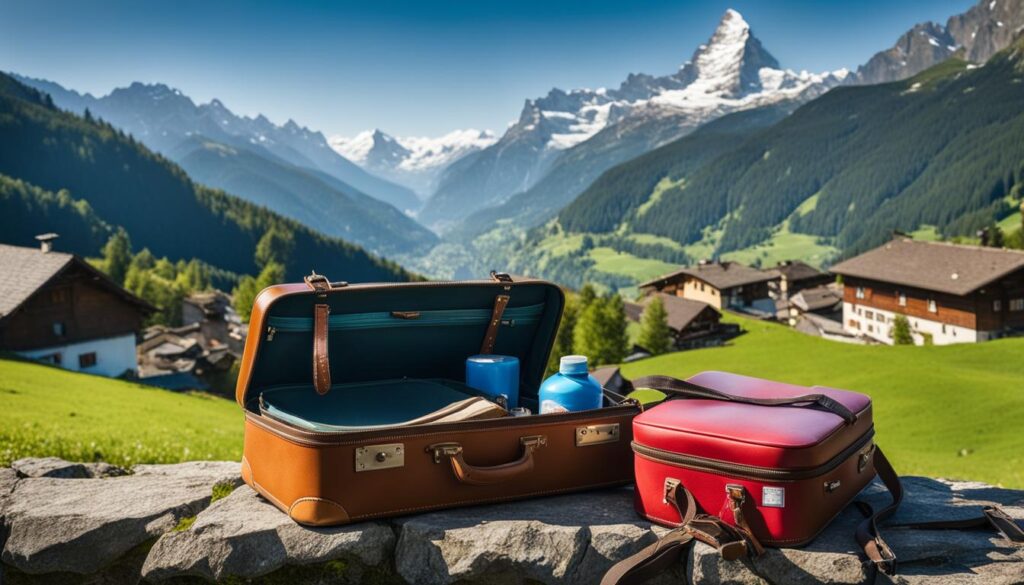
When packing for your 10-day trip to Switzerland, it’s important to consider the weather and bring appropriate clothing and gear for your activities. Here are some tips to help you prepare:
Weather Patterns
The weather in Switzerland can vary greatly depending on the season and region. However, it’s generally advisable to pack clothing that can be layered, as temperatures can change rapidly throughout the day. In the summer, temperatures usually range from 50-75°F (10-24°C), with occasional rain. In the winter, temperatures can drop below freezing, especially in the Swiss Alps. Be sure to check the weather forecast for your specific destinations before you depart.
Packing Essentials
Here are some must-pack items for your 10-day Switzerland itinerary:
- Comfortable, waterproof hiking shoes
- Warm, waterproof jacket
- Layers, including long-sleeved shirts and sweaters
- Swimsuit (for lakes and thermal baths)
- Sunscreen and sunglasses
- Camera or phone with good camera
- Power adapter for Swiss outlets
Outdoor Activities
If you plan to participate in outdoor activities such as hiking or skiing, be sure to pack appropriate gear, including:
- Hiking boots
- Hiking socks
- Sunscreen and lip balm with SPF protection
- Backpack with snacks and water
- Warm hat and gloves
- Thermal underwear and base layers
Image Tag
Cultural Etiquette and Customs in Switzerland
As a first-timer in Switzerland, it’s essential to familiarize yourself with the country’s cultural etiquette and customs to ensure a smooth and respectful trip. Keep in mind that Switzerland has four official languages, and the cultural norms can vary from region to region. Here are some tips to help you navigate the cultural landscape:
Greetings
Swiss people place a high value on greeting others with respect and courtesy. When meeting someone for the first time, a firm handshake is appropriate. In more formal settings, such as business meetings, it’s customary to address someone by their last name, followed by their professional title.
Tipping
Tipping in Switzerland is not as common as it is in the United States, as service charges are typically included in the bill. However, it’s common to round up the bill amount or leave a small amount as a gesture of appreciation.
Cuisine
Switzerland is known for its delicious cuisine, and it’s essential to show respect for its food traditions. When dining out, it’s polite to wait for everyone to receive their meal before beginning to eat, and it’s customary to clean your plate.
Rules and Regulations
Switzerland has strict rules and regulations, and it’s essential to follow them to avoid any legal issues. For example, it’s illegal to jaywalk, litter, or smoke in public places. It’s also important to be aware of noise levels, as loud noises can be considered disrespectful and disruptive.
Switzerland is a country with a rich cultural heritage, and by familiarizing yourself with the local customs, you’ll be able to have a more fulfilling and respectful travel experience.
Safety Tips for Traveling in Switzerland
Switzerland is considered one of the safest countries in the world, but it’s still important to take precautions while traveling. Follow these safety tips to stay safe during your 10-day trip:
- Keep your belongings secure: Pickpocketing can occur in busy tourist areas and on public transportation. Keep your valuables, including your passport and money, in a secure location such as a money belt or inside pocket.
- Be aware of your surroundings: Stay alert and be cautious of your surroundings, especially in crowded tourist areas. Avoid walking alone at night and stick to well-lit streets.
- Don’t leave your belongings unattended: Never leave your bags or belongings unattended, even for a short period of time. This can make you an easy target for theft.
- Stay informed about current events: Stay up to date on any potential safety concerns in the areas you plan to visit. Check for travel advisories and alerts from the U.S. State Department before your trip.
- Respect local customs: Familiarize yourself with local customs and obey local laws to ensure a safe and respectful travel experience. Avoid taking pictures of military installations or government buildings, as this is strictly prohibited.
By following these safety tips, you can have a worry-free Swiss adventure and enjoy all the amazing experiences this beautiful country has to offer.
Currency and Money Matters in Switzerland
As a first-time traveler to Switzerland, it is essential to familiarize yourself with the local currency and banking system. Switzerland uses the Swiss Franc (CHF) as its national currency, and it is available in denominations of 10, 20, 50, 100, 200, and 1000.
You can exchange currency at airports, banks, post offices, and currency exchange offices. However, banks and post offices usually offer the best exchange rates.
If you plan on using your credit card, most establishments in Switzerland accept Visa, Mastercard, and American Express. However, it is still advisable to carry cash as some smaller businesses may only accept cash payments.
Switzerland is known for being an expensive country, and it’s crucial to keep track of your expenses to avoid overspending.
Money-Saving Tips
- Purchase a Swiss Travel Pass – this pass provides unlimited travel on trains, buses, boats, and many other transportation options, allowing you to save on transportation costs.
- Avoid shopping and dining in touristy areas – prices in these areas are often inflated, and you can find more affordable alternatives in local neighborhoods.
- Use ATMs to withdraw cash – withdrawing cash from ATM machines usually offers better exchange rates than currency exchange offices.
“In Switzerland, they had brotherly love, five hundred years of democracy and peace, and what did they produce? The cuckoo clock.” – Orson Welles
Language and Communication in Switzerland
Switzerland is a multilingual country, with four official languages: German, French, Italian, and Romansh. The language you encounter will depend on the region you’re visiting. German is the most widely spoken language in Switzerland, with French and Italian being the next most common.
If you’re visiting Switzerland for the first time, it’s a good idea to learn a few basic phrases to help you communicate with the locals. Here are some useful phrases in German:
- Guten Tag – Good day
- Bitte – Please
- Danke – Thank you
- Entschuldigung – Excuse me
- Wo ist…? – Where is…?
If you’re traveling to the French-speaking part of Switzerland, here are some useful phrases in French:
- Bonjour – Hello
- S’il vous plaît – Please
- Merci – Thank you
- Pardon – Excuse me
- Où est…? – Where is…?
If you’re visiting the Italian-speaking part of Switzerland, here are some useful phrases in Italian:
- Buongiorno – Good morning
- Per favore – Please
- Grazie – Thank you
- Scusa – Excuse me
- Dove si trova…? – Where is…?
While most Swiss people speak at least one of the four official languages, it’s always a good idea to be prepared with a translation app or phrasebook just in case.
It’s important to note that Swiss people tend to be formal and polite in their communication. When in doubt, use formal greetings and titles such as Herr (Mr.), Frau (Mrs.), or Fräulein (Miss), followed by the person’s last name.
Additionally, tipping isn’t expected in Switzerland as it’s already included in the bill for most services. However, it’s common to round up bills to the nearest franc as a gesture of appreciation.
Conclusion
Congrats! You have created the perfect Switzerland itinerary for 10 days. This travel guide Switzerland has covered top attractions, best places to visit, and experiences to enjoy during your Swiss Alps vacation.
Tips for a Memorable Trip
Remember to pack appropriately for changing weather conditions and comfortable shoes for outdoor activities. Keep your belongings secure to ensure a safe travel experience. Familiarize yourself with local customs and etiquette and learn a few phrases in German, French, Italian, or Romansh to enhance your communication with locals.
Swiss Travel Tips
Make use of the efficient transportation system by purchasing a Swiss Travel Pass or other transportation options. This will help you navigate the country easily and save money. Indulge in delicious Swiss cuisine such as fondue and raclette, and treat yourself to Swiss chocolate and coffee.
This travel guide Switzerland is designed for first-timers to explore and discover the best of Switzerland. Enjoy your Swiss Alps vacation and create unforgettable memories that will last a lifetime.