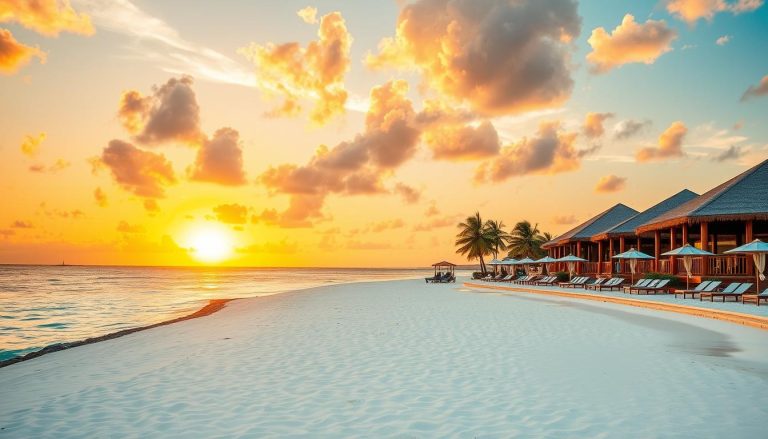
Optimal Snorkeling Season in Turks and Caicos
Ever thought about the best time to snorkel in Turks and Caicos? Its beautiful barrier reefs and lively sea creatures make it a dream spot. Knowing when to go can make your snorkeling trip even better.
Choosing the right season means clearer waters and better deals on places to stay. This article will help you find the perfect time for snorkeling in Turks and Caicos. You’ll learn how to pick the best weather, prices, and water clarity for an unforgettable snorkeling adventure.
Introduction to Snorkeling in Turks and Caicos
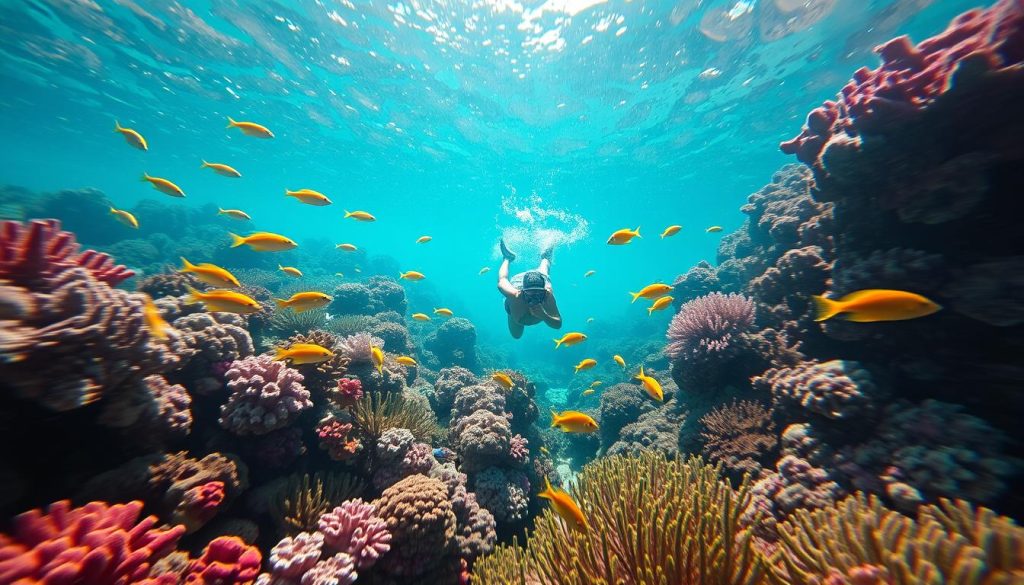
Snorkeling in Turks and Caicos opens up a stunning underwater world. It’s perfect for both beginners and experienced explorers. Each island offers its own unique snorkeling adventures.
The area is known for its rich marine life, colorful coral reefs, and beautiful underwater scenes. It’s a must-see for anyone traveling here.
This guide will show you the top snorkeling spots in Turks and Caicos. You’ll find places for all levels, from beginners to experts. Whether you’re in Providenciales or Grand Turk, there’s something for everyone.
Knowing where to go makes your snorkeling trip even better. You’ll get to see the amazing beauty that lies beneath the waves.
| Island | Rating | Accessibility | Key Features |
|---|---|---|---|
| Providenciales | 5-star | Easy | Wide selection of beach reefs and tours |
| Grand Turk | 4-star | Requires boat | Rich reefs, but challenging shore access |
| North and Middle Caicos | Varies | Rough conditions | Secluded spots, wildlife |
| Salt Cay | Varies | Moderate | Interesting sheltered sites off beaches |
Understanding the Best Time to Visit Turks and Caicos for Snorkeling?
Deciding when to snorkel in Turks and Caicos means knowing about the seasons. Weather, water temperatures, and prices all play a part. Also, the chance of hurricanes can impact your trip.
The peak tourist times can change your snorkeling experience. It’s important to pick the right time for the best conditions.
Factors Influencing Snorkeling Seasons
The best snorkeling months in Turks and Caicos are April to June. You’ll find warm weather and fewer people around. From November to March, it’s busier but the weather is perfect.
If you want fewer tourists and lower prices, visit from late August to early November. Even though it’s hurricane season, you can still have great snorkeling days.
Weather Patterns and Their Impact
Turks and Caicos has a warm climate all year. Winter temperatures are around 77°F, and summer hits 90°F. Hurricane season, from June to November, might cause travel issues.
But, this time can also mean cheaper travel and peaceful beaches. The water stays warm, from 74°F to 84°F, making snorkeling comfortable all year.
| Season | Temperature Range (°F) | Key Considerations |
|---|---|---|
| Winter (Dec – Mar) | 77-85 | Peak tourist season; crowded; high accommodation rates. |
| Spring (Apr – Jun) | 77-90 | Optimal for snorkeling; fewer tourists; better prices. |
| Summer (Jul – Aug) | 80-90 | Warm; occasional storms; great for activities. |
| Fall (Sep – Nov) | 77-85 | Off-peak; lower prices; hurricane risk; fewer crowds. |
Peak Season: December to April
The peak season for snorkeling in Turks and Caicos is from December to April. It draws many tourists who want to see the vibrant marine life and stunning underwater views. Visitors enjoy sunny skies, warm temperatures, and perfect snorkeling conditions during these months.
Why It’s Popular Among Tourists
This time is known for its nice weather, with daytime highs from 77 to 84 degrees Fahrenheit. The water temperature is close to the air temperature, making snorkeling comfortable. With only five to six rainy days a month, the chance of rain is low. The beautiful coral reefs and lively marine ecosystems make it a busy time for snorkelers and divers.
Snorkeling Conditions During Peak Season
Underwater visibility is at its best during the peak season, from December to May. Snorkelers can see the colorful coral reefs and diverse marine species clearly. While it’s more crowded and accommodation prices are higher, the conditions and marine life make it a memorable experience.
| Month | Average High Temp (°F) | Average Water Temp (°F) | Rainy Days | Visibility (Feet) |
|---|---|---|---|---|
| December | 77 | 79 | 5 | 80+ |
| January | 76 | 79 | 5 | 80+ |
| February | 77 | 79 | 4 | 80+ |
| March | 79 | 80 | 5 | 80+ |
| April | 84 | 81 | 5 | 80+ |
Low Season: August to November
The low season in Turks and Caicos, from August to November, is a great time to visit. You’ll find lower prices and a more relaxed vibe. With fewer tourists, you can enjoy better deals on places to stay and things to do.
This time is called the “Silly Season.” It’s a chance to experience the islands in a more peaceful way.
What You Need to Know About Prices
Prices drop during the low season. You can save on places to stay, activities, and food. Resorts and hotels offer big discounts to attract visitors.
Flights and excursions also cost less. So, you can snorkel in Turks and Caicos without spending a lot.
Weather Considerations and Rainy Days
The low season has its weather challenges. It’s hurricane season, so storms and heavy rain are possible. Temperatures are hot, and humidity is high.
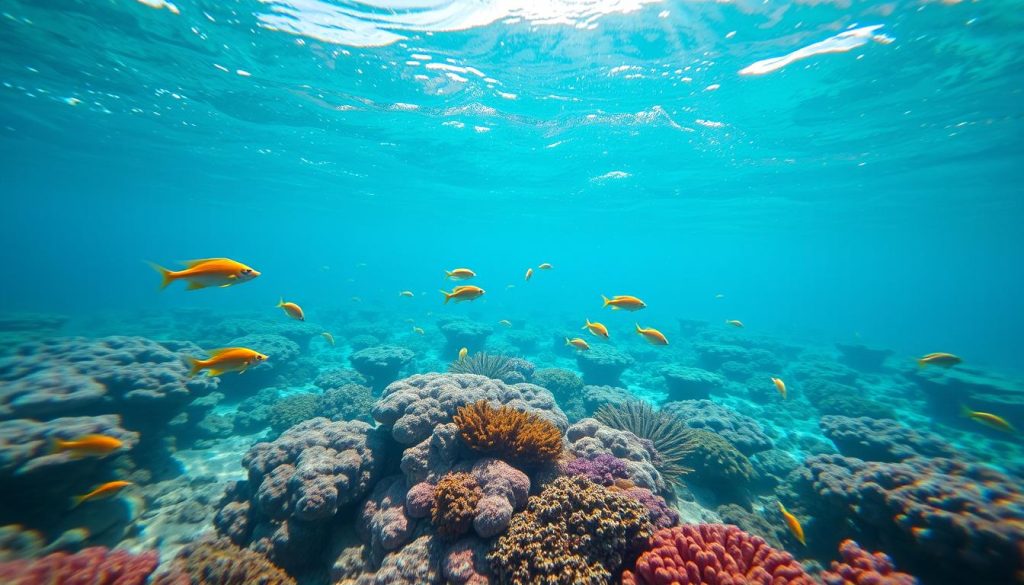
These conditions can make snorkeling a bit tricky. But, storms and rain usually don’t last long. They often clear up quickly.
| Month | Average Temperature (°F) | Average Rainfall | Peak Snorkeling Visibility |
|---|---|---|---|
| August | 88 | 5.3 inches | Moderate |
| September | 87 | 6.9 inches | Low |
| October | 86 | 5.7 inches | Moderate |
| November | 84 | 3.5 inches | Good |
Knowing the weather helps you plan your snorkeling trip. You can make the most of your time in Turks and Caicos’ beautiful waters.
Snorkeling Conditions in Turks and Caicos Throughout the Year
Snorkeling in Turks and Caicos is great all year. The warm weather and clear waters make planning easy. Knowing the water and air temperatures, and visibility, ensures a memorable trip.
Water and Air Temperatures
Water temperatures range from 79°F to 85°F, perfect for snorkeling. Air temperatures are around 75°F to 95°F. Winter (December to March) is cooler, with averages from 75°F to 80°F.
Summer (August to November) brings warmer air, reaching the 90s°F. Water temperatures also rise to 82-85°F. This climate is ideal for snorkeling all year, attracting both experts and beginners.
Visibility and Water Clarity Trends
Clear water is key for seeing underwater wonders. Winter months offer the best visibility, with clear views for exploring. Rainfall from August to December can reduce visibility, so plan your snorkeling for clearer times.
With the right timing, you can explore the stunning reefs fully. This makes your snorkeling adventures even better.

Best Snorkeling Spots in Turks and Caicos
The Turks and Caicos Islands offer amazing snorkeling spots. You’ll see diverse marine life and colorful coral formations. Each spot is unique, catering to different preferences and skill levels.
Overview of Popular Locations
Here are some top snorkeling spots in Turks and Caicos:
- Bight Reef: At Coral Gardens, this reef is almost 400 feet offshore. It’s perfect for seeing a wide variety of marine life.
- Grace Bay Beach: In Princess Alexandra National Park, Grace Bay Beach is great for easy snorkeling right from the shore.
- Smith’s Reef: Near Turtle Cove marina, this area is full of reef fish like barracudas and parrotfish.
- Northwest Point Marine National Park: Along Provo’s western shore, this spot is perfect for snorkeling and diving with its extensive reefs.
- Salt Cay: From December to April, snorkel with migrating humpback whales here. It’s a unique experience.
- Gibbs Cay: Known as Stingray City, this area lets you snorkel with friendly southern stingrays.
Unique Features of Each Spot
Each snorkeling spot in Turks and Caicos has its own charm:
- Taylor Bay Beach and Sapodilla Bay Beach: These beaches are great for families. They have calm waters and you can see starfish and barracudas.
- Long Cay: Off South Caicos, Long Cay has clear waters. Snorkelers can see small fish, sea turtles, and eagle rays here.
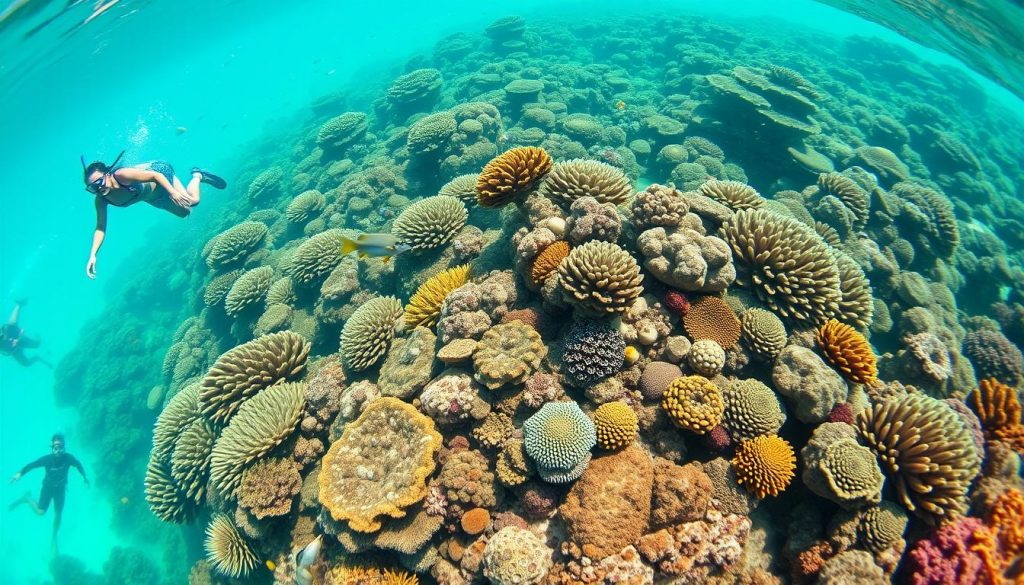
- Turks and Caicos Barrier Reef: This reef stretches over 300 miles. It has many coral formations and is famous for its wall, attracting both snorkelers and divers.
- West Caicos: The second-largest uninhabited island, it’s known for its stunning underwater scenery.
- French Cay: A remote dive spot, it’s rich in marine life. You can see barracuda and even hammerhead sharks here.
Wildlife Encounters During Snorkeling
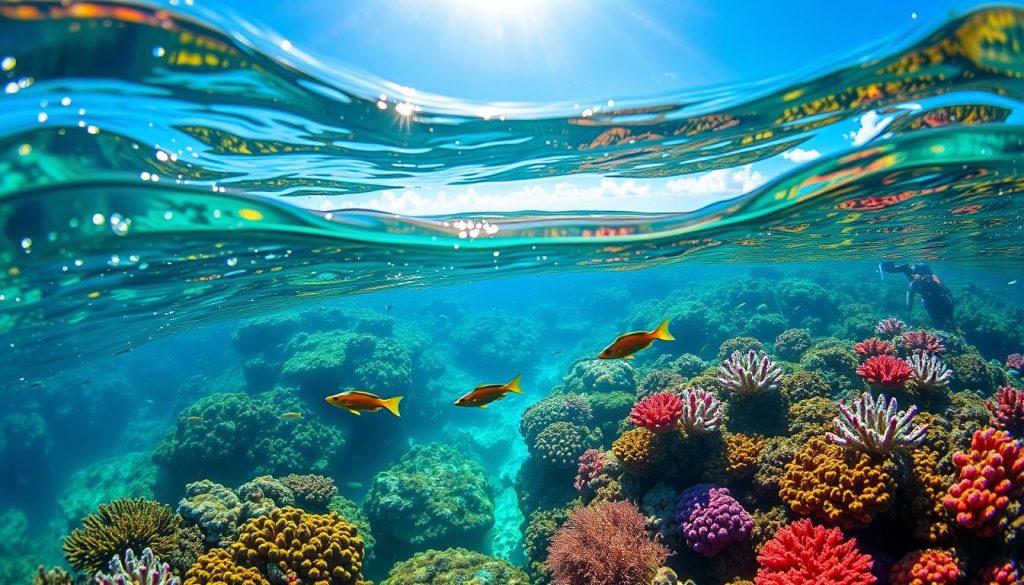
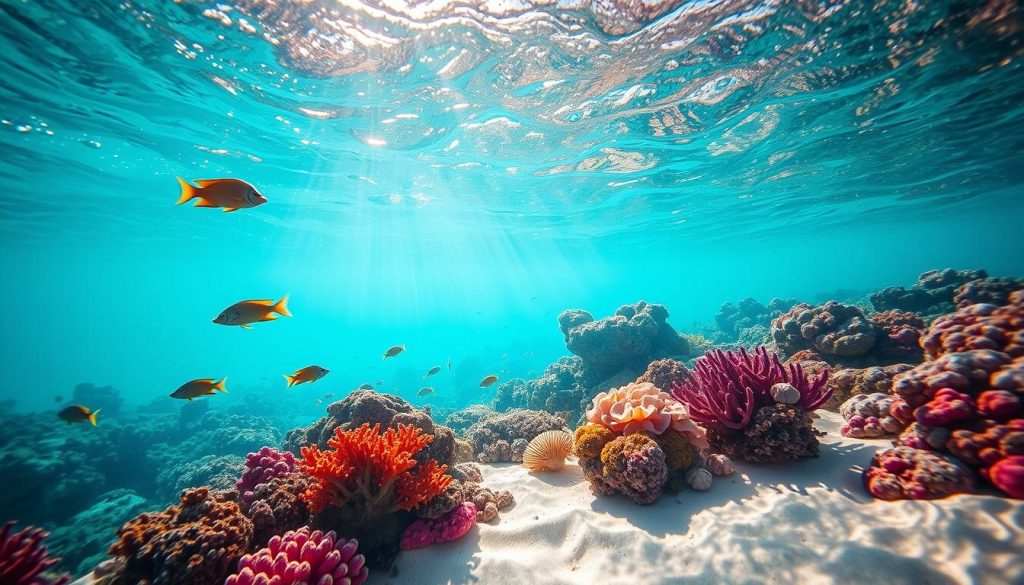
Snorkeling in Turks and Caicos opens a world of vibrant colors beneath the water. This place is known for its rich wildlife, making it perfect for spotting amazing creatures. Every dive brings something new and awe-inspiring, from colorful fish to majestic sea turtles.
Catching Sight of Unique Marine Life
While snorkeling, you’ll see a wide range of marine life. Coral Gardens is famous for its stunning coral, and Smith’s Reef is great for spotting parrotfish and angelfish. Pine Cay is a hidden gem, often showing nurse sharks and tropical fish.
Half Moon Bay is known for its clear waters, attracting snapper and conch. These fish swim gracefully, inviting you to watch.
Best Time for Specific Species
The best times to snorkel vary by species. Humpback whales migrate here from late December to early March. Summer is the best time to see reef fish and turtles.
For better wildlife encounters, snorkel in the early morning. The waters are calmer, making it easier to see. Late spring and early fall are also good times. They offer fewer crowds and clearer waters, making your snorkeling trip even better.
Snorkeling Tips for Turks and Caicos
To make the most of your time in this beautiful place, you need the right gear and to follow safety rules. Here are some snorkeling tips for Turks and Caicos to ensure you have a memorable adventure. Learn about the local sea life you might see.
Equipment Recommendations
Here are the must-haves for your snorkeling trip:
- Mask and Snorkel: A tight seal is key for a comfortable dive.
- Fins: They help you swim faster and longer.
- Rash Guard: Keeps your skin safe from the sun and stings in shallow waters.
- Wetsuit: Wear it in cooler months to stay warm.
- Underwater Camera: Take stunning photos of the sea life and reefs.
Many hotels and resorts offer free snorkel gear. But, renting a boat tour gives you access to the best spots.
Safety Precautions You Should Take
These safety tips will make your snorkeling better:
- Snorkel with a Buddy: Always snorkel with a friend for safety.
- Stay Within Designated Areas: It keeps you safe and the reefs intact.
- Know the Currents: Tidal currents can shift fast, like at Smiths Reef.
- Respect Marine Life: Don’t touch corals or sea creatures; they’re vital to the ecosystem.
- Use Reef-Safe Sunscreen: Protect the reefs from harmful chemicals in regular sunscreens.
By following these tips from the Turks and Caicos snorkeling guide, you help preserve the reefs. And you get to see the amazing underwater world responsibly.

Recommended Snorkeling Tours and Operators
Planning your snorkeling trip in Turks and Caicos offers many choices. You can pick between guided or independent tours. Guided tours offer local knowledge and help you find the best spots. Independent tours give you freedom to explore at your own pace.
Choosing Between Guided and Independent Tours
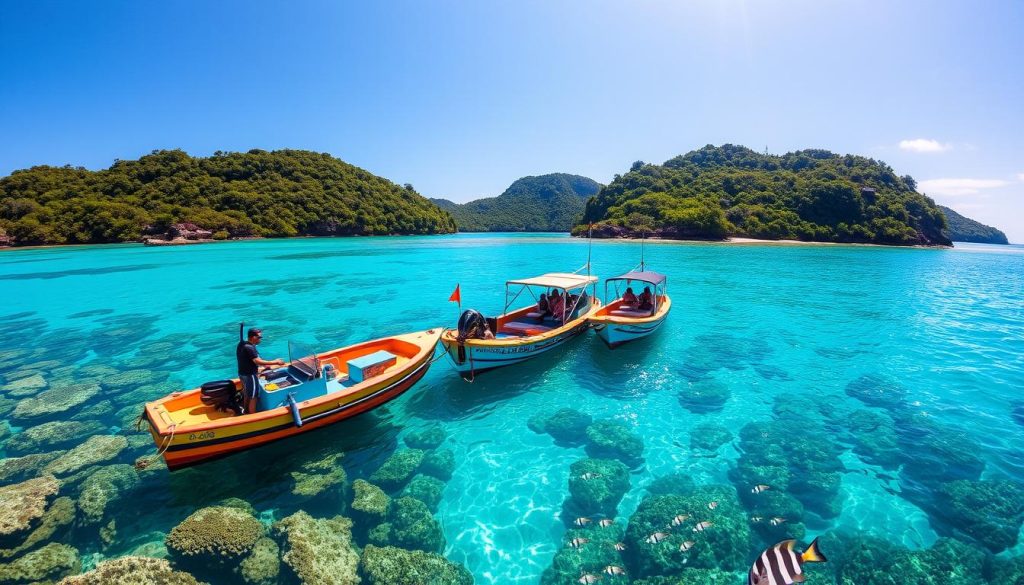
Many visitors love guided snorkeling tours, giving them 5 stars. These tours often include free snorkel gear and have experienced guides. You can choose from one-third, half, or full-day trips to fit your schedule.
For a unique experience, consider private snorkeling charters. They offer quiet trips to places like the southwest side of West Caicos.
Factors to Consider When Booking
When looking at snorkeling tours, consider a few key things:
- Group Sizes: Smaller groups offer a more personal experience.
- Trip Length: Pick between short trips or full-day adventures.
- Amenities: Look for extras like snacks, lunches, and showers.
- Customer Reviews: See what others say to understand the tour quality.
Some snorkeling operators offer special cruises to West Caicos and Caicos Banks. These spots are known for their marine diversity. Humpback whale watching tours are available in winter but need to be booked privately.
Planning Your Snorkeling Adventure
Getting ready for snorkeling in Turks and Caicos is key to a great trip. A good packing list is essential. This guide will help you prepare.
Essential Packing List for Snorkelers
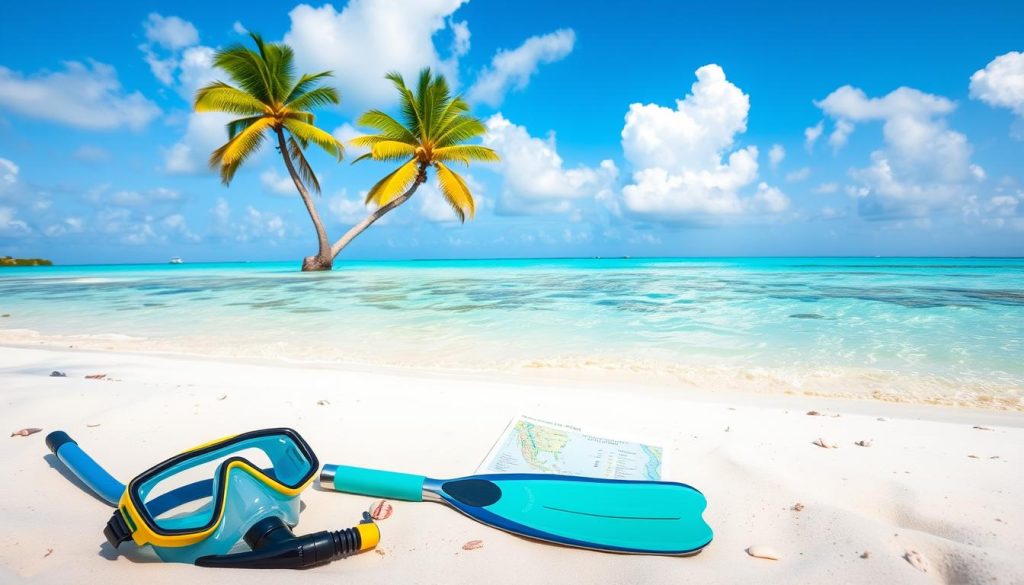
- Snorkeling mask and snorkel
- Fins for better mobility underwater
- Rash guard or wetsuit for sun protection
- Underwater camera to capture stunning marine life
- Reef-friendly sunscreen to protect fragile ecosystems
- Snacks and a refillable water bottle for hydration
- A towel for drying off after your adventure
Best Time to Book Accommodations
Book your stay early, mainly from December to April. This time has the best weather for snorkeling. If you visit from August to November, you might find cheaper options. Always check the area for the best place to stay.
Conclusion
Exploring Turks and Caicos’ underwater world is a journey filled with unforgettable memories. Whether you visit during the peak or quieter months, it’s a unique experience. The best time for snorkeling depends on what you want to see.
From December to April, the islands offer perfect snorkeling with warm weather and clear waters. But, if you prefer fewer crowds and lower prices, consider May and June or September and October. These shoulder seasons have similar weather without the high costs of peak season.
The low season from July to August might have more rain and a chance of hurricanes. But, the marine life and coral reefs are still stunning. No matter when you go, the beauty of Turks and Caicos will amaze you.
Plan your visit to match your preferences and enjoy the islands’ beauty and biodiversity. Make sure you have the right gear and respect the marine life. The waters of Turks and Caicos promise an unforgettable snorkeling adventure.