Navigating Pakse: Your Guide to Local Transport Options
Ever thought about how to get around a city with both old and new transport like Pakse? Knowing the local transport is key for a smooth trip. Pakse has everything from tuk-tuks to sleeper buses for all travelers. But, if you’re new here, you might find it hard to know the best ways to get around.
This guide will help you understand Pakse’s transport scene. It will make your visit to this stunning city easy and fun.
Understanding the Transportation Landscape in Pakse
The roads in Pakse have improved a lot, making travel easier. This shows how Pakse’s transport options are changing. While some roads are still rough, there are many transport services for all budgets.
In rural Laos, public transport is scarce, so plans must be flexible. The Laos-China Railway has made travel better, including to Pakse. Buses and minivans are cheap, perfect for those watching their spending.
Ride-hailing is rare, but taxis and tuk-tuks are good alternatives. Pakse is safe for solo travelers, thanks to low crime and friendly people.
Traveling by bus or train is easy in Laos, with clear stations and simple tickets. Driving your own car can be cost-effective for groups. Laos promotes green travel to protect its stunning nature.
| Transportation Type | Affordability | Availability | Popular Usage |
|---|---|---|---|
| Buses | Low | High | Tourists and locals |
| Minivans | Low | Moderate | Long-distance travel |
| Tuk-tuks | Moderate | High | Local commuting |
| Ferries | Variable | Low | Specific routes |
| Private Vehicles | Moderate | Moderate | Custom travel experiences |
Types of Pakse Transportation Options
Pakse has many ways to get around, fitting different travel needs. Picking the right one can make your trip better. Here are the main ways to move around Pakse.
Pakse taxis are great for those wanting private rides. They’re perfect for groups or families. You can find taxis easily in busy spots.

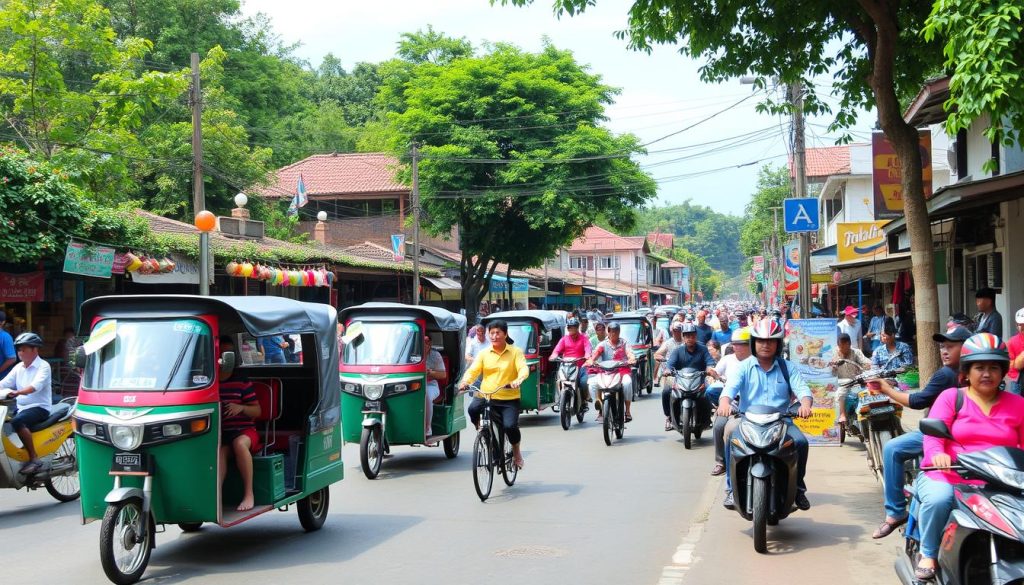
The Pakse tuk tuk is good for smaller groups. These open-air vehicles are cheap and fun. You can talk about prices with the driver for short trips.
Motorized jumbos are for those who like to travel with others. They’re good for longer trips and are affordable. They connect Pakse to important places, offering many travel options.
| Transport Type | Comfort Level | Approximate Cost (Kip) | Typical Usage |
|---|---|---|---|
| Pakse Taxi | High | Varies | Private travel |
| Pakse Tuk Tuk | Moderate | 20,000+ | Short trips for small groups |
| Motorized Jumbo | Moderate | Varies | Shared rides for longer distances |
Choosing a Pakse taxi, tuk tuk, or motorized jumbo depends on what you prefer. Each has its own benefits. Pick what suits your comfort and budget for a great time in Pakse.
Pakse Local Transport: Getting Around the City
Pakse, the third largest city in Laos, has many ways to get around. You can use tuk-tuks, motorized jumbos, and more. Each one offers a special way to see the city and its attractions.
Exploring with Tuk Tuks
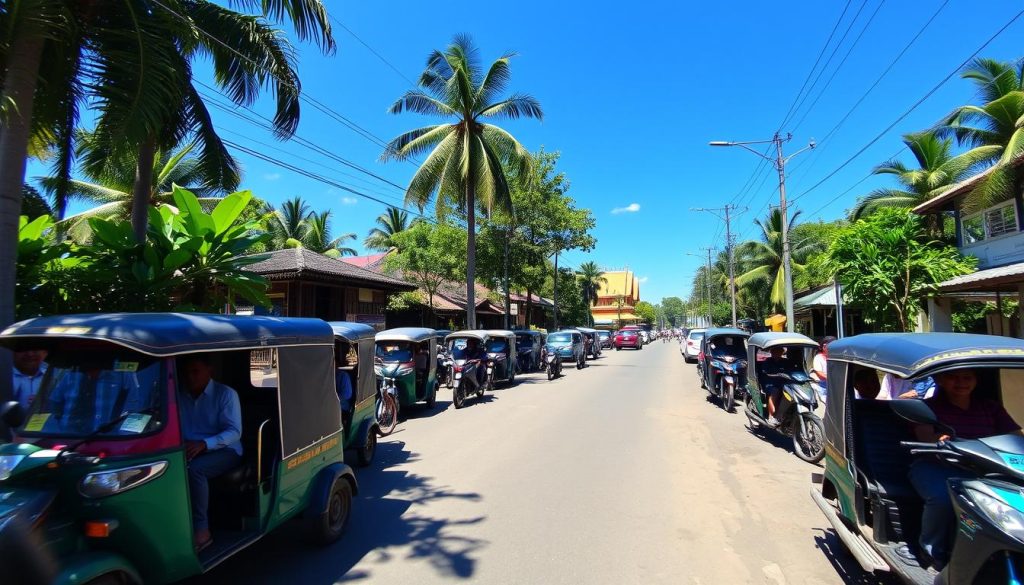
Tuk-tuks are a favorite for moving around Pakse. They’re cheap and get you places fast. Prices vary, but a ride from the airport to town costs about 10,000 to 20,000 Kip.
Bargaining is key, so be ready to talk price. Make sure the driver knows where you want to go to avoid mix-ups.
Using Motorized Jumbos for Shared Rides
Motorized jumbos are like shared taxis. They’re great for seeing Pakse and meeting locals. Prices start at 5,000 Kip for short trips, making them a good deal.
Public Transport in Pakse: Buses and More
Pakse’s public transport connects locals and visitors across the city and beyond. The bus system is key, offering a cheap way to travel. Knowing the fare and routes can make your trip better.
Adult and Student Fare Options
Adults and students can save money on buses. Prices start at $8 for a one-way trip. Students might get discounts, encouraging them to use public transport.
Companies like Chit Prasong and Soutchai Travel offer reliable services. This ensures you’ll find a good option for your trip.
Typical Route Patterns and Timings
Buses in Pakse go to many places, making travel easy. They start from five main bus stations. While schedules can be hit-or-miss, knowing the usual times helps.
Popular routes include Vientiane and Savannakhet, taking 10 to 20 hours. Bus stations are busiest in the morning. Arriving early can make your journey smoother.

The Role of Taxis in Pakse
Taxis are key in Pakse’s transport scene. They offer a handy way to get around the city. Whether you’re off to eat or explore, a Pakse taxi makes the trip easier.
Where to Find Taxis Easily
Spotting a Pakse taxi is easy. Look for them near the main bus station and tourist hotspots. Hotels also have taxis ready for you. For a more personal ride, try ride-sharing apps on your phone.
Cost and Booking Recommendations
It’s smart to plan your taxi budget in Pakse. Always agree on the fare first to avoid surprises. Here’s a guide to help you estimate costs:
| Destination | Estimated Fare (Lao Kip) |
|---|---|
| City Center to Wat Luang | 20,000 – 30,000 |
| Bolaven Plateau Tour Starting Point | 50,000 – 70,000 |
| Pakxe Airport | 80,000 – 100,000 |
Taxi drivers often quote prices based on your route. If unsure, ask a local or your hotel. Keep cash for payment, as not all drivers take cards. Tipping is nice but not required; 10% is a good gesture.
Riding the Sawngthaew: A Local Experience
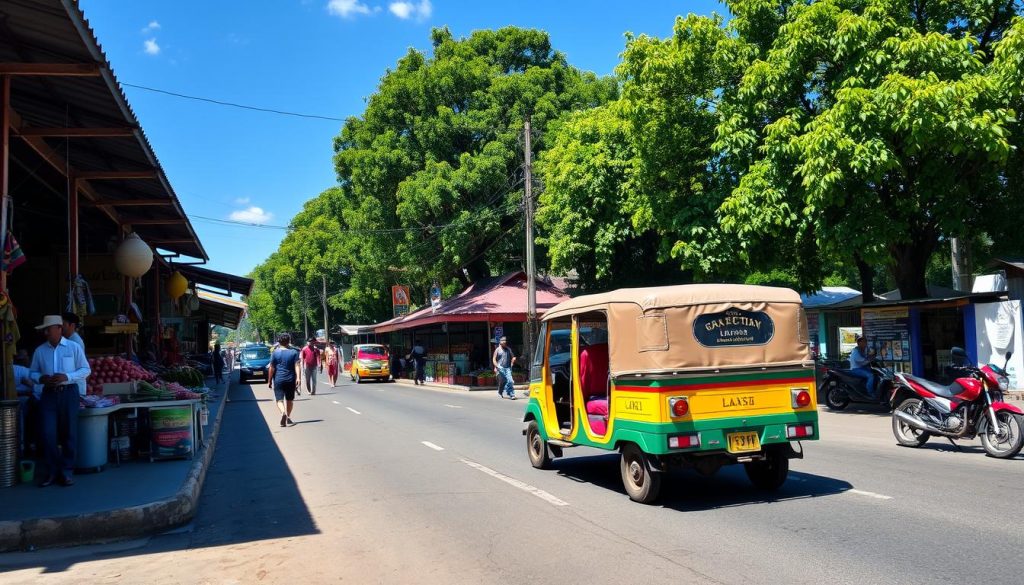
The sawngthaew is a key part of Pakse’s transport scene. It’s a shared ride, often a pick-up truck converted for travel. You’ll sit on benches in the back, creating a friendly vibe as you travel.
Getting a sawngthaew is easy. Just stand by the road and wave when one comes by. They follow set paths, making them great for short trips or reaching rural spots.
Riding the sawngthaew is also very affordable. Prices are between 10,000 to 20,000 kip ($1.25-$2.50 USD). This makes it a cheap way to see local life without spending a lot.
Here’s a quick guide for using sawngthaews:
| Feature | Description |
|---|---|
| Seating | Bench seating at the back for communal travel. |
| Flagging Down | Simply wave your hand to stop one on the main roads. |
| Fare | Ranging from 10,000 to 20,000 kip ($1.25-$2.50 USD). |
| Route Structure | Operating on fixed routes throughout Pakse and surrounding areas. |
Try riding a sawngthaew for a real local feel. It shows you what daily life in Pakse is like. It’s a great way to see the area and meet others.
Pakse Car Rental: Your Options for Self-Driving
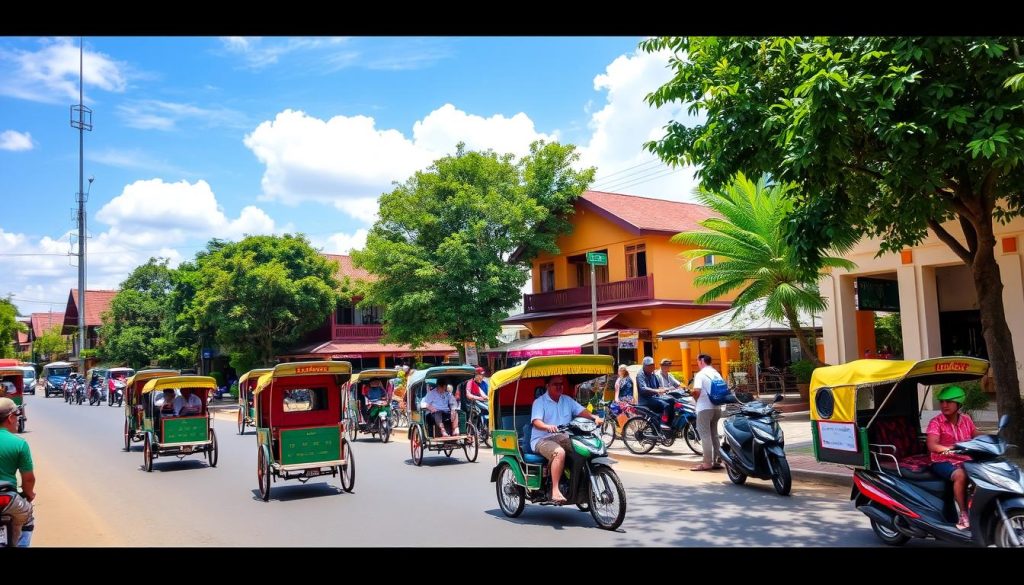
Exploring Pakse and its beautiful surroundings is easier with a car rental. Many trusted companies offer self-driving options. Knowing your rental choices can make your trip better.
Rental Companies Available in and Around Pakse
In Pakse, you’ll find several top rental companies. They have cars for all needs. Here are some well-known ones:
- Avis – Known for its reliable service and a wide selection of cars.
- Budget – Offers competitive rates and a range of economical vehicles.
- Hertz – Provides premium cars and excellent customer support.
- Laos Car Rental – A local option specializing in a personalized experience.
When renting, ask about insurance and fuel policies. Booking early is smart, mainly during busy times.
Driving Conditions to Expect
Driving in Laos, around Pakse, is an adventure. Here are key things to remember:
- Road Quality: Expect a mix of paved and unpaved roads. Main highways are generally well-maintained, while rural routes might be less predictable.
- Traffic Norms: Traffic can be chaotic; understanding local driving etiquette is crucial. Watch for animals and pedestrians sharing the roads.
- Safety Tips: Always wear seatbelts, keep a safe distance from other vehicles, and refrain from driving after dark, due to limited street lighting.
- Navigation: Consider using GPS or a reliable offline map app, as not all areas have mobile service.
With the right preparation, your car rental in Pakse will be unforgettable. You’ll get to see stunning landscapes and cultural spots.
Exploring Pakse by Bicycles
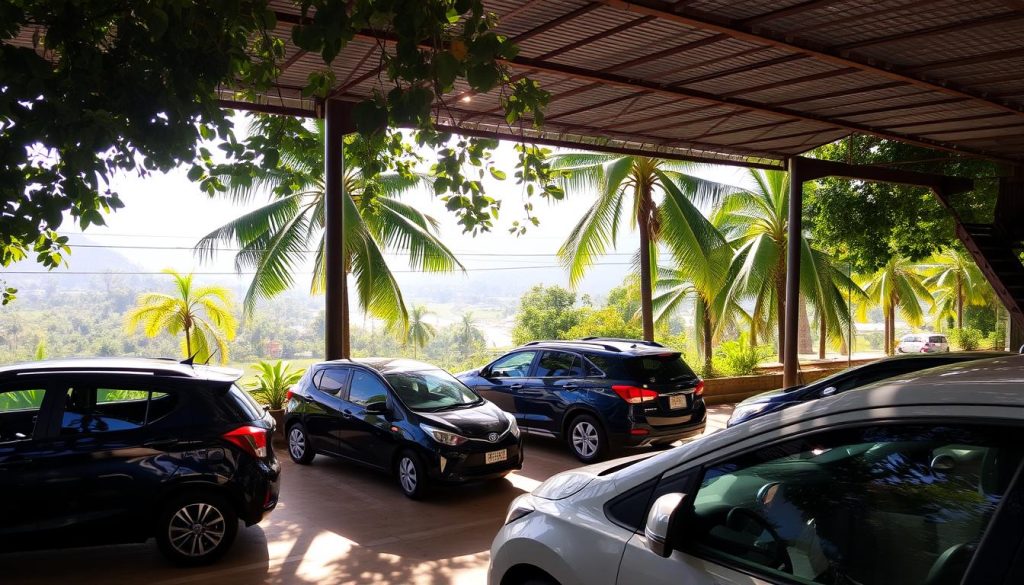
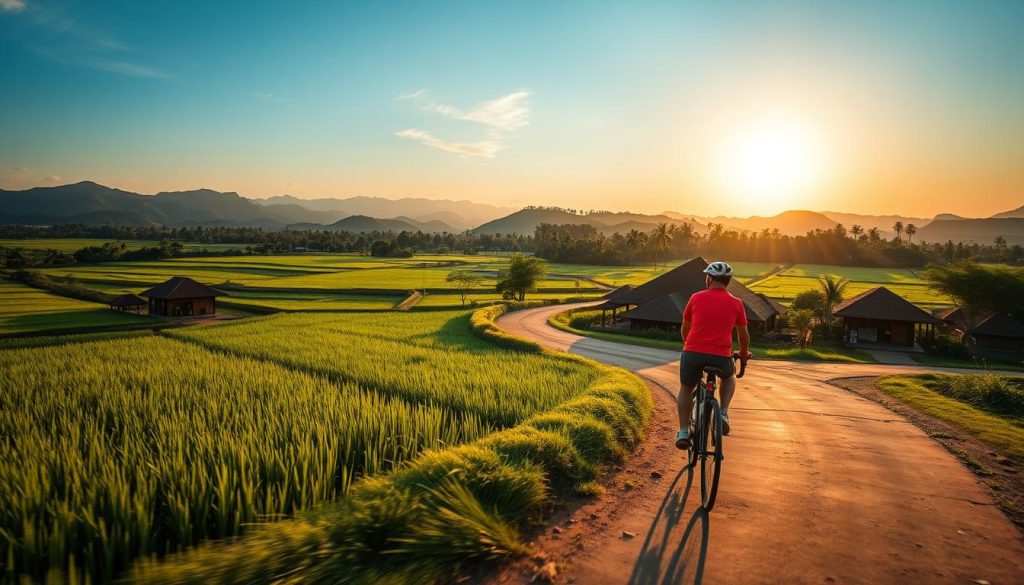
Biking is a fun and green way to see Pakse. The town’s wide streets make it easy to ride around. You can rent a bike for about 10,000 Kip per day, which is a great deal for those looking for adventure.
Exploring Pakse by bike is even better near the Mekong River. You’ll find cool coffee spots like Bolaven Cafe and Delta Coffee. Pizza Boy is also a hit for tasty pizzas and shakes.
When biking, look for scenic routes that offer great views. The Bolaven Plateau is a must-see for its beauty and unique spots. It’s a great way to see Pakse’s natural side.
Biking lets you dive into Pakse’s culture. Visit the Daoruang Market to see the local life. It’s full of energy and interesting things to see. Don’t forget your camera for amazing photos.
Considerations for Motorbike Rentals in Pakse
Renting a motorbike in Pakse lets you explore at your own pace. It’s a great choice for its ease and cost. Before you start, knowing the safety tips and local rules is key for a safe and fun trip.
Safety Tips and Regulations
Always put safety first when renting a motorbike. Wearing a helmet is a must in Laos. Also, get riding insurance to protect yourself and the bike. Before you ride, check the bike’s brakes, lights, and tires to make sure they’re working right.
- Wear a helmet at all times.
- Secure riding insurance for peace of mind.
- Inspect the motorbike before rental.
Where to Rent and Cost Breakdown
Pakse has many places to rent motorbikes, fitting all budgets. LaoGo starts at about $13 a day. Prices range from €5 to €15 a day. For example, a Honda Click 125cc costs around €7.5 a day. Semi-automatic bikes are about €4 a day.
Here’s a quick cost guide:
| Motorbike Type | Cost (Kip) | Cost (Euros) |
|---|---|---|
| Honda Click 125cc | 150,000 | €7.5 |
| Semi-automatic motorbike | 80,000 | €4 |
| Standard rental | from 60,000 | €3 |
Rental shops are near top spots like Wat Phu temple. You can park there for a small fee. This makes it easy to rent and go on your adventure.

Conclusion
Navigating Pakse’s local transport options is a mix of comfort and cultural immersion. You can ride a tuk-tuk or rent a motorbike. Each choice has its own benefits that make your trip better.
Understanding Pakse’s transport scene is key. It helps you decide the best way to get around. This knowledge is crucial for a smooth journey.
As you explore Pakse, dive into the local culture and feel the warmth of its people. This makes your trip more meaningful. Don’t miss out on local markets, where you can save money by bargaining.
Your adventure in Pakse is about more than just getting from point A to point B. It’s about enjoying the journey. So, soak up every moment and make the most of Pakse’s transport options. You’ll create memories that last a lifetime.