Navigating Overbooked Flights: Essential Tips
Ever wondered what happens when your flight has too many passengers? It can be tricky to handle overbooked flights. But, knowing what to do can make your trip better.
Every day, millions of people fly, leading to overbooked flights. In the U.S., over 10% of flights are overbooked each year. It’s important for travelers to know how to deal with this. Airlines sell more tickets than seats available to avoid losing money. This happens when passengers don’t show up or cancel last minute. Despite this, less than 1% of travelers are actually turned away due to overbooking.
It helps to know the airline’s rules and your rights. Being ready and informed helps you face overbooked flights without worry. These tips can help you handle the situation with ease.
Understanding Why Airlines Overbook Flights
Airlines deal with the fact that about 5% to 15% of passengers might not come for their flight. This can change based on the time of year and which places the flight is going to. They look at past data to guess these no-show rates. They overbook to fill as many seats as possible. This helps to avoid losing money from empty seats, making the airline more money.
This method started in the 1950s. It was a way for airlines to not lose money when people cancel or don’t show up. For example, a Boeing 737-800 can make $30,000 from selling tickets for one trip. If 10% of the passengers cancel, the airline could lose $3,000. Overbooking by 10% can help make up for those lost sales.
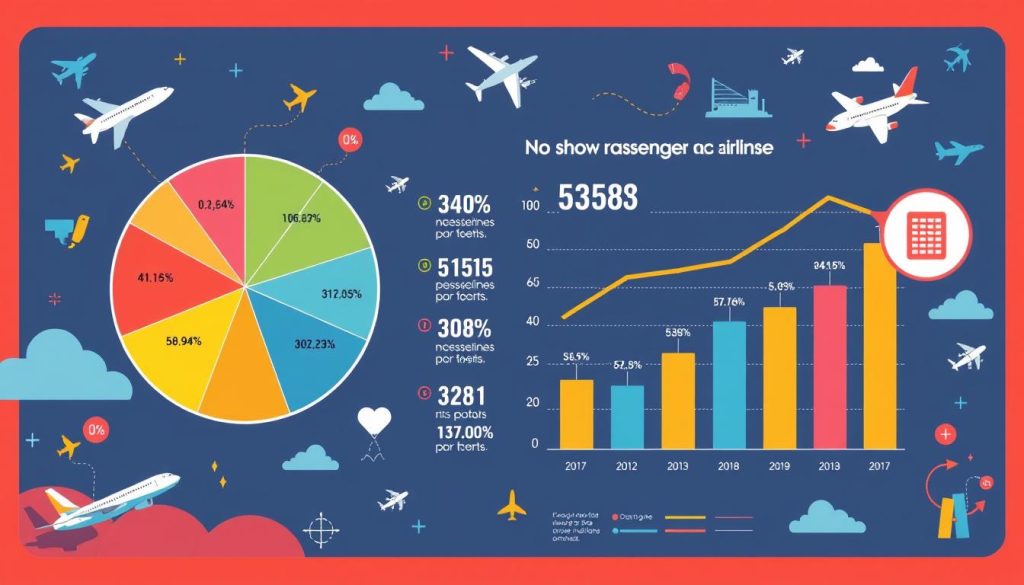
People who fly often or check in early are rarely bumped off their flight. But if you check in late, you might not get on. If you get bumped off a flight without wanting to, you could get up to 400% of your ticket price back. Sometimes, airlines pay up to $10,000. This changed after a big incident in 2017 made them offer more money.
Airlines like Delta, United, and American fly thousands of times each day. They use data to decide how much to overbook. They look at when people want to fly the most and how often people don’t show up. Now, they also use AI to get even better at guessing who won’t come.
The following table details the estimated flight operations of major airlines:
| Airline | Average Daily Flights |
|---|---|
| Ryanair | 3,600 |
| Delta | 4,000 |
| United | 5,000 |
| American Airlines | 6,700 |
Airlines overbook to avoid flying with empty seats. They aim to be as full as possible. Since they don’t make a lot of profit, filling every seat is important. The average profit margin is about 2.6%, says the International Air Transport Association (IATA).
How to Handle Overbooked Flights
Dealing with an overbooked flight smartly is key. One top strategy is to check-in early. If you get to the airport and check in soon, you’re more likely to keep your spot. Often, late check-ins face more risk of losing their seats.
Knowing what to do if your flight is overbooked cuts down on stress. Start by learning the airline’s policies on overbooking. Since they all have their own rules and what they offer as compensation differs, understanding your rights is crucial.
Every year, about 5% to 15% of seats are left empty because passengers don’t show up. This is why airlines overbook. If you’re bumped from a flight without choosing to, it’s important to know what you can get. International flights leaving the U.S. may pay up to $1,350. Domestic flight compensation varies but can also reach up to $1,350.
Always talk calmly and politely with airline staff. Explain your situation clearly and ask about options, like getting on the next available flight. This way, you might get rebooked sooner or even get compensated on the spot.
| Flight Route | Compensation Amount |
|---|---|
| EU Internal Flights (over 1,500 km) | €400 |
| Non-Internal EU Flights (1,500 km – 3,500 km) | €400 |
| Non-Internal EU Flights (over 3,500 km) | €600 |
| International Flights from the US | Up to $1,350 |
| US Domestic Flights | 200% to 400% of one-way fare, capped at $675 to $1,350 |
Stay up-to-date by checking airline websites or talking to customer service. Knowing what to do if your flight is overbooked helps you deal with the situation better.
Last of all, remember that only those bumped from flights without their choice are eligible for compensation under US laws. This knowledge gives you confidence in your rights and ensures you get what you deserve.
Passengers’ Rights in Case of Overbooking
Knowing your rights is essential when flights are overbooked. Airlines overbook to keep profits up, even if people cancel last minute. As a traveler, it’s important to know what you can do if this happens.

There are rules that protect passengers if they’re bumped from a flight without wanting to be. Depending on how far you’re flying, compensation varies:
- €250 for short flights up to 1500 km
- €400 for medium flights between 1500 km and 3500 km
- €600 for long flights over 3500 km
This rule applies to flights going to or from the EU if the airline is EU-based. Airlines must also offer help, like food, drinks, and two free ways to contact someone, during overbooking delays.
Understanding your entitlements means knowing that it doesn’t matter how much your ticket cost. This applies even for business trips or holidays bought as a package. You can ask for money back for overbooking up to six years back. For instance, Flightright got over €500 million in compensation from more than 318 airlines, succeeding 98% of the time.
To get compensation, make sure to check in early, at least 45 minutes before the flight. If you’re bumped off, you should get a seat on the next plane or a refund for the part of your ticket you didn’t use. Passengers rights for overbooked flights also say that airlines should ask for volunteers before forcing anyone off a flight.
The Canadian Transportation Agency (CTA) offers bumping compensation, too, between $200 and $800, based on the wait time. One airline may give travel vouchers three times the cash value for compensation. Another might give up to $650 for a delay under 4 hours, and $1,300 for more than 4 hours to Canadian passengers.
| Flight Distance | Compensation Amount |
|---|---|
| Up to 1500 km | €250 |
| 1500 km – 3500 km | €400 |
| Over 3500 km | €600 |
Being up-to-date on bumping policies and what to do if rebooked helps reduce the stress of unexpected bumping. By knowing your rights and how to get proper compensation, you can handle overbooking with confidence and ease.
Tips for Avoiding Overbooked Flights
To avoid overbooked flights, try to fly when it’s not so busy. Booking Early Morning or Mid-Week Flights helps a lot. These times are usually quieter. So, you have less chance of getting bumped and can enjoy a smoother trip.
If you’re flying with kids, look into family boarding rules. Airlines often make sure families sit together. This can help a lot if the flight’s overbooked. By knowing these rules, you’re less likely to be split up or lose your seats.
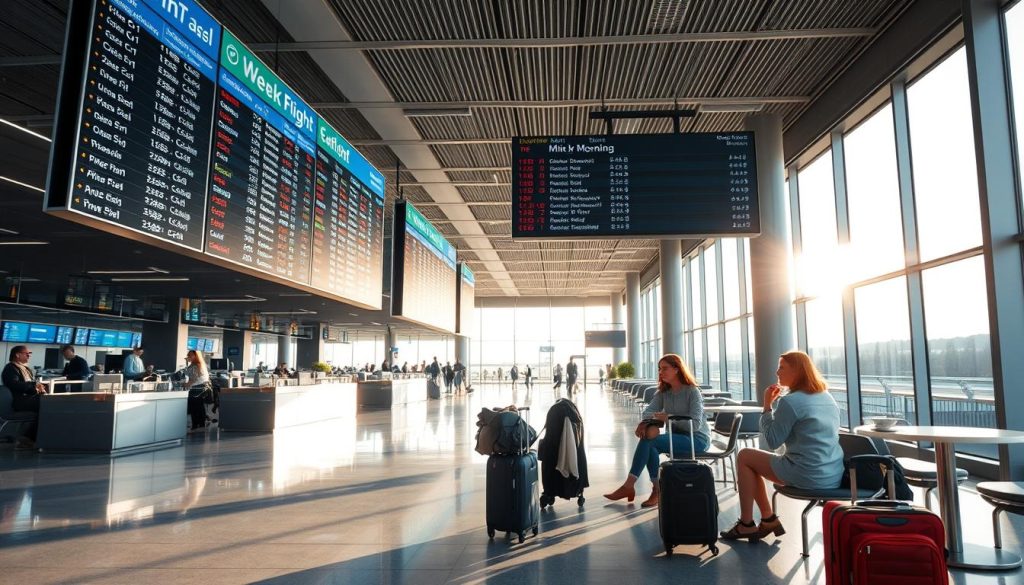
Another smart move is flying during off-peak periods. Best times to fly avoid weekends, holidays, and big travel times. This way, you miss overbooked flights. Plus, tickets can be cheaper and airports more calm.
For a detailed comparison of different airlines and their overbooking practices, the table below provides useful insights:
| Airline | Overbooking Policy | Compensation |
|---|---|---|
| Delta Airlines | No involuntary denied boardings from April to June 2019 | Volunteers get gift cards redeemable at 10 retailers |
| American Airlines | Offers meal vouchers for significant wait times and hotel stays for overnight bumps | Payments based on traveler’s bid or acceptances |
| United Airlines | Majority of customers prefer travel vouchers and MileagePlus miles | Provision of hotel stays if the next flight requires an overnight stay |
| JetBlue | Policy of no overbooked flights | Compensation provided in the event of cancellations or re-accommodations |
Using these tips can better your travel. They also give you the know-how on how to avoid overbooked flights. Smart planning and booking wisely are key to a stress-free trip.
Steps to Take if You Are Bumped from a Flight
Being bumped from a flight is annoying. Yet, knowing the steps after being bumped can make things easier. First off, it’s vital to know your rights. The Department of Transportation requires airlines to pay you if your new flight is over an hour late to your final spot.
First, ask for compensation for overbooking right away. You could get between 200% and 400% of your one-way ticket cost. This tops at $1,550 for flights within the country and $1,300 for flights to other countries. How much you get depends on your delay:
- 1-2 hours late: 200% of one-way fare (up to $775)
- Over 2 hours late: 400% of one-way fare (up to $1,550)
- 1-4 hours late for international flights: 200% of one-way fare
- Over 4 hours late for international flights: 400% of one-way fare
Then, look into rebooking options to lower travel issues. Airlines often help with rebooking right then and there. For example, Delta lets you pick the smallest voucher you’re okay with to give up your seat. This idea comes from thinking about what your time is worth. Plus, if a delay is over six hours for a valid reason, you might get up to $1,600 back for hotel and travel costs.
Lastly, it’s crucial to arrive on time for check-in. Not following the check-in time rules means you might lose any compensation for not getting on the plane. Checking in early online, which you can do 24 hours before flying, might help you avoid being bumped.
If you are involuntarily bumped, staying calm and informed helps a lot. Most of all, knowing your rights matters for getting the right compensation and rebooking measures.
Here’s a table that shows what you might get for different flight delays:
| Delay Length | Domestic Flights (Compensation) | International Flights (Compensation) |
|---|---|---|
| 1-2 hours | 200% of one-way fare (up to $775) | 200% of one-way fare |
| Over 2 hours | 400% of one-way fare (up to $1,550) | 400% of one-way fare |
| 1-4 hours | – | 200% of one-way fare |
| Over 4 hours | – | 400% of one-way fare |
By following these steps, you can deal better with being bumped. It ensures a fair and smooth process for you.
Communicating with Airline Staff
Being stuck on an overbooked flight can be tough. But, how you talk to airline staff can really change things. Staying calm and polite helps. It makes staff more willing to help you out.
Being upfront and speaking up early is key. Airlines often overbook flights by 10-15%. This is because some people don’t show up. Knowing about overbookings early lets you figure out your next steps.
Giving passengers things like travel vouchers can make them less upset, by up to 70%. Most passengers, about 60%, say knowing an airline’s overbooking rules makes them feel better. Speaking clearly and kindly can lead to good solutions and maybe even some perks.
- Overbooking Transparency: Ask for the full scoop on the airline’s overbooking rules and what you’re owed.
- Polite Persistence: Be nice but firm. Ask for other flight options or ways to make up for the hassle.
- Frequent Flyer Privileges: Use your loyalty program status. It can really help you get better treatment.
Many passengers, about 20%, don’t know their rights when flights are overbooked. Getting updates and communication from the airline is vital. It can make you feel better about the airline, as much as 30% more.
Talking well and being understanding can clear up confusion in most overbooking cases. Also, chatting with airline staff not only solves your issue sooner. It also boosts how happy passengers are, with a 50% jump in satisfaction for those airlines that really listen.
Managing Travel with Children During Overbooked Flights
Traveling with children can be hard, especially with overbooked flights. One top tip is to Arrive Early. This can help you get your seats together and avoid being split up.
Being prepared is crucial when traveling with children. Pack books, games, and gadgets to keep them busy. Also, take snacks along. They don’t count towards liquid limits and can prevent hangry melt-downs. Parents can carry baby food and milk without worry about liquid rules.
It’s important to stay flexible when traveling. You might wait a while for gate-checking strollers, anywhere from 15-45 minutes. Opt for small, foldable strollers that are easy at the gate. They should be under 20 lbs. This way, managing travel during crowded flights gets easier. And remember, to keep your family together, Arrive Early to talk about seating.
If your family is in a shared custody situation, make sure to have a Child Travel Consent form. It’s needed for both legal and safety reasons. Airlines allow a total luggage weight of 80 lbs for families with young kids. This helps bring all the necessary items to keep the flight smooth and enjoyable.
Travel studies show that choosing seats wisely can make family travel 40% more comfortable. Also, planning for at least a 3-hour layover greatly lowers the worry of missing connecting flights when going international.
| Strategies | Benefits |
|---|---|
| Pack Entertainment and Snacks | Keep children occupied and reduce hunger-induced stress |
| Arrive Early | Increase chances of family seating and reduce overbooking issues |
| Flexible Travel Plan | Accommodates potential changes and long waits |
To handle family travel during busy flights, pack fun things and food, come early, and be ready for changes. These steps make the trip smoother and less stressful for you and the kids.
Navigating Overbooked Flights During Peak Travel Times
Handling flights during the holidays can be tough, mostly when flights get overbooked. Airlines expect that some passengers won’t show up. So, they sell more tickets than there are seats. This means 1-3% of flights are overbooked during busy times.

There are smart ways to handle these situations. One top tip is to book your flight early, especially those before 8 am. These flights are 25% less likely to be delayed. Also, checking in online the day before helps. It lowers the chance of losing your seat by up to 30%.
Knowing how airlines work during busy times can help you plan better. Airlines that let you change flights easily see a 23% jump in happy customers, says a study. Talking nicely to airline staff also helps. Around 70% of passengers who do this get their problems solved well.
Looking at different ways to get there can cut down on delays by up to 40% during busy seasons. If you can, taking a deal for a later flight might make your trip better. About 25% of people who take this option feel happier. They get things like vouchers or better seats.
Below is an informative comparison table highlighting key strategies for navigating overbooked flights:
| Strategy | Benefit | Statistics |
|---|---|---|
| Early Morning Flights | Lower likelihood of delays | 25% reduction in delays |
| Online Check-in | Reduces the chance of being bumped | Up to 30% improvement |
| Clear Communication | Better resolutions with airline staff | 70% of passengers |
| Accepting Compensation | Higher satisfaction with travel perks | 25% increased satisfaction |
| Alternative Routes | Shorter travel delays | 40% reduction in delays |
Using these tips for flying during busy times can make your trip less stressful. Remember, planning early and making smart choices help a lot when dealing with overbooked flights.
How Airlines Decide Who Gets Bumped
Airlines start by looking for volunteers when flights are overbooked. This method tries to reduce hassle for travelers. They offer compensation, often between $200 to $1,000, to those who willingly give up their seats. If not enough people volunteer, then the airline must choose passengers to bump off the flight unwillingly.
Who gets bumped first can depend on when you checked in. Late check-ins or those without assigned seats are more likely to be bumped. Airlines usually protect their frequent flyers from being involuntarily bumped. Instead, those who fly less often might be chosen first.
Some airlines, like Delta, are known for offering good perks to volunteers. Delta might give up to $800 in gift cards, which is why they have a high volunteer rate. In comparison, American Airlines has a lower rate of volunteer compensation.
Airlines often overbook flights, guessing some people won’t show. They might book 5-10% more seats than available. This strategy helps them keep flights full and stay profitable. But it also means sometimes they have to bump passengers.
When someone is bumped involuntarily, how much they’re paid depends on the delay. A short delay could mean 200% of your fare back, up to $675. For longer delays, it could be 400% of the fare, up to $1,350.
Volunteering to be bumped can work out better for you. It helps avoid unexpected travel issues. Airlines also prefer it to forcing someone off a flight.
Below is a detailed comparison of compensation rates and bumping data among major airlines:
| Airline | Volunteers per 10,000 (2022) | Compensation Range for Volunteers |
|---|---|---|
| Delta Air Lines | 10 | $200 – $800 |
| United Airlines | 7.2 | $200 – $1,350 |
| American Airlines | 4.1 | $200 – $1,000 |
| Regional Airlines | 14.7 | $200 – $1,000 |
| JetBlue | Minimal | Low |
| Hawaiian Airlines | Minimal | Low |
Knowing how airlines decide on bumping can help you deal with travel changes. It’s good to know your rights and what you might get, whether you’re bumped voluntarily or not.
The Role of Data Analytics in Overbooking Practices
In the airline world, analyzing historical data is key to overbooking right. Airlines study past trends to guess how many will show up. They see that often 10–15% don’t come, affecting how many extra seats to sell.

Role of data in flight booking goes beyond simple figures. It uses forecasts to set seat numbers right. For example, an engineer in San Francisco got $10,000 in vouchers because his flight was overbooked. This shows the big money at play.
Airlines use smart analytical approaches to overbooking to earn more while keeping travelers happy. They use data to decide on ticket prices. Kicking a passenger off costs $425, but moving them to first-class is $50 cheaper. These choices come from looking at lots of data.
Overbooking adds about $500 million to big airlines’ pockets each year. It’s a big piece of their $1 billion profit. The key is smart pricing and guessing how many will actually fly. Coach seats fill up 95% of the time, and first-class, 97%.
To get overbooking just right, airlines use tools like the EMSR model. They figure out how to sell more seats safely with a daily discount factor of 0.9995. This strategy aims to keep everyone happy.
With over 124,416 ways to manage bookings, airlines keep getting better. They look at no-shows, market trends, and what rivals do. This helps them make smart selling choices.
Real-Life Experiences and Case Studies
Real-life stories of bumped passengers show how overbooking affects people. A big example happened on April 09, 2017. A 69-year-old man was taken off a United Airlines flight because it was too full. The video of this became very popular online, getting millions of views on Facebook. It made people talk a lot about the problems with overbooking.
The U.S. Department of Transportation noted that in 2022, about 0.01% of passengers couldn’t board their flights due to overbooking. Airlines have to pay them between $200 and $1,350, depending on the situation. However, a study found that nearly 70% of passengers don’t know they can get money if this happens. This lack of knowledge makes many passengers unhappy.
Looking at case studies on overbooking, we find that airlines often book too many passengers. They expect some to not show up. Studies say overbooking can make an airline more money but might also upset 30% of their customers. This can make people question if the airline cares about them.
In 2022, airlines gave out about $1.6 billion to passengers who were not allowed to board. This shows how much money is involved. About 85% of these passengers were put on other flights. For some, this meant waiting hours or even days.
Studies also highlight that better tech can help airlines guess no-shows more accurately, cutting down overbooking by 25%. Europe has tougher rules on this than the U.S., possibly leading to better experiences for passengers there.
In conclusion, these passenger stories show how important it is for airlines to be clear and honest. Learning from these overbooking cases can help everyone handle these situations better.
Conclusion
Dealing with overbooked flights can be tough, but being savvy makes it easier. Airlines overbook 20-30% of the time. Knowing why they do this and what you can expect helps a lot. This review sheds light on how to understand your rights and the rewards you might get.
In 2022, only 0.7% of passengers couldn’t board because of overbooking, says the Department of Transportation. You could get 200% to 400% of your fare back. Plus, 90% of volunteers get perks like vouchers or seat upgrades. Being in the know and ready to act gives you an edge in these situations.
Airlines have to offer meals and a place to stay if you’re delayed over two hours. They try to guess who won’t show up to avoid overbooking. With these tips and a deep dive into the subject, you can turn an overbooked flight headache into something you can handle with ease.