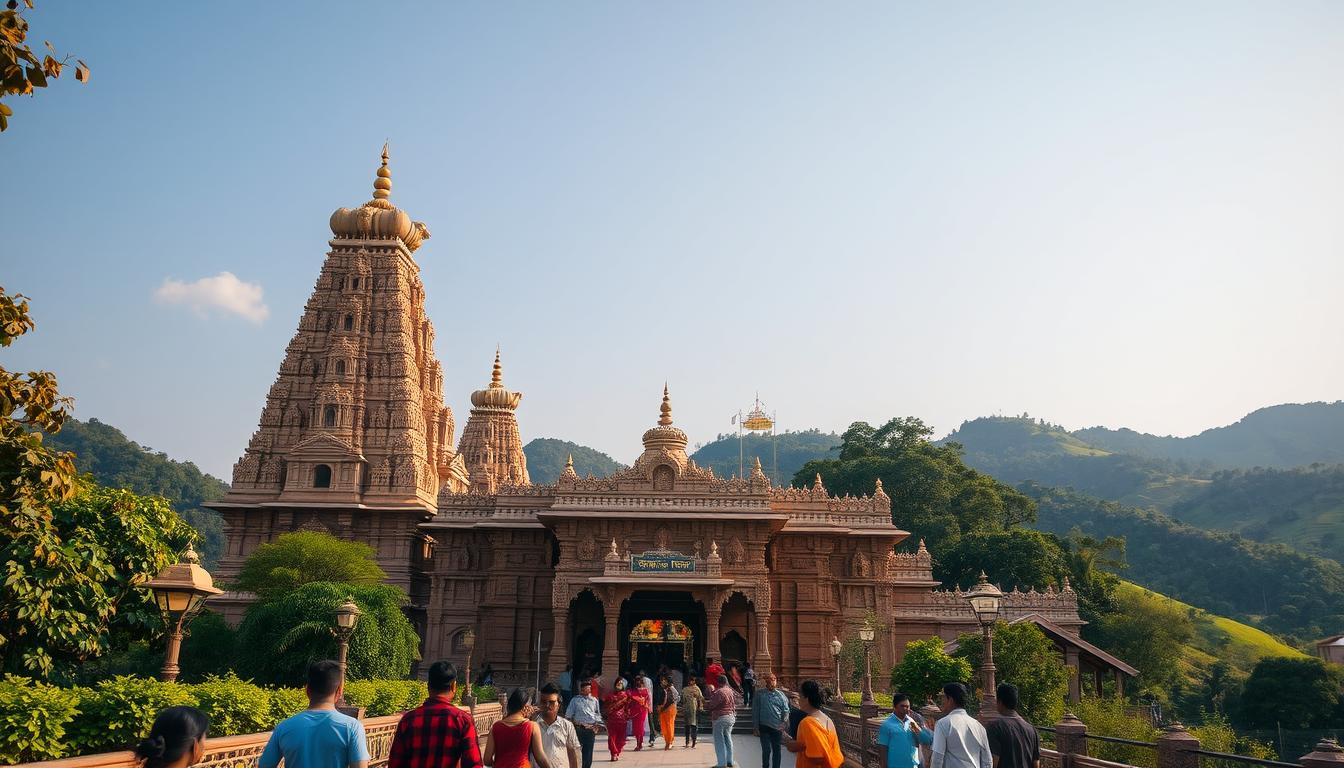
Nadi Temple: Your Ultimate Guide to Visiting This Iconic Site
Ever wondered why the Sri Siva Subramaniya temple is a top spot in Fiji?
This famous site is known for its peaceful atmosphere and ornate carvings. It’s a key cultural spot that offers a special experience. You’ll find the temple’s colourful festivals and Dravidian architecture fascinating.
In this ultimate guide, you’ll learn about the Sri Siva Subramaniya temple’s significance. You’ll also get a glimpse of what makes it a memorable visit.
The Significance of Sri Siva Subramaniya Temple in Fijian Culture
Exploring Fiji’s rich culture, the Sri Siva Subramaniya Temple stands out. It’s more than a religious site; it’s a cultural gem. It shows the spirit of Fiji’s diverse community.
Religious Importance to the Hindu Community
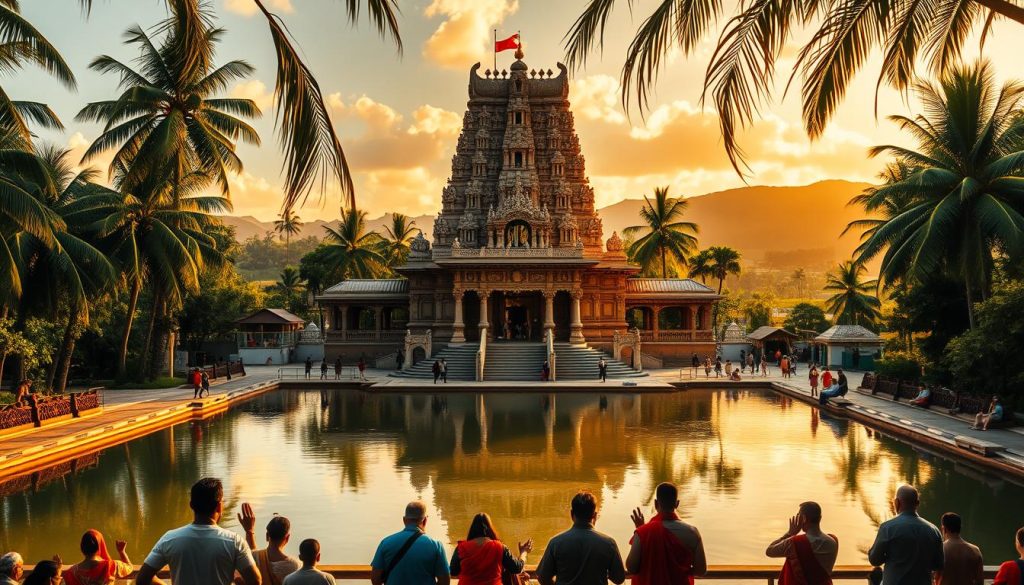
The Sri Siva Subramaniya Temple is sacred for Fiji’s Hindus. It’s dedicated to Lord Murugan. Devotees from all over come to pray and join in ceremonies.
The temple’s design and lively deities create a spiritual vibe. It touches the hearts of all who visit.
Cultural Symbol of Fiji’s Diverse Heritage
The Nadi Temple is more than a place of worship. It’s a symbol of Fiji’s rich cultural mix. It shows how different groups live together in harmony.
As a key cultural spot, the temple is a must-see. It helps show Fiji’s true identity.
The temple’s role goes beyond culture and religion. It boosts tourism and brings people together. Visiting the temple lets you see Fiji’s cultural richness and its values.
History and Origins of the Nadi Temple
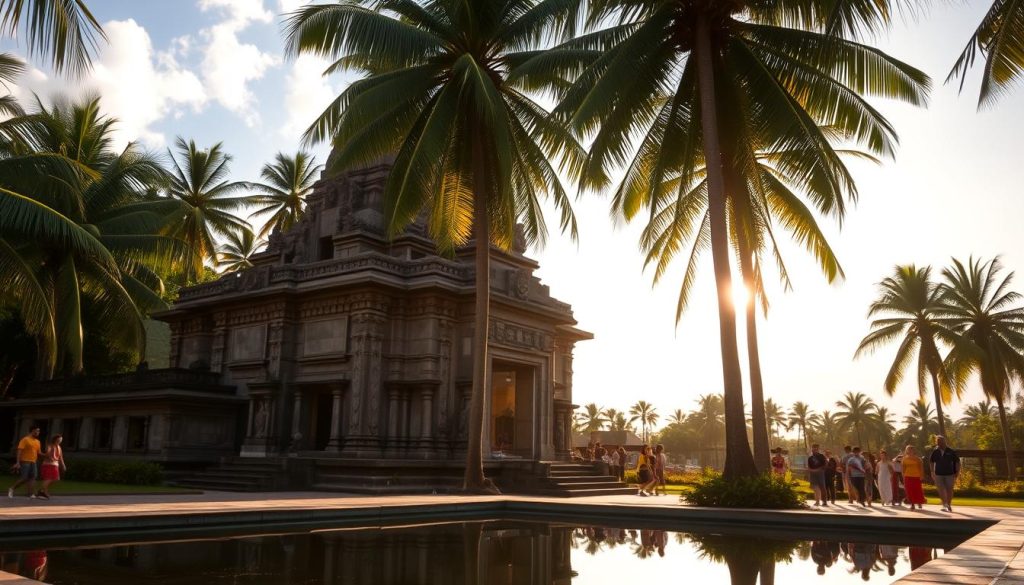
The Nadi Temple’s story is one of faith, skill, and community. It was built in 1926 by eight talented craftsmen. This event marked the start of a religious and cultural landmark in Fiji.
Foundation and Construction Timeline
The temple was built on a site sacred to the local Hindu community. It was finished quickly, showing the dedication of the craftsmen. The temple’s foundation set the stage for a place of worship for many generations.
Historical Evolution Through the Years
Over time, the Nadi Temple has grown from a simple structure to a grand temple complex. This change shows the community’s growth and the temple’s rising importance. The evolution shows the community’s dedication to keeping their heritage alive.
| Year | Event | Significance |
|---|---|---|
| 1926 | Construction of the original temple | Establishment of a Hindu place of worship |
| Late 20th Century | Expansion of the temple complex | Growing importance as a cultural and religious center |
| Present Day | Ongoing renovations and maintenance | Preservation for future generations |
Visiting the Nadi Temple is more than seeing architecture. It’s experiencing a living piece of history that’s still important to the local community.
Understanding Sri Siva Subramaniya Temple Architecture
The Sri Siva Subramaniya Temple is a true work of art in Dravidian architecture. As you walk through, you’ll see the detailed work that shows the traditional South Indian style. This style is a key feature of Dravidian architecture.
Dravidian Architectural Style
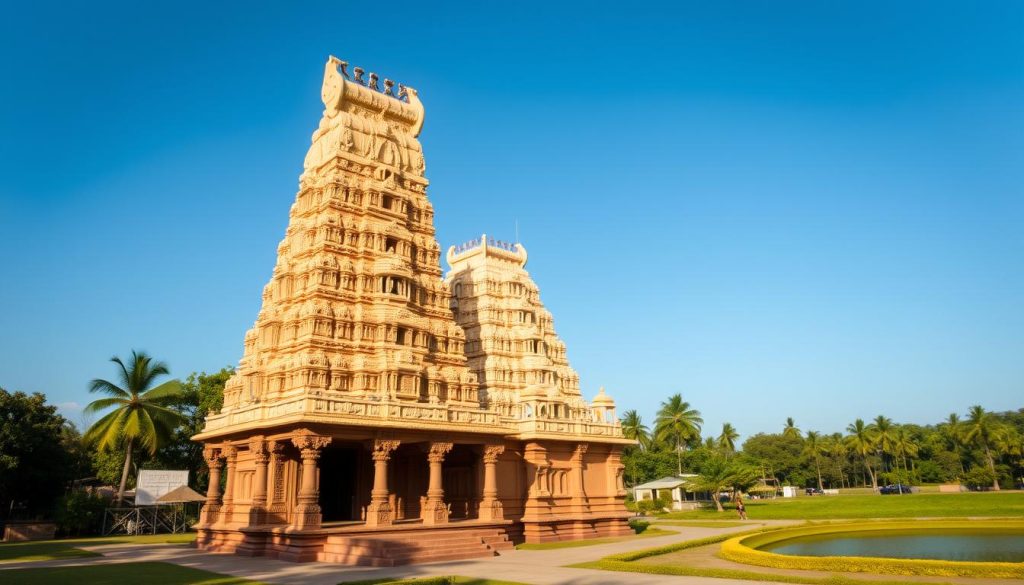
The Nadi Temple is a perfect example of Dravidian architecture. It’s known for its bright colors, detailed carvings, and tall gopurams (gateways). This style is a big part of Hindu temple design and shows the link between heaven and earth.
- Use of brightly colored tiles and intricate carvings
- Towering gopurams that signify the gateway to the divine
- Incorporation of various deities and mythological figures
Colorful Façade and Ornate Details
The temple’s outside is a mix of colors, with carvings that tell stories from Hindu myths. The bright tiles and detailed work make it beautiful. They also carry deep meaning, showing the wealth of Hindu culture and tradition.
Interior Design Elements and Symbolism
Inside, the design continues with detailed carvings and symbols. The main shrine for Lord Murugan is surrounded by other important deities. Each has its own meaning. The colors, sculptures, and design elements aim to create a spiritual space for reflection and prayer.
When you visit the Nadi Temple, take time to admire the craftsmanship. The mix of Dravidian architecture and local Fijian touches makes it a special cultural site.
Complete Nadi Temple Guide: Planning Your Visit
Before you visit the Nadi Temple, it’s smart to know the best times and what to expect. Planning ahead will help you enjoy your trip to this famous site.
Best Time to Visit
The Nadi Temple is open every day from sunrise to sunset. It’s best to avoid the early afternoon because of some rules. Visiting in the morning or late afternoon is better. You’ll see the temple’s colors and details without the strong sun.
Recommended Duration for Your Visit
A trip to the Nadi Temple is spiritually enriching. You’ll need about an hour to an hour and a half to see everything. This time lets you admire the architecture, see the deities, and join or watch the rituals.
Guided vs. Self-Guided Tours
Exploring the Nadi Temple can be done with a guided or self-guided tour. Here’s what to think about:
- Guided Tours: Give detailed info on the temple’s history, design, and importance.
- Self-Guided Tours: Let you explore at your pace and focus on what interests you most.

Nadi Temple Location and How to Get There
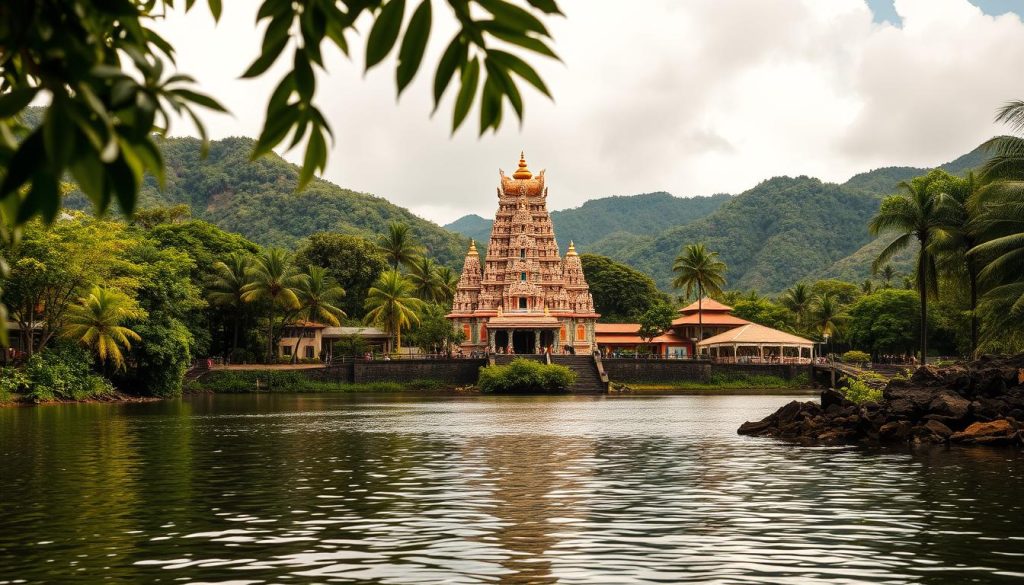
The Sri Siva Subramaniya Temple is in the heart of Nadi, Fiji. It’s near the Nadi River, making it a spiritual and scenic spot.
Exact Location and Surrounding Area
The temple is in downtown Nadi. It’s easy to get to on foot or by local transport. The area has shops, restaurants, and attractions, so you can do more than just visit the temple.
Transportation Options from Major Hotels
Getting to the Nadi Temple from hotels is easy. Taxis are available outside hotels and take 10-15 minutes. You can also use ride-sharing or rent a car. Many tours include transport to the temple.
Parking Information
There’s plenty of parking near the temple. You can park in designated spots. Arriving early, during busy times, helps find a spot.
Nadi Temple Timings and Entry Fees
Knowing the Nadi Temple timings and entry fees is key for a great visit. The temple is open every day from sunrise to sunset. This lets visitors plan their trip easily.
Opening Hours and Best Hours to Visit
The Nadi Temple is open from sunrise to sunset. This gives visitors a good time frame to explore. The best times are early morning or late afternoon. The weather is cooler, and there are fewer people.
Admission Costs and Special Passes
Visiting the Nadi Temple is free. But, visitors must follow some rules. There are no entry fees, but donations help keep the temple in good shape.
Dress Code and Etiquette for Visiting Nadi Temple
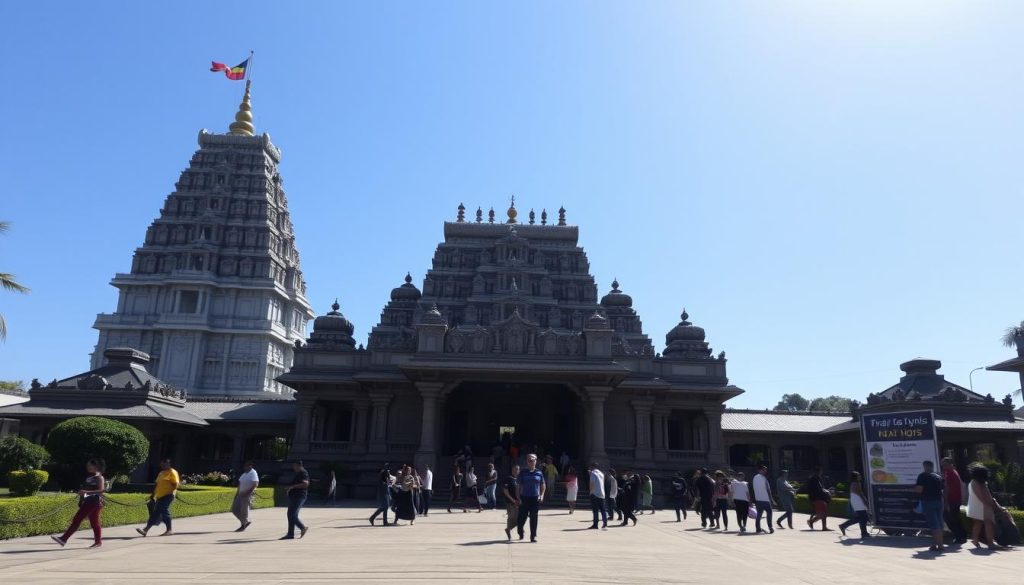
To have a peaceful visit to Nadi Temple, knowing the dress code and etiquette is key. This temple is a big cultural and religious spot in Fiji. It expects visitors to follow certain rules to keep it sacred.
Appropriate Attire Requirements
Visitors must dress modestly. This means covering your shoulders and legs as a sign of respect. Loose, conservative clothing is best. Avoid revealing or tight clothing that might be seen as disrespectful. You might need to remove your shoes before entering the temple, so be ready.
Behavioral Guidelines Inside the Temple
Being respectful inside the temple is very important. This includes speaking softly and not causing any trouble. Always listen to the temple staff or guides. Remember, you’re in a sacred place, so be careful with your actions.
Photography Rules and Restrictions
Photography is usually okay, but some areas might have rules. Always check with the temple authorities or your guide before snapping photos. Be considerate of others when taking pictures.
Following these guidelines helps make your visit to Nadi Temple peaceful and meaningful for everyone.
Religious Ceremonies and Festivals at Nadi Temple
The Nadi Temple is a lively place for religious events all year. It hosts many ceremonies and festivals. These events show the temple’s importance and let visitors see the local Hindu traditions.
Annual Festival Calendar
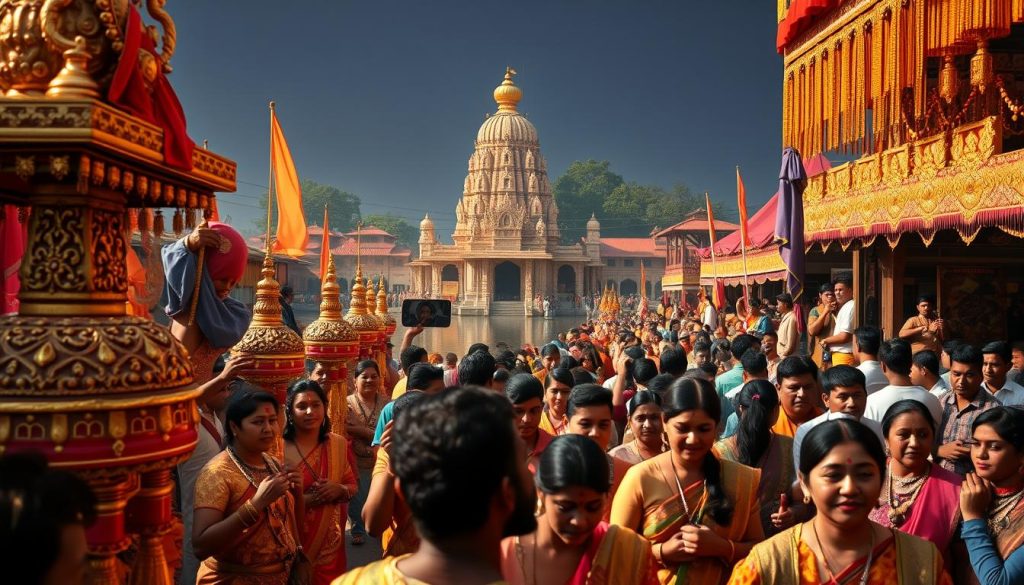
The Nadi Temple’s festival calendar is full of celebrations. These reflect Fiji’s Hindu community’s rich culture. Big festivals like Diwali, the festival of lights, and Navaratri, a nine-night celebration, are held here. These festivals include traditional rituals, music, and dance.
Thaipusam and Other Major Celebrations
Thaipusam is a key festival at the Nadi Temple. It honors Lord Murugan’s victory over Soorapadman. Devotees carry kavadis as acts of devotion during this event. Other big celebrations include Maha Shivaratri and Tamil New Year.
Participating in Temple Rituals as a Visitor
Visitors can join in some rituals at the Nadi Temple. This is a great way to connect with the local community. It’s important to know and respect the temple’s customs first. The priests can help you understand and join in respectfully.
What to See Inside the Nadi Temple Complex
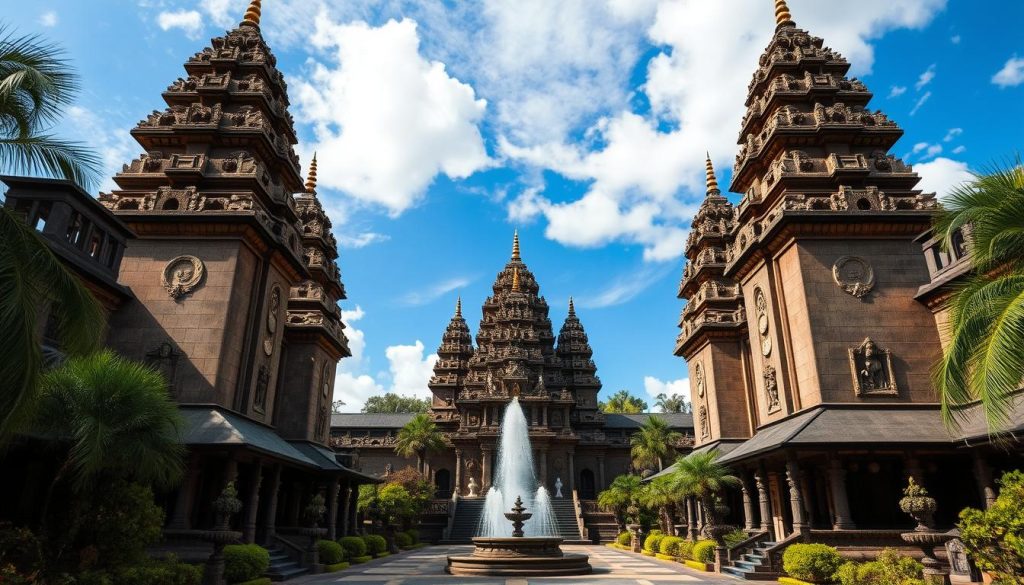
When you enter the Nadi Temple complex, you’ll see amazing architecture and sacred statues. The temple’s design is a mix of Dravidian styles, with detailed carvings and bright colors. It’s filled with symbols that tell stories.
Main Shrine Dedicated to Lord Murugan
The temple’s heart is the shrine for Lord Murugan, a key figure in Hinduism. This shrine draws many visitors with its beauty and spiritual importance.
Secondary Deities and Their Significance
The Nadi Temple also has other important deities. Each one has its own story and meaning. They show the rich variety of Hindu myths and traditions.
Notable Artistic Elements and Sculptures
The temple is famous for its beautiful sculptures and carvings. These adorn the walls and ceilings, adding to the temple’s beauty. They also share important stories and symbols.
Exploring the Area Around Nadi Temple
When you visit the Nadi Temple, don’t miss out on the area around it. This region is full of culture, history, and stunning natural beauty. It’s a great chance to see the real Fiji.
Nearby Attractions Worth Visiting
There are many attractions near the Nadi Temple. Here are a few:
- The Garden of the Sleeping Giant, a lush botanical garden with many orchids and tropical plants.
- Nadi Markets, where you can find local crafts, fresh food, and souvenirs.
- The nearby beaches, like Denarau Beach, are perfect for relaxation and water sports.

Local Dining and Shopping Options
Near the Nadi Temple, you’ll find many places to eat and shop. Here are some highlights:
- Restaurants with traditional Fijian dishes like kokoda and lovo.
- Cafes with great coffee and pastries.
- Local markets for fresh fruits and street food.
For shopping, check out the local markets and boutiques. They have handicrafts, clothes, and souvenirs.
Accessibility Information for Visitors
The Nadi Temple area is easy to get to. You can drive or take a taxi. There are also public transport options. Once you’re there, you can walk around to see the local sights.
Tips for Visitors: Wear comfy shoes for walking. Try to visit during cooler times to avoid the heat.
Conclusion: Making the Most of Your Nadi Temple Visit
Now you know a lot about the Nadi Temple. You’re ready to enjoy your visit. Remember to follow the temple’s dress code and etiquette for a great time.
Learning about the temple’s architecture and cultural importance will enhance your visit. Your Nadi temple guide will help you explore. You’ll understand the temple’s spiritual essence better.
Take your time to enjoy the surroundings. Ask questions or seek help from the temple authorities or your guide. This way, you’ll make the most of your Nadi temple visit and remember it forever.