Machu Picchu Altitude Sickness: What You Need to Know
Planning a trip to Machu Picchu? You might wonder if you can avoid altitude sickness at such a high elevation. Machu Picchu is at 2,430 meters above sea level. It’s key to know about altitude sickness to have a safe and fun trip. You’ll want to learn how to prevent it to enjoy your experience fully.
At Machu Picchu’s height, preventing altitude sickness is important. Symptoms usually start at elevations over 2,400 meters. Knowing how to prevent it and understanding the elevation can help. This way, you can enjoy your trip without worrying about altitude sickness.
Understanding Altitude Sickness at Machu Picchu
Before you visit Machu Picchu, it’s key to know about altitude sickness. Machu Picchu sits at 2,430 meters (7,970 feet) above sea level. This can be tough for your body to adjust to. Acclimatization strategies are vital to reduce the risks of altitude sickness.
The air pressure and oxygen levels are lower at high elevations. This can cause symptoms like headaches, nausea, and dizziness. To avoid these, ascend slowly and let your body adjust. 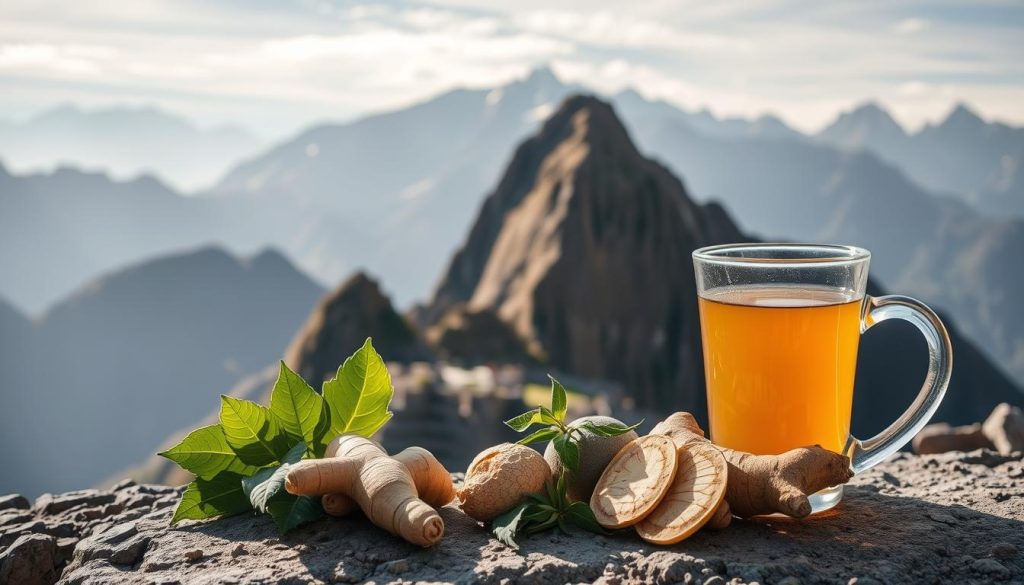
Staying hydrated and avoiding alcohol and caffeine can help. Taking Diamox (acetazolamide) under a doctor’s advice is also a good idea. Spending a few days at lower altitudes before Machu Picchu helps your body get used to the change. By understanding altitude sickness and using the right strategies, you can have a great time at Machu Picchu.
Machu Picchu’s Elevation Profile
Planning your trip to Machu Picchu means knowing the elevation. It’s at 2,430 meters above sea level. This is below the high altitude range, but still, it’s important to be careful.
Knowing the elevation helps you plan your journey. You can drink lots of water and rest when needed. Climbing too high too fast can cause sickness.
- Drink 2-3 liters of water daily to remain well-hydrated
- Rest for 24-48 hours at the altitude where symptoms occur to resolve mild altitude sickness
- Avoid ascending more than 500m a day from 2,400m
Understanding Machu Picchu’s elevation and taking precautions can help. This way, you can enjoy your trip without worrying about altitude sickness.
Common Symptoms to Watch For
Traveling to high altitudes requires knowing the signs of altitude sickness. Symptoms include headache, nausea, fatigue, and dizziness. These can start 6 to 24 hours after reaching altitudes over 3,000 meters.
Managing these symptoms is key. It’s important to consider altitude sickness medication and other remedies. 
Mild Symptoms
Mild symptoms of altitude sickness include:
- Headache
- Nausea
- Fatigue
- Dizziness
These can be managed by resting, staying hydrated, and avoiding hard activities.
Moderate to Severe Symptoms
Moderate to severe symptoms include:
- Severe headache
- Vomiting
- Shortness of breath
- Chest pain
If you have these symptoms, seek medical help right away.
When to Seek Medical Help
If symptoms get worse or don’t get better in a day, descend to a lower altitude. Seek medical help. In severe cases, medication and oxygen therapy may be needed.
How Do I Avoid Altitude Sickness at Machu Picchu?
Traveling to Peru means you need to avoid altitude sickness for a safe trip. To do this, let your body adjust to the high elevation slowly. Start by visiting the Sacred Valley, which is lower, and then go to higher places.
Gradual acclimatization is key to preventing altitude sickness. This means taking time to get used to the higher elevation. Drinking lots of water is also important to avoid dehydration, which can make symptoms worse.
Here are some tips for avoiding altitude sickness in Peru:
- Drink plenty of water and avoid strenuous activities
- Take breaks and rest when needed
- Avoid traveling to high altitudes too quickly
Knowing the altitudes of places in Cusco, like Sacsayhuaman and Tipón, helps plan your trip. This way, you can avoid altitude sickness and have a great time at Machu Picchu.
Always be careful with altitude sickness. If you feel sick, get help right away. With the right planning and care, you can have a great trip to Peru.
| Location | Altitude (meters) |
|---|---|
| Sacsayhuaman | 3,700 |
| Tipón | 3,600 |
| Pisac | 2,972 |
Pre-Trip Preparation Strategies
To avoid altitude sickness at Machu Picchu, prepare your body before you go. As you climb to higher places, your body needs time to get used to the thinner air. At Machu Picchu, the air pressure is lower, which can lead to altitude sickness. Here are some tips to help prevent it.
Stay calm, breathe deeply, and skip the alcohol to help your body adjust. Drinking lots of water is also key. Try to drink at least 0.5 liters of water every hour when you’re active. A good plan before your trip can greatly improve your experience.
- Physical conditioning: Engage in aerobic exercises, such as running or cycling, to improve your cardiovascular health.
- Medical consultations: Consult with your doctor, specially if you have any health issues.
- Recommended timeline: Give your body 2-3 days to adjust before reaching high places.
By following these tips and getting your body ready for the high elevation, you can lower the risk of altitude sickness. This way, you can fully enjoy your trip to Machu Picchu.
Acclimatization in Cusco
Before you visit Machu Picchu, it’s key to know about acclimatization. Cusco, at 3399 meters, is perfect for getting used to the high altitude. Spending time here helps your body adjust, lowering the chance of altitude sickness.
Good acclimatization strategies include resting and drinking lots of water. It’s smart to spend 2 to 3 days acclimatizing before trekking. For every 915m up, rest a day. Drinking 2.8-3.8L of water daily is also important.
Here are some tips for acclimatizing in Cusco:
- Take a guided tour to see the city and its surroundings.
- Visit towns like Pisac and Calca to try different altitudes.
- Drink coca tea, a traditional remedy for altitude sickness.
By using these acclimatization strategies, you can adjust to the high altitude. Remember to listen to your body and rest when needed. With the right acclimatization, you can enjoy Machu Picchu and its areas without worrying about altitude sickness.
Essential Medications and Supplements
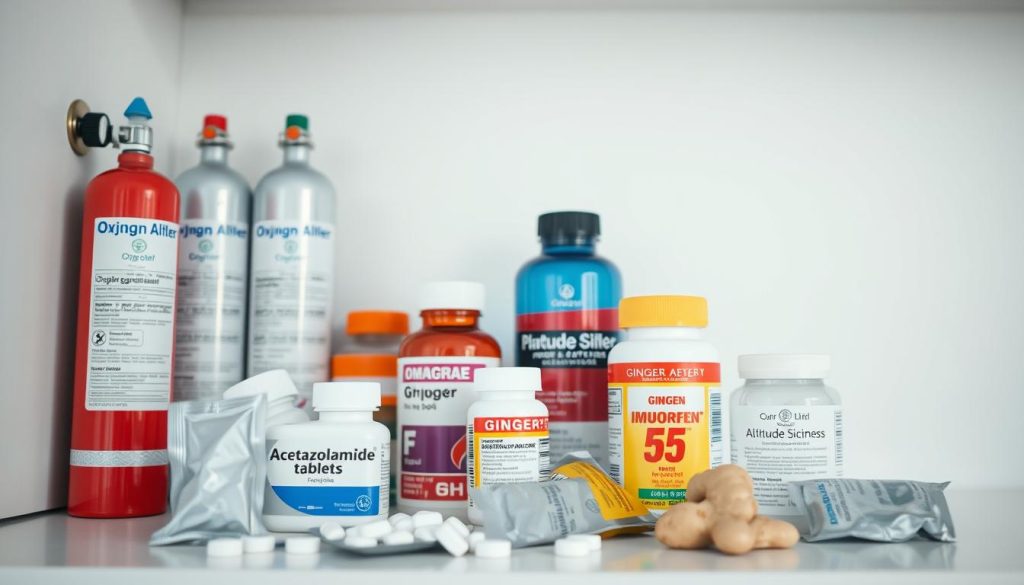
Knowing your options for altitude sickness remedies is key. If you’re going on a high altitude hiking trip, talk to your doctor first. They might give you Diamox (Acetazolamide) or suggest ibuprofen from the store.
There are also natural altitude sickness remedies to consider. Drinking coca tea can help with mild symptoms. Beet juice is another option, as it improves blood flow and oxygen delivery.
Start treatment early to avoid symptoms. Your doctor will guide you based on your needs and the altitude. Here are some high altitude hiking precautions:
- Drink lots of water to stay hydrated
- Don’t do too much for the first 24 hours
- Go up slowly to get used to the altitude
Hydration and Nutrition Guidelines
Traveling to high places like Machu Picchu means you need to focus on staying hydrated and eating right. Drinking lots of water and eating foods that give you energy are key. This helps avoid altitude sickness, which is a big concern in Peru.
Having a plan for drinking water is crucial at high altitudes. Aim to drink at least three to four quarts a day. Also, eating light, healthy meals can help keep you hydrated and lower your risk of getting sick. Good foods for high altitudes include:
- Carbohydrates, such as whole grains, fruits, and vegetables
- Lean proteins, like chicken, fish, and beans
- Healthy fats, including nuts, seeds, and avocados

By sticking to these tips, you can make your trip to Machu Picchu safer and more enjoyable. Always drink plenty of water and eat nutritious foods. Also, listen to your body to avoid any health problems.
Physical Activity Tips at High Altitude
When you’re active at high altitudes, it’s key to take high altitude hiking precautions to avoid altitude sickness. Your body needs time to get used to the higher elevation. Overdoing it can make altitude sickness worse. So, listen to your body and take breaks to rest and drink water.
To lower the risk of altitude sickness, follow these altitude sickness prevention tips:
- Begin with easy activities and slowly add more intensity and time
- Don’t do hard activities for the first 24-48 hours at high altitude
- Drink lots of water, aiming for 2-3 liters a day
- Stay away from alcohol and caffeine, as they can dry you out
It’s important to balance being active with resting and drinking water to avoid altitude sickness. By being careful and listening to your body, you can have a safe and fun time at high altitudes.

Emergency Response Plans
Traveling to high places like Machu Picchu needs a plan for emergencies. Altitude sickness can surprise you, and staying healthy at high altitudes means being ready for anything. Knowing what to do and where to go in an emergency is key.
In Aguas Calientes and Cusco, local hospitals can help with basic care. But for serious altitude sickness, they might not be enough. That’s why having altitude sickness medication and knowing how to use it is vital. Guides and tour operators often carry oxygen and other important medical items, which can save lives in emergencies.
Here are some important things to remember for emergency plans:
- Know the nearest medical facility’s location and how to get there fast
- Have a plan for emergency contact and communication
- Understand evacuation procedures and what to expect
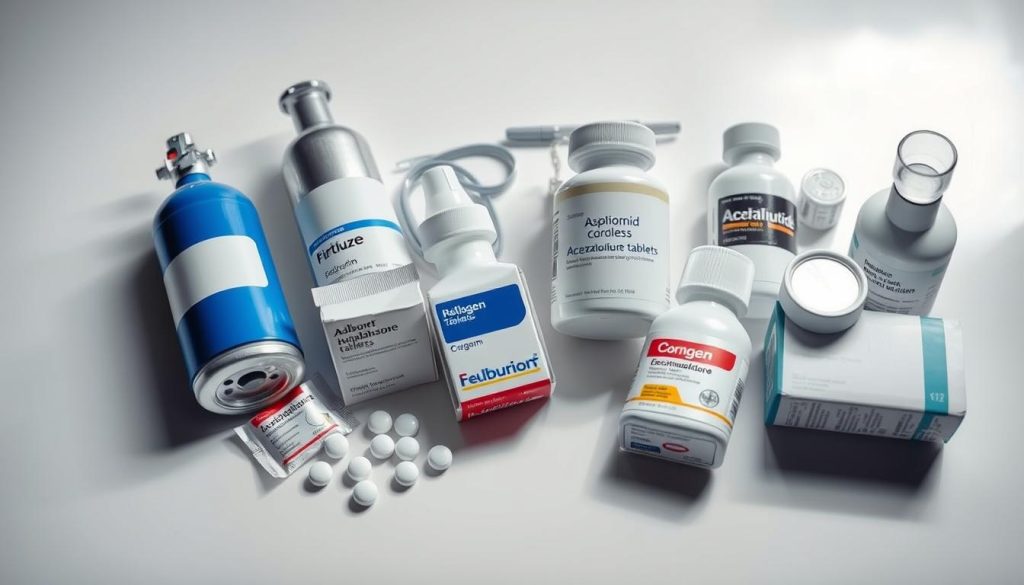
Being prepared and having a plan can reduce risks from altitude sickness. This way, you can have a safe and fun trip to Machu Picchu. Always put your health first and take the right steps when traveling to high places.
Conclusion: Making Your Machu Picchu Experience Safe and Enjoyable
Planning your trip to Machu Picchu? Remember, with the right prep, you can avoid altitude sickness and have a great time. It’s all about understanding the Machu Picchu elevation and getting your body ready.
Start by going up slowly. Spend a few days in Cusco to get used to the altitude. Drink lots of water, eat well, and rest until you feel ready. This way, you’ll enjoy Machu Picchu without altitude problems.
With good planning and care for your health, your Machu Picchu trip will be unforgettable. It will be filled with the wonder and awe that this ancient site brings. Take on the challenge, listen to your body, and let Machu Picchu’s magic take you over.